
Advertisement
Advertisement
Dr. Axe Wire · Study decoded · detox
A plant used for generations in South American traditional medicine to calm gut pain and headaches just picked up lab evidence in mice that it may work through the same pathways as opioid painkillers.
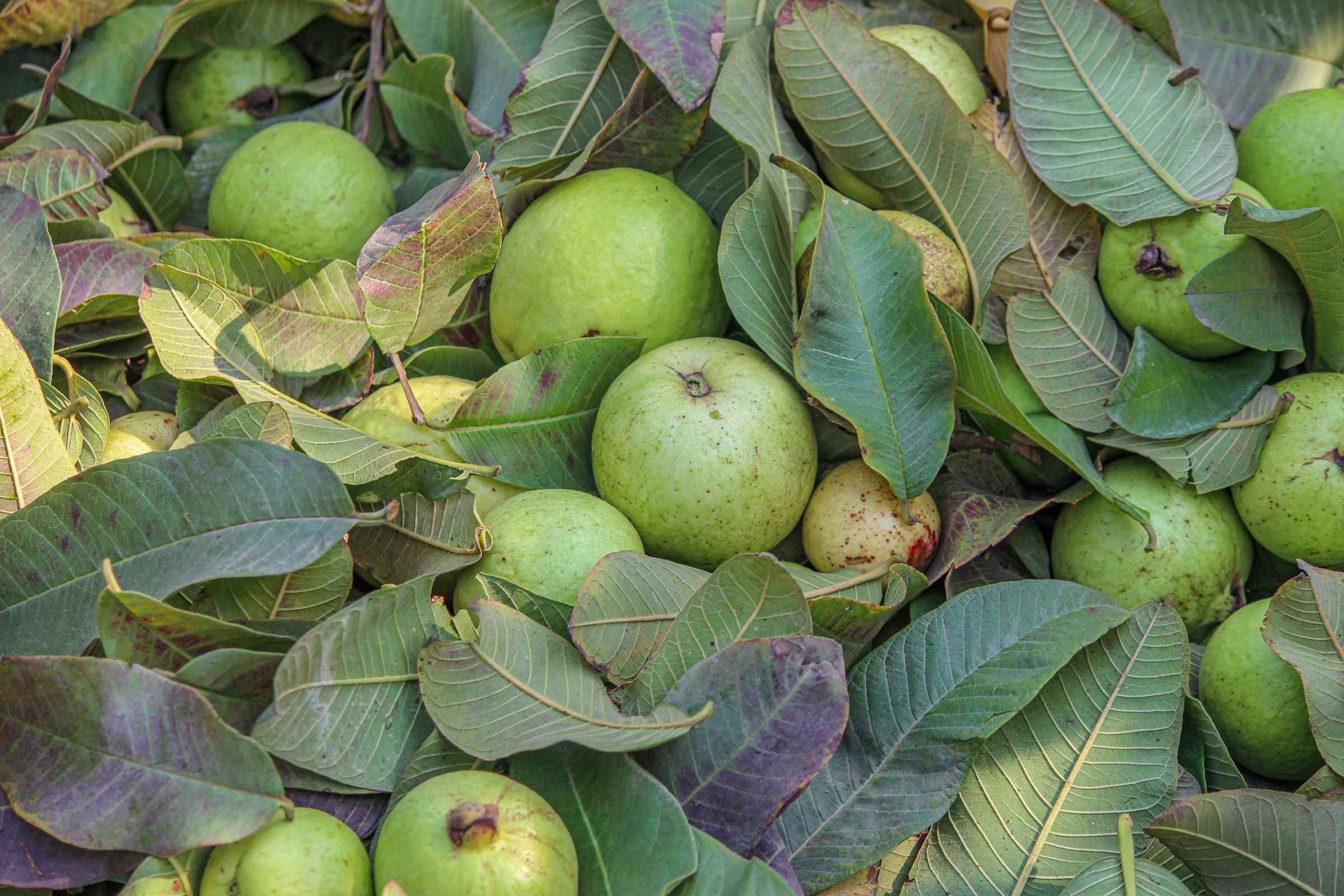
A leaf extract from Psidium guineense, a wild guava relative used in South American traditional medicine, cut pain responses by up to 89.41% in mice, according to a study published in the Journal of Ethnopharmacology.
Researchers tested a methanol leaf extract (MEPg) from Psidium guineense, a Myrtaceae plant used traditionally for inflammatory pain, intestinal pain, headaches and diarrhea, in Swiss mice. Acute oral toxicity testing at 2000 mg per kilogram, following OECD guidelines, found no deaths, no behavior changes and no meaningful shifts in body weight, food or water intake, blood counts or biochemical markers. HPLC-DAD testing identified gallic acid, ellagic acid, hydrolyzable tannins and flavonoid derivatives as the main compounds. In the acetic acid writhing test, doses of 25, 50 and 100 mg per kilogram reduced pain-related writhing by 69.43%, 78.25% and 89.41%. In the formalin test, the extract cut the early neurogenic pain phase by 53.04% to 58.66% and the later inflammatory phase by 40.70% to 63.21%. In the tail-immersion heat test, the same three doses increased how long mice tolerated heat before pulling their tail away by 68%, 85% and 87%.
When researchers pretreated the mice with naloxone, a drug that blocks opioid receptors, the pain-relieving effects of the extract disappeared entirely. The study authors say this points to opioid receptor pathways as part of how the extract works in mice, specific to this naloxone result, alongside tannins and flavonoids with known anti-inflammatory activity. Separately, pain signals generally travel from damaged tissue through nerve pathways to the brain, and compounds that interact with opioid receptors can dampen that signal at multiple points along the way. The authors frame their mouse findings as support for the plant's traditional use and a possible lead for new analgesic compounds.

This is a mouse study, not a human trial, so the pain-reduction numbers cannot be assumed to carry over to people. Toxicity testing covered one acute dose rather than long-term use; the authors declared no known competing interests.
A 69 to 89% drop in pain response across the three doses, erased by an opioid blocker, tells me this plant is doing real pharmacological work in mice, not placebo. I take traditional remedies seriously because several current analgesics were discovered by following healers first and finding the mechanism later. I would not swap this for prescribed pain medication, and nobody should adjust a prescribed painkiller based on a mouse study. What I would do is watch for human trials on Psidium guineense and lean on options with real human safety data for everyday aches, like arnica, turmeric with black pepper, and anti-inflammatory foods like fatty fish.
 — Dr. Axe
Take the Cellular Health Quiz →