
Advertisement
Advertisement
Dr. Axe Wire · Study decoded · fitness
A large China panel study links weekly exercise to slightly higher self-rated happiness; the link looked smaller where sports facilities were plentiful, but that pattern was not statistically significant.
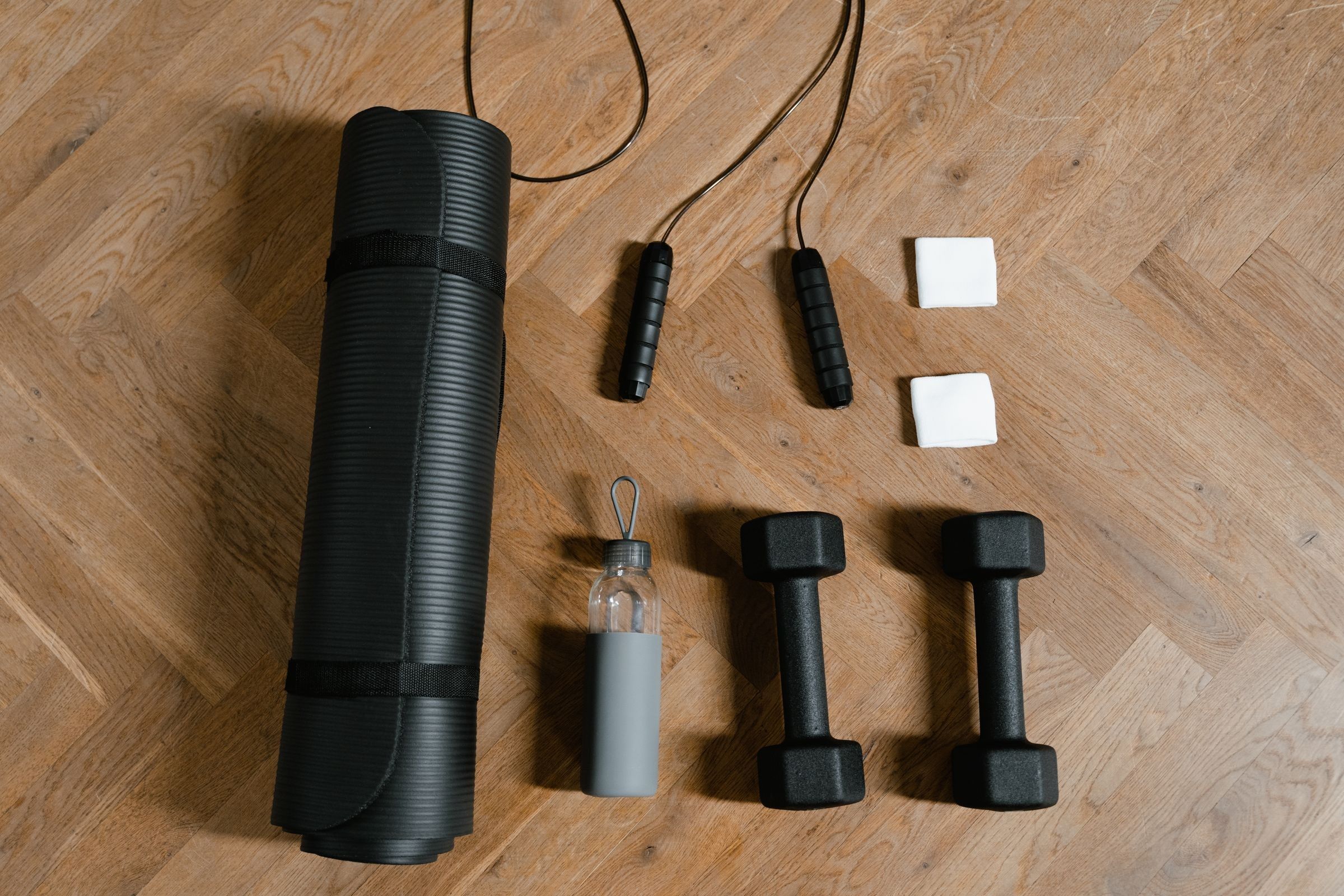
A study of 23,818 adults in China, published in PLOS One, found weekly exercise was linked to a 0.074-point rise in self-rated happiness on a 0-10 scale, and the link looked smaller in communities with more types of sports facilities, a pattern that did not reach statistical significance.
Researchers analyzed four waves of the China Family Panel Studies (2014, 2018, 2020 and 2022), covering 71,326 observations from 23,818 adults, comparing each person against their own past data over time. Weekly exercise participation was linked to a 0.074-point increase in self-rated happiness on a 0-10 scale. The estimated happiness link was smaller where community sports facility counts (0 to 5+) were higher, a pattern that did not reach statistical significance: +0.095 points with zero facilities, +0.073 with one, +0.050 with two, and no meaningful effect (-0.004) with three or more. The pattern held in a balanced four-wave subsample (+0.074 points), after excluding the 2020 pandemic wave (+0.066 points), and in a matched-comparison analysis.
The authors propose that exercising without easy facility access demands more personal initiative, and that self-generated effort builds self-efficacy, confidence in one's own ability to follow through, which may track with mood more closely than exercise made convenient by equipment and schedules. The researchers also tested whether lower depression scores explained the happiness link and found depressive-symptom scores (0-24 scale) accounted for only about 4.6% of the total exercise-happiness relationship. Established research connects physical activity to mood through brain chemical release and stress-hormone regulation, but this study points toward psychological ownership of effort as a separate pathway.

The exercise-by-facility interaction driving this pattern reached only borderline statistical significance, and a separate instrumental-variable analysis designed to test cause and effect found no statistically significant result. Facility counts came from a single 2014 survey applied across all four waves, missing any later construction. This is an observational panel design, and it shows a link, not proof that facility access causes the difference in well-being.
Convenience is not always your friend when it comes to mental health. When exercise demands initiative, you walk away with more than a workout, you walk away with proof you can follow through, and that self-trust carries into the rest of your day. A fully equipped gym down the block can quietly remove that friction. My take: if you have easy facility access, do not let convenience make your workout passive. Pick a harder version, outdoor runs, bodyweight circuits, something that still asks something of you.
 — Dr. Axe
Take the Cellular Health Quiz →