
Advertisement
Advertisement
Dr. Axe Wire · Food, herbs & supplements · detox
A Food & Function study found cold-grown broccoli microgreens supported healthier gut and liver tissue in zebrafish than warmer-grown microgreens.
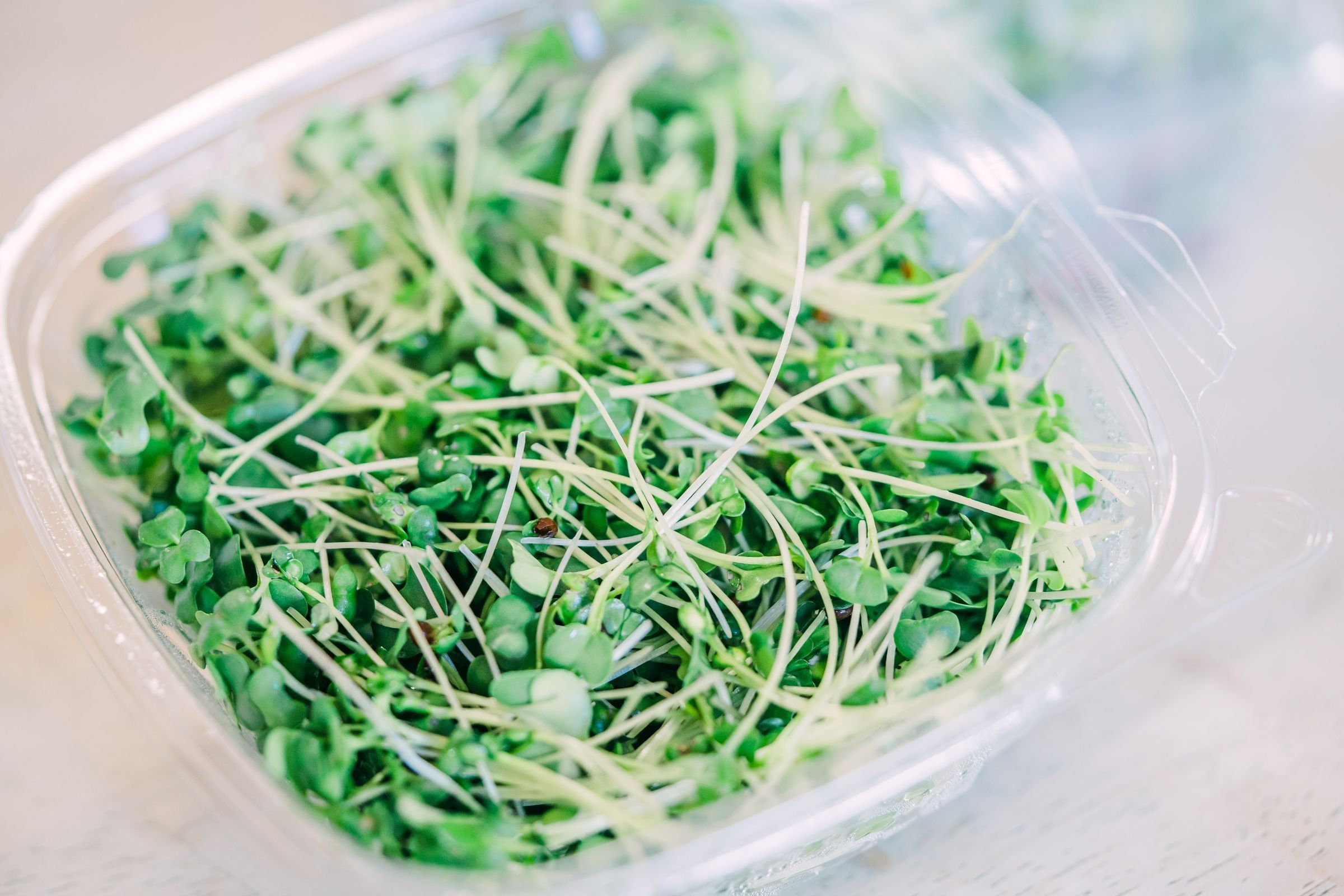
Broccoli microgreens grown in cold conditions protected the gut and liver of zebrafish more than the same microgreens grown at room temperature or in heat, according to a study published November 13, 2026 in Food & Function.
Researchers grew broccoli microgreens under low-, room- and high-temperature conditions, analyzed their chemical makeup with imaging and mass spectrometry, then fed the different microgreens to zebrafish and examined gut and liver tissue. Fish given the cold-grown microgreens, especially at the higher tested amount, had intestinal and liver tissue structure closer to untreated control fish than fish given the other microgreens. Those fish also had lower immunostaining for TNF-alpha, an inflammation signaling protein, and for 8-OHdG, a marker of oxidative DNA damage, plus higher catalase, an antioxidant enzyme, in both tissues.
The cold-grown broccoli had its own chemical fingerprint, with more glucosinolates (sulfur-containing plant compounds), catechin and reduced glutathione, an antioxidant the body produces and uses up under stress.

The authors say growing temperature shaped which plant compounds built up, and that this chemical profile tracked with the better tissue outcomes in the fish. Heat pushed the plant toward a different set of stress-protection compounds rather than the protective combination seen in cold-grown plants. In general, cruciferous vegetables like broccoli contain sulfur compounds the body converts into molecules supporting its own antioxidant defenses; this study did not test that conversion in the fish.
This work was done in zebrafish and isolated plant samples, not humans, so larger human studies are the next step before drawing conclusions about human gut or liver markers. The abstract also did not give exact sample sizes or numeric results for the tissue and marker comparisons.
How a vegetable is grown changes what's in it, and what's in it changes how the gut and liver respond in this zebrafish model. Cold growth pushed broccoli microgreens toward more glucosinolates, catechin and reduced glutathione, the sulfur-rich antioxidant compounds that support the liver's detox pathways. I'd choose broccoli microgreens over mature broccoli for a concentrated dose of these compounds, and favor produce grown in cooler conditions over heat-stressed produce. Pair it with garlic and onions for broader sulfur-compound support, and treat this as a reason to favor variety and freshness in cruciferous vegetables, not a human-proven protocol.
 — Dr. Axe