
Advertisement
Advertisement
Dr. Axe Wire · Food, herbs & supplements · gut
A juice from Myrica rubra, also called bayberry, protected the gut lining and shifted gut microbes in a mouse colitis study.
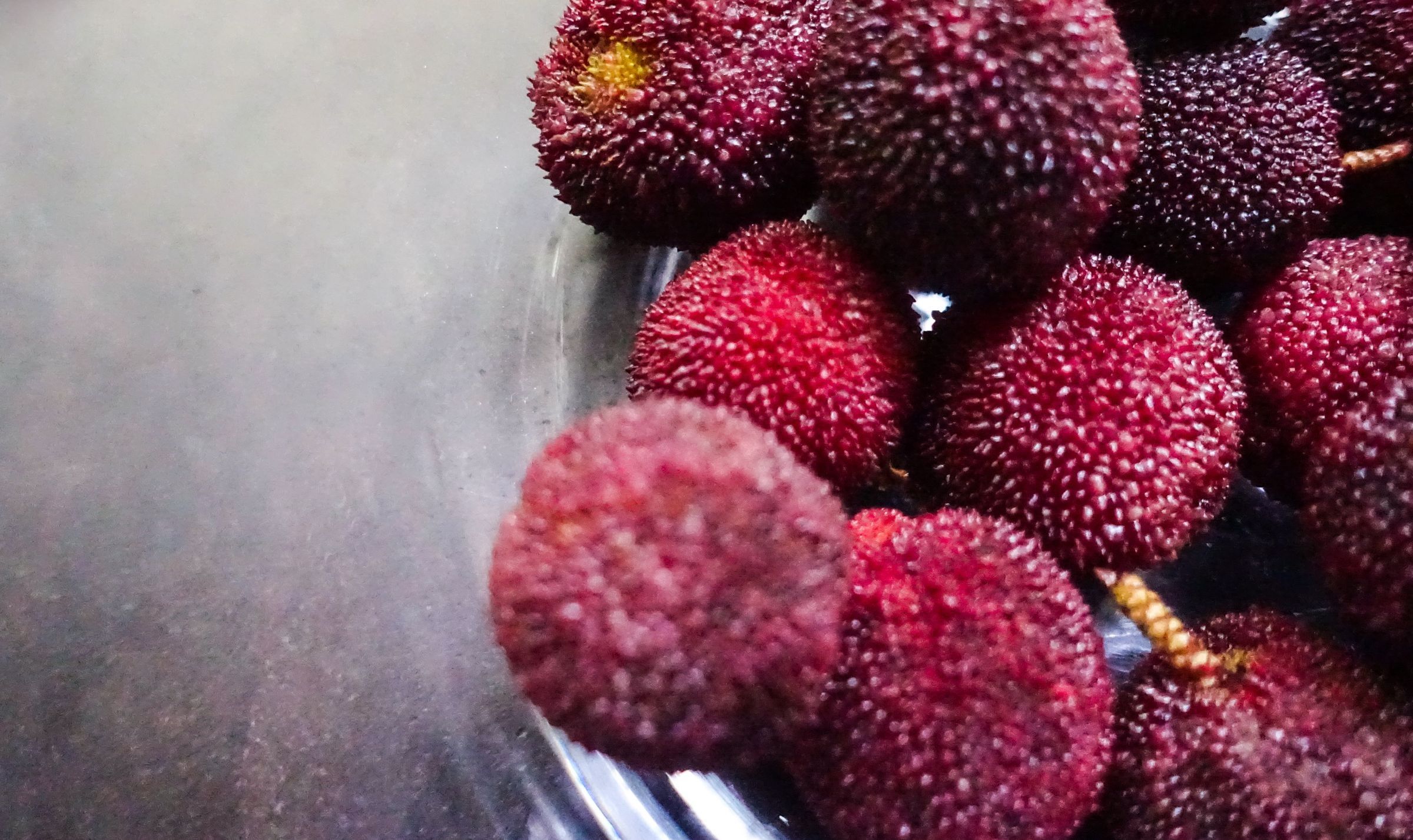
A study published October 19, 2026 in Food & Function found that juice from Myrica rubra, commonly called Chinese bayberry, eased signs of colitis in mice and changed the mix of gut microbes along the way.
Researchers tested Myrica rubra juice, from the fruit known as Chinese bayberry or waxberry, in mice with colitis caused by a chemical called dextran sulfate sodium, plus a separate lab model of gut tissue (organoids) damaged by the inflammatory protein TNF-alpha. Sample size was not reported. The juice eased disease severity in the mice and was linked to higher levels of occludin and MUC2, two proteins that hold the gut lining together and produce protective mucus. Treatment also changed the diversity and types of gut microbes present, varying by specific microbial group, and shifted blood and stool chemical profiles tied to amino acid and bile acid processing. When researchers applied a 20% concentration of the whole juice directly to injured gut-lining cells grown in a dish, with no gut microbes present, occludin still rose, pointing to a direct effect on the tissue itself. Computer modeling of how juice compounds might fit onto target proteins produced predicted docking scores, but these did not confirm actual binding, blocking of protein function, or an effect in a living animal.
With gut microbes absent from the organoid system, the rise in occludin shows bayberry juice can act on gut-lining cells directly, apart from any microbial shift. In the live mice, barrier proteins and local microbe populations changed together, but the design cannot show whether the microbial shifts contributed to the improvement. A tighter gut lining with more occludin and MUC2 generally means a less leaky barrier, which can reduce inflammatory signals that follow when gut contents cross into deeper tissue.

This single-marker result is consistent with an epithelial response to whole MRJ under the applied in vitro conditions.
The paper does not report how many mice were used, and the work was done in mice and lab-grown tissue, not people. The docking work only generated predicted scores and did not identify which specific compound is responsible for the effects.
The organoid result shows something real to me: bayberry juice tightened the gut lining in tissue with no microbes present, meaning its polyphenols act directly on gut cells, not just by feeding the microbial community. That fits what I'd expect from a polyphenol-rich fruit. This is mouse and lab-dish work, so I won't call it a human colitis treatment. What I'd do this week is add polyphenol-rich berries when available alongside fermented foods and fiber, since a stronger gut barrier likely depends on both direct nutrient effects and well-fed gut microbes working together.
 — Dr. Axe