
Advertisement
Advertisement
Dr. Axe Wire · Food, herbs & supplements · health
A traditional Chinese citrus peel ingredient reduced liver fat buildup and improved blood sugar control in a new mouse study.
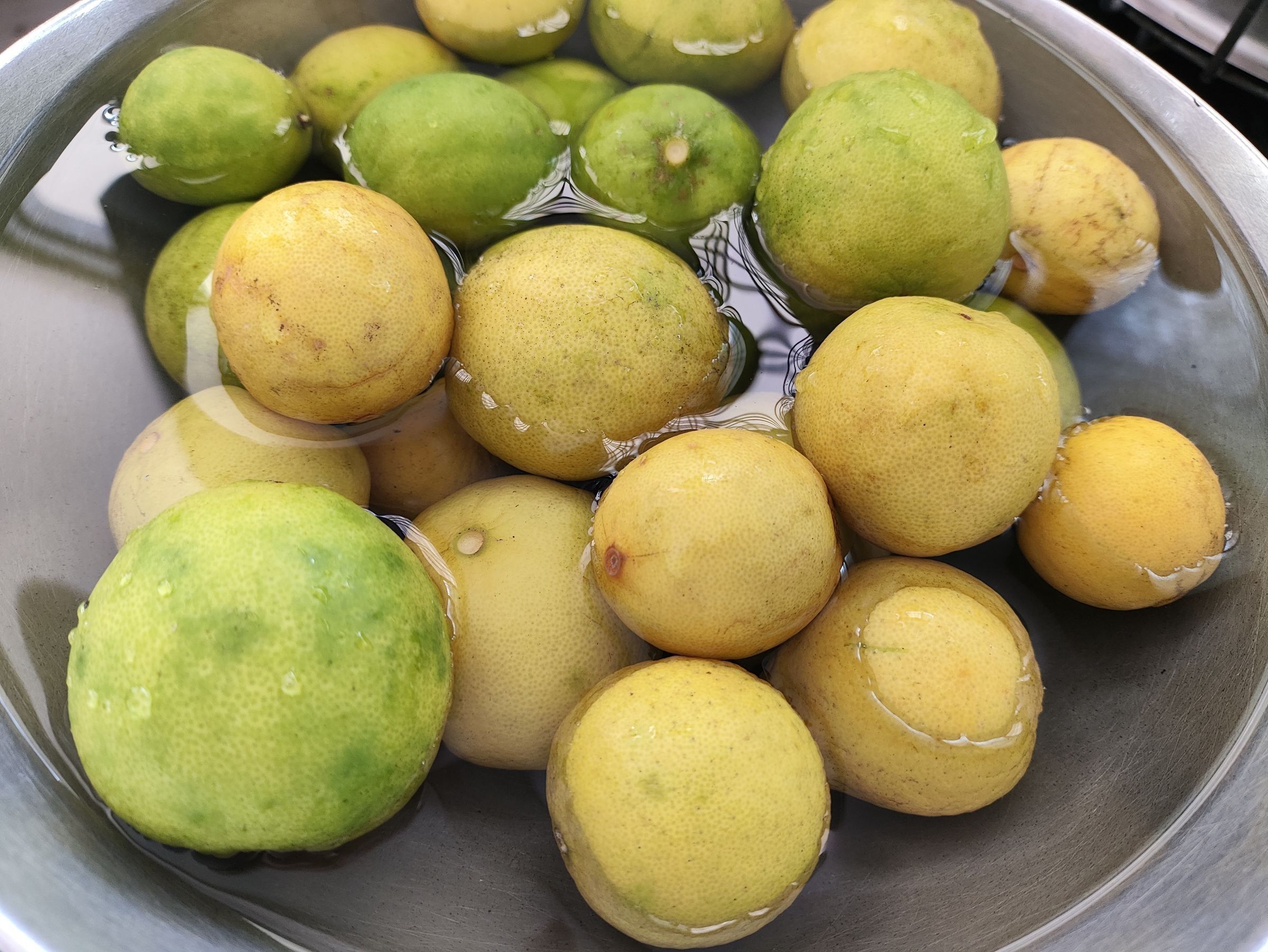
A study published October 19, 2026 in Food & Function found that an extract from Qing Pi, the dried peel of immature citrus fruit used as a traditional Chinese food ingredient, reduced fatty liver damage in mice fed a high-fat diet.
Researchers gave mice fed a high-fat diet an oral extract of Citri reticulatae pericarpium viride, known as Qing Pi, the peel of immature citrus fruit used in traditional Chinese cooking. Made with a 75% concentrated ethanol and ethyl acetate extraction process, it decreased high-fat-diet-induced triglyceride buildup and oxidative damage in the liver, eased glucose intolerance (reduced ability to clear blood sugar) and improved insulin sensitivity. In primary mouse liver cells in a dish, the same extract blocked fat-induced cell damage and oxidative stress triggered by free fatty acids. Sample size was not reported for either experiment.
Researchers identified fifteen flavonoid compounds from the extract absorbed into the mice's bloodstream. Combining network pharmacology, molecular docking and gene-activity sequencing, the authors found the extract activated the PGC-1α-PPARα pathway, which controls fatty acid oxidation, the process cells use to burn fat as fuel. Treatment raised markers including the energy-sensing enzyme AMPK and genes that process fat for breakdown. Blocking AMPK or PPARα with drugs partly erased the benefits, which the authors say supports this pathway as the mechanism.

QP treatment increased fatty acid oxidation (FAO) and the protein expression of p-AMPK, PGC-1α and PPARα
This is animal and cell-culture evidence; no human trial has tested this extract for fatty liver disease, and mouse results do not guarantee the same response in people. Sample size and extract dose were not reported in the available abstract.
The pathway here, PGC-1α-driven fat burning in liver cells, is one I consider central to reversing fatty liver buildup. Citrus peel itself belongs in the kitchen: zest from organic citrus or traditional whole-peel preparations fit naturally into a liver-supportive diet. I would pair that with what actually moves the needle in people: cutting added sugar and refined carbs, daily movement, and giving the liver a break from constant fat storage through intermittent fasting. This is mouse and cell-dish data, so I would not build a human protocol around this specific extract yet.
 — Dr. Axe