
Advertisement
Advertisement
Dr. Axe Wire · Study decoded · sleep
A matched case-control study from Chongqing found people who ate more omega-3 fats and slept well had notably lower odds of lung cancer, even after accounting for smoking.
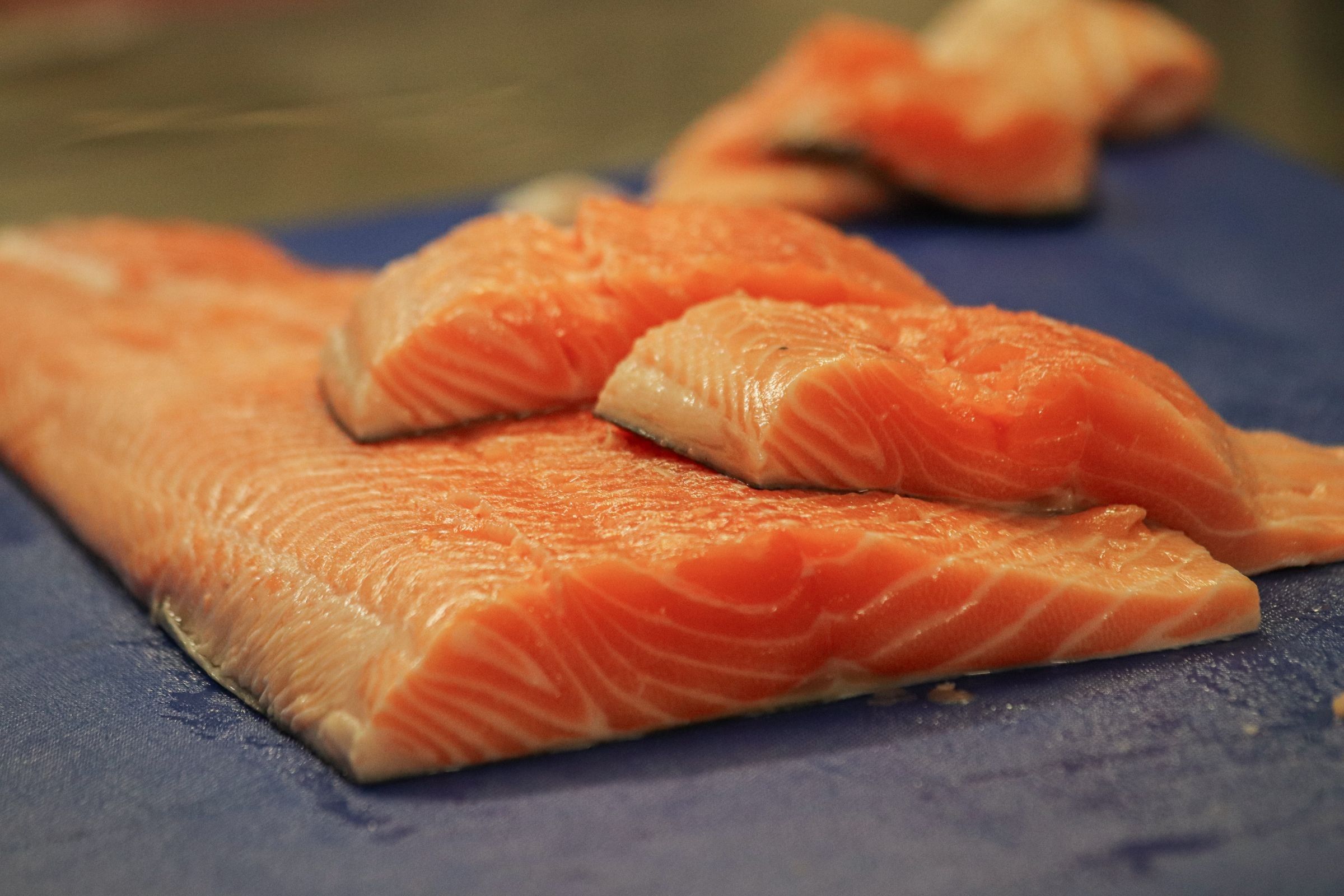
People in southwest China who ate the most omega-3 fatty acids had 50% lower odds of lung cancer than those who ate the least, according to a case-control study published September 30, 2026 in PLOS One.
Researchers matched 322 newly diagnosed lung cancer patients to 644 cancer-free controls by age and sex in Chongqing, then measured diet and sleep habits for the 12 months before diagnosis using a food questionnaire and a 5-point sleep score covering duration, chronotype, insomnia, snoring and daytime sleepiness. After adjusting for smoking status, education, income, BMI, diabetes, alcohol use and occupational exposures, each 1-gram-per-day increase in omega-3 intake was linked to 18% lower odds of lung cancer, with an odds ratio of 0.82 and a confidence range of 0.70 to 0.96. Comparing the top third of omega-3 eaters to the bottom third, the odds were 50% lower, an odds ratio of 0.50. People with favorable sleep patterns, scoring 4 or 5 out of 5, had 41% lower odds of lung cancer than those scoring 0 or 1, an odds ratio of 0.59. Omega-6 and total PUFA intake showed 50% and 52% lower odds in the top-versus-bottom tertile comparison, but those links disappeared when intake was analyzed as a continuous number instead of grouped into thirds. Among higher omega-3 eaters, medium and favorable sleepers had even lower odds than unfavorable sleepers in that same group, but the statistical test for interaction between omega-3 and sleep did not reach significance.
The authors propose that omega-3 fats, particularly EPA and DHA, carry anti-inflammatory and immune-supporting properties that may dampen inflammatory signaling involved in tumor development. They also cite animal research suggesting sleep deficiency can activate a cell-clock pathway tied to fat metabolism that promotes lung tumor growth, with DHA potentially supporting circadian and melatonin regulation.

This case-control design shows a link, not proof that diet or sleep causes lower lung cancer risk, since both were reported retrospectively and could reflect reverse causation if early cancer symptoms changed habits before diagnosis. Detailed smoking history, including pack-years, was not collected, so residual confounding from smoking intensity cannot be ruled out.
A 41% difference in odds tied to a sleep score, in a model that already adjusted for smoking, tells me circadian biology deserves real weight in cancer prevention conversations, not just diet. I'd prioritize wild-caught salmon, sardines and walnuts for omega-3s, since omega-3s from food are what this study measured. For sleep, get morning sunlight within 30 minutes of waking, keep a consistent sleep and wake time, and treat snoring or daytime sleepiness as signals worth addressing. This is an association study, so I wouldn't treat fish oil as cancer prevention, but better sleep and more omega-3 rich foods are low-risk moves with plausible biology behind them.
 — Dr. Axe
Is omega-3 one of your top 5? →