
Advertisement
Advertisement
Dr. Axe Wire · Labs & diagnostics · gut
A lab study screening 94 foods in lab-grown gut microbe communities found that resident bacteria and diet work together to decide which bacterial family dominates, a finding that could reshape how personalized nutrition gets approached.
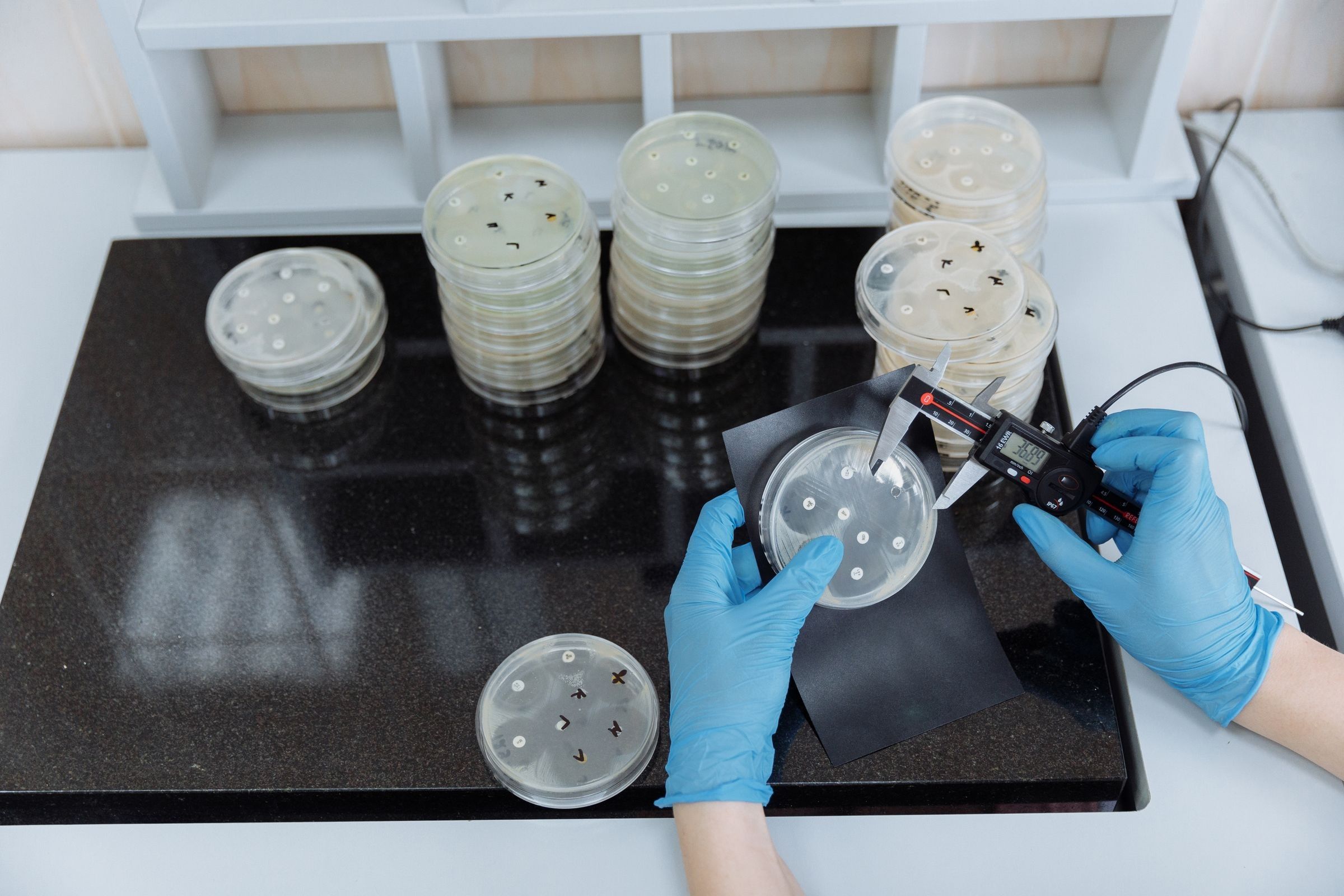
A lab study published October 2, 2026 in Nature Microbiology screened 94 dietary components in synthetic gut bacterial communities and found that two major bacterial families, Bacteroidaceae and Prevotellaceae, compete for the same food sources, with the winner depending heavily on a third group called Enterobacteriaceae.
Researchers screened 94 dietary components in synthetic gut bacterial communities built in the lab to study how Bacteroidaceae, the family that dominates the gut microbiome (community of microbes living in the gut) in industrialized populations, compete against Prevotellaceae, the family that dominates in people with traditional lifestyles. Diet alone did not explain why one family wins. Segatella copri, a key Prevotellaceae species, outcompeted Bacteroidaceae when given preferred polysaccharides (complex plant fibers) such as arabinan, but only when the community also included Enterobacteriaceae, a family that includes E. coli. Using metatranscriptomics (measuring which genes bacteria are actively using) and targeted metabolomics (measuring specific metabolic byproducts), the team found Enterobacteriaceae worked together with certain diet components to help Segatella dominate in both human and mouse gut communities grown in the lab, confirmed using multiple E. coli and Segatella isolates. Global stool sample data showed gut microbiomes rich in Segatella, typical of non-industrialized populations, correlated with higher Enterobacteriaceae levels.
The authors describe this as an ecosystem-level relationship: specific gut bacteria and specific foods act together, not separately, to tip the balance among the gut's dominant bacterial families. This challenges the idea that diet alone predicts which bacteria thrive. The mix of microbes already present sets the stage for how new foods get used, so two people eating the same fiber-rich diet could end up with different dominant bacteria depending on who else lives in their gut.

94dietary components
Number of dietary components screened in synthetic gut communities to study competition between Bacteroidaceae and Prevotellaceae
This is lab and animal research using synthetic communities and mouse models, not a human feeding trial, so it cannot show what happens when people change their diets. Sample size for the metagenome comparison was not reported.
Feeding gut bacteria isn't as simple as eating more fiber and hoping for the best. The microbes already there determine how that fiber gets used and which bacterial family ends up dominant. If your gut leans toward an industrialized pattern, diverse plant fibers and fermented foods still matter, but I wouldn't expect fast results if your resident microbes aren't set up to use them well. My approach is dietary diversity sustained over months, not a single superfood fix: rotate fibers, resistant starches and fermented foods consistently. This is lab science, not a human diet trial, so I treat it as reason for patience, not a reason to overhaul anything this week.
 — Dr. Axe