
Advertisement
Advertisement
Dr. Axe Wire · Dr. Axe in the news · health
Dr. Axe says one overlooked structure, the membrane around every cell, is built from the fats in your diet and may explain brain fog, cold hands and aging markers your bloodwork misses.
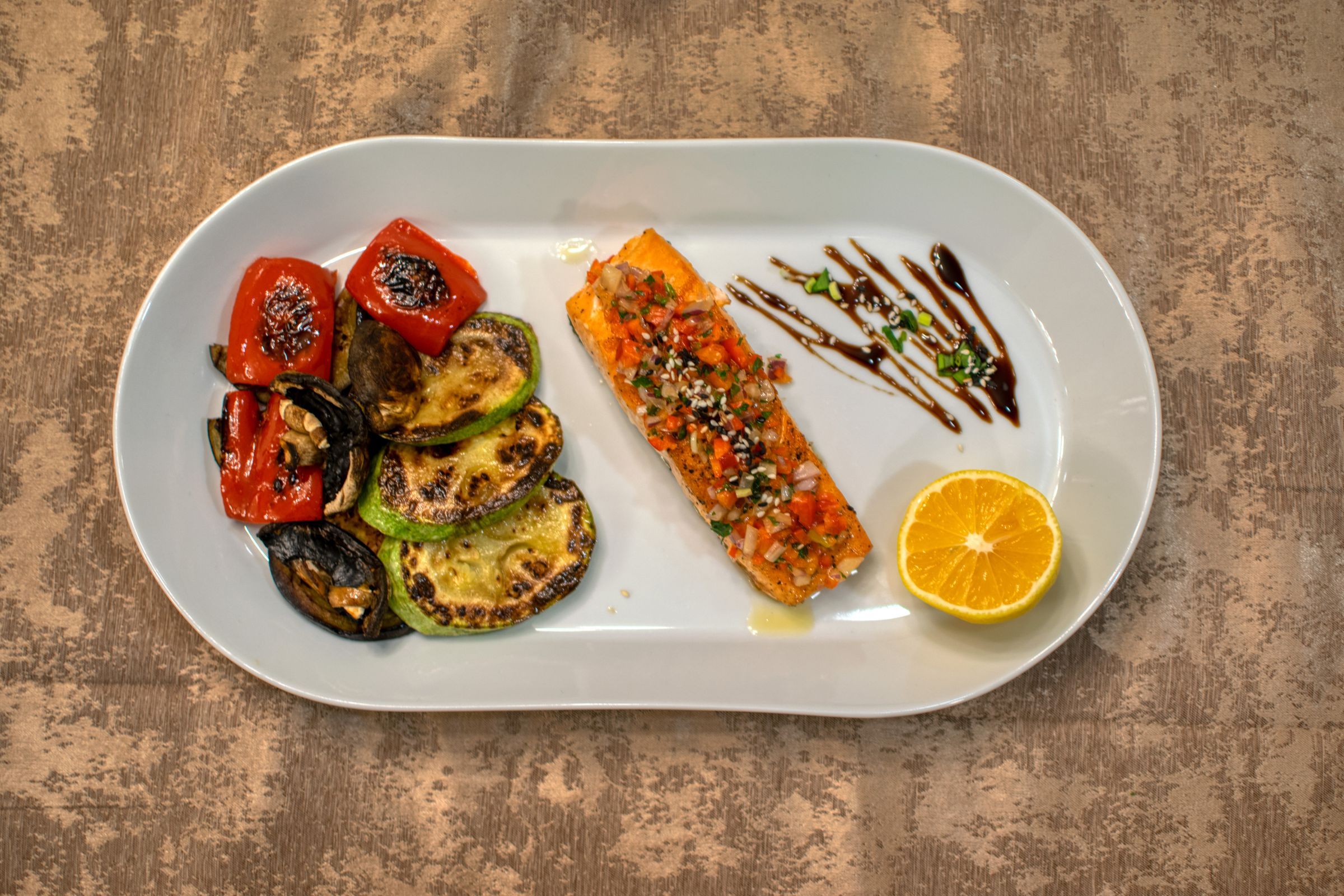
Dr. Josh Axe used the October 5 episode of The Dr. Josh Axe Show to argue that cell membrane health, not cholesterol alone, drives risk for heart disease, cancer and dementia, citing a study of 42,000 people linking favorable membrane fat composition to a 15 to 18% lower risk of dying.
On the October 5 episode of The Dr. Josh Axe Show, Dr. Axe presented cell membrane health as a hidden driver of chronic disease, citing a study of 42,000 people in which those with favorable membrane fat composition had a 15 to 18% lower risk of dying. He referenced a New England Journal of Medicine study of 22,000 male physicians followed 17 years, where the top quarter for omega-3 levels had an 81% lower risk of cardiac death than the bottom quarter. He cited a 20-year Finnish study of more than 2,000 people in which those eating the most phosphatidylcholine, mainly from eggs, had a 28% lower risk of dementia, and a 7,000-person, five-year Mediterranean diet study with extra virgin olive oil showing roughly 30% fewer cardiovascular events in the olive oil group.
Dr. Axe said membranes are built mainly from fat, cholesterol, protein and fatty acids, with oxygen passing through the fat portion. A stiff, hardened membrane shows up as arterial calcification, while a healthy one stays soft and pliable. He ranked his seven steps: fatty fish for omega-3s, olive oil over seed oils, and eggs or liver for choline, followed by antioxidants like vitamin E and astaxanthin.

Cell membranes are built largely from the fats people eat over time, so dietary fat composition shapes how flexible or stiff those membranes become. Established physiology holds that omega-3 fatty acids integrate into membrane phospholipids and support flexibility, while oxidative damage to membrane fats is associated with arterial stiffening.
the people that had the right type of fat built into their cell wall had a 15 to 18% Lower risk of dying
The episode is a single creator's framework on his own show, citing outside studies without full designs, populations or peer-review detail in the broadcast, and it promotes Dr. Axe's clinic testing and consultation services.
I built this episode around the idea that your cell membrane is the most underrated structure in medicine, and I stand by that. When patients have brain fog, cold hands or stubborn inflammation and standard labs look normal, the omega-3 index often explains why. My own framework is wild-caught fatty fish three times a week, two pasture-raised eggs most days for choline, and extra virgin olive oil as the main cooking fat, with seed oils cut out. A fish oil supplement in triglyceride form is a reasonable backup when diet falls short. This is my clinical framework, not a guarantee, and I would rather see someone test their omega-3 index than guess.
 — Dr. Axe
Take the Cellular Health Quiz →