
Advertisement
Advertisement
Dr. Axe Wire · Study decoded · nutrition
A NHANES study of stroke survivors found those eating the most antioxidant-rich diets had sharply lower death rates, a signal worth noticing if you or a family member has had a stroke.
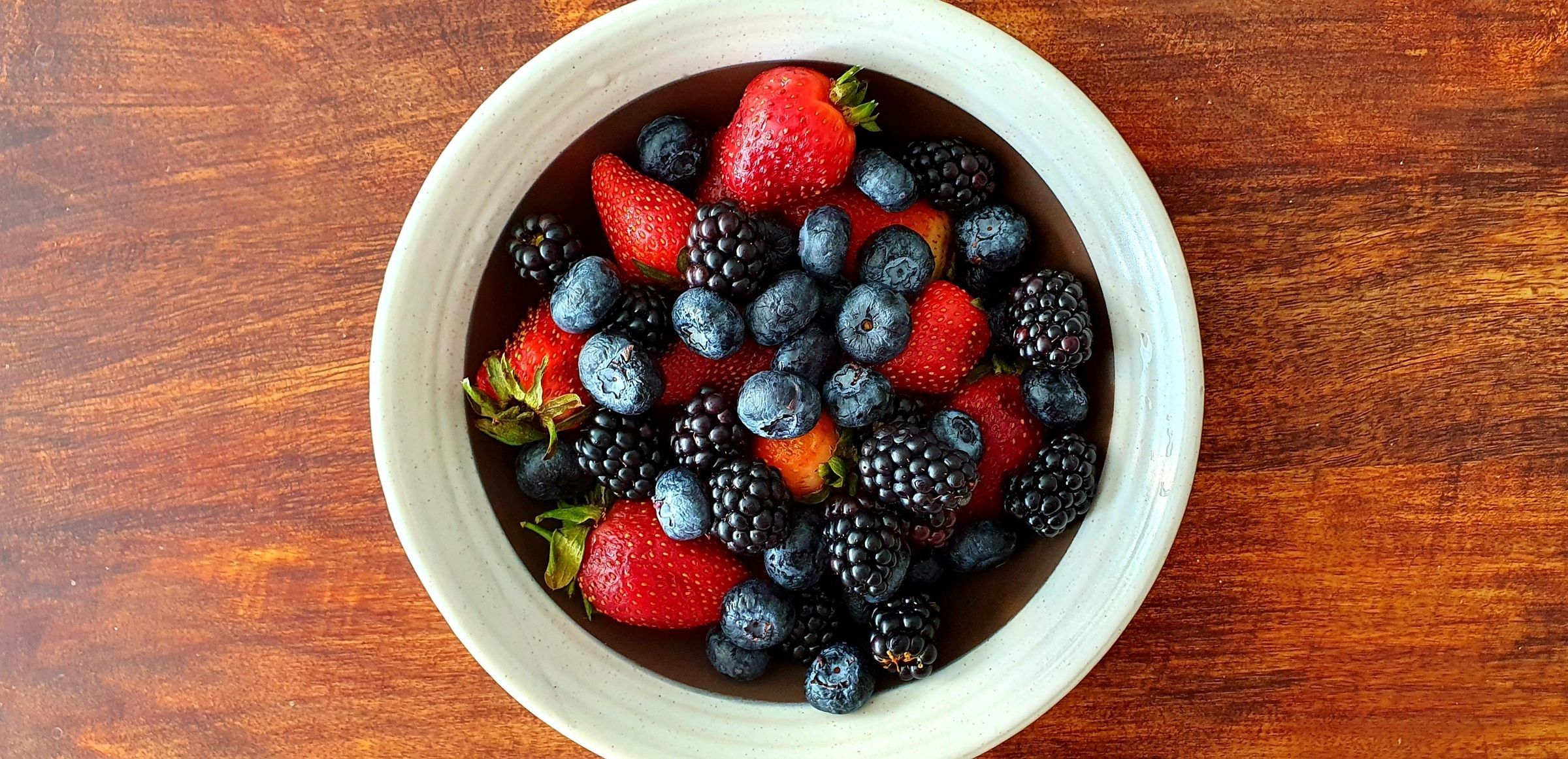
A study published in Nutrition Journal found that stroke survivors with the highest dietary antioxidant scores had a 44% lower risk of death from any cause compared to those with the lowest scores.
Researchers analyzed data from 1,376 stroke survivors in the National Health and Nutrition Examination Survey, collected between 1999 and 2018, and followed them for a mean of 86.4 months using death records from the National Death Index. Of this group, 587 participants died during follow-up. Each one-unit rise in the composite dietary antioxidant index, a combined score built from intake of vitamins A, C and E, zinc, selenium and carotenoids, was linked to a 6% lower risk of death from any cause (HR 0.94) and a 9% lower risk of cardiovascular death (HR 0.91). Comparing people in the lowest fourth of scores to those in the highest fourth, the high-scoring group had a 44% lower risk of all-cause death (HR 0.56) and a 62% lower risk of cardiovascular death (HR 0.38).
The authors describe the composite dietary antioxidant index as a way to capture overall antioxidant capacity from food rather than any single nutrient. Antioxidants neutralize unstable molecules called free radicals that accumulate after a stroke and contribute to ongoing cell damage and inflammation in blood vessels. A diet supplying more of these nutrients together, the authors suggest, may blunt that damage more effectively than any one vitamin alone.
This is an observational study built on dietary recall data, which relies on self-reported eating habits and captures only a snapshot of intake rather than lifetime diet patterns. The design shows a link between higher antioxidant scores and lower death rates in stroke survivors, not proof that eating more antioxidant-rich food causes people to live longer. The authors declared no competing interests.
This lines up with what I'd expect in stroke recovery: real oxidative damage is happening in brain and blood vessel tissue, and a diet loaded with antioxidant-rich foods tracks with meaningfully lower death rates here. I would not wait on more trials to act on this. Build meals around colorful vegetables, berries, nuts and seeds for vitamin E and selenium, and citrus or bell peppers for vitamin C, every day after a stroke diagnosis. Pair that with prescribed medical care, never as a replacement for it. I would also cut processed food and seed oils, since they drive the oxidative stress this index is designed to counter.
 — Dr. Axe
Take the Cellular Health Quiz →