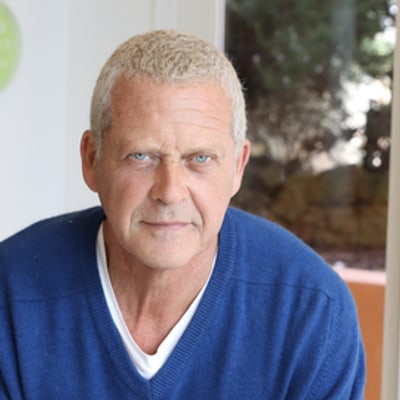
90-Pound Weight Loss Transformation & Diet for PCOS and Acne | Mari Llewellyn
Transcript
Click a timestamp to seek the player.
Hey everybody, welcome to the Dr. Josh Axe Show. I am your host, Dr. Axe, and each and every week on the podcast, we go deep on the science and principles behind how to grow in body, mind, spirit, and take your health and your life to the next level. Today I have a fantastic episode. I'm offsite in Austin interviewing Mari Llewellyn, and she is the co-founder of Bloom Supplement Company. She is— I was on Forbes 30 for 30, 30 Under 30. Man, so much success. And, you know, being under 30 years old, she lost almost 100 pounds. She is an expert in nutrition and health and wellness. We're gonna talk about a lot of stuff today, everything from how to lose weight, how to improve your mindset. Uh, we're going to talk about all those things. Mari, thanks for coming on.
Oh my gosh, thank you so much for having me. I'm so excited to be here.
Wow, we've already had some great conversations. You made some great food recommendations for me in Austin here. And if anybody knows much about me, they know Chelsea and I are big foodies. And so thanks for the Great recommendations. And you have such an amazing story. I've been following your story for a while and just so impressed. And we're watching your, your, some of your YouTube videos years ago and just seeing your amazing journey of losing weight, getting fit and healthy. Can you just share a little bit, walk us through your journey? And also part of the question here is, how did you do it? How did you lose that nearly 100 pounds?
Yeah, it's been a wild journey. I don't think I ever anticipated to be where I am now. Um, truthfully, my story started from a a very dark, lost place. I was in college, had some mental health issues. I was diagnosed with BPD, which stands for borderline personality disorder. And on our episode on my show, we were talking about really identifying with your diagnosis.
Yeah.
And after hearing that, I identified with BPD. I felt like I was BPD. And when I did research online or spoke to doctors, I was told, you'll have BPD forever. And BPD was really running my life. I was struggling with, you know, identity issues, self-harm, using alcohol, food, whatever I could to kind of numb the pain. And yeah, that ultimately led to weight gain and being super unhealthy mentally and physically. And I dropped out of school a semester before graduating and moved back in with my dad and just felt all this shame because I didn't have a degree, didn't have a job, didn't really have any goals. Kind of had this moment of reflecting on my life and where I was, and I was for sure at a rock bottom, you know, um, didn't have any friends, wasn't in a relationship, and just felt like I had to finally take responsibility for where I was at. I had this moment where I looked around and I was like, okay, I'm the one that got myself in this position. And instead of living in a victim mentality and looking for other people to blame, I finally looked inwards and kind of found the strength to pull myself out of that hole. So Greg and I, who's my husband now, we've been together for about 10 years, and we were very much on and off during college, but he was always kind of there for me, huge inspiration for me. He was a bodybuilder, still is a bodybuilder, um, and throughout college he would go to the gym twice a day, meal prep, all the things that none of us were doing in college. I was going to Subway every day, really had no knowledge around nutrition at all. And when I decided I wanted to gain back control of my life, I kind of looked to him as my inspiration. And also my dad had given me this book, I forget the name of it, but it was something about food as medicine. And I remember kind of laughing at him and being like a little insulted. I was like, you clearly don't understand what's going on here. Like, food would never help me. Plot twist, now I'm obsessed with nutrition and it changed my whole life. Um, but you know that feeling when you're like, you don't understand how bad this is, it really feels like nothing will help. And nutrition was really the first place I started. I essentially just emulated Greg's meals, which were definitely more bodybuilder style and not what I would eat now. But instead of eating the 2 muffins I was eating every morning with a giant iced coffee with milk and sugar, I was then eating eggs and oatmeal and blueberries and really having more whole foods and feeling the difference within a couple of days. Wow. And that really put me on the right path. I think it allowed me to feel I think sometimes the small steps are the most important. Yeah, because there's no way that I could have showed up at the gym or for daily movement if I didn't start there, because the food I was eating was making me feel so bad. Yeah, the blood sugar spikes were affecting my mood and my energy and everything, my inflammation. Just by making a few swaps, I was able to show up as a much better version of myself every day. And, um, I don't want to go on too much of a tangent, but that really put me on the right path to changing my life and changing my body. And it also was such a deeper journey for me. It wasn't just about the physical change. It had so much to do with me wanting to be proud of who I am. I felt like before the journey, I was a little bit kind of coasting by and being okay with being average. And perhaps I had limiting beliefs about myself, you know, I wasn't a great student either. You were telling me about your story. I was not a great student. I wasn't a high achiever. I wasn't very goal-driven, which is crazy because now that's like my whole personality. Um, but I really, really struggled in every asset of my life and kind of did the bare minimum. Um, my life kind of revolved around partying and drinking, and it was like something I really wanted to figure out was what is my full potential and who am I supposed to be and what is my purpose.
So yeah, wow, that's— I mean, it's, it's powerful. I think there are so many people in this place in life right now. I think especially a lot of people, Gen Z out there, who just feel like, I don't have a purpose and I don't love myself, and what, what could I possibly be good at? And just in a place where they're just really— again, they have an identity issue. You know, when I, when I first opened my, my clinic the, the conditions that were growing the fastest were cancer, childhood obesity, diabetes. They were all on the rise. Over the last 10 years, the top conditions, the fastest growing conditions, are mental health issues. Wow. Depression, anxiety, identity issues. I mean, a lot of the things that you're really sharing here, there are, there are millions and millions of people struggling with them. What is your biggest piece of advice to anybody who's in that place right now, who, who's saying that was— I'm in that place now where you were. What was your advice to those people?
I think setting small goals for myself was a huge piece of the journey because I had never really experienced like setting a goal and achieving it before. And just by keeping my own promises— let's say I told myself I'm gonna wake up at 7 AM, I'm gonna make it to the gym 5 days this week. Just by like checking the box every day, my confidence got stronger and stronger and stronger and stronger. And I think we were talking about this on our episode— you felt like, okay, I got an A on that paper, I got an A in that class. Like, those small wins, that's how you build your identity and your confidence. So just by showing up every day and doing what I told myself I was going to do, I was just proving to myself I could do hard things. And those things got bigger and bigger and bigger. I never had the intention of losing 90 pounds. That wasn't my goal. I didn't go into it saying, I'm I'm going to lose this X amount of weight. Yeah, my goal was to have daily practices that I actually followed through with because I couldn't say that that's what I was doing before. Slowly but surely it built up, and now I have a business that I don't think I would have ever have had had I not shown up for those daily gym sessions.
Yeah, yeah. You know, I, I think about— yeah, we've all seen these stats with New Year's resolutions where it's like the average New Year's resolution on it starts January 1st, it ends— I think it's January 4th.
Yeah.
I mean, it is so short. And I think part of the reason is, is that people will go and say, okay, I'm gonna go to the gym 7 days a week for an hour.
Yeah.
And it's just unrealistic versus saying, okay, I'm going to start walking every day for 20 minutes. It's a lot easier than going, getting to the gym, doing weight. You know, it's just a lot. Now, not to say— I hope everybody goes to the gym and works out and a few days a week. I think that's great. But I think there's so much wisdom in saying, I'm going to make small changes and things that are more doable, things that you can keep up with. And you said something else there that's so good. I think that it's— so sometimes, I mean, part of what I heard there is it's, it's character. I mean, you're, you're— it's discipline. It's you're showing up. If you said you're going to wake up at 7 AM, you're waking up at 7 AM. That there, I think, is underrated. That there, I think, is such a key thing for so many people.
I think discipline can be self-love. I remember this like moment on the internet where everyone was talking about, oh, eating the pizza, taking the bath. Sure, there's a place and time for that, but for me at that moment in my journey, the discipline was what loving myself looked like. Does that make sense?
It makes total sense. Like, I have— there's somebody I really love and he doesn't have much discipline in his life, and I— but I think it stems from not like shame and guilt and, and not loving himself. And so anyways, what you're saying to me, it just, it really, it really resonates. It really makes, it really makes sense.
Yeah, I think before my journey, like, I didn't, I didn't feel worthy of doing big things. I didn't think I was capable of doing hard things. And I think the self-love was not there, clearly. Like, I was literally self-harming before getting into this moment of my life. And I think finding that self-love took discipline. And I, I try not to sugarcoat my journey because I, I think sometimes when people ask me about it, they want me to say it was easy. It definitely wasn't easy. I fully dedicated 9 months of my life to learning about health and nutrition, working out. And it started slow, like you said. Like, I really did just start with walking, actually. It took me a while to get in the gym, but it took true true dedication, the same way it took true dedication to build a company. Like, I think everything worth doing is going to take dedication, but there's seasons in life. Like, now I'm in a very different season than I was then. Now I'm trying to conceive. Now I'm trying to slow down a little bit, which is a mental challenge to come out of a journey like that into a new one. Um, but it's a constant evolution.
So yeah. So you mentioned a little bit about food. I'd love to hear more about, like, what did your meals look like? What did your daily routine look like back then? And then I want to hear actually what it's like now. Yeah, for starters, like, yeah, what was it? What, what did that look like then when you were losing the 90 pounds?
It definitely has changed somewhat as I've learned more about myself, but back then, I mean, I went through a phase of doing keto, and I think what keto did for me was really help my brain health. I was really struggling with depression and anxiety. That was kind of like my priority. Yes, I was losing weight at the same time, but my priority was to mentally feel better, and I had read about keto and the benefits it had for people with bipolar, schizophrenia, and I thought perhaps this would help me as well. So I was eating a lot of eggs, um, avocado, blueberries, salmon, olive oil, red meat, um, a lot of high fat, definitely high protein. So perhaps it wasn't like the exact, you know, way you're supposed to do keto, but it really did benefit me as a tool for a little bit there. And I was definitely tracking back then. I didn't have knowledge around macros. I didn't understand what the difference was— difference was between a protein, a carb, and a fat. So getting MyFitnessPal and tracking was necessary for me at the time because it taught me, okay, what does 30 grams of protein actually look like? Because I couldn't have told you. So after learning, I kind of figured out how to build my plate and, um, figured out, you know, what do I need calorie-wise to maintain, you know, grow muscle, or to cut.
Yeah.
And I definitely at the time was looking up to a lot of bodybuilders. It was kind of the era 2017 bikini body competitors, you know, IFBB pros. I was watching them, kind of following their diet. I never really resonated with the If It Fits Your Macros people. Yeah, I tried it. I tried to do the healthy pancakes and the whole thing. It never felt good for me. Uh, I'm really, really obsessed with whole foods, and I think from then to now, that's what I've taken with me. Now I eat A lot of red meat, grass-fed organic meat, berries, vegetables. Um, I mean, I eat a lot of the same things every day. Sweet potato.
Where do you sit on like nuts and grains and beans and some of those foods, even dairy?
So I go back and forth on it because, I mean, for context, like I've struggled with acne on and off for 10 years. Have found out that's from, you know, hormonal imbalances which had underlying liver issues and toxins in my system. So I've worked with a health practitioner to, you know, improve that. But I always was not sure about dairy triggering my skin. If I were to have dairy, I probably would have goat milk or sheep's milk or something like that. I'm just currently in a moment where I'm nervous to introduce it. I have almonds here and there. I eat a protein bar every day called a Rawr bar. I don't know if you've heard of it. R-A-W-R. It's a small business, family-run. They are delicious and they have a really good ingredient.
Show me after the interview, I'd love to check it out.
I think you'd really love it. It's like a small family that runs this business. It takes like 3 weeks to arrive. You have to refrigerate it.
Really?
Wow. Really good ingredients. It's delicious. It has almonds in it. Um, I try not to overdo The, the nuts, because I've been told in the past, like, imagine in the wild, in our history, we probably weren't eating like copious amounts of nuts. You'd have to sit there and peel each one. So I limit the nuts, um, and I eat a lot of red meat. That's a big part of my diet, a lot of protein. And I'm focusing on like warm foods. We spoke about that on the show because I'm trying to conceive right now. Sweet potato, I absolutely love Japanese sweet potato. I think I could be better about variety I think I get a bit stuck in my ways and hyperfixate on foods a little bit.
But yeah, sounds delicious. I think a lot of good— I mean, it's real food. I mean, that's— it's wonderful. What are some things— because I know you're someone that does a lot of research, you interview loads of guests, a lot of really high-profile people. And what are you doing right now to support your fertility from a, from a health standpoint?
Such a good question. It's kind of layered. So to start, I began taking supplements that were going to just aid me in general. A lot of herbs. Um, I was telling you about Golden Thread and Elysium to clear out bacteria and toxins. I take Regenozyme, which has like prenatal ingredients in it, but it doesn't have biotin because that would break me out. I take cod liver oil. I'm eating whole foods. I try not to consume too much caffeine. I really limit alcohol. No drugs. I have been avoiding the cold plunge and too much stress on the body. I'm trying to be more mindful of stress and focus more on, you know, I do red light therapy every day and I take a moment to meditate, breathwork. I go outside every day. In terms of more maybe like of a Western medicine approach, I've gotten a saline test done, so I got my uterus, ovaries, fallopian tubes checked out. And in addition, my husband is kind of doing all these things, so he has stopped going in the sauna, he's red lighting his whole body, um, limiting alcohol, being very conscious of keeping the phone in our pocket and things like that. Honestly, the list goes on and on, and every time—
a lot of stuff, it's a lot.
But I think You know, I could come up with a million reasons that we've been trying for about 6 months now. I think a big factor for me is the worry factor. Yeah. Um, I think I'm someone who is quite Type A, quite obsessive. I can check all the boxes when it comes to nutrition and supplements and exercise, but when it gets down to it, I think about it all the time, and that's the struggle for me.
Makes sense. It makes sense. Well, you're doing a lot of the right things. Yeah, we, you know, I know we talked about this when I was on your show too, and just, you know, warming the body, you know, the, you know, when you acupuncture and Chinese medicine.
Oh, acupuncture, that's another thing.
Yeah, yeah. I, I don't, I don't think people know how proven it is. Like, when you look at our Western medical system today, really the, the, it's really only 200 years old. I mean, Chinese medicine is 3,000 years old, and it's been proven by millions of individual case studies. Yeah. And so there's just a lot, uh, a lot to it. So I think you're doing a lot of the— a lot of the— a lot of the right things.
I think I need to ramp up the acupuncture because it's also one of the only things that makes me calm down.
Yeah. So that alone is so beneficial.
Beneficial for sure. Um, so yeah, I'm on the journey.
It's great. Yeah, you want me to ask you, what was it like dealing with the mental health issues, with whether it's voices or depression or anxiety? What was that like for you?
So as I said before, I kind of identified with the diagnosis, and BPD is one of those pretty misunderstood diagnoses where people hear it and they don't quite understand it. It sounds like bipolar, it sounds like personality disorder, it's like kind of all over the place. And when I would look it up when I was younger it was pretty, uh, like the results were kind of— what's the right word— like doom and gloom. You'll have this forever, therapists won't want to see you, it's like the worst diagnosis you could have. Fast forward to now, I don't even meet the criteria for BPD anymore. And I think that has a lot to do with the way that I live my life. I think the food, the supplements, getting outside, like I really have manufactured my life in a way that helps start the day on the right note. But also I did years of DBT therapy, one-on-one therapy. Yeah, um, it does take work and time. And BPD has now been classified as a trauma-based disorder, and it wasn't when I was first diagnosed. So hearing that it's almost like a PTSD type of diagnosis was very helpful for me because then I was able to dig back and work with my therapist on some of my childhood trauma and kind of figure out where did this come from. It felt like it wasn't just who I am, and I, I wasn't born with it, if that makes sense.
So we've talked about the diet nutrition. What are some of the things that you were able to identify from your past, if you don't mind sharing, and some of the ways that you were able to overcome this, really work on— again, we talked about, you know, mindset medicine in that way.
I think just having— I think compassion. I've gone through different phases. I don't want to sound like it was immediately compassion, but I think when you think about the way you were raised and the type of household you were in, maybe the types of parents you had, it's easy to be angry and point the finger and feel like a victim, but kind of coming at it from compassion and understanding— I forget the word for it, but when there's, um, trauma through generations, generational trauma, um, having that realization and realizing, you know, this isn't my parents' fault, like they were parented in a certain way. I think also the fact that I moved around a ton as a child, um, I was constantly having to adapt to new environments and didn't necessarily feel super supported or encouraged. I think the word lonely sort of defines my childhood. And, um, coming out of that as an adult, I just felt this loss of identity, loss of— I felt very insecure always and tried to kind of numb whatever I was experiencing through other things. And also, you know, moving to America with my core family, having my parents split, and having this confusion and anger, and it was just a lot. And I think being able to speak about that with someone instead of internalizing it and having shame and blame and, you know, feelings like, "This was my fault"— yeah, externalizing it and also finding tools to manage emotions, like emotional regulation. Whether it was like holding ice— that was a big one for me, um, when I felt like I wanted to freak out or have, you know, do something impulsive. Holding ice was really helpful. Breathing techniques, finding hobbies, things that make me genuinely happy. You know, I horseback ride now. That's something I'm so passionate about. It's brought me so much joy. Um, it took me a while, and I had ups and downs, but now I'm fully in a place where I don't really feel like BPD affects me day to day at all. Yeah, I have definitely leaned towards a more of an anxious style of thinking, um, but I feel like I have so many tools in my toolbox at this point that I'm kind of ready for it. Yeah, that's so Great.
So good. I'm so glad you're able to— I mean, look at you now, it's crushing it.
That's so—
thank you. You know, I, I think this is something that, um, I, I think— I, I, I hope it gives a lot of people hope to think about, especially if you're in a place in life like— I mean, you know, I've had a couple times in life, as I mentioned earlier, where, uh, when, when you, when you, when you were— when I was on your show, that I was at this place in life where I felt like I was stupid, I was dumb, I'd never, you know, accomplish anything. And then at another point in life where I lost everything, didn't have literally $0, it was like 9 years ago, 10 years. I mean, I had nothing. And, um, and then to be so blessed— God has blessed me to where I am now. And a very similar thing with you, to be in that place in life. How long ago was that?
Oh, not long ago. I mean, 2017, 2016.
Yeah, I mean, that's 7 years ago. I mean, that's— that is not that long ago. And to see where you're at now, you've built an incredible business, a nutrition company, you're You've got a top— every time I look on Apple, you're in the top 10 podcasts. Thank you. And so it's really, really incredible and really encouraging. And I think for, for, for some people, I would say they might say, well, gosh, it's, you know, it's, it's Mari, or it's, you know, Dr. Axe, or that seems like an impossible thing to reach. But the reality is, if you can really tap into your gifts, your skills, your calling,. And then just like you said, just get a little better. You don't have to be 100% different tomorrow. Just start pursuing those things, getting that, that little self-discipline. Who knows where you'll be in 7 years? Yeah, I mean, probably a place that would blow your mind. I mean, I know I can say this for my life, and I, I'm imagining you can say this. If you would have told me when I was in high school that I would be married to the woman I'm married to, that I lived where I lived, that I had, you know, whether it's the wealth or the health or the impact especially, I would have said that's, that's beyond my wildest dreams.
Yeah, 100%. Yeah, 100%. I, I think tapping into your pain and making it your purpose, I think there's so much to that.
And there's two ways to go with that. You can either have pain and then you become a victim. And if you stay— and I wish more people understood this— living with a victim mentality, which most people have today, living with that absolutely stops your growth. It freezes your growth. You'll never become who you were called to be. And, and we see this in all these movies, right? If you watch Harry Potter, it's like Harry Potter and Voldemort were both orphans. Yeah. One went on to change— I mean, that's a simple or silly example, but one went on to, you know, save the world, one went on to try to destroy the world. And it's like, you know, if you're a victim, you are wasting your talent. Yeah. Versus if you can go and step out of that and say, you know what, I'm going to be disciplined, I'm going to do something with my life.
I mean, again, 7 years, who knows where you're That was the perfect example to use with me. I really resonate with the Voldemort, Harry Potter example.
Okay, good.
Um, well, you're from the UK, so I mean, you know, huge Harry Potter fan. Um, yeah, and I've been both. Like, I've been the person who is in victim mentality, and I've been the person who decided to no longer live that way. And I know how much better it feels to be on the other side.
How did you get out of the victim mentality? How did you do that?
I think just being really honest with myself and kind of taking away all the stimulus, like taking away the drinking, taking away some of the toxic relationships, like really being by myself and being still and being honest with myself and looking at myself in the mirror and being like, you are the one that has to change this, stop pointing the finger. And I think it kind of took taking myself out of that environment and losing everything. Like, I, I think hitting rock bottom was almost one of the best things that ever happened to me because it was what made me really look. Yeah, I think a lot of times people tolerate a job they don't really like, or a roommate they don't really like, or a life they don't really like because it's not that painful. You have to wait until it gets so painful that you have to make a decision. But I would argue, like, anyone listening who's not loving their life and things aren't amazing, like, take action now, you know. I almost waited till it was so bad that I had to do something. But again, I'm so grateful that that happened because I don't think I'd be here right There's so much wisdom what you just said.
I just want to hit on a few points that just really, really impacted me. Um, one is, is that you had to be honest with yourself, and this is something that's very hard to do because it's painful. If you are the person, the responsible party, you're to blame. It's way easier to blame other people than is to take full responsibility yourself. And that is one of those key things. And so I— because the question was, how, how did you, you know, do this and where did it start? Well, that's, that's, that's a great answer. I mean, what an amazing answer. It starts with taking personal responsibility. And then also there's something else, and I've noticed this with you just in our conversations, is that, you know, it's emotional intelligence, it's awareness. Most of the time people think about goals, and that's important, but awareness is where you're at now. Like, you need to know where your finish line is, and you also need to know where your starting point is. And so that self-awareness of what are you good at, what are you not good at, what are you dealing with, being being just brutally honest with yourself. Yeah, it's so, so good. It's so, so good. And then taking action, you know, doing, doing something about it. That's, man, that's so good. You know, going, going back here, I, I want to go back to nutrition a little bit. Yeah. Um, you have, uh, you, you were following some of the Bodybuilder Diet protocol. Okay. Now, now you're focused more on real food, more of a fertility diet, some of those foods. Um, what are— have you ever made a dietary change? Now, you mentioned keto as well.
Yeah.
But has there ever been a single food or single supplement that you started taking where you were like, wow, I— this really— I noticed a really significant difference when I was eating this food or taking this supplement or doing this, making this change?
I think protein is a really strong one for me. Yeah, I think having enough protein especially as someone who has like PCOS-like symptoms, has been really beneficial. I feel satiated, I'm not having cravings. Yeah, I feel strong. Protein has always been the core of my diet. That's a really big one for me, obviously.
How many grams of protein do you try and get a day?
150 grams.
Okay, and you're eating 3 or 4 times a day?
Um, 3.
Okay.
Yeah.
So you're about 50 grams per meal?
Yeah. Okay.
Yeah. When I was in college, I did bodybuilding for just a year or two, and so it was, it was the same, you know. So that's the, that's typically, you know, you take 1 gram per, per, or, or sometimes more, sometimes, sometimes more than that. So that's, um, what do you say to people who say that's a lot of protein? That sounds like a lot, because I, I imagine there's gonna be a lot of people now thinking Because if you, if you were to put the amount of meat in front of somebody, that's 100— that's 50 grams of protein. Yeah, it's, it's quite a bit.
It's quite a bit. I mean, I think also everyone's different. I'm— for context, I'm 5'10", I'm not small, I weightlift, I'm very active.
Yeah.
Um, I have a certain, you know, I have the PCOS symptoms.
Yeah.
I have certain goals. So bio-individuality is at play here. This is what makes me feel really good. I'm not sure if it would make someone else feel really good, but for me very, very beneficial. And I also really enjoy meat. Yeah. Uh, so for me it's not that difficult. I think at first, when I first started getting into fitness, I could not comprehend how I would get that much protein in. It was really difficult for me to wrap my head around. Now I feel like I'm on the hang of it because it's really the base of my meal. Everything else is kind of around the— yeah, around the edge.
Yeah, it's good. And by the way, my dietary philosophy is you do want to get quite a bit of protein protein. And so, um, and you're like, my wife, she— I mean, this is her diet too. She's probably 50 grams per meal, and I'm probably pretty close to that too. So it's, uh, it makes such a big difference. You know what's crazy to me? People will act like 150 grams of protein a day and act like that's crazy, but then like some, you know, most people are out there pounding like 1,000 you know, calories of carbohydrates and fat and like a Frappuccino and whatever. But that's not as big of a problem. So really, I think if you put it into perspective, it's only— what is it, 600 calories from protein? It's— that's not crazy at all. What's crazy is the amount of carbohydrates and trans fats that people eat.
I've seen this quote floating around that's like, it's so insane that we have decided as a society that eating real food is the diet and eating fake food is the normal way to eat.
Yes. You know what I mean?
Yes. Like, Frappuccinos are normalized, processed foods are normalized, but if you're eating real food, you're the one on the diet.
Yeah.
You know what I'm saying?
It's crazy.
That doesn't really make sense.
But you know, when I was, um, eating more of that bodybuilding diet, which, which I was eating like 5, 6 times a day, and it was like chicken breast and sweet potato or tuna and and rice. And so, so I know exactly what that's like. And I remember just being like, I liked food and I liked it okay because I just like food. But after a while I'm like, this diet is so boring. I'm like, this is just terrible, this is terrible. Yeah. What did you— like, were you in that spot? Were you ever in that spot?
Yeah, I was in that spot. Yeah, because I fully emulated my husband who's like a 220-pound bodybuilder.
Wow.
Um, and he used to eat that way. He has changed his ethos a lot too. Like, he's kind of come on this wellness journey with me, which is great. Still eats a lot. But, um, yeah, I, I look back and I'm, you know, we all go through phases and if you take time to figure it out, but I was eating smaller meals more frequently. I was eating a lot of rice, I was eating chicken. Now I don't eat chicken that often because now I feel like red meat's more nutrient-dense, or I'll have wild-caught salmon every now and again. Um, it is a little tedious and I feel like Also, I do better with higher fat. Like, I've just found that I feel better when I eat a higher fat, lower carb diet. And if I do eat carbs, I prefer sweet potatoes. So it's just really like trying things out. Yeah. And seeing what works.
Yeah. Well, what are some things you do to flavor your food? What are some of your favorite recipes you have? I know you said you eat a lot of the same thing, but what are some of the things that you just, you know, now you just love?
Okay, great question. I like fish tacos a lot. Me too. Yeah, I love a good fish taco. I really like— I found— I like Siete Tortillas, but I also like— it's called like Maria and Ricardo, I want to say, and it's like 100% gluten-free. Um, amazing tortilla. I'll heat that up. I like to do like a whitefish, um, with guacamole and cilantro. That's really fun. Oh, I'm obsessed with this salmon right now. I just discovered it. Have you heard of Copper River Head salmon?
I have. Oh my gosh, it's the most— it's wonderful. It's so good. Amazing. I'm a huge salmon fan, huge.
So yeah, yeah, that with sweet potato or kind of more Asian style with sriracha or something like that. This Copper River Head salmon I'm obsessed with. I guess it's lower—
where did you order that from? Somewhere? Do you pick it up at Whole Foods?
I got Central Market. Okay, here in Austin. But it has a lower fat content because they swim upstream their whole life.
Okay.
Yeah, they have higher omegas for some reason. Yeah. Um, they are only available May through August, so it's a specific harvest time, this wild-caught salmon from Alaska. It's the best salmon I've ever had.
It's so good. You know what else I love in fish tacos? Have you ever done mango salsa?
Oh, that's a great idea.
I mean, it is, it is just— I'm a huge fish person. Like, I could eat fish constantly. Growing up, my favorite— one of my favorite meals, if not favorite meal my parents would make were salmon patties. Now, at the time, we do canned salmon, like it was pink salmon, and then saltine crackers, and then they would fry it up. I think it's probably vegetable oil. But now I get those and I either do, uh, Mary's Gone Crackers, or I do, um, what's the other brand I like to do? Anyways, I'll do some rice crackers and then do eggs and do it in some coconut or olive oil. And, uh, but anyways, those are— yeah, that's one of my favorite meals. But I do, I do a ton of salmon, but Copper River is the most. I mean, after that. I probably do sockeye the most, but it's, uh, that's great.
What kind of fish do you eat in Puerto Rico?
In Puerto Rico, we do a lot of, um, tuna, some branzino, okay, some mahi. That tends to be the most, most free. And some red snapper.
I like mahi. Very good.
So good. So good. Okay, so you like the fish. How about smoothies? You do smoothies? Well, what do you do for breakfast most mornings?
Breakfast, you're gonna laugh, but breakfast for me, for example, this morning I had 2 Wagyu beef patties. Okay.
Yeah, then you are on the red meat train.
I'm a little bit of a carnivore over here. And then I do blueberries and raspberries, and I drink King Coffee. Have you heard of King Coffee?
Uh, is it a mushroom?
Yeah, it's by the brand Organo. Reishi, cordyceps, that kind of thing. But you still has caffeine, it tastes like coffee. Yeah, I do 2 packets of that. That. I feel much better on that. I get very jittery from real coffee. So usually breakfast is red meat for me right now, but I've gone through phases of— I wish I could eat eggs, they break me out. Yeah, so I had to stop with the eggs. I have an intolerance to the egg white. Um, I'm not opposed to a smoothie. I used to do a coconut milk smoothie with berries, um, protein. I've, I've gone back and forth on it. Right now I'm in a red meat era.
You know, I, I don't— I think for some people smoothie is great, for some people not. I mean, I think if you're doing, you know, some grass-fed beef with sweet potato hash, or, you know, or berries and beef, or, you know, turkey sausage— I mean, there's all— there's, there's a lot of other really, really fantastic options.
100%. And smoothies don't actually make me feel fantastic. I feel like I get a little bit of a blood sugar spike from it, and I don't feel as full.
Yeah.
Yeah, so yeah, I really lean towards—
I'm so— I'm like, if you saw what I put in my smoothies, most people would be like, that is just weird. Like, I'll give you an example. This morning, because I do a lot of this on Chinese medicine, in Puerto Rico it is very damp and humid. Yeah, very. And I can just tell it in my body. And so like this morning I put in aduki beans in my smoothie.
Okay.
Because they're drying. Oh. And then I put in watermelon, and then I put in, yeah, a lot of the protein powders and other stuff. But it's very like— I used to do carrot smoothies, steamed carrots, because in the winter it's very good for, um, actually for earth element, for, um, for strengthening your digestive system. And I do this with patients too. Sometimes they're like, you want me to do a carrot smoothie for breakfast that's warm? Yeah, it's actually kind of more like a soup. I was gonna say, but I haven't drank it. But same thing, I haven't do sweet potato smoothies. So it's almost like, it's like sweet potato, coconut milk, vanilla. Yeah, bone broth protein, some pumpkin pie spice, things like that. But I'm, I'm very much I always think about food as medicine, or my meal as medicine. So what is the thing I can do ideally to, you know, move— start moving my body in the right direction? But a lot of these things, they taste fantastic. If anyone would go and try a sweet potato smoothie or a carrot smoothie, or blending the both with pumpkin pie spice, vanilla protein, coconut milk, you're like, this is absolutely wonderful.
Or just put it in a bowl and use it as a soup.
Exactly.
Yeah, I love that idea. I need to do more soups. I need to get back in, but it's so hot here Can I tell you what I was finding here at Austin?
It said it was gonna be 99 degrees. This is May, 99 degrees.
Yeah, it's hot here. I mean, I have not gone outside today except for the morning, but we'll see when we leave.
Well, now's the time to be hydrating, you know. So let's start, you know, doing some watermelon and coconut and celery and cucumber and all the good, good hydrating foods. Yeah, I want to talk about you. You've had so much success with your podcast and also with your nutrition company. What do you attribute that to?
Hmm, that's a good question. Not to bring it back to the fitness journey again, but I do think that that was like really the most transformative thing I've ever gone through.
Yeah.
And what I learned in the gym and what I learned through that journey was really like work ethic and discipline and showing up every day. I mean, during that journey I went back to school, I finished my degree, I got a front desk job at Orange Theory Fitness. I really— it built me up in a way that I can't explain. And then when we started our business, so it began as a PDF guide business. I sold workout PDFs for $5, and I'd manually email people these guides, and they would PayPal me $5. So it was like this manual business. I was on my phone all day. I made a website. Uh, first physical product was a resistance band that I would sell out of my dad's attic. I hand packed and shipped the first 900 myself. I wrote a note in each package, and then ultimately we launched Bloom January of 2019. I think what I would credit that to is just like kind of this like tenacity of feeling like I want to fulfill my true potential and see what I'm capable of. Okay, I, I lost 90 pounds, like I changed my whole life, like maybe I can make a career out of this thing I'm so passionate about. And it was a true something I genuinely really cared about and I really wanted to share with the world. I don't think I could have ever have had the discipline that I had to build that business had I not been so passionate about what I had been through.
You know, I think that you said this earlier, but, you know, it's turning pain into purpose. I mean, you know, this is true for me and you shared it's true for you. Like when I've suffered from something, whether my physical health or I saw my mom suffering or whatever it is, I like, I want to help people avoid that same thing. Like, I, I like, it just absolutely fires me up. It breaks my heart when I see that. It's a very similar thing for you, I think. It's like you were in a place where your mental health was poor, your physical health was poor. You were, you said you were at the, you, you're, you're in a, you're at the actual bottom, the absolute bottom. And knowing, and it almost gives you a level of gratitude to knowing I was at the bottom, I know what that feels like, and now that I'm up at the top of the mountain. Like, like there's a sense of gratitude with that. I think if you can— so much of it's perspective, right? If you can kind of shift and have the right perspective. I thought about this once too, like when more often people turn to God when they're at the bottom than any other time in their life, when they hit rock bottom. And I think the reason is when you're at rock bottom, the only place you can look is up, and that's where God is. Did you experience that at all in your, your journey?
I think with the podcast I've really felt— and, and the business, everything I've done— I've felt like I can give back now because I felt like I learned so much and gained so much from my fitness journey. Like, I had this, like, secret that I wanted everyone to, to know about. And now that I have the show, I can have experts like you on, or Dr. Mark Hyman, or Mindy Peltz, or these incredible experts experts and get this information out in an accessible way. And that's always how we've approached Bloom. When I created Bloom, I didn't want it to be this exclusive New York, LA health brand. Like, I wanted it to be available to everyone, whether they live in Kansas or, uh, Florida or Cali, wherever they are. You know, our goal with Bloom was to make wellness fun, accessible, not intimidating. It was something like when I was on my journey, I felt felt super intimidated by all the supplements that were out, and I wanted to come at it from this fun lifestyle brand. Um, so yeah, I really feel like everything I'm doing now has made me feel so fulfilled and made me feel like I can kind of add value to the wellness industry.
One of the things you essentially said there was you needed to be filled up before you could give to others. I mean, in, in a way, I mean, you, you, and I think that's important for people to realize is you can't give what you don't have. And so doing everything you can to be able to fill yourself up and pass that on to others. And, uh, and part of that is sometimes experiencing pain and suffering, but the journey along the way will fill you up and you can, you know, you know, pass on that wisdom, that love, that learning onto other people, which I— which is just amazing. You mentioned you've had, you know, some amazing guests on here. You mentioned Morke Hyman and Mindy Peltz and, and some others. What is, what is maybe the, you know, one of the best things you've ever heard anyone say in the 100 podcasts you've done that you were like, wow, that was really, uh, you really, you know, it really impacted you?
My gosh, I don't think I can name one because everyone I've had on has had such a different story and perspective. For me today, our conversation was really powerful because of what I've been going through on a personal level. And that's kind of like a side effect of the podcast, is I, you know, I'm going through my own struggles with fertility and skin and whatever, and I've been really having a hard time with mindset. And you came on my show today and spoke about the power of mindset and using it as medicine, and the power of changing your mindset and, you know, overcoming limiting beliefs and stopping the self-sabotaging thoughts. And was so in line with what I'm going through right now that that had such an impact on me. And just like the conversation we had today, I've, you know, I've gone through so many different things and had guests come on who kind of nudge me in the right direction or give me a new idea. And I— yeah, it kind of depends on, you know, what I'm experiencing. Or, you know, I, I just posted my 100th episode and had listeners write in and say, oh, because of this show, I, you know, switched out my processed foods, I eat dinner earlier, I go on walks, I, you know, X, Y, and Z. That, that makes me so beyond happy.
That's so great.
That's kind of the best part of this whole thing, I think.
That's awesome. I've experienced that too with doing podcasts and interviews. I mean, I, I absolutely love it. I'm like, I love what I do here. I know you just said you love what you do here because we get to talk to so many amazing people. Yeah, I mean, sometimes I'm sitting there interviewing somebody, I'm like, this, this person's just amazing.
Yeah, how is this happening?
Yeah, absolutely, just mind-blowing. Yeah, it's awesome. Yeah. What is something you're, you're, you're, you're learning now? Like, like, you're really just— again, I know you interview so many people, but is there anything that you've learned recently, uh, in your research and your reading and your listening, um, that you just, you know, something you just learned recently that, that you want to share?
It's a good question.
Leaders are learners. This is something I know. You're a leader, and so it's like leaders are always learning new things. Yeah. Well, so what do you— what are you into learning right now? Like, what's— what's— I'll give an example for me, and if you want to share, you can. So, you know, going through the spinal issue, I, I become much more aware of mortality, of just in terms of like, there will be an end to my life one day., but I also want to extend my life. And so I've studied a lot of regenerative medicine and longevity. I mean, that's something I've said. And then psychology, you know. And then there's just— I mean, you know, studying longevity, I mentioned this, but it's, you know, uh, your community, having close friends extends your life. Yeah. You know, loneliness— if you are in a state of loneliness, it's the equivalent of smoking 15 cigarettes a day. I mean, those are the sort— I'm I'm like, isn't that mind-blowing? Yeah, that's crazy. Yeah. And so I've spent a lot of time studying those things because I just was put in the state of, okay, I'm, you know, we've got a limited time here, you know, I want to maximize it.
Interesting you say that. I was gonna mention my focus on relationships now. I think I went years, and maybe you can relate as an entrepreneur, I went years and years and years self-isolating and, um, felt like I couldn't I didn't walk away from Bloom ever, and I had to be working 24/7, and everything I had to do was— had to be productive.
Yeah.
And having relationships for fun or for connection was pointless. And I feel like I've, as of recently, really shifted my perspective on that and realized how much human connection helps me on a health level, on a mental level. Having a community and a deep connection with people and surrounding myself with like-minded individuals and not tracking the time and just like sitting there and soaking things in and listening and connecting and vibing with each other. I mean, since moving to Austin, I like meet up with girls and walk around the lake for an hour and get outside. And I'm horseback riding 3 times a week, and I have friends at my barn. Like, I have more friends than I've ever had in my life right now, and I can feel it. It feels different. And I feel like, you know, it's hard to go back and wish I had focused on it more before because I don't know, I— maybe I— it was a season of productivity back then, But now I'm very much in the season of realizing how impactful relationships are. And as you mentioned, there's so many studies around longevity in relationship. So yeah, that's, that's a big focus for me right now.
So great. It sounds like you've had a lot of amazing people on your journey.
Yeah.
What's, what's the best piece of advice you've ever received?
I love— I don't remember if someone told me this or I read it or I just sort of like it's part of who I am, but just start is a really big thing for me. I think I hear a lot of people talk about starting, waiting for the perfect moment to start. Oh, when I weigh this much, I'll start. Oh, when this happens, I'll start. I think if you wait for the perfect moment, the perfect moment will never arrive. And the best way to learn is to just throw yourself into it.
So good.
I had no idea what I was doing, fitness-related, business-related. I didn't go to business school. I'm not a fitness professional. But I figured it out. Like, you figure it out as you go, and waiting for the perfect moment, you're gonna wait forever.
So that's so good. Yeah. What's your best piece of advice for, for all the listeners out there who, who are— they, they want to be, you know, Mari in 7 years? They're in that place where you were 7 years ago. Yeah. And get to where you are now.
I think setting yourself up for success by making small goals that you want to hit every day. And it depends where you're at right now. Perhaps you just want to have a better morning like we spoke about, like maybe focus on those first couple hours of the day to begin with, like the time you wake up. Are you going outside? Make it small and achievable and celebrate those wins and learn how to clap for yourself. I think something that I struggled with was looking for validation from other people and along the way I've realized the only person who can really validate you is you. Like, you, you need to celebrate everything that you're doing yourself and feel proud on your own. I would always be like, who's, who's watching? Who's proud of me? But no one's watching you the way you are. Yeah, you know. Um, so yeah, start small, celebrate the wins, and you'd be surprised how far it takes you.
That's so good. I love this conversation. I'm so grateful to, uh, that you had me here in Austin to be able to interview you. And I want to encourage everyone— well, let everybody know where they can find out more about you, your show, and what you do.
Okay, so my name is Mari Llewellyn on Instagram, M-A-R-I. My podcast is Pursuit of Wellness. Come listen to Dr. Josh Axe on my show. We had an amazing, amazing conversation. Um, they can shop Bloom at bloomnew.com. Yeah. Awesome.
Thank you. All right, well, uh, hey everybody, thanks so much for watching the Dr. Josh Axe Show. Remember, each and every week we're diving deep on how to heal and take your life to the next level in body, mind, and spirit. Mari Llewellyn here, just sharing so much wisdom with us today. If you're watching on YouTube, let us know your biggest takeaway from some of the wisdom she shared today, and don't forget to like, subscribe, and share this. You know, uh, there are so many people who want to heal mentally, who want to lose weight, who want to fulfill their dreams in life, and they don't know how to do it. And Mari shared so much wisdom today. Hey, please share this on social, send a text if there's nobody— somebody you know who you think would benefit from this. Thanks so much for being on mission with me. Can't wait to see you on the next episode.
The Dr. Axe Show is educational and not a substitute for care from your clinician. Disclaimer