Church Hurt, Social Media, and Addiction | Craig Groeschel
Transcript
Click a timestamp to seek the player.
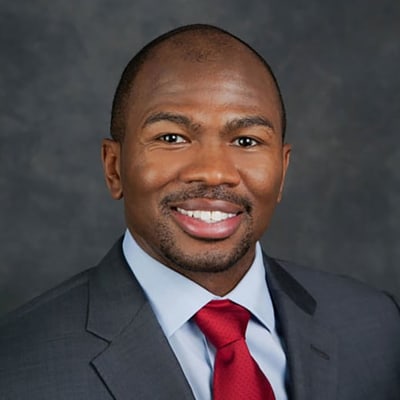
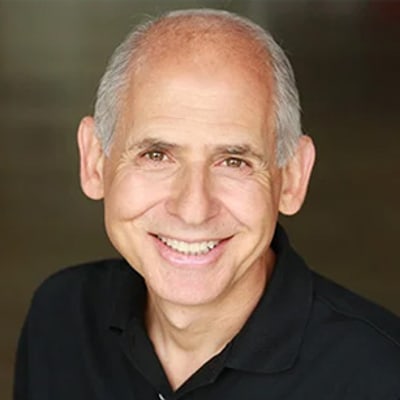
Hey everyone, welcome to the Dr. Josh Axe Show where each and every week we uncover the science and the principles behind how to grow in body, mind, and spirit and take your health and your life to the next level. Today we have Pastor Craig Groeschel. He is a leadership expert, an author, and the founder, senior pastor at Life.Church. And I've been following him for years. I've read his books. He's a New York Times bestselling author. And today we're gonna dive deep into topics such as spiritual growth, leadership, relationships, personal transformation, and so much more. Pastor Craig, hey, welcome to the show.
Hey, Dr. Axe, I'm glad to be on with you. It was a real treat having you on our podcast, and now it's gonna be fun to be with you.
Well, great. Well, you know, again, I've been following for years, and I wanna say, you know, you're one of those people that I follow that has really helped me grow personally and spiritually and in so many different ways. And, you know, I was reading just a part of and listening to a sermon from a book you had wrote called Think Ahead. And I wanna dive right in and talk about, decisions, right? I think for all of us, we have very important decisions and choices every single day that lead us down different paths. In fact, I think about for myself, there are so many decisions I've made in my life that were just life-altering and life-changing. However, I think a lot of people, they're not really having the strategic mindset. They're maybe not thinking ahead enough, and so they might end up in a place that they don't really want to be. So, so walk me through a little bit, um, about how we can think ahead in order to live our best life.
Yeah, I'm glad you asked. So when you think about it, Dr. Axe, for the most part, who we are today is a result of the decisions that we made in the past and who we become in the future, for the most part, will be a reflection of the decisions that we make today. And so in the book Think Ahead, what I did, I started looking at different people in the Bible. I also started looking at people that I respected, and it seems like those that make the best decisions in the moment tend to pre-decide and put themselves, you know, one day I'm going to be in this situation, and when I get there, here's what my decision is going to be. And so I went through just some different areas and said, what are the most important areas in my life that I could make a decision today, decide one time, and in the future when that comes up, it— I'll do it. For example, in your book, um, Think This Not That, you talk about wor— wor— working on who you become, not just what you do. And you talked about being a person who wants to be generous and to be a blessing to others. That's something that you want to do. Uh, that's, that's who you wanna be. And so when you know who you wanna be, then you do the right thing. And that's what you've done in my life. You've been generous with your time. You've helped family members with their health. And, and so that was a decision that you made early that's impacting the different people today. And so that's what the book Think Ahead is about. Rather than making decisions emotionally or impulsively, or when we have decision fatigue. We want as often as we can to think ahead and pre-decide some strategic decisions that'll help us become the people we're created to be.
It's so good. And one of the first things I wanted to ask you is, you know, you started Life.Church in a two-car garage back in 1996, and today it's one of the largest, most influential churches in the world. And by the way, I think for anyone listening to this, it's important to understand, I mean, the, the principles of being able to build something and grow something to the point to where it's influencing millions of people is really incredible. And so share with us a little bit, how did you— how did that happen? How did, how did Life.Church grow into becoming so influential? Um, you know, just— and again, in 1996, just started out of, you know, your, your two-car garage.
It really started small, and it stayed relatively small for a period of time. You know, when you ask how or why did it grow, I would say, you know, the real answer always is, is by the grace of God, by the power of God, through the Spirit of God. And that's just the truth. If you would dive down to say, hey, but be a little bit more practical, I would say a couple of things. One was it was just, it was a church full of people that had been very, very broken and been very transformed. From a leadership perspective, Dr. Axe, I think the thing that was most special is that we just really were able to both attract some of the right spiritual leaders early on, empower some of the right spiritual leaders, build some of the right spiritual leaders. It really boils down to the people. And so, we are 28 years into it and our, what we call like our directional leadership team, that's 4 of us, we have been together for 26 of the 28 years and they have stayed here the whole time. Our top 20 or so leaders, we have only transitioned in the last 15 years, maybe 2, 3 at the most of those moved out. And so it's just, is recognizing the right people, empowering them, building into them. And then we've got, we've kind of grown up together and I just, I'm really thankful for the people around me. It's kind of like what you do. You have global impact, but you don't do it alone. You've got great people around you, and that's, that's really the secret to building anything significant.
Well, you know, in order for that to happen, as you mentioned, it takes a team or a dream team. How do you go about building that? By the way, one of the other things I was so impressed by is I saw that, you know, your organization, Life.Church, has been voted the number one place to work consecutive years, and that's amazing. We're living in an age today where a lot of people are quiet quitting. I mean, there's really more people going to different jobs back and forth, probably more than I've ever seen statistically. So what's your philosophy and I guess your mentality for creating a really great, you know, work environment and culture?
People don't just want a job. They want a mission. They want to contribute. And thankfully, we have something that's like you. It's easy to connect the dots of what we do matters. But we want more than that. We want the people to feel valued. We want them to feel celebrated. And so I like the way you asked it earlier. You said, "How do you build those people?" That's the right way to ask the question. A lot of times people say, "Craig, where do you find these great leaders?" 'Cause they look at the team and go, "Man, they're amazing." And I always say, "We don't actually find them, we build them." And that's not to say it in an arrogant sense, but more in an accurate sense. The top leaders that I have now had no previous ministry experience whatsoever. So I've got Jerry Hurley. He was with Target. I've got Sam Roberts. He was with a Christian chain of retail called Mardel. And we had Bobby Greenwald. He was an entrepreneur. So they had no church experience at all, but they had very real leadership entrepreneurial gifts with a spiritual heart. And so when they came on, they were not great like they are today. They had great gifts, but they weren't great in ministry. I was 28. Had a seminary degree, hadn't led anything. And so I had seminary knowledge but no leadership skill. Jerry, who was with Target, he oversaw 11 Target stores. He came on and helped develop me as a leader. So I had a guy that answered to me who was mentoring me in leadership. And so together we built each other. The vast majority of our team comes from within the church, or there's someone that comes on as an intern and then is raised through the organization. We just, we raise them up and really see ourselves, one of our greatest spiritual calling is to build people, to build spiritual leaders, to build disciples. And so that's what we're doing. How do you build, you know, them? That's, that's, you know, a whole nother discussion. But we really, I believe we should be the greatest people builders anywhere as followers of Jesus. We should, we should, we should make disciples, we should build leaders. And so that's, that's the heart behind everything is let's, Let's get people who give their whole hearts, minds, souls, feel valued, feel loved, and can make a difference. We want to raise the ceiling. In order to keep people, you got to let them fly. You got to let them lead. If we're controlling, if we're top-down, they're not going to lead. We got to give them freedom.
That's so good. You know, one of the things just before we, we recorded, um, you know, my producer here, Ashley, was saying just, you know, she'd watch some of your, you know, YouTube videos and just was so impressed with what a good job you do of just being able to communicate and connect with people. And one of the things I had heard, I think this is a statistic actually, is the number one reason why some people have a hard time with Christianity is they were hurt by the church, you know. And so, and so, you know, that, that can, that can happen. One of the things that I sometimes share is, is, you know, you know who else was not necessarily hurt by the church but hurt by religion? It could be Jesus, right? I think a lot of times organizations, people can get hurt, and hurt people can hurt people, or hurt people can heal people. So there's different ways to go about that. Um, all that being said, when you think about the way that you approach preaching, the way you approach new people coming in the church, the way that you approach staff team, just anyone, I guess, what's your mindset and mentality? Uh, because again, a lot of people might come into— not a lot of people, some people might come into a church setting or a spiritual setting and very sensitive, and they can get hurt. How, how have, how have you really been able to approach that in order to make people feel both comfortable, but also one thing you do a great job of, they feel comfortable, but also you get them uncomfortable. It's sort of this dichotomy of like helping people, you know, feel both.
Actually, I'm thankful that you recognize that behind the scenes our language is comfort and confrontation. So we want at the very same time, we want people to feel very, very comfortable and almost to like if their arms are crossed, before long they're not, and they're smiling, laughing, feeling loved and welcome. But then we want to very lovingly and confront them with what we believe is a life-changing message and not like we're right, they're wrong, but that there is a God that loves them and wants to welcome them and transform their lives. And so we do want to both comfort and then very lovingly confront. And so some people in my audience might criticize what I'm about to say to you, but I have a very, very practical approach to create a spiritual outcome. So what I'm doing, I'm, I am starting with a mindset kind of like you might be as a doctor. You might, when people come in, you may give them good advice, but they're not going to do it a lot of times. They'll nod and then they'll go off and not do it. I'm going to start with the same mindset that people are walking in today, more skeptical than they were in the past, oftentimes with, with more baggage, with more questions. And so what I want to do is I want to start with what I call kind of a felt need. And maybe ask a question. I want to just try to deal with something that's in everyday life, a hurt, a pain, a tension, a problem, a question, a frustration, and start there. And then early on, if I can get someone to laugh, it is a very disarming thing. Once I get them there, then I want to introduce kind of a light transition into spiritual teaching. And then by about two-thirds of the way in, if they are leaning in, if I've built a little bit of trust with them, if they're smiling and open, then we really don't hold back. At that point, it is full-on, "Here's what God's Word says," and no holding back. But we don't start there. We're not going to start with the assumption that people are ready for it. It would be a little bit like, you know, going on a date with somebody. You want to start to get to know them, you know, ask questions and You're not going to give them a ring before you get to know them. And so there's, there's almost a little bit of a sense of let's develop a relationship with each other before we move too fast. So I'll be patient and strategic in order to hopefully be spiritually effective.
Well, you know, that's what came to mind when you said this is this is just good relationship building. I mean, you know, it's like it's very important to establish and build a relationship first. And I don't think a lot of people And I think this is true in everything. I think this is true if in, in, in business. I think it's true in church and philanthropic other efforts. I think it's true as a doctor. I mean, if you, you know, the best doctors I know, they go and build a good rapport with patients, are able to connect in, in a meaningful way early on. And so I, I wholeheartedly agree with that. You know, one of the things I've seen over the past few years is a lot of people that would be called, I, I guess we would say celebrities and icons, who have come to faith in Christ. People like or at least are talking about Christ. We got Jordan Peterson constantly talking about Christ. We have Russell Brand. We have Jim Carrey. We've got podcasts now like George Janko. I mean, really, really, uh, influential people, more and more of them coming to the faith. What, what, what do you think's happened, especially over the last few years, that have caused more— I think a lot more of these people that are well known to start expressing their faith?
You know, some people are skeptical and say, oh, you know, whatever. I, I'm— I think it's always exciting I would say a possible few reasons would be, number one, you're in the— so you're, you're very well known. And everybody say, I'd like to be well known like Dr. Axe. And you might say, you know, before you want that, it's not always as easy as you think. So I think that at the top of anyone's game, there is more pain there than most people realize because there's more broad celebrity, or there might even be niche celebrity, meaning they're, they're only big in a small pond, but they're big in a small pond. There's more pain that comes with that. And there, when you reach the top and you realize you're still empty, I think that they're faster maybe to look for answers. I think that we live in a day, and this is just kind of my, my theory, but, um, there's so many differences of opinion, so, so, so many people fighting back and forth that people kind of want to just cut through it and say, can someone just tell me the truth? Don't sugarcoat it, don't be mean, but let's just, let's just talk about it. Even if we disagree, let's just talk openly. And so I think there's a little bit more of an openness to explore. And then, then very practically speaking, if someone is open to spiritual things, when you look at the story of who Jesus is, how he loved people, what he taught, it's just amazing. It's miraculous. It's, it's, it's, it's, it's, you know, you may— it's pretty easy to not like Christians because we can be pretty unlikable at times. It's really hard not to like Jesus. And so when you just look at Jesus Objectively, it's, it's an amazing story. And the fact that God would love us and become one of us and give his life for us, that's, you know, if you're open to believe that, it's hard not to get really excited about it. It's life-transforming.
That's such a good answer. You know, one of the things I've seen too is media has changed. You know, we used to have these, you know, 3 networks and then it's— and then you had cable. And so people sort of had to follow the script or say certain things or they'd be fired. Today you have so many individual influencers with their own podcast. You know, we know numerous people. In fact, it's crazy when you look at someone like Joe Rogan and the amount of followers he has compared to, let's say, a CNN. I mean, he— I mean, you have a single individual with a podcast has more regular views than, than the top viewership of, of the major networks.
Is mind-blowing.
Yeah, it's crazy. And so I'm seeing that more and more too. So I think people are feeling more of a sense of freedom. And I think a lot of these people, you know, if, if I look at what's a common across the board with, again, a Jordan Peterson or a Russell Brand or some of these other people, they just want the truth. So I think you hit the nail on the head there. It's, it's, it's, hey, we don't, you know, it's everybody's realizing there's a lot of lies going on on, on sort of both sides of things. And so we just want the truth. And so yeah, cutting right to it. So I, I think that's the, I, I think you shared really the biggest thing there is that that's, that's what's going on. And I think, and I think what happens is, is that sometimes when you have so much propaganda, uh, but before it's just maybe little lies, now there's big lies all over the place, or there's so many. And so, and so it's almost become more obvious that this, that there's a lot of untruth out there today. You know, it makes me think of this too, by the way. My mom is gonna be so excited to listen to this, um, because she reads every one of your books. And also Jordan Rubin and I are constantly talking about you. We watch your sermons. We'll talk about those too. But there's a book that is one of my favorite books of yours, and it's called Winning the War in Your Mind. And it's such an awesome book because I, you know, one of the things I noticed medically is when I first got into practice, the diseases that were the most on the rise were cancer, heart disease, obesity. I mean, those were continuing to go up. Over the past 5 to 7 years, mental health disorders are far outpacing any of those other issues. Why do you think those— why do you think that is? And what are some things people can start to do to build a healthier, better mental, mental health?
So I, I've studied, um, in-depth both the science of the brain, what scripture says about the brain, and, and I'm a student of mental health And I'm asking the very same question, why? It is, if with teenagers, it's, uh, the norm is to battle with anxiety, to, um, uh, mental health issues is out of control. So the, you ask why, some theories behind it. I think almost everybody would agree that social media has a lot of good contributing factors. And also the, um, the scrolling, feeling left out, uh, feeling left behind, feeling like your life is less than, it contributes to the, the, the loss of mental health. But at the same time, there's a loss of relational health, which then leads to the mental health, which is, you know, you've got young adults now that literally are afraid to call for a pizza because they haven't developed kind of dialogue or talking on the phone skills. COVID comes, everybody's isolated. They stay at home, they lose relationships. You know, they're meeting, they're texting, you know, they're asking people out online. And so there's a loss of the intimate face-to-face relationship. There's the whole, you know, feeling left behind. Then you deal with the ability to see what's going on in the world. You know, when I was a kid, we were afraid of killer bees or being attacked by Russia or whatever. It wasn't that big of a deal. Now, you know, every terrorist act everywhere in every part of the world, nobody feels safe. That impacts their mental health. I think then everything from their diets to lack of sleep, all these, all these little contributing factors are creating just a soup of a mess with temptations of pornography and all the darkness that in relationships. And so it's really creating an environment where it's hard to be relationally successful, mentally health successful, spiritually close to God. And that, that's the problem. The solution is relatively simple. The solution is almost going back to the basics of, okay, let us— let's first start with what is true about you. Who are you? What makes you valuable? Are you special because of what you do or because of who you are? Where is your self-worth? When you start to know who you are, and if you say, I'm going to love God first, then I'm going to love other people next, it's like Relationships matter more than we can ever imagine. Without intimate, connected community, we cannot be healthy. Online community can be valuable, but it is a— it's a— it does not— it's not a replacement for genuine, healthy community. Mix into it eating a little bit better, changing our mindsets. And if we can get a few of those bigger pieces in place— spiritually, where do we stand? What is our identity? Who is our community, what are we doing mentally with our, our mind. I think we can right the ship relatively quickly, but it's not going to happen accidentally.
It's so good. I mean, there's so much wisdom there. One of the things with social media I think that's really interesting is, is that there are different neurotransmitters that we, we need in order to be fulfilled and happy. One of those is dopamine, but there's also other neurotransmitters that we're not getting other places, like oxytocin, which you're going to get mostly from hugging and high-fiving and handshaking and actual— actually being around people. Another one is serotonin, which you're going to get from out moving, being outdoors. And so, you know, what— there's a, there's a term going around the internet which is doing a dopamine detox, but it's really not just about detoxing dopamine. It's about, it's about missing community, missing doing other things like spending time outdoors. And so there's definitely some things missing that are a big part of it. And, you know, identity is so key. This is why, again, I just want to encourage anybody that's watching this, go and read Craig's books. Again, uh, Winning the War in Your Mind is such an unbelievably amazing book. And I think also being able to find your identity— Pastor Craig does such an amazing job preaching on identity. And so, you know, go, go online. If you go on YouTube and search Craig Groeschel identity, I mean, there are a lot of great things on there you can find. But that's, you know, that's— I would say that one of the things that I wrote about in my book, Craig, was that your identity feeds almost everything else. I mean, if you— your identity feeds your purpose, and then your purpose feeds your, you know, your beliefs, and that feeds your actions. So, so much of it starts with identity. And one of the things that, as I've studied psychology, I started to realize is that our identity is not found in us alone. Our identity is found in our connection to God and other people. And so I think most people think, well, I'm just going to tell myself who I am. But we don't neurologically work that way. So, hey, share any thoughts on that in terms of how important it is when we're building an identity that we build it in connection with others and, and God.
Well, so important. And I love the way you wrote about that in your book, especially just, you know, changing— pursuing the who, not just the do— is so, so good in, um, Think This, Not That. But when you think about it, Dr. Axe, why do you do what you do? In any sense. What you eat, how you respond to somebody if someone cuts you off in traffic. Why do you do what you do? You do what you do because of what you think of you. That's why you do what you do. And so before you make any type of decision, subconsciously, we know our brain asks 3 questions just in a millisecond. Front of your brain asks, what kind of situation is this? What kind of person am I? And what does a person like me do in a situation like this? In a millisecond, microsecond, your brain says, what kind of situation is this? What kind of person am I? And what does a person like me do in a situation like this? So you do what you do because of what you think of you. If you want to change what you do, you have to change what you think of you. Well, how do you do that? Well, you wrote about it brilliantly in your book, but we know there's going to be a couple of contributing factors. One is once you think a thought, your brain tends to think that thought more easily. We create new neural pathways. And if we think a true thought, that's good because we start to believe the true thought. The problem is we often think thoughts that are untrue or unhelpful. So we have to acknowledge what that is and start thinking the new thought. And then secondly, community is everything. I mean, it's, it's— we, we are incomplete without the people around us. From a spiritual perspective, people have been saying for years You need to have a personal relationship with God. That's really good. But when you look at the New Testament, really what the New Testament is saying is, no, actually you need to have a shared relationship with God, that we best experience God not individually, but in community. And it's in community that our gifts are confirmed, that we're loved in the right direction, we're encouraged. For example, your story about not, you know, not able to pass certain grades, barely graduating. And feeling like you're incapable of ever doing anything, especially insecure about your writing. And you told me about a professor that sat you down and said, I think you probably should major in journalism. I think you should be a writer, and called something out of you that you did not know was there. It was inside of you. God put it in there, but it took another person to see it in you, to confirm it and to bring it out. And it wasn't just you telling yourself, I can do this, I can do this, I can do this. But it was other people speaking that life into you, confirming it, changing your mindset. And now you're not someone who's trying to be good with words. You're someone who is great with words. You know, it is confirmed and it's, it's opened the doors for you to help as many people that you're helping today. Without community, without the truth of God, you would not be doing what you're doing.
It's so great. You know, one of the things that I am super conscious of, you know, when I was when I was in a position where I'd mentioned that I didn't, I didn't, uh, I didn't walk for a while, I, uh, and had this life-threatening issue. I had somebody— and I was still working, I was writing a book, I was taking classes, I was doing all this stuff— and, and somebody came up to me and he said, hey, what are you doing? I said, I'm writing a book. And he said, well, gosh, if I were you, I would just be drinking Mountain Dew and eating Cheetos right now. And I said, well, you know, I, I think for my— I said, well, Well, I just, I said, listen, I'm in this bed right now, but I still have a lot of purpose. And one of the things that I think that maybe some people are missing in their life is a feeling that their life matters, that their, that their actions are meaningful, that they're significant, that they're called to more. And I, I'd love to hear your thoughts on this. There's this, um, I, I think we can attach different levels of meaning to the roles we play. And this is so much identity, right, that you talk about in some of your books. But like for me as a father, I have, I have certain roles as a dad, as a, you know, business leader. For you as a pastor, like, like we have these different roles we have. And most, some people attach a very low level of meaning to those roles. You know, there's a couple of stories that come to mind. One is, you know, when John F. Kennedy was visiting NASA Space Center, he asked a janitor and he said, what are you doing? And the janitor said, I'm helping put a man on the moon, Mr. President. Or there's this great story about a— I think it's Sir Christopher building this cathedral in Europe, this really well-known cathedral. And he asked three bricklayers, what are you doing? And one of them is like, well, I'm laying bricks. Another is like, I'm helping build this to provide my family. And one is, you know, I'm building this to honor God. So, I mean, there's these different levels. How did How does somebody get to that point to where they feel like my life doesn't have meaning, to believing that what they're doing actually is going to impact generations? It's divine, it's eternal. How does someone get to that point?
Well, that's a great question. So I always try to start by telling people that there is more in you than you can imagine. There's more in you than you can imagine. And the illustration I use, this is pretty cool. We took our family to family camp for years. And I met a guy there. His name is Mark Button. Mark, I didn't know at the time, but he invented the Koosh ball and the Vortex football, if you can imagine that. That's how cool Mark was. And he sold his business and he started mentoring CEOs, much like you do. And he said, um, I bet you, uh, I bet you can't hold your breath underwater. We were at this pool. I said, I bet you can't do that for a minute. And he was just baiting me, like, okay, sure I can. And so I did it for a little over a minute. And then Mark said, I— he said, okay, that was good, but I'm going to help you double your time this next time. And when he said, I thought, I almost died that last time. There is no way I can do 2 minutes. And he looked at me and he kind of like— we talked about this offline. You talked about creating moments. He created a moment with me, a guy he just met. And he said to me, your brain does not know what your body is capable of. I never will forget that line. Your brain does not know what your body is capable of. If you do what I say, you can do more than 2 minutes. And so we, um, he told me, you know, breathe in and expand the capacity of my lungs 4 times and then to relax, to close my eyes and to exhale, to trick my brain to think I'm about to get a breath to count watching. But next time, one time I barely made a minute. The next time I did 2 minutes and 45 seconds. Wow. And his point was, and here he was mentoring me in the pool, that my brain does not know what my body's capable of. I feel a similar calling to help people know that there is more inside of you than you can imagine. Every time we meet with our— we've got 40 or 50 new staff members once a quarter. The first thing I tell them is, you don't, you don't know, you don't know the gears in you yet. There's way more in you. I was, um, 40, maybe 41 years old before I ever taught my first leadership lesson. I had no idea. First 15 years I was just doing it. I had no idea I could ever even understand it or teach it. There was more in me. You're, you're more fulfilled serving somebody, creating value, than you are, um, getting a new pair of shoes. And as a pastor, I try to help business leaders see that creating business is very, very spiritual. You're adding value if you take something and create a product, a service that meets a need, and someone gives you money for it. They're telling you, you created something that was valuable enough for me to trade my money. You serve them. If you serve 10 people, you've helped 10 times as many people and you've made 10 times the money. If you serve 100 people, your, your product is good enough for 100 people, then you need to hire someone to help you. You just bless somebody by giving them a job. And that everyone else says you're greedy, you're actually not. You're adding value, you're helping people. And this is what Jesus talked about in the parable of the talents is You take what you have, you invest it, you multiply it. That's spiritual. So I tell good God-honoring business leaders with integrity all the time, that is as spiritual as leading a Bible study. That's as spiritual as going on a mission trip. That's adding value to people. It's not all about the money. It's about, about making a difference in people's lives. And, uh, and every single one, everyone in your community listening to your podcast has more in them, can make a bigger difference, can help more people, can add more value. There is more in you than you can imagine.
That's so good. And, and I agree with that so wholeheartedly. I think that, you know, and sometimes it takes those people around us or us having that self-awareness to realize that, you know. And so I think that's incredibly important. I think one of the things too, if we're going to grow and be our best, it, it's important that we grow in certain areas, right? I've spoken so much over the years about growing physically and in body, right? To take our health the highest level possible. I think you and I both have spent some time really talking to a lot of people about mindset. Here's how to grow your mind to a highest level possible. But one of the things, and one of the reasons why I love to tune into you and watch you on a regular basis, is you have so many great principles on spiritual growth. What if somebody is watching this and they're saying, I want to grow spiritually? What are some of those practical steps they can take in order to grow spiritually?
Good, good question. So for years and years and years in the church, basically the typical answer has been this, and it's a good answer, but it's incomplete. We believe that the Bible is God's word to us. And so to know God, we get to know his word. And that's, that's a great place to start. You want to know his word. Our church created the YouVersion Bible app. It'll be on a million devices by the— by a billion devices, a billion devices by the end of this year. So we are big believers big believers in studying the word. That'll help you grow spiritually. Uh, we are big, big believers in talking to God, that God is a relational God. He created us to love us. And so praying— typically churches will say, okay, pastor will say, pray and read the Bible. Oh yeah, and go to church and go to church. Pray and read the Bible and go to church. Pray. And so those are really, really important things. I would add to those things and say we don't just want do those things. We actually want to live them out holistically. So we don't just read the word, but we're actually living the word. So I believe that spiritual growth and discipleship is not knowledge, spiritual knowledge, but is spiritual knowledge applied. And it's not just spiritual knowledge applied, but it's spiritual knowledge that brings spiritual fruit. So you can know some really knowledgeable people that don't display what the Bible calls the fruits of the spirit: love and joy and peace and patience, kindness, goodness. So it's It's taking God's word, it's internalizing it, then it's living it out. Well, how do we live it out? We can only do that in community. So I would say it is really almost impossible to have genuine, deep, whole spiritual growth without other people in your lives. Your relations matter so, so, so much. If you want to become closer to God, be around people that are closer to God. And then I would say spiritual development goes beyond just using your gifts to serve, having knowledge, love, loving people. But it goes into, um, becoming a— becoming more holistic in your, in your body. I would say for me, like, my diet, my workouts, those are very, very spiritual to me because what I'm doing is I'm saying my body is the temple of the Holy Spirit, and so I'm going to treat it in a way that would honor God. For me to serve God at my best, I want my mind to be at its best. For me to serve God physically at my best, I want my body to be at its best. So I'm not, I'm not going to try to compete in the over-50 pastors bodybuilding category ever, right? You know, no one's gonna see me with my shirt off but my wife. But if you did, I wanted to be the best 56-year-old body you'd ever seen, because I want to holistically bring everything I can to serve God. And then there was this book years ago someone wrote, I can't remember the name of it, but they talked about 7 different pathways to knowing God, and some of them were scripture reading, some were like knowing God through nature. So some people, like, you may go walk and look at the glory of God through the sunset. Others were through— one was through worship, one was through work. Like, literally, if you look at the Apostle Paul, he seemed to be really close to God when he's just working his tail off. And so that was new to me. Like, I can be— I can truly experience the presence of God spiritually. By working really hard or working really smart or making a difference. And so I would just give people permission not to put it in a box. Some people say, "I'm not very good at praying long." Okay, don't pray long, just pray often. You know, just pray little short prayers often. Or, "I'm not good at reading the Bible for an hour." Okay, read a verse and meditate on the verse. And, you know, whatever it is, give yourself permission to get to know God. I'll say it this way. I know I'm talking a long time. I have 6 kids. And we all connect differently. One of them likes to text, one of them likes to just sit there and talk holding each other. One, we don't talk unless we're throwing a ball back and forth. One leaves little, little notes back and forth. One talks on the phone. So we all connect in different ways. Find how you connect with them best, be creative, and then go for it. Whatever works for you, do more of it.
That's so good. You know what, one of the things I found in people that are successful in sort of multiple areas of is they have really good habits. You know, I'm friends with Carrie Underwood and her husband Mike Fisher. And when I, when I, when I talk to her or I read about her habits, you're like, okay, these are great habits. Or someone like Mark Wahlberg, incredibly successful. He wakes up earlier than I can, I'll say that. And just amazingly successful. What are some of your key habits that have really helped you grow in body, mind, and spirit?
So my life is a— the parts of my life that work, they're a culmination of lots of little habits. There's no one big thing. There's lots of little ones and there's lots of them. And so for a period of probably over 20 years, I would bring one new habit a year. And I'll give you just a few of them. I started journaling one year. I started drinking only water one year. I started praying with Amy. Believe it or not, as a pastor, we didn't pray together every day. And we started praying together. I started reading through God's word daily for a whole year. I changed up my, um, my diet to where I changed my breakfast. I ate the same breakfast every day over and over again. Um, I started taking supplements. One year I started doing the sauna. And so I have, I have, um, daily declarations where I'll say these things, um, over and over again in, in my mind. And so I have now, uh, over a period of two decades, over 20 small disciplines that have shaped me to become who I am. And what's funny, Dr. Axe, is I don't even know if any of those really make any kind of big difference, but in my mind, every year I'm getting a little bit better. And it's just like if you want to be a good investor, you want to be, you know, dollar-cost average investor, what, you know, you're going to put a little bit in over time and you're going to have compounding interest. That's what's kind of happened in my life. And leadership is just doing a few little things adding the right things over time. One of your teachings I like that you talked about on my podcast is you said if you want to eat better, just, just change breakfast. Start with breakfast. And, and just, you went through a real simple— if you can change your breakfast, that's one-third of your diet that you're changing. Start there. If you can change just one thing— I think a lot of people get hung up with, I need to, you know, I need to start exercising and eating better and taking supplements and sauna and cold plunge and getting 8 hours of sleep and do it, you know. And fasting and intermittent fasting and keto and paleo and pro— you know, and just do one thing. And then once that's a part of your life, do one more small thing. And over time, um, a big successful life is generally a result of small faithful disciplines.
You know, one of the things you mentioned earlier, and this is one of the reasons again I want to encourage everybody to, uh, watch your YouTube videos, you know, watch your sermons and your lectures, is that You confront the difficult topics. One of those things I've seen you confront is pornography. Two questions here: why is that damaging? And number two, what's the cure for an addiction to something like pornography?
I'm glad you asked. This is, um, this is impacting everybody. It's impacting men, it's impacting women, it's impacting Christians, non-Christians, children. It is, um, it is indescribably damaging in that it distorts God's gift of sex. It dehumanizes people. It devalues people. It kills physical intimacy. It's like we're seeing lots of young men that have been addicted to porn, they get married and they actually can't perform because they can't get aroused because they've been aroused by something that's not real. It is a shameful sin, meaning like people don't want to talk about it. They're embarrassed by it. They want to keep it a secret. And the problem is sin tends to grow best in the dark. And so what we have to do, first of all, it's in many places it's acceptable. People say, hey, I'm not hurting anybody. The truth is it is hurting people. There are victims on the other side of it. It's hurting your mind. You will not have a successful, intimate, romantic life with porn as a part of it. It's going to poison, it's going to distort it, and it's going to rob you from everything else. It gives you a dopamine hit in the wrong ways. —then you underperform in others. So you have to start with acknowledging that it's, it's wrong and harmful, and then you have to create a path of accountability out. And I've studied this quite a bit, um, and it, you know, the first 3 months of trying to break an addiction is really, really important. And so everything from, if there's any kind of access you have to porn, you've got to block it. And by any kind, I mean, like, if you have to get a tracker on your computer software to tell 3 friends or your spouse what you're looking at, you get it. If you have to lock down your phone like mine is just for safety, I can't— I don't have the ability to download apps. I've got adult content blocked. I don't have certain forms of social media. And people say, like, do you really need that? And I'm like, I don't need it nearly as much now. But in a moment of weakness, if I'm ever weak, I don't want to have access to it. And so the way I phrase it is, why would I resist a temptation in the future if I have the power to eliminate it today? I'm going to eliminate it. So you're going to close the door in every way that you can. And then your body, in the same way you have to detox from harmful things, your mind and your body's got to detox. You're going to go through the dopamine withdrawals, you're going to probably feel depression, you're going to have a heightened sense of lustful feelings. They're going to come and go. Takes about 90 days for your body to start stabilizing, and then it'll take another— some people say 18 months— to just create the habits of that urge comes, that you stay away from it. Literally, you're renewing your mind so your mind is not going to those wrong places. You're almost cleaning out some of the memories. You're retraining how you think about people and intimacy. And it is— for most people, it is not easy. For most people, they don't do it alone. Most people, it's not an immediate decision. Many people trying to get out do relapse. That can be a part of it. And for a lot of people, I'd recommend like genuine counseling, therapy, or even sex addiction, sex addiction therapy classes. Um, it is possible to get out, and, uh, if, um, if you don't, you're going to regret it. And if you do, you can have a freedom that is, um, is game-changing. It's so good.
Well, thanks so much for confronting tough topics like that. I've got two more questions for you. So this next one is, you have interviewed some incredible people on your podcasts and at leadership events. People like Steven Furtick, Tim Tebow, Sadie Robertson, a lot more. What is the best piece of advice you've ever heard or received?
So when we were starting Life.Church, uh, 29 years ago, I had a mentor. His name is Gary Walter. And, um, he— we sat down across from each other at a Denny's, and we— he was going to give me this encouraging talk. The first thing he told me is, I said, I got a promise for you. And I thought he was going to say something like, you know, you're going to do amazing. And he said, I promise you, you will be broken. I was like, ah, great. And he said, he started talking about brokenness and the power of brokenness. So that was the first thing he said. Then the thing that was such good advice to me is he said, the next thing I want you to know is that I promise you, you will overestimate what you can accomplish in the short run. You're going to be disappointed. You're not going to reach as many people. You're not going to have as much influence. You're going to overestimate what you can accomplish in the short run. Then he said, but you'll vastly underestimate what God can do through a lifetime of faithfulness. And there have been no more prophetic or truer words in my life. In the early years, the church didn't grow fast. We didn't have big impact. I felt like a failure. I was comparing to everyone else. But then I just kind of settled in and stopped comparing, stopped looking around and just really looked down and said, I want to be faithful today. I want to love people well today. I want to build great spiritual leaders today. And then just kind of kept my head down and then years later looked up And the impact had grown significantly to where, you know, like through the YouVersion Bible app, I mean, we'll reach a billion people, a billion people will have access to the free Bible app. And that did not happen in 6 months or 6 years; that happened in 3 decades of faithful day after day making the right decisions, small decisions, repenting when you get it wrong and consistently showing back up. And so that's the advice that changed me. Became more true as I lived longer. You'll overestimate what you can accomplish in the short run, but you'll vastly underestimate what God can do through a lifetime of faithfulness.
Last question: What is your single best piece of advice for anybody who wants to take their life to the next level?
I would say this, and this will sound kind of small, but it's, it's not what we do occasionally that matters. It's what we do consistently. That I'm a big, big, big believer that one of the reasons why we don't succeed while we have a big goal and we fall short is that we believe that the win is at the finish line. That for, you're a triathlete, so you think, okay, if I break this certain time, then I'm gonna get the win. That's actually not the win. The win is when you show up and you train today. When you're faithfully doing what's right today, that's when you're winning. So I don't wanna win when I lose tomorrow. I don't want to win when I can bench press a certain amount of weight. I don't want to win whenever I can pay off credit card debt. I want to win when I go to the gym and train today. I want to win when I choose to eat healthy in a way that honors God today. I want to win when I say no to the $7 coffee and put it toward my debt today. That to really, really, really be successful, you honor God today. You don't have to hit the target in the future. Just be successful today. That's not really exciting. It's not like, wow, that's mind-blowing. But it is really, really true. If you show up and you do that for 5 years, you're going to make a bigger difference. If you do it for 10 years, you're going to have a big impact. You do it for 20 years, you might have a national impact. 30 years, you might have a global impact. You do it for 40 years, you might have generations of kids and grandkids that are doing even more than you, because your legacy lives on. It's not the big things that, uh, that everyone sees, at least the big results. It's the small things that no one sees done consistently over time that leads to a life that really matters.
It's so powerful, Craig. It's this principle of, you know, our actions can be compounding when we're consistent with the right behaviors over and over and over again. And you talked about that with habits, and it's just—
it's so powerful. I wanted to Wow. I wanted to write a book called Boring Your Way to Success, or Boring is the New Sexy. I pitched those to my publishers and they turned it down. But it is, it's like, it's consistently doing small things with integrity over time matters. And it's boring. It's not exciting. It's not sexy, but it changes things.
I mean, it's a principle. It's biblical. It's also principle, you know, Aristotle, I think, you know, taught a lot of this too. Like, we are what we repeatedly do. Like, excellence is a habit. It's this power of consistency over time that's so, so important. Um, Craig, I want to say thanks so much for coming on today and sharing your wisdom. Again, you've influenced my life in such a positive way, and I know my family and so many of our listeners. I want to encourage everybody, check out Craig's podcast. It's the Craig Groeschel Leadership Podcast. He's got some incredible books, Think Ahead and Winning the War in Your Mind. I want to say thank you to everybody for tuning in to the show here, The Dr. Josh Axe Show, where each and every week we uncover the science and principles behind how to grow in body, mind, spirit, and take your health and your life to the next level. Hey, don't forget to subscribe, like, and share. Uh, we'll see you next week. And thanks again to Pastor Craig for sharing his wisdom. Uh, thanks everybody.
The Dr. Axe Show is educational and not a substitute for care from your clinician. Disclaimer