Dave Ramsey’s 5 Money Moves That WIN in 2025
Transcript
Click a timestamp to seek the player.
your 10 closest friends' income over a decade, your income will be within 15% of the average of those. Don't try to raise great kids. Raise kids in such a way that they become great adults. Number one, it's not an option because you're either deteriorating or you're growing. Your spiritual life, your emotional life, your relational life is just like your body. You know, it's either getting better, it's getting worse. Yeah. And there's not really no in-between. Stasis is not an option. Once you realize that, you go, huh, I think I'll choose growth. And okay, what's that mean? It means I'm going to have some sore muscles And it means I'm going to be in the discomfort zone more than I am in the comfort zone, because the comfort zone will eventually lead you to the discomfort zone accidentally. So I'm going to choose growth.
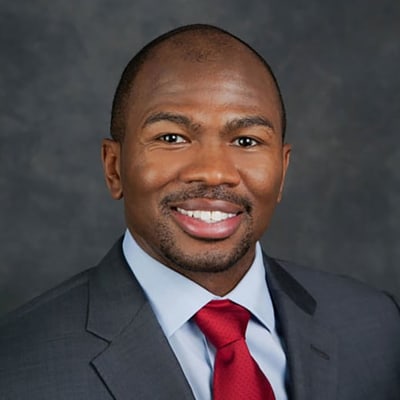
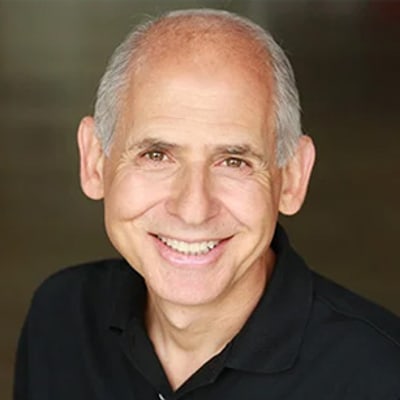
Hey everybody, Dr. Josh Axe here. Welcome to the Growth Lab Podcast. This week I have an incredible guest, a person who's actually been a mentor for me from afar, Dave Ramsey, and we're in Dave's studio today. Dave is a— bestselling author. In fact, I've read his books, Total Money Makeover and EntreLeadership. He's built an incredible mission-driven organization here at Ramsey Solutions. And Dave, I'm just so honored to have you on the podcast today. And thanks for hosting me.
Well, absolutely. Thanks, my friend. We've been friends a long time. And I don't know if I'm mentoring or not, but it's not from afar because you're just about a mile over here.
Well, I guess that's true. I guess that's true. Well, I want to start off sharing something that I don't think I've shared with many people over the years, and that's just what an influence you had on me. So, When I first got out of school, I was around $300,000 in debt. I had $200,000 in student loans, another $100,000 in a building. By the way, I wish I would've learned some of your stuff before I got into all the debt. But I started reading and learning about— I started listening to your radio show. I started reading your books right when I opened my clinic. And I had some great mentors at the time as well in how to run a business. And so, I was able to generate a lot of revenue, but I was able to pay off $100,000 a year for 3 years. And after 3 years, I was 100% debt-free. Thank you. Because of following your principles.
Wow. Way to go. Yeah. Good, good story.
I love it. And so, you know, for— and by the way, I had friends who were kind of doing the opposite. They were buying Escalades and motorcycles and spending way too much on homes. And so for me, it was like, no, get out of debt, start investing in real estate. And so again, you've been a big part of, you know, blessing me and my family and our financials and also I had an opportunity to go to EntreLeadership in Cancún. This was probably in—
12, 14 years ago.
Yeah, this was in 2009.
Yeah, yeah.
And—
I hit that right.
It was such a great event. And I learned, one of the things that I started learning from you sort of early on was how to become a principled person is that rather than sort of listening to everybody or listening to nobody, there are very specific people in life that we should listen to. And there's a verse that I kind of go by with this and you're familiar with it, but it's, "By your fruit you'll recognize them." recognize them. And so for me, I just tried to recognize people that were successful in certain areas who also had a mentality that was very faith-driven. And you were one of those people. So one of the things I want to talk today about and get some of your wisdom on is what are some of the principles that you live by and operate under as a husband, as a dad, as a business leader, as somebody who's helped a lot of people, you know, build their wealth. And so But before I get into all that, I think my audience may not be aware of that you lost a lot of money early on, right? You went bankrupt and then you went, and that's part of what caused you to sort of found the company you founded and write some of the books you wrote.
Exactly, yeah, that's how this whole thing started. This whole money ministry started by a broke, was started by a bankrupt guy. It makes no sense at all. Yeah, Sharon and I, when we got married, we didn't have anything and I started buying and selling real estate. Like they're doing on TikTok nowadays, right? Yeah. And this was before Chip and Joanna were born. And, you know, so we got rich. I had a million-dollar net worth in my early 20s, but I had too much debt. The bank called our debt about the time I met God. Wow. And so we always laugh and say we do things backwards. I met God on the way up, I got to know him on the way down. So we spent the next 2 and a half years of our life with the bank calling our notes, losing everything. So by the time I was 28, I've got a brand new baby. Rachel Cruz, a toddler, her older sister Denise, and a marriage hanging on by a thread, and we were bankrupt. But boy, I'll tell you, that kind of heat will solidify your faith and solidify who you are, and you lose the fear of man, the Bible calls it, the need to please others. I really should actually care a little bit more than I do, but I really don't care. I got one guy I want to keep happy, and that's Jesus. That's why people say, how you deal with all the haters? And I'm like, I'm not playing for them. That's not the tune we play. So we play for one guy and the rest of us, rest of us will figure it out. And so, you know, that's how we started. And I got a PhD in DUMB, you know, I have all these letters and licenses after my name that says I'm supposed to know something about money, but I went broke. And so I discovered biblical financial principles and I started trying to lead every area of our life scripturally. Our marriage, our kids, our leadership as we start a business, those kinds of things, and certainly our money. And it's all, you know, there's nothing in there that's like weird. Uh, there are a few things that people might call weird, but most of it is just like common sense. Yeah, live on less than you make. Yeah, it's a deep concept, you know, but, uh, that's a scriptural concept of Grandma's common sense concept. And so we started living it and then we started teaching it. And that was, um, 35 years ago. Wow. 35 short years ago.
Wow. That's amazing. You know, one of the things that I, as I've talked to people over the years and I've got to know a lot of people, we, we were talking about, you know, like Ken Coleman earlier and some others and, you know, you've obviously had a big influence on millions of people. What are some of those wealth principles that both getting outta debt, but then building, you know, legacy wealth that are really important for people to understand?
Well, I think the basics that get you out of the mess and into some actual wealth accumulation are scriptural. And there's really about 5 things is all you gotta do. You live on less than you make. Bible says the foolish man devours all he has. So live on less than you make. You need to be on a plan, written budget, a detailed written budget. My friend Zig Ziglar used to say if you aim at nothing, you'll hit it every time. Jesus said don't build a tower without first counting the cost. So have a budget. So again, scriptural. Get out of debt. We know Dave Ramsey's gonna say that. The rich rule over the poor and the borrower's slave to the lender. Your most powerful wealth-building tool is your income. And so like when you got rid of all that debt and had kept your lifestyle down, you were able to pour back into the business and organically grow a fabulous business. I mean, you've become an industry. And part of that was fueled by the fact that you didn't have this debt hanging over your head. And then of course save money. In the house of the wise are stores of choice, food and oil. We save money in business for retained earnings, but at home we call that an emergency fund. And we invest for changing our family tree with the power of compound interest and all that. And then of course number 5 is generosity. God loves a cheerful giver and outrageous generosity. And the people that do those 5 things, to the extent they do them, 100% of the time they win. Yeah, it's a little bit like losing weight, uh, you know, reduce your caloric intake and increase your burn. It's really not a hard formula.
That's true.
You just got to do that. If you don't do that, nothing else— there's no other, there's no other hack. Yeah, if you don't do the basics and blocking and tackling. And so, uh, uh, you know, that, that's what we've been teaching and been living. And then various offshoots from that, obviously lots of nuance and details and Entire investment course, entire Baby Steps Millionaires movement that's come out of this where people have actually become millionaires doing this stuff. Uh, and then that brings us into the whole wealth discussion, which is another part of it. But those 5 things lay the foundation.
That's so good. You know, I've had the opportunity recently to watch some of your interviews with guys like Alex Hormozi and Graham Stephan, and so it's been fun watching you interact with some of these younger guys. I was thinking about this when I was watching the interview because you know, when you have somebody who— and I think about myself with this, you know, when I was in my 20s and 30s, and, you know, the, the economy has been— was pretty good for a pretty long time. I think maybe people hadn't experienced some of the losses and some of those trials. And I'm not saying anything about those two in particular, but what are maybe some lessons that people are younger, or maybe some principles that they may not realize are important, but because things have been good, they just haven't run into some of those obstacles.
Yeah, absolutely. I mean, Alex and Stefan, Steve, they become good friends. They're sharp young guys. Yeah, they are. And they're a lot of fun to be on their shows because they're really bright. And, um, so we always have a good discussion, and I'm glad they're in this space. So they're adding value to people's lives. It's good stuff. Um, the thing that we always laugh and say— I kind of come out of the real estate background, obviously, like I just said— is that Every time that the 38-year-old or 36-year-old MBAs have never experienced a downturn, they're working at the banks and they're gonna overloan. Mm, yeah. And so every time you're setting up the next bubble because they don't have any life experience. But if they remember their 20s and it was tough and they're 38 or 36, that's fine. But every time we've had a 15-year run, where the next batch of MBAs hits their mid-30s and they're making the banking decisions, then that causes this irresponsible lending to get out of control. And then the people out there that are borrowing, they also are experiencing the exact same thing, 'cause they don't have anything to gauge it against. There's no baseline of reality that screams in your face, more debt equals more risk, less debt equals less risk. It's a basic concept. But when you've been, you know, when the siren song's been playing, when you've just been, everything's good, everything I touch turns to gold, you get into this mentality that you can't do anything wrong, and so I could just borrow and borrow and borrow and borrow and borrow, and you lose the accurate, you lose the perception of reality. You're no longer, you've gotten boiled a degree at a time like the frog, and you no longer associate the risk, the actual risk that you're taking with the amount you're borrowing.
Yeah.
And that's when we're getting ready to go down.
That's— yeah, that's good. I mean, we saw that with SVB Bank, right? And some other, several other banks this year. I mean, do you foresee any issues here over the next year with banking and some of these other—
You know, that bank was not an indication of a fault line in the banking system. Okay. It— because it's a unique bank. It's a bunch of players, a bunch of high gamblers, speculators, gamblers. Venture capitalists were on both sides of the aisle on that bank. They were on both sides of the table. They owned the bank and they were borrowing from the bank. I see. So they were playing a different game. That's not your mom and pop's bank in your small town, and you walk in there and make a deposit on the square right across from the pizza place. They're run different. And so I don't think we have a fault line in the banking industry, but banking, like I just said, in a boom time, an extended boom time, they lose the perception that debt equals risk, and so they over-lend. They lend into things that in another time, if you had a few scars on you, you'd never make that loan. And in another time, if you had a few scars on you, you'd never take that loan. And so, you know, that's always there, but that's just the ebb and flow. And the problem with leverage is, borrowing money is, is it magnifies our mistakes. It magnifies our successes, but it also magnifies our mistakes. That's the risk. And so, you know, if I make a bad business decision, or you put out a product line and you're all excited excited about it, or we put out a curriculum and we're all excited about it or whatever, and we say, oh, we're so excited about it, let's stock up, 'cause it's gonna go big, it's gonna go big. And so you borrow the money, money you didn't have, to put stuff in the warehouse to get ready for this boom you just know is gonna happen. And then there's something wrong, and you have to throw it all in the dumpster. And you still got the payments. But you increase the size of your mistake. If you'd cash flowed that, you wouldn't have as much in the warehouse that went in the dumpster. And I've done this, you can tell. Yeah, yeah, yeah. I've thrown some stuff in the dumpster over the years.
I mean, I've had— Same here.
We've had books we printed, went, "I can't put that out." You know, after we get it done, we realize we violated someone else's copyright. "Oh no, we can't use that. Ah, we have to trash it." You know, and so, yeah, and if we were— But we're all excited about it, 'cause you don't put out something unless you're excited about it. And then you go borrow an extra $100K, and let's go, let's magnify the size of the mistake. And the weird thing in business that we know, because you and I have been doing this stuff a long time, is about 90% of our ideas suck.
Yeah, that's true.
We make all of our money and help all the people we help and make all the brand penetration that we get on about 10% of our ideas, but they all sound the same when you're on a run in the morning, walking on the trail in the morning, or in the shower, or wherever it is you have this great idea as an entrepreneur. They all sound like they're going to work. And I can't, still after all these years, I can't distinguish instantly what's a good idea or a bad idea. But, but hindsight's 20/20.
Yeah, that's good. That's good. You know, one of the things is we're talking about principles. We've talked a little bit about building wealth. And actually, before I get to this next question, I am curious about real estate because this is something I know that, you know, you've been involved with both early in your career and even through now. Well, if somebody is wanting to build wealth via real estate, maybe they're okay, they're out of debt now and they're wanting to start to build, build wealth. What is some of your best advice for people on building wealth in real estate?
Well, it is very unpopular advice in a TikTok world. And, um, where it's funny to me, one of the things that has— I've also seen come and go over 40 years is the nothing down real estate movement. It was really big when I was 22. I'm 63. Okay. And I've seen it, I've seen it come through about 4 times and it's really hot right now. Yeah. I mean, these guys on TikTok are just—
it's— yeah, I've been hearing about it.
Moronic. It's just moronic stuff, but it just They just don't know what they don't know, 'cause they've never been there. But I was there through 3 of these waves previous to this one that went broke. So again, with real estate, more debt equals more risk, just like with anything. And less cash flow, by the way, 'cause you gotta pay a payment. And so I decided, because I cannot find anywhere in scripture that God used debt in a positive manner. It was always a punishment. It was always a negative thing. It's not a sin. You're not going to hell for debt, but it's just all the mentions of debt all through the Bible are negative. Yeah. And so when I go hardcore Pharisee spiritual person, right, that means I don't do debt. So you know what, I'll— I don't do that. And of course I went broke doing debt, so I don't do that.
Yeah.
And so I don't borrow for anything ever.
Got it.
Yeah, period. Because I don't want the risk. And so These buildings that we're sitting in, there's about 550,000 square feet under roof here, and they're probably worth somewhere in the $500 million range. And we built them with cash over time, over the last 10 years. You know, we've been gradually adding a building, adding in the, you know, adding a conference center, all this stuff on this campus. And I mean, I never dreamed I'd have anything like this. Blows my mind. And we've got a bunch of other investment real estate, but we've just saved up and paid cash for it. The first one was a little house we saved up and paid cash for it, and then we saved up and bought another little house. And we had had a really good year at the company, and I had some cash during the 2008 debacle, and I was able to buy a bunch of real estate like 25 cents on the dollar.
Wow.
I stole it, man. It was great. But I just paid cash for all of it, and man, some of that stuff has really gone up. Yeah, I've really made really good net worth gains and obviously cash flow gains because as the value goes up, the rents go up on them. That's right. And so I pay cash as I go, and I go slower, and I move at the speed of cash. When we broke ground, the governor was here and all this stuff on this, and newspaper here never says anything positive about me, they hate me, but they said, you know, Ramsey says he's gonna, 'cause I did, we did a groundbreaking ceremony, and I said, you know, we have most of the cash to do this, and we see the rest of the cash coming to finish this, but if we don't get the cash, you'll be looking at a thing, 'cause standing here not with anybody, 'cause we're gonna do this at the speed of cash. And so newspaper, you know, Ramsey says he builds at the speed of cash, but that's the first nice thing they said about me in a long time. So, you know, that's it. We build at the speed of cash. And if you're gonna do it and you're not gonna follow that hardcore a line, although I actually do believe and I've proven that it is a great way to do it, but if you're not going to, then the less debt the better. The more debt, the more likely you're gonna crash. And if you think you've got it all, debt only works when it works. When things go sideways and there's a, you know, like a Fauci pandemic or something, or a Fauci quarantine or something, you shut the whole freaking place down. And I had entire segments of tens of millions of dollars of revenue evaporated instantly in March of '20, right around here. And it was just like, ah! But I got 1,100 team members. We didn't miss a single payroll 'cause we don't have any rent.
Can I tell you something? So I was doing lunch with Jordan Rubin and this was right after kind of the pandemic. And I had a, I was talking to someone on your team and they said, hey, we're going back in. And I, Jordan and I were both saying, 'cause you were the first that I had heard where people were coming back in person after some of the lockdowns.
When the governor of Tennessee allowed it, we were back.
Yeah, you got— and Jordan and I, we both said, we're like, just respect, you know, like we love that you've been such an outspoken leader in so many ways in terms of the standards you hold your team and employees to. I remember one of the first times, the first time I came to visit, this is in your old building. This is probably in— this is probably 2009. And I was in there and I was talking to somebody and they said— I asked them a question about something and they said, well, here's some things. And then they also brought up there's this no gossip rule. And I said, well, tell me about the no gossip rule. And they just said, it's pretty simple. Don't gossip around here. Like, nobody— everybody has each other's back. Nobody gossips. Tell me about why that was such an important principle for you to implement in the business.
Well, you know, that came about— all of our core values are not aspirational. All of our core values are actually who we are. It's not who we wish we were. Yeah. Now, do we do them perfectly? No, nobody does that. But Well, I guess we ended up putting that on the wall for a couple reasons. One is, I'm an old redneck hillbilly, and so the culture I come out of, loyalty is a big deal. Even dysfunctional loyalty. Even when you shouldn't be loyal. Like your brother's a complete jerk, but you still got your brother's back. That kind of stuff. Weird loyalty. So that's the culture I come out of. And so I can't, I struggle with having somebody on the team that then is tearing down the team or tearing down the place. Yeah, yeah. It's a part of my DNA, my makeup, and I get really pissed off about it. And so, not as much today, 'cause I'm old and mellow, but in the old days, for sure, I was fiery about it. And it's like my friend Henry Cloud says, he says, "I don't understand why people pee in their cereal and then gripe 'cause it tastes bad." You know, because they're destroying the very place they work and that feeds their kids. Yeah, you know, you tear down, you know, you run, you know, if you guys work for Josh Axe and you say Josh Axe is not real, he's a hypocrite, and you tell all your friends that, which is not true by the way, we know you, we know that you're not that, but if somebody says that and they're taking a paycheck from you, they're destroying the very place that's giving them a paycheck. That's just dumb. Yeah, okay, so I don't understand it. I don't want dumb people working for me, so I try to get rid of them. I had a lady in the early days, I had a meeting and there was a cloud kind of hanging over the office. There was about 10 of us working there at the time. I finished the meeting and I left to go to my car to go to another meeting and I realized I forgot my keys. When I came back in, her back was to me and she was standing there telling all the rest of the team how dumb I am. She didn't know I was standing there. She went on and on and on and I just stood there. Highly awkward.
Wow, I can imagine.
Yeah, so that was when we discovered that this doesn't work. So that was her last day, and we said, okay, we're not going to do this this way, guys. This is not who we are. We got to be unified. People need to know us by our unity. And I've been parts of organizations that I could buy into, like a church, and I'm unified and I've got the leader's back., and when I can no longer do that on principle or no longer agree with their business acumen or whatever, then it's time for me to leave. Yeah. You know, this is not a cult. You can not work here and go to heaven. Yeah. So, you know, when you don't agree, you need, you know, it's okay. Yeah. And if you want to disagree, we've got a method for doing that. You can talk about negative things and frustrations. You just got to talk to them with a leader that can do something about it.
Yeah.
So hand your negatives up. Speak up, not out. Yeah. Don't speak out. Yeah. We don't need activists. If you want to be an activist, go somewhere else. Okay. You know, activists, you're confused. It's just confusing. But yeah, that's where that came from.
I love this. And, you know, one of the things that I experienced through, you know, through COVID specifically was I think I started noticing the values changing even more. They became more apparent, I think, in the workplace is that, hey, somebody felt really strongly about Again, this movement versus this, and it started to really disrupt the workplace.
Oh man, it was like masking or not masking, to mask or not to mask.
Yeah, that's right.
You can't be my friend.
Yeah.
I'm like, I can be your friend. I mean, I got lots of friends that vote wrong. It's okay. Yeah.
It's so good. So as you talk, so we talked about no gossip. What are some of the other principles around Ramsey Solutions that you think have been core or key to just the success of the entire organization?
Well, I grew up in a real estate household. Mom and Daddy were in the real estate business, and then later they opened a little real estate company here in South Nashville. And so I grew up around straight commission, entrepreneurial mentality, and I've only had a salary job like for 3 months of my life. You know, I've either been on straight commission or I've been self-employed running some kind of business. Whether it failed or not, I've been always doing that. And so I got to thinking one day, what is it that I wanted the team, how is it I wanted them to act? How is it I wanted them to, and we act out of what we believe. And so one of ours is we have a self-employed mentality. Pretend like you own the place. Now if you owned the place and someone was misbehaving, would you go, I hope someone figures that out, or would you do something about it? If you owned the place and a product was going out that you were ashamed of, its quality, or you were ashamed of the shipping process that took 9 weeks to get there, now it'll be 9 minutes, you know, then you would do something about it if you owned the place. Yeah. Instead of, I hope they figure that out, I hope management figures that out, you know, it's like, no, it's your job.
Yeah.
If you're walking through the parking lot and you own the place, there's a piece of paper, you pick the paper up. Yeah. You throw it away on the way in. You don't go, I hope we get a janitorial team, you know. No, you, if you own the place, you have a different mentality. And about dealing with conflict, about creating wonderful products and creative things, about serving the customer, making the customer happy. If you own the place, that matters to you versus, you know, it's a J-O-B, I'm gonna mail it out, I'm just gonna mail it in, I'm gonna, I'm gonna come in as late as I can come, leave as early as I can leave, do as little as I can little, check my Facebook 46 times during the day and not do any real work and see if I can still keep getting paid.
Yeah, it's ownership. It's just full on. Hey, I'm— yeah, I'm, I'm an owner here.
Yeah, it's a mentality. And so this whole quiet quitting movement that happened during the Great Resignation about 18 months ago and all that is the polar opposite of that. Yeah, that's the exact opposite of that. And here's the thing. The quiet quitting did not hurt the company nearly as bad as hurt the individual that was doing it. When you're mailing it in, you're establishing who you are as a person.
That's right.
You're a person that doesn't give a crud, you know. You're a person that limps. You're a person that doesn't do stuff. You're a person that'll steal if you can, you know. That's who you are. And that doesn't affect— it affects you a lot more in your trajectory towards success as an individual. So when I can get folks to do that here, I'm doing them a favor. Yeah, because they not only become a better team member here, but then when they leave, they've got a different mentality. And, you know, we've had We have 1,100 folks on the team approximately, and we've had about 1,500 over 30 years that no longer work here for one reason or another. Yeah. And by and large, I hear frequently in the community, it's like, if we can get someone that used to be at Ramsey, we know they were trained right.
Yeah.
You know, so we have a good reputation of setting people's values in place. And if they choose to exit for whatever reason, which is, you know, there's a lot of good reasons to exit as well as bad reasons, then at least we're seeding the community with somebody who's got a proper view on work, on work ethic, on serving the customer, and on thinking through these things right, rather than just how much can I steal.
Yeah, you know, I remember one of the, uh, one of the first times coming here as well, hearing about you guys doing, you know, Devos and just regular trainings for the staff on growing in leadership and character development and things like that. And I think that's obviously, you know, I've known— I mean, I've known probably— I don't— this may not be an overstatement— 100 people or so that have worked worked for you over the years.
Well, there's more of them that work here that know you than that. So I don't know if you know personally, but they all know Josh Axe.
One of the things that— so they're all, most of them, a very, very high number are incredibly impressive people. Most of them I've been able to see, you know, continue to grow and develop over the years just from being just part of the organization, just part of the culture and environment here. That's pretty amazing. I want to switch gears and talk a little about family. And, you know, I got to meet Denise through Mercy Ministries in Yancey early on, and then I've been able to talk with Rachel some, be on her show a couple times. And so you've raised great kids. I know you got to be super proud. What are some of those principles as a dad that you applied to raise great kids?
Well, thank you. I am— Sharon and I are very proud of our kids and our 7 grandbabies too. And watching them prosper is one of the great joys of our life. And we get to work with them. Rachel obviously is a Ramsey Personality. So I'm on the air with her and on stage with her and travel with her frequently and very talented. And Denise runs our, as you know, our family foundation and all of our giving. And she came out of the Mercy Ministries and Nancy Alcorn worked there when she first came out of college and has run our family foundation almost for a decade now, a little over a decade, I guess. And she's very good at that. And then my son Daniel has been here 12 years and Last January, the operating board here suggested that we move him into the president's role. So he's the president of Ramsey now, and I'm the CEO. So he and I are getting to work together in this for the first time. He's always worked for someone else inside the building, but we're actually working together. We had a great meeting this morning, just the two of us working on some, you know, fighting through challenges together, you know, chopping our way through the jungle. And it's a lot of fun. You know, I think one of the things we did right. We did a lot of stupid stuff. Oh God, the kids laugh at us. You know, when you get back together with your grown kids, they tell you stuff. They go, y'all were stupid. How did you— why did you let us watch that movie? You know, why did you do that? And like, I don't— I thought we were so dumb, we thought it was okay. But, um, they survived all that. But I think, uh, it's what you aim at. Train up a child in the way she go, and when he's old, he'll not depart from it. The old King James says, "In the way he is bent." My friend Andy Andrews says, "Don't try to raise great kids. Raise kids in such a way that they become great adults." What do you want your adult child, oxymoronic, to look like? I want them to have high integrity. I want them to have a hard work ethic. I first and foremost want them walking with Jesus. I want them serving and loving their spouse, not being abusive to their spouse and kids. I want them to be as wise as a serpent, as gentle as a dove. I want them— this is what I want the adult to look like. And so I also want them to have teeth, and so they need to brush them. When they're little, you know. And so it's that kind of stuff. It's like, you know, I'm not trying to get you to brush your teeth because it matters to me. It's just so you have some later. And it's a good thing, you know. I want an adult child that has teeth. It's a good thing.
So yeah, yeah.
And so, you know, what do you want them to end up with? And so let's work everything that way. We did that on dating, you know. And so what were your dating rules? Our dating rules were, you know, we don't— we don't— this is not a practice thing. We're not out here practicing and trying to trying to find somebody to make out with. We're trying to find missionary dating or something. We're not weird about it, but it's— you're trying to— the way you're interacting with that boy, the way you're interacting with that girl, to my son and his or her family, is how you're going to be with the person you choose to marry, that God gives you to marry. So you need to act like that now. So, "Well, Dave, Dad, I know he's a little wild, but he's fun." It's like, "No, you're going to be in a ditch because he's smoking a joint." "No, no." "And then I got to go drag you out and get you sewn up." No, that's not— we're not doing that. Well, you're judgmental. Absolutely. That's my job. I'm the dad. I'm absolutely judgmental. I judge him not worthy. Yeah, that's so good. And so, you know, we had— but I taught them. I didn't just arbitrarily throw them. And Sharon taught them, you know, like, you know, teenage girl. One of the discussions we had, I remember, was the real volatile was, you know, what clothing you're going to wear. Oh, good gracious. It's a deal. And my wife is like, you know, you don't need to dress like you're a nun, but you also don't need to dress like, like there's a stripper pole handy either. I mean, come on, this is stupid. Yeah, you know, what is it you're trying to attract? Yeah. And, uh, who is it you want? Is that— you're gonna use that bait to get the man you want? You know, come on, that's not— and so, you know, we had— yeah, it was an argument after argument. And as our kids— one of the things, the girls we raised were not They're not compliant. They're highly confident and argue with you. Rachel argues with me still all the time. She's on my operating board. She argues with me more than anybody. They're great arguments, which I love.
I love.
That's a good way to process information for me. But anyway, that's how we did it. We just said, "Okay, what is the end of this?" It's not just— we're like every other family. We could lose our religion getting ready for church. I mean, just, "I'm going to kill all of you." And I'm gonna kill all of you again after church, you know. But it's— but, you know, at the end of the day, we've got to say, okay, here's how you behave in a restaurant when you're 4, or we don't go to restaurants because you're too much trouble. Yeah. And no one likes you.
Yeah.
In a 5-mile radius, no one likes you, you know, because you're disturbing the entire universe with your presence. So you're going to learn— until you have self-discipline, you're gonna have dad discipline. Yeah, and we weren't overbearing, we weren't hardcore, but we were hardcore more than our lenient friends, and we were nowhere near as legalistic as some of our oversaved Christian friends.
Yeah, yeah, that's good. You know, one of the things that, uh, again, that I've really respected about you over the years is that you've kind of got this line in the sand. You hold your ground, you're very principled, and, you know, even in light of current events, I see— I mean, I spend some time on social media, mostly for business purposes, but seeing a lot of conflict and propaganda now about even this, you know, Israeli-Hamas-Palestine war. And I see there is, you know, throughout COVID there was a lot of info, you know, just a lot of information over the years. You've been constantly criticized, as you have, you mentioned, via the newspaper all the time. And so, so what does somebody do who I guess is I guess the question here is, you're principled. You've been able to hold your ground. How do you do that and how do you recommend other people do that? What is part of the inspiration? What is part of the thoughts? Because again, I don't mean this as a diss, but you've been saying the same thing for like 40 years.
Oh yeah. I'm a one-trick pony, man. Yeah. Because it's based in scripture and scripture didn't change before I got here either. And it won't be changed after I leave. That's principle. Again, you've got to decide. The old Bob Dylan, you're going to serve somebody. If you try to serve the masses and keep them happy, you'll determine pretty quickly that the M is silent. I mean, it's a problem. People are nuts. It's the reason they need help. Bless their hearts. We're not taking a poll. And so I don't relish it though. I hate being hated. I mean, it's not fun. Yeah. But I love being loved too. So I mean, I get both. I stopped to get gas this morning and this African-American guy jumps out of his $100 pickup and he runs over and he goes, "Dave Ramsey, man! I'm doing everything you said. I'm gonna get rid of this $100 truck. I'm making money. I've been listening to you on YouTube." And it's like, I took a selfie with the guy. So I get that guy too. And then I get You know, then I get trolls for days on social, and no one trolls me in person because they don't have the guts. But, um, but the, uh, uh, but it, you know, most of it is just childish, uh, vandalism, spray painting the side of the building. Yeah, in a sense, you know, they don't have physically done that, but I'm saying that's what, that's what trolling is, you know. You didn't really have anything to say, you just spray paint the side of the building. Yeah, no, I don't know, I don't know how you do it. I, I I did not think when I started this that helping all these people was going to piss off so many people. It's, it's weird. I don't really know exactly how to process it, but, um, but I just have to stop and go, I, you know, the narrative— I'm not responsible for the narrative you made up of me in your head because it's just not what is actually occurring. You just made this up because you didn't like my politics, or you didn't like my bald head, or you didn't like I'm Southern, or you didn't like I was male, or you didn't like I was white, or you didn't like something. And so you had to make up a narrative to where you didn't have to deal with me. Yeah. And, and it's made up. I pulled up one the other day, it was fabulous. We were on the air and a guy sent me a link, and George Campbell and I were doing the show, and it was like this car, collectible car site. And I pull it up and it's like, financial guru Dave Ramsey's car collection. And I went, cool. And so I start going through it. There are some fabulous cars on there, none of which I own. It was great. I wish I had some of them. Wow. I mean, you can't make this stuff up, and you can't squash it because it's guacamole. It's everywhere. Yeah. And so, I mean, that guy's doing that for one reason. He knows he's lying. I know he's lying. Now 22 million people that I told know he's lying because I've trashed him on the air, which was fun. But he's still using it for clickbait. And it's the same thing with the negative press. You know, they'll come out and go, you know, Dave Ramsey's trying to kill his employees. He came back after COVID, you know. And I'm like, Yeah, that's kind of counterproductive. Yeah, kill off all my employees, production would go down substantially. That's just, you know, even if you're a greedy capitalist to have no morals or scruples whatsoever, that's kind of counterproductive. It's just— but headline in the dadgum, you know, newspaper, it's like ridiculous. How in the world? Well, just because you didn't agree. And then they make up all these things that didn't happen. I mean, completely fabricated. Yeah. And put them in the news, but you can't do anything about it. You just keep going.
Yeah, that's good. That's good. Well, I know it ties into something you kind of said to start the show, and that is, I mean, you care more about what God thinks than—
than the only way to survive it. If you cared what they think, you'd be in a puddle sucking your thumb. I mean, because they just come at you all the time. Yeah, but it does sting. It does hurt. I'm human. I'm not— I'm not like some kind of superhero. I would much rather be liked than hated, and so I wish everybody— but I can't— I can't fix it.
Yeah, yeah. You know, as you've done your show for for a lot of years and helped millions of people. What are— who are some of those people that you've learned from over the years and that maybe both early in your career and even today you like to listen to and learn from?
You know, I, um, when I went from the first grade or from the second— I was in the second grade, I had a brand new teacher, her first year out of school, and she had no idea she'd gotten a whole room full of hillbilly kids. And It overwhelmed her. And I, when I went into the second grade, I was reading at the first grade level. And when I came out of the second grade, I was reading at the first grade level. I couldn't read. And they put me in this third grade anyway, and they shouldn't have. But Mary Jane Hurt, Miss Mary Jane Hurt, was my third grade teacher, taught me to read. And she taught me to love books. And I, between— and Miss Pratt was my fourth grade. Those two women, I cleaned out the entire Haywood Elementary Library. I read everything in there. Once I found that that's the answer to anything you want is in a book. Yeah, it's awesome. And, and, you know, and a lot better than the internet because the internet, half of it's not true. And so, but somebody goes to trouble, puts something in a book, it usually at least has some level of credibility. Not 100%, but, uh, it's not— not— there's only one that's 100%, and that's the Bible. But including mine, but the, uh, um But still, I can learn from— so I've read everything that John Maxwell ever wrote. I've read everything that Malcolm Gladwell ever wrote. I've read everything that Jim Collins ever wrote. I've read everything that Pat Lencioni ever wrote. And I've become friends with all of them.
Yeah.
It's very interesting. Of course, Zig Ziglar, I was honored to become a friend of his and Tom, his son, are still friends before Zig passed. And because when I was a kid, he was the He was the dog on the stage, man. He was the guy, the motivational speaker that everybody wanted to be, you know. And so, you know, I still just think back on those things and those old tapes. We used to have these motivational tapes that we would listen to from Zig and others, or, you know, the old classics, the Earl Nightingales and those guys. And, you know, and so like people like Henry Cloud, I've read every book he's ever written. And he and I are very good friends. We just came off a trip together the other day. And but Boundaries changed my life. I mean, it was an amazing— it is an amazing book, and it's his bestseller, 10 million copies or whatever. So he's incredible. And I find these guys, and I can't say I've read everything Max Lucado wrote because he's written like 9,000 books, but I often read one of his, and he often comes on the show, and we've become friends over the years too. But anything I can— if I need to know about leadership, I'll go find who's writing on it, and I may or may not agree, but I'm going to learn you know, what's going on. And some of the new people moving around— Gary Vaynerchuk, Gary Vee, you know, wild man. Yeah. And I got to meet him through Seth Godin, and we've done some stuff. And he's a character, he's a lot of fun, he's brilliant, stone cold brilliant. And not my, not my personality style, you know, but who cares? I mean, we're still buddies, I still like the guy. Yeah. And so that, that's the way it is. I just look for a book, you know, and raising kids. I'm gonna get— read Meg Meeker and everything I can about hero dads. And if I'm going to be married, I'm going to read like 10 different authors on marriage and anything I can get my hands on. Some of it's trash, and you know, you don't— it's like reading a financial book. You're going to find 3 different people with 4 different opinions. And so, but you, you, uh, it's— that's how you get information and you process it. If, um, I'm amazed that people think that you just were born with this stuff. You're not. You got to go get it.
Yeah, yeah, it's so good. So that obviously seems like a huge success habit that you've had is just being a— just being a, uh, an avid reader.
Oh, I've always got like too many. I might— I'm a little bit ADD, like a lot. And so I've got— always got 4 or 5 books going. Yeah, Sharon's like, what? The only one I plow through are fiction, and I'll just read a fiction all the way through. Yeah. And, um, so I've read, you know, uh, all the Brad Thor books and Makes Airplanes Fly Faster, you know. And, um, yeah, that's so cool. The new Jack Carr, he's a new guy. He's got— I just read his other one, the other— his new one the other day, and But then those, you know, boom, boom, boom, just everything they do in a series and go through them. And you've got it, you just got to constantly be having that. The hardest one I read is— I met Jordan Peterson this summer and I read his first book, Maps of Meaning.
Oh gosh, yeah, I went through it too.
Yeah. Oh, it took me forever.
Yeah, yeah.
I said, Jordan, you just— you write like— oh, you are a college professor. Oh my gosh, this is— I felt like I was in some kind of graduate class and I was having to eat my broccoli. Yeah, it was fabulous. Yeah, but every page was so chewy, I couldn't— it's not exactly a page-turner. Yeah, you have to— yeah. My friend Rabbi Lapin wrote one called Thou Shall Prosper: The 10 Reasons That Jewish Families Prosper.
And I read that book because of you.
It's the same way though. Yeah, it's dense. Yeah, it's very hard to read.
You know what I actually like? He wrote that Business Secrets of the Bible. Oh yeah, which, uh, which I thought read a little easier, but I thought—
yeah, it is, it's, uh, Actually, Zig Ziglar endorsed that book.
Okay.
Yeah, when he was alive. But yeah, that's, uh, yeah, that was a more conversational. The other one was more of a tome. And yeah, I loved it. It's, it's a, it's in my top 10 books of all times. Yeah. And Jordan's is probably somewhere in the top 20. But, uh, man, I know now if I'm gonna, if I'm gonna come up and sit down to that meal, I better have my empty stomach because here we go, right?
That's good. What's something you learned from Jordan Peterson? I know he spoke at the last conference.
You know, he deals with an amazing amount of criticism as well, and hate. Yeah. And, but he has managed, and I'm a little bit envious too, with a critical thinking process, and it's really outlined, is just to go, all the emotion and all the stuff that comes at him, and the death threats and everything else, I mean, security, we edit the thing and all this kind of stuff, he's ambivalent to it. He's not even, he doesn't even seem to know it's there, because he just, for him, it's about arguing an idea to the ground, and if your idea's bad, he's going to destroy it intellectually. And he has an amazing way of separating that from all of the emotion. And for me, the way I argue an idea is with emotion, so I get sucked into the hate and the stuff too much. It's like, "No, but that's wrong!" You know, and that's not his argument. He wants to, "No, no, no, no, no, no." He just takes the car apart and looks at all the parts, and it's very, Yeah, he's a lot of fun to be around. And I actually kind of thought, you know, the way he is, that he'd be a lot more— I was a little bit afraid he was going to be arrogant. Don't meet your heroes. Yeah, but he wasn't at all. Very humble. Yeah. And just really engaging. Wanted to sit and just wanted to— but again, it's put an idea out on the, on the table, a philosophy on the table, and then just take it apart. Because he's enamored with Christianity and, yeah, with the Bible, and, um, has studied it better than a lot of Christians have. And so he likes to put those biblical ideas out and start really poking at them and see if they still hold up.
Yeah.
And so we had a great discussion.
That's so great. Yeah. Well, I watched part of the interview and then they did this series with Dennis Prager on the Exodus. Yeah. And it was fantastic. And so anyways, I've been a big fan of watching him and I was so excited to see you guys, you know, conversing.
I became a bigger fan after meeting him. That's so great.
That's so great. So you've had the opportunity to have, you mentioned Zig Ziglar, a lot of John Maxwell, be around a lot of these people. I have a, a kind of interesting question for you. What is the best piece of advice you've ever received?
Oh, I don't know. No idea. It all runs together. You can get— there's not— I mean, well, it's like, you know, what was the one thing that caused you to become successful, or the one thing that caused you to fail? You know, no, there wasn't one. It was just— it's always death by a thousand cuts, or you win by a thousand cuts.
How about a piece of advice that just, hey, this made a difference, made a difference in my life and my business?
You had somebody who I think somewhere along the line, I didn't do this because I'm some kind of super person or something. It just became a practical thing for me that the first is going to be last and the last will be first. Schweitzer said, "Those among you who learn to serve are going to be the happiest." Jesus said that other ways as well. And, uh, I have figured— I guess that's why I still work. I don't need money. I work because I love going out here in the lobby of Ramsey at a commercial break and meeting a single mom who's turned her life around using our stuff. And so I'm happiest because of those people, because of what we've been able to serve them. And the same with our team. I'm happiest when I can come alongside a team member or a project with a group of team members, and we get to go put that project out in the wild and it wins because we helped a whole lot of people with it. But we fight and argue and scratch and claw and chop the jungle away and make it happen. But it is all in an effort to serve. The arguments we have are which play to call to win the Super Bowl, not do we like football. Yeah. Yeah. This idea, if you can get it straight in your head, Ziglar used to say it. He used to say, if you help enough, he would say, if you, oh gosh, I changed his saying around, 'cause I didn't, but the way we say it around here is, if you help enough people, you don't have to worry about money. But he would say, if you help enough people get what they want, you'll always have what you want. That's the way he said it.
That's really good.
But I misunderstood that when I was a young, go-getter, self-centered, twerp. And I thought he was saying the way I get what I want is go help them get what they want. That's manipulative. He was saying go help them get what they want, and then you'll discover— that's good— and get what you wanted. The byproduct is the happiness. It's not chasing happiness.
Yeah, that's so good. Well, we have the— the name of the podcast here is The Growth Lab, and so really, really the focus is on growing, becoming your best self.
Absolutely. What's your best piece of advice for somebody somebody who wants to grow? Oh, number one, it's not an option, uh, because you're either deteriorating or you're growing. Yeah, your, your spiritual life, your emotional life, your relational life is just like your body, you know. It's either getting better, it's getting worse. Yeah, and there's not really no in-between. Stasis is not an option, you know. So, uh, so you, once you realize that, you go, I think I'll choose growth. And okay, what's that mean? It means I'm going to have some sore muscles And it means I'm going to be in the discomfort zone more than I am in the comfort zone, because the comfort zone will eventually lead you to the discomfort zone accidentally. So I'm going to choose growth. That's the first thing. Yeah. And then how do I accomplish that? Obviously, there's a lot of things that you can do there. I think being other-centered is better than being self-centered to get you where you want to go, like we just said a minute ago. Charlie Tremendous Jones, one of the old motivators in the '60s and '70s, used to say, 5 years from today you'll be the same person you are today except for the books you read and the people you meet. So be real careful what your inputs are.
Yeah.
If your entire set of inputs is Tiger King, you know, you're gonna struggle. Yeah, you're gonna struggle. And it's no wonder that, you know, if your entire set of inputs is a bunch of communist Marxist stuff and you're trying to run a business, It's— those things are cross purposes with each other. Yeah. Um, you know, because the purpose around the business is not a hobby, it's supposed to make a profit. Well, sir, because we served others, we made a profit. Um, and so what books am I reading? What people am I hanging out with? And I'm talking about who you're nice to or who you're willing to be even friendly with, but I'm talking about who your core crew is.
Yeah.
Because your core crew, you're probably going to treat your wife like they do. You're probably going to raise your kids like they do. You're probably going to speak in similar sentence structures that they do, even an accent, yeah, change. You'll probably read the books that they read, you'll watch the movies that they watch. So who's your core crew? Be careful. Your income will approximate their income. Wow. There's one study that shows that the— your 10 closest friends' income over a decade, your income will be within 15% of the average of those. Wow. That's probably not true for super high achievers, But it is true for certainly middle and upper-middle achievers. Wow. I mean, if you got somebody like Wayne Gretzky, that's not gonna be true, right? Or Michael Jordan, that's not gonna be true. But, you know, somebody's in the top half of a percent of an industry. But, but yeah, I mean, you're gonna become who you hang around with. I mean, if you hang around a whole bunch of people go, well, you know, take it easy, don't work much, you know, and Eeyore is their spirit animal, you know, it's like, it's always bad, it's horrible. Bad, I hope the president will forgive my student loans because I'm not gonna do it, you know, and all this whining, then you're gonna be just like that all the time. Yeah, thank God it's Friday. Oh God, it's Monday, you know. Then those are not people that are gonna have a high quality life, and you aren't either if you run with them all the time. Again, I'm not saying don't be nice to them. I'm nice to them. Yeah, but I don't want— I want to be an influence on them. But the time I— at the— when I cross the bubble where I spend spent so much time with them that they're influencing me instead of I'm influencing them. That's when I spent too much time with them. Yeah, I gotta get back to my core crew. And I've always put a group of men in my life in a Bible study, and I do that intentionally. Or a group of guys getting together and just hanging out. I just did a pheasant hunt with 10 of my buddies, you know, that kind of stuff. And all week long we get to tell stories and laugh together and whine about stuff we don't like. And, you know, but it's the right guys.
Well, you know, you and Michael Hyatt inspired me to do this because I remember early on you had a group, the Eagles, right? Dan Keller and Ken Abraham and some others. And then, and then Michael Hyatt started doing this. And so I said, hey, I'm going to do this. So this is about 6 years ago. I started a group of a lot of just, you know, entrepreneurs, people that have, you know, share similar faith and values. And, you know, it's been one of the most transformational experiences I've ever had in terms of creating this growth group, leading, uh, is one of the biggest problems we run into with leaders is isolation.
They're lonely. Yeah, they're lonely. And so having some other— for men, having some— got a bunch of guys around you. For ladies, having a bunch of ladies around you that are dealing with the same stuff. Yeah. I mean, and you go, God, it makes me so mad when they— or when a negative article comes out on me, all my guys are like, oh, let's go burn the paper. You know, no, we're not— you can't do that. It's not legal. And so, but the, uh, but you know, you got guys that got your back and they get They get the hurts and they get the highs. It's also a place, you know, once you start winning at the level you're winning at, it's hard to find someplace you can brag without being a jerk.
Yeah.
To celebrate your successes. And you ought to celebrate your successes.
Yeah.
You've done extremely well. I mean, you've worked your tail end off for a multitude of decades, not just 20 minutes. It's not just a flash in the pan. It's not lightning in a bottle. It's a series of diligence. And so, but even though you do that, then you win, then you've got people standing in the background going, well, you're so lucky. Well, dude, lucky, luck had nothing to do with it. I got calluses, you know, and God's blessings. These are where this stuff came from. It wasn't luck. Yeah, you know, where were you 25 years? I worked my butt off. Now I'm an overnight success. You know, come on, it's not luck. But people don't understand that. And so you need some guys you can celebrate that with, or gals if you're a gal. Yeah, I think it's very important. I'm glad you're doing that.
That's so good. Last 2 questions for you. One, how does somebody become— along with what you said, changing the friend group is so important, who you run around with. What's another thing somebody can do to become more principled?
For me, it's my spiritual walk. I mean, because I was not raised around God or the Bible or a quality church or those kinds of things. And so getting involved with those kinds of people and having that, again, your inputs on Sunday morning. What's your input? And it also, once you decide, which is an act of faith, okay, God is real, and I really decided that Jesus is real, and I decided this Bible is really his word, then that means this is the plumb line. This is the mark by which we measure if we're on track or off track. And then I can decide if I'm going to do that or not. When you don't believe in anything, anything is okay and nothing is okay.
Yeah.
And it's very disconcerting, a lot of anxiety around believing in nothing. And so even if you're wrong, believe in something. At least you got something to plumb line to. Even if you and I disagree on whether the principle is a good principle, at least you got something that you're using as a guidance mechanism. And so for me, that's been meeting God, Jesus, and being in church and learning how to be a husband, learning how to be a dad from using those principles, learning how to run a business, how to handle money, and so on.
That's so good. So, um, I know you're a visionary. Walk me through, or paint a picture for me if you would, 20 years from now, what does success look like for, for you?
Uh, let's see, I'll be 83, so, um, I'm on the air and I still make sense, uh, because I don't— I won't be the CEO. I will have handed the reins to Daniel on the operational stuff, but, um But I intend to continue to do the show as long as I make sense and have energy and I'm relevant and all that. And it's hard to cancel me because I own it. So I'm, you know, but the people around here have permission to take me off, including my family, when I quit making sense so I don't embarrass myself and damage the brand that I built, which does happen sometimes. And the But, you know, the thing around here— I was telling— I was on a podcast in New York City the other day. We were up there doing some stuff, and young lady's very successful in the fintech section of the podcast, doing a great job. And, um, I told her, uh, she was asking me off air what, you know, what to do. I said, we're, you know, we're, uh, medium agnostic, meaning that we're not married to a method. We're married to the principles. The method of delivery, couldn't care less. I mean, when I started this, there wasn't an internet. You know, we were on talk radio. That was it. When I started this, you know, half the stuff that we do today were not even thought of. And so cell phones were in your car when I started. Yeah. You know, that's how long— you know, the dinosaurs roamed the earth and that kind of stuff. So it's Given that, if you reach out 20 years, I mean, what are we going to be teaching people with? A hologram? I don't know. I mean, uh, and so I'm medium agnostic, and I encourage our team around here to be medium agnostic. When we do the estate planning meeting every year, if Dave dies this year, one of the things I tell my kids over and over and over, do not ever say we're going to keep this alive even though it no longer makes sense, just because that it was always Dad's dream. That's not Dad's dream. That dream is to take God's ways of handling money and God's ways of doing life and helping the hurting people with those things. I don't care what the medium is. There's no— there's a medium agnostic. So podcast, YouTube, talk radio, uh, TV, whatever. I mean, your phone. I don't, I don't know what we're gonna be doing next. Um, but, uh, you know, digital, not digital. This or that, you know, I don't care. It doesn't matter to me. All that matters is can we get the work done? And the work is, did somebody's life get changed?
You know, it reminds me of, you know, the book Good to Great. You mentioned Jim Collins earlier, and that idea about your values don't change, your purpose, those things don't change. The delivery method might.
Yeah, if you don't change— if you, if you change your principles and never your processes, you're a bureaucrat, right? If you— but if you're an entrepreneur, You're always changing your processes and never your principles. Yeah. And so that means that I have no idea what this is going to look like. Yeah. I had no idea this was— if you'd have told me when I started that we're going to be sitting in— oh, I couldn't have. Yeah, I couldn't have emotionally digested that. But who knows what great things are going to happen? It's going to be awesome.
That's so great. It's so great. Well, Dave, I really appreciate you coming on today. Seriously, thanks so much. You've had such a big impact on my life.
You too. You've done, you've done good work. We're proud to have you in the community and proud to have you as a friend.
Thanks so much. I appreciate it. Everybody, thanks again for watching the Growth Lab podcast here. Uh, and thanks so much to Dave Ramsey for sharing his wisdom and principles of success with us today. Hey, don't forget to subscribe here to the podcast. We've got a lot more great, uh, content and interviews coming out soon. Uh, hey, thanks so much for watching.
The Dr. Axe Show is educational and not a substitute for care from your clinician. Disclaimer