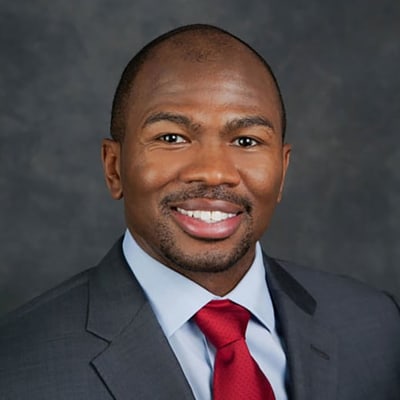
How Men Can Become Great Fathers, Husbands, and Leaders | with Curt Storring
Transcript
Click a timestamp to seek the player.
everything falls into place. What kind of fitness do I have to be to be alive that long to have a healthspan, not just a lifespan that allows me to enjoy that? What kind of relationship with my wife do I need? What kind of relationship to my work do I need? If everything is pointed towards the same goal, it becomes very easy to integrate everything. And if I cannot do the most important things, the things that are— I say are priorities while I am seeking my goal, then I'm seeking the wrong goal. And what I mean by that is if it is important for me to teach my boys how to become good men and fathers, if I am spending too much time working that I don't have the time to train them properly, well then my life is out of alignment and I need to change. That might mean lack of efficiency for a season, and that has to be okay. And so I think if you as a man can outline what you want out of life in the most fundamental sense— and I have my clients write their own eulogy from their children's point of view— assuming all went well, who would you be to your kids at the end of your life? Now go be that man.
Hey everybody, Dr. Josh Axe here. Welcome to the Growth Lab Podcast, where each and every week we talk about how to grow yourself, your health, your wealth, and take your career and even your spiritual life to the next level. Today we have Curt Storing with us. He is a husband, a father of 4, an entrepreneur, and he is also a coach and founder of DadWork. Notice that's pronounced DadWork. Where he helps dads become family leaders. And I'll say, this is something that I'm really excited to talk to him about today because, you know, there are a lot of— when you look at rates like fatherlessness out there today, it's very, very high. When we look at the way that a lot of men are showing up, they're not showing up like they should. And what he really is an expert in is building intimate marriages and raising great kids and really leaving a legacy that matters. And so this is something I'm really excited to talk to him about today. So we're going to talk about fitness and faith and family and finances and all kinds of things here today. But I want to say, hey Kurt, welcome to the show.
Thank you very much. I'm super excited to be here, and hopefully we can give some value to everyone listening.
Yeah, so I was telling— I was telling you right before we jumped on here that I had a friend share a post of yours with me, and it was something— I may not be saying this right, you can talk about this— but basically it was the elements of what makes a great dad. Like, what should a dad and a husband and we'll talk about this part later, but I think one of the things was you put down, and I just loved it, was dads need to be hard to kill, you know. And, um, and I thought, wow, that's a, that's a good one. And so that was one of the first things that stuck out to me. Um, but I want to talk about so many things today. As we mentioned, I want to talk about marriage and being a dad and just being a leader, right, and how to do that. By the way, I think this is a really relevant conversation both for men but also for women to hear, because there are certain things that you should expect of your man, uh, in— if you're in a relationship, um, in that way. And so, uh, first thing, you know, I, I've heard you talk about this, is this focus on, um, having a better marriage. What are some of your practical tips when you think— well, actually, first let me, let me ask you this. When you think about what a husband and a dad should be, would you kind of paint a picture for me what a, what a great husband and dad should be?
Yeah. And you know what, the reason that I feel as though I can speak confidently on this is because I was the flip opposite for the first number of years of my marriage and my fatherhood journey. And so this is stuff that has saved my marriage, uh, in many ways saved my life, I feel like, because I was just so bad at it. But the thing that I tell guys now is I think the, the perfectly balanced man, husband, and father is kind of what you're talking about before, which is hard to kill. But equally easy to love. And all of that put together allows him to be equipped to lead. And so that's where I try and focus on, guys, is look, we have to be able to defend. We have to be able to charge forward. We have to be able to take risks and lead the way and have a vision for our family and actually be the first line of both offense and defense so that our family can be protected behind us. But at the same time, you have to be gentle at home. You have to be patient at home. You have to be mirthful and joyful and have all of those things that allow you to be someone who's easy to be around and loves his family. Because if you're just the hard guy all the time, very hard to connect for your wife and kids. They're not like that and they're not easily able to come alongside you in that hard-to-kill mentality. But if on the same wavelength, if you're only easy to love and you're not sort of hard to kill, they're gonna see you as not that protector, as not that role model. And I think you need to have both of them in equal measure. And then finally, down at the bottom where I said equipped to lead, that's just understanding that as a, as a family leader, as a husband, as a father, the buck stops with us 100% of the time. We have to take full responsibility of everything that is coming across our family's plate, everything that is happening in the home. And that means we need all the skills to do the relational work inside of a, a family. We also need to know how to craft a vision. And then inspire our people to follow that vision for their sake, not just for our glory. So I think that's maybe the most concise way of saying hard to kill, easy to love, and equipped to lead. And that all leads to father, husband, and man in equal measure.
Yeah, I love this. You know, one of the things that I've learned over the years from just incredible, uh, mentors is that, you know, is what leadership is. And leadership is really this beautiful combination of love and nurture and encouragement and kindness. Those those traits, but it's also this other part of I'm challenging you. Hey, get, you know, get up and rub some dirt on it. It's, hey, I need you to give me more. It's that coaching mentality, you know. If you watch college football, Nick Saban, those sort of like fatherly, like, you, you got more in you, you know, sort of thing. And so, and then the first thing I see that's hard to kill is like, it's this resilience. And it's hard to kill physically. I think there's this physical aspect, but it's also this— listen, life is hard. There's a lot of suffering, and you need to bear your suffering nobly. And I think when, when we go through that, especially as husbands and fathers and men, someone sees you bearing your suffering and you're going through hardships and you're resilient through it, it inspires others. It causes others, you know, and even our family. And I had a health issue, health crisis about a year ago that lasted a long time. And one of the things I thought about, Kurt, as I was going through this— I had a, a disc infection, couldn't walk for, for a while— and I, one thing I thought about is I was just in major pain and suffering, I thought about, I'm going to bear this nobly for my daughter. I want her to learn that even though, you know, things don't go our way and we have pain and suffering, that I can still love people. I'm not going to complain. I'm going to focus on benefiting the lives of others no matter what. So anyways, these 3 points to me are so wonderful and so holistic that I think they encompass a lot, especially if you break down to get into sort of the philosophical ideas of how how important they, they actually are.
Yeah, yeah, exactly. And I think what you just said about the hard to kill being physical— yes, I'm a strong proponent that the dad bod is not the dad we want to have, is not the bod we want to have as fathers. Um, but like you said, the resilience piece and the ability to suffer with meaning is so important. Yes. And I think that what we're showing here is like, man, I work with a lot of dads, I've seen a lot of dads, I go very deep with a lot of dads. And there's something about fatherhood that is— well, it's, it's noble. It's noble suffering for a purpose. And there is a burden that's right, all dads that I've ever talked to have, and they're like, man, I'm overwhelmed. Like, I've got my stuff, I got my wife's stuff, I got my kids' stuff. And through how we bear that weight with grace, with the noble attitude that you had, we teach so much to our children, to those around us, and we allow ourselves to be easy to follow, even if, like, you're physically unwell. That doesn't mean you need to be jacked and you gotta have a six-pack and you gotta be all this kind of stuff. Take care of the basics, obviously. But if you are unable to even walk, doesn't mean you're not hard to kill anymore. But like you said, there's literally endless possibilities to go into because, I mean, easy to love means you have communication skills. You don't start fights every time you open your mouth. But it also means that you can empathize and validate with your wife and kids when they're having feelings. And like, there's endless possibilities. And so, I mean, I'm happy to take this anywhere you want to go or just continue to riff.
But, uh, yeah, Well, I think there's this idea here too, and I see this a lot. It's like, man, like, we're called to be courageous. We're called to stand up for what's right and hold our ground. I saw this post recently and it said, you know, men back in— my grandfather was like this, he served in World War II. It's like, hey, if he was 15, he would have tried to enlist, or if he had a medical issue, he would have tried to enlist because he wanted to serve his country. And today you've got people that would just run from that fact, and it's sort of this level of character. And so one question I have for you— well, let me ask you two questions. One, should dads or men be able to— should biological men be able to compete in women's sports?
Uh, no, that's a strong no.
Yeah, it's a strong no. Exactly. So we're on the same page there. Yeah. So, so, so with it, but what, what's happened to, to men today? You know, I also see this thing like toxic masculinity, like somehow being a man is this negative thing and people should be guilty for it. But that's maybe a little bit— it's part of this discussion of what's happened to masculinity today, man.
Okay, so this is one of those things that I think entire seasons of podcasts could and probably are dedicated to. Um, and one of the things I saw on, uh, I was at the gym and on a treadmill and I saw this thing come up and I don't watch the news, but I saw this guy on Sportsnet or whatever it was and he was saying that Hockey Canada, which is the governing body of hockey up here, is having a meeting specifically to remove quote unquote toxic masculinity from hockey. And I'm going like, wow, this is going extremely deep because sport and competition are what I think inherently masculine. And particularly with sport, I think a lot of people have said this, sport is almost like, uh, a version of war for men in peacetimes. Now I think there's more to that because not everyone can be, uh, a professional athlete, but in terms of masculinity itself, there are so many things going wrong. And you can take this from, at least for me personally, on a faith side of things, I see like, look, there is evil in the world. And this is sort of meant to be this way, because masculinity stands up for what is right, even if it's not expedient, even if it's not comfortable. And so how do you get past truth? And how do you spread evil? Well, you take out the Watchers, you take out the men who would otherwise be courageously defending what is good and true and beautiful. Well, then you start to vilify that exact thing that stops evil from spreading. So that's number one, and I think that has to be foundational just on a faith purpose for me. But I think you see as well, when I look at a man who comes to work with us, I'm like, dude, you just don't know how to be a man. And why not? Well, because you didn't have any strong role models around you. And I think there's something over the last number of generations— and look, there's a ton of amazing elders and sages and, and gentlemen out there who are so blessed to have. But compared to the number of total elderly men out there, I think there are very few who are willing to stand up and be a leader and to guide younger men. And this is typically what we see with men who come to us without strong fathers. So many dads, many of them weren't even there through divorce or whatever, um, but a lot of dads were there physically, just not emotionally, spiritually, mentally. And so we get a group of men who come up, and let's just about our generation. And they've grown up in this world where they've never been taught to be a man. And of course, they're going to struggle. Of course, they're going to seek comfort, because they're going to likely be numbing the pain of not having had a father who affirmed them. And I think that is at the core. Most men can identify this father-sized hole in their heart. And for me, that is what we do a lot of work on. Where is that hole in your life? Did your dad not affirm you? Did he abandon you by You know, leaving your mother, whatever that case is. Maybe he physically abused you. There is something usually in a man's life that caused him to be distanced from or not taught by a father. And when that happens, he'll spend the rest of his life trying to fill that father-sized hole with things that are not good for him. Things like addiction, things like overwork, things like money, things like women, whatever that is. But none of them quite fit that father-sized hole that was left. So where does he go? Comfort, numbing, trying not to think about it. Because not only did he lose what it meant to be a man, he lost the emotional digestive tract, I call it, from seeing how a man goes through hardship. Because if his dad wasn't present in there for him, and if there are no other role models in society, because look, there's just— it wasn't the case over the last couple generations, um, then how is he going to know? And so I think it's very important here to just tell guys like, look, it's not your fault. That you don't know how to be a man. It's not your fault that whatever happened to you in the past happened, but it's your responsibility to deal with it. Nobody's going to come save you. And so you have to realize, as a father especially, if you don't become a role model, if you don't become that man worth following, you're going to allow your sons, your daughters, to have the same pain and fate that you have now. And the pain that I was in, man, I did not want my kids to experience that. So I went all in on How do I even do this? What is a good man? What are these skills? So I mean, again, there's myriad reasons why we are the way we are now in terms of masculinity. Um, and I think we've just got to this point where people are so interested in individuality and comfort that they can no longer worry about sacrifice and courage and goodness.
Yeah, you know, there's this idea too going out there. I remember years ago, and even today, this idea of self-love, self-love, self-love. And it's this idea of like, you're perfect the way you are. No, you're not. You're not perfect. That's right. You should be getting better. I'm not perfect. I should be getting better and better and better. Like, I have so much room to grow. So if I have room to grow, I'm not perfect. And so we have this idea of— and you know, when I, I've studied over the year in my health space a lot of Chinese medicine, and there they have— they, they, uh, they, uh, they put things a lot into— you have feminine qualities, and in terms of fair, uh, uh, character like virtues, and more masculine virtues. And so they would consider something like courage or self-discipline or self-control more masculine. They consider love and kindness and generosity more feminine. And you really want to have a blend of both, but we've kind of vilified some of them, or we've focused on one at expense of the other. For example, truth and love— it's like, it's all about love. Well, there— most people's definition of love is completely off. It's a sort of erotic love versus self-sacrifice. But you need a blend of truth and love. If you're just all kindness and no truth, you know, you're just— maybe you're just lying to somebody, or you're not challenging them to get better. So I do think that's important. You know, one other thing you said that's— and by the way, this is so big, and I actually didn't expect you to say that, but I'm glad you did. And I, I think you hit the nail on the head. It's this idea of fatherlessness, not having those mentors, not having those people in your life. Like, we all learn through this kinesthetic, through modeling. Even like, I have a 3-year-old now, and like, everything I do, my wife and I do, she's modeling and she's mimicking, and it's of, uh, you know, residing in her mindset that she'll grow up with. And I had a dad growing up that, dude, I'm so grateful for. Like, my dad served in Vietnam. He was in the military for years, and then he worked out on telephone poles in Ohio in the cold winters, worked for 40 years at one company, his whole— pretty much his whole career. And he never— I, I had probably 1,000 games in my life, from soccer to basketball to track I never— I don't think my dad ever missed one single game ever. I don't think he ever missed a game. My dad was the sort of dad where he started doing this thing where he said, Josh, you're not allowed coming in the house until you do a set of pull-ups and push-ups. So like, and I'm serious, he put a pull-up bar, he went, you know, did it himself, put it in there. And every day of my whole life, when I was in through, you know, uh, 7 years old through high school, I did a set of pull-ups and push-ups every day before I walked in the door. From school or any time. So he really had this sort of great thing, like, challenging me to be better constantly. And, um, you know, I even think about this. I think that, um, I had a better view of who God is because of my dad. I think some people have a warped view of God because they're like, well, you know, my dad wasn't there. And so subconsciously— I don't think people are aware of this— but, well, my dad didn't show up, so God's not showing up. I think it actually extends to even somebody's faith in their spiritual life in terms of who their father is. And so I don't know if you have any thoughts on that, but that's something I think that we're seeing in society right now as well.
This is maybe the most important point, I think, of all of societal issues right now. And I think that I was sort of skirting around it by saying, you know, we're, we're missing fathers, but I think we're really just missing God. Um, I believe that good fathers point their children to God, and I also believe the bad fathers point their children to God, just down a much more painful path. Um, what I mean by that is you have the experience that you saw a father's love and your father was a closer representative to, to God the Father's love than say a bad father would've been. And so you wanted more of that, presumably. In my case, and a lot of other men's cases that I work with, we are left with this father-sized hole. And look, my dad wasn't a really good man. He was funny. He, he was with us, uh, physically a lot. Just was really hurt. And, you know, he passed away, I think, 9 years ago now. And so I've had a lot of time to ruminate on this and think about what did he mean to me, and what are the wounds that he left me. But for me, I rejected God for ages. And it was only through his will that I found— or he found me a year and a half ago. But the hole in my heart that my father left, that I wanted him not to have left my mother, I wanted him to come back home, I wanted him not to have abandoned me, that hole I was seeking my whole life to fill. Well, what finally filled it? God the Father. So your father led you to God through wonderful, uh, examples, and mine led me to God through what he couldn't be. And I think that's so beautiful and perfect and just speaks to God's character of being balanced, like we're talking about, with love and wrath, with justice and mercy. Like, there is— there's this balance, this perfect balance of God. And I think that's why I like Hard to Kill, Easy to Love so much, because it's a balance. And through that, through missing God, of course we're not going to be seeking the good things. We're missing God. And so what I think as well is happening is that the enemy is using distraction, man, like phones and the next fix and everything ordered to your door within 5 minutes. When you are distracted like that, and when you're literally— I mean, like physically looking downward, you're not looking up and seeing the sky. You're not in awe of nature.. And if you're so busy looking for the next hit, you're never going to stop and think, why am I even here? What is the point of this? And so I think that the spiritual point of this is so related to fatherhood. And I would rather help my kids find God by being a reasonably good template of what the Father is, than make them go through the path that I went through, which only by the grace of God did I get through that, because I was at the door of, you know, suicide, to be quite honest.
Wow. You know, there's a quote by A.W. Tozer, and he says, "What you believe about God is the most important thing about you." It's really interesting because our identity is often tied to what we believe about God, like our own identity. If you believe— hey, if we believe we're children of God and we live for eternity, like, that's such a big identity builder and foundation. And a similar thing even with your parents, you know. I think about— there's this scene I remember my dad— I don't know why this is one of the most vivid, vivid memories I had. My sister and mom were sick, okay? They had the flu. They were upstairs in our house, and I grew up in Dayton, Ohio. And my dad and I didn't get too sick, but, um, this was on Christmas Day, and we sat downstairs, just my dad and I, all day, and we watched all 3 Star Wars films. And I was probably like, I don't know, maybe, maybe 11, 12 years old at the time. I remember being such a great memory. But there's a scene there in Star right, where, where, uh, where, uh, Darth Vader cuts off Luke's hand and he, and he loses his hand. But right before that, he says, "I am your father." And remember, I remember being so stunned at the time, like, oh my gosh, like, this evil per— like, Darth Vader is Luke's father, and Luke just screams out like, "No!" And I thought about this at one time. I thought about, well, why is that such a big deal to him that that's his father? Like, why is that such a big deal? Well, I thought Luke's probably having stuff in his head, like, if my father's that evil and that bad, what does that say about me, right? Versus somebody could think something a little different, like, well, I have a Father in heaven who's perfect. I'm made in his image. What does that mean about me, right? So oftentimes our identity kind of stems from people in our lives— our mom, our dad, especially if you're a man, or even God. And so anyways, all these things are incredibly important to our own identity. And another point I want to have, and this is something that I'm so grateful you pointed out, is, is that if you didn't have a great father, that doesn't mean you can't be a great father, right? It means you can learn from those mistakes and you have just as great of an opportunity now if you can operate out of self-awareness to be a great father. And it's one of the greatest callings ever. It's like if you just show up as a dad in these 3 ways that you're talking about, I mean, you're fulfilling such a great purpose in life. It's just, it's, it's incredibly impactful.
Yeah, and that's— I mean, if you came from a family that was broken, that should be all the motivation you need to make sure your family is not. It's not an excuse, it's motivation. And that's sort of what, I don't know, sort of led me here, I guess, is that it hurt, man. I don't want my kids to go through that. And I was willing to take on all the burden of my generational curses, if you will, and do that work to exorcise those demons or whatever, get better, so that my kids didn't have to carry my weight because I know that they'll have some weight too.
Yeah. So, so tell me about this. And just to give you another example of this, when I— when my mom was diagnosed with cancer when I was in 8th grade, and I remember, like, and she went through chemotherapy, she had a mastectomy. I mean, it was such an emotionally traumatic experience. But I remember my mom going through that and thinking, there's got to be a better way. People aren't meant to have— and, and I want to help people that are in this situation. So I took this, like, this negative cancer, our family being incredibly unhealthy from Jehovah's Witness standpoint, I was able to take that and say, no, I want to turn the complete other direction. I want to help save lives, transform lives. I'm going to learn about nutrition and health and fitness and all those things. And so we can take evil— God's— when we specifically partner with God and use it for good as well. You know, one of the things I think that, um, maybe a lot of dads have a hard time with today is this sort of balance, right? There's, there's like, there's a lot on a parent's plate, or, or a man's plate. It could be One, taking care of yourself, but also taking care of your family, like, you know, and, and what the things we've talked about, but your finances, your own fitness, your faith. There's a lot of stuff. What advice do you have for men and dads to create this sort of work-life, uh, flourishing?
Yeah, so this is something a lot of people talk about, work-life balance. They want everything to be perfectly balanced, and like I just said, I love that word but a word that I like better is integration. And I've only learned this recently. It's part of a mastermind I've joined through Family Teams, which is a wonderful organization. And, uh, it's this idea that everything you do should be pointing towards your ultimate vision or goal or purpose. And I think what we see a lot of guys have is they have split lives. They've got a work life, they've got a weekend life, they've got a family life, they've got the, the, the boys where they watch football together,. And none of these things are cohesive. But for me, I know that I'm like, when I'm 80 years old, God willing, I would like to be sitting on the porch of my home with like 100 great grandkids running around. That's my goal. I just want to have, I want to be the patriarch of a loving family that honors God and that can do good because we have the resources to do so. When I think about that, everything falls into place. What kind of fitness do I have to be to be alive that long, to have a healthspan, not just a lifespan, that allows me to enjoy that? What kind of relationship with my wife do I need? What kind of relationship to my work do I need? If everything is pointed towards the same goal, it becomes very easy to integrate everything. And if I cannot do the most important things, the things that are— I say are priorities while I am seeking my goal, then I'm seeking the wrong goal. And what I mean by that is if it is important for me to teach my boys how to become good men and fathers, if I am spending too much time working that I don't have the time to train them properly, well then my life is out of alignment and I need to change. That might mean lack of efficiency for a season, and that has to be okay. And so I think if you as a man can outline what you want out of life in the most fundamental sense— and I have my clients write their own eulogy from their children's point of view— assuming all went well, who would you be to your kids at the end of your life? Now go be that man. Who is he? What does he have to do? What happens 10 years from now? So you become him. And if everything is pointed to your North Star, everything falls into alignment. But so many men are just living visionless, purposeless, and assuming roles that suck. Like, if you're not good at being a good human, like work, or you're sitting inside all day, or you're not eating well, or you're not exercising, no wonder things feel bad, man, because you're not even supporting the fact that you're human. So that's what I would say for balance. It's actually about integration. Headed toward a specific goal.
Well, you know, Kurt, so I think a lot of this ties back to purpose, right? Because if somebody— you know, I think there's a lot of, a lot of men today, and women, but especially men, that are just demotivated. It's like they're still, you know, they're in their 30s living in their parents' basement, sort of. And some of that's reality, and some of it's still that way kind of metaphorically in life. So how does a man get motivated? Like, like some of them, you know, the ones that I'm playing video games, I'm not showing up, I'm half-hearted, I'm just— I'm not inspired. What would inspire them? What would make them go and be that dad and that husband and that person that is doing great things?
Well, number one is that vision. Um, we work with our guys to cast a large vision because I can motivate you in the moment for a little while to do the good things in your life that you need, like habits, So our guys also have habit stacks. So they're up early, they're working out, they're intentional, they're intentional with their nutrition, they're doing gratitude, they're reading, they're all the— they're doing all these things. And that's great. But if that's not leading you to a greater purpose, one day comfort's going to be the most important purpose. You're going to be like, I don't really feel like working out. Why am I even doing this? I'm tired, man. I'm just going to take a break. And then you never get back on the horse. But when you pair the day-by-day, moment-by-moment habits with the life deep, long vision, and those two things inform one another, it's very hard to miss. The other thing about this is I think men require brotherhood. I don't think we're meant to be these lone wolves. Uh, I think in fact, if you look at nature, I, I looked this up once and I think the truth is lone wolves either die or they go back to the pack or they don't at least kill large game. And so they're like undernourished or something, right? They're, they don't do well.. But this idea of isolation, this idea of individuality that we separate from the home when we're 18, 19, 20 years old to go start a whole new, like, individual life pod, I think that's broken and it's causing us isolation. And I think this is another way that, you know, evil enters the world by keeping people isolated. And so if you want to do great things with your life, go surround yourself with men who want the same thing and then have a vision and the daily habit to get yourself there. And also, if you're listening to this, just go take action.
Yeah, you know, I, uh, I was gonna— I was gonna make maybe a funny, funny comment. Some people might think it's funny, other people may not. I was gonna just let you know how offended I am that you even use the word patriarchy, but, uh, actually, I love it.
I love the word. I'm so sorry. I will go to—
yeah, um, no, but like, so, but you know, when I think of patriarchy, um, And what you're saying, tying this into this idea of being alone, I think back when I read the Bible, I was reading— I read Genesis a lot. And, you know, when you read about Abraham and, and Isaac and Jacob and sort of, you know, they're never like, we had our family of 1 or 2 people and we were alone or whatever. It was like, no, they had themselves and other families and other families and other families. It was a sort of like family tree that just kept growing and growing and growing. And men were never alone. Families were never alone. Women— everybody was always integrated together, and there was always help. You know, I've actually heard from a lot of people, because they oftentimes, especially when they move away from their family, like, it's really hard. Like, Chelsea and I are so blessed because her parents and my parents are there for the kids anytime, all the time. Like, I could call my mom, be like, Mom, I need you here for a month. Boom, she'll be here. Or Chelsea's parents, like, live next door to us, and they're always always there helping. But there's so many families today where it's like they don't have— there's just no accountability. And so I think this for men too, there's no accountability. There's nobody give them a kick in the butt. Nobody's saying you need to do more with your life. And so I see that missing. And also, you know, in terms of purpose, like, I know what wakes me— gets me excited is I think about like, what am I called to do? I believe I'm called to love God, love people, make Earth a heavenly place. Part of that is through mentoring, discipling other men and kids and people to be the best they can be, find their calling, growing in skill and in character. And, you know, God put, uh, Adam and Eve in this garden, and basically they were supposed to take that Garden of Eden and make the whole earth a Garden of Eden. I believe we're gonna have a new heaven and new earth, and we'll all see that. My point is, like, I know I'm gonna live for eternity. I know God's called me to do big things. And so I wake up in the morning like, let's go, you know, the same thing. I get, get in, get in, get my workout, have my superfood smoothie, get back, give my baby girl a kiss, give my wife a kiss, and say, hey, how can I serve you today? What's going on today? And then jump right into work, right? So, but I don't think a lot of people have that. And it's, uh, you know, and man, I just keep going like this, this mentorship thing I think is such a big deal. You know, let me ask you this. One, one aspect of this is raising kids, right? And if somebody hasn't been exposed to, they weren't raised correctly, right? Maybe it could be challenging, just generally it could be challenging to raising good kids. What are some of the, the kind of secrets or the, the principles you abide by in terms of raising great kids? Like, what, what are the boundaries? What are the ways you affirm them or challenge them to, you know, build their identity and their values and be everything they're supposed to be, man?
Yeah, that is, uh, the biggest question, I think, for just me coming into this with no ideas. Um, number one, what if you just were the dad that you needed? Like, you, you know how you felt as a kid. Why don't you just start there? And that can help, but that doesn't necessarily give you the skills. Um, I really— I totally agree with the way that you have been laying it out though, which is a father supports yet challenges. You know, a mother's role is different, and I can't believe that I can say that. People are going to be so offended that a mother and a father are actually different, but it's true. A mother is much better at just nurturing and being there, where a father father should be able to soothe his children, but then expects greater things from them. Not because they're not good enough in his eyes, but because he knows that they will thrive if they are pushed a little bit more than they want to be. Now, I think about what happens when God the Father speaks to Jesus upon his baptism. He loves him. He affirms him, and he gives him an identity. Says, this is my son who I love. And so you're giving the identity of the father to the son. You're loving him unconditionally. And then you're saying, I'm pleased with him, with him. I'm well pleased. That's affirmation. So if I break it really simply, love, identity, and affirmation are the three things that a father needs to give a son. There's way more than that, obviously. And we need to make sure that they have virtues like fortitude, uh, and temperance and all these things so that they can suffer well, so that they have discipline, so that they don't just look for that immediate dopamine hit. But can do good things in a world that is trying to vie for their attention and throw them off. So for me, we make sure that our kids have basic boundaries around everything we do. So timing in terms of like wakeups, uh, meals, bedtimes, bath times, they know that we are in charge. And that's very rare these days because we have this culture where, oh, kids can do whatever they want. They should be whoever they want. We should affirm their individuality. That's— I just think that's wrong. Um, my kids are secure in the knowledge that I am actually in charge so that they don't have to feel alone and ill-equipped to deal with life. And that's how I felt as a kid. So it's very important for me that they don't feel alone. So, I mean, again, you can interrupt anytime if you want, but yeah, those are sort of the basics, and we can go on for, for hours on this.
I love it, Kurt. I, I saw this meme the other day and I sent it to a couple friends of mine. I've got a from Nebraska named Dan, and I sent this to him, and because I just knew he would relate. And it said something like this, because this is my dad. It said something like, um, you can't say anything that would possibly hurt me. I used to bring my dad the wrong tools. So I remember when I was a kid, and my dad— by the way, like, my brother can take an entire car apart and put it back together. My dad's the same way. It's like my sister married a guy who can do that. So my grandfathers were like that. They were all like And like, I was never quite wired like that. Exact. Uh, you know, to be very, very handy in that way. Um, or I guess I just didn't have the interest, uh, like my brother did, but I remember bringing my dad tools, like, uh, you know, he'd ask for, uh, you know, a, uh, Phillips head screwdriver and I'd bring the wrong one and he would just gimme the hardest time. But you know, it's like, it made me ready to deal with the world. Like I got a hard time. It's okay. I'm gonna have fun with, oh, my dad's giving me a hard time. So when other people in the world gave me a hard time, it was like I wasn't offended. I wasn't like, how dare you say that to me? I was like, hey, you know what? I got thick skin. I can take this. My dad used to— I used to bring in the wrong tools. And that's part of a dad's job is I'm going to toughen you up because if I don't, you're going to get out in the world and you're, you're not going to stand your ground. I need to teach you where the— I need to teach you how to stand up to the bullies, right? If we don't have dads doing that and people are getting walked all— this is something I see a lot of men today. They're just getting walked all over. They're just doormats.
Yep, man. Okay, so there's a couple things that came up in there. Number one, I think what we're seeing is like a lot of nice guys who are afraid of conflict and they don't know how to rock the boat, and so therefore they're just willing to abandon their own values to have like the happy wife, happy life idea. And that's the worst advice for marriage you can possibly be. You need to be firm in what you believe, and you need to stand up for truth and, and goodness, even if people will be upset by it, because The truth is the truth, and that is what we ought all be defending. And so if someone is upset with the decision that you make, that's okay. They're allowed to be, and you're still allowed to stand by that. And I think so many people miss that because they're not equipped, because their fathers never taught them, but they're also worried about offending people in this modern climate. But another thing that I think, um, just to circle back to what a father can give to a child, um, is this identity piece is actually bigger than I think a lot of people give it credit for. You're like, ah, what does it matter where I come from? What does it matter who I am? Like, I'm just gonna figure myself out. But the vision, like a multi-generational story of where you come from. That's why people are so interested in like 23andMe, for example, right? Like, oh, I wanna know what my history is. I wanna know where I come from. I wanna know what things I might share with a group of people. We are tribal in a sense that we want to relate to people who are like us. But what happens if a father does not do this well, then a child is uncertain of their identity. What's all the rage today? It's this idea of identity. Any child who has been affirmed by a father that says, you are loved for you, and you are exactly as God made you, and he was pleased to make you that way, and I love you the way you are— no child goes out in the world and goes like, oh, I think I might not be like the boy that I was born as. That's not going to happen to a, a child who has a father who affirms his identity. And so I think that's why there's extra pressure now on us to make sure our kids are given that firm, loved identity— beloved son, beloved daughter, whatever that is— from a father so that they don't go looking for that affirmation elsewhere. I think the final thing you said on this tough love piece is so freaking important. We're all about, you know, gentle parenting and calm parenting. Those are beautiful tools, but they're not the whole game, and they're especially not the whole fatherhood game. Um, I think that a lot of times we need need that friction, that sandpaper, that push, that hard boundary to find out where the limits of— that we should be operating within. And I just want to give that one extra, uh, addition for the guys who are like, oh, I knew it, I'm just going to keep being a, you know, a jerk to my kids because they're going to learn. Look, you can give them boundaries and you can train them up in the way they should go to encourage discipline and strength, but you have to be doing with love as well. If it's just tough without love, well, it's not tough love anymore, it's just kind of being a jerk. So make sure that whatever you're doing is loving and affirming and all the rest of that kind of stuff.
You know, I, I hadn't heard the breakdown before that you kind of went through that 3-step process when, uh, Jesus is baptized. You know, you're my son whom I love, in which I'm well pleased. It's— that is the model. That is the model for fathers, what you just shared right there. This is who you are. Like, for, for my daughter, you're an axe. You're a child of God. You have great character. You work hard. You do these things. I love you so much, and I'm proud of you. You know, the thing that my dad did that I think means the most to me growing up— I mentioned showing up for all of my games. That meant so much. The fact that he cared. But the fact my dad made me do pull-ups, he cared. He wanted me to get better and grow. But one of the things my dad did, and by the way, I don't think my dad's dad did this very well. And the fact that my dad had kind of the awareness and wisdom to do this with me, my dad would place his hand on my shoulder and he would say, Josh, I'm proud of you. And I think today we're living in a society where there are so many men who have never had another man place their hand on their shoulder, an older man, and say, I'm proud of you. You, son. And, you know, I think about for us and any man listening, even women who are inspiring the men on this, on this, on this show, is that, you know, like, there's this, there's this frame of mind that I have, and it's called I See in You. And so I try and do this with the men in my life. I have a mentorship group that I'm a part of with guys, some my age, some a little younger than me, and I try and do that where I'll do that thing. And my grandfather did the same thing to me too. My, my mom's grandfather. And I put my hand on their shoulder and say, listen, you've done this so well. I'm so proud of you. This is who you are. You've shown great leadership. And so I think for all of us, being able to do that with our kids and with those other men in your life that are, you know, around your same age or younger than you, being able to speak in their life and say, you're good at this, I'm proud of you, man, it means so much. And I think that's, that's part of that mentorship thing that I think that, you know, a lot of guys are— and I think guys are yearning for that. And I think sometimes people either just give up or they try and find another way to get recognized because they haven't had somebody say, I recognize you, I'm proud of you.
But yeah, and while you see that in, um, like in online forums, um, I, I heard this recently from someone who knew a little bit more about this. Like, there's Reddit communities where you will go in there and be having a hard time, but they will affirm you for going like, well, I kind of feel like I might actually be I'm a cat today. They're like, oh, that's amazing. I'm a cat too. We can all be cats together. And they get that burst of like, oh, you're— you accept me. And so that's where the danger comes in. And I think this is such an important point. I, I even, um, I, I recognize in myself the fact that this was not something that I got a lot, because I was on a call with my mentor the other day and he said, man, I'm so proud of you. And I was like, really? And it was like that childish joy of, oh, thank goodness. Like, thank you so much for affirming that. And you, you cannot replicate that. I've tried, I've looked everywhere, and you cannot do it. And so I—
there's an idea that you can't say— you can't say it to yourself. That's the thing. That's the thing I think you're getting at here too. It's like, it's like, tell yourself you're great and fantastic. We're wired for relationship, right? You can't just tell yourself you're great. You won't— you don't fully consciously believe it.
Yeah, there, there is so much to be said about the power of positive thinking, but I think people take it too far because anything that is not worthy of being worshiped will crumble under that weight. And if you put yourself at the top of the hierarchy where you're trying to worship yourself, you're this like, oh, you're so good— that's always— you're going to disappoint yourself. And then what happens when you say I'm proud of you? You're like, I don't really trust that guy. And so that's not gonna work. But I think so. I have always in my adult life wanted to make friends because I moved around a lot as a kid. I have no legacy friends. Like, I moved around every year or so, and I'm like, man, I would love to have a bunch of friends. And in my head, I was like, if I could just have like 10 mentors and like 50 friends and then like a bunch of people around me, that would be sweet. And what I've realized is that's impossible. Like, that's just not going to happen. And I think the sweet spot is if you have at least one mentor who is further along than you are, that is an absolute life-changing, game-changing thing to have that very few men have. And you're giving them what you just said. You can say as a mentor, I'm proud of you. And you get that as a mentee. So to find a coach or a mentor who is farther along is absolutely necessary. And if you are taking their advice, they better have the life that you want to be living. And if you're on the flip side of that, if people give you advice and they're not living the life that you want to be living, ignore them. But then I think a healthy group of 3 to 5 good friends who are with you in the trenches going forward at the same pace. And then as many people as you can inspire and lead as possible so that you can expand all of those ranks. So I just think that 1-2-3 tier— the mentor ahead of you, the friends beside you, and the people you're bringing along— I think that's the perfect place for a man to be, especially in sort of our generation, the 30 to 45-ish range. Um, like, that's where I think we all ought to be, and that's where I'm really trying to be right now.
I love it. I— this is such a good point because it's, it's, it's this idea too, if if you didn't have a father that showed up and that wasn't a great dad, well, how do you make up for that, right? It's like, well, how do I overcome that? And there's a lot of things, and I'd love your other— any recommendations on that. But I think what you just shared is part of that, is, well, how do you make up for that? You get other father-like figures in your life, right? I've actually seen a lot of people, heard some men, and especially in things like college football, a guy like Nick Saban or Dabo Swinney or some of these great coaches— you know, their players will say about them. I remember people saying this about a guy like Bobby Bowden, like, he, he was like a father to me, you know, he was the dad I never had, right? And so I think being able to find those sort of mentors in your life, and the iron sharpens iron, and then being what you never had for those other people, when you do that, that, that's the greatest thing to help make up for that. And then also connecting with God and your Heavenly Father. What does he say about you? Start reading about that. So how that influences and it affects us is so, so powerful. What are some other things people can do, men can do, to heal these, these father wounds that they have?
So there's a couple of very specific things that I want to mention. One is just a beautiful ministry of a man named Ed McGlasson. Speaking of football, I think he was in the NFL for a few years, um, but it's called The Blessing of the Father. And I'm not related to it, I'm not whatever, but he— I had a life engine call with him. He is a mature man. And on this call, because I was going to have him on my podcast, and he's like, let's just meet first to make sure it's a good fit. Supposed to be 10, 15 minutes, and like 75 minutes later, he is like, can I just pray for you? And I'm like, sure, you're an older man, you know more about God than me, I'm a new Christian. And what he prayed over me was literally the blessing of the Father. He just said, you are a beloved son, you are loved, you are only, you know, important in the Father, he's got you, all these things. And I just started crying because I'd never had the actual blessing. And you can read about it, I can imagine, I can pray, I can feel the presence of God, but hearing it from a real human being did something to me. And I just— I feel like I broke. So I don't know, that, that's, uh, that was really impactful for me. Another thing in terms of healing the father wound, because look guys, you are the way you are because your parents are the way they were, and your kids will be the way they are because of you are the way you are. So let's just really understand that the way that we are is very much due to our parents. And so there's usually, like we talked about before, this father-sized hole that needs to be forgiven and then filled by God, hopefully. But the forgiveness aspect is what trips up a lot of people. They're angry at their dad. They're not sure how to get back to it. They're not like, they're like, if I have to forgive him, then he has power over me. What's going on? And so one of the most important impactful tools that I've ever done is a letter writing process. So I did this after my dad had passed away already. So he doesn't even need to be in your life. You don't need to, you shouldn't send this to him, I should say. But write a letter to your father. And there's 3 headings here. Number 1, Dad, something I wanna say to you is, and just write until you can write no more. Number 2, Dad, something I'm angry at you for is, write until you can write no more. And third, Dad, something I see in you that I see in myself is, and you write about all the things that you guys share. Now, a final piece of this that I found very helpful was to have a little bit of a visualization and visualize your father as a child and realize at one point he was not the man he grew into being. He had a life that impacted him in such a way that allowed him or made him be the man he was. And that's no excuse for the fact that he didn't do better, but it does help you to give just that little bit of forgiveness. Oh, it wasn't 'fully his fault.' Oh, I wonder if I can forgive my father for that. And the forgiveness of your father is absolutely transformational. It will free you from so much pain. And I've heard it before that holding a grudge is like drinking poison and expecting the other person to die. That's very true. And I think that, you know, we have been forgiven. Like, just as a believer personally, uh, as a Christian, I've been forgiven infinitely more than I could ever forgive, even if someone like did the worst things in the world to me for the next 100 years. God's forgiveness of me as a wretched sinner is so much more. So there's no, there's no justification for me to withhold forgiveness. And while it is the hardest thing in the world to have to let go of that pain and, and that suffering, the forgiveness piece, it is absolutely transformational. So I think that is where I would go with a deep father wound.
It's so good. You know, one of the things I wanted to clarify, as I was thinking about our whole conversation here, is this sort of relationship between— we're talking about fathers, we're talking about kids, talking about marriage. And I think for myself, the way that I, you know, the way that I read the Bible, the way that I really believe that, uh, man and woman are supposed to be is sort of two sides of the same coin. There's a, there's a term in, uh, in the Bible, it's when you read the word Eve, um, the word— there's a, there's a Hebrew word there also, it's the word helpmate. And the idea there is, is that a wife or your spouse is your— it's a beneficial adversary. And it's like what you talked about, it's the refiner, it's the sandpaper, it's, it's, it's an adversary, but yet it's beneficial for you. It's this iron sharpens iron in this marriage. And it's this, uh, the, the, the, the Judaic belief is this sort of— it's you, you're, you're one, you're two sides of the same coin when you're married. However, the Bible, I think, really talks about this, is that like, you know, the woman is bringing unique qualities to the table which is different, the man's bringing unique qualities to different— the husband and the wife. But when push comes to shove, you know, the woman is sharing a lot of wisdom with the man, but when it comes down to this is the final decision and choice, everything is made together, but that final decision That's the man, that's the husband. That's where I'm going to make the final decision and lead. Now, this could be as basic as something like— I'll give you an example. By the way, I think if you're married, you'll understand this, is that my wife and I, every night, it seems like we have a conversation about what are we going to do for food. And I probably make the decision 90% of the time, like where we're going to eat, even if I tell her, hey, you pick. No. And so she wants, she wants me to choose, she wants me to pick. Now, on occasion, my wife is pregnant right now, so So sometimes she's craving something, okay, and she knows, and I'm like, okay baby, we're gonna get that. But anyways, what are you— what are your thoughts on sort of that dynamic in terms of leadership and this connectivity in between a husband and a wife?
Yeah, so this is so important because I think a lot of people— I was thinking the other day, um, I was actually— I was listening to this— Metallica has a new album and someone's like, oh, listen to this. I haven't listened to Metallica for ages, so I looked up something on James Field, the singer. Well, apparently he got divorced, unfortunately, recently, um, but the reason was like irreconcilable differences. And I thought, oh, that's such an interesting thing that we've let come into relationship these days. How could there be anything irreconcilable when you, you know, it says let not man take apart what God has put together? Um, but anyway, what, what that means to me is that so many of us think that marriage is just about what do I get out of this, how is this benefiting me. But if you look at it in this more, um, well, in the larger context of having a broader perspective, marriage is one of the best tools of sanctification. This is not for you to get what you want. This is for you to become whom you are supposed to become. So all the hard parts— and this goes for everything in life, but marriage is a very good example— all of the hardships in marriage are for you to grow through. And if that's your attitude, then divorce is never an option. Like, it doesn't make any sense to leave this most beautiful place to grow. And I think that's what a lot of people miss. And so for me and my wife, there's this idea of, you know, we each have our own roles. And I've talked to a couple guys on my podcast and they're like, look, the amount of times where I've had to make like the final call when my wife didn't like it was like a handful. So we're not talking about like my way or the highway, babe. It's like, obviously she has so much wisdom that I don't have. Obviously I am doing everything I can for it to be beneficial to all of us. But the point of decision-making at the end of the day is who bears responsibility. Do I want to put the responsibility of something that might go wrong on my wife and have her feel like, oh man, I made the wrong choice, the family's suffering? No way. I am the man, and it is my responsibility to take full responsibility of everything. And that way, if there's anything that goes wrong, it's on me. I want to remove as much of the burden from her life life as possible so that she can then love better and grow better and be a better mother. And when it says love your wife like Christ loved the church, what did he do? Literally laid his life down for her. That is not what a wife is called to do for a husband. She's called to submit to him. But what's more challenging, to die or to submit? And I think a lot of people think these days that submission is way worse than dying. And I'm like, dude, this is totally backwards. So my entire existence is to love my wife sacrificial to the point of death. No greater love, no greater love has man than this, but to lay down his life for his friends. That's in the Bible as well. And that is what I'm doing as a husband. My wife is so amazing because she gives me so much more than I could ever do alone. And together we give each other so much more than we could ever do alone, but we help each other and edify each other and help each other grow. No knowing that we have our roles. And so I'm not confused by like, did you do this? Was I supposed to do this? And she's not confused going like, well, I guess I better go do this as well, because there's no confusion. It's just boundaries and, and love and all the rest, this kind of stuff. So we both go farther than we could have individually.
Yeah, obviously what you're talking about is roles here, and this is so important in anything in life. It's like, you know, when we played sports, right? And it's like, okay, if I'm, if, if I'm in the wrong position on the field and I have the wrong role, or my roles are confused, or everybody's trying to play the same role, you're going to lose the game every time. And so it's really important to know your role. And by the way, I love that you brought this up, and it's so important that— here's the thing that some husbands miss, uh, you're called to die for your spouse. In fact, I think that this is where one of the, one of the big things that where I don't agree with the, um, with Islam as a religion is, is that actually Islam— it's interesting Judaism— Israel means wrestle with God. Islam means submit to God. And I believe Christianity really means it's this sort of mini Christ. You're following Christ, you're being like Christ, you're being a son of God, like you're a child, like you are. So all that being said, but you know, just, you know, if it's all about submission versus— I do think there's a level of submission there, um, but also we're called to do the, the even have even the greater sacrifice of not just submit, but to die and literally give everything up for our families. And I love that you brought that up. You know, you've been really blessed, it seems like, to have some now in your life, some great mentors, some, some great men. What's the best piece of advice you've ever received?
Oh man, uh, you know what, let's see how much stalling I can do here because there is so much.
Uh, you can give me your top too, if you want. But I— yeah, and I'm sure there are— I mean, when I, when I thought about that question for myself, I thought, wow, that's, that's a— it's a tough one.
But, uh, you know what, the, um, the one thing that comes to mind, it's going to be on marriage. And this was, um, totally random. I wasn't looking for this, but we attended, um, premarital classes at a church. I wasn't going to church at the time. I just knew I needed to be married in a church rather than the government office. I just didn't feel good about that. But when we were going there beforehand, he said, your wife— uh, the pastor was saying, your wife should be your number one human relationship. And that's bizarre to me because it has been the one constant through everything in my life. We have gone through hell and back. We have gone through war together. And because I trust her with everything and she trusts me with everything, I can't imagine if there was any even even like the slightest chink in that armor, if I was like, well, uh, when things get hard, I'll just like find someone else. It's through that knowledge that divorce was off the table and that I go to her before anyone else, and the loyalty is maximum. And that wasn't even like a piece of advice, it was just from a sermon. And so I, I'm just thinking back now with this marriage that that was so beautiful. And man, I, uh, yeah, I— nothing else comes to mind right now. This is one of those questions, and man, I gotta do some, some thinking on because there's probably a lot. But other than, oh, maybe, maybe one more thing. And this isn't even necessarily a good piece of advice. It's just a crazy story. So last Christmas, my, my mom gives me an envelope and I was like, oh, what's this? She's like, I found something you're gonna want. And so I, I open it up and it's a letter from my father when I was like 6 months old that he wrote while I was sleeping on him. They were going through this baby book, and it's like, write a letter to your child and tell them what you want for them. And I have never seen this side of my father before. It was when he was still married to my mother. It was when he was like, you know, going to church. Way different man than I ever knew. And what a favor from God. I didn't need this. I was closed in my relationship with my dad. I had forgiven him. I love him. I'm grateful for him. And it was just this favor that God decided to give me. But in there, through this like unconditional love that my father wrote, which I never like felt felt from him. He also said at the very end, if there's one thing I can give to you, it's to trust the Lord Jesus Christ with your life and have that salvation. And man, this was after like I'd become a Christian, and this was after everything with my dad. But can you, can you imagine like the, the gift of certainty? Because this was about 6 months after I was saved, very recently, only last year or so. Um, And like, what, what better piece of advice is there than that? Trust Jesus. So I mean, that's maybe not the answer you're looking for, but that's, uh, that's what comes to mind.
It's, it's like, uh, this is like a scene out of a movie, you know? I, I mean, it's beautiful. I love that. What's your best piece of advice for men to become men leaders and, uh, you know, leaders of their family?
Uh, it's to take full responsibility of literally everything else around you. So just be, be the point guy. Nothing is anybody else's fault. Nobody's coming to save you. Um, it's, it's on you and that's glorious because it means that you are no longer a victim at anything in your life. You have full ability to change, to grow, to lead. And, uh, that's what everyone around you's looking for. People want someone to follow. They want a role model. Your kids need someone to long to be like. You should be the man who is worth following such that your son would want to be you and your more daughters would want to marry someone like you. And if you're being a victim, that's never going to happen. So just assume that everything that happened may not have been your fault, fully your responsibility to fix it, and from there everything else flows.
It's so good, so good, Kurt. Well, hey, I learned a lot today. You, you brought so much wisdom. I mean, I love, I love the, uh, just this mentality too that you start off talking about. You got to be hard to kill, you know. You got to be able to nurture your family. You got to be able to challenge— you got to be able to lead them well. And so that was just powerful lesson. So many great things here. Hey, I want to share with everybody where you can find Curt. On Instagram, you can find him. It's @dadwork.curt, C-U-R-T. So @dadwork. Also podcast, his podcast is The Dad Work Podcast. So The Dad Work Podcast. You can also find him at dad.work. If you just look up Dad Work and Curt online, you'll find them all over the place. Again, he's, he's also got a coaching group if you're interested in that, but he's obviously doing some incredible things. And I've enjoyed our conversation today. I think we share a lot of the same values and worldview on what this world needs. It needs more men that are virtuous leaders willing to lay down their life for their families. And so grateful for you coming on and sharing your wisdom with us today, man.
Thank you so much. This has been an absolute blessing and so much fun. I appreciate the work you do, man.
Thanks so much. Hey guys, uh, thanks for tuning in to the Growth Lab podcast. Remember, each and every week we're covering the science behind how to grow. If you're not subscribed here, make sure to subscribe, like, comment. Hey, I'd love to hear from you. Hey, what was your favorite part of this podcast? Hey, let me know what was your biggest takeaway and what are some things you want us to cover in the future. Uh, we got a lot of other great guests coming on. We may have Kurt back sometime because I enjoy this conversation so much. I want to say again, thanks for everybody for sharing, for subscribing, and being part here of the Growth Lab community. Thanks again to Curt, uh, for coming on today, uh, just bringing so much wisdom. Remember, check out his content at The Dad Work, uh, podcast there. Again, thanks so much everybody, uh, for being today. And again, thanks to Curt Storing for sharing his wisdom. God bless.
The Dr. Axe Show is educational and not a substitute for care from your clinician. Disclaimer