How to Transform Your Life Through Generosity | Will Guidara
Transcript
Click a timestamp to seek the player.
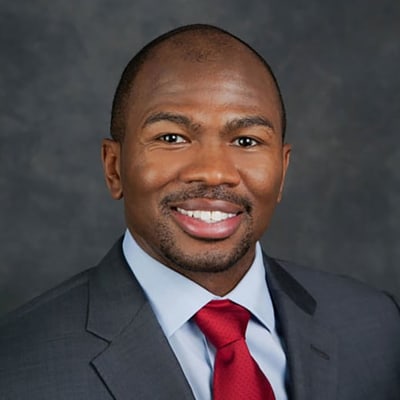
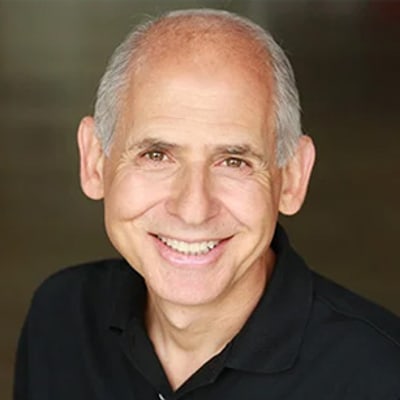
This week we have Will, uh, Gudera. He's the founder of Thank You. It's a hospitality company that helps leaders transform their customer service. And also he's the bestselling author of a book that I've heard people talking about continuously called Unreasonable Hospitality. And we're gonna talk about today how to grow in your character, how to take hospitality to the next level in your life and also become more generous in a number of things. And wanna say, hey, Will, so excited to have you on today.
Thanks, man. Really excited to be here. Sincerely looking forward to the conversation.
Well, you know, as we kicked off here, you know, one of the things we started, uh, you know, we were talking about was, I know you're in New York, and my, my wife and Chelsea and I, we, we love, um, you know, we love visiting New York. We have some of our favorite restaurants there, and I would maybe love to hear a few of yours here as well. Maybe we could talk about, uh, food for a minute or two. But before we do that, I'd love to hear what got you excited about and into this space of, uh, customer service, hotels, and hospitality?
So I grew up in the restaurant business. My dad was a restaurateur my entire life, um, and man, my dad was my hero growing up. It honestly— I don't think it mattered what he did, that is what I would have wanted to do. He had— if he had been a plumber, I'd be a plumber right now. Um, I just wanted to be like him and, and for a number of reasons, but perhaps most importantly, um, when I was a kid, my mom got sick. She was diagnosed with brain cancer. Um, and they were able to get the tumor out of her brain, but the radiation treatment they used to kill the balance of the tumor ended up slowly over time degrading her physical condition until the point that she became a quadriplegic. And so my dad, my dad and I became really close because we were on a team caring for her. He was definitively the captain of that team. And between working restaurant hours, which anyone listening to this, if you've never known anyone who works restaurant hours, that is code for a lot of hours, taking care of her, which meant getting her out of bed and showering her and feeding her and doing all that stuff. He still made time to be a good dad to me. Um, and listen, I fell in love with restaurants because, well, I wanted to be like him and he was a restaurateur, but I fell in love with the way in which I ended up approaching restaurants. I think because of that dose of adversity. My dad has this quote, he says, all the time. Adversity is a terrible thing to waste. You can't control what life throws at you, but you can control how you allow it to fuel you, motivate you, what you learn from it, how you grow from it. By the way, that doesn't mean that when something bad happens, your first reaction is, okay, this is great. You should allow yourself to fully feel the weight of sadness or sorrow or disappointment. But ultimately, there's always some way that it can make you either a better person or a more fully realized person. And for me, well, it was watching my dad care for her when I was a kid, noting that he never felt bad for himself. In fact, to the contrary, I watched him derive significant and genuine pleasure out of caring for her. And whether it was following his lead or just feeling those same things naturally, I felt the same. I never felt bad for myself that my mom was a quadriplegic. In fact, it brought me such joy to bestow graciousness upon her. And very early age, I knew that's what I wanted to do with my life. I wanted to serve people. I wanted to be called to serve and to do it in a way where I could bestow graciousness on others, A, because I like serving others, but B, perhaps more importantly, because I realized that there was nothing more energizing to me than seeing the look on someone's face when they received a gift that I was responsible for giving them.
Well, you know, one of the stories that I, I had, I had read about or heard is you, uh, going above and beyond, uh, this for a couple people. Um, and I want to give this— I want you to tell this story, but just to kind of give you the the start here. So you created a beach in a dining room for a couple whose vacation was canceled. Tell us about that.
So in our restaurant, our culture was based on permission and resources. So we would give everyone on the team permission to come up with ideas, to be present with the people they were serving, to not take themselves too seriously, and try to find these one-size-fits-one gestures to deliver to people. People. And then we had a position on the team. It was called the Dreamweaver. And the Dreamweaver was just there to help everyone else bring their ideas to life. And so we did tons of this stuff all the time, which, by the way, made us feel just as good as the people we were serving. But the one you're talking about now is one night there was a couple, they were dining with us. They got in off the waitlist last minute, but they were only in New York because they had a big fancy vacation to the beach planned. And weather-related issues caused that vacation to be canceled. And so they were in our restaurant, which is still a pretty big deal. We had a great restaurant, but it was a consolation prize in exchange for a much cooler trip to the beach. And so our private dining room was empty that night. And so while they were eating their dinner, we sent the Dreamweaver down the street to Home Depot. We bought a cuss ton of sand. We bought a kiddie pool, a couple folding chairs, and we basically set up a beach in the private dining room. And when they were done, we brought them up there. We served them Mai Tais. They took their shoes off, put their feet in the kiddie pool, and we gave them a little taste of the thing that they missed. Which, by the way, you think about that— what does that communicate to them? It's that you care enough to listen to what they're saying, and then perhaps even more importantly, to do something with what you hear. That's what I think hospitality is. I think it's caring more and trying harder.
That's good. It's caring more and trying harder. You know, I, I think that this— I mean, this is a good message for anybody. You actually mentioned even a marriage, right? Relationship. It's like, care more, try harder, continue to pursue that person, figure out what are their needs, what are their dreams, what would wow them, what would make their day, and pursuing that. So anyways, I, I love that mentality, and I think this is a mentality not only for somebody to have in a business that's in a hospitality-like business as we think of today, like a restaurant or a hotel. But this is true for a doctor's office. If somebody walks in rather than a, you know, just a glass mirror between the receptionist and the person there and sign the form and grumpily, it's like, hey, what would that look like again in a hospital or a doctor's office or when you walk into a hair salon or any business? So if anybody's listening to this and you're an entrepreneur, I would encourage you to take what we're sharing and think about it in those terms. What could you do to create a really personalized, epic experience for that person that comes in your business? And I think about the same thing. Well, you know, there's this, there's this comedian that I love and he talks about how, you know, growing up and I'm in my 40s and so growing up in the '80s and '90s, like we would have people stop by our house all the time, right? You'd ring the doorbell like, who is it? You know, you get all excited. And he talked about after the year kind of 2000, it was sort of like something happened to where it's like, who's at the door? Who is this? Like, it's almost like hospitality started to die. And, um, I'm curious in your thoughts on that. If that's— I'm not sure how old you are, but if that's something that you kind of have seen and experienced. And I even saw this during COVID It seemed like maybe hospitality really took a hit during that time as well.
Yeah. So, I mean, so a few things. Yes, for sure. Like when I wrote the book, My great thesis is that I don't care what you do for a living. You can make the choice to be in the hospitality industry simply by just caring as much about how you make people feel as you already care about whatever product you're selling them. And man, it's been wild, like, to see where it's popped up. I've gotten notes from hospitals and retirement homes and even Uber drivers who have read the book and are changing the approach they take to their work. And so I believe that this stuff is genuinely for, for everyone. Um, and I believe also, like you do, that COVID was hard on it. But I also think that COVID might have been exactly what we all collectively needed to regain a certain perspective around our, our fundamental human need for connection because we were so deprived of it for so long that I think we're craving it now more than ever. I think that coupled with the digital transformation and AI and hybrid and remote work, right? Like, so much of it is increasingly being taken away from it, from us, that I think we're craving it more. And so whether in a professional capacity or in a personal capacity, If you are someone that is bringing that in a generous and genuine way to other people, I just think it's A, a recipe for success, or B, more profoundly, just kind of a gift that you can give to the world.
You know, talk to me about this because one of the things when I think about a lot of businesses today and just people's personal lives, I think there's this element of I'm trying to protect what I have. And, you know, if you've got a business, you're thinking about the bottom line. And so when I hear, you know, you had somebody run out to Home Depot and buy sand and chairs and the cleanup time and all, you know, all the things that go along with that, it makes me think, well, that's a lot of extra work time you're paying an employee. It's a lot of— it could be seen as, you know, you spending a lot of extra money that some people may consider isn't necessary. Talk to me about this mindset. To me, the word that you actually mentioned it twice now, but generosity, you know, this idea of being generous. Talk to me about the importance around that and how is it possible that that actually allows you to be more successful, make more money in the long run, even though it may seem more expensive in the short term.
For sure. So I'd say two things. One, one of the rules that I've always used to manage my businesses is called the rule of 95/5, which means that I manage my money like an absolute maniac 95% of the time so that I can earn the ability to spend the last 5% foolishly. And I'm putting foolishly in air quotes right now because I actually don't believe that is foolish spending at all. I think that is the kind of spending where you're effectively making investments into your relationship capital accounts. And I think the return on those investments, while difficult to measure, are so vast, they're incalculable. Listen, our approach, the unreasonable hospitality stuff that we would do, did cost money for sure, but our bottom line was stronger because of it. Because every dollar I ever spent on sand or a kiddie pool or sleds or a teddy bear, or I could go on and on with a list of just random objects that wouldn't make any sense without context, had a far greater impact than any dollar I ever spent on traditional marketing. People don't collect things as much anymore. They like to collect experiences. And so A, if you're selling anything that's at all in the experience economy, you have an opportunity to give people a story that's good enough that they'll be able to relive that experience over and over again and make it an experience worth collecting. And the beautiful additional impact of that is that then people are out telling those stories over and over and over again. You end up with legions of ambassadors out there preaching about what you do. And by the way, we are always going to listen to someone else singing your business's praises more than we ever will listen to you singing your own business's praises. And so, yeah, is it difficult to measure the return on that kind of investment? Yes. Have I, through my own experiences and through the companies I've worked with since, seen that the return is always there? Also, yes.
Yeah, it's so good. You know, I think creating these remarkable wow experiences is something that I don't think enough companies probably, or people, individuals, focus on. And this is for not just if you own a business, if you're anywhere in the business and you're working with people, how could you— how can you do something that that wows them, that's different, that makes their day, that, uh, that they think about years from now, that, wow, that was really, that was really, really special. And so I love the kind of idea around so much of this. And talk to me about, you know, I think for, in your book, um, you know, Unreasonable Hospitality, I think one of the things that, um, I'd love to, for people to hear are, what are some of those key elements? Is it 5 steps? Is it 3, you know, 4 pillars or 3 key concepts, but walk me through what some of the most important components are to create a remarkable experience in this sort of home life, relationship, or even organization.
You know, I think a lot of it all boils down to what I said. It's about being intentional and creative and pursuit of relationships. And that applies to those that you work with as well as those that you serve. So my mentor, Danny Meyer, famously says that hospitality is a team sport. It doesn't matter how hospitable you as an individual are. It's the extent to which you inspire a group around you to also derive pleasure out of the same things that defines your success at work. Right. And so a lot of the book is about how to show hospitality to the people you work with, which, yes, when the people on my team came in for dinner, we would do really cool stuff for them too. Right. But I think it's more powerful than that. I think it's about leading with trust for the people around you, giving them permission to imbue the experience they're responsible for serving with their own creativity such that they're not salespeople anymore, they're product designers. And so the book talks a lot about how to do that responsibly and how to create a world where The people you work with feel like they're actually impacting the work because I have yet to meet a single individual who won't give more of themselves to help something succeed than once they have a hand in helping to determine what that thing is. It talks about really interrogating an experience such that you can find all the little, often overlooked parts of that experience and make them a little more awesome. Because raindrops make oceans and a lot of little improvements lead to big improvements. It talks about pattern recognition, how you can find the things that happen over and over and over again and prepare in advance for how you can make people feel loved when those things happen. And it talks about the big gestures, which by the way, do happen just as much in life as they do in work. And To be clear, sometimes the big gestures don't cost more. In fact, in many cases they can cost less because hospitality, it's not more is more, it's more thoughtful is more. I'll give you an example. My wife, um, in one sense this makes me lucky. She does not like jewelry or handbags or fancy clothes or whatever. So she's very hard to buy gifts for. Um, and in fact, on our 1-year anniversary dating, I didn't fully understand this yet, and I knew she was the woman I wanted to marry. And so I was like, I am gonna— I'm gonna get her a really good gift for her for this anniversary. I'm gonna show her I love her. I'm gonna spend more than I can afford to spend. And I bought her a really nice necklace. I'd never spent that much money on a piece of jewelry, and I gave it to her. Josh, I think I've seen her wear that necklace once in our life. Like, she just didn't care. It meant nothing to her because I was giving her the thing that, like, whatever, showed her something that she didn't need to see. Years later, the New York Times Magazine is where the crossword puzzle and that kind of stuff is. They had this new game that they put in New York Times Magazine. It was called Boxing Match. The game was something in between a crossword puzzle and Sudoku. Now my wife is like a, is a workaholic. She moves, she's always going, but she fell in love with this game. And every Sunday for 2 hours, I would watch her just sit and lose herself in this game. And I could see that it was like one of the happiest moments. Like this is the first thing that allowed her to put the world on pause. And then a month later, apparently she was one of the only people that liked the game and they canceled it. They stopped printing it and she was devastated. So for Christmas that year, I kept on sending emails until I found the editor of that section of the New York Times. I asked him to connect me with the person that made that game, and I paid that guy a couple hundred bucks to make me 30 more of those games. And I printed them in this little cheap book and I gave them to her. And man, that got me more points than 1,000 expensive necklaces ever could because it was specific to her. It showed her that she was seen by her husband and that I was giving her not what I wanted to give her to show her what I could afford to buy her, but give her genuinely what she wanted to receive, what would bring her joy. I think if you apply that level of intention and creativity to all the relationships in your life, it's pretty beautiful how virtuous the cycle can become and also how much joy you find you get when you do it.
It's so good. You know, I think that this is originally what the Golden Rule, was supposed to be. I think a lot of times we think of it, well, do unto others as you would have them do unto you. Like, well, you know, in terms of not being mean or generally be nice, but I think do unto others, it's just, it's, it's really as you'd have them do unto you. It's really like, well, we all, it's, we would all want and desire somebody to go above and beyond to us, to make us feel worthy and special and to know us intimately to that thing that would light us up, that thing we love most in the world. So anyways, I love love, love this mentality. And I think that, I mean, this is how you also, you build a great marriage. It's how you build great relationships with your kids. It's how you build great friendships. It's how you build great businesses, is you think about what is it this person intimately needs and desires. And, and maybe it's a need that's not being met anywhere else, and I'm, you know, gonna go and meet that need. And so I, I just, I just love this because I think this principle and this idea you're sharing, it just, it's so, uh, You know, it's really relevant to, to everything.
Thank you, man. Yeah, no, I mean, I think it's a, it's a, it's a cool thing that I kind of pursued as a part of my profession and then brought back into my life, which, which is counterintuitive in so many ways because well, you would think that graciousness would start in life and then be brought into work, but I got engaged in it almost competitively because I wanted to have the number one restaurant in the world, and I was doing whatever it took to get that. And I did. I had the number one restaurant in the world. But what surprised me along the way was the things I was doing in the restaurant to become number one became much more fulfilling on their own than the accolade ever was. And so, yeah, that's why I'm spending time with a lot of other businesses trying to encourage them to join the hospitality economy, because, oh my gosh, man, I think if we all just started being really, really nice to other people, we could make the world a nicer place. And Um, it feels like we're in a season right now where we're far too quick to try to see why we're different from those around us, as opposed to trying to figure out ways to make other people feel a sense of belonging with us.
Yeah, yeah, it's so good. You know, one of the things you had mentioned kind of early on, that part of what spurred some of this within you— which, by the way, I really connected with the story, uh, of you sharing, um, your mom in the cancer treatments and your dad, you guys caring for her. I know my mom had breast cancer growing up and she went through rounds and rounds of chemo, and I saw what it did to her health. And while she didn't end up and have as many, uh, you know, as many serious side effects as it got to your mom, I do know that it was something that actually— that's what inspired me to become a doctor because I saw my mom going through all of this and I thought there's got to be a better way of treatment. There's got to be natural things that don't have these same level of, of side effects. And that's what caused me to become a doctor and learn all about natural medicine and all the things. And so, you know, I think, you know, and you mentioned this earlier, alluded to something in regards to, you know, you know, what suffering can teach us and how suffering can be used for good and for serving others. And I kind of see this, you know, as you shared, as like, you know, You took this suffering that you had, you and your dad, and serving your mom, you took that in, in business, and then now it's, you know, permeated, you know, so many different areas of your life and your relationships. And you also mentioned a mentor with this, somebody else. Tell me a little bit about, you know, uh, your experience and, and the importance of, um, modeling and mentorship for, for, for success.
And I feel so strongly about the idea of mentorship. I don't think you're ever too young to be a mentor, and I don't think you're ever too old to have a mentor. I think we put too many rules around the idea of mentorship. Like, you can't mentor someone until you've accomplished this, that, or the other thing. Or I'm in my mid-40s now. I'm too old for a mentor, right? Being or having one just shows that you're constantly looking to learn with the intention of teaching and teach with the intention to learn. And I had tons of mentors over the course of my life, but a couple really stick out. My dad is my biggest mentor. I quote him constantly. My dad is the person who really instilled in me the importance of living each day with intention, um, of creating practices. If there's something that you want to accomplish, like the, the trite way to say it, like, is like walk the walk. If you're going to say you're going to do something, like, be strategic in how you're going to approach it. My dad would always teach me to journal Journaling was a really, really important part of my upbringing to this day because he made me do it even before I wanted to do it. He would tell me, he's like, Will, you're going to go far in your career. And every time you get promoted, your superpower in your new role is going to be the amount of empathy you have for the people in the role you just got promoted from.. But 3, 4, 5, 6 months later, you're going to lose that empathy. Perspective has an expiration date. And so journal to hold on to that perspective so that over time you can tap back into it and be the most empathetic leader you can possibly be. He would actually— this is like one of my favorite journaling hacks for people out there. People like the idea of journaling, but some days you're just too busy to journal. Right? He would just tell me every day, at least write the date. Just open your journal, and if you only write the date, that's enough. You can write the date and close the journal with the sneaky little secret being the moment you have the journal open and you've written the date, you'll generally write a couple more lines. Yeah. Another friend gave me something like that more recently because I had kids and I fell out of my workout routine and I was having a hard time getting back into it. And he goes, hey, just make me a promise. Can you make me a promise? I said, well, I'm not going to tell you I'm making you a promise until you tell me what it is. And he goes, all right, do 1 pushup a day with obviously the sneaky little thing being the moment you're down there doing 1 pushup, you're going to do more than 1 pushup. And so my dad taught me about intention, about creating practices. I love practices that can be outrageously easy if you want them to be, so long as you do them consistently. My other mentor is a guy named Danny Meyer. Danny Meyer is one of the great restaurateurs in America. He was my boss for years. He taught me about creativity. He was the guy in New York where every one of these, like, crazy restaurants in New York is celebrated for the food. Danny was the first one whose restaurants were celebrated for the hospitality, where he made the choice, just pursue connecting with other people with as much creativity as the chefs were applying to whatever combination of ingredients they were putting on the plate. And combining Danny's creativity with my dad's intention, I think, is how the whole idea of Unreasonable Hospitality was born. This idea that, my gosh, man, you look at the people that have changed the game in any industry, athletes, producers, directors, tech entrepreneurs, they did so by being unreasonable in pursuit of the product they were building or serving. And imagine what could happen if you chose to be just as unreasonable, but not in pursuit of the product, but in pursuit of how you made people feel.
It's so great. I know that the first time Chelsea and I, my wife, really, I feel like, experienced this at a whole new level— do you remember there was a restaurant? I don't think it's around in New York anymore. I think it was called Boulée. Oh yeah, Boulée.
And, uh, my wife was an excellent cook at Boulée.
Okay, so we went— I'm trying to— yeah, I want to say this might have been 2015, probably something like that, '14, something like that. We went, but I remember walking in the door and they buy— they bought fresh apples. And so when you walk in, there's apples fresh out, Granny Smith, you know, green apples, when you walk in the door. And so you're smelling like these apples so strongly, right? I mean, just right when you walk in the door, and we're like, wow. And just the customer. I mean, they thought through every, you know, every last detail. And we had such an incredible experience. We said, I mean, this is one of the best, you know, meals we'd ever had. And probably was maybe a competitor of, of one of your restaurants there, is one of my, you know, my guesses. But, um, it was, uh, it was a great, it was a great experience. And, um, yeah, and we still talk about it today. You know, one of the things that I think about as you share some of this too is part of this is also building memories. You know, I'm sure that as people go to your restaurant, people are still talking about today, hey, remember that time we went to, uh, you know, Eleven Madison Park? You remember, you remember that time we, you know, had the best meal of our lives and the best service of our lives? And I think that that is, uh, you know, I think that's one of the things that I think about what you do as well, and what we have the opportunity to do as well, is making these meaningful memories and things that we'll remember for forever.
Well, yeah. And I think the beautiful thing, even with what you shared from Boulle, is, man, that kitchen probably spent countless hours on every single one of the dishes they served you. And yet the memory that will live with you was the smell of those apples when you walked into the restaurant. We spent countless hours on every single dish. We had some of the best food in the world, right? The people that got that beach scene, I bet they don't remember a single thing they ate. There's this quote by Maya Angelou, which I think is the best quote ever used to describe hospitality. She said, people will forget what you say, they'll forget what you do, but they'll never forget how you made them feel. So many of us, again, in life and in work, We spend so much time, energy, resources, all of it into the things that we say and into the things that we do, even though that's not what people will ever remember. It's strategically ineffective if you don't want to focus on just like the inherent graciousness of it. But the simple choice to put apples because they wanted the moment you walked into that restaurant to forget about the craziness of the city right outside those doors and to get lost in a little magical world. I have this adage that I believe in restaurants, but really for any business that makes the choice to be in the hospitality industry, honestly, for any individual that makes the choice, we have an opportunity and a responsibility to create our own little magical worlds in a world that needs more magic. And once we do, we can to invite people into those worlds. And we can give people memories that will last a lifetime. We can give them that beautiful sense of belonging, all of it. And honestly, it'll feel really good along the way.
It's so good. You'd mentioned that mentorship really has played a role in your success. What is the best piece of advice that you've ever received?
I was going through a really difficult season a few years ago, um, a whole business dispute involving a friend. And my dad called me at the beginning of it and he said, hey, this is gonna be a really challenging season filled with a bunch of very difficult decisions. He's like, I want you to make one decision now so you don't actually ever have to make a decision again. He goes, "At each one of the crossroads you face as you navigate through this, I just want you to ask yourself what right looks like and do that." And man, that advice changed everything for me. I mean, he caveated it. He said, "Hey, I just want to be super clear. Doing what right looks like is not always going to be easy because sometimes that means leaving money on the table. Sometimes it means giving up something that you love." He's like, but as long as you always do what right looks like, you'll never be able to look back with any regret because the only thing you can actually lose that you can never get back is your integrity. And I'm in the world of hospitality, right? A lot of hospitality exists in the gray. It's not black and white, but when it comes to what is right and what is wrong, most often it is pretty black and white. And I've tried to live my life that way since then. I mean, there were most certainly moments before then where, you know, you know, you're not doing the right thing, but you're going to get a little more out of it, or like little white lies, that kind of stuff. And man, life is so much simpler and so much more joyful, and everything feels so much more at peace if every time something happens you say, okay, what does right look like? All right, I'm just gonna do that.
You know, well, I had a, uh, one of the greatest pieces of advice I ever received was I had a— there was a pastor in South Florida and I was visiting down there, and I heard him say something that— and this, this guy was known as being just an incredible, just servant and just, just loving people greatly. And, and, and I asked him, I said, hey, what do you think about— you're just so good with people. And he said, I always ask myself, what is the most love— the single most loving thing I can do for this person right now? He said, and everybody I walk up to every single day. And it really reminds me of your message. It really does. Like, when I think about your message of unreasonable hospitality, I really see it anchored in love and generosity. It's this idea of what is the most loving and generous thing I can do for this person right now? And I think if we can all take this message into our businesses, into our relationships, into everyone we come in contact with, how can we be unreasonable in our love and our generosity? Uh, I, I love to think about, you know, what the world looks like and just even, and, and not just the world, but like your own life, right? Like I'm thinking about this right now. Like if we all start doing this and we pick one person, as you shared, Will, and we we do this with them, this unreasonable love and generosity in their life, what that can do. It's just a powerful thing. So just so I know, I'm so grateful for you coming on and sharing your message today. It's really impacted me. It's made me want to become more loving, generous, and unreasonable with my life. And so just thank, thanks so much.
Thanks for having me, man. What a great conversation. I appreciate it.
Well, hey, I want to encourage everybody, check out Will's book. It's called Unreasonable Hospitality. It's in bookstores nationwide. You can simply also just go on to amazon.com right now and check it out. Again, Unreasonable Hospitality. Also, this book I think would be a great gift for people. If you know somebody who's an entrepreneur and wants to succeed in business, or some— anybody in business or anybody has a work at all, give it to them. Or anybody you feel like, hey, I think this person would appreciate this in terms of becoming better at relationships. I think ultimately that's a big part of what this book's about. And then Will, what— where's the best people place for people to, to find you online?
Um, you can go onto unreasonablehospitality.com, um, sign up there for a newsletter we're putting out every couple weeks, which is just some— and I basically, a year after the book came out, I just started to want to write again. Um, or on Instagram at @wgodera. Um, and hey, there's one caveat to the rule of picking someone to pursue. You can't tell them you're doing it when you start doing it. You just need to start doing it.
That's good, that's good, that's good. Well, uh, well, thanks so much for coming on again, everybody. Uh, and I'd love to hear from you. If you're watching this on YouTube, let us know what is your biggest takeaway from the wisdom that Will shared with us today. Would love to hear your feedback on what's the one thing. And also, hey, do this— who's— now don't tell them, but maybe you can feel free to put it in the comments and say, my mom, my dad, my spouse, my best friend. Let us know who's that one person you're gonna go out there and, and love and be generous with in an unreasonable fashion, as Will has encouraged us to do. So again, hey, thanks everybody for watching. Don't forget to subscribe here to the podcast. We've got a lot more great interviews coming up. And get— again, thanks so much to Will for sharing his wisdom today. Thanks everybody.
The Dr. Axe Show is educational and not a substitute for care from your clinician. Disclaimer