If You Want to Live Your Best, Stop Doing This One Thing with Donald Miller
Transcript
Click a timestamp to seek the player.
There's nothing more devastating to your quality of life, if you will, your sense of meaning, your ability to impact others, than victim mentality. There are people who are victims. They are victims. There's no question they are victims. They're victims of injustice.
That's right.
But they refuse to see themselves as victims.
That's so good.
And those people just succeed.
That's right.
They just get out of it. And it's amazing to me. And then there are people who you could— they have all of the luxuries that the world can possibly hand them. They have all all the talent and the skill, but they believe they are victims and they simply destroy their lives.
Yeah.
So to me, it's that mentality, regardless of what you experience, that, that predetermines whether or not you're going to enjoy this life and have an impact.
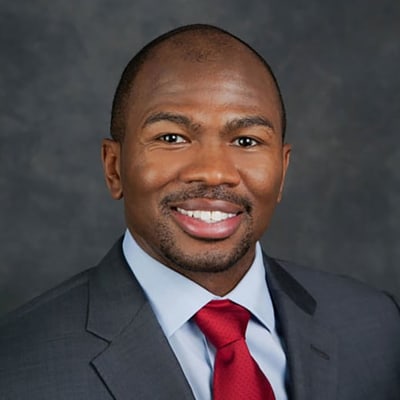
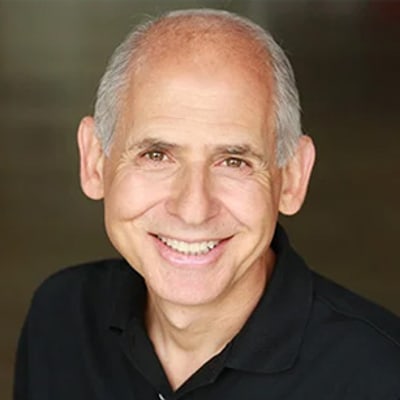
Hey, everybody. Dr. Axe here. Welcome to the Growth Lab podcast. Today we have an incredible guest and a close friend of mine, Donald Miller. Donald is the founder of Business Made Simple and StoryBrand. He's a New York Times bestselling author. And I've respected Donald for so many years based off of his incredible— the incredible things he's put out there, both in business, spiritual life, how to grow personally. And Don, excited to have you on the show today.
Yeah, great to be here. I'm glad you had me.
Cool. We're going to talk about a lot today. I want to start off, though, getting into how many of your books changed my life. And I don't say that sort of haphazardly. I remember reading one of your books. It's A Million Miles in a Thousand Years.. And literally after I read that book, I remember I was with my wife. We were in the Caribbean and we read— I read the book and I told— I turned to my wife and I said, this book has literally changed my life. And she said, well, why? And I said, you know, it's making me rethink my life as a story. And so if somebody were to read my, my life as a story, like, like a book, would it be exciting? Would it be boring? Would, would I get to the end and say, wow, that was a life well lived? And I had another person actually, you know, Bill Hampton. Yes. I used to work for Dave Ramsey and I was talking to Bill and he told me, he said, I was asking about books to read. He said, and that's how I heard about your book is he said, I read this book that changed my life and it made me rethink my entire life. And I said, what was it? He was like, a book by Donald Miller, Million Miles in a Thousand Years. And so anyways, um, that book inspired me. I read Blue Light Jazz many years ago, of course, StoryBrand. And then another one I want to get into today is Hero on a Mission. It's part of How to Write a Great Life Story. But to start off, here's the first question is, how do we write a great life story in our own lives?
Well, you know, I studied story for years in order to write them, and a light bulb went off at one point. I said, you know, you're studying story to get people to turn the page, to write these stories. What if you took the same principles that made a story interesting and actually just lived them? In other words, in a story, the hero has to want something, and they have to want it bad. You know, you have to want to marry your sweetheart. You have to want to disarm the bomb. You have to want to win the national championship. And usually it's, it's fairly single-focused. I mean, if you have, you know, if Jason Bourne wants to know who he is and he wants to lose 30 pounds and he wants to run a marathon, he wants to marry his sweetheart, he wants to adopt a cat, we have lost the story. So a lot of us lose our stories because we want too many things and we don't want any of them enough, and we're not focused. And so that was one thing I thought, well, what if I just kind of defined something for this season of my life and said, there's going to be a lot of things that I want, but this is the main thing.
Yeah.
You know, to build a business, to write a book, to be a great father, you know, whatever those things are. So that was the first thing. And what I found was my life got more enjoyable. And I say that with quotes because I'll get to this in a second, but it certainly got more interesting. Okay. And then the second thing that, that has— that a hero has to deal with, if they— if you want the story to be interesting, is they have to encounter and engage challenges without looking away and attempt to overcome them. In other words, if there's not conflict in your story, your story can't be interesting. And I think this is where so many of our stories get attacked. We seek comfort. You know, you wake up in the morning and you just try not to deal with conflict. That is the best way to live an unbelievably uninteresting life. But if you throw yourself in the deep end, so you throw yourself in the rapids and you try to get out of it, That's a scary day, but it's an interesting day. And so a lot of times what we have to want is something that's going to cause a little bit of conflict in our lives. You know, we're going to want to have to get into the best shape of our life. We're going to have to, uh, want to build a $10 million business. You know, if we want to do those things, guaranteed you're going to encounter conflict. But if you look at that conflict, engage that conflict Don't let the conflict beat you down. Don't, don't let the conflict take you out. Your story just gets more and more and more interesting. And then the third thing that is true in a story, and I think it's true in life, is that if you engage conflict, whether or not you overcome it, whether or not your story ends in a tragedy or a comedy— a comedy is a literary term for a happy ending— whether it ends in a happy ending or a sad ending, the hero transforms. They become a different person. The person, they become a different version, a better version of themselves. And the only way the hero can transform is if they identify something they want and they engage and encounter an enormous amount of conflict and challenge. We do not transform if we are comfortable, period. It does not happen. So a lot of people listening right now are saying, well, I wish I was a better version of myself, I was— wish I was different, but we're seeking comfort. It's never gonna happen. You gotta throw yourself into a situation that is, that is difficult, that is challenging, and that's how you transform. And so I began to sort of intentionally do stuff that was outside of my comfort zone. You know, quit my job to start my own company. It took me, I don't know, 3 to 5 years to become a kind of person who could run a company. But it wouldn't have happened if I wouldn't have messed everything up 1,000 times and tried to fix it. Um, you know, uh, decided to ask the girl to marry me. Yeah. By the way, I got married at 42, so I put that off for a really long time. Yeah. And that was transformative. Uh, got on my bicycle and started in Los Angeles and finished in Delaware one summer. That was transformative, you know, doing things that are hard, that have a single focus. Uh, that's how you become a better and better version of yourself.
So, so one of the things that was so powerful in your writings that I think people can take so much away from is this idea of, like, for yourself— and by the way, the last time we talked, this blew my mind— you weighed almost 300 pounds.
I weighed 387 pounds. So I beat that goal. I beat 300 pounds.
I hit 387. And so now you're— you just said about what, you know, below 200. So you lost and was close.
Yeah. Well, let's say— let's be honest. I'm 199, but I like this below 200 language.
This is encouraging to me. But I mean, that's 180 pounds. That's a lot. And so when I asked you this, I said, well, how did you lose it? Your answer to me wasn't, well, I started lifting weights and I cut all calories from my diet. You basically told me that you put yourself in a story in terms of, you know, riding your bike across the country. Like, it was a— it was— it's a different way of thinking about getting healthy. Most of the people, it's sort of this tactical thing. Yours was more of this idea of you're going to put yourself in the type of situation that will allow you to do that.
That and other things. Like, I got Lap-Band surgery like maybe 20 years ago, and that was part of it. So, uh, and then Uh, but that you discover pretty quickly when you do that, that you can eat all the ice cream you want. And so then had to— then there was therapy involved in that, and then I had to find some exercise that I like to do.
Yeah.
Uh, and, you know, on and on and on. I really want to write a book called How to Lose 3 Pounds a Year and Keep It Off. I don't know that that's going to sell very well, but, you know, the point of that is I threw everything I possibly could at this thing. Yeah. And so, you know, that's part of my story too, but that's part of the transformation. That I experienced. And, and then, you know, and still have, you know, deal with all those cravings and all that kind of stuff. But I, you know, every once in a while I'll sit and I'll say, you know, what would life have been like if that part of your life, that part of the challenges of that were not part of your life? And would it have been better? And I— and honestly, Josh, I think it's a coin flip. I don't know that it would have been because there's some humility there. There's some empathy there. There's this— you want to, you want to talk about somebody who is— some people who are in a daily battle to better themselves, it's people who struggle with food cravings.
Yeah.
Now, not all of them are winning. A lot of them are losing. Yeah. And I have empathy for that. But, you know, it's, it's something that, uh, you know, I, you know, I, I— well, let me just say it this way, to be, to be, to put it— I have friends who are like really good-looking and all the girls like them, and they just don't seem to even know it. Yeah. And I'm like, I'm glad I didn't have— I didn't— glad I didn't look like him because I would have known it and I would have messed up my whole life.
Right.
So there's— I think now that I'm older, having gone through the sort of fat kid who was bullied, I'm a different person because of that than probably I would have been. And so I think part of what makes living a good story is you take a look at the things that you've experienced in life, and you say both negative and positive, and you say, okay, what does this make pop— what does this make possible? Yes, I've experienced something hard. Yes, you know, life has challenges. Yes, I've failed miserably. But what does this make possible? What did I learn here? And what— how can I leverage this experience to better myself? And in stories, that's what good heroes do. They just see this pinprick of light in the distance and they give everything they can to get there. And even if they don't make it, they get to die heroic because they didn't quit.
They didn't give up.
And we all know stories like that. Yeah. And so, you know, I guess what I'm saying is no matter what life throws at you, you just keep moving forward, keep moving forward, keep moving forward.
Yeah. One of the things I noticed, and I learned this from you and Joseph Campbell, is that in order to experience a great life story, when we watch it, there's a pattern, right? There's this pattern that happens. And one of those things is you got to get— we think about Bilbo or Frodo leaving the Shire, getting out of their comfort zone. So that's one of the big steps, right? We got to get out of our comfort zone.. And you gotta have this, you mentioned this thing you want, you gotta go on an adventure. Right. And so for everybody to think about that, what is that adventure? What is that thing in your life that you desperately want? Maybe it's something that really bothers you and you feel like this is an injustice in the world that I wanna help solve. Or maybe it's just something you're passionate about, but there's that thing that you want. So you need to go after that, but then also know you're gonna face trials and tribulations. As you mentioned, that conflict, you're going to cause them.
Yeah, you're gonna face them, but you're gonna cause them. Uh, you know, when you decide to quit your job because you know you've always wanted to run your own company and you decide the time is right, you will cause challenges in your life. You will cause tension, and that's not a bad thing.
Yeah. Yeah. It's such a good point. And then with that, one of the things I noticed too, and this was so powerful, is that there's this, this also part in the story where you have to sacrifice self. There has to be an internal transformation before there's the external transformation. And that was something else I learned from you that was so powerful. So in order for the person to finally slay the dragon in the end, for the person to not only start the business but see an increase in the business, oftentimes it takes that person changing.
Yeah, though you have to transform. We have a saying around my office, or a motto, or creed, or whatever we say. Make sure you're swimming out past the breakers. And what that means is, you know, remember when you were a kid and you would swim right out past the waves where you could touch sometimes? Yeah. And then, you know, you come down, you're expecting to touch and you don't, and you come back up in that moment of like, wait, I'm out, I'm out deep. That's where we want everybody. And I, I don't want you out there drowning, you know. I don't want you out there where you're scared to death, but I want you where you're slightly uncomfortable. And what I mean by that is Hey, you know, if you're the marketing director, go, go figure out how to do some things that you don't quite know how to do. And I think with all of us in our lives, if you want to grow as a person, the only way to do it is to swim out past the breakers. Yeah, just out there where you're just like, I don't know if I, if I can do this, I don't know if I'm quite good at this yet. And that, that can be in any area of life. That can be in athletics, that can be in, uh, you know, in trying to write a book, that can You know, that can be in trying to run for office, that can be in, in, you know, deciding to get married, that can be in deciding to adopt a kid. Whatever it is, we only really grow when we put ourselves into a place where we're slightly uncomfortable. That's how we transform.
That's so good. You know, one of the other things we see in these stories that's so powerful is we tend to see the hero again sacrifice themselves. Something, you know, Gandalf, and he's, you know, fighting the Balrog, and he says, yeah, I've passed through fire and ice and everything. And then he essentially dies, but then is resurrected, comes back. There's that sort of model, uh, that we see with so many heroes, and they come back changed, they come back transformed. Talk to me about self-sacrifice or sacrificing things to get a greater reward. Like, what might that look like for somebody, and how important that is to the, you know, to somebody having a great life story?
You know, you, you talk about Gandalf, and Gandalf— there's usually 4 major characters in stories. There's a lot of characters, but there's 4 major ones. It's victim, victim, villain, hero, guide. So those are the 4 major characters in a story. Uh, you know, the victim is the one who's being oppressed. The villain is the one who's oppressing the victim and also opposing the hero. The hero is the one who's trying to rescue the victim. And then the, the guide is the one who's helping the hero. What's interesting is if you play the hero long enough, you actually transform into a stronger character in the story. In your own story and the story of people around you, and that is the guide. And the guide is the person who has conquered the demons from years ago, already won the battle that the hero is currently facing, and can now step into the hero's life and help them. Often, the guide actually dies to help the hero win. And so Gandalf is actually playing the guide to help the hero win the day. And you see this over and over and over in stories. And Joseph Campbell talks about it. You know, if you— if you— I happen to be a Christian. I pray to Jesus. Jesus is the guide in the overall epic story, I believe, of life, dying to help the hero win the day. The hero would be all of us, uh, trying to get home, and the guy dies. You know, all the way back to Shakespeare, uh, Juliet is the guide in Romeo and Juliet. She actually sacrifices of herself to unite with the hero. She takes a potion, she dies amazingly for 3 days, and then resurrects. All right. She is referred to as the Christ figure in the story to redeem Romeo. All of this is based on, you know, sort of Christian theology. Shakespeare is actually teaching something in Romeo and Juliet. He's teaching that Protestant theology is superior to Catholic theology. Now, whether you agree with that or not, that is what Shakespeare is teaching in Romeo and Juliet. It's a metaphor. So, but what that tells us is that in our lives, the goal is not to actually stay the hero or to live a heroic story. The goal is actually to transform by playing the hero until you're strong enough to sacrifice for somebody else. And usually that happens in our lives when we become parents. You know, the second that your children are born, you suddenly realize, oh my word, this is not about me.
Yes, yes, yes.
You will do anything, including give up your life for this child to just be okay. And that— I think there's something in that arc of life that if we understand it, we know what role we are currently in, and we can play that role really, really well. So the point of jumping out past the breakers and learning to swim is, is not so that you can, you know, be the, the center of attention or the center of the story. It's so that you can develop the skill set necessary and the competencies necessary to help other people on their journey.
Well, I think, you know, you and I have both I've been so blessed to experience this in fatherhood and being able to know, like, like for myself, there's nothing more fulfilling than helping my daughter succeed. It's like I've sat, you know, it's like as parents and I think even more so with my wife sacrificing certain passions in life, pleasures in life, a lot of time. And we've sacrificed that for our, our, our daughter. And it's, it's the most meaningful thing possible though. It's like there's nothing more meaningful than sacrificing these other pleasures in order to give pleasure and support your child and thriving and all of those things.
It's also free. It's— to me, I don't know about you, it, it freed me from elements of narcissism that were, uh, that were sort of presenting diminishing returns.
Sure.
Yeah. You know, sometime about 35, 40, life being all about me was just not as interesting as it used to be. Yeah. And then here comes this daughter And it's not that life is about her, it's just that she has given so much more meaning to life. And it's so— it's just so relieving that it doesn't have to be about me anymore. That— and ultimately what we're really talking about is, is the, the sort of, uh, uh, acceptance of death, the acceptance of I can go. That's right. I can leave and something beautiful lives on and it doesn't require me anymore. In fact, I'm a little tired. Yeah. That's what, you know, people in their 80s It's always amazing. People in the '80s are just like, I'm ready to go, and they just have this incredible courage about it. But if you think about it, they've lived the full story. The credits are rolling, and they're like, I don't have anything to do here anymore. I'm ready to get out of here. And there's just something that's just incredibly beautiful about our ability to accept and to accept that. But part of transforming from hero to guide, I think, is this understanding that life is just not about you. It never was.
So good. Yeah, that's so good. You know, one of the things that, uh, I love this conversation because one of the things that I feel called to do, and I know you've, you've been called to do as well, is, is that helping others reach their full potential, helping them grow in character, helping them grow in skill, helping them write a great life story. One of the biggest obstacles to that becoming a reality though is staying the victim. So we talked about the four characters, right? And so, you know, if you stay a victim, you never get to become the hero or the guide. So talk to me a little bit about sort of the victim. And by the way, what we're not talking about— there are real victims in life. You and I both have talked about, you know, charities that we are involved in with sex trafficking and a number of things. And so there are obviously real victims at different times in life, but also there is a level of victim mentality, I think, that's increased even over the years. Talk to me about that victim mentality. But more than that, How does someone overcome and get out of that victim mindset?
Yeah, well, I will say that to me, victim mindset is the belief that you have no way out, that you are predestined to lose this battle. And when you believe that, the chances of that becoming true dramatically increase. That's right. And so there's nothing more devastating to your quality of life, if you will, your sense of meaning, your ability to impact others, than victim mentality. And what's interesting to me is how on the spectrum of I am not a victim at all to I, I see myself as a victim and I identify as a victim, what's interesting to me is it almost doesn't matter what's actually happening in the real world around you. In other words, there are people who are victims. They are victims. There's no question they are victims. They're victims of injustice. That's right. But they refuse to see themselves as victims.
That's so good.
And those people just succeed.
That's right.
They just get out of it. And it's amazing to me. And then there are people who you could— they have all of the luxuries that the world can possibly hand them. They have all the talent and the skill, but they believe they are victims and they simply destroy their lives.
Yeah.
So to me, it's that mentality, regardless of what you experience, that, that predetermines whether or not you're going to enjoy this life and have an impact.
Well, this is so big because some of this gets into sort of a deeper level of psychology with identity, right? Because if somebody believes that they're a victim, whether they are or not, it's not serving them, right? Versus, hey, I'm an overcomer, I'm a victor, I'm going to, you know, it's— that's the sort of mindset that people need to embrace no matter what.
Well, I would say, you know, you talk about me weighing— I remember the number, 387, because most scales won't go that high. And I was in a doctor's office and they put me on a scale they probably used to, I don't know, weigh trucks or something like that. And, uh, and I just saw 387. I remember that. But if I actually try to reverse engineer why— I mean, there's sugar cravings, there's all the challenges and all that kind of stuff that you deal with, but there's probably some psychological aspects to it. But I think a percentage of me getting myself into that situation was actually a belief that if I were a victim and if I were helpless and if life continued to beat me up and I let it, some rescuer would come. Somebody would actually see this, this dire situation and this poor schmuck and help me, uh, including, you know, and this is, you know, getting a little more vulnerable than you're probably asking for, including in relationships, including in You know, how, how sadistic and sordid is it to try to attract a mate by being sick?
Mm.
And yet, you know, occasionally that would be here and there. Yeah. And what was life-changing to me, and I don't remember how I had the epiphany, but I was in my mid-20s again, you know, probably close to 400 pounds. And I remember realizing that women were not attracted to victims. It was just an epiphany. I just remember it. I remember thinking, oh, women aren't attracted to victims. And in that moment, I began the journey of stop seeing myself as victims. In other words, when the incentive changed, I realized, oh, well, the way to get chicks is to not be a victim. And all of a sudden I was like, well, then I'm not going to do that. Isn't that amazing? So, so here's— but here's the point. The point is, if you see yourself as a victim, I want you to ask yourself why. Why? Because there's probably something that you believe you're getting from that. Wow. And my question to you is, how's it working? How's it working? And in other words, you know, if you're a victim, my boss will leave me alone. Well, let me tell you something. If you're not a victim, you might have your boss's job.
That's right.
How does that feel? Yeah, right. And so I think that people who are victims and yet refuse to see themselves as victims, they figured this out. Yes. And they figured out, no, there's nothing you can do. Yes, I'm a victim, but there's nothing you can do to get me to see myself as a victim because the upside of not seeing myself that way— people are attracted to me, people respect me, people give me promotions, people trust me, I feel better about myself, I like my body more— everything that comes with not seeing yourself as a victim is just too big of an upside. I'm not, I'm not falling for it. I'm not taking the bait.
Yeah, I remember talking— I had not too long ago a recent conversation with Jordan Peterson's daughter, Mikhaila.
Yeah.
And she had juvenile arthritis. —so from the time she was 4 years old— Heard that story. —crippling pain, in fact so bad that she had to have an ankle replacement. And so major, major issue with sort of just chronic pain her entire childhood. And he gave her the advice, and he basically said, listen, I know you're suffering. And he had compassion for her, but he said, you can't dwell on this. You can't let suffering and being— you can't have that victim mentality, or you're not going to thrive.
And so I think— Which is not calloused advice. It is the— that is, that is probably the most nurturing, kind, empathetic, even maternal instinct advice that you could, you could give to a kid in that situation. Because you're not getting out of this. Yeah, right. You're not getting out. So let's change your mentality while you're in it in order to relieve suffering.
That's good. And I think a lot of parents might, might, might, might assume the opposite, or a lot of people that, you know what, it wouldn't be my instinct.
It wouldn't be my intuition. My intuition would be to hold them and I'm so sorry and I wish I could take it for you and Yeah, but you know, you get in that situation and when you realize this is not what's best for my kid and what's best for my kid is change their mentality, I think hopefully I would have that epiphany too.
Yeah. Yeah. One of the things I've learned from you as well and, uh, is, is a lot about leadership. And one of the things that I see is we're kind of in this conversation when it comes to leadership is it's really this beautiful combination of I have compassion and empathy. Listen, I, I feel your pain. I know you're suffering. I'm not going to ignore it. But yet, hey, I'm gonna challenge you to have the strongest mindset possible. I'm gonna challenge you to say that, you know, bear your suffering as nobly as possible, right? It's sort of this thing of this, uh, encourage and support, yet, hey, challenge you to kind of look towards the future. So anyways, that's— that makes me think of that in terms of that, that, that balance.
Yeah, there's a, uh, there's a chef at this coffee shop that I go to. His name is Roger. He's— the coffee shop's called Stay Golden, and I write there now 3 or 4 times a week. So, you know, Roger and I become friends, and I overheard him say something to somebody else on staff. Now, they're all friends, they all love each other. And he said, he said, "Hey, come down off the cross, somebody else needs the wood." I said, "Roger, what did you just say?" He goes, "Yeah, my mama used to say that to me." And I just thought, that's a great quote. It's like, hey man, your sacrifice here is doing nothing for the world, by the way. Your martyrdom, like, you know, You know, stop the pity party. And I say that myself all the time, but I think there's some truth to that, right? That's so not helpful.
So good. Well, one of the things we see with a lot of people that are living in— I think about myself in this with a victim mentality. You know, once when I was a kid, I was diagnosed with ADHD and basically told once by a teacher I wasn't very— you know, I wouldn't amount to much. And because of that, I had this victim mentality throughout high school of I'm not smart. I might as well not even try. I might as well not even show up. And later on I had another teacher tell me, hey, you're a great writer. Hey, you're really smart. And, and literally just, it changed everything for me. Yeah. But I think about having this victim mentality and I had this limiting belief that literally kept me from even trying, even getting, even getting in the game. Right. So talk to me a little bit about, I'd love to hear from you. What is one of your biggest limiting beliefs you had in your life? I know you hit on one already, but let's go for another. What is one of your biggest limiting beliefs that kind of kept you from experiencing breakthrough? And then how did you finally break through?
Yeah, I think the limiting belief that I had was that you couldn't be the guy. So you, you couldn't be the guy to write a best-selling book. You couldn't be the guy to run the company. You couldn't be the guy, you know, to, to marry this woman. You can be all those, those things that we dream about, that you couldn't be the guy. And I don't specifically remember a point where I overcame it, but I do remember, you know, I made terrible grades. You know, Dad left when I was, when I was about 2 years old. We were very poor, stood in line for government cheese, you know. And, and because of all of that, you know, never really had any help with homework and, you know, all the dysfunctional parents. I have a lot of empathy for people in those situations because it is harder. Uh, but I wrote a, an article for the youth group newsletter. Now, at this time, they printed the youth group newsletter on a copy machine in the church office, right? And, you know, so this is pre-internet. I wrote a, I wrote a review of the talent show. Now, Josh, I'm sure that this was a horribly written article, but I think it might have had one really good sentence at the end. And wrote that. They distributed to the 400 people who go to our church, and probably 50 of those people pulled me aside and said, that was a great article. And at that point began the journey of, but what if you could be the guy? Wow. What if you— now, I'm so grateful that I was ignorant and naive enough to, to not know that 400 people reading something off the copy machine at a church is not the New York Times, right? But that sort of planted a seed. So what if you could be the guy to write a book? And what if— and so I wrote down when I was, uh, 16 years old, we had this guy come to our youth group and he basically had us write down what we want to do with our lives. And I said, by the time I'm 35, because I thought life more or less ended at 35, by the time I'm 35, I want to live in Oregon. Now, I grew up in Texas and I wanted to live in Oregon because it was so hot in Texas. I wanted to go as far north as you could without leaving the country. And I assumed Oregon was on the Canadian border. It was not. Uh, I wanted to write a New York Times best-selling book, and I wanted to be a millionaire by the time I was 35. And, you know, the way the exercise went, you wrote this in the form of a letter, and you, you picked a name out of a hat, you delivered it to somebody else in youth group. I delivered it to a young woman named Sandy and gave her the letter. And 20 years later, Sandy calls me and said— and I have no memory of writing this letter— and she somehow got my phone number. She said, Don, it's Sandy. Do you remember me? Of course I remember you. She goes, you won't believe this, I found a letter in the attic. And I think from what I've heard, you've done some of this. What do you mean done some of this? She goes, you wrote a letter with your goals. She goes, where do you live? I said, Oregon, why? I had moved to Oregon. And she said, you've got a book on the New York Times. I was like, yeah, I do, yeah, well, you know, have you heard, you know, that's the thing. And then, you know, we talked about the money situation. I didn't quite have a million dollars, but I was worth a million dollars. Yeah, all of that came true. And I, I think a part of that is because somehow in my subconscious you set an intention, and then that intention creates filters, and you walk through doors in that direction and you ignore doors that are not in that direction. And so, you know, going all the way back to sort of stories about heroes and victims and villains— heroes have focus and intention, and they head in a direction, and they accept challenges, and they work through them, and because of that, they transform. Josh, I don't remember your original question. At the same time, at the same time, I think that, that, that part of just saying— well, the original question was, you know, what was your limiting belief? You know, you asked— I, I, I don't know a point when I came over that, got over that, but I do know that, that in experiencing the journey of that I've experienced, you've started to realize, no, all of these great things in life are accessible, are available to you too. You know, you can have them and you are not exempt from those. And there was never a good reason to think that you were exempt.
Yeah, that's powerful. You know, one of the other— I think I read about another limiting belief you had somewhere, and I think, I think what I heard— and again, tell me if I'm wrong here— but it was something to the degree of you believing you weren't good at relationships. Yeah. And I think I read about something Bob Goff with it was maybe you guys had a conversation or something. Can you share a little bit about maybe that limiting belief and Because before, before we started this episode, you know, we were talking a little bit about— you were saying how much you love talking about relationships. Yeah.
So anyways, well, I wrote a book about how I met my wife, and so I wrote one book about relationships. And often when I write a book, what I'm trying to do is figure out or put words to what just happened to me. And, you know, what's the moral of this season of my life? What's the moral of the story? And so Scary Close was this book about, you know, really having failed in a number of dating relationships, uh, you know, truly not being very good, all of it being very new, seeking therapy, figuring it out, and finally becoming compatible with a person who was really healthy. Because I would say before that, I just wasn't compatible with somebody who was healthy, uh, and because I was not healthy myself.. And so if they were healthy, it didn't work out, those sorts of things. And, you know, so tried to figure that out. But that was definitely— but I would say, yeah, I would say there was a belief that I just wasn't good at relationships. But again, you know, it was really only after going through therapy and then being in a relationship for years in which my wife would turn to me and say, you're, you're a dream come true of a husband. It was only that I said, okay, I guess I'm, I guess I'm better, certainly better at relationships than I used to be. Uh, but you know, that's the story of life. We, we tend to think, well, I'm bad at math. You're not bad at math. You just haven't— you just haven't figured math out. Yeah, right. Uh, it's bad at relationship. No, you're not bad at relationships. You just haven't figured it out. So we label ourselves and we put ourselves in a box when all of that is hogwash. You know, you just haven't figured it out yet. And figure it out, you transform, you become a better version of yourself. I would hope that none of us are the same person today as we were 5 years ago. 5 years from now, I hope none of us are the same person that we are today because human beings are just designed to evolve and change and get better and better and better. Yeah.
So good. You know, one of the things that I think, um, as I think about, uh, limiting beliefs, as I think about some of the stuff we've talked about, becoming a— going from victim to hero and then to guide. I know for myself, being around other— being around guides has been so valuable in my life. In fact, nothing has been more transformative for me. It's that sort of idea. You become who you surround yourself with. There's a level of iron sharpens iron that's so important. That's why, you know, even doing lunch, you know, when we did with, uh, you know, yourself and Rory and when Michael Hyatt had to get together, we had— like, I love those because every time I'm in those types of situations, I feel like I grow and I'm sharpened. But also mentorship is so important. You know, one of the things I've heard from so many people over the years is, I don't have a mentor, and— or I don't really have that sort of person that I respect or that I can learn and grow from. And I think even the way society is set up today, you know, when you look at more Eastern culture, I think you see a lot more of that sort of discipleship or apprenticeship happening even throughout history with jobs. And it's, it's less frequent today. I'd love to hear from you how, how important has— and by the way, I find it for some people it has been very— other people say, well, I haven't really experienced that. But how, how important has mentorship been in your life and who are some of the people, if that's true, that have had a big impact on your life?
Well, you know, right out of the gate, you know, my dad split when I was a kid. And so there was this youth pastor down the street. His name was David Gentiles at First Baptist Church of Houston, or Pearland, Texas, south of Houston. And he became a father figure to me. I don't know that he would have seen himself that way, but I certainly saw him that way. So he was sort of the first one. And, you know, again, allowed me to write that article in the youth group newsletter, believed in me. I was a total nerd and a dork at school, but was president of the youth group, you know, and, you know, so the exact opposite when I walked into church. But he gave me a place where I could thrive. And he taught me the value of just being a really, really good person and a really, really good friend. So that was sort of— and he believed in me. So that was the first. And then when I moved to Oregon, actually, it wasn't even— didn't even intend to move to Oregon. We were trying to get to Alaska in a Volkswagen camping van. We broke down in Oregon, and then 20 years later I left. Uh, and, uh, there was a guy there who ran a small publishing company, and he gave me a job in the warehouse. And about 4 years later, I was president of the company, and his name was Greg Harris. So he would be sort of big figure number 2. And then there was a guy named John McMurray who just taught me all sorts of literary traditions. And, uh, and he was a, he was a huge influence on me, you know. And so on, so on. There's always been sort of one or two, you know, older men in my life who I've leaned on. Some of them didn't know they were, you know, uh, but they, but they were. And they're, they're, you know, I look at them— if you've ever, if you've ever been a cyclist, I don't know if that's one of your things, but there's people that are out in front and, and you're just kind of heading toward them, heading toward them. And honestly, they get older and they kind of retire, and there's somebody else But I think it's really important if you want to ride faster that there's always somebody that you're looking at and, and, uh, and you're heading toward. I think that's, that's a really huge part of it. I would say the other part that is equally and maybe even more important is just the community of people that you're hanging out with. Yeah. Um, I, when I think about, uh, you know, Vienna in, uh, '30s, '40s, and '50s, if you think 1930s and '40s, if you think about the the number of psychologists who came out of Vienna. Think about, you know, Sigmund Freud, Viktor Frankl, Carl Jung. I mean, there's about 15. That's right. All within about 3 decades. Adler. Adler. Alfred Adler. You know, if you think about all those folks who came out of there, then you ask yourself, okay, boy, Viennese are so good at psychology. No, they're not. They're not. They're not any better than the Japanese. They're not any better than, you know, the Africans. They're not any better than any of those people. They're just just human beings. But what they had— they had two things. They had a college system that allowed them to learn, and then they had a coffee shop system that allowed them to talk to each other. And so, in other words, the environment fostered this community. And you say— and that's what was the magic sauce, is they hung out. And my wife told me a story. She heard, uh, Ben Affleck on, uh, on a podcast the other day. She said, did you know that Ben Affleck and Matt Damon went to high school together.
I didn't know.
I knew they were friends early. You know, they wrote Good Will Hunting. I know they went to high school together. And they used to— there was apparently there was a cafeteria where there was sort of an English as second language cafeteria, and they would eat in that cafeteria so that they could talk and nobody else could understand because their dreams were so absurd. They wanted to win Academy Awards. They wanted to make movies. And if they talked about it publicly, everybody would just make fun of them.. And so what are the chances of those guys actually, you know, both winning? The chances are actually pretty high. And the reason is, in high school they were talking about doing it together. And so I think the, the community of people that you hate— listen, if you're smoking pot and playing video games and that's what your friends do, I would not count on succeeding. Yeah. But if you have friends who are challenging you and, hey, that sort of behavior is not acceptable, or they're Even more, they're dreaming with you about what we could do and what we could become. And I think the magic sauce with that is you actually have 100% control of your community. Yeah, you're not— again, you're not a victim, you know. You, you— if you don't like your community, you can, you can say, hey guys, I want to do something different. Anybody want to do it with me? Yeah, you know, we're going to lose 50 pounds, or we're going to run a marathon, or we're going to— we're going to— here's our goals for for being the absolute best dads in our community. Let's go study best practices on what dads do, and let's emulate that and keep each other accountable. You can actually inject and install vision into you and your group of loser friends and transform the entire group and yourself in the process. You're 100% in charge of your community. That's so good.
You know, I, I, I think about this principle, and this is big, you know, what you're talking about here. And I think that, um, you know, I, I've, I've a couple times in my life I've been in the situation where I realized this isn't the group of people I'm meant to be around. And I, I, I sort of went off by myself and then created a new group. Yes. Because I think sometimes, and sometimes you can transform the group you're in and sometimes it's, hey, you need to step out and create a new, a new group. Yes. And I've seen you do that as well and around purpose. And so, you know, uh, Aristotle, uh, you know, teaches there's really 3 types of friendships or groups. There's those based off of pleasure. Hey, we're just having a good time. There's that based off of this practical utility, like, hey, we're— it just makes sense for us to do this. And then there's the third, and that's purpose, right? So for us, it's these communities of purpose. And I love that. And so you mentioned fatherlessness, and I know you actually have a nonprofit that you have around this. And obviously with, with, with your story, with your dad leaving at 2 years old, and I'm sure you're aware The statistics of what happens when kids don't have a father is really, really compelling. Yeah, very much against them. And so, and you know what, I was thinking about this the other day. I also thought about this in terms of mentorship that, you know, like I had a dad who was— I had a great dad and my dad never missed a single soccer game. You know, like he was always at those things for me and it And thinking back, I'm like, the fact that my dad just showed up meant the world to me and also even impacted, I think, my view of God and just a number of things. Like, it was so impactful. But then also when I— my dad wasn't an entrepreneur, so I went out— when I went out and decided, I think I want to run my own business, I didn't have a sort of father mentorship in that area of life. And so I just think it's so important, like, if we don't know how to do something, that we have this mentor, this guide, this father figure in these other areas of our life. And I— anyways, I just, I just see this—
how you think you're being so important. People, those people who are out there would love to pour into your life. Yeah, they're dying to, you know, you, you're giving them a gift of meaning. That's right. By, you know, and, and, you know, yeah, I, I think that it's really important to— you would be surprised at the people in your life that you're looking at. I wish I could be like that guy, but it never occurs to you to actually go up to them and say, can I buy you lunch? And in fact, can I buy you lunch twice a year to ask you questions about how you're doing? 85% chance that person's going to say yes unless they are just extremely busy, uh, because a lot of times in those situations You giving— getting an hour with them is them not getting— spending an hour with their kid if they're super busy. So they're sacrificing a lot here. But at the same time, most of those people are going to say yes to you.
And what someone can give in return— and I've seen— and by the way, anytime the mentality I've tried to have through my entire life is this: I try and have as, uh, be as humble as possible in knowing, like, I don't have all the answers. I need people like you in my life, and Dave Ramsey and Michael Hyatt, and people that have really spoken into my life So I try and play the role of the hero where you're the guide in certain situations in my life where when you share a piece of wisdom with me or advice or you say you should do this, I do it 100%. You know what I'm saying? I think that's the thing that's fulfilling for me. I've had the opportunity to work with patients and also coach some people in business. And when I have a patient or someone in business that I've said, hey, go do this, and they go and do it with all their heart. Yeah, it is such a— it brings so much sort of meaning and fulfillment to to my life. And now you've got—
because you did that, the thing that that person asked you to do, they are your biggest fan and biggest supporter, and they are calling people trying to open doors for you because they have a vested interest in you. Yes, it's just a win-win-win-win situation. Yeah.
So as we talked about guides and mentors, you've been, you've been a person that, in reading your books, especially StoryBrand, Business Made Simple, I've learned so much from you. And one of the things I, I've, I've read through that I think is so phenomenal is you have these 6 steps in order to build a million-dollar business. And so can you walk through those 6 steps of what it takes to really grow a successful business?
Yeah, it's really 6 areas of a business that you got to get right. And as I, you know, first of all, I, I was a memoirist for years, transitioned mainly because I kind of had to, you know, building a story brand was my first business book and it sold close to a million copies. So suddenly I now have— I go from writing books in my underwear and people 2 years later reading them in their underwear to having a staff of 30 people. That was quite a transition. And I think anybody who was there at my company early would tell you he had no idea what he was doing, and they would be telling the truth. So I had to figure out— again, swimming out past the breakers— had to figure out, wait, how does business work? And how do you, how do you do this? And to me, that, that's— I love that. I love the puzzle of figuring out new things and how to do them better and more simply. So I made a lot of mistakes, but at the end of the day, realized there are 6 parts of a business. There's the leadership aspect of it, and the job of the leader is to define very, very clearly where the organization is going. If we're talking about business, I believe those need to be economic objectives. And so you define the economic objectives— here's where we're going and here's how we're going to get there. And then there's the marketing engine, if you will, and the sales engine. So that's part 2 and 3. They're the things that move the airplane forward. I use the analogy of an airplane. So the leadership is the cockpit, right and left engine is marketing and sales. The products are what you sell. So those are the wings of your airplane, and you want highly profitable, in-demand products, because if you're— if your, if your products are highly profitable and in demand, your marketing and sales engines don't have to work as hard, and you are much more likely to accomplish your objective. The body of the airplane is your labor. And your operations, your management of people. And then the, the fuel tank is your cash flow. And of course, I don't care how well your airplane is engineered, if you run out of cash, this thing's going down. Yes. But if you can manage leadership, sales, marketing, products, operations, and cash flow, you can build a machine that scales into the hundreds of millions. And, you know, I, I, again, I was a, I was a memoirist. I was an artist. I was, I was absolutely not a business person. But being able to see the 6 parts of a business and learning how to manage each 6 part— each of the 6 parts allowed me to grow a business. You know, this year we'll probably do $17 million. So, you know, that's not a— that's, that's a pretty good success story considering 65% of businesses fail. And so, uh, but I, I think being able to manage it that way and understanding those 6 parts and kind of how they work was the, the metaphor that allowed me to get control of my business. Otherwise, I would probably just be repeating what worked yesterday. Oh, this worked, let's just keep doing that. Almost like a, you know, I don't know, a dog that, you know, just behaves in order to get treats, right? Yeah. Uh, instead trying to understand the entire system and run it really, really well. Yeah.
Well, I, I think, you know, the things you hit on, these are, these are principles that were true for 30 years. Peter Drucker wrote about this a long time ago. Yeah. Yeah. So, so, so, so, so important to hit on those different areas. You know, one of the things that I think that you've done such a good job of is also, you know, in, in your book you talk about becoming the hero, becoming the guide. And it's a very similar thing with StoryBrand, right? Yeah. That you teach. It's a very similar thing. We need to do this with our personal lives, but also you need to use this as a tool in your business. Yeah. Yeah.
Well, you know, the, A business has a personality in the marketplace, and your business, if you're— if you happen to be watching or listening to this, has a personality in the marketplace. And amazingly, your business is perceived as a victim, a villain, a hero, or a guide. Wow. And you are in control of how it's perceived. And if And, and by the way, your leadership is perceived that way. You know, this person is always— you know, there are bosses who get pretty far by, by treating their people horribly. Yeah. And those are villains. Uh, there are people who want money because, uh, you know, they've got bills to pay. And it's always interesting to me when, when, you know, somebody comes and asks you for a job or for a raise and they say, uh, you know, I, my kid just needs to go to this school and so I need a raise. And I think, well, that's a victim mentality, right? A hero mentality would be, um, you leave that part out, but you actually say, hey, I want a $25,000 raise, which is absolutely absurd, but here's what I want it for. I'm going to do these— I'm going to do these 6 things that I'm convinced will make you $250,000. I just want 10% of it. In fact, I'll be accountable to that. If I can't make you a quarter million, I don't want the $25,000. I'm somebody who can make you money. That's a heroic— you will give that person a $25,000 raise for sure because they're not asking for charity. That's good, you know. So I— but your business also has that personality, and the personality that you want your business to have in the marketplace is actually the guide. You don't want to play the hero in the story, you want to play the guide in the story. In other words, you exist and your business exists to help other people win. And when you play that role, people, people sort of are, are— they're drawn to you. Yeah, and they're drawn to your business. Let me give you a couple examples. These aren't businesses, but these are leaders because these are leadership principles. Uh, Jeb Bush's mantra in the— in his presidential effort when he was, uh, up against Donald Trump in the primaries was, Jeb can fix it. Okay, if Jeb can fix it, who's the hero in the story? Jeb. Who's not the hero in the story? The voters. Yeah. Wow. So Jeb is pumping his chest saying, I am great, I can fix it, look at me. And everybody was kind of going, yeah, I don't see it, I don't get it. Hillary Clinton lost an election to Donald Trump, and her tagline was, uh, I'm with her. Well, if I'm with her, who's the hero of the story? She's the hero of the story. And people are just not drawn to the hero, they're actually drawn to the guy who's helping them win. So good. So every leader needs to make the the hero of the story. Figure out what they want, what their challenges are, and believe in them and equip them with the tools they need to actually conquer those demons and achieve a better life for themselves. And you see time and time again, leaders who have this mentality, mostly intuitively, leaders who have this mentality, mentality, tend to be chosen, uh, by the public. And, you know, that person is my leader because they see me as a hero and they want to equip me to defeat whatever Villain is in front of me. Now honestly, that can get perverted. I mean, Churchill had that, those, that skill set, and so did Hitler. Yeah, the difference is Churchill's telling the truth about what is evil in the world and Hitler's lying about it. Wow. And Hitler secretly is doing this to give himself glory, and Churchill is doing this in order to conquer a villain. You have to get pretty careful with this stuff, but the bottom line is if you play the guide in the story and the people that you're influencing are the hero you will be respected and chosen more as a leader.
That's so good. You know, the idea there too is this, you know, the guide is there here to serve, you know, and then oftentimes the other people are there to be served.
Yeah, I mean, going back to what we talked about earlier, the guide often dies for the hero so the hero can win the day. That's so good.
So we've talked about a few political figures. So question for you here, uh, you know, obviously we've got a lot going on with, with the election and politics right now. Who are some of those people, those candidates right now that feel like are— that you respect, that whether you could vote for or not, who's someone you really like on the left and on the right politically right now?
Yeah, well, I will say that, that I think the two biggest problems in America today are the Republicans and the Democrats, and there are reasons for that. There are a couple reasons for that. Before I— I'm gonna name some names, but before I get into that, our political system is is, uh, exist, uh, with binary parties, the Republicans and the Democrats. And in order for those people to get elected, they have to win primaries. And what's interesting about primaries is only 8% of the voting public vote in Republican primaries, and only 6% of the public vote in, uh, Democratic primaries. Uh, Republican primaries tend to be held at churches. Uh, mostly the voters skew older Mostly the voters' kids have left the home, and they're getting their news from Newsmax, Fox News, things like this. Yeah. Uh, on the left, those 6% of voters tend to be younger. They are very idealistic. Uh, those polling places tend to be on college campuses. And so here's where I'm going. 8% of the population is far right, scared to death, afraid people are going to take over. Pretty grumpy about life, and they choose the Republican candidate. On the far left, idealistic college students who believe that everybody should have a living wage, and all these just crazy ideas on the left and the right. So by the time the general public, which is 80, what, 6% of the population, have two candidates to vote for, they're both absurd. And not only that, but they don't actually reflect the values of 86% of the people who would be willing to work with each other. So you take that idea and you have a fundamental flaw in the system compounded by the media, which is incentivized to actually create all kinds of drama. Yeah. And make sure that these people hate each other. MSNBC makes money if you are outraged at what the right is doing. Yep. Fox and Newsmax make money if you are outraged at what the left is doing. So if you take a figure like Will Hurd, who is a congressman out of Texas who's fairly balanced in his views, the media has no reason to support this guy or put them on the air because they're going to hurt their ratings. They will lose money if they put this person on television. Well, I think the same is true of Robert Kennedy on the left, a very moderate figure, sensible figure. You know, speaking out against the far left of his party, speaking what 86% of Americans believe, and so is Wilhurt. And there's no incentive to really put this person in the air. So these are fundamental flaws. When people say American politics is broken, that's what they're talking about. Yeah. The other thing that's happening in our voting public and in sort of the, the, uh, you know, the body politic is that we've lost the ability for nuanced thinking. The biggest problem, if there's a single problem in what we've got going on in America today, it's actually conflicting rights. And nobody wants to talk about conflicting rights. In other words, there's a Second Amendment. You should be able to own guns. I am a supporter of the Second Amendment. You have the right to own a gun. You also have the right to drop your child off at a school and not have somebody yesterday who has a mental challenge go buy a gun and come in and assassinate them and kill those children. Yeah, those rights conflict with each other. Yeah. And so what sort of leadership do you need when two people's rights— by God, they have these rights— conflict with each other? You need somebody who can mediate between the two parties. Yeah. And we have lost that. Yeah. In other words, it's my way or nothing. And that is bad leadership.
So, and one of the things here is we, you know, thinking about what wisdom is, oftentimes wisdom, which is part of great leadership, is It's understanding the trade-offs. I mean, I think that's something that people really don't get.
That's exactly it. And so, you know, let's talk about the gun rights issue if you want to get controversial. The reason that we, that we don't want any sort of gun legislation is it creates a slippery slope, right? If we give up, if we do, if we give up, you know, uh, if we say we have to do mental health background checks and somebody could accuse somebody else having mental health problem, and then they could accuse all of us, and then all of a sudden no Christian Americans can order guns. Yeah. That's a slippery slope. It's a legitimate slippery slope. So, so to prevent that slippery slope, we create a slippery slope on the other side, which is, well, if we don't do any background checks, you have people who have mental health problems and they buy guns and they go into schools. And so what, what neither side is saying is, well, I'm protecting my slippery slope, but I actually created one on the other side. They don't take accountability or responsibility for what they created on the other side. And the other thing, again, is the media is just not incentivized to say, let's actually just figure out a nuanced, uh, you know, solution to this problem where about 86% of people are going to get what they want, about 14% of people are not, but that's how we're just going to move forward. Yeah. And so what we end up doing is spending hundreds and hundreds and hundreds and hundreds of millions of dollars paying Washington, D.C. to do nothing. Yeah. Except create political theater for the media so that some people can get famous and the media can make money. That is what we're paying for in the American political system today. Yeah. And it's a waste of money. Yeah. Yeah.
It's interesting when you have two sides for over 100 years like we've had, it's very, you know, one of my, one of my favorite all-time books, biographies is, and you've probably read it, but Team of Rivals. Yeah. I mean, it's so good and it's so amazing that you've got, you know, Abraham Lincoln was Republican and bringing on— it was a Sawyer who was a, it was a Democrat onto his team. I mean, I actually thought about this recently. I thought, how interesting would it be if whether it be Donald Trump or DeSantis or Vivek uh, who I, who I like, Ram Swamy, a lot. I think he's doing some great things. But if they brought on RFK, you know, as a— yes, I mean, it would, it, it would be uniting rather than dividing. It's a heck of a ticket.
It's a heck of a ticket. Uh, you know, that has been played with before. Uh, but again, the incentives are not there, right? The incentives are not there to do that. Joe Biden was considered basically a Republican until this, the last presidential election, when he had to move pretty far to the left, and then he had to bring Kamala Harris on as vice president to cover the extreme far left. That's— yeah, in other words, I've got to win all these Democrats. Playing for the middle is a difficult challenge. That's too bad. It is too bad. You know, you know, here's an example. Uh, here in the state of Tennessee, Bill Lee passed a— I don't mean to harp on gun legislation. I, I own a gun. I sometimes carry a gun. I have a gun, you know, And I find they're important for self-defense. I think there's reasons to arm our public, on and on and on. You know, Bill Lee passed a piece of gun legislation here in Tennessee that the National Rifle Association wrote. And it basically was extremely, you know, encompassing of any sort of gun rights. No background checks, no waiting periods, none of that. And I actually went to a friend of mine who's in politics, I said, why would he do that? That seems like a little bit crazy. And the answer was, he had to fend off any opponent from the far right. So if he's gonna run for reelection, he didn't need anybody standing up and saying, I'm further right than Bill Lee on guns. He would have potentially lost a primary if he'd have done that. So Bill Lee is actually an extremely sensible, extremely smart, and I think extremely good man, But in our broken political system, he needed to do something that was a little bit crazy. Yeah. And then of course, after a school shooting happened here in Tennessee, he comes back and he realizes, oh, there were ramifications for that. Yeah. And now, right now in the state of Tennessee, gun legislation— my wife went to the state legislature yesterday and sat in on a session right next to a woman whose, whose daughter was killed, was murdered in, in a school. You know, these, these are the, these are the things that happen when two people don't get together and work on their issues. You find me one marriage, one successful marriage, where neither person in the marriage will give in on anything. Yeah, there's not one. Yeah. And instead of leaders driving the car, we have children bickering in the back seat, and they're running our country. Yeah.
Yeah, it's tough. Well, one of the things I— again, I know that, you know, Maybe you're gonna run. Yeah, uh, we'll see.
I mean, that would be a third career. We'll see what happens.
Yeah, well, hey, you've made one transition well. We'll see about a third. Yeah, there you go. All right, so one of the last couple questions I have for you is, what is the best piece of advice you've ever had?
Yeah, it's an obscure piece of advice, but it translates beyond the field that it was given to me. Uh, before I ever wrote a book, there was a guy named Jeff Baldwin. He wrote under the name J.F. Baldwin.. And he had— I believe he had written a book or he was writing a book at the time. Again, I was in my early to mid-20s, so I hadn't written yet. And he was in the process of editing his book, and we were just having this casual conversation about, you know, he's working with an editor. And he said to me, he said, Don, you know, no editor will care about your book as much as you do. You have to take responsibility for every word. And before I ever wrote a book, I heard that, and I don't know why I metabolized it so deeply, but I've worked with some really great editors. But ultimately, I took responsibility for that book. And of course, that translated into speeches that I gave, the business that I built, you know, what our mission statement was going to be. That nobody's going to care about your mission and your responsibilities as much as you will. Now, you can get some help. Yeah, but you ultimately have to own it. And, and it's a weird piece of advice to translate to so many areas of of life. But that, that one piece of advice said, Don, you've got to own your life. You have to take responsibility for every single aspect of it. And if you want it to be excellent, you, you can't, uh, you sort of job that out. You've got to do it yourself. I love it.
Last question. So one of the things you said earlier is— and by the way, I, I love hearing this sort of idea you shared between you had this vision for your life, this sort of going from visualization to realization. Right. So you had, you know, $1 million, bestselling book, living in Oregon. Share with me what now— think about 25 years from now or so, 20 years from now. What is sort of your ideal vision where you get to the end? You're like, that was a successful life. This is a life story worth, you know, worth reading.
You know, I think that I will never experience it. But, you know, I got married at 42, became a dad at 49. So You know, when I'm 80, my daughter will be 30. You know, my goal is that when my daughter is 70, I'm dead, I've been dead a long time, that somebody would come up to her and say, hey, I'm familiar with your father's work and my life is better because of him. And you know, he's not around to thank. Yeah. Can I thank you? Yeah, that's it. Good. So will I ever experience that? No, I'll never experience that. But I think if you have that kind of vision, then you are driven to have that kind of foundational impact in the world. I think there are several— we've talked about politics. That's a direction. I've always wanted to write a novel. I don't know that I'm ever going to get to that. I'm more intimidated by that than anything else that is before me. It may be a literary pursuit. Who knows what sort of thing you're going to get curious about next? But I think I lived as a memoirist. I'm living as a business owner. I really I do believe there is a third act. And I'm playing with some ideas on what that might be. I don't wanna just make hundreds of millions of dollars and die. There's something else there, but whatever it is, I would wanna leverage everything I've learned to fully become a guide and create a path for many, many other people to succeed.
So good. I know you've had such a positive impact on my life. I know— Same here. —millions of others that have read your books your work.
So same here. And my wife says hello. You know, my wife, uh, when I told her I was coming out and spending time with you, she was giddy. She was so excited that I was gonna— so she says hello too because she's a big fan as well.
Well, I'm always watching, you know, you on social media, Instagram, you and Betsy and, you know, your daughter. And so anyways, I, uh, again, well done. Thanks so much for coming on today. Really appreciate it. It's been fun talking about everything from politics to writing a great life story, limiting beliefs. So thanks again. Thanks everybody for watching.
The Dr. Axe Show is educational and not a substitute for care from your clinician. Disclaimer