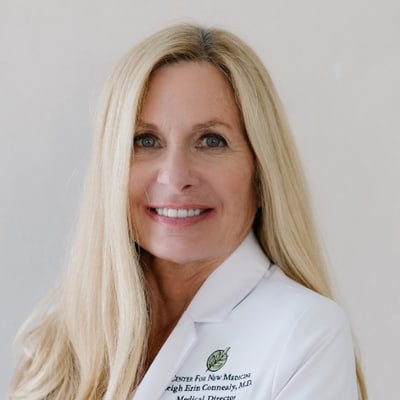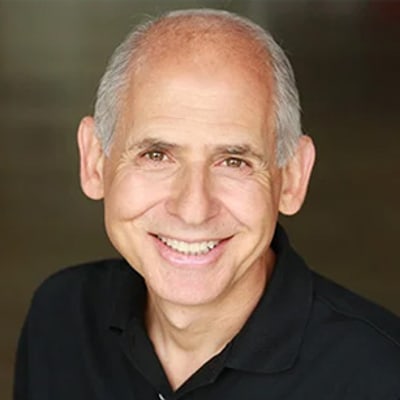
Is EVERYTHING You Know About Nutrition WRONG? Debunk the Myths with Dr. James DiNicolantonio
Transcript
Click a timestamp to seek the player.
Probably one of the biggest misconceptions is the fact that we should be cooking with omega-6 seed oils to lower cholesterol. And in fact, it's true. We have literally proof from clinical studies, from the highest level of evidence of meta-analyses, that seed oils are not healthy, certainly compared to things like butter. I don't actually blame most nutritionists and most people in the health space for sort of demonizing red meat. I believe they're wrong.
What is the opinion you have that gets the most pushback.
It's got to be the salt.
Today I'm going to be talking to a leading cardiovascular researcher, Dr. James D. Nicolantonio, and he's a scientist and a doctor of pharmacy at St. Luke's Mid-American Heart Institute, and he currently serves as well as the associate editor at the British Medical Journal's Open Heart and has over 300 medical publications and decades of nutritional research and experience under belt. He's also a 9-time bestselling author of books including The Salt Fix and The Immunity Fix. Uh, Dr. James, welcome to the program today.
Thanks so much for having me.
Well, I know we got connected through a mutual friend, uh, Jordan Rubin, and, uh, you know, I'd followed you on Instagram and was so impressed with your work. You know, one of the things I've loved in watching your posts and seeing you educate people is you're constantly busting these myths that have been around for a really long time And, you know, I was thinking about this when I first saw some of your posts. It was about salt, and I started thinking back to my view as a child of salt. Now, I was already very aligned with what— the way you were thinking, but growing up, I had a grandfather who had heart disease. And so I remember him constantly grumbling and complaining to my grandmother because she was always like hiding the salt shaker and telling him he couldn't have salt. And he— I'm— poor guy was in his 80s and just so mad that he couldn't— you know, everyone was telling him, including his doctor, the number one thing to fix her heart was a low sodium diet. And so I'm sure you can relate to a story like that, but share with me a little bit about how common is that for you to still see that in your field today? A lot of doctors, especially those in the cardiovascular realm, saying, hey, you shouldn't, you know, to follow a low sodium diet.
Well, essentially every guideline still recommends the low salt advice. It varies between guidelines. The American Heart Association, they're actually a little more strict. They recommend less than 1,500 milligrams of sodium, which is about, about less than half a teaspoon of sodium per day. A full teaspoon is 2,300 milligrams. That's basically what the United States Dietary Guidelines recommend as a maximum intake. But this is only based off of surrogate markers, just blood pressure, in a small subset of individuals that are actually salt sensitive. And they ended up extrapolating this to the general population. And whenever you extrapolate a health, uh, recommendation based on a small subset of people that may benefit to a general population, then that's when you can start seeing a lot of harms.
Yeah, and, and I think that you've probably seen this too, where it could actually be detrimental to athletes and those that are physically active. Share with me a little bit about why salt, uh, and electrolytes— maybe that's a two-part question— but why those are important and why they're needed, why salt might actually even be good for our heart health.
So humans are actually, um, fairly unique in regards to the fact that we basically utilize sweat and losing salt through our sweat to cool our bodies off through thermal regulation. Now, not many mammals do this. Horses do this as well, but it basically allowed us to persist and hunt in the heat and not overheat, and we could basically track animals for hours where they would actually have to either find shade or they would just overheat, and then we can basically, you know, go in for the kill, so to speak. So we need to think of salt as basically the primary electrolyte that we lose very quickly to help cool our bodies off. And so through that perspective, we need to then also think of, well, what other ways does the body lose salt? And, and one way is caffeine or coffee. So basically, 4 cups of coffee will cause, um, a half a teaspoon of salt loss extra out in the urine. And we didn't used to drink coffee, you know, during, you know, our Paleolithic time. So we need to think about all these ways that we could be losing salt and then replacing it back in the diet.
Yeah, wow. I mean, that's a fantastic point. I remember I used to do a lot of triathlons. I was on a triathlon team in college and did it for years. I remember watching these videos. There's actually one with a triathlete and another with a marathon runner who just drank water during the event and actually ended up dying, right? I mean, I mean, so of course, I mean, it can even be detrimental if you take it too far?
100%. Um, salt is in— is made up of two essential minerals, sodium and chloride. Uh, every essential nutrient has basically this U-shaped curve where if you get too little, um, that'll increase the risk of numerous chronic diseases and death. There's an optimal amount and then there's too much. And with salt, uh, basically most of the prospective studies, including clinical studies, really show that between 3,000 and 5,000 milligrams of sodium is associated with the lowest risk of the lowest risk of heart attacks and strokes, which is really about 1.5 to 2 teaspoons of salt per day. So that's about double what most guidelines actually recommend.
Wow, that's incredible. You know, so, so that's obviously been a myth that's been around for a very long time. Hey, less salt, the better. You know, getting salt in your diet, as you're mentioning, up to around 2 teaspoons a day for a lot of people is more of the ideal. And I think I've seen this as well, by the way, in patients with like thyroid issues, right? I think there are certain conditions, adrenal issues, where we really need salt. What are some of those conditions functions and maybe even organ systems to, that, to prove your point, that are really important, that need, uh, need salt? And if there's a deficiency, it's going to cause a, a health problem?
Yeah, so that's like, it's, uh, sort of like a two-pronged question, basically. What are the functions of salt and sodium and chloride in the body? And then sort of what conditions increase the need for salt? So, uh, salt, again, sodium and chloride. Chloride makes up hydrochloric acid, so we can even digest our food and absorb our nutrients. So very important. The chloride in salt that we have to— it's an essential mineral. We can't make it in the body. We have to consume it through salt. We will— our immune system utilizes chloride as hypochlorous acid to kill off immune system, uh, you know, immune, uh, uh, anything that's attacking the immune system. Essentially, hypochlorous acid is secreted by white blood cells. You need to get enough chloride through salt in order to do that. Um, there's something called taurine chloramine half of that is chloride, the other half is taurine. That is how the immune system calms inflammation after it utilizes hypochlorous acid to help kill invading microbes. Uh, that's chloride. Sodium is the main, uh, osmolite, the main basically electrolyte that pulls water with it and keeps us hydrated, gives us a blood pressure so we can actually live. We need— everyone kind of demonizes blood pressure, but we need blood pressure in order to perfuse our organs and tissues, to have nerve signal transmission, very important for muscle contraction, including heart. The heart to beat requires sodium. So those are the functions of salt because it contains both of those essential nutrients. Now, you brought up thyroid. The thyroid hormones are actually needed to help reabsorb sodium in the kidney. So if you have hypothyroidism, that will increase your need for salt. If you have certain kidney issues, particularly inflammation of the kidneys that will cause you to reabsorb less salt. So a lot of people forget that we are salt-filtering machines. We filter it out of the blood, but then we have to reabsorb 99% of it back. So as we get older, the kidneys become less basically capable of reabsorbing all of that salt. And we, we filter a full teaspoon of salt every 5 minutes., through the blood because our blood is extremely salty. We're essentially these salt-filtering machines. Other, uh, conditions, uh, as you had mentioned, athletes, because you typically lose half a teaspoon of salt per hour of exercise, which will increase as ambient temperature increases. So studies have shown you can actually lose up to 6,000 milligrams of sodium, uh, in the heat if you're like a soccer player, for example, uh, 6,000 milligrams of sodium every hour. And again, we're told to consume less than 2,000 to 1,500. So So, you could see how that could be a big problem.
Yeah. Wow. That's amazing. You know, switching gears here and just some other myths that I know that I've seen you cover. You know, I was watching this video recently where Bill Gates and the founder of this vegan company called Impossible Burger, they said their goal is in 15 years, you know, for everybody to be eating meatless meat. Okay. And so, I'm curious on your thoughts on that if you actually think people would be healthier going that route versus going the, you know, good old-fashioned—, you know, red meat route.
I don't actually blame most nutritionists and most people in the health space for sort of demonizing red meat. Um, I, I believe they're wrong, but I don't want to sort of think that it's necessarily out of, you know, trying to convince people the wrong information. I think that number one, Until someone called Mickey Bandura published his studies, which really just started about 3 to 4 years ago. He is a basically a paleontologist, and he had shown that most of the intake of food that our ancestors ate were essentially things like mammoths and elephants. That's where we would have gotten our most calories. That's how, where we would have easily been able to get a slow large mammal to feed a tribe for weeks. And until Mickey Bandor sort of blew this door open, it was sort of a lot of the field had thought that we were primarily consuming plants because you could just pick a tuber from the ground. It was very difficult to hunt fast animals. We weren't very, let's say, you know, the studies were a little bit variable, but, you know, we might be only 30% probability of actually getting a kill when we went for a hunt. So from an evolutionary perspective, we always thought that we were not meat-based, but we know that that's actually probably very incorrect now. So that's one. And then two, a lot of these observational studies that demonize meat, they sort of— the meat that most people are typically consuming are A, basically CAFO meat, grain-fed, basically grain-finished, not very healthy, injected with hormones. And the meat that most people are consuming are coming with a burger bun, they're coming with fries, they're coming with, right, a soda. So meat is sort of being kind of integrated with a poor overall dietary pattern. And when you actually tease out good-sourced red meat, there's no good data prospectively showing increases in heart disease. And then when you look from a nutrient perspective, I mean, I've tried every single diet, uh, besides vegan. I've gone plant-based, I've eliminated a lot of my red meat. I will tell you, so you may feel decent for a couple weeks eliminating red meat, but after a while you will start feeling bad. Most people do. And when you start integrating it back, uh, what I've learned over the years is that you have to go with what you feel your body anecdotally over what this science per se says sometimes.
Yeah, and I'm a big believer in just— well, a couple things you said. One is personalized nutrition. You know, I've spent a lot of time studying Chinese medicine and Ayurveda, and those are very personalized approaches. It's not everyone should be on keto, or everyone should be on paleo, or everyone should be vegan. It's very much, hey, you know, we really need to look at what your body and your unique, uh, what your unique needs are. And so I'm totally with you on that. And then I, I've seen the same thing with these— some of these studies on red meat is we're not comparing apples to apples. The grain-fed, you know, meat versus the, you know, wild, uh, or pastured, uh, red meat. It's a very, very different thing. It's not apples to apples. And so I'm totally with you there. What are some other myths out there? You've sort of busted these myths around sodium and the importance of actually getting more salt for hydration. You've talked about the importance of getting more quality meat in our diet, especially red meat. What are some other things that you believe are just big misconceptions that people need to know in order to improve their health?
Probably one of the biggest misconceptions is the fact that, uh, we should be cooking with omega-6 seed oils to lower cholesterol. Um, and in fact, it's true if you do utilize omega-6 seed oils, your total cholesterol may go down, but we actually care about the susceptibility of your LDL particles, which is the bad cholesterol, to oxidize. And when you consume more seed oils, the susceptibility of your LDL to oxidize goes up. And the reason is, is because omega-6 seed oils are high in polyunsaturated fats, many double bonds, and those double bonds are very susceptible to oxidative stress and damage. And when you saturate all your lipoproteins with these omega-6 seed oils, which are things like canola, corn oil, safflower, sunflower, things like that, then you are increasing the susceptibility of all lipoproteins— your, your good cholesterol, HDL, your bad, and your triglycerides, your LDL all become more susceptible to oxidize.
Yeah, yeah, it's a great, it's, it's a great point there. One of the things when I did, I used to operate a functional medicine clinic, uh, in, in Nashville. This was years ago. I no longer do that, but I would get so frustrated because I would have people come in and say, well, my overall cholesterol is high, uh, but I would just encourage them. I said, well, hey, what are your ratios? Let's dig a little deeper and see what's going on. What should normal ratios be? Or like, what would you look for if somebody would come into you or, and say, hey, you had a family member and they said, hey, um, are my cholesterol levels good or not? How would you answer that?
So I would want to see triglycerides below 100. I would want to see HDL for a man at least 40, for a woman ideally around 45, 50. But triglycerides are really good marker of insulin resistance. If you are creeping towards 130, 150 milligrams per deciliter on triglycerides, it's very likely that you have some form of insulin resistance. So I look more at triglycerides and either fasting insulin, or even better, postprandial insulin assay, which is essentially taking 75 to 100 grams of glucose and then seeing the insulin pattern over the course of 4 hours to see if you are hyperinsulinemic, which will actually catch hyperinsulinemia much faster than— much earlier than fasting insulin. But it's a little more difficult to find that in a lab to do. So a lot of people will simply do the oral glucose tolerance test. Which doesn't track insulin patterns, but we will track your blood glucose curve over 2 to possibly 3 hours typically.
I love it. It's a great point. I think the insulin one is a really good one, and I don't think people realize how much insulin plays a factor in so many health conditions. You know, obviously I think people are aware of diabetes, both type 2 and type 1. I think some people are aware of obesity, but I don't think they realize that, you know, oftentimes dementia or Alzheimer's has been referred to as type 3 diabetes. There's conditions like PCOS, polycystic ovary syndrome, which is, I think, primarily an insulin issue. And as you're stating here, even cholesterol. And so talk to me about that role that insulin plays in the body and maybe some of the things— what happens when that gets imbalanced? Yeah, it's a great question.
The primary driver really of, of insulin resistance in the United States is overconsumption of both refined carbohydrates and refined sugars. So we're not talking about the sugar from fruit And a lot of people will say, well, isn't it the same thing? And it's really not, because when you consume a piece of fruit, it's mostly water and fiber, and you're getting, yes, a little bit of fructose. When you isolate it and purify it, now you've basically created a drug-like substance. You're just getting this powder, and you're getting a super physiologic spike in blood sugar, which is then causing a very, very high level of insulin. And the problem with that is, is that when you have too much insulin, you then go low, you go hypoglycemic. And that's not good because that causes jitters, food cravings, and keeps you in this vicious cycle of, I'm constantly shaky and hungry, so I need to keep eating. And that's kind of driving a lot of food cravings. Number one is this elevation in insulin. The, the other problem is the cell becomes basically insulin resistant. So insulin is like the key to get glucose into the cell, and when cells become insulin resistant you can't even drive your nutrients into the cell very well. So magnesium and potassium require insulin to be driven into the cell. So when you become insulin resistant, you may be consumed— you can consume all the magnesium and potassium you want, but if you can't get it into the cell where it needs to work, it doesn't really matter. And the fact that when you keep eating these refined carbs and sugars and you keep spiking your insulin levels, that also kicks out magnesium and calcium out the urine. Urine. So now you start spilling nutrients out in the urine as well. So when insulin is needed, we need it to bring glucose into the cell, we need it to store fat when periods of, you know, fasting, or, you know, we need to get through basically starvation. Insulin has its role, but when it becomes supraphysiologic and extended and elevated for a prolonged period of time, that's when bad things can happen, including storing too much fat per calorie consumed.
Yeah, you know, one of the things that I know that you teach, Doc, is that it's important that we balance sugar with eating real food. So I know you talk about bring eggs back, bring red meat back, bring butter back. I mean, bring these real foods back. Just another side story, my dad was my— and I mentioned my dad's dad before, grandfather, complaining about sodium. I remember when my mom tried to switch him to, uh, margarine when I was a kid, and my dad just lost it and was like, I would write, you know, like, I'm sticking with butter. And so we just, you know, he just kept eating butter. Um, all that being said, you know, I know that you're— the first part of the question, you could answer it as diet is the most important thing. I am for balancing insulin. What are some additional things? Let's say somebody knows, okay, I know my insulin's off. Are there any supplements? Are there herbs? Or is there anything out there that can also help with insulin that you, you recommend people along with diet?
Yeah, one of the best things is to build muscle because it's the largest glucose sink. So if you want to just lift weights 3 to 4 times a week or do body weight exercises. Building lean mass, um, is one of the best ways to soak up the glucose and reduce the spikes of insulin that come with that. Uh, there are definitely numerous supplements. Chromium is very important. Vitamin B1, or thiamine, is very important for blood glucose control. In fact, in the 1940s, they had a couple thiamine deficiency studies where you could do these things on humans. You could actually make them deficient in nutrients, and that was okay. We can't do that anymore, very clear that after just a few months of being thiamine deficient, sometimes even a few weeks, they would start having the same glucose patterns as diabetics. So we have proof that literally just becoming deficient in vitamin B1 can lead to a diabetic glucose pattern and increases in glucose and insulin. Um, also obviously berberine, uh, cycling on and off every 3 months or so. I don't like berberine constantly, but berberine does have— acts kind of like metformin. And improves insulin resistance. We know chromium is important, magnesium is important for insulin sensitivity as well, as well as potassium, and even not getting enough salt. Ironically, we— I published a review paper, about 21 clinical trials in humans have now shown that not getting enough salt either increases insulin resistance or raises fasting and/or postprandial insulin levels.
Wow, incredible. You know, another, another big one here, I mentioned butter, right? And I know that you actually did some work on saturated fats and how that impacts cholesterol levels. Talk to me about your, your viewpoint on saturated fats. And I know that the American Heart Association came out, it wasn't even that long ago, saying we're still like generally against saturated fat. What's your view on saturated fats?
Yeah, so essentially the demonization comes from sort of like this A to B to C, that if you consume saturated fat compared to polyunsaturated fat, which is your more plant-based fats, and, and we know butter is more of, you know, your animal-based fat, that it'll increase cholesterol. That's A to B— eat butter, cholesterol goes up. Then they extrapolated that to the fact that if you have higher total cholesterol, that will automatically to an increased risk of heart disease. But we know that that's not how human physiology works. You can't just— I mean, it sounds great, right? It's easy to understand. So a doctor can explain this to a patient and be like, this will increase your cholesterol, which will increase your risk of heart disease. But as we said with seed oils, um, it's really about the susceptibility of your LDL, the bad cholesterol, to oxidize. And it turns out that things like butter, things like olive oil, that are less unsaturated make the particles more resistant to oxidation in your body, whereas the unsaturated fat, which does lower cholesterol, increases its susceptibility to oxidize. So not only that, you know, because you can speculate on these mechanisms all you want, Chris Ramsden, who is someone I respect tremendously, he's from the NIH, he did two meta-analyses of human clinical trials comparing saturated fat and trans fat to omega-6 polyunsaturated fat and literally showed in human clinical trials that if you stop eating things like butter and you replace them with things like corn oil, that literally increases your risk of all-cause mortality and dying from heart disease. So it's not like, it's not like it's just these mechanistic things that we're talking about here. We have literally proof from clinical studies, from the highest level of evidence of meta-analysis that seed oils are not healthy, certainly compared to things like butter.
Yeah, yeah, it's a great point. And I think a lot of times, as you're, as you're mentioning, we sort of make these connections that are, you know, several maybe steps away, right? And so I think that's one of the, what, what, you know, what, what one of the issues we've seen there. You know, another big myth that I've seen you continue to bust, by the way, I'm trying to remember if you posted this or Gabrielle Lyon's, another physician we both know, but I saw the post here in a rant about, again, I think you might have done this where you said, listen, I told somebody that they should consume 50 grams of protein in a meal, eat a lot of meat and protein. And everyone's like, oh, isn't that going to be terrible for you? Isn't that too much protein? But it's like people question protein, but if somebody's eating 1,000 grams of carbohydrates or high fat, there's no problems at all. There's no red flags. And so, what, what, you know, you know, share with me a little bit of your thoughts on people freaking out about and asking questions about, isn't that too much protein?
Yeah, so most people believe that we shouldn't consume more than 30 grams of protein because they believe that that is the, um, where you get maximum protein synthesis or muscle protein synthesis. Somewhat true. It's actually, if you do a full body workout, for— you need to actually hit 40 grams of protein to hit maximal muscle protein synthesis. But that does not mean that you are not digesting all of the protein that you can consume. If you consume 100 grams of protein, trust me, you will digest all of that protein and it will be absorbed. It just won't go towards muscle protein synthesis. It'll go towards satiety, right? It'll go towards, you know, neurotransmitter creation, things like that. And so that's really where the myth stems from, that most people believe, well, don't you— can't you only digest and absorb 20 to 30 grams of protein at a time? And that's simply just not true.
Yeah, that's a— it's a fantastic point. And obviously there's going to be a lot less side effect, a lot less of an insulin impact, as we talked about earlier, eating more protein versus eating, eating excess carb consumption. Uh, so I, I love that you explained that and got into that. And I think that one of the things that I've been doing myself for, for many years is getting a lot of protein, typically close to my body weight in protein per day. Also, in addition to that, trying to get different protein variety sources and eating more organ meats. I'm curious if you're on the organ meat, you know, train as well, and what your thoughts are on organ meats.
Yeah, I definitely consume organ meats. I get how some people might be turned off by the flavor. There are organ blends. That's what I typically use to consume organ meat, which is basically you know, a small percentage of liver, a small percentage of heart, and then the rest, let's say 80 to 90%, will just be ground meat. And so you barely taste that, if you taste it at all. But it is important to get things like liver and heart because heart will give you CoQ10, which is important for energy production. And then liver is very good source of vitamin A and copper, which balances iron and things like that. And so it's very difficult to get copper in the diet. Avocados are kind of like a good sort of like good plant-based a way to get copper. But if you're not eating that, really it's shellfish and liver that will be your highest sources of copper, which is needed to basically utilize iron throughout the body.
Yeah, you know, one of the things I was doing research— this is years ago— on, um, on, on, on microbial health and fighting off pathogens, and one of the things I discovered was copper was incredibly important for balancing out certain microbes, keeping parasites at bay. And so, and its ability to balance, as you mentioned, iron and even zinc. And so I love that you mentioned that there. And one of the great things too about getting organ meats is that it's, it's, it's not just one nutrient. It's like a multivitamin in a certain way, right? Multi-mineral multivitamin when you're looking at something like liver, which is, which is incredible. You know, you mentioned earlier sort of ancestral diets and, uh, one of your friends or a person you mentioned as a researcher as he was studying more of what was the diet of ancestors years ago. And you notice it was more meat, more, more, more animal products than, than they thought. All that being said, what are your thoughts on— I have somebody we're going to have on here again soon, Paul Saladino. He, he promotes a carnivore diet. I have another friend, Mikhaila Peterson. She does something called the Lion Diet because her autoimmune illness was uh, so, so out of hand that anything she ate that was essentially a plant or carbohydrate caused fermentation, immune reaction. All that being said, what are your thoughts on a carnivore diet? Uh, so I believe that there—
that the human physiology hasn't fully worked out a mechanism from an acid-base perspective to just completely handle 100% animal foods unless you're consuming some type of bicarbonate water. Um, I've published a couple papers on acid-base balances. It's an extremely complex topic, but essentially the kidneys have a limited capacity to excrete acid, and once you hit that capacity, you have to kind of strip the bone and strip the connective tissue of nutrients and things, of minerals, calcium, and things like that. So So from a purely acid-base balance, I do not believe that just strictly eating only, let's say, animal flesh and not consuming things like fruits, some vegetables, or bicarbonated waters to balance that acid is going to be optimal in the long run, um, from that perspective.
Yeah, yeah, super helpful. I think, you know, I think when Paul and I first— I had to first interviewed him, we— I pushed back a little bit. And this is what I found with a lot of diets, you know. I've had people ask me about keto And my view of keto has always been, I think it's good for a period of time for a lot of people. I think for certain conditions, like if somebody has cirrhosis or their gallbladder removed or a number of other issues, it actually isn't probably the best diet for some of those people. But I do think that, um, you know, some of these diets like carnivore, I've seen people with autoimmune disease do it for several months, get some relief, add some, you know, add some plants back in and do really well in that way. So anyways, I'm very aligned with with your, your line of thinking. I hadn't heard the bicarbonate as a way to sort of help buffer and balance things out, but that's a— it's a great idea. I've got someone in mind that I actually am going to share that with because that's very, um, it's a really good point. What are your thoughts on a keto diet and some of the research you've done on that as a, as a diet?
Well, I think the keto diet now is going to be different than a keto diet, let's say, in Paleolithic times. Because, you know, the first basically organ, or, or let's say meat that we would consume after an animal kill would be the liver, which when I, when you freshly eat liver, it is filled with glycogen. I mean, a bison liver is enormous and it's going to be just saturated. It's gonna be almost like a cupcake essentially. After a few hours you start degrading that glycogen, but when you eat it fresh, you're getting a lot of carbohydrate in that liver. So, again, going keto doesn't really necessarily match even an animal-based diet from a Paleolithic perspective because now we're consuming meat that's been sort of hung for a couple of weeks to tenderize it and there is no more glycogen in the flesh. So, you're losing out on the carbs which aren't— you do need these insulin spikes to kind of hold on to minerals a little bit better and to sort of not tax the system to force itself to produce glucose for the body to use. So I don't 100% believe keto long-term is optimal. I do think a certain amount of carbohydrate, probably around the 100 to 150 gram range, is probably more optimal for most people.
Yeah, that's great. Yeah, that's— it's, it's really insightful. Uh, yeah, and I think for most people, again, keto is not— the way that it's promoted today isn't sustainable long-term for a lot of people, versus the way you're talking about, it's more low-carb in that way and just being conscious of getting more, you know, more meat, getting more healthy fats in the diet, and then still having maybe some things like some fruit and, and high-carb vegetables too. Well, one of the, um, one of the things that I know you've written an entire book on is immunity. And I think today when people, even in the natural space here, okay, I need to boost my immune system, the first thing that might go to their head is something like vitamin C or elderberry or, or taking some sort of supplement. What are some non-pill ways? What are some ways that people may not realize can really enhance their immune system and strengthen their immune system that, that maybe we aren't aware of?
Probably one way would be increasing core body temperature, becoming heat acclimated. So you can do this via the sauna if you live in a very hot environment, but essentially when you go into a sauna, you release heat shock proteins, which can actually bind and prevent or inhibit, partially inhibit viral replication. This has been shown in numerous mechanistic studies in animals when you essentially heat acclimate them in a sauna and then you inject them with a lethal pathogen. Mortality is basically cut in half. And then we have clinical studies in humans as well. There was one study, I think it was about 100 group patient, they split, they split the group in half. So 50 got like sauna 4 times a week, the other 50 did not, and the incidence of the common cold and the flu was cut in half in those that actually did sauna therapy. So kind of mimicking a fever and becoming a— the body becoming accustomed to that is one of the best ways to quote unquote increase immune cell health and surveillance. I love it.
That's a great example. You know, when I— this would be a longer story— I ended up having a spinal infection, uh, not too long ago. And, and because we didn't know what was going on, and I started researching a lot of these clinics, and, um, and one of the things I came across as I was doing research— and I've also done this too, I already knew of one of the clinics because of, um, we researched it when I had a family member who had cancer There's a clinic in Spain, there's another one in Germany, and they will go and they will do what you're saying and they'll really look at raising— I mean, even more than infrared sauna, I mean, really get your body temperature up. And they'll do it for cancer treatments. And oftentimes they'll do it for a lot of, as you mentioned, viral infections, but just generally infections they've used it for. And there's some really good research. Have you heard of something like that in terms of some of those benefits or even going a little bit further and increasing body temperature to fight off various pathogens.
I, I've definitely heard of local hyperthermia, essentially like heating up tissues for cancer treatments. For sure, I've definitely heard of that. Um, and it does make sense from an immunity perspective to heat the entire body even more intensely potentially than a sauna, uh, because it really comes down to the release of the heat shock proteins, and you, you will get more release as the temperature goes up higher.
I love it. That's awesome. Um, few other, few other questions here for you. Um, what, what are some of your, your personal habits? Again, you, you have, you've written 9 books, you have, you know, talked to a lot of people in the health space, you're a researcher. What are some of those habits that you personally have that you've noticed over the years have really benefited your, your own health?
Morning sunlight to set the circadian rhythm, very important. It allows you to actually release melatonin more profoundly and earlier at night by simply getting sunlight in the morning. Sets your circadian rhythm. So if you want to sleep good at night, you want to get sunlight in the morning. And a lot of people will, will kind of ask me, well, it's the winter, how am I getting sunlight? Even on a cloudy day, even in winter, if you step outside The, the light is 3 times brighter than indoor lighting in an office, let's say. So it is still important to get outside or at least get close to a large window during those early hours to kind of set your circadian rhythms. Uh, salt and electrolytes as well, first thing in the morning to hydrate yourself because you just went 8 hours without hydrating, is very important. Um, it's something that I always do. A good breakfast is something that I enjoy. You don't have to if you're practicing intermittent fasting. Probably skipping breakfast is the easiest thing to do, and I have done both. I've skipped breakfast and I have not. But when I'm lifting heavy and I have a lot of muscle and I'm very active, a healthy breakfast, 30 to 50 grams of protein, goes a long way. You're less hungry, you're less likely to binge throughout the day, you're less likely to snack on those carbohydrates throughout the day. So So really, the mornings really set the tone for your day. Hydration, sunlight, protein— those three, you hit those three, you're going to be pretty good for the rest of the day.
That's great advice. If everyone could follow that advice, I, again, I think everybody would be much, much healthier for it. You know, one of the things I've really admired about, um, you, Dr. James, is your ability to go against the grain. One of the questions I have for you is why, you know, when so many people in, in the health industry today still stick to the norms of the past Why have you been sort of so counter some of what has been, you know, what, what, what has been sort of by the book for years in terms of your, your approach? I've always just been very curious.
I've always just loved to learn. Um, and sort of when I started really learning where the research came from that guided our dietary patterns for the last 50 to 70 years, Then I started to understand, okay, you know, the main recommendations that came down— low saturated fat, low salt, low total fat, eat a high-carb diet— that really didn't stem from good sound science. And so once I understood that, it was very easy to then hit each point and delve into the literature, you know, you— and just really try to figure it out. That's really where it comes from.
Yeah, I love it. You know what, you have a background as a— in, in the, uh, you're a PharmD, right? Yes. Yep. Yeah. And I think that's such a great background because, I mean, you really understand these interactions that are at play between the body and between whether it's food or a pharmaceutical. And so how much is— how much has that background really helped you in better understanding sort of the function of the body and maybe even a different perspective than somebody that's on the natural side, like a chiropractor or naturopath or an MD or osteopath. Really, how do you think your perspective is different as being really primarily early in your career studying these biochemical interactions?
Yeah, so I mean, being a PharmD, there were two things. I was a community pharmacist for a while, so I would actually talk to a lot of patients. They feel very comfortable coming up to a pharmacist. You don't have to pay a copay, like, you know, you just— you get some good advice from, from your, you know, everyday pharmacist. Um, and so that sort of opened my eyes to a lot of these people not doing well on their low-salt diet that their doctor put them on, um, not doing— not feeling good on their blood pressure medications. And me kind of pushing back and saying, well, what is your sodium level like at the office? Maybe you should get that checked. And it coming in low and then feeling better when they started adding more salt. That's kind of partially where the, you know, my passion for salt came from was really helping my patients as a community pharmacist. On the flip side, I used to, when I first started out publishing on medications, and I have worked with pharma too a little bit, and so that is sort of allowed me to understand how that system works, pharma and sort of medications and and doctors should be doing this, this, go on a statin and do this. And it really pushed me more towards nutrition because I realized that we are very limited if we are only handing out pills and writing prescriptions for statins and things like that. And so I appreciate the nutrition realm because I was a pharmacist.
Hmm, I love that. By the way, I can remember I used to go and do these health screenings, and we had this— I had a pharmacist who came in as a patient for a long time, and he And anyways, I loved, I loved interacting and asking questions with him because I really felt like he understood. He had a great, such a great understanding of things. Yeah, he didn't seem as biased. I think sometimes you will get people in the, maybe they have a private practice, an MD, or a partner of a hospital, and they feel sort of like, I have to say this or do this. Like, it felt like more force versus, I felt with a lot of pharmacists, it felt, it felt a lot less like that. It was like, hey, I'm just going to give you my unbiased opinion. It was one of the things I always really appreciated.
Yeah, that's a good point, actually. Most healthcare systems, um, the doctor is reimbursed by hitting these insurance basically requirements. If someone's on, you know, has this much cholesterol, you got to try and get them on a statin. If you don't, you're going to be reimbursed less as a doctor. So doctors are definitely more sort of tied— their hands are more tied than a pharmacist.
Yeah. What is the, what, what is the opinion you have that gets the most pushback? You know, you're on social media, whether it's YouTube or Instagram, and people are, are, you know, kind of fighting you on it.
It's got to be the salt, you know, in regards to quantity. Yeah. But once people start consuming more salt, they feel the opposite. But at first, I would say most people are very skeptical that, wait a second, I thought salt causes high blood pressure. Like, I thought salt's going to kill me. What are you talking about? From that perspective, I would say that's the biggest pushback that I get. But then once people start integrating salt into their diet, they're like, their minds are blown. Like, wow, I sleep so much better, less headaches, less muscle cramps, I can exercise again. It's sort of like, you know, turning back the time, right? It's like this anti-aging substance for a lot of people.
I'll tell you, I am a great appreciator of salt. I did a fast— well, I'm thinking back, this is years ago. I did a, uh, it was it was a 21-day fast, and it was a Daniel Fast. And so only thing I ate was plants. And, um, and by the way, I, again, I don't think it's the healthiest fast for most people to do, but I did it. But the hardest part of that whole diet by far was I didn't add salt to anything, right? And that, that was really, really rough. Like, an almond or certain things without salt, it just has no flavor and no taste. And so So I think actually it'd be harder for me to give up salt than sugar. Way harder. Way, way harder. Or, or anything else. And so it's, um, you know, I think also I'm very, very active and I work out a lot, and so I find myself craving, craving salt pretty frequently, or used to.
Yeah, no, that's a good point. Um, number one, when you don't get enough salt, the, the body has a reward center in the brain because it's an essential nutrient to actually hypersensitize the brain to salt. So when you get it in the diet, you actually consume it so you don't die. But sugar will hijack that hypersensitized dopamine reward center when you don't get enough salt. So salt is a great way to curb sugar cravings. And as you said, salt is probably one of the best pre-workouts because it helps to bring fluid into the body. It retains it best, much better than plain water, and it increases blood circulation as well. So yeah, if you exercise otherwise, salt is a very good substance to improve performance. I love it.
You know, by the way, I want to give you credit to this. So I, um, I— when I was, when I was back in college, I used to take creatine and I used to, um, you know, take electrolyte powder, certain things like that. And I'd really notice a bigger pump when I was working out and, and better gains. Since then I said, you know, I'm not going to focus on those things, I'm just gonna, I'm just gonna eat food. But, but more recently I, I had, I think I mentioned I had a, had a spinal infection. I lost 35 pounds, ended up having to rehab and try and get my, my health back, put muscle back on. And I'm a very lean, high metabolism person. So for me to put weight on, it is a constant battle. Well, I started upping my protein content, um, and I saw on your channel you talking about doing some— just a small amount of creatine and adding some salt before my workouts. And I will tell you, I've noticed a dramatic difference. I mean, I can tell like my strength and just putting on muscle has increased quite a bit just by making a few of those little tweaks that you recommended. So anyways, thanks so much for your, your advice on that.
I love that. That's awesome. Thank you for sharing that.
Yeah, it's amazing. All right, so, uh, last couple things here, Doc. So what is your best piece of advice for listeners? You talked about a lot of things, okay? And by the way, I love, I love the morning thing you recommended for everybody— more protein, more sunlight, and weight training, I think was what you'd maybe talked about there. And so in electrolytes, right? So you talked about getting some salt there in the morning. And so I love that advice. What's one other piece of advice you have for everybody that you think if they start— the way that I would put this as well, what is something where you feel like it's a domino? If you just start doing this one thing that you feel like other dominoes will start to fall?
I would say do exercises you enjoy. Because, you know, this is long-term. This is a lifelong process, fitness. It's not, I want to lose weight in 6 weeks. So you got to find exercises that you actually wake up and you're excited about doing, and that will allow you to be consistent. And when you start looking better, building more muscle, feeling better, having more energy, you will start eating better as well. So I think that is one domino that once you start moving It's kind of like Newton's law, right? An object in motion stays in motion. The more you move, the more you'll start exercising and eating better.
Yeah, I think that's great advice. I love that. Well, Dr. James, thanks so much for coming on today and sharing your wisdom with us. I want to, I want to just throw this out there for everybody. Dr. James has some amazing books out. Two of his latest books are The Mineral Fix and The Immunity Fix. And I do think that there's actually an epidemic of people being low and deficient in certain minerals, whether it be zinc, iron, magnesium. There's a lot of them. And so Dr. James covers this in his new book, The Mineral Fix, and his other one. If you're wanting to really boost and strengthen your immune system using food and lifestyle-based medicine, you got to check out his book, The Immunity Fix. You can simply go to Amazon.com or, or a local bookstore and just search Dr. James or just go on, just go on and search The Immunity Fix. You'll find his books on there., and they are great books. Also wanna encourage you, follow him on Instagram. I, I follow Dr. James on Instagram, and so he has some of the best posts out there that go against the grain, uh, when we're talking about, you know, eating more red meat, getting more salt in your diet, getting more butter, all the things that, uh, you know, a doctor 50 years ago told, told, I think my parents that, hey, these are all the, all the things you shouldn't do. So anyways, I love how you're, uh, going against the grain there. In order to help people get healthy as well. If you're not subscribed, make sure to subscribe here. We've got a lot more great information coming out. And also, hey, if you're watching on YouTube, please share your biggest takeaway or any thoughts you had from the wisdom that Dr. James DiNicolantonio shared with us today. Please comment and let us know, hey, you know, your thoughts on meat, on salt, on some of the things he shared with us. Thanks so much, everybody, for watching. And Dr. James, thanks so much for coming on and sharing your wisdom with us today. Thanks for having me.
The Dr. Axe Show is educational and not a substitute for care from your clinician. Disclaimer