Overcome Narcissistic Abuse with Rebecca Zung
Transcript
Click a timestamp to seek the player.
We're talking about a person who doesn't feel inside like they have any feeling of value. And so because of that, they try to get all of their feelings of value from external sources. And so it's like an empty cave or cavern inside that is— there's a hole that it's like a sieve and it can never be filled. And so they go around from external sources trying to fill it. And so if you're around them or you're in a close proximity proximity or close relationship with them, you might want to fill it, and they want you to fill it too. So you're left feeling totally and utterly depleted, and yet they're still starving. It's like they're desperate, gasping for breath. It's scarcity to the utmost extreme, and it can never be filled.
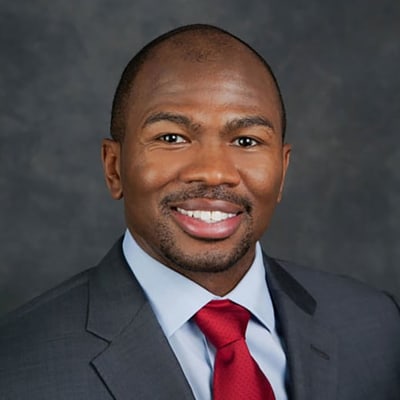
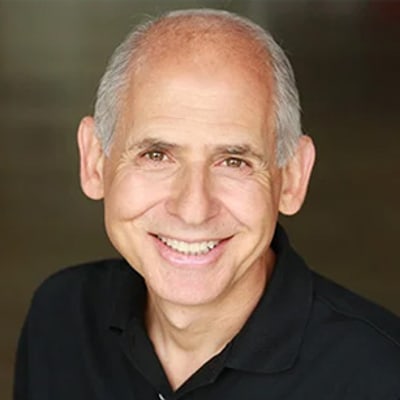
Hey everyone, Dr. Axe here. Welcome to the Growth Lab podcast, where we each and every week we cover the science behind how to grow yourself, your health, your wealth, your career, and your relationships. And this week we're gonna be talking about narcissism. I've brought in one of the world's leading experts, Rebecca Zung, to talk about how to deal with narcissists. And listen, we all have these people in our lives that might drive us crazy. They're all about me or I, and Rebecca's gonna walk us through how to deal with narcissists. Now, Rebecca is sort of known as the expert of the experts when it comes to dealing with narcissists, and she has really exploded on YouTube with over 2 million views per month on her YouTube channel. And you know, I, I— this is something I'm really excited to talk about because we want to be able to grow in our relationships and deal with difficult people the best way possible. The other thing I really love about Rebecca's background is, uh, she has overcome adversity in her life, and I think she's got an incredible mindset. After getting married at 19 years old, she had 3 kids by the age of 23, but then soon after, she found herself a divorced single mom. And rather than accepting defeat, she decided to put herself through law school and go from a college dropout to one of the top 1% of attorneys in the nation, building a multi-million dollar practice. And today she's got a top-level podcast, she's speaking all over the country, she's got a new book coming out. And so, uh, I want to, uh, welcome Rebecca, uh, to the podcast today.
Hey, Rebecca, thank you. It's such a pleasure. And I actually was just listening to your podcast on Visualization to Realization. You are an expert at that too.
Well, hey, thanks so much, Rebecca. Well, I, um, again, I was really excited to talk to you because I think we all deal with narcissists in our life. And I'll just give everybody an example of this. You know, we have— Chelsea and I had a friend when we first got married, and we call him a kind of a friend slash acquaintance. And anytime we were in a conversation with him, somehow it turned into him. And he was one of those people, Rebecca, you know, it's like everything you said, no matter he one-upped you. And so I'm excited to hear how you would deal with that. Before we get into though how to deal with narcissists and difficult family members and all those things, talk to me a little bit about sort of your mindset, because this is really incredible. You were, uh, divorced, you had 3 kids, you were 23 years old, and then you put yourself through law school. How did you do that?
You know, I think it was really a lot of different things. I, you know, I had a background where my dad was Chinese. He's also a physician, by the way. He's an anesthesiologist. I'm, so I'm half Chinese and half German. So I always joke that I have no fun genes whatsoever. And I think that, you know, my dad being an immigrant, having come from Shanghai, he went to Columbia undergrad and medical school, like from nothing. And I was just here. I got married. My version of getting, of being a rebel was to get married, drop out of school, have these kids. And then I realized, what the hell am I doing? I'm getting a divorce. How am I gonna support these kids? So it was more like survival for me.
Yeah.
So I went back to, I was living in Florida at the time. I grew up in Washington, DC area in Northern Virginia, but I was living in Florida at the time and teaching school. I had finished college, but I was teaching elementary school in inner city. And I seemed like a whole different person now that I think about this since it's so long ago now. But I, you know, I was still in my 20s at this point. And I thought, how am I going to support these kids? So University of Miami had a night program. And I went back to law school at night, and that's how I did it. And I met my husband there, and we've been married for 23 years now, and we have a 20, 21-year-old daughter. And, you know, it just seemed like survival. How am I gonna feed my kids and put a roof over their head? That's really what I was thinking about at the time.
Well, well, I mean, I think that's a, you know, that can obviously be a big motivation, you know, when you think about, you know, you've got these kids, you've got to support them. It can cause you really do some extraordinary things. But I think, I mean, it's an extraordinary thing to be able to, uh, take care of 3 kids, go to college, do that at nights, and just the, the effort, the energy that takes. You know, we've got a, a 3-year-old, my wife and I, with a second one on the way. And I know it takes a lot to raise 1 kid, yet let alone 3. So I mean, it's, it's, it's absolutely incredible. You know, what, what would you say, um, not listen to naysayers though?
And I do want to make sure that I say this because I did have a lot of naysayers at that point. I had people who said, oh, there's too many lawyers. I, you know, there were jealous people. When you wanna make a change in your life, there's gonna be people who wanna hold you back. There, there are people who are gonna be jealous. And I had, you know, other teachers that I was working with. I had other people in my life at that time who were naysayers. Who were, there's too many lawyers. I know people who are graduating from law school that are bagging groceries. And I remember thinking, well, everybody who graduates from law school is not bagging groceries. I mean, some people are getting jobs. Why won't that be me? So I just, you know, for people out there who are looking to make a change, who are wanting to better themselves, who are wanting to, there are going to be people in your lives who are not necessarily going to support you in that, but it's their own jealousy, their own fears around that. So you have to put that aside. It's their own scarcity mindset. So when you are in abundance mindset, you have to let those naysayers go. It's about them. It's not about you. So you have to have that visualization for yourself and think highly enough about yourself that you know, turn around and say, you know, I haven't even started yet, I'm moving forward.
Okay, can I say, I, I love that you're bringing this up because this is critical. And this is, you know, with, with you bringing this up, there was something you said to me that really stuck out, and it was that, well, there are people, there are lawyers that aren't bagging groceries. And this is something that I've always tried to ask myself, and I've noticed people that are successful like yourself, uh, this is the mindset they have. It's Well, you don't ask or look at what are the bottom 20% doing. Yes, there probably are 20% of lawyers or attorneys or maybe the bottom 1% who are bagging groceries. But what are the top 1 to 10% doing? Right. You're known as probably one of the top 1% of attorneys in their success and reach and influence right now. So you've asked that question, right? What are the top 1% or what are the top 10% doing? Studying those people, start learning those sort of principles. And how to run a practice. And anyways, so I love that you brought that up because that is just so, so critical to success.
Yeah.
Yes.
Well, I mean, the human brain is not wired for success. It's wired for, for, for survival. So you have to rewire your neuronal patterns. And the successful people don't— you know, you want to keep yourself safe. Right? That's how the human brain goes, ugh, I don't want to do that. I don't want to do that. But the successful people go, well, how? How can I do it? How can I get it done? That's the difference. Because the naysayers will go, you shouldn't do that. You shouldn't. I can't. And I always say, you know, you shit all over yourself, or, you know, you can or you can't, you know, one person's going to be right. You know, that old Henry Ford quote, right? You can or you can't. You're right. Right. So I always say, do you want to be right about that or you want to, like, do it? So the difference between people who get things done and the people who don't is just one word. It's execution. You decide and you do it. And, um, I think that I went to law school 100% on student loans. I mean, my father, he was super loving and he was wonderful, but when I got married, the checks stopped. There was no more money. Hey, that was it from him, you know. So I went to law school 100% on student loans, and I didn't pay them off until I started my own practice and I started being able to write big checks to, to pay it off.
Yeah, very similar thing with me. You know, I know my wife and I were both, you know, physicians, and we had to, had to pay ours off. And I think that was a good life lesson. It made me not want to get in debt. You know, there's something else you said, and I think this is so, uh, so, so profound and important. You know, if we step into the arena of psychology for a minute and you look at Maslow's hierarchy, right at the very bottom it's all about survival, and you have to kind of work your way up in your mindset to get to the top, which is self-actualization, which is I want to grow spiritually. I want to serve others. I want to fulfill my, you know, a purpose in life. Right at the bottom, it's, you know, you're— it's food, it's clothing, it's just basic, it's survival. So in order to thrive, you're right. I mean, you got to walk up that ladder. I do have a question for you, though, and I think that this might be— I'm excited to hear your answer. And that is, now, if you were living in survival mode, you may have, rather than going back to law school at night and working all those long hours, you could have got a job making, I don't know, you know, $15 an hour, maybe doing something and just sort of surviving. And, and you could have still provided for your kids. What was it that made you say, I don't want to just sort of settle, I want to go and do more with my life? Is it, was it, was it, you know, I wanted even better life for my kids? Was it, no, I know that God's given me some sort of, uh, talent or skill and I wanna do more with it. What, what, what was it that caused you to go? Because you, you know what I'm saying? I mean, there had to be a little bit more there cuz you probably could have, survived?
Yeah, well, I don't know. I mean, I knew that if I just continued to stay in education and become a principal or whatever, the most I was ever going to make was, I don't know, $80 grand a year or whatever, $100, you know, there was just some ceiling there. And I just knew that I could do better than that.
Yeah, but listen, not every— not everyone has that though. I mean, is that something maybe your father or your mother or something, or a parent said, you know what, you've got to always, you know, reach your ceiling and that you have a high potential?
Maybe. I mean, I do know that— I mean, my father definitely did instill something in me, you know, being Chinese or whatever that was. I do remember You know, it was, it was kind of like not that great of a conversation as far as my parents go. It was probably no wonder they ended up divorced. But my mom had been an operating room nurse and my dad was an anesthesiologist. And I remember at one point when I was in high school, I thought, I said out loud, well, maybe I'll be a nurse. And my father said, why would you want to be a nurse? You're smart enough to be a doctor. And my mother said, Max, they're different professions. But in his mind, you know, like, you know, so from him it was always really doctor or lawyer. I mean, he, he really wanted me to be something more. I mean, my, my family is definitely a family of achievers. I mean, Um, actually, my uncle did a depression scale that's known— the Zhong Depression Scale. It's known all over the world. It's used.
Oh yes. Wow.
Okay. Yeah. I don't know if you're familiar.
I am. Yeah. Yeah. I've seen— I've absolutely seen it and studied it before. Wow. That's incredible. You know, I think— and you put it out here, you have a family of achievers, right? There's a there's a principle called the Pygmalion principle, which basically says what your parents and people have expected of you is likely what you will achieve. This is why it's important to get your— get, you know, put ourselves around these very high-level people, and we become who we spend time with, right? We've heard that, including your parents and others. And so, um, now I do want to dive— start diving into what you are a world-renowned expert in, and that is narcissism and toxic relationships. And we've all experienced toxic relationships in our life, Talk to me about how you, um, how you know someone's a narcissist, because I actually think that this is a word that started to get thrown around a lot. But how do you actually identify this, this person has narcissistic tendencies?
It's such a great question. I love that you asked that question because I really didn't know the answer to this question myself until just a few years ago when I had dealt with a narcissistic business partner. And I really dove into it, and I certainly had dealt with a lot of narcissists in my practice, but— and everybody used the word, and I really had kind of become inured to it because everybody used it, but I really didn't know what it was until I had a narcissistic business partner in a separate entrepreneurial endeavor, and somebody mentioned it to me because I literally was traumatized by this person. So I am going to give— there is a DSM-5 definition, but I'm not going to give that because, you know, I think it's easier for people to understand more of a layperson's definition, which— and, and there's, you know, a— it, it is a spectrum. And so you go all the way to the end of the spectrum where there's a narcissistic personality disorder. But obviously, as you go toward, you know, closer and closer to the end of the spectrum, you get more and more of the traits or tendencies, right? And obviously we can all have these tendencies at times, but we're talking about a person who doesn't feel inside like they have any feeling of value. And so because of that, they try to get all of their feelings of value from external sources. And so it's like an empty cave or cavern inside. That is, that is, there's a hole that it's like a sieve and it can never be filled. And so they go around from external sources trying to fill it. And so if you're around them or you're in a close proximity or close relationship with them, you might want to fill it and they want you to fill it too. So you're left feeling totally and utterly depleted and yet they're still starving. It's like they're desperate, gasping for breath. It's, it's scarcity to the most extreme, and it can never be filled.
So I mean, this is the, this is the opposite of what most people think though, right? Most people think, okay, you have a narcissist, their, their self-esteem is 100 out of 100, but you're saying it's actually closer to zero.
Oh, it's the opposite. I mean, they layer on all of this stuff to make it look like they do, but they're actually in the deepest pain, the deepest shame of anyone, and they're trying to cover it up because inside, they feel absolutely worthless. And it's like, you know, if somebody hits their thumb on, you know, with a hammer, and so they're in such pain, or they have this massive toothache, they're in so much pain. That's why they don't have any empathy for anybody, because they can only see themselves. And so there's that What they're trying to do is suck what we call narcissistic supply from every, every, all external sources. And what I've done is actually tier this narcissistic supply, which is diamond level supply, which is how they look to the world, which is the impressive friends, the money, the big houses, all of that celebrity status, or coal level supply, which is treating people poorly, degrading people, manipulating people, that sort of thing, pushing themselves up by, you know, squashing people down. So there's really two different tiers, and that's really, really important to understand because that's how you end up being able to communicate with them or, or negotiate with them. Now, by the way, I want to explain something to you about the brain physiology of narcissists that I discovered. So in my research, what I discovered for my book, what I found was that the way a narcissist was formed was actually— and I'm going to just explain this in my rudimentary, probably very elementary terms as a layperson, but You know that, um, as human beings, when we are in fear or we're dealing with fear, we go into fight or flight, right? So what happens with narcissists when they're children and they're exposed to situations that are traumatic for them, events that are traumatic for them, it happens to them on a regular basis. They're, you know, they obviously have traumatic childhoods or something has happened to them. So it happens to them on a continuous basis, a regular basis. So these chemicals get dumped into their brain regularly, you know, whatever it is— epinephrine, adrenaline, cortisol, whatever it is. And so these— the brain is bathed in chemicals. So the limbic system part of their brain, eventually, there's an arrested development of the limbic system part of their brain, and it causes what, what we call narcissistic injury. So what happens is, while the rest of their brain continues to develop, That part of the brain does not. And so when they're presented as adults with situations that cause them to feel that they are needing to be in survival mode again, that trigger them, that limbic system part of their brain then takes back over and, uh, they're no longer thinking from a rational point of view. So, and it's not necessarily what we would consider to be rational. So it could be a roll of the eye, it could be a slight, it could be a tone of voice, it could be anything that, you know, they consider to be a trigger. And when that happens, by the way, they don't necessarily even remember sometimes the way that they behaved during that period of time when they're thinking from that limbic part of their brain. And so, um, and it could even cause narcissistic rage, by the way, which we all know that how that goes. So it's— and I, I did even read that there, they've even been able to measure that their hypothalamus is even a bit smaller. So it's interesting, very interesting to me.
You know, it's fascinating. It reminds me of, uh, some of Carol Dweck's work from Stanford. She's a psychologist there, and she goes through how when, when you have kids, if you keep telling them they're perfect, they're great, they're the best, their body, their brain starts to flood with dopamine, and they start to, uh, you know, it's like a slot machine. Or when we're addicted to our phones or sugar or anything, it sends these signals to our brain that that's what, you know, that means you're, you know, if you're doing a good job, like you're winning. Okay, so I'm winning if everybody's telling me how perfect and wonderful I am versus a growth mindset that she covers in her study. We should be telling kids and adults not praising their perfection, but praising their effort and their virtue and their merit and those sort of things. Now, there's a whole nother dynamic too going on with with, uh, with narcissism there, but there might be a little bit of an overlap there in terms of what can happen as children. You know, one of the things I know for everybody here, just getting practical, there's typically sort of a two-way communication going on between the narcissist and, and the, the other person. And so one of the things I would love to hear, hear your expertise on is how do we rec— what are some of those phrases or those things that a narcissist would typically say? Like, what are your top 3 or top 5 that you would hear a narcissist And then I've got a follow-up question on how we respond.
I, I was only joking. You're too sensitive. It's, it's not my fault. It's yours. Stop interrupting me. Why are you bringing this up now? You know, it wasn't my fault. It's your fault. You know, those are a few.
Well, it sounds like a lot of not accepting responsibility and always playing a victim. Is that some—
right, what's that? Yeah, um, we talked about that, don't you remember? Um, yeah, those are a few.
Wow. I mean, and these are phrases we, we hear a lot. You know, one of the things when I'm in a conversation with a narcissist, I'm always trying to get my mindset around— and some of this comes from my my mentality and even my faith is that I want to help the person. Like, I want to do the best I can to serve them, to help them grow out of this. But also, I want to make sure that I'm not enabling them, right? I want to be, uh, I want to act with the highest character possible. What are your recommendations if you're in a conversation with a narcissist? What are some things that we can say or do to not enable them but in order to help them break free.
What I usually say is step 1, don't run. Step 2, make a U-turn. Step 3, break free. And that is the best way to sort of start course correcting when you're dealing with a narcissist, because, you know, you, you want to start thinking, okay, how can I stop being on the defensive and start being more on the offensive, or at least standing in my power, at least feeling like I'm no longer at the effect of this person, at least feeling like I have authentic power. Because understand that they have counterfeit power and they don't attach themselves to you because you have so little value. They attach themselves to you because you have so much value. And it's this whole racket that they're running, right? So understand that you have authentic power and stand in your authentic power. But the first thing you have to do is don't run. So create boundaries. And if the very first boundary that you set is, I am not going to be spoken to with disrespect, that's a really great first boundary. So if the very first thing you do is say, you know, 'Your approach is not working for me,' then that's a really great thing that you can start to say. 'Your approach is not working for me.' Or you can start to look at them as if you are observing a third party. 'I can see that you're upset. You appear to be angry.' It's almost as if you are observing them. And then also, never explain, justify, or overshare. Never defend yourself. When you start getting into defending yourself, you're almost giving them power. You're giving them credence, you know, when they— because they look for your weakness, you know, like, like if you really pride yourself on being a person of integrity, they're going to say you're a liar. You know, you, you're a cheater, you cheated on your wife, I know you did, I, I, I saw you talking to that woman. And you're gonna be like, I don't cheat on my wife, I, I'm a, I'm a wonderful family man. I— what, what are you doing? Don't do that. I mean, because you're giving them credence. Just be like, whatever. I mean, it, it just pretend like they just called you a banana, right? Be like, I know I'm not a banana, so I'm not having this conversation, right? So that's how you have to be. You know, you just don't give them any kind of credence. So you can just say something like, oh, thanks for the feedback. You know, something like that.
Okay, so one of the things that sounds like Rebecca is that it is really, really important that people have a high level of emotional intelligence and awareness about themselves. Because I think most people probably feel like if somebody— you have a narcissist or a bully, and they— it's, it's like they're, they're on the attack, right? They're trying to find, as you mentioned, they're trying to find the weak spot. They're trying to attack you in that weak spot. And I think our initial reaction is part of survival mode, or fight or flight. It's, it's the fight, and it's, hey, I'm going to try and throw a punch back. I'm going to try and say something hurtful back. Or— and that's if somebody's aggressive. Or if somebody's more, more, more of a pacifist, they're going to just sort of oftentimes start questioning themselves. And am I, like you said, am I a good person? Do I do that? And sometimes they might even believe those lies, right? And it can start to damage their own sort of identity and self-image. And so one of the things you're saying is, I think this is just a critical point, is you need to set up boundaries. And this is important for any good and healthy relationship. Is you have to set up those boundaries. And so if somebody says to you something like, you know, is attacking you in some way, letting them know, hey, listen, it sounds like you're being aggressive, or hey, that's mean, I know that's not true, but you're crossing the line, right? So essentially what you're doing here is, as you're saying, one of the first steps that we need to do when we're dealing with the narcissist is draw our line in the sand.
Yes, step one, don't run. Start just establishing, it's not okay to speak to me that way. And, you know, we can resume this conversation when you're ready to speak to me in a manner that's respectful. I can see that you're upset. You know, just almost looking at them as if you're looking at a toddler having a tantrum on the floor. You're not gonna get down on the floor and have a tantrum with them. You know, you're gonna come back and wait till they're not having a tantrum anymore. You know, have respect for yourself. It's always okay to do that. Always okay to do that. Yeah. So I, I mean, I always say, what's nego— what, you know, what's negotiable? Contracts, issues, terms. What's not negotiable? Your self-respect, your self-esteem, who you are. Never negotiable.
That's so good. I love that. You know, one of the other elements we talked a little about narcissism. Let's talk about generally toxic relationships. You know, I, I think if we were to put a poll out here and ask everybody, have you ever been in a toxic relationship probably every single person would say yes. So talk to me about what you see as sort of some of the primary issues in toxic, toxic relationships and some of the things people need to do to either improve that relationship or to get out of it.
Well, if you're truly in a toxic relationship with a narcissist, you're, you, you're probably not going to be able to improve that relationship because that person has to become self-aware. They have to be willing to grow with you. They have to be willing to be in conversation. I mean, I remember hearing Jay Shetty on Ed Mylett's show where Ed Mylett at the end said, well, how, you know, if the, if the relationship's not working, if you're truly in a very bad relationship, you know, how do you get it to work? And Jay Shetty said, well, ask what are we going to do to improve this relationship? How are we going to work together to make this better? And if you don't have some, a partner on the other side who's willing to help do the heavy lifting with you and you don't feel honored and respected and valued in this relationship, then it's probably not gonna work. So, I mean, that, I hate to say that, but that's the reality of it. And I mean this in a professional sense and a personal sense, by the way, you know, I mean, No job is worth it. No business partnership is worth it. No situation is worth it. I mean, there's always other options. I just have to say, even in a family setting, even if it's a close family member, there are just ways to create boundaries so that you have your own air to breathe and have your own so that you know that you are honoring and valuing yourself in some way. So, I mean, I have to say that. So with regard to—
let me ask you a question because I want to understand something fully here on your viewpoints. So one of the things that I feel like you're saying is it's impossible to change a narcissist.
I have spoken to many therapists who've said that they won't even treat narcissists. I, I, you know, I have spoken to a few narcissists, or people who have told me that they used to be narcissists and they are no longer narcissists. But I have spoken to many therapists who've said that they refuse to try to treat narcissists because The first element of this is they have to be self-aware. They have to be willing to grow. They have to be willing to take responsibility for their behavior. They have— I mean, there's a fundamental piece of that that's missing. Now, I'm not going to say never say never, but I think that the couple of narcissists that I've— or I want to say reformed narcissists is probably a better word. That I've spoken to have said, well, my life entirely fell apart. I lost everything. I lost my money. I lost my wife. I lost, you know, everything in my life collapsed. And so I had to make a change. Maybe then. I have spoken to some people who have said maybe with psychedelics, you know, that might You know, where you can expand.
Well, yeah, let me address that because again, and by the way, I'm not— I'm always wanting to learn. I want everybody to learn on this podcast. First of all, I've learned a lot and this has been super valuable. I think one of the points there is that, you know, people won't change until they're ready to change oftentimes, right? So, that's your point. And anytime that I've seen a radical transformation in somebody, almost always it's when they've hit the bottom. I mean, that's when people are the most vulnerable to change. They start reflecting on their life. They become the most aware. They're like, okay. My life is not working out here. Why? And if they can find, oh, it's me, I'm the problem, I have these narcissistic tendencies, they become aware. So that makes total sense to me on the psychedelics part. And by the way, I am not promoting these or saying people should go and get on psychedelics. In fact, I really think that more— too many people are going and thinking they're going to have, uh, some sort of transformational experience with them for the good. I don't believe that's most the time going to be the case. Not to say it hasn't happened, because it probably has, but I think maybe one of those reasons could be— Rebecca, I'm interested in your thoughts on this. I can I share this for myself, I feel like I have a certain level of humility because I'm not the center of the world. To me, God's the center. He's the most important being. He's number one. And so, I've heard as I've watched numerous people talk about, and I've studied this pretty extensively, psychedelics, people saying they've had a supernatural or spiritual experience when they've had that. So, maybe there's a level of them opening up to realizing 'Whoa, there is a spiritual world. Maybe there is a God.' And so maybe that's part of the breakthrough with something like that. What are your thoughts there?
You know, that's what I was— I mean, I had this conversation maybe, you know, with John Gordon, who I don't know if you know John, but he's— yeah, he's a good friend of mine. And so we had a conversation about it because, you know, we're both Christians. And, you know, we were saying maybe that would be the answer, you know. So I don't know, maybe. So I don't know, maybe, maybe, you know.
And I'm not saying for sure, this is just discussion. These are just, you know, me thinking about some of the possible patterns there. So yeah.
Yeah, I would like to think that I think everybody can be saved in some way. I mean, I would love to think that. So, but for people who are in relationship with, with, with toxic people, I don't want to give people false hope either.
Let's say you're in a relationship with somebody toxic. Okay. Should you stay with that person? Well, would you recommend your own kids hang out with that person? Well, if it's not good for your own kids, why would you keep hanging out with that person, right? I think when we start thinking about things like that, sometimes we think, well, we're above it or whatever. But I think, I think that's a— I think there's so much wisdom in what you're saying, is when you're hanging out with toxic people, um, it— you, you should— you shouldn't be most the time. And if you do for a short period of time, it should be going there with a sort of a mindset of, I'm here to serve and kind of help in any way I can, and then kind of get out. It's like, kind of like a Navy SEAL mission of trying to get in and get out. But that's the way that, you know, it's something it makes me think about, uh, in that way, right?
I mean, I always say wish them well, but over there. Yeah, you know, good. I mean, I, I took issue with somebody who I was just being interviewed by, and they said— they opened it up by saying, oh, you know, she's declared war on narcissists. And I was like, well, I don't declare war because I I, I'm not wishing anybody ill. I'm just saying, you know, because I actually don't, I, I'm actually more empowering the people who are in relationship to create their own empowered life. That's really more my message.
Let me give an analogy here, cuz I see what you're doing and I think it's good. Listen, there, there are victim, like imagine like this, you, you've got uh, you, you've got a group of terrorists and then you have their victims. It's like you're trying to save the victims, right? I mean, we can go and maybe help the terrorists at some point in the future, right? But first, let's save the victims. And so I, I understand what you're doing, and I think that it's a really important message.
Exactly. You know, I mean, I think the thing is that, you know, they're 15% of the population. I think it's like 7% of the populations are actually narcissists, and then it's up to 15% if count in, uh, other personality disorders that lack empathy. So if you count in antisocial personality disorders and, uh, you know, bipolar personalities and other personality disorders that lack empathy, it's up to 15% of the population. And if each one of those people emotionally abuses just 3 people in their lifetimes, we're talking about 158 million Americans or 3.4 billion people on the planet. And we all know it's more than 3 people in their lifetimes, right?
So it's really like everybody.
And so we're not changing them. We're not changing them. So who needs to change? We do. We do. You know, the people who are empathic. I mean, I was bullied as a kid for being Asian. And so I really do believe that I have been chosen by God to be the voice on behalf of the voiceless. I believe that my whole life has been a confluence of events for this. I started, you know, with my first book in 2013. Uh, you know, I started on Extra and some TV shows doing, you know, breaking news for divorces. I was like the breaking news person for, you know, when Brad and Angelina would get divorced, or Miley and Liam, or whatever, you know. I would be called And so I just feel like my whole life has been sort of going in this direction, and I just know that this is what I've been called to do. And now I just, I so want to impact as many people as possible because I get the emails that we get, the messages that we get every single day. These are not just, oh, thanks for helping me. It's, you saved my life, you've saved my children's lives, you saved my— it's— this is mission work.
This is absolutely, you know, and I think too, it's, you know, you're, you're taking on a lot, a lot of narcissists, a lot of bullies. And by the way, I'm excited about your, your book that's just now being released. And so talk to me a little bit about the book. What are some of the things that you cover in the book, some of the, some, some of the big takeaways?
Yes. So SLAY is the acronym and it stands for strategy, leverage, anticipate, and focus on you. And strategy is where you actually create your vision. Where are you going? So many times people, when they're dealing with narcissists or difficult people, they don't create a vision. Where are you going? And I love actually your message, which is, Have a clear vision. If you don't know where you're going, you can't get there. And then you create action steps. Where, how are you going to get where you're going? You know, and I was listening to some of your stuff about systematize, right? It's, it's exactly what I teach, you know? So S is strategy and create action steps. And then L is leverage. So I talked about diamond level supply and coal level supply. You have to create a leverage that threatens a source of supply that's more important for them to keep than the supply that they get from manipulating you and then threaten that source of supply because otherwise they're never going to leave you alone. And then A is anticipate, anticipate what kind of narcissist you're dealing with. And then also, So, you know, staying two steps ahead of them and knowing that they're going to try to trigger you and figuring out how to not be triggered. I give 50 different ways to do that and I have like this whole pocket guide on how to do that and I give scripts for how to do that and phrases for how to do that and all sorts of things so that people can just have them at the ready. And then I, and then why is you being on the offensive and your mindset and I give all kinds of ways to have your mindset be super strong and how to create a new life. And I even give ways to deal with the trauma. And I talk about somatic breathwork and tapping and all kinds of things so that people can be healthy and whole and have gratitude throughout the whole process and the whole thing. So I'm super excited about it because it's a holistic way of dealing with it. And Um, and also creating new beginnings and a new future for themselves.
Well, Rebecca, I love this because this is a form of mindset medicine, and so many people today are dealing with mental health issues. In fact, I, I've been doing a lot of research lately and continuing reading a lot of the medical journals, and you look at, uh, mental health issues over the past 5 years have far outpaced in growth cancer and heart disease and diabetes and, and a number of other health issues. And so Really, this is such a crucial topic, and there's so many people that have been the victim of bullying and narcissism and toxic relationships and all the things you're sharing. So I'm excited for everybody to check out your book, read the book, learn some of the things in there, because it's just such an important message for everybody right now is how do you build a resilient mindset? How do you build deep intimate relationships, but also, you know, create boundaries around your own identity, which is so critical in your life in, in keeping sort of that toxicity out of there. So I want to encourage everybody, hey, go out and check out Rebecca's book, um, S.L.A.Y., which I love the acronym there as well. And, um, it's bookstores nationwide, amazon.com as well.
I do have a link for it, by the way, it's, uh, slaythebully.com. So they go to slaythebully.com, they get a free masterclass, they get a free workbook, they get early access to the manuscript, all kinds of really cool things. And by the way, I love it.
Slay the bully.
That's good. Yes. And by the way, I, I heard that you had, uh, this certification for, um, your, um, um, alternative health, or was it you have certification that you teach? I, I just launched a, a new certification for my Master High Conflict, um, training and, uh, for, um, negotiation training, my Master High Conflict Negotiation Certification. And, um, it's super unique, revolutionary. And so if anybody's interested in that, definitely let us know about that too, because you go to my website, RebeccaZung.com, and check that out because that is really, really— we're training coaches on that, whether you're in a profession already or you want to start learning how to be a master high conflict negotiation coach. It is revolutionary.
I love it. You know, one of the things I've noticed just over time is I've, I've learned so much more via online courses and, uh, and, you know, just reading and self-learning than I, I did in school, right? I mean, and I learned a lot in school, but I learned way more just through self-study and taking courses like yours as you're sharing. So I think that's great. So I want to encourage everybody, go to slaythebully.com to check out Rebecca's work. Rebecca, one of the last questions I have for you, or I just, just two questions One, and I love that you shared this earlier, you've got a, you've got a, you've got a purpose with what you're doing here. Again, I see it as you're going in and helping rescue victims and pulling them out of these toxic relationships and teaching people a sort of mental martial arts. How do they defend themselves against people out there? What is one of your first tips that you would recommend, or a couple of things in terms of if anybody is in a toxic relationship right now, What are some of the things that they need to do?
Well, that, that's where I say step 1, don't run. Step 2, make a U-turn. Step 3, break free. It is baby steps, baby steps. And if they want just, you know, well, I mean, I was going to say Phrases for Disarming Narcissists, but, you know, I would say just get the book to start with. That start with get the book. But, um, you know, step 1, don't run, is is having those boundaries. It just, if you can just start today with just saying, I'm not gonna be spoken to in a way that's disrespectful. I mean, I would say start with that. And then, you know, I would say have one form of communication, one form of communication. And I always recommend that it be email and not text and not phone. Because email is the best potential form of trial exhibit. You know, I'm not to say that you're going to have to be in a trial, but you know, there's a time and date stamp. It's the least likely to be manipulated. And, you know, it, it's, you know, the whole conversation is there. So because with text, you know, the whole conversation is not necessarily there, it can be manipulated. And so I would say definitely one form of communication. And please remember that anything that you put your hand to is also a potential trial exhibit too. So, you know, before you hit post, before you hit send, be very, very careful about allowing them to trigger you also, you know, so just, you know, be very careful about that. Be careful about what you post on social media. So, you know, just, watch that and be careful about their little minions who are watching you on social media as well. So, you know, I, I always say, you know, with a narcissist, it's like getting arrested. Anything you can, you know, you do or, or say is going to be used against you at some point. So they're going to try to trigger you no matter what.
That's really good. And I want to, I want to point out why what you said I think is so spot on and so important. You know, I spent some time studying, uh, leadership at Johns Hopkins University, and when they're studying. One of the, uh, one of the studies I came across was on, uh, a toxic workplace or built a toxic culture. So there's probably a lot of people here who maybe their place of work, they might feel like it's toxic. And the number one thing that people said, and by the way, this is far and away, nothing else is even close to this in terms of what creates a toxic work environment, is when your boss or someone who is around you is disrespectful or dishonoring. And so it's kind of very in line with what you're saying is like, I will not be disrespected, right? I do not like, you know, your tone of voice. And so I think that is just such a key thing. And it's important for every area. It's important for— it could be a marriage, it could be friendships, it could be your workplace. And so I think that that's just such a phenomenal piece of advice for everybody that you have to remember this. Everybody, as Rebecca is saying, you've got to draw a line in the sand. You've got to draw those boundaries and saying, you know, I'm being disrespected right now. That's a line right there. You can just ask them about it.
It's not working for me. This approach is not working for me.
You know?
Yeah. I mean, and that's okay to do, you know, no matter who it is. No matter who it is.
Well, and this is such a key topic, too, because if you allow— if you keep allowing that to happen and you accept what what someone is saying in that way, it affects your identity. Essentially, it can affect your self-esteem or your feeling worthy. And so again, it's really important that you protect your identity and what God has called you to do and who you are. So I think it's just a critical message. What, what, what are you excited about right, right now, Rebecca? Like, what's coming up? I know you got the book, but along with that, like, what are some things that you're just, you know, you know, the— in terms of the future and some things that that you're excited about?
I founded a 501 with Lindsay Snyder Ellingson, who owns In-N-Out. She's one of the youngest female billionaires in the country. And we are going to be providing legal aid for people because there's a huge justice gap in this country. And, you know, the majority of the people cannot afford legal fees. And so our, the way our model is going to be is that it's not just handing out legal aid. We are actually going to be using the Make-A-Wish sort of model. So, and it's only going to be for people who, for like human rights, like types of cases. So people who are going to be potentially losing their homes, losing their children, veterans' rights, human trafficking, You know, that sort of thing. And so we are going to be pairing donors with paid lawyers and cases so that it'll be actual, you know, lawyers who are getting paid. And, um, it's— we're very, very, very excited about this. I want to revolutionize the legal system.
I love that. I just, I just love that, uh, you know, that altruistic service of trying to help humanity in that way. It's so powerful. And I also love that it's In-N-Out Burger because I know that the founders, they're amazing. And also growing up, even though, uh, my wife doesn't probably eat it much now, it's, um, and we don't have one in our, in, in Nashville where we're at, but it's also her, my, my wife's favorite burger and restaurant. So I, I know that.
So slaylegalaid.org is the name, um, is the website. slaylegalaid.org is the website. Check it out.
I love it. Well, thanks so much, Rebecca. And I want to encourage everybody, go to, remember, slaythebully.com, check out some of Rebecca's work and her new book, Slay. I want to say thank you so much, Rebecca, for coming and shedding light on narcissism, bullying, toxic relationships, and some things we can do to draw a line in the sand and to stand our ground. Hey, thanks everybody for watching another Growth Lab podcast. We'll be back next week with more. And again, big thank to narcissistic, uh, to narcissistic expert Rebecca Zung.
Putting off replacing your window treatments because you think it's complicated? At Blinds.com, we spent 30 years proving it doesn't have to be. And right now, our spring Black Friday sale makes it easier than ever. Whether you want to DIY it or have a pro to handle everything from measure to install, we've got you. Free samples, real design experts, experts and zero pressure, just help when you need it. Shop up to 45% off sitewide, huge savings on doorbusters, plus a free professional measure now during the Blinds.com Spring Black Friday sale. Rules and restrictions apply.
Ryan Reynolds here for Mint Mobile. I don't know if you knew this, but anyone can get the same premium wireless for $15 a month plan that I've been enjoying. It's not just for celebrities. So do like I did and have one of your assistants assist since switch you to Mint Mobile today. I'm told it's super easy to do at mintmobile.com/switch.
Upfront payment of $45 for 3-month plan, equivalent to $15 per month required. Intro rate first 3 months only, then full price plan options available. Taxes and fees extra. See full terms at mintmobile.com.
The Dr. Axe Show is educational and not a substitute for care from your clinician. Disclaimer