Transcript
Click a timestamp to seek the player.
If you wanna be great in character, stop comparing yourself to people of low character. Think about who is the most virtuous person I know and what would they do in this situation? The people with the most integrity. You wanna be radical. You don't wanna be average. You don't wanna be ordinary.
If you wanna become the greatest version of you and you wanna be truly successful in the top 1% in the world, being in the top 1% of success in the world is not being the top 1% in your money or your social media following or anything else. Being in the top 1% of success is knowing you're the top 1% in character, that you do what no one else will do.
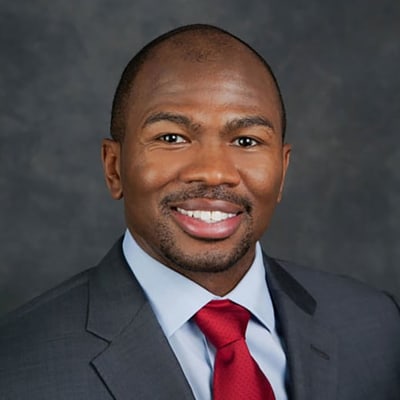
Welcome to the Growth Lab Podcast, where we uncover the science behind how to grow yourself, your health, your wealth, and take your career and relationships to a new level. I'm your host, Dr. Josh Axe. I'm the founder of Ancient Nutrition, draxe.com, and leaders.com, also a graduate of Johns Hopkins University in leadership. And today we're going to talk about how to define Success.
And this is such a key topic because all of us want to get to the end of our life and say we ran a good race, my life was successful, and know that you didn't waste anything. And so we're going to go through how most people define success and then how you should define success today. And one thing that will happen from this is for many of you, this might be a sigh of relief.
You may feel like, well, now I don't have to keep keeping up with the Joneses, and I don't have to feel like I need to have all the fame and the fortune in the world to be worthy or to matter. But I am going to teach you how you can matter and live a life of significance on today's episode.
And we'll go through the science and research, we'll go through the ancient principles, and a whole lot more on today's episode. You know, I think the first time that I really had a greater understanding of what success truly was Was at my grandfather's funeral. You know, growing up, I was very, very close to my grandfather, and I was blessed to have a grandfather.
I know some people may not have been able to be fortunate enough to have a relationship with certain parents or grandparents, but I had a really close relationship with mine. And I was at my grandfather's funeral, and there was a man just a few rows over from me, and we had a moment at the funeral, and it was so many people came.
It was really a special time, and my grandfather lived an incredible life. He lived to be 96 years old. He was a a World War II veteran. In fact, there's some incredible stories about him where he was on a naval ship that the next week after he got off, it was destroyed. And so he, you know, he was lucky to even be alive. And so my grandfather, an incredible person.
And a few rows over at his funeral, the pastor leading the funeral ceremony, asked and he said, are there any last words that anyone has about Howard or anybody want to share any fond memories? And the man very close to me, just in tears, just screamed out, Howard was my best friend. And it was sort of this moment where I looked over and I recognized who it was.
And I thought, I don't think that's my grandfather's best friend. Like, I started thinking about all the people that were probably my grandfather's closest and nearest friends. And then I also had a moment and I thought, you know what? My grandfather probably was this man's best friend.
In fact, I look at the room of these hundreds of people and I thought probably half the people in this room felt like my grandfather was their best friend. And I thought to myself, if I, when I die one day and people are at my funeral, I hope that that many people in the room felt that way about me. They had that sense of appreciation and love and endearment.
And throughout the funeral, people started saying things like, you know, Howard saved my marriage. Howard, you know, gave me hope when all hope was lost. Howard gave me money when I had nothing, when I had nothing. And I also remember a few things about my grandfather, and that is he was— he had an absolute servant's heart.
So my grandfather, when he was in his mid-40s, he decided he wanted to stop working at the telephone company. So after the Navy, he went and worked at a telephone company for years. And then he said, you know what, I want to do more with my life. Like, there's something else I want to do. So him and my grandmother found this property with a lake on it, and they turned it into a swim park.
And the backwood area, they turned into a campground. So my grandfather, from '45 on to 96 years old. So for 51 years, he ran a swim park in the summers and a campground year-round. And my grandfather really saw this campground as his Calcutta. I remember years ago watching an old talk by Mother Teresa, and she encouraged everybody to find their Calcutta.
What is that place, that area where you can serve and you can give and you can transform the lives of others? And so my grandfather had this campground where he would go in, he would drive daily back in the campground, and he would just be with the campers. And he would ask them, how can I serve you? He would pray for them, he would give them money, give them food, just do whatever he could.
In fact, my grandfather hardly made a dime his whole career. He probably had half the campers living there for free. All that being said, when I look at my grandfather's life, he was a true success. You know, early in my career, when I was just about to get out into practice, I was sort of this combination of mission-driven, but still success was off.
I thought that if I make a certain amount of money and build a certain level of wealth and maybe got a certain level of recognition and followers, I thought that meant I was successful. But going to my grandfather's funeral, I realized, no, it's not about that. It's really about having deep relationships and adding value to others. And the money and the fame and those things, they don't matter.
And so we're gonna get into this and how to live that type of life and how you can become that sort of person where when you pass one day, people are going to realize and be saying things like how much they missed you and how much they love you and how much you mattered to them in their life. It's really all about legacy. You know, there was a survey I saw recently.
This was done at a university called Strayer University, and this was done with over 2,000 people. And when interviewing, 90% of them said that success is about being happy. 66% Of those people said success was also about good relationship with your family and friends. So I think they're right on there. And only about 20% said success was around sort of this monetary wealth.
It's really interesting though that 90% believe that the number one determining factor of success was, was personal happiness. And I'm here to tell you, you know, when you look at the psychology studies, that will not lead to happiness. In fact, this is what happens. Most people believe that happiness, if they're happy, that means they're— that that's success.
So if I'm happy throughout my whole life, if you look at the people that matter the most in this world and who got to the end of their life and they said, I ran the best race possible, they weren't pursuing happiness. They were pursuing significance. They were pursuing transforming the lives of others. And you want to have that same mindset. And so again, do not pursue happiness.
I've talked about this before, but that will not lead to a meaningful life. And people at your funeral, think about everyone at your funeral saying, wow, this person, they were, you know, they, they, you know, they made themselves really happy. That's not that significant.
There's another study done, this is a, a survey, a Gallup survey, and they found that 92% of participants said they believe society defines success on having fame and fortune. Think about the magazines. If Time magazine or Fortune or Forbes or any of these magazines come out with who is the most successful in society, it'll be based on their fame.
So the number of followers they have, whether it be on social media or media mentions or whatever it is, and the amount of money they have. That is how society determines if you're successful or not. But when people measured success for themselves, one of the things that also kept coming up was parenthood. If they were good parents, they believed that meant they were a success.
And I would agree with that one. And so here's the thing that you wanna think about. And I'm gonna really, I think, help you understand success. Success is not about what you accomplish. Success is about who you become.
If you become like my grandfather, if you become like a Martin Luther King Jr., or just somebody that has a lot of character, if you become that type of person who is virtuous and has high character and really impacts the lives of others for good, that means you're successful.
Now, your accomplishments in terms of making a certain amount of money, getting a certain amount of followers, all those different sort of accolades, that doesn't mean you're successful. And so you wanna stop focusing on what you can accomplish and start focusing even more on who you can become. And I'm not saying accomplishments are bad, but you want them to come as a result of who you are.
You're a person of great integrity and of courage and of justice, of fighting for what's right, and because that's who you are, you accomplish great things. You make a difference. Because if you do it on the flip side, everything becomes about accomplishment.
You will sacrifice your character and who you are for the accomplishment versus if you focus first on becoming the right type of person, those accomplishments will just naturally flow from that. And again, you want to have both, but you don't want to focus on your self-fulfillment and happiness first.
So really there is a clash today, right now when you look at modern culture and traditional values, there's a big clash. And so, you know, modern culture, It's all about the inside. It's all about making me happy, making my name great. And so even in marriage today, you know, you look at a lot of relationships. Well, why did you get a divorce? That person wasn't making me happy.
I grew out of love or something like that versus, you know, more traditional. Or you look at something like the Judeo-Christian or even general monotheistic perspective, which is I am here to serve my community and to care for others. I mean, my grandfather went to World War II saying, I'm going to give my life for this country if I have to. And many people did that.
You— there's a recent, uh, uh, recent numbers came out on the amount of people that are enrolling in the military, and the numbers keep dropping and dropping and dropping. And so what happens— here's what's happening now. The military, whether it be the Army, the Navy, the Air Force, the Marines, they keep dropping down their standards for the people that they bring in.
So it used to be you have to have a certain level of physical fitness. You need to show yourself to be a person of a certain level of character and a certain IQ. And there are a number of standards when, when we look at who should be in the military. And what they keep doing is dropping those standards to where, hey, if you can't run a mile, that's okay. If you can't do 5 pushups, that's okay.
Anyone and everyone can be in the military. And these are the people that are protecting our country. And so this is really, really important when you look at sort of what, what's happening in our culture today. But the reason why there's less people enrolling in the military is because it's not about serving your country. It's not about being patriotic.
It's— that's not what's glorified in seeing as being success today. It's all about your money and fame. You know, even as of 100 years ago, you know, when you looked at the way communities were set up, and this is something my grandfather shared with me as well, My grandfather lived in a town growing up, it was called New Bremen, and my other grandparents lived in a city called St. Mary's.
And my grandfather told me, and I thought this was an interesting fact, he said, you know, when my grandfather was growing up in the 1920s, he said people, cities were built around a church oftentimes, and a certain, sometimes even Protestant or any sort of religious denomination. So St. Mary's, where half of my family was Catholic, They grew up in St. Mary's.
My grandfather was in New Bremen, that was Methodist. And then they had another city that was Presbyterian and another one that was Lutheran and another one that was Pentecostal. And so you had these sort of cities sort of set up that way. But going back to this, the idea there in the community, my grandfather said, was it was all about caring for each other.
The success wasn't about your individual success, it was about the success of your community. So there was more pride in your team. Think about your favorite sports team, whether it be college or, or high school or whatever it is, you know, it's— you have a sense of pride where the group winning was even more important than your individual accomplishment.
If you had a bad game, that's okay as long as the entire team won. That was what was most important. Today it's all about the individual. What's my stat line? And so we really need to make a shift here from success is my number of followers and my bank account to who I am as a person.
You know, there is a man, and I was watching a video recently, his name's Paul, I think it's Paul Orfalea, and he was the founder of Kinko's, which is an incredibly successful company. And he said, there's only one measure of success in this world. Your children want to be with you when they're adults. That's a great definition of success.
That's all about that deep and intimate and meaningful relationships. And when you look at the studies, more and more people today are saying that their relationships aren't meaningful. Think about your friend circle right now. Think about the people that you have that, you know, 10 people. Do you have a really meaningful relationship? And by the way, you may not fully understand.
Many people may not fully understand what a meaningful relationship is because they haven't really had a really, really good one. You know, I, or maybe you've only, or maybe you've had one or two, but all the other relationships don't feel real meaningful. Here is how I really know that I have a meaningful relationship.
Both parties are going out of their way and doing whatever they can to look out for the best interest of that other person. And so, you know, I think about, you know, a friend of mine I was texting recently, Andrew, and, you know, I told Andrew that I was, you know, launching this new thing in business. And just shared that with him. I didn't ask him for help or anything else.
And then he just kept going out of his way, just texting me ideas and thoughts and ways he could help and following up to see how things were going with me. And I do the same thing for him. You know, similar thing with my, my, my, my wife. You know, I think about how can I make her life better? And she thinks about the same for me.
You know, I'm always thinking about how can I surprise her or do something that can add value to her life? So think about your relationships. You know, I was in a, in an Uber. In California. This was in LA. And I, I spend most of the year in Nashville and a little bit of the Porty, uh, in, in the past I've spent some time in Puerto Rico, but I was, I went from Nashville to LA.
I was in an Uber and got in a conversation with a guy. We had a pretty long ride, 45 minutes, and he started telling me that he had moved here from, uh, I wanna say it was from, from Mexico. And, and, and he said, I said, hey, how have you liked living in LA? He said, well, to be honest with you, it's good financially, but I don't, I don't really, I, I haven't really enjoyed living here.
And I said, well, why is that? He said, you know, every relationship I'm in, I feel like somebody's trying to get something outta me. I feel sort of like a tool. I feel like that's how the relationships are structured here of people always seeing, how can I use this person to benefit myself?
And if you're in a relationship like that, or if people around you like that, You want to start getting them out of your life because those people are just using you for their own good versus using themselves in order to make your life good. And that's what you want to do. That really— the close relationships are about self-sacrifice.
I'm going to sacrifice my own time and my own gifts and talents in order to make your life better. And rather than asking, what can that person do for me? Asking, what can I do for them? And learning about their dreams and what they want and how they can make their life better. That's success. That, that's what a deep relationship looks like. And we all know this is true with kids.
Like when I look at my daughter Arwen, I mean, you know, my wife and I are both always thinking about how can we make her life better? How can we position her in the future where she is becoming A person of great character and great skill. That's that's part of what we think about. Now, I want to go back to this idea of becoming versus accomplishing.
And if you are becoming a person that is great, a person that and here's what I mean by great: you are taking the world and you are your presence in this world is not subtracting; it's adding. You are you are doing a couple things. One, you're adding value to others in terms of especially in terms of character. They feel more loved. They feel more cherished. They feel more worthy.
They feel more challenged to be better. So there's that element, and there's the element of you're making the world a heavenly place. So you're taking this this planet we're living on, and you're making it feel like this heavenly place where there's not trash and garbage and just dirt and stone, but there is a lushness about an area that you go to and it's just beautiful.
So you're beautifying things and you're adding value to people. That's sort of the idea there of becoming. And one of the things that I challenge people to do is think about for yourself, who could you become if you took your greatest talents and you took your character and you brought them to the absolute maximum, who could you become? Here's the way I like to think about this.
Almost, almost think about it like a graph, okay? And straight up is your amount of skill and talent, and to the side is your character, your virtue. And then you have this bullseye, this target, and you're pulling back a bow and you're aiming. So here's the deal. If you want to become the greatest version of yourself, You maximize your talents and skills, and you maximize your character.
Now here's what happens if you maximize your skill and you don't maximize your character. There is a moral failure. I was reading a study recently. I think this was in Harvard Business Review. Here's what they found. They found that this is mind-blowing, by the way. 35% Of executives are fired for lack of performance. 40% Are fired for moral failure. Think about that.
40% Of executives are fired because of moral failures, whether that be stealing from the company, sexual harassment, or doing something else, or creating a toxic work environment. 40%! So, so here's the thing here. Most people's skill— 35% are fired because they don't have enough skill. 40% Are fired because they don't have enough integrity and character.
So obviously integrity and character are the most important things, and it's really what you build skill upon. Think about how many athletes there are that are out there that are prima donnas. They feel like they're the greatest thing ever.
So they may have incredible skill, but because of their lack of character, they're toxic to the locker room and they're sort of destructive to the whole team environment and chemistry. Here's another thing that happens.
Think about how many, not just executives, but again, it could be athletes, it could be presidents and people where they get themselves in a situation where they, again, they build this incredible level of success, but it's a moral failure that causes them to fall from the top, right? So, and there isn't this idea in It's an ancient Asian thought.
It's really surrounding leadership, is they would picture leadership as a tree. And they would say that a tree, in order for it to be very healthy and vigorous and live a long time, it needed to have very deep roots. So they paint the picture of sort of the leaves of the tree. It's what you see on the outside, the leaves and the green and the lushness. That's your skill. That's your talent.
That's your charisma. All of those things on the outside, that's, that's what most people see. But those roots that go really deep, that's your identity, that's your purpose, that's your character and your values. And if those roots go really deep, when the rains come and the, and the wind blows and the storms come in, that tree will stay upright.
However, a lot of people, they don't have deep roots. They don't even know why they're doing what they're doing. They're just trying to get likes and a following versus— and so what happens is the wind comes and the rain, you know, the wind and the rain come, the storms come, and boom, that tree just topples over. So that's sort of the analogy around leadership in ancient Asian thought.
They would also talk about it being a fruit, you know, the fruit on the tree being good fruit means you're successful. In fact, there's a quote in the Bible and Jesus says, By your fruit or by their fruit, you'll recognize them. So if somebody is, if you want to, how do you know who you should follow? The answer is you want to really look at the fruit of their life.
And, and, and when I, this is something I noticed is that there are, I've had the opportunity to spend the time around a lot of successful people. And sometimes it was surprising. There were certain people I thought, wow, this person really has incredible character.
You know, I had an opportunity with a doctor to, to, to go in and, uh, and live with a couple of them a few times when I was training, uh, uh, in the, in as an internship.
And I would see the way that these families function and just see the incredible connection between the husband and wife and the, and the, the doc and their kids and just thinking, wow, what, what a, what, what, what great character. And then I saw other people and realized, I, I'm gonna give you an example of this.
There's somebody who's incredibly well known, and if I said their name, you would know them immediately. In fact, this person has built a massive real estate empire, probably almost a billionaire, if not very close. And I had an opportunity to interview him. And when I was interviewing him, actually right before the interview, his mic was on, but the screen went black.
And he had his assistant there and he said, hey, what's going on here? Why is this not working? And then he started yelling at her and he said, You're incompetent, you're incompetent, you're incompetent. And I don't think he realized that I was, for some reason the screen was black, he didn't realize that this mic was still on and I could still hear him.
And I went ahead and I did the interview, but I actually never posted it because I said, I don't wanna promote somebody with that type of character. And so all that being said, you know, you can, you really wanna focus on who you can become. It's the most important part of your life, and you want to envision your future self. Really think about yourself as what is the greatest you look like?
You where you have the greatest amount of character and you've built the greatest level of skill. What would your life look like? Who— what would you be like? Now here's the key: write down all of those things that you are, okay? When you think about that person you want to become, Write down the character qualities, the talents, and even feel free to write down a few of the accomplishments.
But really focus on who you are. That's the big thing. Write that down. Now here's the next key. Start becoming that person now. If you say to yourself, I want to be a person that is known as being incredibly compassionate towards others. You know, I want to run to— I want to, I want to run and help others and do everything I can.
If you want to be compassionate and empathetic, well then start focusing on that now and do everything you can throughout the day to become empathetic now and think about what would that person act like who's incredibly empathetic. So start becoming that person now. That's really the key to becoming somebody great. You know, when I was growing up, I was a huge fan of Lance Armstrong.
In fact, when I went to undergrad, when I was an undergrad, I was on a triathlon team and we had a really, really successful team. We actually won nationals and all of us were big fans of cycling and triathletes and, and, and were big fans of Lance Armstrong. And I remember when the news broke that he admitted to cheating and doping.
I remember just thinking, I, I remember just being just so disappointed. Now, some people sort of justified what he did, and I thought to myself, I understand why he did what he did because his idea of success was fame. It was win at all costs. That, that was his definition of success versus who he could become. You know, I remember years later, um, reading a story.
This wasn't that many years ago. Where Lance Armstrong was walking out of a bar and a few of the people at the bar started yelling at him, you're a cheater, you're a cheater. And he said he had this thing within him that said, I wanted to just go and punch the guy. And he said, the younger me would have. He said, I've gotten plenty of brawls in my life.
And he said what he did instead was, he said, hey guys, I understand. I'm sorry I disappointed you. Went back in the bar, paid for everyone's drinks, And left.
And I thought to myself when I read that story, cuz the first time I, I, again, when I heard the news that, that Lance had cheated and just showing his just poor character, I, I was a little bit heartbroken because this is a person I had admired so much.
Him, you know, and part of it was my, my mom is a breast cancer survivor and everything he was doing for the cancer community and just his determination and discipline and dedication. I just loved those qualities. Yeah. And when he cheated, I thought, oh, I'm just so disappointed in him.
But when I read that article about how he went back and listen, I'm not saying this is making up for that much, but when I read that, read that article, I thought to myself, you know what? Lance must've had an epiphany at some point that life is not about all about winning and your accomplishments. It's about who you're becoming.
And so even if it was just a moment for him, I felt like it was a small level of redemption. You know, we see this with so many people that we might even admire today, and we must— we have to be really careful about who we model our life on. You know, Steve Jobs is a great example of this, just a revolutionary thinker.
I mean, think about all of the things he did in founding Apple and what a successful company it is, how many lives he has changed with just the iPhone alone. And when he died, he was worth over $10 billion. Now today it would be probably over $100 billion. Wow. But here's the question I would pose to you about Steve Jobs. Was he truly successful? I remember reading this quote from him.
Here's generally what he said. He said, I wanted my kids to know me. And he said, I wasn't always there for them. And at one point in his life, he said, you know, I wanted them to know why I wasn't there for them, but I wanted them to understand why I wasn't there for them. You know, very similar to Lance Armstrong. I think Jobs very much had this accomplishing mindset.
And so he accomplished some really incredible things in his career. But the question I would ask for you is, so he was ostracized and didn't have a relationship with his kids. We talked earlier about, uh, the, the billionaire from Kinko's, and he said, that's success. You have a great relationship with your kids. So obviously there's some different points of view about what success is.
You know, I'm thinking about this idea, and this is a biblical quote, and the idea here is, is what good is gaining the world but losing your soul? In a similar fashion, you know, what good is growing a company but losing your family? Or what good is gaining wealth but losing your health? Or being right but ruining your marriage? Or getting a promotion but losing your integrity?
These are all things that we're challenged with. But it's so important for you that you know what success is for you and think about your funeral. This is a really good exercise. A good friend of mine, Donald Miller, is one of the first people that turned me on to this, but basically writing out what people say about you, write your own obituary. What do people say about you at your funeral?
Right, when you look at somebody's tombstone, it tends not to say something like, you know, invented the, we'll use the iPad for example, you know, It says beloved father, friend, leader, those sort of things, right? That's what people truly remember. They don't remember what you accomplish. They remember who you were as a person. And that's true success. That's the idea there.
You know, there's a study I think that also backs this up. This is a study published in— it was a journal called— it was the Journal of Research Personality. And it looked at around 147, 150 or so college students. Wow. And they basically tracked these students and they followed them for 1 to 2 years after graduation.
So about 2 years after graduation, they went and they asked these students if they were satisfied with their life. And before this, so they did the initial survey, then they did a second survey 2 years later. And they found that those people who valued close relationships, those people, they were asked what success was. They said, well, success to me is close relationships.
And community involvement. I'm adding, you know, I, I have really deep friendships and I'm really involved in my community making it better. And they asked another group of people, uh, they, they had goals around their own personal happiness and achievement.
And those people, those, those students who said, my biggest, uh, what I believe success is, is close relationships and blessing my community, they had far greater levels of life satisfaction, fulfillment, and believing their life was meaningful. So it's important to really look at what are you focused on?
You know, another key idea here, and you'll hear me bringing this up week after week, is this idea around purpose. And there is a great story, and this is around President John F. Kennedy. And the story goes like this. So he was visiting NASA in 1962, and his goal, remember, was to land a man on the moon.
And while he was there, he saw a janitor who was carrying a broom, and the president just stopped and asked the man, he said, hey, what are you doing? And the janitor responded, I'm helping put a man on the moon. I love that story. And in the eyes of the— of most people in the world, they would think, well, the janitor— is being a janitor successful?
But that janitor knew his purpose and what he was a part of, and he was a necessary piece of putting a man on the moon. If the place was a dump and trash and everything else, And by the way, what I'm saying here is very accurate in terms of the studies. If somebody has a messy space around them and it's not clean, they're less innovative and less creative.
It's harder to think clearly when things are a complete mess. People can think more, be more processed and strategic when a place is tidy. I think this is just such a good example of knowing what success truly is. And going back to this, you know, success is so much about who you are in your character.
There's an Albert Einstein quote I really admire, and I remember Albert Einstein said, try not to become a person of success, but rather try to become a person of value. Don't try and be successful, try and be valuable, that you're adding value to the lives of others. If that's your mindset, you're gonna have a big impact. I wanna sort of define character.
Jim Rohn, he's a very famous personal development guru, and he said, character is the quality that embodies many important traits. And he included some of these, by the way, there could be many more, but he said integrity, courage, perseverance, confidence, I think wisdom. And, you know, those are very important qualities.
He said, unlike your fingerprints that you were born with and those can't change, your character is something that is within you that you can take responsibility and change. You can grow more loving. You can become more generous. You can become more courageous. You can become more wise. You can grow in all of these, all of these virtues which make up your character.
It is so apparent today that I believe that character levels and our morals have decreased. Now, I believe they've been decreasing ever since 1962 when we pulled God and the teaching of ethics out of our school systems. So of course, if somebody's not taught ethics or stories that teach morals, we're as a society become— begin to become less ethical. But here's what the studies found.
Listen to this study. There's a study done and they found that 78% of people that apply for a job lie during the hiring process. Think about that. 80%, Nearly 80% of people who apply for a job lie. I mean, 80% of people, and that's just one thing during one day.
60% Of people say they've lied about being sick, and 41% of people who don't like the job say they lie at least once a week at their job in order to keep their job. You know, I'm thinking back. I had a team member who we had who, and this person was very high up in our company, was a vice president. And we would go and ask him questions, and it was lie after lie after lie.
And by the way, they were just little white lies, little white lie after white lie. And finally, he had built such a tower of white lies that we finally pulled out one card, and this entire You know, his entire story just absolutely came crumbling down. And I think that we live in a world today where people have started believing that white lies or bending the truth is okay.
Think about the media today, especially the omission of truth. If you look at CNN and Fox News as examples, either one of those channels will just omit and leave out and not cover whatever is not for their agenda, or they will bend the truth and lie about it. I mean, I'm thinking about, you know, I mean, CNN is probably the absolute worst I've ever seen. But again, Fox is bad, MSNBC is bad.
Most of these platforms are— have gone so far politically that they don't care about the truth. They just care about their agenda to build something that's moral or immoral or get reelected or whatever it might be. And by the way, we've seen ratings of companies absolutely tank because of this.
If you look at CNN, where they were 10 years ago in reviews and ratings and where they are now, and what's happening is people are flocking to people that are telling the truth in podcasts. I'm doing the best I can. And then of course there's people like Joe Rogan. And by the way, I don't agree with everything these people say, but people want the truth.
They, they want to listen to people that have integrity. That's at least one character quality that's important. So whether be Joe Rogan or Russell Brand or Jordan Peterson or PragerU or whoever it is, these are people that are saying, you know what, I just, I'm not gonna pick a side.
I'm not saying PragerU's obviously picked a side there, but I'm saying you think about free thinkers like Jordan Peterson, Russell Brand, and Joe Rogan. These are free thinkers who just, they wanna get at the truth for the most part. And again, I'm not saying these people are perfect, but it's important to understand that at least those people are trying to have character in this arena.
And here's my point again. Most people have become— they've become attuned to lying. And I think part of the problem is we don't have enough people telling the truth. If there were more people telling the truth, there would be this level of conviction. You know, I know for myself, when I get around a person of high integrity, I'm convicted and saying, I want to be more like that.
You know, I, I just wanna share a few people that convict me. Uh, one person is Tim Tebow. I've been so impressed with him. He does this event called A Night to Shine. And the reason why I think this is partly near and dear to my heart, my, my mom, uh, grow— growing up, my mom was a teacher and for many years she taught special education.
So a lot of kids with learning disorders and on the autistic spectrum. And I remember my mom, I mean, she, it, it was, it was a really tough job. My mom would come home with bite marks and it was, I mean, there is a— there, my mom, my mom's a warrior, so she battled pretty hard. But, you know, I got to be around kids with learning disabilities and just having a heart for that.
And I see Tim Tebow and he puts on this big prom night for these kids called A Night to Shine, because these kids have never been made, probably made to feel maybe special amongst their peers and other kids. So they put on this prom night where there's dancing, they're all given a crown, and it's just, It's absolutely beautiful.
And when I saw him do this event, I was convicted and thought, wow, he is being so selfless. He is doing something that is impacting people in such a positive way. By the way, that's how you know you're becoming rather than accomplishing.
When you have the becoming mindset and you start to actually grow and becoming greater, people will walk up and say to you, There's something different about you. You know, the thing I could say that I'm probably most proud of in my entire life is when I decided I want to start, I wanted to start growing my character and virtue. I had people come up to me.
Now this happened twice in my life, once in undergrad, maybe 3 times actually happened in undergrad, happened when I was in graduate school. And then again happened, you know, probably about, I'll call it 10 years ago. And I had people come up to me and they said, Josh, there's something different about you. You know, and they might even say something about a certain character quality.
And honestly, for me, it was the thing I was the most proud of. And so if you start to do what I'm sharing with you on this episode and you start to develop and grow your character, people are gonna say, hey, there's something different about you. That's how you know you're becoming. You know, there's a great quote by Billy Graham and he says this, when wealth is lost, Nothing is lost.
When health is lost, something is lost. When character is lost, all is lost. Think about that. When, when you lose money, doesn't really matter toward the endgame, the end of your life. If you're a success, people are like, oh, he, he was, you know, the person was a billionaire. They had very little money. That's not gonna matter that much.
Now, when you lose your health, it really impacts your ability sometimes to be able to think clearly or sometimes connect with others. It obviously impacts your life in a certain way. But when character is lost, you've lost it all. Think about that. Think about how true that is. How many people had a moral failing and they lost it all?
You know, I'm thinking about, you know, everything from church pastors to CEOs to sports icons and celebrities. We see this, you know, we see this consistently in our culture. You know, one of my favorite psychologists, Carl Jung, he says, Everything good is costly, and the development of your personality is one of the most costly things.
It's a matter of saying yes to oneself, to taking oneself as the most serious task, and of being conscious of everything that you do and keeping it constantly before one's eyes in all of its aspects. So, so basically Carl Jung is saying this, he's saying, It's a lot of work to grow in your character. It's costly. It takes a lot of— it takes time.
It takes mental awareness and emotional intelligence. It takes a lot, but it matters. And so you really want to start to be conscious of and take a real awareness of what are your greatest character weaknesses. Write those down, right?
Write down what are your greatest weaknesses and what are your greatest character strengths and start strengthening the ones you know you need to strengthen the most. There is a story I love, and I'm a huge Abraham Lincoln fan. In fact, if you want to read probably the best biography of Abraham Lincoln ever written, it's called Team of Rivals. It's by Doris Kearns.
And this is a book I listened to years ago. It's a great audiobook as well. You can get it on audible.com. And they tell a story of Abraham Lincoln where he was a clerk at a a, a, essentially just a, a market, a little grocery store. And there was a woman who, uh, who gave him money and he gave her her change back.
She was buying a loaf of bread and walked home, and he realized that he had shortchanged her. And it said this woman lived miles away. You know, people in that day, they walked, you know, walked, walked a lot in order to, you know, get things, uh, like bread. And he walked miles in order to give her a couple pennies back, just a couple pennies.
I want to ask you a question, and this was convicting for me, is that if I were that croaker, that, that, that clerk in that grocery store, would I have— if I were Abraham Lincoln and somebody had left, it was a few pennies, and maybe today that equals $1. Okay, let's— it's, it's sort of as we look at inflation and those things.
So let's say it's maybe a dollar, but would you go and drop, you know, walk 2 miles to that person's house if you know where they live to give them the $1 bill? No. Would you do it? This is why Abraham Lincoln was called Honest Abe. That was his nickname, is he was known for that. It's also why he became elected president.
He was— he became a lawyer, then eventually became president, and people admired him because no matter what, he always told the truth. He was always honest, and he did what was right. And so here's the thing: if you want to be great in character, stop comparing yourself to people of low character. Think about who is the most virtuous person I know and what would they do in this situation?
The people with the most integrity. And think about, you want to be radical. You don't want to be average. You don't want to be ordinary.
If you want to become the greatest version of you and you want to be truly successful in the top 1% in the world, being in the top 1% of success in the world is not being the top 1% in your money or your social media following or anything else, or being promoted or recognized in your field.
Being in the top 1% of success is knowing you're the top 1% in character, that you do what no one else will do. And so when you see a person on the side of the road and they need money, you, you do whatever you can to help them, whether it's give them money or bring them to a, you know, you know, bring them something to eat or whatever that might be.
When you see someone, uh, you know, I was thinking about this the other day. I was reading this, uh, study on high schoolers. Mm-hmm. And how the biggest feeling that most high schoolers struggle with is a feeling of being left out, not included.
And think, I, I was thinking about this with my daughter Arwen, of saying, I wanna make sure as a dad that, that I teach Arwen how to include other people.
That one kid that's sitting alone by themselves, that's seen as the outcast, the greatest feeling I would have as a parent is that my daughter would go and bring that person in, that Arwen would include them in the activity or go and play with them. Like, if, for me as a dad, if I see Arwen gets an A, I'm proud.
Not because of the grade, but more so because she worked really hard in order to get that A. And if she, you know, eventually in her career makes a certain amount of money and becomes a CEO or whatever it is, I would be proud. But I'm telling you right now, the thing I'd be most proud of is if I saw her go and include somebody that was left out. That's success.
You know, John Maxwell is one of my favorite people to read. Many— I've read, by the way, I've read probably 15 John Maxwell books, many of them multiple times. And he has so many great things to say about character. You know, one of the things he says is he says, I've often observed people who seem to be doing all of the right things on the outside, yet they're not experiencing success.
He says, when that happens, I usually conclude that something is wrong on the inside and needs to be changed. He said the right motions outwardly without the right motives inwardly will not bring lasting change or progress. And so think about that.
If something is not right You can be doing all the right things on the outside, but if you're not doing it because you want to do it for the right reasons, it won't last or have the right impact. Now, I do want to say this: I do think I'm not talking about necessarily just faking it until you make it.
What I what I'm going to say right now is I think you should try even if your heart is not 100 pure because almost never, if ever. Is someone's heart 100% pure? I want to give you an example of this. So, you know, I have an opportunity because of my health background and practicing functional medicine for so many years. I've known a lot of people who— I know a lot of people.
It's very easy for me to create a health plan for somebody that'll really impact their life or their kids' lives. And there have been times in my career where I thought to myself, where somebody mentions on a phone, Oh, I've got some sort of health issue. And, and by the way, I'm trying to be real vulnerable and open here.
And I thought to myself, one, oh, I should help that person create a health plan for them. And then I have this other part of me that comes in and says, yeah, and if you do it, maybe you'll get something back for it, right? So maybe this person that's really well known, maybe they'll get you on their TV show, or maybe They will refer you. You know, there's some sort of benefit to me.
And then, and then, and then, but here's what I do. I go and I say, you know what? So should I create the should I create the plan because the person needs it, or should I not create it because I know right now part of me is doing this out of my own selfish ambition? And here's what I've come to is is I've decided. I said, you know what? My heart's not 100 pure.
But I'm gonna try and make it as pure as possible to where I'm gonna create this health plan, I'm gonna give it to them, but I'm gonna do my best to ask, you know, ask for nothing in return. And that really is the mindset I try and cultivate. So listen, in order to do something good, your heart doesn't have to be 100% pure, but you wanna try and make it more and more pure and selfless over time.
Okay? Because I've seen some people do this. They say, well, you know what? I'm trying to do this to be for my own reasons. And so I'm just not gonna do anything at all. Better to do something virtuous than nothing at all, even if even if the the even if your motives are a little bit mixed.
But going back here to the point of John Maxwell is this: is that if you are not seeing success on the outside, there's probably something wrong on the inside. I was working with a physician recently, and he said my team doesn't respect me. And I went there, and I was there for about five minutes if he was doing a team meeting, and I knew immediately why.
He wanted his staff to respect him, but he didn't respect his staff. He didn't honor them and didn't respect them. And so that was the issue. And he wanted them— he was trying— and by the way, he was trying to do some good things. He was trying to inspire them and lead them and do some things that were generally good. But on the inside, he didn't have respect for other people.
In fact, I don't even think he respected himself. And so if you have areas in your life where you are not succeeding or even accomplishing, Sometimes those accomplishments aren't happening because you're not the right type of person. Because remember, when you become the right type of person, the right type of accomplishment will flow from that.
And so that's how you want to think about that is how do you change yourself? By the way, when you read the greatest stories out there, there's a— there's something that was created by Joseph Campbell, this incredible author, and it's called the hero's journey. And basically it's anytime you read a great story, There is a certain structure and progression to that story.
And it starts off with there's a hero, or no, there's not a hero. There is a hobbit, okay? Or somebody who just has very little talent or obvious skill to add, okay? And then that person gets signed up for some sort of mission. And then that person goes through trials and tribulations and things like that. And, and, and what happens is they have a character flaw of some sort. Okay.
Um, and you know, it might be they lack courage and then they get to a point in the movie where they have to defeat a dragon or a snake or something. And in order for, for them to beat that snake on the outside, this ex— the external thing of stabbing the dragon and killing it, they ha— they have to become courageous. Yeah. So you see what happens here in these movies, in these stories?
By the way, this is same— this is the exact same thing is true for the story of your life. If you want to accomplish something great, if you want to slay the dragon, if you want to rescue the princess, whatever it is, you have to become courageous in order to do so.
So again, you may lack courage, but then through these trials and these things that you go through in life, that they shape you, you become courageous. You have this internal transformation, boom, now you can slay the dragon. So let me call this out for you in your life. There's something you want to do in your life.
You want to have a certain type of family environment, a certain type of career, a certain type of impact. These things, either certain accomplishments you want to have, there is likely a character quality where you're not a certain type of person and you need to become a certain type of person to make that a reality. So let me ask you this right now.
What are those top 3 character qualities that you are lacking that are keeping you from accomplishing that thing you want to accomplish? There's a famous sports commentator, his name was Grantland Rice, and he said— you've all heard this quote, but it goes like this: it's not whether you win or lose, but how you play the game that counts, right?
So when you're out there playing the game, are you over there knocking everyone over and tripping them, and you're on the golf course and you're kicking your ball ahead? Or that person falls down, you're helping them back up. You're encouraging your teammates that lost the game.
You walk off, you're at, you know, you're putting your shoulder around them telling them, listen, we'll get them next time. Hey, you did this so well. You're challenging them, you're encouraging them. Are you like that in your life? Right? Not only, hey, listen, it's good, you should try and win the game, but the most important thing is how you play the game.
It's not just whether you win or lose, it's how you play the game. That there's that, that idea in a nutshell. You know, according to studies, there are so many numerous benefits of growing in character. In fact, the biggest one is financial success. So if you want to have more financial success, you want to grow in character.
Some of the character qualities that you look in the studies are self-discipline is really key to financial success. Wisdom is another big one, and integrity. Uh, also growing in character is really, it's really important for depression, anxiety. In fact, Aristotle believed that in order for you to be happy, the more character you had, the more happy you were. So think about that.
If all these people that are pursuing happiness as their form of success, if they instead pursued becoming great in character, that's what will truly make them happy according to Aristotle. And I think the studies also line up with that. You know, improving leadership skills, having stronger personal relationship, including marriage.
You know, that, that's, uh, growing in character will benefit every relationship you have, everything, physical fitness even. So, so there are so many benefits of growing in character. Now, the last thing I really want you to do here is picture your future self. This is a, this is a practice of visualization. Think about who you want to become.
That future you where 10 years from now people, and what do people say about you? Write that down. Take a minute and say, okay, these are the qualities that make up who I am, and this is what other people say about me. Do both. You write down the qualities, and there probably is gonna be some overlap, and then what do people say about you? And maybe what are some of your accomplishments?
That's fine to write down too. And then make that connection. Of who, of what you need to do now in order to become that person in the future. By the way, there is a now when I was growing up, my parents did not let me watch a lot of TV. So I grew up in a very I grew up in a moderately strict household, more religious in a good way. And so my parents, my parents did not let me watch The Simpsons.
They thought if I watched too much Bart, you know, and Homer, it would be. You know, bad for my, you know, ethical worldview. And maybe they were right. So, but, but here, here's what I'll say. There is a scene that I saw of Homer Simpson and, um, he decides to, there, there's a jar of mayonnaise and he's looking for a place to, uh, uh, something to fill vodka with.
He actually pours a, like a half a bottle of vodka in this jar of partial mayonnaise and drinks the whole thing down. And, and Marge, his wife, says something to him like, uh, Homer, you know, don't you want to spend time with the kids? Marge also implies that, Homer, you may not feel the best after doing this. And he says, that's a problem for future Homer. So, so, so think about this.
Like, like anybody who has drank too much has done this. You're not thinking about your future self. If you go and have not 1, 2, but 3, 4, 5, 6, If you have a lot of alcoholic beverages during a night out, you are not thinking about yourself tomorrow. Okay? Maybe if you go home and drink a bunch of water and take B vitamins and liver detox pills, you are helping a little bit.
But all that being said, but think about this in the long term. So the partier you is going out and you drink way too much because you're not thinking about yourself tomorrow. Okay, so if you were thinking about yourself tomorrow, and that's the most important thing, what would your night have looked like? Well, maybe you have a, you know, great conversation with friends.
Maybe you have zero drinks, or maybe it's one or two, but you, you cut yourself off. And then you, you know, you go to bed early and you wake up early and you, you know, do, you know, and, and then you have some great habits. You have a superfood smoothie, you exercise, you spend time with God, and you spend time with your family, right? So my point there is, is that how should you act now?
What are the things you need to do now in order to be kind to your future self and make your future self great 10 years from now? Right? Well, a lot of this is tied to habits. So what are your habits? Are you doing in terms of growing in character? By the way, when we talk about growing in character, Aristotle said you are what you repeatedly do.
We've talked about this before, but the idea there is you have habits in place in order to grow yourself. One of the things I love to have is rather than a to-do list, which is an accomplishment list, have a to-be list. So writing down what are those qualities that define you, writing down what does your future obituary read like, what do people say at your funeral?
And if you have your mindset on those things and you start becoming that person today, you'll end up as— end up a success. Here's really what I believe success is. Success, and this is tied to our global purpose of humanity, is our job is to love God, love people, and make Earth a more beautiful heavenly place.
If you can love others in that way and make this planet into a beautiful paradise, then you're doing something that really matters. Those are good accomplishments, but you need to become somebody of high character in order to do that. So again, remember, true success isn't measured in your bank account or promotions. It's about who you become at the end of your life.
Well, hey, I hope all of you have enjoyed this episode on redefining success. And, you know, I want to encourage you that I've obviously shared some exercises here, but go and do those. Do some of those exercises and write down who you want to become and your obituary. And if you do that, I think you're going to have a much better idea. But just think about this throughout your week.
Am I trying to accomplish things or become somebody? Again, if you have a to-do list, right beside it, have a to-be list. And also I wanna say, hey, thanks for tuning in here to the Growth Lab Podcast. Remember, every single week I'm gonna go through how to grow. So growing yourself, growing your health, growing your wealth, also growing in your career skills, in your relationships.
But this podcast is all about one thing. Growth. Growth. It's the Growth Lab. So we're going to go through every week the science, the psychology, and the principles of how you can grow and become your best you. Hey, if you're not subscribed, make sure to subscribe right now to the podcast. Also, please like it and share it and leave your comments below. I'd love to hear from you.
Hey, what are some things you want to hear on future episodes and what was your biggest takeaway from this week? Hey, I'll see you again real soon.
The Dr. Axe Show is educational and not a substitute for care from your clinician. Disclaimer