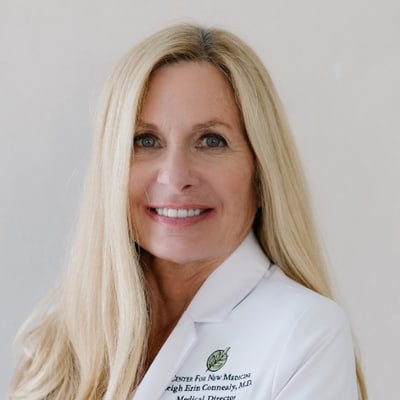
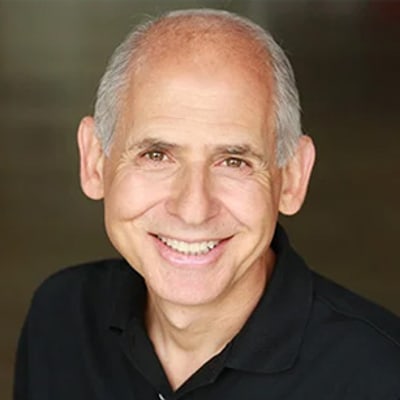
SHOCKING Truths About Women’s Health | Dr. Mindy Pelz
Transcript
Click a timestamp to seek the player.
¡Vamos!
The 2026 Chevy Equinox is more than an SUV. It's your Sunday tailgate and your parking lot snack bar. Your lucky jersey, your chairs, and your big cooler fit perfectly in your even bigger cargo space. And when it's go time, your 11.3-inch diagonal touchscreen's got the playbook, the playlist, and the tech to stay a step ahead.
It's more than an SUV. It's your Equinox.
Chevrolet.
Together, let's drive.
Get business done with the new American Express Graphite Business Cash Unlimited card. With unlimited 2% cashback on all eligible purchases, unlimited 5% cashback on flights and prepaid hotels booked through American Express Travel Online, and a flexible spending capacity that can grow with your business, you'll have the confidence to keep building. Apply today and earn a welcome offer of $1,500 cashback after you spend $50,000 in qualifying purchases on your new card within the first 6 months of card membership. Terms apply. Learn more at go.amex/graphite.
Start your day with Quaker Protein Instant Oatmeal. The instant oatmeal ready to help you tackle whatever your day brings. Like wrangling your toddler into their car seat.
That was fun.
Coaching your 6th grader's soccer team. Go girls! And carrying all the groceries in one trip. Whew. Try Quaker Protein Instant Oatmeal, granola, and bars. Great taste and a good source of protein. Quaker. Bring out the good.
If you've been doing everything right, eating clean, exercising, but somehow you're still not feeling your best, your energy's dragging, your memory is slipping, and it's frustrating because you know there's more to your potential. Well, what if the issue isn't just in your routine, but it's deep down inside your cells? You know, you're investing in the best supplements, working out regularly, and sticking to a clean diet. But if your cells are stuck in what's called cell danger response, all the hard work might not be paying off as it should. Think of your cells like a house under renovation. You can bring in the highest quality materials like the best supplements and clean foods. But if the workers inside the house are on lockdown because of a storm, nothing gets done. The materials just pile up unused. That's what happens when your cells are in CDR. They can't fully use the good stuff you're giving them. Getting out of CDR, the cell danger response, is the key to unlocking your body's full potential. When your cells are no longer in protective mode, they can finally use the nutrients, hormones, and energy you're working so hard to provide. That's when everything starts to click. Your energy improves, your workouts become more efficient, and you start to feel like yourself again. Go to beyondbloodwork.com to learn how to break free from cell danger response and make the effort pay off. Hey everyone, welcome to Dr. Josh Axe Show. I'm your host, Dr. Axe, and each and every week on the show, we dive deep into the science and principles behind how to grow physically, mentally, spiritually, and help take your health and your life to the next level. On today's episode, I'll be talking to my friend Dr. Mindy Peltz. Dr. Mindy and I go way back. We've known each other for quite a few years, and in recent years she's really, uh, just continued to become at the forefront of helping women experience a breakthrough in, in their health. She's written a book— in fact, it was a bestselling book called Fast Like a Girl. She also has a new book out that we're going to be talking about today a little bit. She's the host of the Resetter podcast, and she is one of my go-to women's health experts. We're going to talk— be talking a lot today about fasting, about hormonal health, and about hormone replacement therapy, and a whole lot more. But Dr. Mindy, welcome to the show.
Oh, thank you. I'm really excited to be here. I feel like it's like a coming home. I have a feeling that, um, we are, are languaging the way we think, our philosophy is so lined up. So this is a real treat.
Yeah, you know, I, yeah, I was, I was telling you right before we started, I said I'm just so surprised I, we actually haven't had you on the show earlier. And so again, it's a real, uh, I'm super excited to have you on and to dive into a lot of the science and, and philosophy, uh, philosophy as well about how to experience health breakthroughs. Um, you know, I do want to start off with hormone replacement therapy. I, um, still take care of— and I'm curious if you do as well— I still have a group of practitioners I work with and take care of patients and clients and advising them and do weekly Q&As for them. And one of the most common questions I get is about hormone replacement therapy. And I recently did a podcast and post about how I am not a fan of doing hormone replacement therapy early on. What my philosophy is, it tends to be, let's do a lot of other things that are more natural first, and it's sort of a last resort, then let's do that. Okay, if we need to. But I'd love to hear your philosophy about that hormone replacement therapy. Can you take care of so many women with hypothyroidism and going through menopause and infertility and a number of hormonal issues? Talk to me about your philosophy around hormone replacement therapy.
Yeah, yeah, I think it's a really good place to start this conversation because what most people don't realize is there is no one-size-fits-all with hormone replacement therapy. So if your bestie goes on HRT and is like, that was a game changer, it does not mean that you're going to go on HRT and it's going to be a game changer for you. There is— it— what I say right now is hormone replacement therapy is like the Wild Wild West. We don't know the dosage. We don't know, should a 40-year-old have the same amount of estrogen as a 50-year-old? Like, it— like, there are no rules to the hormone replacement therapy game, even though it's quite in vogue. So that's the first thing that I want to say. Second thing is hormone replacement therapy does not give you a free pass from making lifestyle changes. And at 40, as these hormones start to decline, you have to change your lifestyle. So like, one of the books I wrote is called The Menopause Reset, where I mapped out, hey, After 40, there are 5 lifestyle changes to make to match the decline in your hormones. So if you're not making those changes, your results with hormone therapy may not be, again, what you had hoped for. So these are the conversations that I feel like are not being had. And I'll even share another beautiful insight I had a week ago. I was in my OB's office, and, uh, we started talking about the culture and what's happening. And she said so many women are pouring into her clinic right now in a frenzy. They, they are looking at socials, they're looking at the news, and they're coming in and they're saying, hey, you need to put me on hormone replacement therapy or I'm going to get Alzheimer's. And she's like, each person has a bio-individual path. I can't just dish out one-size-fits-all. So my big concern right now is we are spinning women up, and, and really, we went from telling them it was going to cause cancer and don't get on it to telling them, hey, you better get on it or you're gonna— you're going to get Alzheimer's. And somewhere in between those two conversations needs to be lifestyle.
I was talking with a husband and wife yesterday, and just, just some old friends I ran into, and, and, and they told me that, um, She— and she was in her 30s and she was on hormone replacement therapy. Now has no medical issues, that's the thing. I mean, but got on it. And then her— and her husband in her 30s was taking testosterone. And one of the questions I had— and they don't have kids yet. I don't know if they were planning on having kids. I, I didn't quite jump into that question. It'll probably be my next question because I don't know that he realizes that if a male— if, if a male gets on testosterone therapy, they're, they're it's, it's essentially birth control for men, and, and he's infertile right now, likely. So I—
wow.
So anyways, I didn't dig too deep into it, but I was really surprised to hear that. And so to your point, they're, they're very connected in the social media world and the health world. And so I just— or not health, where I'm sorry, the social media. And, and they're constantly watching these experts and hearing these things. And I just thought, wow, this is, you know— and of course, and then, but there's really no lifestyle changes. It's just I'm gonna do no, you know, no lifestyle change. I'm just going to get right on hormone replacement therapy.
Just wild. And that's, that's the biggest concern. And one of the, one of the interesting statistics that I don't think is being talked about enough is that only 4% of women in Japan take hormone replacement therapy compared to the rising number. It's now getting over 50% of women here in the U.S. are taking hormone therapy. So What are the differences of the two cultures? And this is where you see lifestyle. And, you know, we can dive into that. But one of them is phytoestrogens. They, they have a huge— their diet is very rich in phytoestrogens, a lot of soy, a lot of fermented soy. But here in our culture, everybody's avoiding soy thinking it's going to cause breast cancer. So there's a lot of really interesting misinformation out there. The other thing is a lot of the seniors in Japan walk a lot. They're always out walking. And, you know, here we're not moving in general, especially as we age. And then the third piece that I see is just a deep respect for our elders. They're, they're, you know, in Japan, they're— the seniors are held up as wise elders. Here in America, as you get older, we want to toss you aside because you're no longer useful. So what we've gone from a cultural hush on menopause to cultural chaos on menopause, and we still are not talking about the lifestyle that women should be living after 40. And that is of great concern.
Yeah, I absolutely agree. You know, I've spent a big part of my career studying Asian medicine, and, uh, and by the way, that's an amazing statistic. You've got about 4% of women on hormone replacement therapy in Japan and about 50% in the United States, in the Western world. I mean, that just— that, that says a lot right there. You know, in Chinese medicine, they'll call a lot of those foods that support estrogen or part of the family of them are yin-supporting foods. And this is why women, you know, as they start going through menopause, they'll start to feel more dry, uh, and they'll see that estrogen drop. And so yin foods are more moistening and cooling to the body, which is also why a lot of women will get hot flashes as they go through. Their body isn't as good at cooling itself, and it's losing some moisture. So a lot of the foods you mentioned—soya is known for doing that, avocados, bananas, um, even yogurt would be really high up on that list. You know, something else I think that's happened is this is— I don't know how else to call it outside of maybe laziness, but a lot of times what physicians or people will do is just throw the baby out with the bathwater. So for instance, all soy is bad, right? Well, it's not necessary. I mean, again, of course the processed genetically modified soy that so many people are consuming today is bad, but as you're talking about, in Japan people have consumed soy and natto and miso for thousands of years as a form of medicine. And so it's, uh, you know, I, I love the point you're making here because it's, it's something that's missing. What are some other— like, if you had— if you have somebody come in to see you, Dr. Mindy, and they come in and it's a woman, let's say she's 50 years old, and she says, okay, I'm thinking about getting on hormone replacement therapy, okay? And like, what, what would— what are some of the things that you would tend to recommend to them? And how often are you able to help women avoid HRT in your practice?
Yeah, well, the first thing I would say, and I do say, is that make these 5 lifestyle changes first and let's watch how your body slowly adapts to the decline of hormones. And I will tell you the 5 lifestyle changes. As estrogen goes down, you become more insulin resistant. So this is why women start gaining weight, is because estrogen made you more insulin sensitive. So the first change is when you eat. This is what Fast Like a Girl was all about. Like, if you're not fasting, now's the time to learn, because that is one of your tools to being able to keep yourself insulin sensitive. We also know, based off of Dr. Lisa Mosconi's work— she just wrote a book called The Menopause Brain, and she's been looking at MRI scans of women— that as a woman goes through her perimenopausal years and into her menopausal years, her brain becomes less sensitive to glucose, and it starts to actually prefer the alternative fuel source, which is ketones. So the first step is we've got to learn as we go through this process how to go into time-restricted eating. And this is, this is what Fast Like a Girl was all about. The second one is— this is interesting, and I'd be curious through your lens of just knowing ancient nutrition— is that for whatever reason, we have a tendency to think, especially as women, we should eat the same foods, the same diet all day long or all month long. When you look at a woman's sex hormones, estrogen likes a little lower carbs because estrogen will flourish in an insulin-sensitive environment. But progesterone actually does the opposite. Progesterone will make you insulin resistant to be able to keep glucose in the bloodstream so that she can make her apparent. So for a woman, she's got to think about both estrogen and both progesterone, which means there are two types of diet. There's a higher carb diet that she'll do well with, and there's a lower carb diet that she'll do well with. And learning how to cycle that becomes really important. So that's my second rule, is vary your style of eating. Don't stick to one dogma. You've got to learn how to eat for these hormones.
Well, I think there's so much wisdom there, and I think that one of the things you and I both share in common is this personalized approach. And, you know, everyone is such a unique individual. And when you look at, again, something like an ancient Asian or Chinese medicine, what, what they would tend to do is they're, they're— there's a complexity of— there's individual eating, there's seasonal eating, there's, you know, eating depending upon where you're at in the month hormonally. I mean, so, so I think that's why a lot physicians sort of just don't go there is it's a lot of these people want a cookie-cutter approach. It's like herding cattle in these doctors' offices versus actually taking the time to get to know your patient, seeing what they have going on, and making those subtle shifts and changes to help create the perfect plan for them. It just takes time, it takes effort, it takes heart. And so it's not getting done today, but I think to your point, like in, in the fall fall, um, it's known as the season of— they call it the spleen, it's actually the pancreas, but it's, it's of your upper digestive system. And so certain foods are more nourishing for that system, and it tends to be foods that are orange in nature, orange and yellow. So that's where you're going to see pumpkin and squash. I mean, the things that are ripe those time of year. In the spring, it's going to be more of the green foods. In the summer, more of the red foods. And so, um, so there, there's definitely season and cyclical eating within Chinese medicine. And to your point, um, even based on hormonal patterns and working out. It's like certain times during the cycle you should be doing more vigorous exercise and other times just doing more walking and stretching and things that are more gentle on your system. And so I'm in complete alignment with, with the, with the wisdom there you're sharing.
Yeah. And you know, it's, it's interesting because there's a lot of talk right now about the importance of sleep, but sleep is tied to a rhythm. You know, hormonally we get melatonin when the sun goes down, melatonin shuts off when the sun comes up. Like, we're, we're— both men and women are rhythmic. And women are especially rhythmic because we have estrogen that comes in in the front half of our cycle and progesterone that comes in the back half, and they have these two different needs. But when it comes to lifestyle, we like pick a tribe and we're like, okay, I'm the vegan tribe, I'm the carnivore tribe, I'm the— I'm the CrossFit tribe. And we think we just do one thing over and over again. And every time we lose that rhythm, like you're talking about, where we're not looking at the seasonal rhythm, we're not looking at circadian rhythm, we're not looking at hormonal rhythm. Now we have lost our way, and we, we end up going against the normal physiology of our bodies.
Yeah, I'm curious, and by the way, this is— it's a little bit of a, of a challenge to you and a question, but I'd love to hear your response. We may have a little bit of a different philosophy here, and we may not. When I've studied Asian medicine and the longest living cultures, one of the things I've noticed, which you're going to agree with, and the other one I'm not sure about, but that is, is that they have a shorter eating window. Okay, they're not, they're not snacking. Okay, so if you go to Japan or you follow a Chinese medicine practitioner who is practicing like they did thousands of years ago, um, the eating window is smaller, but they're not having people typically skip breakfast. Okay, so for instance, maybe they have them eat around 8:30 AM or 9, and then they're eating again around maybe, let's call it like, like around 1. Now they tend to have 2-hour breaks and they're walking. I mean, I remember actually I went on a mission trip to China and I was kind of blown away. They had a 2-hour lunch break and everybody, literally everybody went into the middle of the street and started doing tai chi. Like, it might have just been the city I was in. It was, it was, but it was pretty amazing. And then they tended to eat an early dinner. Okay, so they ate dinner around like before 5 o'clock, sometimes around 5. So it was earlier. So their eating window though was probably about 10 hours. Okay, let's call it. But, but they weren't having people, you know, consciously only eat 2 meals or, or not. Again, or skip breakfast, I think. So, so I am curious your thoughts. And that's, that's what the way that I tend to recommend people. I do recommend a shorter eating window, but I don't recommend going down to that 4-hour window or, or a very, very thin window. I recommend actually closer to about 10 hours. I'm curious kind of your, your philosophical take on that.
So the first thing I think is a general rule we can all live by is eat in the light. So if you eat in the light, You don't have melatonin. The minute melatonin is in, in your body, your pancreas is sleepy, your cells are more insulin resistant. Like, you've— you, you— that meal, I always say the meal you eat at 8 o'clock will have a different insulin and glucose response than if you eat that same meal at 4 o'clock. So let's— that— let's eat in the light. So that's the first thing. Second thing, the eating— the time of the eating window, which I also look at just as the time of how long you're gonna fast. In Fast Like a Girl, I mapped out 6 different length fasts. And I recommend that you pulse them. This is not about, you know, picking, "Oh, I like the 4-hour eating window. I'll eat it all the time." It's about a metabolic switch that when you go into the fasted state, you are now in the ketogenic energy system and you are— your body is burning fat to make a ketone. The longer you stay in that time-restricted window, the more healing happens. So I look at fasting as a healing state. I just— like, for me, like supplements, supplements, I cycle them. I don't take the same supplement over and over and over again. Food, I cycle it. Everything's cycled. So with fasting, I like approaching it that same way. Is what kind of healing effect are you going for today? And then you choose your length fast.
Yeah, yeah, it makes sense, makes sense. You know, it's interesting in— when Chinese medicine— so we talked about— you were talking about these circadian clock. Okay, you're referencing melatonin a lot with that, which is right, you know, that and cortisol, the primary hormones there. But, you know, it's, um, in Chinese medicine they also really connect these when mo— when certain organ systems are most— they use the word tonified, but basically, you know, on and active versus when they're most sluggish or at rest. And so, you know, in the morning and, and, um, especially late morning around breakfast and lunch, that's when you're going to start to have— that's when they believe the stomach is the most active in your upper GI and, and your pancreas, and when it's most— your body's most able to deal with carbohydrates, versus in the evening is when your body is most active, uh, your liver and gallbladder, and most able to deal with fats. So they would tend to have you eat more carbohydrates earlier in the day, fats later in the day, for that very same reason you mentioned around the pancreas and how it's functioning. But it's, um, anyways, it's—
yeah, yeah. I think in that scenario, this is why I love this idea of every day you create a fasting window and you create an eating window. And you get to decide where that eating window goes. So experiment with it. Try eating in the morning and cutting off maybe at 3:00 is the— is your dinner, and like you cut it off there and then you start your fast. Then everybody has to experiment with it differently. I can tell you as a 55-year-old woman that what I do is if I have a big heavy workout in the morning, like at 10:00, I eat breakfast. Fast and 2 hours beforehand, and I'll eat a lot of protein. I'll have a recovery meal with a lot of protein, but then I'm eating dinner much earlier that night so that the— the fasting window can, can start over again. So we don't have to always stick to the same exact formula every single day. We can adjust it according to our life, our lifestyle, and what the day has at hand.
You're hitting on a theme here that I think is important. I'm going to bring in even a religious view here. You know, the early Church, and in a lot of the Jews, they would fast either 1 to 2 days a week, and it was an intermittent fast. And so like the early church fathers, they would have people fast all day up until 3 o'clock, or up until, you know, uh, that, that was, that was, uh, often the case. And then they would eat that one meal a day, and that would either be just Wednesdays or Wednesdays and Fridays. Then of course a lot of different religions will have you not fast daily but fast seasonally as well. And I think to the point, there's a lot of health benefits there people don't fully realize in terms of the, you know, metabolic flexibility as you're talking about. And so there's a lot of ways, but, but yeah, yeah.
And you know, this is, this is where Fast Like a Girl and even Eat Like a Girl were born, is that was like, okay, we're rhythmic, so here are the rules. And it would— these were for women. It's like, here are the rules for fasting. Here's when you fast, here's when you don't fast. With Eat Like a Girl, what I did is, here are the rules for eating. So it's the same thing. You can seasonal. It's just through the lens of hormones, and it's getting us all out of this need to do everything the same way day in and day out. But the problem for women is that we need a little more rhythm than a male body, and that's why I ended up with, with those two. But I have plenty of women in my community that love breakfast. I don't, I don't, I don't like ridicule them. I'm like, great, eat breakfast. Now let's— that starts your eating window. When you're— when you're going to close the eating window and start your fasting window? And now you freedom in that.
Yeah, you know, I found that certain patients I cared for also— again, this is so bio-individual— some of them, again, I, I— and when I say a smaller eating window, it's really more around the sunlight. It's very— again, this is philosophically much more around that, and probably always less than 12 hours. But sometimes I feel like that 9 or 10 hours more is better for most people, I personally think, than maybe like a 6-hour, uh, for, for a lot of people. But I found, you know, some, you know, like, I'll share this, and I know you take— we both take care of a lot of hypothyroid patients, okay, and Hashimoto's. So I found personally that somebody that struggles with a lot of adrenal fatigue or hypothyroidism and it's more severe, they have a harder time fasting than other people. And I think some of it has to do with their body temperature regulation. I think some of it has to do with with, um, I think fasting, well, it's a, it's giving your body rest and allowing your body to activate autophagy. And actually, as you point out, it's, it's giving most systems of your body time to heal. It can be a form of stress to maybe a little bit of stress too, um, if somebody's having to, you know, make the switch from, you know, carbohydrates to burning fat or glycogen or whatever. So I mean, what, what are your thoughts on specifically the patients with hypothyroidism and Hashimoto's. Have you noticed any differences with them, or, or any specific recommendations for that group when it comes to fasting?
So with hypothyroidism, the thing that we always have to remember with the thyroid is that this is the only time, one of the rare few times I talk about calories. There has to be an influx of calories, and the research that I have found, it says around 1,200 calories calories a day you need consistently to— for proper thyroid production. So if you— it's not— it doesn't have to do with fasting, because if you have a— like in your scenario, if you have a 10-hour eating window and a 14-hour fasting window, just make sure you're getting 1,200 calories or more in that 10-hour eating window. Yeah. So, so it's not— it Yeah, go ahead. It's not calorie restriction.
Okay, this is how you know, because a lot of the women with hypothyroid, some of them are— they don't eat a lot.
That is it. That is it.
So, and so I've seen this, like, I've seen this numerous times where they will go in and see a functional medicine practitioner or somebody and they'll tell them to fast. Okay. And they'll start getting worse because they were already eating like a bird. And then And, you know, and then now they're getting even less calories. And so it's, it's exacerbating some of the issues.
So, so I— a couple of years ago, I had a very famous actress come to me and want some support because she was in her mid-30s and she had lost her cycle. And she was also seeing all the functional medicine people and she was very worried about her thyroid. So the first thing I did is actually put a continuous glucose monitor on her and she was plant-based. And I was like, let's just see what you're eating. And I started to teach her how to look at her blood sugar spike, and she started to get like— she started to put on some weight because she was hyperthyroid, like she was really too thin, and she had lost her cycle. So we started with food first. That's the first thing I want to say. Then we got to a point where I, I was seeing some signs, some thinning hair and a little bit of like a thyroid stormy kind of thing. And so I asked her to put down her calories. I actually created a spreadsheet for her, and she was consistently getting 900 calories a day. And I'm like, I don't have a supplement for you. I don't have a food for you. I don't have a fast for you until you get that up to 1,200 calories, which then, of course, leads you to the question of, like, well, aren't I going to gain weight? Well, this is where time-restricted eating comes in. Just eat that 1,200 calories in a compressed time period. Leave, like, to your point, 14 hours for fasting. The metabolic system can reboot itself. And you are not going to gain weight. And then eat good quality food.
So I love this. When you have somebody come in with, with a thyroid condition, walk me through like what are some of the most common foods you try and get in their diet? Do you pay attention to the amount of fat, carbs, and protein and some of those ratios that you're encouraging them with? And then after that, I'd love to hear what are some of the supplements or nutrients you find most efficient in those patients you're taking care of with thyroid issues?
Yeah. So, I mean, it depends which one, the other, the which condition they have, because if it's Hashimoto's, then, you know, we've got a, we've got a gut issue that needs to be addressed as well. So, you know, my go-to with— to me, I just put thyroid in the, in the, in the container of hormones. And, and I don't know if you know this stat, but 50% of women going through menopause will have a thyroid problem. Like those two, those two go hand in hand. So all hormones are connected to each other. So if they're— the first thing I want to do is sync her up with eating and fasting for her cycle, which again is what, you know, there's a lot of detail there, but that's what my two books were about. So front half of her cycle, day 1 through day 10, I'm going to have her bring her carbohydrates down, but I'm also going to make sure she's getting 1,200 calories. Then when she moves into ovulation, day 11 to day 15, I'm actually going to bring her carbohydrates load up. So she's eating lots of squashes and vegetables and fruits so that her liver and her gut are supported so they can break down the hormones she's already made. Then if she, you know, when she comes out of ovulation, I'll take her back into maybe a little more time-restricted eating, a little more keto, like a keto style of food. And then the week before her period, we bring her carbs back up. So the very first thing I do I do is sync her before I say eat this, don't eat that. I sync her to her natural hormonal menstrual rhythm and then see what we're left with. And honestly, Josh, like 8 out of 10 times, that solves it right there.
Yeah. Well, walk us through that one more time in a succinct manner, and in terms of what you do around, you know, the, the monthly cycle there, in terms of carbs, fat, the focus there.
Yeah. So, so day 1 through day 10 you're— think of it like you're building estrogen, and estrogen doesn't want you to be insulin resistant. Like, I don't know if you've had this scenario, but we've seen so many people who have trouble getting pregnant because their hemoglobin A1c is way too high and they're not ovulating. That's a problem of estrogen. Estrogen's not able to do her thing. So we need those first 10 days for you to become insulin sensitive, which means a lower carbohydrate diet. I call it ketobiotic because I would like my people to focus on nature's carbs. Just get rid of the breads, the cakes, the pastas, the cookies, the crackers. Get in fruits, vegetables, and, and lean into those. I do like a net carb amount of about 50 net carbs in those first 10 days, but then you got to bring protein up because you need protein to be able to make— I mean, protein stays high through most of the cycle. But you've got to bring protein up if you're not eating all those carbohydrates, and you've got to bring fat up. But, but you're going lower carb those first 10 days. Then when you go into ovulation, day 11 to day 15, now I, I want you to lean into squashes and potatoes. I want you to lean into some more proteins like grass-fed beef, because in, in research for Eat Like a Girl, I found 20 54 nutrients that you need to be able to make a hormone and metabolize a hormone, and 9 of those are amino acids. So you've got to eat enough protein at ovulation because you know what's happening at ovulation? Estrogen peaks, you get testosterone coming in, and you get a little bit of progesterone. It is the, the most robust hormonal moment of a woman's menstrual cycle. You don't want to be fasting a lot during that time. You want to be eating, and you want to eat carbs, you want to eat protein, you want to eat fat. Fat fat, lots of it, because you need all those nutrients. Then when you come out, day 16 to like day 19, you have a little dip in hormones. If you're trying to lose weight, you could go into some longer fasts. You can bring your carb count down if that feels good. But the real trick that really messes women up is day 19 until she bleeds, like, or day 20 until she bleeds. We really need to bring carbohydrates up. You need more of the squashes, the potatoes. Like, you need it between about 150 gram net carbs. This is grams of net carbs and 250 grams net carbs.
I mean, these are big shifts. You're going from 50 to sometimes 200. I mean, this is a very— I mean, this is a— it's very, very different. Yes.
So you know what's really interesting? Go read the reviews on Fast Like a Girl. It, it— like, I, I like did this in my clinic, and then I started a YouTube channel, and then I rolled it out through my YouTube channel, and it was like the number of women that got pregnant, fixed their thyroid problems, got off the medications. Like, it is a hormonal rhythm that we had not been exposed to. And you can see it in the reviews on Fast Like a Girl. It's, it's insane. It works. Yeah, well, your book did—
it was amazing. Again, I know the reviews are amazing. Yeah, people should check it out on Amazon. Of course, you got your new book, Eat Like a Girl, which I want to encourage everybody to go and check out. Um, but you know, it's so easy to get in a ditch, you know, with a lot of people. Because I, I have— like, I had a woman coming in who was struggling with infertility, and she was on a paleo diet eating almost no carbs, and she was having thyroid issues. And it's like, well, you can't do that because that's going to cause an issue. Then I have someone else coming in the next day, and they're on high, high-carb vegan, and they're in another ditch. And so, you know, what you've been able to do here is not only help people find balance, but balance at the right times. That's right, right. And It's—
I mean, we've, we've all seen this in practice. Like, why are we doing the same thing over and over and over again? And I do believe the male body can respond a little bit better to that, but the female body can't. And it's like this desire to pick a, pick a thing, like I'm paleo or I'm plant-based. And what I'm saying is you can, you can do all of that if you not, just cycle it to— and, and for women, cycle it to your hormones.
That's so good. So, so you talked about this, and by the way, I just want to mention, you mentioned potatoes there, you know, um, potatoes are amazing hormonal food in Chinese medicine. Yams especially. Yams and sweet potatoes. Yeah, yeah.
I mean, so that, you know, the Okinawa women, like, we put them on a pedestal as like, look at how old these women like live to But do you know that the, the primary food they eat is a sweet potato?
Yeah, yeah, well, in, in— it's a little— well, yeah, they do the purple sweet potato, they do yams, they do— and they do rice. That's the other thing. And I know some people have a different opinion about that, but I think that's the number one food consumed in all of Japan, in Okinawa, is rice. Now the way they do rice is a little— I mean, they tend to make into what's called kanji, where they cook it towards like a crush. And, um, and it's still pretty easy to digest. But yeah, potatoes, potatoes are amazing. Um, and so it's, uh, it's just very different than a lot of the diets you hear today. Um, and I love the, the, the, the science and the ancient philosophy that goes into your diet and what you've recommended for women and helping them. Talk to me about menopause. Let's talk about that specifically. We did— I know we touched on it earlier, but I'd love for go through maybe a similar thing for women. If a woman, woman is going through menopause or postmenopausal, on what, what should their diet look like? And is it the same, or are there slight changes, um, you know, seasonally with them, them as well?
Well, I mean, I think the first thing for women to know is usually about 35, the very first hormone that declines is progesterone. So this can be why in like the late 30s 40s, you're feeling anxious, you may start to not sleep very well, and irritability can kick in. And the food rules of progesterone is exactly what you were just talking about, is leaning into the squashes and the potatoes, the quinoas, the grass-fed meat. So, you know, I like women around 35 to make sure they're getting plenty of those, what I call progesterone-building foods. And I have a whole list of them in Eat Like a Girl. But we need to at least honor the fact that progesterone's on her way out. She takes GABA with her. So progesterone stimulates GABA, so all of a sudden irritability goes up. So that's the first thing women should know around 40. Now estrogen, specifically estradiol, she's going to start to go down. We already talked about how— and actually what she does, by the way, just so we're clear, she, she goes on a roller coaster ride. She goes up, she goes down, she goes up. One day you feel normal, one day you don't recognize yourself. Like, she is all over map. But this is where you really want to make sure that you are insulin sensitive. And what I tell all women is, when you go into your 40s, know your hemoglobin A1C number. That— you need to be around 5. If you're not, then work with your doctor or read books like you and I have written, or follow things like we've been talking about to get that hemoglobin A1C down to 5. And if you can get it down to 5, you're not gonna gain the menopausal belly weight. You're not gonna have some of the fat changes that a lot of women experience as they go through that whole process. Now, the interesting thing about estrogen is she stimulates a whole set of neurochemicals. I call it, I call it her girl gang. Like she has, she stimulates dopamine and serotonin, acetylcholine, glutamate, oxytocin, BDNF, BDNF. These are the memory hormones. These are the hormones that are the neurotransmitters that make us happy. So now you're in your 40s, you can't relax, you can't sleep because progesterone's gone, you're gaining weight, you're not happy because dopamine and serotonin are gone, and you can't hold on to information because acetylcholine and GABA and, and BDNF are going away. So first, you— I call it the neurochemical armor. Like, your neurochemical armor is shedding, and you need to know how to map your lifestyle to this. And there are— this is— I go back to the simplicity of what we've talked about. There are times to go in high carb, and there are times to go in low carb, and learn how to cycle those two along with cycling some time-restricted eating. And we have just found if you do that, you navigate this massive neurochemical change. And what's ironic is when you get on the other side of menopause, most women will tell you, like, those are her best years. Like, the brain is the best, you know, they're stepping into their own internal wisdom, they're finding their authentic voice. Like, you— it's just that middle section there that it gets a little turbulent as your body has to shift with the changes in all these neurochemicals. So So the first thing I want people to know is, yeah, it's a massive neurochemical shift. And if you learn to work with that shift by cycling high carb, low carb, and getting enough protein and eating enough diversity of food, feeding things like your microbes, using food as hormonal medicine, then you will— the, the whole shift will be so much easier.
That's so good. It's so good. You know, I First, again, I, I— you're one of the first people I've heard who's really gotten into the, um, you know, into the, the details of this. And anyways, I think it's incredibly powerful. I want to encourage everybody— we're going to continue on here, I got a lot more questions— but I want to encourage everybody to check out Dr. Mindy's book here. It's called— well, she's got two books. Yeah, her old book's Fast Like a Girl, but her new book is called Eat Like a Girl. And what she's getting into, a lot of the things she's sharing here even more specific. So I want to encourage you, run out to amazon.com. The book's in bookstores nationwide. The book is called Eat Like a Girl. Um, you know, one of the things that is also impacting hormones today is toxicity. I'd love for you to talk a little bit about what are the biggest things that women are exposing themselves to that's, that are, that's causing hormone disruption, and then are there any practical things they can do to start to cleanse their system of these chemicals maybe they've exposed themselves to over the years?
Well, I think the first is the beauty products. I mean, we really— that— well, the first two in general are beauty, beauty products and food. Like, those two, you could spend months just making sure that you start to get rid of those. Like, I think it's really interesting that we talk a lot about estrogen dominance, and so many women are fearful of estrogen dominance. We, we, in my clinic, we literally did thousands of Dutch tests. I did not see one woman over 40 with estrogen dominance, like total estrogen dominance. What I saw was toxic estrogen dominance, and that toxic estrogen dominance is coming primarily from the beauty products, like over 200 endocrine disrupting chemicals women are putting on their skin every single day. So you— if you know, go— there's two apps I like. Go scan your beauty products. Uh, one is called Think Dirty. Um, it's put out by the Breast Cancer Prevention Fund. Is awesome, awesome organization. And just scan all your beauty products, and if it scores a 3 or higher, toss them out. The other one is called Skin Deep, which is put out by the Environmental Working Group. But you've got to know what you're putting on your skin, you know, what you're brushing your you brush your teeth with, the perfume you're wearing, you know, what you put in your hair, all of that really matters for your hormonal health. Then the food. I mean, there's a lot of talk right now about how frickin' toxic food is, and women are the ones that are suffering the most. I found a really interesting study in— for when I was researching Eat Like a Girl— that there are 4 toxins found in menstrual blood, and they are phthalates, Phthalates are found in our meats, in our water system, and in all of our fragrances. They are forever chemicals that are also toxifying to the thyroid and are found in our drinking water and found in the drinking water of the animals that we're eating. Then we've got, uh, pesticides. Pesticides are sprayed on all of our foods, and then we have plastics. 4 major chemicals are being shed in menstrual blood. Blood. That, that's a problem. Like, our— we, we are being inundated with these toxins every day. So it's hard to pick one, but you definitely have to put on your toxic lens. And then when you go through menopause, like, all the toxins that have been stored in your tissues, like lead and the heavy metals, they come out, which is adding again to the chaos.
Yeah. And so, and, and one of the things I don't think a lot of women realize is is that how important the liver is for hormone regulation. Oh yeah, I mean, all of these xenoestrogens, all of these estrogens and chemicals that are coming into your body, your liver is responsible for even helping balance out estrogen. And so this is something that I think for a lot of women that it's, it's an important thing to do, and it's such an easy thing to do. Again, down— I want to encourage you guys, download the app, go through the advice Dr. Mindy's sharing with you. And another organ system that I don't think a lot of people think about when it comes to hormones is the gut microbiome. Talk to me about how you care for patients looking at the gut microbiome, maybe some recommendations you have there and the role that plays in hormone regulation.
Yeah, so this is really interesting, and you're a great person to have this conversation with because there's a set of bacteria in our gut called the estrobolome, and their, their whole job is to break estrogen down. So if I've been on birth control pills for two decades of my and now I go roaring into my 40s into perimenopause and I have a completely decimated microbiome. The little bit of estrogen I'm now getting, I don't even have the right microbes to break it down. So I came up with this idea that I just shared. It was just easy on something I call the 3 Ps. When it comes to the gut, you need to think about your polyphenol, probiotic, and prebiotic foods. And you need to just— and, and if to make it really simple, Fiber should be at every single meal. Like, you've got to feed those microbes like, like they were your favorite, like, pet. I mean, that's the way I look at them, like they're a pet in the— in your gut that's going to break down estrogen so estrogen can be metabolized so it can go into the cells and can activate. But you're now 20 years post-birth control pill, and you've been eating meat with antibiotics antibiotics in it. Maybe what a lot of women— you've been on, you know, 20 rounds of antibiotics, and now that decline in estrogen is more severe for you because you didn't get the memo that you need to make— create a more robust microbiome. And I, and I really mean that with love, but the microbiome is one of the most important aspects of hormonal health that we just don't talk about. We want— and again, we want to slap patches on and dreams and not repair the damage that birth control and, and antibiotics did? Yeah, yeah.
I think that a lot of times people think, well, I can just make this one switch and that's gonna— or take this one pill and it's going to fix my hormones. And the reality is oftentimes there have been 20 years of, you know, chemical damage and stress and a number of things. And now, now the amazing thing is the body has an incredible ability to heal itself. And so you can heal your body. But there are, you know, there, there are a number of things you want to focus on, from the liver to the gut to your adrenals and others that we really have to pay attention to. And so it is, um, yeah, it is fascinating thinking about, thinking about the gut. You mentioned some things that I think are really important there. The prebiotic fiber, of course, is very, very important. And I think a lot of people don't realize that, I mean, your gut not only is responsible for absorption, of a lot of the nutrients your body needs in order to create hormones. For instance, there is a— you know, if we thought— think about something that's a very popular term today, but the methylfolate cycle or methylation. You know, your body has to have vitamin B2, B6, B9, B12 in order to create, you know, a lot of the— to create some of these hormones even over time that are kind of eventually go on to support methylation. And then your body creates vitamin B12 in the gut, and it creates butyric acid. It just— these bacteria are organs. They create things within your own system. And so it's an important thing when you're thinking about your hormones, you're also taking care of the gut and the liver and some of those other areas of the body that we've been, uh, that we've been talking about as well.
And the liver, like, I mean, there, there again, I put all these lists in Eat Like a Girl because I— you can tell I'm just like, come on, let's have this conversation, culture. Like, we need to talk about this, radicchio, dandelion greens, ginger, lemon, like these support the liver. And now you're— you get your nuts and your seeds and they're supporting and the microbiome. And now these two major organs that break down your hormones, you've fed them, you've nourished them, and they can do the job they were meant to do. But until we have a conversation like this and women are not getting seeing how important the food they eat is for their hormonal health, we will continue to have this growing number of people that are going towards all the exogenous sources of hormones, whether it's a thyroid medication or HRT. We've got to come back to what is making a hormone, what is breaking a hormone down, and what is getting rid of a hormone. And this is just good old-fashioned organs that you were given at birth, and if you feed them, you— they will do what they're meant to do.
Yeah, one of the other reasons I love talking to you is, is that you've been a clinician, and not everybody can say that, right? So there's— there are experts, and listen, I respect a lot of those experts as well that are out there teaching health information, but I know that you've been able to see a lot of patients over the years. You've seen the blood work, you've, you've helped fine-tune things for, for so many of these women. Um, you'd mentioned earlier, you know, oftentimes when you're able to adjust that diet like you talked about with foods based on, uh, you know, during certain hormonal cycles and times in life, when you're able to dial that in, that takes care of about 8 out of 10 of those issues. And I've experienced the same thing with a lot of people I've cared for, is there's like, you know, if you change the diet with the majority of people, boom, all of a sudden things get better. However Sure, sometimes there's that 20% of people that are tougher cases. They have dialed in the nutrition, uh, or even after maybe we've made those recommendations. What are some of those other adjustments you've made to help that last 20%, those tough cases, finally experience some breakthroughs? Is there nutritional deficiencies? Is there some lifestyle things? What are, what, what are some of those, those things?
Well, I, I mean, first we got detox for sure. Like, once you get your food dialed in, like, you got to look at lowering the toxic workload. So we've already discussed a little bit about that. But the one that I think doesn't get enough credit, especially for women, is stress. And because if you look— so I've done this with several of my patients where they're like, I'm doing everything right. But when I look at their day-to-day, there's two forms of stress. There's the stress of the moment and the stress of the past. And if I look at their day-to-day, They're like, go, go, go, take the kids to school, go to work. Maybe they're working moms. Then you pick the kids up, come home, deal with the kids, and then skimp on sleep. And, and then they go to the gym and they overwork in the gym. And so they're just bringing their cortisol levels up and up and up. There's something called the hormonal hierarchy, which is at the bottom of the hormonal platform or foundation are our sex hormones. Hormones, you could also put thyroid hormones in there. Above that is insulin, which is a hormone. So if you want to have your, your thyroid hormones work right and you want to have your sex hormones work right, get yourself insulin sensitive. But above that is cortisol. So the minute cortisol is on the scene, you're insulin resistant, and all these hormones go off. And the— my favorite part of this whole thing is above cortisol is oxytocin. And this is why human connection, this is why kindness, this is why doing things from gratitude actually matter for your hormones. So I'll get— I'll give you my favorite one who has been very public with our work together is LeAnn Rimes. She is a dear friend of mine. She wrote the foreword to Fast Like a Girl. And we— one of the things we had to do while we were working on her food and her fasting is— and detox, we did all those in the beginning— is, okay, you go out and you tour, you could pop on a plane and you tour Thursday, Friday, Saturday, home on Sunday. And so we had to make Sunday through Wednesday a nourishing time that she rebuilt herself so that she could go back out and tour again. Again. We all have a stress cycle like that that needs to be able— we need to rest, we need to recover. And too many women aren't doing that. And, and I don't care, you know, what diet, what supplement, what patch, what trick— stress has to be brought into the healing conversation. It's so good.
You know, when I— I'm writing another book right now, and one of the things I'm diving into is a lot of Um, you know, a lot of the stuff around stress, the way Chinese medicine looked at it, there's this cascade and they, they, they'll call it the, it's called the three treasures in Chinese medicine. And it's Shen, Qi, which most people have heard of Qi, and then something called Jing. But Shen at the very top, they also have a hormonal cascade and it's, it's, uh, it's, you know, oxytocin there. It's that, that's at the very top. So, so what you're saying in, in the, you know, with the Western medicine, um, you know, scientific, uh, you know, um, vernacular is, is a very— it's a very, it's a very similar cascade. Most people wouldn't think of that, but, you know, stress and our emotional health is so impactful for our physical. I mean, the, the mind and the spirit are so impactful on the body. I would actually say that's the single biggest thing we're missing in Western medicine today that they're conscious of in Asia, and they're conscious of these Eastern countries that have better health than us. They focus on healing the mind, healing the, healing the, healing the spirit, and knowing that that's going to affect the body. Because, you know, a sick soul equals a sick body, right? I mean, that's, that's the reality.
Yeah. And I mean, it's funny because we don't, we don't give kindness enough credit. We don't give, you know, the— like I always say, like, it— I think when you're going through perimenopause, go put yourself in as many environments with friends that fill you up. Because if you're laughing, if you're smiling, you're connecting, you've got oxytocin. But what do we do in our culture? We're like, I'm too busy, I can't get together with you, I've got too much at work, I've got too many things with the children. And we— and, and we wear busyness like a badge of honor. I, I call it— I call it courageously resting. We have to learn to slow down at times, and in that slowdown, we need to learn how to connect with each other, connect with ourselves. We— there's no room for hatred in hormonal health. There is only room for love and kindness to both yourself and others. And if you see through that lens, it's shocking. It is shocking how all the other things will work.
So true. It's so good. It's so good. You know, one of the things that's very important that I know you encourage patients with is healthy habits. Walk me through— and listen, it could be food supplements, it could be, you know, kindness, whatever it is you want to, uh, you know, prescribe for people here. But what are some of your recommendations on the top habits women need to implement in order to start supporting their hormonal health?
Well, we can go— we can kind of go through some of the lists that I created, so I won't read. Yeah, like, for starters, think about when you eat. Like, we need to go into some form of cycling time-restricted eating. I really— I have seen where you cycle it. I'm not talking about doing it all the time, but you— this is why fasting works for so many women. Then we got to look at our food. We talked about that. We have to cycle the different types of food. And one of them that I want to bring up that is super simple is diversity of food. Stop eating the same food over and over and over again. You have trillions of microbes. They all need different food. So make sure you're not just eating the same 100 foods all over again. Third one is we've got to put our toxic glasses on, and we have to make sure that we are focused on minimizing toxins and getting rid of toxins. Toxins. The fourth one is feed your microbiome, really focus in on getting that microbiome robust. And the fifth one was a phrase that was coined by Dr. Libby Weaver, and I always give her credit for it because she wrote a book on it called, uh, The rushing woman syndrome. We have to stop— be— look, stop rushing around. And if you follow those 5 things, you're— you will be shocked at how well your body works for you, and especially for women over 40. So those are— they're just simple 5 markers to focus on. And, and I have just found at that point, most women are not needing HRT, they're not needing bioidenticals because their lifestyle your lifestyle is adapting to that shift in hormones.
I love it. It's so good. What was the most surprising— you, you, you, you poured your heart and soul into writing this book, like your first book. What was maybe the most shocking thing you learned, or the biggest thing that surprised you as you started writing this book?
Um, I will tell you the biggest thing that surprised me when Fast Like a Girl came out, um, was how many 20 and 30-year-olds don't have a menstrual cycle. Cycle. So I just— I mean, like, shocking. The, the, like, hundreds of thousands of women, like, just messaged us and they're like, well, what do I do if I don't have a cycle? And I just want to point out that that's a problem because we shed these toxins through our cycle. So from a shocking standpoint and an individual, that was a big one. The reason we wrote Eat Like a Girl is because the second thing that shocked me is that, like, I thought I was writing a fasting book. But what I was writing in Fast Like a Girl was a manual to a woman's menstrual cycle. And so we got so many questions from women about, well, what else do I need to time to my menstrual cycle? Do I need to time my food? Do I need to time my exercise? Like, what else do I need to time to my menstrual cycle? So that's where, where Eat Like a Girl definitely came in. And then I'll tell you the last shocking one, and I think needs to be highlighted is the number of men that have reached out to us and either thanked me for— because they read the book, or they picked up their wife's book and they read the chapters on hormones, and they started to understand their wife's hormones a little more. Or they, they— a lot of men are now saying, can you write a book on men's hormonal health? Which I'll let you write that book, I'm not writing that book, but Um, but the number of men that just wanted to understand it— because this is what's really interesting, is as these hormones cycle during our menstrual cycle, so do our personalities. And, you know, I've heard so many men are like, hey, you said it, not me. I'm like, yeah, I mean, let's just be real. Like, front half of the cycle, we're very outgoing. Back half of the cycle, don't look at us right— in the wrong By the way, we may throw some daggers at you. It's part of our hormonal ebbs and flows. So the personality of hormones was something that a lot of people really enjoyed.
I'm sure it's a, you know, it's, it's, um, it's fun to talk about, you know, it's, uh, you know, there's certain things men can say and certain things we can't say. And so we're glad you're saying it. So thank you.
That's where I think— that's what I mean, is like the men reached out to me, and even at conferences men come up to me all the time and thank me. But, you know, I— one of my goals is we need better hormone literacy. We would understand ourselves better, we would understand each other better. The story I always tell is I had a beautiful man who was like in his early 50s— no, late 40s— came up to me and he was saying that his daughter just got her period. She was in her teenage years and and, um, you know, what kind of advice, because they were— she— he and his wife were really struggling to be able to connect with her since her period came in. And I said, well, tell me, do you know where her menstrual cycle's at? And he's like, no. I'm like, well, your wife should track where her menstrual cycle is at, because if you understand hormones, the best time to actually resolve a conflict with her is during ovulation. Because she has estrogen at her peak, so her brain— she's using both sides, her right and left brain. She's got all those— the girl gang— she's got all those neurochemicals. She gets a real pulse of testosterone, so she has motivation and drive, and she has a little bit of progesterone, so she's calm. If you want to resolve a heavy conflict with her, find out when she's ovulating and have that conversation. And, um, and they did. They came back later and they start— both he and his wife are, they're friends of mine, and they're like, that really worked to approach her at the right time of her cycle. That, that's, that's how important this is.
Yeah, I mean, it's amazing how holistic this is and how it impacts so many areas of life, you know, and not just, not just, you know, fertility, but also as you're saying, relationships. I mean, there are so many things. One of the last questions, just because I actually wasn't going to ask you another one, but now I am because you— uh, because I think this is a— it's gonna be good for everyone to hear. How do you recommend exercising and what type of exercise around these different, you know, time— times within the cycle?
So here's a couple interesting things. So if we go off of when estrogen comes in, she wants to be insulin sensitive. So this is where a lot of your aerobic HIIT training, like, like the real pushing your body— estrogen is very cortisol resistant, progesterone is not. So in those first 10 days, usually the first couple days of a woman's cycle, she doesn't feel like pushing her body hard at the gym. But after the first couple of days, go for it. Do those tough exercises where you're out of breath and you're hitting like zone 3 and zone 4 of your exercise. Exercise. I think that's amazing time to do it. When you go into ovulation, estrogen's at her peak, which makes your ligaments very flexible, and you can actually injure yourself more. So a lot of the plyometrics, a lot of the HIIT training where you're in burst training, you can actually injure yourself more during ovulation. But what's interesting is you have this big dose of testosterone, so use it and lift, low reps, heavy weights. And heavy— and as you build muscles, a woman— well, both men and women— but you get more insulin receptor sites. So use ovulation for weightlifting and heavy, heavy weights and skip the plyometrics. Then when you go back, you know, come out of there, you've got this 5-day window where the hormones drop. You can go back to any kind of exercise you want, and you can do more HIIT training. But recovery for women needs to be the week before your cycle. So you're— the yoga, the, the walking, the hiking with your bestie, like, these things become hormonal medicine that week before. So what has baffled me is why we look at a woman's training schedule from a week standpoint. If she has a menstrual cycle, we should look at it from a monthly standpoint. And do you know that I've like sat with some trainers who do like real high professional training and collegiate training, they all know this. I don't know how it didn't get like down to the layperson, but they know that the— specifically the week before a woman's period, that you don't push the workout. And during ovulation, you don't push the bursting workout or you're going to set her up for injury. But for the layperson we, we haven't picked up this conversation yet. Wow, it's powerful. So powerful.
And yeah, these are all facts that all women need to know. And if you want to know this and a lot more, I want to encourage everybody, check out Dr. Mindy's new book. It's called Eat Like a Girl. It's in bookstores nationwide. Again, Eat Like a Girl. It's also— you go to amazon.com, get the book, brand new, just released. Uh, Dr. Mindy, thanks so much for coming on. It was so good for catching up and seeing you when you're in Nashville. I would love to actually have you in person and sit down and, you know, grab lunch as well and, uh, and connect. But this was, uh, this was amazing interview. Super, super grateful for your time.
Oh, thank you, Josh. No, this was, again, this was like connecting with family. So I really, I really appreciate the conversation, and thank you for everything you're doing.
Awesome. Well, thanks so much. I want to encourage everybody again, get Dr. Mindy's new book, Eat Like a Girl. She also has a podcast called The Resetter podcast. And I also want to say thank you so much for tuning in here to the Dr. Josh Axe Show. Remember, each and every week we're diving deep into the science and the principles and how to grow and heal physically, mentally, spiritually, and take your health and your life to the next level. Hey, do me a favor, subscribe, like, and share this episode. Remember, every time you share this, you're helping transform someone's health. There's a lot of women out there who need to know information that Dr. Mindy is sharing. So thanks so much for sharing, for subscribing, for being on mission with us. We'll see you on the next episode. You can't reason with the sun. Trust us, we've tried. This summer, it's time to put that angry ball of fire on mute. Columbia's OmniShade technology is engineered to protect you from the sun's harsh rays that can burn and damage your skin. The sun is relentless, but so is our gear. Level up your summer at Columbia.com to spend more time outside and less time slathering on aloe lotion. You're welcome. Columbia, engineered for whatever. Ryan Reynolds here from Mint Mobile with a message for everyone paying big wireless way too much. Please, for the love of everything good in this world, stop. With Mint, you can get premium wireless for for just $15 a month. Of course, if you enjoy overpaying, no judgments, but that's weird. Okay, one judgment. Anyway, give it a try at mintmobile.com/switch.
Upfront payment of $45 for 3-month plan equivalent to $15 per month required. Intro rate first 3 months only, then full price plan options available. Taxes and fees extra. See full terms at mintmobile.com.
The Dr. Axe Show is educational and not a substitute for care from your clinician. Disclaimer