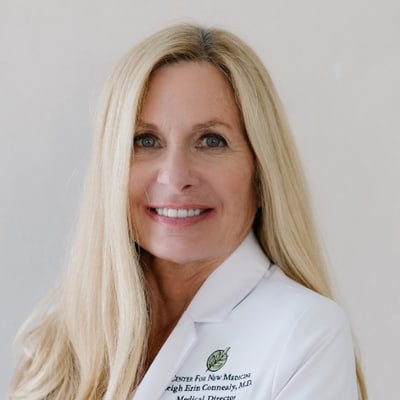
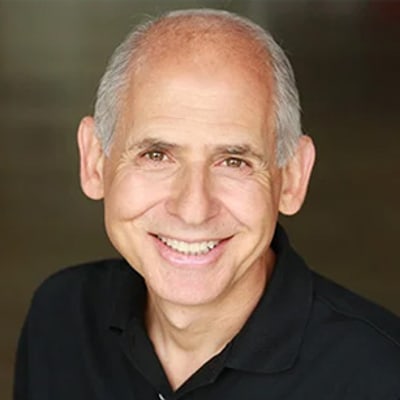
Skin Care Mistakes That Are Aging Your Skin (and Wrecking Your Hormones)
Transcript
Click a timestamp to seek the player.
¡Vamos! The 2026 Chevy Equinox is more than an SUV. It's your Sunday tailgate and your parking lot snack bar. Your lucky jersey, your chairs, and your big cooler fit perfectly in your even bigger cargo space. And when it's go time, your 11.3-inch diagonal touchscreen's got the playbook, the playlist, and the tech to stay a step ahead. It's more than an SUV. It's your Equinox. Chevrolet. Together, let's drive.
Pepsi Prebiotic Cola in original and cherry vanilla. That Pepsi taste you love with just 30 calories and no artificial sweeteners. Pepsi Prebiotic Cola, unbelievably Pepsi. Last night you spent 2 hours deciding what to wear to the party. This morning it'll take you 2 minutes to list it on Depop and make your money back. Just grab your phone, Snap a few photos and we'll take care of the rest. The sheer dress and platform heels you'll never wear again? There's a birthday girl searching for them right now. Your one-and-done look is about to pay for your next night out, or at least the ride home. Your style can make you cash. Start selling on Depop, where taste recognizes taste.
Pore-clogging ingredients are wrecking people's skin, and it's the most common fillers that every company is using for skincare, haircare, and makeup. So most moisturizers out there have pore-clogging ingredients. And when I say most, in my professional experience. I would say like 97% of them.
One of the trends online right now on social media is doing beef tallow. Gross.
We do not like this trend.
What do both of you eat typically for breakfast, lunch, and dinner to optimize your skin health?
So we're big proponents of maximizing digestion. Apple cider vinegar before meals, hot water with lemon before meals, sitting and chewing the food thoroughly makes a huge difference in your skin.
I didn't understand what birth control was actually doing to my body for 10 years. My My crow's feet are smoother than they were when I was 16, 17, 18 years old. What people need to know about Botox is that—
This NBA Playoffs with FanDuel, you're not just watching the playoffs, you're a part of them. Steve's got the phone, opens FanDuel, and he's going for threes. Be a part of the action on FanDuel. All customers get a Profit Boost every NBA Playoff game day. 21+ and present in select states. Opt-in required. Bonus issued as non-withdrawable Profit Boost tokens. Restrictions apply, including any token expiration and max wager amount. See full terms at fanduel.com/sportsbook. Gambling problem? Call 1-800-GAMBLER or 1-800-MY-RESET. Hey everyone, Dr. Axe here. Welcome to the show. Today I've got an incredible episode. We're going to be talking about healing your skin and looking and feeling younger. If you want to learn how to reverse acne, if you want to learn how to start to reverse and heal acne scarring, overcome rosacea, and overall just look 20 years younger, I've brought in two of the world's leading experts in skin health, Danielle and Kaylee, and they are the founders of Clearstem. They're experts in skin health. Stem cells for your skin, reversing acne and overall longevity and anti-aging in the skin. Uh, Danielle, Kaylee, welcome to the show.
Thank you for having us.
All right, well, I know that acne is something that people don't just suffer, suffer from in junior high and high school. Not at all. It's something that can affect women all the way up to menopause. Men deal with it as well. What really sort of got you guys focused on creating a skincare company and helping in starting your clinic, in helping people specifically deal with acne?
Well, we're both very acne-prone, and that's really important. Yeah, don't take advice— if you're struggling with acne, you should be getting advice from people that have gone through it and that are still kind of prone to it. That way they're like in it with you. So Kaylee and I were both in the struggle deep. Acne, there's a genetic component, but then there's environmental and lifestyle factors that determine how bad it gets and how long it sticks around, right? So I have a grade 4 cystic acne on both sides of my family. I never stood a chance. Um, so I was studying genetics, cellular biology, and immunology all through school and wanted to go into medicine. But at the time when I went to college, my acne flared like crazy, like cystic acne, face, neck, chest, back, back of thighs. Like, it was absolutely terrible. So I did the whole gamut of being on antibiotics and then stronger antibiotics and then birth control and then a different birth control, spironolactone multiple times, Accutane 3 times, and it came back every time. So this— fast forward to I'm 30 now. The third round of Accutane has completely failed. My acne came right back within a couple of months and I was like, screw this, I'll have to figure it out myself. So I enroll— I started looking for classes to just learn about the skin and you couldn't really take any professional classes unless you were an esthetician or in school. So I was like, all right, I'll enroll in school. And I was in the corporate world doing consulting, something totally unrelated. But when I got to esthetician school, I saw that treating acne was like the medical profession I'd always dreamed of but didn't know existed because it had never occurred to me to become an esthetician. So I started San Diego Acne Clinic about a year after that, after learning from all the top kind of people in San Diego and being a sponge. I started San Diego Acne Clinic and I met Kaylee as a patient.
Oh, wow. Yeah. Incredible. And then your background's in holistic nutrition.
Yes. I've always been so passionate about what you put in your body and the effects that it has. I was a student athlete all growing up, and I very quickly noticed, even at the age of 13, what I put in my body is how I would perform on the track field. And I was a gymnast too. And so I learned that so quickly. And so fast forward to my mid-20s, I decided to get off of birth control. I'd been on birth control for 10 years. I was put on it at 14 for acne and mood swings. I, I just wish I would have like gone to therapy. Um, I had divorced parents, I had mood swings, and so that's why I was put on birth control. So when I hit my mid-20s, I didn't want to be reliant on any medication, so I got off and my whole body seemed to backfire on me. I didn't understand what birth control was actually doing to my body for 10 years and how it could potentially have a repercussion getting off of it without supporting my body in the correct way. We now educate about that so much when people want to transition off of birth control, how to properly do it to potentially avoid, uh, a lot of the repercussions of breaking out. But I get off birth control and my whole skin just freaks out. I dealt with typical teenager acne, but nothing super aggressive, and this was aggressive cystic acne.
Yeah, I would love to talk about sort of the hormonal connection here and the, the gut microbiome connection, because I, I've, you know, ran a functional medicine clinic for years and taken care of a lot of women who— I mean, it— one of the biggest surprises that I had when I first got into practice was how many women were on birth control. I mean, it is absolutely staggering, and when you look at the statistics, it's incredibly high. The other thing that most women don't realize is they get on birth control is the nutritional deficiencies it causes.
No one tells you that.
Almost every single B vitamin, magnesium, these— what it does in shifting the good and bad bacteria in the gut microbiome. And so, most women when they get off it, of course, we know estrogen almost acts like fertilizer for microbes in the gut. But when you get off of it, what estrogen does and how that causes microbial overgrowth, and then of course, yeast is one of the biggest issues. But I'd love to hear from you guys in particular, what, what are some of the things you do maybe dietarily and even topically to help women as they're transitioning off of birth control?
When you get off of birth control, the most important areas to support is your lymphatic system and your ability to detox, aka sweating and bowel movement. So we first recommend lifestyle shifts, warm water with lemon in the morning. If you can do jumping jacks or rebounding or go for a walk and really get that lymphatic system moving, um, making making sure you have the ability to sweat, whether that's through sauna, working out, going out— we're in Nashville— going out in the humidity and going for a long walk, that can also do it. Um, but also making sure that you're having 1 to 3 bowel movements a day, because if we're not excreting all of that buildup in our body, it's going to come out somehow. And if it's not coming out through bowels and sweat, it's going to attempt to come out through the skin. And so those are the first ways we have people support their body. Once those are in check, then we discuss the supplement— supplement supports, but we don't want people going too hard on supplements, um, when their detox pathways are not open first. Uh, the first supplement we do recommend is our Mind Body Skin supplement. We did formulate that specifically for dealing with hormonal breakouts, and it can be an amazing transitional support getting off birth control and after.
And what, what are some of the nutrients you look to make sure people are getting as they're getting off of birth control?
Definitely supporting with their B vitamins, but it's important to not overdo it with B12. A lot of people just reach right for a B complex which will have so much B12 in it, and B12 is actually known to trigger acne. So that's a big one that we actually have people take a look at when they're struggling with acne. We have them make sure they're not overdoing it on B12, but we love pantothenic acid, we love like all the B— other B complexes.
Another one to support is is really overall your gut.
It doesn't have to be through probiotics. Probiotics are amazing, but making sure that you're eating gut-friendly foods and making sure you're not overdoing it with the processed foods that are going to continue to throw off your gut microbiome.
Yeah, it's really good. You know, one of the things I found is really good for— again, constipation is a big thing with a lot of people. Yeah. And I'll have them do a lot of fiber from apples and pumpkin. Those, those two foods tend to be really good for most people, even with autoimmune disease. And then doing some good, you know, collagen or bone broth protein, those sort of products.
I love that.
My breakfast, bone broth protein and a green apple.
There you go.
And we love apple cider vinegar too. Yes. Yeah. Apple. We actually have an apple cider vinegar tincture that kind of like the taste is really mild, but it still like hits you. And ACV in the morning can get you to poop right away. Yeah. Like it's great. Yeah.
Like, yeah. Yeah. You know, so some of the, the flavors, people don't realize how that impacts their, um, their gut, sour and bitter specifically are really sort of—
Oh, our favorite.
Activates digestion. There you go. Yeah, I love that. Well, so as you're saying, and by the way, the things that birth control really throws off, B vitamins are really at the top of the list that you hit on people need bacteria or good bacteria or feeding that, those, the good bacteria is another big thing. When you look at some of the other things, so there's obviously some vitamin, mineral, nutritional deficiencies that you try and address with patients. And then the other thing you mentioned is really getting those lymphatics moving, rebounding, walking, infrared sauna, all good things to get things flowing. What are some, maybe some of the herbals or other compounds you like both internally, but then I'd also love to hear from you, what are some of the things you really love and recommend topically?
So some of the vitamins and nutrients that you want to have extremely healthy skin and help your hormones kind of balance themselves, DIM is extremely helpful for most people. The right amount of DIM. If you take too It can kind of back— just like with anything, right? You want to have the right amount. So DIM is extremely helpful, especially for estrogen dominance, which is rampant. And then also having 5-HTP to manage stress. We really, really like 5-HTP. And then anything to support your liver and your lymph, that is your dandelion, your echinacea, your— that whole suite of like liver and lymph supporting nutrients that helps your skin directly and it helps your hormones directly. We're big proponents of loving the liver and that will in turn love your skin.
Yeah, yeah, there is so much the liver does that people don't realize, you know. I mean, the liver is one of the biggest hormone balancers in the entire body, especially estrogen.
You get, as you mentioned, we should have a holiday in this country that's all about the liver.
All about the liver.
Yeah, I love that.
Yeah, you know, I mean, there's obviously Heart Month, there's Cancer— I mean, there's all kinds of things.
Yeah, it's so overlooked because birth control is incredibly taxing on the liver. And so anything we can do, even when you're— if someone who's listening still on birth control and you know at some point you need to get off of it, support your liver now because birth control is so taxing on your liver. If you can just bring a lot of those more herbal supplements that Danielle listed off, um, also you can add in spearmint tea. That's a really good one to add in for hormonal support and liver support as well. Just get that liver supported while you're on birth control and also transitioning off.
Yeah. One of the things in Chinese medicine that causes breakouts is they'll, they'll call it liver fire. Is the actual terminology they'll use. And spearmint, as you mentioned, and then along with a lot of the bitter herbs, whether it's burdock or milk thistle or dandelion, those are all things that start to clear that liver heat and reduce the inflammation that the liver is dealing with. So, I love that. I think those are just phenomenal recommendations. One of the other things I really liked about the skincare you all have created, and I was saying this earlier, my wife is of the two of us by far, I mean she does I mean, 10 times is an understatement. She has done so much to care for her skin. My wife has beautiful skin and she does a lot. In fact, sometimes I get a little bit annoyed because I'm like, how long is she going to do her skincare routine? It is so long.
Just long enough to sleep for an hour and wake up and start her morning routine.
Exactly. And I'm just like, you know, this thing is like, I don't know how long, but it feels like it's a long time. 15 minutes, 20 minutes, maybe it's longer. It's a long, you know. And so my wife has done everything over the years from— she's done this herself. She's done her own I think they're called vampire facials where she kind of does like this microneedling. Yeah. Microneedling. And then she, we had a friend of ours draw her blood. She made it into PRP. So then she'll do this microneedling and stuff herself at home. She then has this jade, uh, roller and she does like gua sha on herself.
Um, she's doing everything right.
Yeah. She does all kinds of things and then spends a lot on like the, you know, the, the skincare. Mm-hmm. Um, But she started when she was 25. And like, I have a mother-in-law who's very similar and she's 61 and she looks like she's, you know, 20 years younger than she is. And so I think obviously one of the things I've noticed is there's a lot of people, I'd say especially millennials, who were maybe they're the baby boomers or the Gen Xers. They didn't start doing their skincare routines until their 40s or even 60s.
And they were out sunning. That was the generation that was out like putting like baby oil on their skin.
Oh yeah. And holding the towel out to reflect the sun even more.
Yes. And so they've done so much of that, whereas I feel like a lot of millennials have been more conscious of starting their skincare routines in their even late 20s, you know?
Yeah. And the education on sunscreen has been prominent enough to where, like, everyone knows you should be wearing sunscreen. And luckily, it's— most people are aware now that you should be using a mineral sunscreen, preferably zinc-based, so that it's anti-inflammatory and creates a bit of a shield and won't disrupt your hormones. So, yeah, that's the number one tip for anyone, whether it's acne, acne scars, anti-aging. A zinc-based sunscreen is the thing that makes everything else work. Yeah.
We are also big fans— sunscreen, mineral-based face, neck, and chest, but we actually love to leave the rest of our body free of sunscreen. Yeah. It's different if you're going to the beach in the high UV hours. That's super different, but we shouldn't be aggressively outside in the height of the UV hours anyways, like focus on morning and evening to get your sunlight, but we like to leave the rest of our body free so we can actually absorb and metabolize vitamin D.
I'm so glad you're saying this because I've seen other people that are whether it's dermatologists or nutritionists or estheticians who have said, you know, no sun anytime, cover your entire body.
Love the sun.
Use your vitamin D.
And of course, it's so important for the liver. Yeah.
I mean, it's— For serotonin.
Yeah.
Yeah. And your circadian cycle. Yeah.
We need the sun so much. We just like to protect our face, neck, and chest. Get a hat on, put a zinc-based SPF on, but leave everything else exposed.
I think that's good, balanced advice.
Yeah. And people are like, no, don't wear sunscreen at all. You need the UV. PVB to convert to vitamin D. Like, of course that's true, but it's all about surface area when you're having that conversation. Get, you know, protect your face, neck, and chest. But then I'm always wearing the shirt that covers my chest, but it's like a crop top, so I'm getting my, like, I'm getting my vitamin D through like tummy and back access. Like, that's my strategy. So yeah, like legs, torso, back, like arms, like that's the surface area that you want to get your vitamin D conversion from. It does not need to come from your face, neck, or your precious chest.
Yeah, you know, I think a lot of people for years thought that, uh, Of course, I never thought this. Most people that are holistic nutritionists or in the space never thought this, but the sun causes cancer. And the reality is, even when you look at the research, is that people that get more sun, if they do it in a balanced way over time, they have way less skin cancer. It's the people that go out and they just burn themselves. I mean, getting burnt is one of the single worst things you could do for skin cancer, for your skin.
Yep. And the craze of the tanning beds for so long. Oh yeah, like that's burning your skin, but you're getting no nutritional value from the sun. And so I feel like the tanning bed craze happened and burning your skin. And so, and then of course there's a lot of internal causes of skin cancer as well that have gotten completely overlooked in more of a modern dermatology route.
I love that. You know, one of my favorite sources of wisdom for health and nutrition is the Bible. And I love Song of Songs, love the book of Esther. Those are two in particular that talk somewhat about essential oils, about skincare routine. And I think it's referencing, you know, Esther went through like 6 months of beauty treatment before she got married, and they reference essential oils there. And one of the things that I noticed that you guys have done and recommended when you're working with patients, and I've seen, you know, whether you guys are speaking on podcasts or lecturing or just even in your own, you know, skincare products you formulated, you guys include a lot of amazing herbals. You know, one of the things that I really like in skincare, and I notice my skin reacts well to, is things that are more aloe-based rather than oil-based. I've noticed if I use anything that's really oily, my skin doesn't do well versus if I do things that are more like aloe or honey or— I mean, essential oils are fine, but actual oil, oil doesn't do well with.
Yeah, it would just sit on top of your skin.
Exactly. Yeah, it doesn't do well at all. But again, I love that you guys, the number one ingredient I see in all your products is aloe. And then there's some other amazing compounds that are like stem cells and other things. There's frankincense, of course, which again is probably the most widely referenced essential oil of the Bible. Talk to me about how you picked some of the different herbs you've picked for skincare and maybe some other different effects on, on the body.
Well, it wasn't from the Bible, although I love that and I want to learn more about what the Bible says about beauty treatments. Um, but it was from just traditional Chinese medicine and just really have a formulation kind of background. We formulated Cell Renew. That was the first thing I formulated. It was because my clinic patients— I had a lot of, you know, darker skin clinic patients, and the scarring would be the biggest problem. Even like a tiny little breakout would leave like a 6-month scar. And the things that you would do to get rid of scars generally, like an aggressive peel or, you know, some sort of laser treatment, like even that could scar them. So I'm like, we need to calm the skin down and heal it from a different way. The skin has to be calm in order for the scars to regenerate. We also need growth factors. We can tell the collagen that it's time to regrow and give it what it needs. And we also need some herbs that can kind of help fight that fire and those that have that cooling effect on the surface of the skin and somewhat balance the hormonal activity in the pore if we can. So that's where like willow herb and saw palmetto come in. And then there's turmeric for inflammation, reishi for adaptogen. So it was really just thought out for those 3 things that I wanted the product to do: to balance, to soothe, you know, maybe cool a little bit, and then to just regrow the skin. So that's what's different about our line. Most acne products dry your skin out and cause accelerated aging. Yeah, if your skin is chronically dry and your barrier is damaged, you're going to get UV damage faster and you're going to wrinkle faster. Basically, most acne products age you faster, but then most anti-aging products break you out because of the filler agents that all the companies use. So our line is right in the middle. It's anti-acne via anti-inflammation, and then it's also anti-aging with all the growth factors. Yeah. So it really— people come to us for the acne, but their skin just gets better and better, and then they're aging really well, like better than they have with any of their other anti-aging products. So that's why they stay with us.
Yeah, I would say one of the other things, again, I really loved going through the— I'm a formulator as well, more for for supplements than, than, than for skincare. But I did notice a lot of the ingredients in, in, in understanding why those can be so impactful for skincare. And I think I saw some of the TCM herbs. I also saw a lot of the Ayurvedic. You mentioned turmeric. The frankincense really is tend— I mean, that's Middle Eastern, but also Ayurvedic there a lot too. And then what was the other one I saw? I saw some rose in there. You know, a lot of those floral oils are just amazing for calming the skin.
You know, yeah, we chose the low sensitivity essential oils that have like a really good benefit. Um, using a ton of essential oils if they're not properly diluted in the right ratio of the formula can be irritating to some people, but in small amounts in the right formula, they're fantastic.
Now, now talk about some of the, uh, benefits of stem cells, because I think that's where you guys have really shined and really had a, had a great amount of your focus on how to heal acne, how to create younger looking skin is via focusing on supporting the body's own stem cell production and protecting stem cells. What led you all to really focusing on that stem cell piece of, of, of skin, of skin health?
Well, it's the epidermal growth factor, the EGF kind of suite of ingredients, and that can include different peptides. It can include stem cells. There's also really good data behind plant stem cells too. So we use a lot of these different types of epidermal growth factors because you want— you don't want to load all of them into one product. You kind of want them throughout your your suite of products, if you will. So our moisturizer has plant stem cells and bakuchiol, which helps stimulate collagen, similar to retinol but without the irritation that retinol can cause. But then our serums will have peptides. We have a serum that has 3 different peptides in it. And then there's plant stem cells and other types of stem cells in all of it. So the skin is getting everything it needs at every turn. And stem cells are the start of everything. So you want to make sure that you're nourishing them and protecting them. And then all of our education is low-key about how to preserve them in your own body like reducing sugar, reducing inflammation, helping your gut health, your liver, all of that. So it really is a like 360 protection of those core things that we need in order to age well.
Another reason why we found it so important is a lot of people when they're tackling acne, as Danielle mentioned, it's focused on products that are just aggressively drying out the skin, which then can create further and new damage and leading to scars and longer lasting scars. So when you can actually help the breakouts and the scar damage at the same time, and doing that through the epidermal growth factors, through the stem cells, through the peptides, you're doing both at the same time. You're helping the acne and you are halting a major scar from forming. And then if a scar does start to form, you're tackling it even faster. Yeah. So it's tackling both healing processes at the same time. So people aren't left with pigmentation and scar damage for 6 months after they cure their acne after they heal their acne or their breakout. So that's why it's also so important. And then ends— it also adds that longevity skin health aspect to it where you're not aging as fast or it doesn't appear to be aging as fast.
You know, I love that your mindset's very much like, we need to get to the root of why this is an issue in the first place. And I think that, you know, when, when, when you guys talk about people going from, let's say, having oily skin that's breaking out than over-drying. A lot of times that's done via people are trying to change it via a medication or maybe a conventional skincare product. And it's almost like sometimes it's like, okay, I'm gonna try and replace one bad habit with another or one bad product with another. It's like, I'm gonna switch from smoking to drinking soda. It's like, well, this is not fixing the actual problem here at all. And, and I love, and it's, it's all about environment, you know, changing the environment there as much as you possibly can. It's like, hey, if you want a plant to grow a beautiful Chelsea, my wife and I, we just planted, um, did, did a big garden this year. And so, you know, we were very strategic in terms of the soil we bought. And we, we were doing this mixture of, of certain types of worms with certain types of, oh, I love it. Mushrooms and fungus. Wow. With certain types of pima, you know, like so fun. So I did a lot of research on what is the ideal, uh, soil for a raspberry bush to grow in versus, you know, zucchini versus tomato versus, you know, other things. But it's very similar and, and it's different for everybody. Mm-hmm. You know, different for everyone's skin. Whereas I know some people have naturally more oily skin, some people have more dry skin. Well, are there any recommendations you have for people based on their skin type?
Yes, but there's a couple that apply to everyone.
Yeah.
And I'd love to share with those. So people are doing all of this, you know, amazing stuff for their skin, but if they're using hot water to cleanse their face or standing in a hot shower and letting that hot shower water be on their face, they're destroying their skin. Yeah. That is the thing that will keep you oily and dehydrated at the same time. You'll be red and you won't know why. Your rosacea will hot water is ruining everyone's skin. And the thing is, is it basically halts the healing response that you're trying to get when you go and do expensive treatments. Like, for example, you go do a high-heat laser, or you do even just microneedling where there is no heat, and you're going home and using hot water in the shower, destroying your skin and destroying the barrier. So that's causing people a lot of issues, and nobody benefits from doing hot water on their skin. So that's one. But then based on skin type, I mean, it really depends on If you identify as being oilier, you're going to do better with hyaluronic, hyaluronic-based things, aloe-based things. And those can be good for everyone too. But it's all about how you layer. So everyone's going to benefit from a hyaluronic. Everyone's generally going to benefit from an aloe blend. So doing thinnest to thickest in your routine and then figuring out what ingredients work best for your skin. Like if you're combating redness, you're going to want some like cooling herbs. You're going to want to avoid things that have like any sort of like pepper in them or anything like that. Or things that feel caustic, you know. So it's just about listening to your skin and layering thinnest to thickest with really good ingredients. And calming ingredients help everyone too. So really looking for those, like anti-inflammatory things, like a little bit of turmeric or some willow herb, that benefits everyone.
Yeah. And I've noticed, for instance, like my, um, my skin does really well with the aloe, with the things that are very cooling— aloe, rose, hyaluronic acid, all the things you're mentioning there. Whereas my mother-in-law, she's, you know, through menopause or in menopause, you know, she does well with the oil, you know, or doing well with the things that are more sort of, you know, moisturizing in that way too. So, obviously, there's a difference in ages. Any thoughts on that as well?
There's different— yeah, I mean, drier, mature skin tends to be a little bit more dry, especially when testosterone decreases. Testosterone is kind of like what fires the oil production. That's why guys, like teenage boys, tend to be like really, really oily and then it calms down. But women, especially after they go through menopause, their skin skin is notoriously dry, so it just wants to drink up everything. I still think layering thinnest to thickest with like a serum and finishing it with an oil, that's how you seal it in. But not all oils are the same either. So some oils like coconut oil are pretty thick and they have a comedogenic rating of 5, which means it's like the highest comedogenicity rating, very likely to break you out if you're acne prone. Then there's other oils that have a comedogenic rating of 0, so anyone can use that.
What are those like?
What would Hemp oil, which is one of my favorites. I get massaged with that. Oh, well, so organic cold-pressed hemp seed oil is fantastic. And then jojoba oil can be a 0 or a 1. It's usually safe for most people. Rosehip oil, amazing. Argan oil is generally safe for most people. And then safflower and sunflower. And then ours is actually watermelon seed oil, which is organic and cold-pressed, but it has comedogenic rating of 0. And we actually blended it with sodium hyaluronate, so it's like multiple layers of hydration because a straight-up oil, it's not the best for everyone. You want a nice blend or you want it to be on top of a thinner molecule like a sodium hyaluronate, hyaluronic acid.
So one of the things that surprises some people is you can have too much of a good thing. And, you know, today we're living in this world where vitamins and supplements are very popular. I do quite a few vitamins and supplements myself, but I'm actually pretty conscious anytime I'm buying vitamin and supplement brands, I'm buying things that are more whole food based, and that tends to actually be lower dosages.
Yeah.
And more absorbable. You guys had mentioned this earlier. Vitamin B12, high doses can actually cause breakouts. Yeah. And actually cause acne. It makes sense to me because your liver is having to deal with a lot of that. So, so every time you overconsume something, vitamin C, that's going to be your kidneys, right? So if you're overconsuming something, there's an organ that has to deal with that stress. Walk me through, are there any other vitamins, nutrients outside of vitamin B12 that we can have too much of that will actually cause breakouts or skin issues?
Yes, we love this question. So, so many women are getting high-quality supplements, they're just taking too much of things and it's not really matching what their deficiencies are. And then they get, you know, quote hormonal acne and then they go get put on spironolactone, but it's really being caused by their vitamins. So vitamin B12 is another one and I have seen, and experienced personally that levels of like over 500% RDV can be problematic. And it'll get you in your neck, right along your jaw. So it is, it looks like hormonal acne, but it's generally right along the jaw. I see that all the time. And when B12 shots were a thing, people would come in, like my phone was blowing up at the clinic when that became a thing. So that's number one. And then excess vitamin D, believe it or not, most people are deficient in vitamin D. We do not want to be that deficient. But if you think— if you get told you're deficient and then you go and get, you know, say it's like 800% RDV and there's no K2 and you just start taking that and you start taking that for a year, 2 years, 3 years, and you don't get your levels rechecked because most people don't, that's when you get the surplus because it's fat soluble and it can spike testosterone for some people. Vitamin D is also a hormone. It throws off other things if you're taking way too much of it and it's not being metabolized properly. Yeah, that'll get you in the goatee area. So excess vitamin D, I see you get people right where they're at, where they'd have a goatee.
So what's so interesting is, one, you know, if you ever looked at Ayurvedic or Chinese medicine face mapping, I mean, these are all areas like, you know, liver here, and then you've got things like in terms of, I think, like kidney, stomach, urinary tract in this area, and then up here this is more lung channel. Yeah. And so it's because you're, you're, you're overwhelming the organ with too much, even if it's a good thing.
Too much of a good thing.
Yeah. And the thing with vitamin D as your point, you have to have vitamin K2 and magnesium to even absorb it. And if not— if it's not absorbed, it's— you don't want it floating around in your body because it's going to cause imbalances. So I love that you're saying it. So B12 number 1, vitamin D number 2. Is there a third or any others that are issues?
Yes, excess vitamin zinc. And I see this every year during cold and flu season, and it was rampant during COVID Yeah. So too much zinc can spike testosterone. Testosterone is the key hormone that and dihydrotestosterone. But testosterone is the key thing that when it spikes can create hormonal acne, and it spikes throughout the day, and it spikes from various different things. By taking too much zinc, like a standalone zinc supplement, it's usually like 300% RGV. That's where you can start seeing hormonal acne around the mouth, and I see it kind of on the mustache. I don't know why it gets right there, but like on the upper lip, I've seen that from too much zinc. And then vitamin, uh, B7, which is biotin, that doesn't have so much of a hormonal impact, but it can make you produce excess keratin. That's why it's in all the hair, skin, and nails supplements. And excess keratin protein is one of the core genetic factors of acne in the first place. So if you've ever taken a hair, skin, and nail supplement, it can have like 10,000 to 80,000% RDV of biotin, and you start getting little bumps everywhere. Wow. Yeah, so those are the 4 main ones.
One other one that I— we feel is so important to mention, we've really only seen it become rampant in the last 2 years because so many more products are being formulated with it, and that's stevia. So there's a lot of research coming out right now that stevia in excess amounts acts as a progesterone blocker. So it's mimicking effects of birth control. By no means is it necessarily acting as a birth control to not get you pregnant, but it is linked to infertility issues through some of these studies and also linked to acne through some of these studies as well. Because of the hormonal impact that's happening by blocking testosterone.
Yeah, I saw there's one study on that that I've seen, and they were doing very large doses. Very, very large. Yes.
Um, but, uh, yeah, that's, that's the interesting thing about it though, is we're, we're now at the day and age where sometimes people are consuming up to 15 different products that have it. Understood. Yeah, their energy drink, their protein powder.
And so if you're drinking Stevia every day, exactly, putting it in your coffee.
So it is the excess doses and buildup. And if people are not detoxing properly— we've been seeing this a lot in blood work lately— people's detox pathways are backed up.
Yeah.
And so it's building up in the body over time. It's not saying that if you have stevia every single day for 1 week you'll start breaking out, but we're now compounding a year, 2 years, detox pathways are clogged up. And so again, it's coming back to the very first thing everyone should be doing is making sure those detox pathways are open. We're having bowel movements, we're sweating, we're getting it out. But it's just something to be aware of. We don't like to create fears of everything, and everything is in the dosages. Yeah. But just being aware of how many products throughout the day you're consuming with stevia, it's not a bad thing. It's just looking at how many things have it and just limiting it. Maybe it's your protein powder, like whatever that is, just limiting the amounts.
Yeah, I'm glad you're saying this. One of the things, and this is why I just, uh, this isn't me pushing back, this is me agreeing, but also wanting to clarify, is But I have people sometimes they'll hear stuff like this and like, I'm not going to do any stevia. And the reality is, is that I think generally stevia has been used for thousands of years. It was used in Native American medicine to sweeten teas. It's used in Japan. They also use it as birth control. I mean, it's used everywhere. Again, what you're talking about though is incredibly high doses. Yes. And it's been used as medicine in Asian medicine for thousands of years.
Yeah, in the buildup, the doses in the buildup for people that aren't—
Exactly. To your point, it's the very same thing. You shouldn't eat 5 cups of blueberries a day. It's just way, way too much for people. And so I think that's, that's where this sort of imbalance is. And, and, you know, I had a patient once— now this wasn't stevia, this was Splenda, this was, um, sucralose.
Yeah.
And they were doing cups and cups in baking. They had to be admitted to Vanderbilt, uh, because they got chlorine poisoning. Because if you— because if you have too much sucralose, it breaks down into chlorine in your body. And so anyway, to the point, there's always that 1% of people. Yes. That don't, you know, they'll, you know, they're the people drinking, you know, 10 Zevias a day on the hour or 20 cups of coffee.
We've been seeing that though, especially like with electrolyte powders. People will have 4 to 5 electrolyte powders a day and it's in their greens powder and their protein.
I'm actually, I have another patient I'm working with and it's a male who has prostate issues and kidney issues. And he started to have a lot of his kidney markers go up because he was doing so much— some of these electrolyte powders.
It's just too much.
It is. Yeah. And the other thing, you know, just, just to touch on electrolytes for a minute, you know, some of these, the most— the number one selling brand right now, they're a 5 to 1 ratio of potassium to sodium. Unless you are running a marathon or a triathlon, you don't need that much sodium. It's way, way too much. Most people need more potassium. They're much more potassium deficient. So a lot of these even products that are formulated today They're just grossly off. So people are, you know, sodium will cause your body to hold on to water. Potassium will release it. It's more detoxifying.
What ratio do you like?
It just so much depends on how much you sweat. If you're a person that's not sweating much, I like actually higher potassium and lower sodium because that's what you're going to get in fruits. It's what you're going to get in vegetables. I don't even really— I mean, so I want to hire— if you're sweating a little bit, A 1:1 or moderately, a 1:1 is probably more, more correct. If you're a professional athlete who sweats a lot, you could probably get away from a 2:1 or even a 5:1 ratio if you are like sweating buckets and buckets and buckets.
But it's, you know, that's so helpful for people just to hear and understand.
Yeah. I love that you guys pointed out the zinc thing because so many people, the zinc sales of products, I know this because I've owned supplement companies, the zinc sales went through the roof during COVID I mean, so, so high. And I like zinc. There's some people— actually, I've had people who had acne and they started doing zinc and it got better.
I mean, really, if you're deficient, if you're deficient, all about that Goldilocks. We don't want to be too low, we don't want to go way too high, right?
And the thing though, that people, if they do a zinc supplement that only has zinc, it almost always imbalances copper. And copper is an antiparasitic, it's an antiviral, it's probably— it's so where zinc strengthens the immune system It actually, if you decrease your copper, your body can't fight pathogens as well, like parasites, which can cause acne issues. So, I think just when people are buying supplements, buying something that's balanced, more food-based, more, you know, in that realm is always better.
We're such advocates of getting it through your nutrition. The whole carnivore diet had a moment and everyone's having steak for breakfast, lunch, and dinner now. That's like the diet crazes are just funny to watch. I follow the Blue Zone principles of some kind. So that is what makes me feel amazing. And I'm the most acne-prone individual like on the planet. Even today at 40, I'll still break out if I have like eggs are another secret acne trigger. Egg white protein can be a big trigger for a lot of people. If I have an omelet, I will literally wake up with a cyst like within 2 days.
Yeah, it's very— the eggs are very dampening and they're going to create that sort of excess moisture as you're talking about.
I love that you know that. Some people are like, no, they're a superfood, how dare you make me think differently about eggs. Like, they break people out like crazy.
You know, my entire career I've really tried to focus on personalized medicine because to your all's point, um, everyone is radically different. I mean, if I have somebody come in with inflammatory bowel disease, I have them eat almost all soup. If I have somebody with cancer— amazing. Yeah, yeah, in, in zero raw food, no salads, versus somebody with cancer, I might have them do a good amount of raw food. So just It's very dependent upon the person. And I think this is why the more in tune somebody can become in with their own body, watch what works for them. I think that's incredibly important. But there are so many women struggling with what you guys struggled with, which is acne. Walk me through like what, what do both of you eat typically for breakfast, lunch, and dinner to optimize your skin health?
I just started recently incorporating more soups like bone broth. I like to make a big vat of it at the week and then like as the week goes on, I'll just like change the flavor like each day by like adding turmeric or ginger. A really good like bone broth. Broth soup with like vegetables, carrots, celery. It's just what I like, kind of that like comforting chicken noodle soup feeling. So I do that, or I do chia seed pudding with like coconut yogurt. I do the cultured one. I'll add cinnamon, I'll add mint. I like to make the colorful thing, like everything has like 5 colors. I'm not hungry in the morning, and I do realize it's important to start your day off with protein, so I make a big matcha in like a big mason jar thing, and it has a ton of water, and I do a a scoop or two of the protein powder. So I'm getting like 30 grams of protein, if not more, right there. And then I go about my day. At 10:30 is when I'm hungry, and I'll make either like ground lamb or ground bison. I put something pickled, either pickles or pickled onions or kimchi, and then I'll do like some sort of herb like dill, cilantro. I don't eat a ton of carbs. I get that through fruit, fruit and vegetables. So I don't like do— I don't, I don't feel like I need grains. Maybe if I'm working out I'll add some of that, but it's generally like some really clean ground meat with a bunch green herbs, arugula, pickled things, and it's very fun.
Nice. How about you?
Um, I wake up in the morning, I drink like a big mason jar full of water first thing in the morning.
You guys have your mason jars?
Oh my, it helps me drink a lot of water because when I— if I'm ever traveling and I don't have my mason jar, maybe I'm at an Airbnb or a house with just a cup, I really struggle to get enough water. Cups are tiny. Yeah, and I always like— I, it's— I like use leftover soup mason jars. Um, but I'll drink a whole thing of water usually with a little bit of lemon. And then I have about 20 to 30 grams of protein through a bone broth protein powder, and I have that just blended with water. I've recently been eating before I work out. My whole entire life I always used to work out fasted, and I just feel like my hormones really want to eat before now, but not something heavy. So my body's been thriving having protein— bone broth protein powder right before I work out. And then after I work out, I might make another one, or I have like my favorite protein bars, Rawr Bars. They are like homemade out Wisconsin. Like, family— I'm obsessed. Yeah, they're like a whole food base, so I normally have one of those. And then I'll have my coffee after I work out. I love coffee, so I'll have my cup of coffee. Then lunch is normally just an herby salad, usually arugula. I'll just buy a bunch of random herbs, um, at the market, whether it's dill, parsley, mint, basil. Throw that in with some type of protein. It's usually whatever I made for dinner the night before, so whether it's like salmon or steak or chicken. And then dinner is typically a fish or a steak with an arugula salad.
I mean, that's a good diet. That's a clean diet right there.
Yeah. My family is actually Peruvian, and they do their biggest meal— like a lot of places in the world, which I think is healthier— they do their biggest meal for lunch.
Yeah.
They have time to burn it off, metabolize it off. I don't feel that good when I have a bunch of steak and then go to bed. So I'll try to do my heaviest meal. I do like almost a pound of meat like during the day. That kind of recipe I described. I'll just eat that throughout the afternoon. And then at dinner it'll like generally be fish or more soup. I like fermented miso, like the Okinawan.
Yeah. You know, there's a, the ancient Chinese medicine principle around diet is eat like a king for breakfast, a pauper for lunch, and a peasant for dinner.
I've never heard that. That's so spot on.
Yeah. They're very much like eat a, yeah, eat a smaller dinner because you wanna give your body so much time to digest and sleeping on. And, and, and also have a 3-hour block from when you eat. Yes. At least to when you go to bed. And then walking around your meals. Yes. And so those are, you know—
Love walking after a meal.
Digestion is huge for skin.
Yeah.
If you increase digestion, you know this, right? If you optimize digestion, you have a cascade positive effect on nearly every other system in the body. Would you agree with that?
Oh, yeah. 100%. Yeah. It's connected to everything.
Yes. It's really especially connected to people's skin. A lot of people aren't digesting their macros. And they think digestion, gut health, OK, probiotic. Where we see a lot of people have the issue is actually in the stomach, like not enough enzymes, not properly chewing their food, low stomach acid. That's where you don't break down your food and the chaos starts. So we're big proponents of maximizing digestion. Apple cider vinegar before meals, hot water with lemon before meals, sitting and chewing the food thoroughly makes a huge difference in your skin.
Yeah. Yeah. And part of that too is not rushing. Yeah. You know, of course cortisol is going to go up. I encourage people to not be on a tablet or a computer or your phone just when you eat. Just eat and just either look out the window or have the conversation with the person in front of you and just really take time to relax and not be working while you're in the middle of eating. And that, you know, that I've noticed this, if everybody would do this, if they would sit down and notice if they're doing something when they're eating, they will eat so much faster. If they just sit there and just take a few deep breaths, you will eat— it'll take you twice as long to eat, but that's what you— that's what you want.
And you end up eating so much less too. I have that issue all the time where I would just like shove a bite in my mouth, be looking at something else, I wouldn't even chew my food and I'd already have another bite loaded.
Yeah.
And I'm like, why can't I lose Wait, why, why is this such a thing in my family where like none of us are thin? And I paid attention to just setting the fork down in between bites and thoroughly chewing my food. I eat like a third as much as I used to, but I'm 3 times more satisfied.
That's so good. Hey, Dr. Axe here. I want to let you know about an absolutely incredible and cutting-edge line of skincare called Clear Stem. That stands for clear skin and also helping stem cell production. You know, I am a big fan of stem cells because they've helped me heal and regenerate my body. And now I want to do that not just internally, via my skin. If you've dealt with breakouts, you know that typical acne products, they dry you out, they damage your skin. While traditional anti-aging products tend to be all oily and clog your pores, well, Clear Stem is really different. It's comprehensive. Also, it's backed with rigorous scientific study— studies and evidence. And unlike other skincare brands, Clear Stem is dedicated to both product safety and efficacy, I would encourage you to discover Clear Stem, what I believe is the most powerful skincare line for helping acne and stem cells, helping you look younger. You can go to clearstem.com/DrAxe and use the code Dr. Axe for 15% off. You know, there are a lot of skincare treatments out there. I'd love to hear from you what you like, what you maybe think is overrated. Everything from, you know, laser therapy to— again, listen, you guys, you guys are going to tell I'm not that educated in skincare. I know some of the Chinese and Ayurvedic principles. I know the diet, but in terms of some of the treatments, so— but, you know, everything from vampire facials to Botox to the red, you know, red light therapy. What, what are 2 or 3 you're saying, I really like this, I really think this works? Here's a couple that I just don't think are good in the long term and aren't that healthy. Healthy for people.
Yeah, so then I love microneedling. If you have any sort of textural concern, whether it's wrinkles or old scar damage, anything where it's like the texture, microneedling should be your first stop before you go and do a laser. But why? Because it doesn't have heat and because it's the lowest downtime, so you have a shorter window of possibly hurting yourself after the treatment. Everything comes down to post-care, and the longer the post-care window, the more damage you can accidentally do. So microneedling, you can usually go back to your normal routine within 5 days. And there's no heat, so it's not going to really trigger melasma or trigger pigmentation concerns. Pigmentation concerns come when you add heat to things. So microneedling is great. Microneedling with PRP, even better. If you do that once a quarter, or if you're, you're like, I really, you know, I turned 40 and I want to really invest in my skincare, do a series of 3 of those. You're going to look very different.
Oh wow.
And there's very minimal like risk or downside. So I love microneedling. If you can afford the PRP part of it, because it is more expensive, it is worth it. Red light at home, fantastic. We love red light. Um, gua shaing is fantastic too. But as far as like in-office treatments, depends on what you're trying to do. I'm not personally a huge fan of really high heat lasers. Um, I pigment really easily and I actually got hypopigmentation where my skin turned white. Mm-hmm. And that's like pretty much irreversible. And that happens a lot. Um, or if you do a high heat treatment like a, you know, CO2 laser or something like that, it can be great temporarily, but then you notice 4 or 5 months later you're, you have melasma in places you didn't have before. So there's just a lot of downside that can come with super high heat treatments, especially if the practitioner doesn't know your skin. So, um, the— I, I just, I stay away from those.
Now what's it called where I— one time I went and got my, you know, a skin treatment done. This was a while ago, and it felt like they were taking rubber bands and like flicking me in the face.
That's an IPL. Or for you, you have a little more redness, so it could have been like— there's IPL, intense pulsed light. That's what you're describing. It feels like the rubber band. Yeah, was that to get rid of some spots?
Uh, yeah, I just had a little bit, a couple little red spots on the side of my face and my cheek. And so it was, uh, yeah, I mean, it wasn't pleasant, you know, it was not pleasant. I thought I was going to go and get like, you know, pampered, and it was, you know, rubber bands.
Yeah, no, no pampering with lasers. I know, it's a lot of crying.
Another reason why we don't like the CO2, and to what Danielle was saying with the high heat, is it causes fat ablation.
It can cause fat ablation.
And And people do that and then they may notice a loss of volume over time. So then they're going and getting fillers or injectables to re-put that volume back in. And so that's why we like the skin treatments without heat, like the microneedling, microneedling with PRP, because then you're not having that possible concern of loss of fat in the face.
I did that one time with my wife because she, again, she had done this regularly at home and it felt very cooling, you know, very the opposite of heating. Well, partly, you know what, the PRP we kept in our freezer. So that's probably why it felt so cooling. Even days after, I mean, it felt very— that was probably my favorite treatment I'd ever, ever done.
Even for folks with rosacea or other skin concerns, microneedling can be really, really healing. For ladies that want more of a lifting effect, I really like the ultrasound lifting technologies that are out right now. There's the old ones called Ultherapy. I used to perform that like 10 years ago and it worked amazing. There's a new one called Softwave that I've done and I love it.
Oh, you're using Softwave? Uh-huh. Really? Yeah. Ultrasound therapy is really useful.
Cool and very effective.
I, I recommend that a lot for orthopedic conditions. I've done it for injuries myself, uh, sprained ankles, things like that too.
Is it for sprained ankles?
Oh, plantar fasciitis is probably the single best thing because what it does is it helps break up, um, fascial tension. And so if it's the same thing I'm thinking, Softwave or shockwave therapy, um, I think it's the same thing.
It just depends on how many— how deep you're going into the skin where you're trying to hit, but it's pretty much—
I immediately need to research this later. I've had 3 leg surgery, so I have a lot of buildup in my ankle and knee, and I'm like, oh my God, I need this for—
yeah, for connective tissue, fascia issues, low back pain, knee pain, hip pain. I mean, it's— yeah, Softwave is amazing.
Okay, I'm gonna ask you where I should go.
Yeah, yeah, yeah, I'll let you know for sure. So what do you not like? What are some of the, you know, big skincare routines and fads out there you're just not a fan of? Long—
we're not the— I think we think Botox is to each your own, but But what people need to know about Botox is that it limit— it's, um, it can inhibit blood flow. And so it can cause inflammation because of that. Like, we want healthy blood flow to our face. We want healthy cell turnover. And when you're limiting blood flow in certain areas, you're not getting the most oxygenated blood to that area. So that can, over time, it can cause more inflammation, more puffiness, more inability for the lymph system to properly flow. And many times people are getting more and more Botox over time, and that's just building up more and more and inhibiting that blood flow in those certain areas. So that's just something for people to know and understand. Um, some people only get it once a year, and that way they can allow it to detox out, then they can get it again. But some people are getting it every 6 weeks, and I think that's— and again, we're back to the dosages of things. Um, it's just important to understand that aspect of it.
One of the things, just from a you know, maybe a male perspective is I think that a lot of women think that maybe they're doing it because one of the Jenners are or somebody else is doing it and they're doing it very young. I mean, I've seen women in their 20s and I— yes. And I'm just, just to be honest, like I thought to myself, I don't think you look prettier with what you've done. I actually think it looks more artificial.
Yeah.
And it starts to look the same too.
Yeah, exactly. Yeah, exactly. Everyone starts to look more the same. Yeah. I think it's, it's Yeah, I don't, I don't think it's ideal.
I've always felt that way. I don't like doing Botox at all, and it's just because I don't like how it makes me look, because I think you look cuter and younger when you're a little bit more excited and expressive. Yeah. And it can kind of— a lot of Botox, if you look at like the eyebrows that kind of aim down like the Angry Birds, like that's what happens a lot, is your eyebrows just start aiming down. And it's— if you look at like little kids when they're smiling and like they're youthful, like the inner parts of your eyebrows should actually be a little bit up Yeah, so I think that's where people go a little bit wrong. So they just look really stern and they immediately look older.
Wow.
I think another really sad thing— I had a 25-year-old the other day text me and ask if she should get under-eye filler, and it just made me really sad at, at such a young age, these concerns that people have. Like, under-eye filler at 25 years old? One, that is a very dangerous area to be poking around. So if someone is going to get anything under the eyes is it has to be an extremely, extremely vetted, trained professional because there's a lot of negative things that can happen when you're poking around that area. Um, but it just made me realize, like, girls are getting Botox at 18, 19 years old, calling it preventative, and we don't have a lot of long-standing research of these things compounding at such a young age because, to your point before, people were getting them in their 40s. And now we have women, girls that want to start when they're 18 years old. And that makes me really nervous.
Yeah. Yeah. It makes me sad. It makes me nervous. You know, the thing that I think when I see people get that done and maybe that's just with some of my background, but I think, you know, this was— I think the same with plastic surgery and often in some cases, not all, but in some is there's, there's a lack of self-worth, lack of self-value. There's an identity issue there. You know, that's, you know, that people are overlooking that rather than going to the thing that really they need. Need.
Mm-hmm. Yeah. And there's genuine dysmorphia from being on social media. Yeah.
Of course.
Yeah. Taking selfies.
Mm-hmm. Yeah. Well, I, I was, I'm, I'm writing a book now. I mentioned this with Dr. Wilco. We're writing a book together and, you know, we're, we're one of the chapters we really get into how social media, big tech has really created this sort of esteem issue. And, and, you know, the, the research on girls, especially in high school.
Yeah.
And so it's very, you know, the, the, the, the, the comparison of, you know, and all the filters and all the things ha, you know, it's like you, you, you combine filter with, you know, trying to get the perfect shot with Botox and all these things, and it's just not— it's not real.
Yeah, it's not real, and it does mess with people's heads for sure. I mean, I take a break from social media and I notice my thoughts are very different.
One of the biggest things that we focus on with Clear Stem is just helping to instill confidence and self-worth, because when you're struggling with acne, a lot of times you're at your lowest. A lot of people in our community are on SSRI depression, anxiety medications, and a lot of it is because of how much they're struggling with their skin too. And when we can help people clear their skin, it changes everything for them— the way they show up in the world, the way they feel. And it's, uh, it's also another reason why we love hosting in-person events, because we want people to look at people in the eyes, in the face, and meet in real life and really understand that they're not alone in this journey. When everything is done online it again perpetuates that dysmorphia, that feeling of not enough. But when we can bring our community together, they just feel so much more whole. They feel so much more seen and heard, and it really does help them psychologically. And I think that's one of my favorite things we've done as a brand is bring people off screen to connect, to meet in real life, and provide them the root cause education to clear their skin, because clear skin really changes everything. Not just clearing up your acne, how you feel about yourself and your whole body.
Yeah, it's huge. Yeah. If somebody has acne or severe rosacea or any sort of skin issue, it is— it makes you very self-conscious. It can be debilitating mentally, emotionally. There's no doubt about it. There's no doubt. You know, one of the things I've found over the years is that, um, it really depends upon the person on what tends to work. Like, I would just give you an example. In taking care of tens of thousands of patients, I've had it to where they've had acne and I started doing— just, we changed their diet, generally just got a little bit better and that— and it went away. I've had it where I gave them a zinc supplement, all of a sudden that went away. I remember one girl, what we— I had her just start doing more antioxidants, basically more berries, some superfruit powders, berries. All of a sudden her acne disappeared overnight. It just— it is so dependent upon— and then some, a lot actually, it's a stress thing. We try a lot of diet things and just all of a sudden when they were able to get the stress down One of the things I love about the focus that you all have had is it's very holistic. It's— we want to focus on stress, we want to focus on the things you're actually putting on your skin. We want to get the toxins out. We want to do the lemon juice and herbal tea in the morning. People see the best results with a protocol, with an overall life transformation of doing the diet, the herbs, the skincare, all of those things together. Is that something that you guys have practiced in your clinic in San Diego?
Oh yes. Okay.
Yes.
We're extremely integrative. When I, when I have a new person come to me for the first time, that appointment's 90 minutes. And we usually run over. It's quite the opposite experience of going to like a traditional derm with the HMO and your appointment's like 12 minutes.
Do you know the average visit is 7 minutes?
7 to 12, yeah, I know, right?
That's crazy.
And that's what we all experience. So yeah, 90 minutes, we go through everything you're eating, when you're eating it, what vitamins you're taking, when you're having caffeine. It's like a full traditional Chinese medicine dietary internal breakdown. Yeah, and then we go through what is, I have them dump everything on the bed that's possibly touching their skin. We go through all of them ingredient deck by ingredient deck pore-clogging ingredients are wrecking people's skin. And it's the most common fillers that every company is using for skincare, haircare, and makeup. There's like about 100 really common pore-clogging ingredients, but there's a lot more of them out there. But it's the fillers that are in these products and they're breaking people out. So we removed all of those from our— from the Clear Stem line that we are like, no pore-clogging ingredients ever. And that's why people get such good results because that's, that's why people are breaking out from the topic. It's, it's internal and external, but topically it's from pork larding ingredients.
Yeah. One of the trends online right now on social media is doing beef tallow. Gross. On, on your skin.
We do not like this trend.
Let, let, let me say this. I, I, I have a pretty, pretty, uh, let me give you the, I'll give you the opinion on it from a, probably a more of a Chinese medicine perspective. And that is it's probably not good for most people's skin unless your skin is very aged, unless you're very, very, very dry.
Mm-hmm.
And then it can be useful. And it can be— you'll do a lot better with it on your body than you ever would your face. Yes. So I actually have used tallow. For instance, I've had patients with cracked heels, and beef tallow was amazing. I mean, really, really good for those very, very serious deep dry stuff. But on your skin, it seems like that would be like— what is that a rating of in terms of that 0 to 5 rating?
It's a 2. So beef tallow is a comedogenic rating of 2. So for cracked heels, absolutely. Knees, elbows, go for it. For your face or anywhere you break out, if you're acne-prone, it's not going to be the ideal thing for you. Some people are like, this helped my acne. Well, that's— I had people say that, one or two. And then I asked them just out of curiosity what they were using, and they were using coconut oil. Coconut oil is a hard 5. So if something is perceived as helping, it's probably because it's better than what you were using, or your dryness was the cause of your breakout. So can it be helpful sometimes? Sure. Is it the ideal thing? Absolutely not, unless it's for your cracked heels.
Yeah, well, anytime you're clogging something, an area of your body, and again, different areas of skin are different, right? It's like, like you're pointing your elbows and knees, coconut oil, go for it.
Yeah, yeah.
Your face, you know, not, not, not so much. I love the name of your brand. Okay. Thank you. Clear Stem, clear skin and using stem cells. You know, stem cell-based ingredients. I have had stem cells. One of the reasons I believe I'm even sitting doing this interview, I'm walking in today, is because of stem cells. I had a very, really serious spinal infection, didn't walk for a year a few years ago.
Oh my God.
And stem cells, I believe, helped save my life, helped me heal completely. And most people that have skin issues have stem cell exhaustion. In fact, it's one of the 9 hallmarks of aging. Somebody aging too quickly is their body isn't producing enough stem cells. And so, uh, one of the big focuses on— and even when you look at the ingredients used in like the Japanese diet, there's a lot of stem— I mean, you know, astragalus is one. Yes. Matcha green tea is another. These are really turmeric, These are really stem, stem cell enhancing foods. And what stem cells are, just for anybody who isn't aware of this, stem cells actually become those new healthy tissues. So if you have skin damage, one of the reasons why it doesn't heal, that acne scar doesn't heal, is your skin isn't producing— your body isn't producing via typically your bone marrow, but it's not producing enough stem cells to help create that new healthy young tissue. And so what you guys have done in your products is you have created and put in ingredients that actually help go and create and produce more of those stem cells on the skin. So talk to me about sort of what caused you guys to sort of, you know, realize that stem cells were sort of this key missing ingredient for people healing acne scars and acne and, and helping heal the skin.
I think it's just my earlier training studying cellular biology, immunology, and genetics. Like, if you have any sort of background in that, you just fully understand. You just reverse engineer everything back to stem cells, just like you said. So preserving them, And utilizing them in whatever modality is beneficial for your concern is just really, really important. They've helped me with chronic pain that I've had. But that was through IV. So it's just different, right? Yeah. Yeah, we have to go to Mexico for that. It's funny that in Mexico is where it's legal and regulated.
Well, at least we can do it in skincare. But yes, for that, yes.
Yeah, definitely. Yeah, we just have a full and a very integrative and whole body approach to understanding skin conditions, especially ones that are as complex and multifaceted as acne. But there are some things that are true for everyone. Taking care of your stem cells is one of them.
Yeah. And we always found it a bit confusing why no acne lines were focused on healing the scar.
Damn it, they're all like benzoyl peroxide.
I just wanted to dry you out and then kind of leave you with that, because the marketing approach is you do acne and then you get acne care, and then you do anti-aging. In the beginning of years of Clear Stem, we had so many people try to give us advice and say, you have to pick a lane. You have to either do acne or anti-aging. You can't do both. You're going to confuse the customer. Where are they going to put you on retail shelves? What section? And we were like, no, that's the whole point. The whole point is no one's tackling both at the same time, and you can have such better results and faster healing when you do both at the same time instead of just focusing on drying out the skin and then trying to use anti-aging after. But then, as we've talked about on the show already, that a lot of the anti-aging products have the filler ingredients that just break you back out again. So you're in this vicious, vicious cycle of acne. And when you've exhausted that, you go to prescriptions, and then you're doing spironolactone, and then you're doing Accutane, then you're in that vicious cycle. So we can stop it all just by helping the acne and the scar damage at the same time. Stem cells and our epidermal growth factors have been so helpful for people's skin, doing it both at the same time.
Yeah, it's so powerful. You know, I've done a lot of research on stem cells, and they're highly anti-inflammatory, so that's going to reduce the inflammation that, you know, is there with the acne. And they're the most regenerative thing you could ever take in terms of if you really want to create new and healthy tissue, look younger, reverse biological age. There's really nothing more powerful. So I was so excited to have you both on because I hadn't seen anybody who was really tackling acne and different skin and anti-aging from this sort of stem cell, um, from, from using stem cells in this way. Talk to me about just a couple of your products in terms of that you guys recommend that use. Now, I used, uh, used one here, um, just, uh, you know, just recently and was just so impressed. As I mentioned, I love that there's so much aloe. I love that there's the stem cell ingredients, a lot of these amazing herbals, everything from frankincense to, to rose to turmeric. I mean, just really amazing Uh, walk us through maybe 3 of your products or so that, that are really, really effective and maybe what's in there that making them so effective.
Top products if you are Clear Stem curious. Number 1, our moisturizer. So most moisturizers out there have pore clogging ingredients. Like everyone's lotion breaks them out. And if you have chronic acne, you're terrified to moisturize. Like, you know that feeling.
Yeah.
And they're not wrong. Most moisturizers have pore cloggers. And when I say most, in my professional experience, I would say like 97% of them. I'm shocked if I find a random lotion that is randomly acne safe. So ours is completely free of pore cloggers, and that's where most people should start because very likely that their moisturizer, their current one, is causing them problems. So you start there. My other favorite one is our sunscreen. It's called You Are Sunshine. We want people to go get sunshine. It's 21% zinc.
Wow.
And it has gotu kola and green tea, some other Ayurvedic calming ingredients. And it creates this little blur effect that just kind of instantly boosts your confidence if you're dealing with like redness or anything like that. So those are my two favorites.
I love our serums. Our serums completely changed my skin. I used to deal with really dry textured skin, just more dull looking, and I didn't realize how many things I was doing that was clogging my pores with skincare, with makeup. So our Clarity Serum, it's our mandelic acid serum. Mandelic acid is the Goldilocks of serums, so it's not gonna dry you out like crazy like a salicylic, but it's not as harsh as a glycolic that can potentially cause a little more sun damage and just can be a bit harsh for everyday use for people's skin. Mandelic acid is that perfect sweet spot. It also helps to stimulate collagen. It gets in, it gets in your pore and physically dissolves the clog. So it gives the appearance of smaller pores. We all know you can't physically shrink and change the size of pores, but you can change the appearance of it by eliminating the clogs that are essentially keeping your pore more open. So it dissolves the clog. We also have turmeric in there, vitamin C, so it's very brightening. I love that. And then our Bounce Back Serum with all of our peptides in it, it absolutely changed the lines on my skin.
I used it, I really, really—
oh, that's my third favorite.
Yeah, it's helped like my crow's feet because I have blue eyes, so I'm so used to squinting all of the time, so I always had really aggressive crow's feet even from such a young age. My crow's feet are smoother than they were when I I was 16, 17, 18 years old. And also the scrunchiness that comes kind of on the, in between my eyebrows smoothed out as well. So our Bounce Back Serum has been transformative for my wrinkles.
That's so great. Yeah, I saw a lot of those stem cell ingredients in that product too.
I was really, really impressed.
Yeah, Bounce Back is our, it's nicknamed our no Botox serum because I made it because I don't like doing Botox. So I made it for wrinkles and it really works.
That's so good. Well, Danielle Cayley, thanks so much for coming on. This was really, really wonderful. Again, I wanted to have a discussion because so many people are struggling with acne and rosacea, and just— and so many people, their skin is aging prematurely. Yeah, you know, we want to look younger, and sometimes we look at people and we think, wow, it's amazing. I'm thinking about— well, this is a male, Robert F. Kennedy Jr. I'm like, wow, you're— and my own dad, my dad's 75, probably looks like he's in his 50s. And so that's, that's what we all want, right? We want to look 20 years younger, we want to feel 20 years younger. And so you guys have really created an amazing product line and educating, and I know you're clinic in San Diego as well is doing some amazing things for people. So thanks so much for coming on and sharing your wisdom today.
Really appreciate it.
Thank you for having us.
And I do want to mention the women here were so generous in offering 15% off any of their products. If you want to go to ClearStem.com, again, that's ClearStem.com. And if you type in Dr. Axe, it's D-R-A-X-E, once you go to ClearStem.com, you can get 15% off their products. Enjoy those and help you look younger, feel younger as well. They're, uh, again, so grateful for you. Thank you for subscribing, for sharing. You know, there's a lot of people out there that don't know the truth about sunscreen, the truth about stem cells, the truth about acne. There's so many people suffering, and their self-image is suffering, their self-esteem is suffering. So really wanted to get this episode out because there are millions of people that need to know the truth about how to have beautiful, healthy skin the natural way, based on science, based on ancient medicine, in. So I've really enjoyed this episode today. I hope you have as well. Thanks for sharing. Thanks for subscribing. I'll see you on the next episode.
The Dr. Axe Show is educational and not a substitute for care from your clinician. Disclaimer