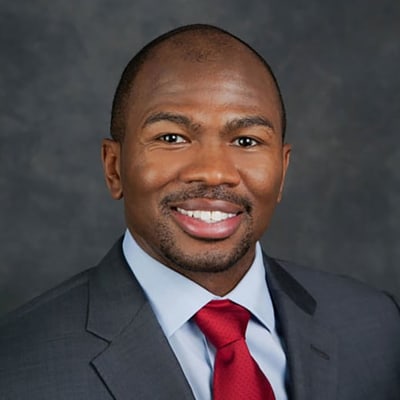
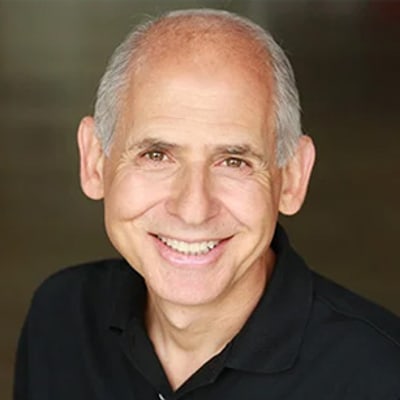
The Art of Leadership is NOT What You Think with Patrick Lencioni
Transcript
Click a timestamp to seek the player.
If your motive for leading is service and responsibility, that's good. If it's for what you get, if it's your rewards, it's really bad. So the first thing is, are you humble? And are you motivated by the service of others versus yourself? Second is the least important, but it's important, and that's wisdom in the sense of acquiring knowledge, reading books and learning things and adding, you know, arrows to the quiver of what you know. We tend to worship that. And it's really important to know how to lead, but if you're leading for the wrong reason, if you're not humble, all you're doing is putting very dangerous arrows in your quiver. And when you shoot them, it's going to hurt a lot of people. The third one is courage. And this is what's lacking the most in our society today. Courage. You have to have courage today as a leader, which means you have to be willing to lead even at the prospect of suffering.
Hey everyone, Dr. Josh Axe here. Welcome to the Growth Lab Podcast where each and every week we cover the science behind how to grow yourself, your your health, your wealth, your career, and your relationships. And today we've got a great guest, uh, that I'm a big fan of, Patrick Lencioni. He's one of the most well-known and respected voices on business and leadership and how to grow yourself. He is the author of 13 books, which I've read a couple of them, and he sold over 9 million copies of his book in 30 different languages. I want to welcome today Patrick Lencioni to the show. Pat, thanks so, so much for joining me here today.
Well, Josh, as you know, I speak all 30 of those languages, so I think that's pretty impress— no, I don't. I didn't know there were 30 languages in the world. So that's, that's a funny thing. And I was gonna ask you why you haven't read all of my books.
Well, you know what? I should. Well, I, so let me say this. So, so I, I went to Johns Hopkins University. I earned a master's in organizational leadership. Wow. And one of the required readings was your book, The Ideal Team Player, right? So, I read that book. Now, I wasn't forced to read it. I actually had read it previously, so I've read it twice. And it was such a phenomenal book. And if anyone hasn't read any of your books, they should. They're so well-written. They're easy to read. But also, you know, I think all of your books have this element of helping people grow to their highest potential. As a leader. And I think one of the first questions I have for you is sometimes when people hear the word leadership, they think, oh, that's for a CEO, or that's for an executive of a company. That's not for me. But my experience is we need to be leaders every day in every area of our lives. Like, I, you know, just left doing a lunch with my, my wife and daughter. I have a 3-year-old, and it's like, I need to be able to lead my 3-year-old daughter well. Talk to me a little bit about your idea of leadership and how it can be incorporated in a business, but also even in our, you know, our families and our everyday lives?
Well, so it's really about influence, isn't it? You know, and having influence in your own family, in your church, in your school, in your business, whether you run that business or not, is important. And I think that's really important to understand. There's two kinds of leadership in some ways. There's formal leadership. I have a title and therefore I do this. And then there's moral leadership, moral authority. You know, and I think that the moral authority is the more important one because it's one thing to say, "I can make you do this because the bylaws say this," or because this is what the legal indication is. The other one is you can go to somebody and say, "I want the best for you. My intentions are good, and what I'm about to say is in your best interest, so I want you to listen because I think this could be good for you." Now, I think in the world, moral authority is far more important, and Some people won't exercise it if they don't have formal authority. And you see people say things like, well, that professor has tenure, so I can't do anything anyway, or who am I to do that? And it's like, no, you're a person of influence. And if your intentions are pure, your job is to lead others to truth and goodness and beauty. And that's something that everybody has to embrace. And then sometimes you get also into a position of formal authority. But if you don't know how to exercise moral authority in humility, When you get formal authority, it's going to be hard to do that well.
You know, there's an interesting question that was posed. I remember this, it was, uh, I took an ethics course at Johns Hopkins as well, and, and one of the, one of the professors asked the question, did Hitler display leadership? And it's, it's interesting because he gets into that leadership is a virtue, it's a positive quality. Now you could be a leader, but the actual term leadership is something that moves towards the good. And so if you're displaying leadership, you're actually doing something that's towards you know, loving God, loving people, making Earth a heavenly place, actually towards the good, which is something again I, I love about, you know, your work and a lot of what you teach. But this is something we're missing today because think about— you said the word influence. There's so many influencers today, but they're leading people towards the bad, not the good.
Well, that's the thing. And we live in a society that says nothing is true and good anymore. So like, like, I know Hitler is an easy one because everybody has, oh yeah, he was evil and he did all these things, but But frankly, if he were around today, there would be people saying, well, I mean, you know, who's to say what's right and wrong? And we don't know that, but we're so condemned to repeat the past because if we don't understand that there is an eternal good or a truth, then anything goes. And yeah, I mean, we— that's how he rose to power, is nobody said no, this is bad. And so in a world of what we would call moral relativism, It's really easy for a person to look like a leader and to be leading people to bad things. I, I don't like the term servant leadership because I think all leadership should be servant leadership, right?
Yeah.
And that's the problem. We tend to say, well, that person's a servant leader. They're not, but they're a leader. It's like, no, they're leading for themselves.
Mm-hmm.
And we have a real problem in the world today. Whenever I go to a graduation, Josh, and I hear somebody say, go out and be a leader, change the world, I wanna stand up and go, no. Unless your intentions are pure and you recognize that some things are good and other things aren't, then that's really, really dangerous. And I think we live in a dangerous time where people think leaders are influential, but it doesn't matter how they influence people. And I think that's— yeah, yeah.
It's like, hey, just get big at all costs, right? It's like, hey, the, the more followers you have, it doesn't matter if it's towards good or evil. And we see this with the rise— I'm going to give example, I'm going to say a few things, maybe semi-controversial here, but I look at somebody like Andrew Tate, who has really, you know, grown in popularity, and certain other people. And by the way, I think part of his message is good, but part of it and part of where he's coming from isn't so good. And so I think, but it's like, well, he's having influence, so that's leadership and it's good. But it's, it's not, it's not always that.
I just turned to one of my sons the other day. I said, I don't know much about this guy. He's crazy, isn't he? Like, no, he's definitely crazy. And yeah, even a crazy guy gets some things right. I mean, Hitler probably made the trains run on time, but it freaking doesn't matter cuz he was doing horrible things.
Right?
Yeah. And I, and I will say so many leaders in the Silicon Valley are, are to me people of influence and, and power and wealth, but they're doing things that are destructive and people don't wanna question them cuz like, well, they're famous and they're rich, so they must be doing something right. And it's like, no, that's, that's not, that's not good.
Well, well, well, to prove your point, this is why this is so essential. I, I read a study recently, this is a, I believe it was a Harvard study and they found that 40% of CEOs today are fired for moral failures, where 35% are fired for lack of performance. So, if you think about why CEOs are losing their jobs today, more of them are losing their jobs for— you hit it nail on the head right at the beginning here— moral issues, not even performance. And so, it's a major issue. And we look at government, we look at education system, we look at churches, we look at a lot of places today. And the issue isn't performance, it tends to be, are you aiming towards the good, right? And that's the thing people are missing.
Actually, I would question that, 'cause it depends on what you determine to be moral failure. What is moral? And like I said, these CEOs in Silicon Valley don't get fired for moral failure because their morality fits the morality of society. And yeah, occasionally somebody does something that everybody agrees is wrong, But more often than not, I mean, if you look at politics, morality is, I don't even know what it is anymore. And so, so maybe that happens in certain places, but when they say moral failure and if it comes from Harvard, I would question, well, what do you think is moral and, and not moral? So I wouldn't just accept that on face value at all.
Yeah.
Yeah.
I, I, I do think, and I, I think the, the largest grouping of that was things like sexual harassment. It was— it had to do with some sort of, you know, sexual issue.
But— Oh, I see.
I see. But I'm sure there's a percentage of it that wasn't.
Right, right. And it's so interesting. I mean, it gets harder and harder as a society for us to even determine what is unacceptable and what's acceptable. And you see this in what's happening with our children and the way they're being raised and the way they're being taught in schools. I think there's some fundamentally immoral things that we're teaching our children, but teachers aren't getting fired for that, and principals aren't getting fired for that, and that's one of the problems we have in our society, is that we can't even decide what is good and moral. So yeah, okay, if you were to rape a woman or sexually assault a woman, that, okay, we all know that's bad. But goodness gracious, there's so many other things that are really bad that happen, and people go, "Well, that's their own decision," and it's like, well, is that good or not?
So can I tell you why that's so interesting, even that question? And as severe of a thing as that is, as I've gone and studied a lot of history, that wasn't always considered an actual evil thing, which is, which is, which is crazy enough, some of what you're saying. So, so to, to your point here, there has to be some sort of standard about what is good and what does real leadership look like. And, you know, I know for myself, and I, I, I believe you're in line with this, you know, there, there is a, there is Judeo-Christian values that that's why we even believe that today. Why? That's why we believe that racism is evil. It's why we believe that, that, that, you know, uh, in women's rights and some of these things even 200 years ago that weren't into effect. And so that, that's the reason. But it's so interesting because everybody's like, get rid of the Bible, right? Move away from those values. But it's like that, that's the standard we should be living by. And if you remove that standard, well, who decides what the standard even is?
Exactly. And, you know, and the founding fathers knew this. They said, when we set up this country, if there is not a moral people here— and Tocqueville, I loved Alexis de Tocqueville. He came here and he said, America is a great country because these people believe and they want to do what's right and good, even if they can get away with doing something bad. And when you, when you kick God and, and truth and core goodness out of society, Everybody decides, well, I'm God, then I get to decide what's good and bad. And that's why we see such a divergence of behavior that's considered acceptable. And, um, yeah, I mean, this is the greatest threat to our society, is moral relativism. Nothing is good. And remember what Pontius Pilate said to Jesus? Truth. What is truth? And that's the recipe for the destruction of a society. Yeah.
And so as we're getting into this, is really where leadership starts and where it ends. It's really, it's important that we have, you know, Aristotle used a term when he talked about the good and it was sort of this term around archery about what the good is. And so, you know, I think people need to know, okay, what's the— and by the way, people are hungry for this today. I look at a book like Jordan Peterson's book, 12 Rules for Life. Why is that? I think I just saw it has 10 million copies in print. It's selling like crazy. Why is that book so popular? Because a younger generation, Gen Z specifically, they're like, well, I don't know where to aim. Well, 12 Rules, okay, that gives me an idea of what my per— you know, it gives me an idea of at least a starting point for some sort of purpose or how to be a good person in this world. And I think people truly want to do good. People want to live with purpose. I read another study that said only 25% of people today actually know what their purpose is. And so that's another important point. So let's talk about this with leadership a little bit more. So, so, so where do you think people need to start if people are listening to this and and they're saying, you know what, I want to be a better leader. I want to grow in my leadership ability to influence my family and my workplace. Where do people start in terms of saying, I, I want to grow as a leader?
I think there's 3 things. If you want to be a leader, you have to have 3 things, and they're, they're different levels of importance. The first one is you have to have humility. This is critical. You know, this is the chief virtue. Humility is that it's, it's, um, I am not the center of the universe. I— it's about serving others. And I, if I'm humble, I know that I'm good at some things and I should acknowledge those things and they're gifts that I've gotten from God. And, but I'm not the most important person. I am here as a, in a responsibility to serve others. If you're not humble, becoming a leader is dangerous cuz it's going to be about you. So humility is the first thing. Purify your intentions. I wrote a book called The Motive and it said if your motive for leading is service and responsibility, that's good. If it's for what you get, if it's your rewards, it's really bad. And I've had people read that and go, oh my gosh, I've been leading from a reward-centered perspective. I need to stop. So even, it's not like a black or white thing. People can slide. So the first thing is, are you humble? And are you motivated by the service of others versus yourself? Second is the least important, but it's important, and that's wisdom in the sense of acquiring knowledge, reading books and learning things and adding, you know, arrows to the quiver of what you know. We tend to worship that, and it's really important to know how to lead, but if you're leading for the wrong reason, if you're not humble, all you're doing is putting very dangerous arrows in your quiver, and when you shoot them, it's gonna hurt a lot of people. The third thing, and I want people to listen to these and say, which of them do they have to work on? The third one is courage, and this is what's lacking the most in our society today. Courage, because even saying and leading towards something that seems inocu— good, and clear is being attacked. And people are getting canceled for saying things that 5 years ago and 10 years ago and 2,000 years ago, people were like, oh yeah, of course that's good. So you have to have courage today as a leader, which means you have to be willing to lead even at the prospect of suffering. Mm-hmm. And I think in our society today, so many leaders, it's, it's so crazy. Josh, there's people in other countries that will risk their lives, their livelihoods, their freedom for speaking truth. And here, people won't speak truth just because they might get unliked online, or not invited to a cocktail party, or condescended to in the public square or at work. So courage is the one I think is lacking the most today, but it needs to be based on humility and wisdom But then we have to take a stand, whether it's— and courage might just be having a difficult conversation with a colleague about their performance. Courage might be standing up in front of your company or in front of your congregation or in your neighborhood and saying, I can't abide this. Or it might be personal courage of looking in the mirror when you're on your knees and just saying, I'm not doing what I should do. But courage is what is lacking today more than ever. It's probably been true since the beginning of time. But I am amazed in Western society how afraid people are of relatively innocuous punishments when there's other people in the world that are willing to have courage with very, very serious, painful consequences. So, so those are the three things: humility, wisdom, and courage. Courage being the most lacking, I think.
That's so good. You know, those are three of the, the, the, the seven, uh, uh, you know, virtues, um, that, that are, you know, that, that people have talked about, everybody from, you know, starting with Aristotle to the Apostle Paul and others. I mean, just so, so critical. And this really ties into what you said at the beginning. It's really about growing our virtues. And for everybody here, virtues are what make up your character. So you think about if somebody has good character, you think about, okay, how strong are they in these virtues? And it's just, it's such an important thing. And I think, you know, as we— I think it was very eye-opening for a lot of people as we went through the pandemic. And there were different, you know, it, you know, there's a— now, I didn't come up with this quote, someone else did before me. I'm not sure who it is, but crisis reveals character. Right. Yeah. And that's the thing is when you're really pressed, when, when it's about when something, you know, if it's a relationship and money is involved or something like that, there are certain things that really just start to reveal character. And I think we need to know the principles we abide by before we get in that situation. I think one of the things I think about as we had talked about this, Pat, is that, you know, when if you remove Judeo-Christian values out of the picture and you say they're not there anymore, Okay, well, what are the, what are the standards now? Okay, so it's asking sort of— we, we went there. So, you know, what's the new standard now? So I think people need to understand is you need to be principled. You know, the opposite of being principled, being unprincipled, is— well, an unprincipled person is like unethical if you look it up in the dictionary. So one of the questions I have for you is, is that as people look to grow as leaders, how important are Knowing principles, what, what are some ideal principles and how important is it that we know them ahead of time so we know how to react in a crisis-like situation?
Oh, it's critical. And our country's character was tested and failed during the, the COVID thing because we didn't, we had, we saw what happens when you lose those principles and everybody's kind of living on their own thing and it became divisive. It came controlling and freedom was lost and kindness and, and courtesy and, and empathy. It, we really failed that test and that's because we don't have any core principles anymore, we have to ask ourselves as a society, we need to in our organizations, in our families, what do I believe to be true that will guide me no matter what the circumstances around me are? And this is what in a company we call core values. You know, what are the 2 or 3 principles that no matter what the market is going to reward me for, I'm going to stick with that even if it hurts me because that becomes who I am. And, um, And I think what happens is when there are no core principles, it deviates toward pragmatism and power. I think it's really worth, I love talking about this, I feel like I'm in a liberal arts conversation here. People don't realize Hitler, Mao, Stalin, the people who killed the most people in the 20th century, all did it under the auspices of what they called good. They weren't saying, hey, I know I'm evil, I'm just gonna do this. 'Oh no, this is good. This is for the greater good.' That's what happens in communist countries today— North Korea, China, Venezuela, Cuba. They think they are noble. And so when there's no core principles, like that we are made in God's image and that we're meant to be free, well, then leaders can put anything on people and do it. They actually say they're doing it for moral good. But of course, when there's no principles around morality. And as people, we have to know what those things are too. But if we say, these are my principles and I will sacrifice them when I get punished for it, then they go. And that's the thing we have to— that's why courage is so important today. I think that people are like, I just don't want to get hurt for being true to who I am. And, and, and by the way, there's people listening to this that aren't Christian or aren't of Judeo-Christian background. I, you know, this guy Vivek Ramaswamy is running for president right now, and he— I don't think he is— yeah, but he actually says we have to know who we are. And I'm amazed at how he articulates this, even though he might not consider himself to be in that religious group. He knows that we have to be built on something. And, and so people that are listening to this, as a Christian, as a follower of Jesus, I would never say something— I'm going to force you to follow Jesus. God doesn't force me to follow him. I'm— I share my faith with people because I think it could be good for them, but I will not hurt them. I will not punish I will not condescend to them, and I will not ignore them because they don't agree with me.
Well, you know, I'll say this with Vivek Ramaswamy, like he, you know, he's Hindu. And so, and he has these really powerful, great core values, right? And so, I mean, he at least has principles that he lives by. And I've been very impressed with him. But even on the other side, let's talk about like, you know, Robert F. Kennedy. He's somebody I think that, you know, if you're comparing him and Joe Biden— and I didn't mean to get in politics here, but just to give an example, you know, as we're talking about this, Robert F. Kennedy has principles that he actually believes in and he abides by, like a very principled person. Where I look at someone like Joe Biden, some other people, there are no principles. It's everything goes.
Yeah, it's actually whatever people are telling me that I think the wind is blowing, I want to be well-liked by the loudest voices.
That's right.
And that is not leadership. That is not leadership. Leadership doesn't mean you're always under attack, but it means you have to know that my job isn't to avoid the attack, it's to persist, persevere, to love people in truth, no matter what. This is another key point, is that love requires grace and truth. And as a leader, and this is a hard thing as a manager, I mean, I'm going through this right now in certain things, It's like, I want to be kind to the people I lead. That's so important. But I also have to be truthful about their behavior or their performance. And if I'm kind to somebody, if I give them grace, but I'm not truthful, I'm actually being cruel because I'm hurting my organization and I'm hurting them because they're not learning and they're not getting better. But if I'm truthful, I just tell people the truth without kindness, that's cruelty too because it's just like in your face. We need both grace and truth. And without either, without both, it becomes cruelty. And a leader has to say, I'm strong enough to tell somebody the truth, I can do so with grace, and that means I'm leading out of love. And, and I do think love is at the center of leadership, true love.
I love that. You know, there's a book I read years ago, part of, and it was called Yin Yang Leadership, and it was all about this. It was a very similar idea, and it comes— it was a book on Asian leadership philosophy, uh, but part of the idea there was there's sort of this masculine and feminine of of leadership, and it's this sort of grace and kindness mixed with truth and justice. And sort of when you combine them together, that's what leadership is. It's a combination of, I'm going to nurture you, encourage you, and love you, but I'm also going to challenge you to tell you you're better. I'm going to be direct and tell you the truth with that. And that's when you combine those things. So it's very— I mean, I love what you're saying there because it's very much that perfect pairing.
Yeah, it's, it's one of the hardest things as a parent because you're constantly— I would say if I had to summarize the most difficult part of being a parent, um, it's that you're constantly trying to figure out how to balance those two things. Is this a moment for grace, or is this a moment for truth? Is it discipline they need, or they need understanding? And, you know, and you're constantly— am I over-indexing on either one? And, um, it's such a— that's— and I couldn't do it if I— I mean, it's hard to do. And I have to say please God, help me figure this out.
Yeah, absolutely. You know, we're living in a world today where it's gone so far onto the, uh, on, onto, onto one side, right? It's, it's all about— and listen, love, I don't know what's important before you say what it is.
I don't know. I don't know what side you're going to say. I think in the public sphere people yell at each other, but I think interpersonally we are way over-indexing on, on Grace.
That's what, that's what I'm saying. Yes.
Oh, okay. You were gonna say exactly. Some people would say, oh, it's all about truth. You know, there are people that think that.
No, no, it's interesting. And this is, this is an idea that I, I had heard, uh, Jordan Peterson talk about. And he said, you know what? Uh, like things can start leaning left, things can start leaning right. And what happens is you, you tend to, um, like it used to be physical violence, right? People were fighting with their fists. People were, uh, it was very, it was very direct. Today it's, It's part of what's happening is it's all verbal, but it's reputation destruction. It's canceling. So, so, so people are fighting more with the pen, with their words rather than their fists today. But it still can be just as vicious, if not more.
Right. But what's interesting is they're that way in, in public. You're wrong. You're wrong. You're wrong. But, but in Private. Nobody wants to say to somebody, I disagree with you, I don't think that's good. And I actually think that is the reason why we're in the place we're in. We, we've become a society that says you should affirm everyone and everything, and if you don't, you're not nice. I think niceness— niceness is a horrific thing. Kindness is wonderful. Nice means I'm not going to tell you the truth because I don't want you to dislike me, so I will let you persist in something that I think is bad for you. I'll let society fall apart, but least nobody will say I wasn't nice. And this happens in churches, it happens in companies where people— but then behind the scenes, people are brutal to one another. So I actually think we're far too nice as a society, and that leads to people going out in the streets and not being kind to one another but being brutal.
Well, think about how this happens in today, how social media has facilitated so much of this because it, it, it's hard to say when you're in person with somebody and you're having a conversation, you get to know their family, their— you have a real relationship there. You're much more likely to be considerate in what you say if you have any level of emotional intelligence versus I'm hiding behind a screen, you can't even see my picture, and I'm just gonna go troll every person. I'm gonna throw, you know, whatever insults I can. And so obviously there's a level of that that's happening too that social media has helped facilitate.
But I, and it's so interesting. I will say this though. I think the first thing, like when we know people that will be more considerate, I don't think we're considerate. I think we are nice. I think we are protecting ourselves. I don't think people are, have the, this is the biggest courage, interpersonal courage to go to somebody and say, I love you too much not to say something to you. I will love you even if you disagree. I will love you if you don't listen to me, but I love you enough to put my relationship with you at risk because I think this is best for you. And that is true courage and love. I think we have a bunch of people that go around to cocktail parties and their churches and their schools and their friends and their workplaces, and they're just like, "Oh, good for you, good for you. You wanna do that? Whatever it is, good for you." And that's the new ethic in our society is, as long as you never tell anybody that what they're doing might not be good, you're acceptable in society.
And the minute you— And the sort of love, Yeah, the sort of love you're talking about here, it's a form of self-sacrifice, right? Like, I want you to like me, but I'm going to sacrifice myself in telling you something I truly believe is going to help you.
Yes. And that, I think, is why things are so nasty in the other place, because when you're sitting there and you're like, oh yeah, yeah, yeah, then you go, gosh, I've never— I haven't been honest with anybody. I'm going to go out and I'm going to anonymously just rip people in the comments section after an article.
Yeah.
And I love it when people are actually kind in the comments section. And I like to think those are probably the same people that will be honest and true, true in kindness to somebody interpersonally too.
Yeah, it's so good. So I just wanna do a, I wanna do a review for, for everybody here. Just remember some of the things we're talking about. So, so as, as, as Pat has talked about, It starts with humility. You've got to have wisdom and you've got to have courage and courage in these conversations as well. It's got to be a really beautiful blend of truth and love combined together, I think is just as we're talking about, just, just so, so, so important. You know, one of the questions I have, Pat, is you have— you've been at this a pretty, pretty long time. I know that you've spoke on the biggest stages. You've had an opportunity to speak to some, some incredible people. As we mentioned earlier, you have sold over 9 million books, 30 different languages. And, and let— I want to, I want to kind of close it down to the past 10 years. In the past 10 years, what is one of your biggest aha leadership moments you've had?
Um, well, for me it's been around recognizing that we're all wounded, you know, that we have wounds that, that will prevent us from doing the right thing because we're protecting ourselves. And that sometimes doing the right thing is hard and it will lead to pain, but it's ultimately a pain that's necessary for healing. And so, as a leader, I think that my wounds prevented me from being direct enough and from actually having boundaries. Henry Cloud is a friend of mine and he writes about boundaries, because I didn't think I was entitled to, and that was because of my wounds, and so I would just like, Oh, I'll carry the burden for them. And then I would get frustrated or the wrong thing would come out. And I'm learning that I have to confront my wounds as a leader so that I can actually lead with true kindness and true truth. And that if I do that, it's in everybody's best interest. But for the longest time, I was playing this game where I was trying to, I was trying not to pay attention to my own needs. And I'm not trying to say I was a great guy. It was not good for others. So it's like if we don't have our boundaries and we don't know who we are and that we're worth, you know, honest conversation with people, it can lead to others and ourselves getting hurt. So confronting my wounds is the biggest thing.
Wow, that's good. You know, I was reading a study, it reminds me of this, is that, uh, I, I recently was going through and doing a presentation on, uh, how to create a world-class culture for, for organizations. And what they found to be, uh, this is a study they found, they, they, it was a, it was a large survey done I think it was a Gallup survey. They went through and they said, what is the— what are the top things that create a toxic work environment? They interviewed employees and they said by far, not even close, by far the number one thing was when I don't feel respected or honored in the workplace. And so if I have a boss where they make me feel like I'm not respected, but it makes me think of this: if you have a boss or somebody who's a leader and they don't respect themselves and they don't think humans are worthy and honorable, those sort of things, how are they going to treat other people if they don't— if they don't respect they don't see themselves as being honorable. So again, it's sort of that hurt people hurt people, or if you don't respect yourself, you're not gonna respect others sort of idea.
Yeah. And what's amazing though, and I, I love this because it's, it's counterintuitive because you think that person doesn't respect themselves is gonna be harsh on others. Uh, eventually they will, but at first they're not going to tell people the truth. They're like, I don't respect myself, so I'm not worthy to say this is, this is something you need to do better. Or I have to draw a line here and you have to do better. So we'll accommodate and we'll accommodate and we'll accommodate and then we get mad. And it's so, because a lot of people listening to this might say, well, I'm not mean to people. I'm actually super nice to people. And it's like, yes, but you're doing that for yourself, not for them. And eventually it's gonna hurt them and they're not gonna feel respected. 'Cause telling somebody, You're doing a great job. And then going out in the parking lot or going home and telling your husband or your wife, yeah, this is— this guy's driving me crazy. That's not respecting them. So it's oftentimes we think it's going to be the really cruel boss, but even the really nice boss is not actually respecting the people they work for. And that's why it's grace plus truth equals love. It is not loving to withhold the truth from somebody who needs to hear it.
That's so good. You know, one of the things I noticed in your books, and by the way, uh, when you, uh, sometimes create your— the characters in your book, it's, it's, uh, it's so helpful. And, um, oh good, thanks. Yeah. And you know what, one of the things I've heard you also speak on is the importance of vulnerability and building trust. There's a quote I love from Jocko Willink, or, uh, he, he has in his book Extreme Ownership, and he basically talks about— he says, you know, trust building is the backbone of leadership. And so just the importance about building Trust. Yeah. Talk to me a little bit about leadership and the importance of being vulnerable, of building trust, but then also how to do it properly. Because I wanna say this, I've actually seen people be vulnerable in the worst ways. Do you know what I'm talking about? It's like, yeah. Like, and it's like, well, don't be vulnerable with that sort of ridiculous thing that sort of degrades yourself. Let's be vulnerable with something anyway. So please talk about vulnerability, trust building, but also how to do it in our relationships.
Right. And I'm glad you used the word vulnerable and trust building, because people think like, how do I trust somebody? And they think it's about predicting their behavior. It's like, I've known you long enough, Josh, to know that if you say this, this is what, what you mean. I can predict your behavior. That's not the kind of trust we're talking about. We're talking about vulnerability-based trust, which means I trust you enough to reveal things about me that are relevant and hard so that you can understand me. And I know that I can be safe in doing that. So, you don't do it right away. You have to help people build that over time. Although, it doesn't take that, that long. But the root of the word vulnerable is wound. I didn't realize that. The Latin root for vulnerable is wound. And that is, I am wounded and I am willing to say to you, here is my wounds. And so, when we work with teams of executives, leaders of any kind, we go around the table. We first do a very simple exercise where we just say— and it's crazy how this works. We say, tell us where you grew up, how many kids were in your family, and where you fell in that order. And then just tell us the most difficult challenge of your childhood. Not your inner childhood, not like— and literally we say, take 30 seconds. And we go around the room and 8 minutes later, 12 minutes later, everybody has just said something pretty profound. They didn't cry necessarily. They didn't go into a lot of depth. They just said, yeah, my dad died when I was young. That was really hard. Or I had a relative, a kid in my fam— somebody in our family who had a drug problem. Or we were poor. Or I was an only child. Or we had 9 kids. Or we moved all the time. Whatever it is. Everybody's sitting there going, "Oh, wow, I think I understand you as a human being. I relate to you more. I understand you." And that is where you start to build trust. You're like, "I'm a—" and everybody is always like honoring that. And they say, "I didn't know that about you. That's really amazing that you got through that." And you're building the beginning of people getting comfortable being vulnerable with each other. Okay? And it's always— every time I do it, I think people are going to go, "We already knew this," and every time, They're like, I didn't know half of this about the people I work with. Saint Francis said, you know, seek to understand more than to be understood. And the more you understand one another, the more you build trust with them. And so, that's one of the ways we do it. Then we use like, we have a new tool called the Working Genius. And there's other tools like Myers-Briggs that we've used for years where we go in and we get people to reveal, this is what I'm good at. This is what I'm not good at. And suddenly people are like, "So you know you're not good at that." And the working genius, you look at the assessment and they're like, "Yeah, look, it says right here, these are my lowest scores. I'm terrible at these things." And people are like, "So you're admitting that?" Like, "Yeah, I feel comfortable admitting it because here's some data that corroborates that." And now people are sitting around a room and they're willing to say things like, "Oh, good, don't ask me," or, "I need help," or, "Oh, I think you're better than I am at this. Can we work together on this?" And suddenly people are no longer trying to pretend they're they're all that, or trying to hide their weaknesses. And so that's how you build trust, is you get people comfortable being vulnerable around, around themselves. And it— we see teams increase trust drastically in a day. In a day, they're like, I've never talked to you like this before. I've never heard from you like this before, and I love this.
I mean, it's powerful. You know, I think about I had this, this family growing up that I was very, very close to, my best friend in high school. And, and every Thanksgiving they would get around the table and they would all go around and say, this is what I'm most thankful for. And I remember I would go every year and they had a big family. I mean, there were probably 25 people or so, and everybody almost the whole time would just be bawling and in tears because people would be sharing like, I'm so, you know, just what they're grateful for. But I think about a very similar thing, people going around and sharing, you know, some, this is my wound, you know, and what a great thing for a family to do too. I mean, what a powerful relationship builder. And this is something we just, we don't do today. This is, wow.
You know what we do with leadership teams, Josh? We, at the end of a 2-day offsite or a day and a half offsite, we take them through another exercise, which is really about accountability, but it really builds trust too. And I don't like 360 feedback 'cause I think it breaks down trust because if it's anonymous and you don't know who said it and you don't know where it comes from when a third party reveals it to you, you feel kind of dishonored. We have them sit around a table. Now, they've been together for a day and a half. We've done some trust. We've done some things around the business, a lot around the business. And so, they've been together for a day and a half. And then, we say, okay, here's what we're going to do. We call it the team effectiveness exercise, which is kind of a lame name. It's just what it is. We say, okay, everybody write down one thing about everybody else at the table that they do that you really think makes the team better. And I don't mean their technical skills. I mean, like, what do they bring to this team that you want them to keep doing and you want them to know that you love that about them? And one thing, the biggest thing, and everybody writes it down. Then we say, now write down the one thing that that person does that sometimes hurts the team that you'd probably like them to work on. And that's what people get a little, but it's like real time, they write it down. And then we start with the leader. We go, okay, let's do the leader first. What did everybody say positive about the leader? And they go around the table and this is the only emotional time. And they're like, I love this about you. I love that. And usually the leader is like, wow, I didn't know you thought that way. Or this is what I've always tried to do. I really appreciate hearing that. Wow, I've never felt so honored. And then we go, okay, now let's go the other way and talk about what's the thing they can improve on. And people will look the leader in the eye and say, hey Bob or Jan, you, when you do this, it can be really frustrating. But we've just flooded them with the honest positive and now they've flooded them with the constructive improvement areas. And the leaders are always on. They're like, I appreciate you telling me that. You're right. I know it. And then, we do the whole team. It takes about an hour and a half. And that is when they're most bonded. Because they said, "You loved me enough to tell me what I do well. You looked me in the eye in front of everybody else and did this. And then, you loved me enough to tell me what you think I need to get better at." And that is when the trust goes through the roof. But it builds up over time. We don't start the exercise with a new team saying, "Let's tell each other what we don't like about each other." But part of it is knowing that you can actually care enough about somebody to tell them something hard.
Well, I love it. I mean, that's powerful. You know, I think part of the thing I love, too, is that this is an exercise that helps, helps in building self-awareness, right? Self-awareness is so, so crucial for people. And I see this with a lot of leaders, you know, when— and I've spent some time doing coaching and mastermind groups with a lot of specifically doctors. And, and one of the things I'll notice is, is that that the ones that are very emotionally intelligent and have a greater level of self-awareness, they have the greatest potential to grow. But if you— if— but the ones that have no self-awareness, it's like, wow, it's— you just kind of see they get stuck. It's very hard for them to grow. Talk to— talk to me a minute about part of what you just said, but how it relates to self-awareness.
Well, this is so critical, Josh. It's a great point because, like, like, I'm dealing with a person in my life right now who is— I can't decide if they're not self-aware or if they're just too invulnerable to admit And so when you kindly tell them, hey, you know, this is how you come across, and this is what— and they're like, oh yeah, okay, thanks for telling me, I really appreciate it, but then they don't get better. Um, I— the question is, are you still not aware? And, and if you don't know which of those two things is at play, you don't know how to talk to them. And like, I'm gonna have to have a, a conversation with this person and say, I am confused because I want to love you, but I, but I, I don't want to keep beating this dead horse unless you don't realize that the horse is about to die. And if you are, then maybe what I need to do is talk to you about why you just need to accept the fact that you're a horse and we can talk about that. Because there's a difference between a person not being self-aware and not being willing to publicly acknowledge that they have a problem. Does that make sense? They might go, "Oh, I know how I come across. I'm just not going to admit it because that's too painful." versus, oh my gosh, am I still doing it? Now what you wanna do is make sure they definitely are getting the information so they're aware. But sometimes even when they're aware, they just, it's just too painful for them to say, I know, I, I just don't know how to fix it.
I mean, Pat, what it seems to, by the way, everything that we've talked about almost, I, I, I, I come back to, is that a humility issue? Is that a wisdom issue? Is that a courage issue? Right? I mean, there's, I mean, it comes back to these virtues and character. It's so, so important to leadership. You know, one of the ways that I always sort of believed in, uh, in the way that I view personal growth development, whether it's professional growth or personal growth, was, was imagine a graph and you've got, uh, your, your talents and skills right here and your character right here. And, and so your skill has to sit on top of the character, but what we need to do, we need to maximize our character, maximize our skills. Talk to me about feel free to share your thoughts on that, but also what are some of the ways that people can do, whether, you know, it could be in the workplace or out of the workplace, what are some of the best ways people can both develop their talent and their character?
Well, start with character. That's the first thing. Because, you know, we talk in our work about being smart and healthy. An organization, let's take an organization, and every organization needs to be smart. They need to know how to do their business well, but they need to be healthy. Get rid of politics, be good teamwork, clarity, all those things. Always start with clarity because, I mean, always start with health cuz health is the multiplier of intelligence. Take a person who, take a company that's a 10 outta 10 on intelligence, but a 4 outta 10 on health, and they're not gonna tap into, it's gonna be dysfunctional. And we see companies do this all the time. Take a company that's a 9 outta 10 on health and a 5 outta 10 on, on, on smart. They're gonna learn. You can teach somebody how to be smart when they're, when they're behaviorally healthy. So work on character first and, Jack Welch at, at, uh, GE used to have this 2x2 matrix where he said, are they a cultural fit or are they a performer? And of course, if they're both, okay, that's great. But he said, invest in your cultural fits because it's a lot easier to teach them to perform than it is to take a high performer and teach them how to be a cultural fit. And I think it's a lot easier to take a person of high character, humility, integrity, and teach them new things than it is to take a brilliant person and teach them how to have character. Because sometimes by virtue of the fact that they went to a nice school and they, they have a good education, they know a lot of things, it's even harder for them later in life to develop character.
It's so good. You know what, I'm thinking about this right now. So I had a dad who, uh, served in Vietnam, was in the Army, and, um, and just very disciplined. And, um, and he worked at the phone company for 40 years, so he worked out on power lines, just— and I just had an amazing dad. I don't think he ever missed a single game I had. And he just was an amazing dad and a lot of integrity. And then I think about a lot of people in the workplace today, like there's these trends now, like quiet quitting or just, I mean, I could list a bunch of other trends too that people have, but I'm like, just the lack of integrity and character just to not even, it's a real issue. But I think all of this comes back to your virtue and character. Absolutely.
You know, we talk— we have a book called The Ideal Team Player. Well, you mentioned this before, and, and we say to people, hey, if you really want somebody to— you want to hire somebody and you, and, and you really have a culture where you want people to be on a team, which is most companies, hire people that are humble, hungry, and smart. Those are the three things that we like. Do— are they ego-driven or are they about others? Are they— do they want to work hard or are they slackers? Smart is— do they have interpersonal intelligence or do they not? And those three things, those are character traits. Then skills can come later. And we hire here at my company— if, if they have— if they're humble, hungry, and smart, man, we can move them into almost anything and teach them how to do something. But if they're lacking one or more of those virtues, I don't care how smart they are, I don't care what their experience is, I don't care how talented they are, it's going to be really hard for them to contribute in the way that we need them to.
—can I tell you what else blows my mind? So, and I own a couple companies and with our values, I want to say this, 7 years ago we looked at values, they were important. Now they are the most important because when you look at this sort of political landscape, everything we're in, I feel like even now more than ever, you have to be obsessed with who, what are the values of this person that's coming in?
Yeah. And people go, well, that's not inclusive. No, no, no, it is. Because every organization, every family, every culture, every team, every company needs to know what it means to belong there. And, and, and that's not, and then everybody who shares those 2 or 3 key values, then there's diversity. Like, oh, we can be, but if you haven't, I like to say you should be brutally intolerant of diversity around your core values. That's right. And I say that cuz it gets people's attention. Oh, you should never be brutally intolerant. No, no, no. If you're building a company,. And like I say, Nordstrom, I've worked with them. They had this amazing culture of customer service where people could bring back a shirt and it could be ripped or torn and they did it and they're like, "No, we're gonna return it for you. We love our customers." If you don't love treating people that way, you should not work there. They should not let you work there. You should be brutally intolerant of people that don't love giving customers the benefit of the doubt. That is actually not exclusive or not nice. It's building a culture around something. And so, I think it's fine to say, Hey, if you want to work here, this is really kind of what makes up our environment. We're not saying you're a bad person if you don't fit. We're just saying you just don't belong here. And yet some people recoil at that, like, oh, it's like inclusive about everything means you're going to have nothing in common.
Yeah, it's, it's, it's, it— this is such a big deal, and we're seeing this with companies who haven't paid attention to that. And some of the repercussions. Yeah, absolutely.
And the divisiveness in our society as a result of not— and again, I, I think it's good. It's like, no matter what side you're on, or if anything, just know this: when you, you're in an organization or a society, a country, a family, and there is a lack of agreement around what is core, there is going to be a problem. I mean, there's surveys that now show that people think that censoring free speech Like, like close to 50% of Americans are like, no, I think that's fine as long as it's the speech I don't like. And it's like, no, you don't understand. The purpose of free speech is to protect hard speech because that's how a country doesn't go off the rails. But we have a lot of young people who don't understand. We haven't taught them our core values. And they're like, yeah, I think we should censor people. And it's like, wow. Or I don't think freedom is really that important if it's not I don't think people that agree with me should be free. And it's like, that's the, the risk we face in our nation. That is there any core principles? It used to be like freedom and ex— exchange of ideas. You can believe whatever you want. You respect one another and you, but now it's like, nope. You know? And so that's, that's where we're at as a society right now. And we have to really fight to get that back.
Absolutely. And this is why it's so important. I think even as an organization, you know, one of the things we did at my company, Ancient Nutrition, we've done it and we're starting to do at companies like Leaders Media that I have, is really focus on— we're very focused on core values, but also we want to be able to develop the leaders within the business. And so at Ancient Nutrition, I put together a sort of a leadership manual where we read a book together once a month. I present on it, and we even have, you know, some small— we have growth groups that are part of it. And I think it's been such a great part of our organizational culture is focusing on growing the individual, which then and actually helps grow the organization as well, right? So, I think that, you know, when we— and it sort of aligns very closely to what you said. You want people that are humble, hungry, and smart, right? So, that humility, like, I want to learn, I want to grow, I'm hungry to learn and grow, and I want to become smarter, right? So, anyways, I think that's so important. But talk to me a little bit about just the importance of— and what you've seen over the years, the importance of people that are— dedicated to growing themselves personally?
Well, um, gosh, I wanna, I wanna have a good answer. I'm sure I could give a, an answer that sounded like word salad here, but, um, I think that, I think that vulnerability and humility and personal development go hand in hand because if a person comes into a, a situation and says, I'm done, I don't want, I don't wanna be exposed, I don't wanna be pushed, I don't want to acknowledge that I don't know something. I don't want to acknowledge that other people have something to teach me. I'm done. There's a ceiling on how that everyone is going to grow in that environment. And if one person in a group of 10 is not like that, it's going to affect the other 10 in profound ways. And so I think that, I think that personal development is actually at the core of humility. It's a, I don't have everything I need and I am willing to learn And you know what's interesting is like, I work with younger people now, like, because I'm older. So, um, I learned things from 25-year-olds that I'm fascinated by, and that I— and that I— when I'm talking to them about something they know about more than me, I feel like— and I don't mean this in like in some— like, I'm a wonderful guy, but I feel like a student again. I'm like, you know more about this, I want to learn from what you went through.. And that I think is about, I don't have to pretend I'm the guy that knows the most. I don't pretend I have to be the strongest, the smartest, or the least vulnerable. So, I think personal growth and humility go hand in hand and without it— and I've hired people before that were like, they wouldn't move no matter what was compelling, no matter how much people poured into them. They were like, I don't want to grow or change. And when they left, it changed everything. When they— when we finally said, I think it's time to move on, everybody else grew faster.
Yeah, it's that you become who you surround yourself with. And this is another point I think that a lot of people maybe had— maybe, maybe, maybe will become aware of this. But when you keep somebody on the team that's toxic, you're hurting everyone else. When you have somebody else whose values don't align or they're not towards the good, right, it can hurt for all the other people on the team. So to not let them go or not move on to them, you're not doing justice to the, to the, to the team as a whole.
Absolutely. One of the hardest things for people to realize is, is it's— and the, the thing that pushes them over the edge is when I say to a leader, hey, because so many leaders, they— most of them wait way too long to move a person out. I've done it myself. And because— and there's a goodness in that in the sense of when in doubt, err on the side of grace. But we move way beyond doubt and now it's just postponing it. And what I tell them is, hey, not only is your company suffering, not only are you suffering, but that person is suffering. So, you think by, by not moving on them and not telling them the truth, you're actually protecting them. But when you realize they're actually suffering more, that's often the thing that gets the leader to go, okay, then I have to do it because they're well-intentioned, you know. It's just they don't realize that that person knows that they don't fit and they need the freedom to go elsewhere.
One of the other things I think, and it's just a couple questions left here for you, Pat. I think that purpose is so important for an organization. And I see this today that there are so many people, especially young people in the workplace, And they're doing things for, let's call them social justice causes in a lot of cases. And it's because they're not that— there are some, I think some great social justice causes. I think there are some that are ill-informed in terms of the way that they're— I mean, I'm trying to say this as politically correct as possible, but just insane to where they're being destructive and everything else. But my point there is like people are hungry for purpose in their life. How do you— How should leaders today tap into that why and that purpose to get that out of people? Because people are hungry for it. I just think it's misdirected sometimes.
Well, yeah, and I can't deny it. When you take God out of society, there's something missing. And Saint Augustine said, you know, our hearts will not rest until they rest in God. There's a God-sized hole in our heart. You know, all this stuff. And it's everybody's searching for that. And I think there's always been social justice causes. I think that's what, for me, being a little older, it's like, you guys think you invented this? But what's happening today is it is a repl— I really do think it's a replacement for faith. And people get all worked up about social justice, and I think they should be, they wanna contribute to others, and that's good. But there's, it takes on a different point because it's really replacing something else. So when you think the environment is important, and of course the environment's important, that's always been important, it's God's creature. But when you don't understand that there is a God and you don't understand that I'm just a small part of this,— you can then— that can become almost a source of bitterness. And so I think what we have to do is we have to help people in humility take these things on, and not in condescension. I saw somebody testifying before Congress the other day, this woman about the environment, and she was berating these politicians for, "What are your kids gonna say when you didn't—" and they're like, "Well, my constituents have jobs," and there's a And they— you want me to tear down society so you can feel better about your particular issue? But there's other ways to look at this. So I think humility has to be there, and I think the humility to recognize that the world has always had social justice causes, and that we need to put them in a larger perspective so we can not be destructive in the way we do that. I think too many people think tweeting about something or putting something on social media is how they— they're a social justice warrior. And I would say, why don't you go find a person and help them before you get on the, the stand? I think that we need to kind of make it more local and more tactical and tangible, and, and, and that brings humility as well.
Well, this so aligns with what we see with virtue signaling. I was watching an interview where Bill Gates is being interviewed on climate health, and finally the reporter in the interview asked him one hard question, and it was what I saw Yes. So do you realize that your carbon footprint in one of your trips on your private jet is actually more than the average person will put out in their entire lifetime? And so it just, it, it, it's just crazy when you think about it. And I'll give you an example. So my, uh, one of my organizations, Ancient Nutrition, we are very committed to regenerative agriculture. Myself and business partner Jordan Rubin, we own 4,000 acres of certified organic land. We grow superfood plants there. We're really committed to doing everything we can to support climate health. And I'm not saying anything about climate change, but just— but you can change climate, improve the health in local areas. So, we're doing— Soil. Yes. And we've been able to build back the soil. It's been really incredible. We're partnered with Rodale on doing some research on this. So, anyways, I am very committed to climate health, as much as committed as anyone else I know. However, it doesn't sit in the highest place for me, right? Like environmentalism and taking care of the environment, it's very, very important. But, but, you know, God and, and the health of, of people, like that's, that's even more important. So I, I think, I think sometimes people have values, but the values are out of order in terms of where they should sit in, in a hierarchy. Yeah.
You know, I have a dog. I love Freddie and I love animals. And animals are God's creatures, and I think we should treat them well. But sometimes I feel like people are more worried about a stray dog, which is fine because they tug at your heartstrings, than the man who lives next door who hasn't spoken to a person forever, and like he needs company, or somebody needs a kind word, or they need food, or things like that. And I do think there is a hierarchy of these things, and I think that humility says I can care about something and recognize there's other things that are important too. And not that mine has to take. And I— what it really comes down to, I think, Josh, is, is the humility thing. It's like, if you're doing your social justice to feel good about yourself and to make other people see you as more important, it's going to come across wrong. But if you're really committed to, to a cause, you're not going to do it in a way that's destructive and self-aggrandizing, right? And so the environment is so important. Important, but there's other things that are important too. And we can't be so selfish to think that only our thing is what's most important. And I think life, I think life, whether it's an old person who's vulnerable, I'm a believer in the unborn who are the most vulnerable. I think we need to love on them, we need to love on unwed mothers or people that can't, you know, that are struggling, on the poor, on the— it's like immigrants, I think we need to be compassionate. Does that mean we should open up our borders? No, that's not compassionate because a lot of these people are being trafficked and they get here and they're in crime and they're taken advantage of and we can't sustain that. So we need to have a holistic view about the human being who I believe is made in the image and likeness of God and start there, and then there's room for all of these different issues. So anyway, I don't think it should be all that, um, controversial. I think we should have good conversations and we shouldn't be canceling somebody who says, well, I think there's something more important in the environment, but then they're going to say this person doesn't care. So good for you for doing what you're doing. And I like it. And we're all doing our part and we should do that humbly and pray for guidance.
That's my, that's my thinking. I love it. I love it. Well, one of the last couple of questions here, one for aspiring leaders out there, people saying, I want to be, I want to be a, a level 5 leader on a scale of 5. What are some of the things they can start doing now? What are some of the most important steps?
Purifying your intentions, which is your motive. The movie— the book— I mean, that movie— the book The Motive that I wrote came out right when COVID did. And so, so many people are writing me now, you have to re-release it because we didn't see it because it came out when everything shut down. But the motive is actually the first thing a Level 5 leader— and I remember when Collins came up with that concept, and he and I had been working on some stuff together— like, you have to check your ego. And you cannot be a Level 5 leader if it's about taking care of yourself. And that's true if you look at every hero and every saint and every great character throughout history. If they were truly a leader, that was not about them, it was about others. And so, if a person says, "I want to be a Level 5 leader," my question would be, "Why? Why? Do you want to be known to be a Level 5 leader? Do you want somebody to put you on a list? Do you want to be celebrated for that?" Or do you want to know in your heart of hearts when you stand in before God and, you know, and look in the mirror that that's who you are? So start with purifying your intentions, being really humble and vulnerable, and after that it becomes so much easier.
I love it. Last question for you. What are you excited about right now? Right now in life, in the future, what, what, what gets you excited?
Well, I'm pretty excited about lunch right now, to be quite frank, because we're doing this and I It's— but, um, I say that just because I'm trying to appreciate the day-to-day, like the little things, because too often in my life I've thought I'm excited about this thing happening next year, and it's like, no, God puts things in our lives right now that I need to be more aware of. So I, I was watching this— Aaron Rodgers has a— the, the quarterback had a hat on, on this TV show, and it just said, cherish the little things. And I, I want to do that. I want to be more grateful. But as far as in my career, I'm excited about exploring this concept of wounds. Most leaders have wounds that they don't understand how it impacts how they lead. And I want— I'm really excited to help leaders take the first step in identifying their wounds so they can get the help they need and they can be better leaders. So that's the thing that's— that, that I'm, I'm excited about exploring that. I'm going to start writing on that pretty soon.
I love it. It's helping heal leaders. It's— that's powerful. Powerful. Uh, I want to encourage everybody To check out Patrick's books, again, I have read a couple of them. The Ideal Team Player is a fantastic book for anyone looking to develop their leadership in an organization. Also his book, The Motive, it's found in amazon.com, bookstores nationwide. Again, The Ideal Team Player and The Motive. Also you can visit Pat's website, it's tablegroup.com. That's tablegroup.com. And he also has a great assessment, it's called workinggenius.com. So you can get an assessment at workinggenius.com. And Pat, I just want to say it was such an honor to talk to you today because I, I'm such a huge fan. I've read your books. I've learned and grown as a leader because of you. So just big, big thank you for coming on today.
Thanks so much. You know, I do a lot of podcasts. I love doing these, but I can really tell when a person, like, what their motives are in terms of like how they do it. And I just love the nature of the questions and the way you ask them, the way you followed up. So keep doing what you're doing. This is great, Josh. I can't wait to follow you more. And the people that listen to you are fortunate to have you doing that. So, thank you for having me on. I appreciate it. God bless.
Thanks so much, Pat. Hey everybody, thanks for watching or listening to another Growth Lab podcast. We'll be back next week. And thanks everybody for subscribing and sharing. If you know any leaders or anybody in the business space or just anybody who needs to grow his leadership, which is everybody, hey, thanks everybody for liking and sharing this video as well. And again, thank you so much. It was such an honor to have you. Patrick Lencioni on the show today. Have a great week, everyone.
The Dr. Axe Show is educational and not a substitute for care from your clinician. Disclaimer