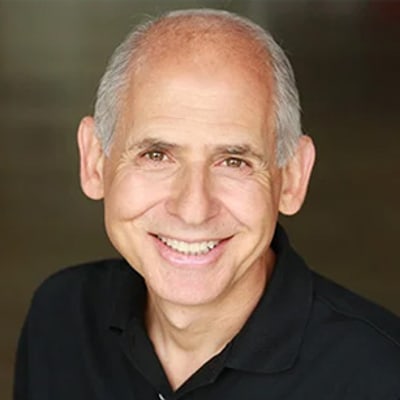
The Spice That Fights Inflammation Better Than Ibuprofen | Dr Shivani Gupta
Transcript
They always say to me, I think this is aging. I guess this is where we're at now. We're in our 40s. And I always look at them and say, this is not aging. This is inflammaging. When you think, I guess this is aging, that is your moment in your brain where you should stop and say, why?
Walk me through actually what makes turmeric golden milk so unique and therapeutic to the body.
Turmeric golden milk, this ancient remedy that we use, had a healthy fat with black pepper, with that turmeric. And this was used across the board in our kitchens for thousands of years. And now modern science is proving everything that Ayurveda said to be true.
In Ayurveda, are, are there any foods or herbs that act as a natural GLP-1 for the body?
That's a good question.
I The biggest myth about inflammation and chronic symptoms is that they're all separate issues. In reality, your symptoms behave more like a chain of falling dominoes. When one goes down, it triggers several more, and before you know it, everything feels off. This new test completely changes things, and I know exactly what to look for. I'm currently offering a simple at-home blood test that actually tests for the right things. Targeted biomarkers that reveal the very first dominoes impacting your hormones, inflammation, your thyroid, and your metabolism. Plus a one-on-one review with one of my senior health advisors to review your results and show you exactly how the Health Institute can help you stop the chain reaction and finally balance your hormones and heal. If you want to check it out and grab one before they're gone, Just go to mybloodwork.com now. Today, we're going to be diving into the root cause of almost every disease known to man, inflammation. And my guest today is an expert in this area, Dr. Shivani Gupta. She's an Ayurvedic practitioner, an expert on inflammation. She wrote her dissertation and got her PhD in turmeric and inflammation. She's also an expert in integrative health, and today we're going to walk through the most anti-inflammatory herbs and foods on the entire planet. We're gonna talk about how to stop inflammaging. That's not inflammation, inflammaging, which is what's causing your body to age more rapidly. So if you feel like, hey, over the past couple years, you've started feeling older, you've started looking older, and you wanna start turning back the clock, we're gonna walk through exactly how to do that today. Shivani, welcome to the show.
Thank you. Thanks for having me.
Well, I'm, I'm, I'm really excited to have you on because you have a really unique perspective of very few people that I've ever had on the show. You know, a lot of times we talk about functional medicine. Yeah. I actually have had quite a few guests that are more experts in Asian medicine. Nice. Uh, talking about, you know, everything from a lot of the Chinese herbals and things like that today. But you're really an expert in Indian medicine, and there's a lot of herbs and different foods that, uh, have a powerful impact on hormones and reducing inflammation that I'm excited to talk about today.
For sure. I'm excited to be here.
And I know the core of your message is all about reducing inflammation. Yeah. Talk to us about why reducing inflammation is so important in its connection to both chronic illness, but also longevity.
For sure. So I grew up in a family of diabetics. I would go to India every year, and when I went home to India, all I would see was the aftereffects of diabetes. I would see my grandfather have his leg amputated, Parkinson's, heart attack, stroke, quadruple bypass needed. And I kept seeing all this tragedy and thinking, how are we allowing such chronic illness based on inflammation to happen in front of us when this is completely preventable? This is insane that we're watching our parents and our grandparents suffer like this, and we're not putting these stopgaps in place to stop it right now. And so chronic inflammation is this culprit, and most of us just don't really understand it. We think of it as, okay, it's my knee pain, it's my hip pain, I'll just take some NSAIDs and stop that. that pain, we put the bandaid on it, as opposed to pausing and saying, what kicked off this inflammation in the first place? And we know now that it can be physical stressors, could be environmental stressors, emotional stressors. There's a lot of things that could activate inflammation in our systems. And once that chronic inflammation is going on, are we doing the right steps to reduce it? And so I wrote an entire book on how to live the Ayurveda lifestyle Because the Ayurveda lifestyle is inherently anti-inflammatory.
I love it. One of the things that I have said a lot over the years, which, by the way, I didn't say this first, but it's food is medicine and really focusing on food is medicine. And one of the things that I loved as I started studying medicine coming out of the Middle East and India was the focus wasn't on food alone as medicine, it was meals as medicine. So combining certain foods together to make them more medicinal and healing to the body.
True.
And so talk to me a little bit about sort of that, uh, focus that happens a lot of times in Ayurveda.
Absolutely. So Ayurveda is this entire system of health and healing, and you're right, food is a big component of it. And when we look at food, it's really the combination of what we're doing that drives home such a powerful result. So even in the Indian kitchen, when we're cooking, we're gonna use ghee, we're gonna use cumin seeds. Those are going to have certain properties just to help absorb the food, help us digest it better. Then we're going to use things like our turmeric spice, which is my favorite. We're going to add ginger, we're going to add garlic, chili pepper powders, different things. Garam masala even is a spice mix we have that has black pepper in it that helps activate what's in that turmeric to absorb better. So it's a combination, like a cornucopia of different foods and spices that drive home that result for our body. And you're right, it is about the whole meal. We want a balance of different tastes. So, right now, in modern-day life, we're eating these very mono diets that are very macro-based, but kind of forgetting the art of different tastes being in our food. And Ayurveda said that nutrition diversity, that nutrient variety, is so key. We even talked about seasonal eating. Yeah. So, if we're not eating for variety and seasonality, we're really missing out, and then we're wondering societally, Why we have such gut microbiome issues.
Yeah, I love this meals— this meals are medicine idea. So, like, and, you know, anytime I'm creating a plate or I am creating a program for a patient, I'm really focused on every meal they eat, whether it's breakfast, lunch, dinner, even a dessert. Is this meal medicine for this individual? And, we also know there's a level of personalized medicine with when you look at the doshas in Ayurveda of certain foods are really better in combinations for certain people. You know, I remember reading a study, this is probably even 10 years ago now. Yeah. And you'll appreciate this, 'cause this was something, of course, you're keenly aware of, especially with your PhD and what you've learned on inflammation and turmeric. But, you know, the study came out on piperine, that compound in black pepper, increasing absorption of curcumin in turmeric. Yes. And the entire scientific community in the nutritional world was like applauding themselves, kind of like, wow, what a breakthrough. We discovered that, you know, it increases the absorption of turmeric and the distribution via circulation by like, you know, hundreds of percentage points when that happens. And honestly, the first thing I thought of is this recipe is probably 3,000 years old and was talked about in Ayurveda. And it actually goes beyond that because the classic recipe— Right. Is also, you know, it's trikatu, that, and it's ghee. Yeah. So, so walk me through actually what makes turmeric golden milk so unique and therapeutic to the body.
For sure. I mean, you're completely right. We have this opportunity to create every meal, every dessert, every drink we have to be medicinal. And when it comes to this art and science of turmeric, when I learned about it, I was doing my master's degree, and I learned about every spice in Ayurveda that we use. And when they got to turmeric and talked about the benefits, The fact that turmeric's anti-inflammatory, antioxidant, antiviral, antibacterial, antifungal. It's so powerful for anti-aging, helps with our senescent cells and zombie cells that accumulate in the body, helps with insulin resistance. There's so many clinical trials that show that if you are pre-diabetic, it can stop you from becoming a full-on diabetic.
Wow.
It helps with Alzheimer's and neurocognitive disease. memory improvement. Like, the benefits of turmeric I could go on for hours about because I love it so much. But you're right, turmeric golden milk, this ancient remedy that we use, had a healthy fat with black pepper with that turmeric. And we know that the black pepper will increase the absorption 2,000%. Yeah. And we know the healthy fat will help it cross the blood-brain barrier and further enhance absorption. And this was used across the board in our kitchens for thousands of years, and now modern science is proving everything that Ayurveda said to be true. Yeah. And that to me is so exciting. Like, I sit in the science, in the research all the time, and I'm just astounded that we're proving year after year what Ayurveda said to be true. And I think that it's so beautiful because our modern-day mind wants the scientific proof. We want that affirmation confirmation. But if you just look in the ancient texts, it's also written there as well.
You know, this is why a huge part of my career I've really focused on combining both East and West, and also focusing on, hey, what does modern-day science say today? Let's look at these double-blind studies. I do wanna understand that more. And I do think it actually helps us hone in a little bit on where a certain herb should be used. But also, there are thousands of years of anecdotal studies that prove the benefits of how these herbs can be used and benefit people. True. You know, I saw this recently where there was a, Uh, you know, he was a PhD, and he was saying, well, there's really no evidence on this herb, you know, helping this condition. It was something like slippery elm for digestive health. And I thought, well, there's like 3,000 years of history of a lot of cultures in Asia and India where they have used it, and a lot of individual case studies where people said, no, this has really helped me with my colitis or irritable bowel. And so, the reality is, is there is a lot of evidence. And I do, I like combining this evidence of these human studies today, along with looking at ancient history and how it used. And, I think that leads us to the best truth. And, this is why I've loved pulling from the Bible. I've loved pulling from Ayurvedic medicine and Chinese medicine. I'd say those are the 3 that I've pulled from the most in terms of combining with science today. I wrote an article. It was one of my top 10 articles I ever wrote in terms of traffic on draxe.com. And, the title of the article was Turmeric is as powerful as 20 medications. And it really walked through all the science of, of like, there, there are plenty of clinical studies where turmeric outperformed without the side effects. A lot of these, will you walk through just a few of maybe the most well-known examples of where turmeric maybe performed equal to or even outperformed, uh, you know, a drug?
I love this question. So we have many clinical trials, double-blind placebo-controlled trials that show that curcumin is as effective as NSAIDs. without the side effects. So, when we're talking about rheumatoid arthritis, osteoarthritis, and the number of people in this country who are taking NSAIDs, popping them every day— Yeah. Like they're candy, and saying, well, I'm outta pain, and I need to be outta pain to function and go to work, curcumin was as effective, but didn't have those negative side effects of stomach pain, and ulcers, and GI bleeding, which are some of those serious things caused by NSAIDs. So, when I was doing my PhD, I actually went ahead and built an entire formulation for orthopedic doctors, because I thought, when I go to orthopedics, and I have pain, they put me on NSAIDs for 10 days, and it rips up my stomach. And so, what if we could just win in that one arena, and put people on less painkillers? Yeah. And I've actually seen that curcumin can cut opioid use in half out of orthopedic offices. Wow. If we really put it in the hands of that doctor, who is going to use surgery, PT, injections, and NSAIDs as part of their plan. plan of care for their patient. Yeah. So NSAIDs is a big example. Another great one is BMJ, British Medical Journal, which is a major high-impact journal, put a study together, and they did a double-blind placebo-controlled trial on patients. There was 158 patients who registered in that trial, and they showed curcumin is as effective as PPIs.
Wow.
In the patient without the side effects. And imagine how many people are going to the doctor with their heartburn and their indigestion. They're getting put on PPIs, which stop our stomach acid. Yeah. from an Ayurvedic perspective is the opposite of what we would ever do to somebody. Yep. And curcumin was as effective. And then right now, what interests me the most, 'cause I'm a woman in her mid-40s, is the perimenopause-menopause conversation. Yeah. When we talk about estrogen, estrogen was a natural anti-inflammatory. It was holding down that master switch of NF-kappaB in the body. All of a sudden, what happens in our mid-40s? Women are saying, I've got brain fog, I've got joint pain, My brain doesn't work anymore. My mood is off, my energy is off. Everything went left on me. Well, when estrogen shifts and NF-kappaB rises, and we've got all these inflammatory cascades going on in the body, we're struggling with our health. Curcumin affects all of those same pathways. Wow. And so, I'm really looking at curcumin as, okay, estrogen's gonna shift on us. Curcumin can come in and at least hold down that inflammation for us. Yeah. So, we can keep our mood, our energy, our weight gain in check, all of these different struggles, 'cause we're seeing in perimenopause, menopause, insulin resistance, atherosclerosis. We're seeing joint pain, frozen shoulder, musculoskeletal syndrome of menopause, as they're calling it. And so that huge struggle and shift, and especially postmenopausal— there was a study called the SWAN Study, and in the SWAN Study, they studied thousands of women over 21 years, and they saw that when that final menstrual cycle happens, there's a surge, a rise in inflammation that's tremendous. That rise can be really, really harmful to our bodies. That's detrimental. And curcumin can come in and help reduce that inflammation.
Yeah, I love that. And, you know, I, I know you think the same way that I do about this, whether it be functional medicine or integrative medicine, always getting to the root cause.
Absolutely.
And that's where I think focusing on food first, and I want to get into that in a minute too. But, you know, one of the biggest things I learned, and I learned this first from a doctor of Chinese medicine, But, I was talking to him about herbs and using them as— he asked how I was prescribing and recommending herbs. And, this is my first— this is almost 20 years ago in practice. And, a lot of times, I was recommending singular herbs. So, ginger for digestion or turmeric for inflammation. And, he said to me in kind of a kind way, and this is a guy much older than me, more experienced, wiser. And, he said, well, it's going to be much more effective if you do herbal combinations together. And, I said, well, talk to me more about this. He said, all these herbs work synergistically. And, he said, most of the time, if a woman is having menopausal symptoms, for instance, it's multicausal. So, he said, and I'll give the example from an Ayurvedic standpoint, hey, let's do a combination of looking at turmeric to reduce inflammation, shatavari for that estrogen-progesterone balance, holy basil to get the cortisol down. And, he sort of explained in terms of taking sort of this multi-pathway approach in order to, to heal.
Yeah, absolutely. We very much believe in the synergistic effect of putting those herbs together. So, I think of it like an orchestra, and when I was in my studies, in the herbology classes I was in, we went over how to formulate, and that's what led me to formulate the way I do now. So, when we talk about formulations, we're gonna take that curcumin to do the main job. We're gonna have guduchi or other immune-supportive herbs to help even support that job. Like, primary herbs do the main job. Secondary herbs support those primary herbs in doing the job they have to do in the first place. Third set of herbs help these herbs go where they need to in the body. Fourth set of herbs will help mitigate even the negative effect of putting something so strong into the system, 'cause these are powerful herbs you're putting in the system. So, there's a lot of thought that goes into that formulation, and you can bring together boswellia, turmeric, dried ginger, amla. Yeah. And they can really work in a synergistic way when we're talking about joint pain, joint health, and these kinds of things. And you're right, Shatavari Tulsi is a beautiful combination in perimenopause, menopause. And I've seen it directly help people with their hot flashes and their night sweats. So powerful herbs can lead to such powerful results if we use 'em.
You, you know what's so interesting is, uh, 20 years ago, yeah, no one knew what turmeric was. No. And I mean nobody.
Yeah.
And we're gonna continue to see more of these herbs that were used in the Middle East and India, more in, in Asia, continue to move forward. You know, I'll give you— I really think that we're going to see Shatavari—
Oh, yeah.
Be the next big one, especially for perimenopause and menopause. Like, I, you know, I mean, and ashwagandha is the other one. 12 years ago, I don't think anybody had heard of ashwagandha.
Agreed.
And it's just now growing like crazy because it's effective. I mean, you look at the studies on ashwagandha for hypothyroidism,
right?
And for cortisol. I mean, it is incredibly powerful. I have a very exciting announcement. We just found out that Heal Yourselves is officially a New York Times bestseller, and that's entirely because of you. I just wanna say thank you for showing up, thank you for sharing this work, and thank you for believing in the power of cellular health. If you haven't grabbed your copy yet, you can find it on Amazon, Barnes& Noble, or your favorite book retailer. Also, if you've already ordered but haven't claimed your bonuses yet, make sure to go to healyourselves.com and enter your email and your order number, and we'll send you hundreds of dollars in free content. Again, that's healyourselves.com. By the way, that free content includes a peptide guide, natural healing recipes, a masterclass, and loads of other free content. I'm so excited for you to read this content. I hope it's gonna change your life. What I'd love to do is I wanna walk through some of the most powerful Ayurvedic herbs. Yes. And you can just give a few, you know, a few sentences or a paragraph about each, you know, its benefit, when, when you'd recommend it for somebody. Um, we should, let, let, let's, we kind of already went through turmeric, so let me go through number 2 here. Uh, this is one that I love, and I've used this for myself for digestive health, and it's actually a blend, but it's Triphala. Mm-hmm.
Absolutely. I take Triphala right now. I love it. Triphala is what we use whenever anyone's having gut digestive issues. We recommend it for 30 to 60 days at a time and then take a break. But it's a powerful support. It's a gentle laxative. So, if anyone's feeling constipated, their system is not working the way they expected, or if you're traveling a lot and eating foods outside of what normally feels good to you, you can take Triphala for 30 to 60 days and just reset the system. It'll also increase the system kind of clearing out what it needs to. So, it's a good detox as well.
Yeah, yeah. And I, and I love it. I guess I'm— I've been pronouncing it wrong for 20 years now. I call it Triphala. Uh, but it is, uh, you know, it's a 3-berry blend and it has amla, which I think some people are familiar with because it's one of the most vitamin C-rich foods in the world, or berries in the world. And so that's one of my favorites for— I actually put it in a formula in the past for, uh, for constipation, it combined with a probiotic. And so I love that. Um, boswellia, also known as frankincense.
Yes. So boswellia is really interesting. When we talk about turmeric, boswellia, Turmeric functions really well on the COX-2 pathway, boswellia on the 5-LOX pathway. So, it's a powerful anti-inflammatory, supports the body, is a beautiful, beautiful synergy with turmeric when we're talking about how we're gonna help with long-term chronic inflammation. And so, boswellia is one of those beautiful anti-inflammatories that I think works across the board for us really well.
So good. Holy basil, also known as tulsi.
Oh yeah, tulsi I love. I take tulsi in tea every single day because it's so calming to the nervous system. When you bring together those tulsi plants, it's gonna calm cortisol, calm the immune system down. It's really a relaxing, gentle support on a daily basis. It's one of those rejuvenative adaptogens out of Ayurveda.
How about bacopa or brahmi?
Oof, I love bacopa or brahmi since I had children. So, since I had some brain fog and pregnancy brain, yeah, I started using bacopa and seeing a direct benefit on my brain health. Like, it is, impactful. And so, using brahmi can be very calming to the brain, very nourishing to the brain. You can take it at night, and it's supportive in a sleep tea blend, for example, or you can take it during the day for your brain to work better, cognition support.
So good. Well, let's go to ashwagandha.
Yes. Oh, my gosh. Ashwagandha is the next king after turmeric, in my opinion. It is a powerhouse of an adaptogen. We're talking about cortisol support, When you're stressed and anxious, it calms you down. If you're depressed and have the blues, it lifts you up. We've seen studies where it's as effective as 14 different psychoactive drugs on people. So, I think ashwagandha is having its rising moment, and rightfully so, because we're living through a moment in modern-day life where we're finally recognizing that everything in our environment is a stressor, and we need to have buffers against that stressor. And I think ashwagandha does an incredible job.
Yeah. And there are so many clinical studies on, on ashwagandha. It's absolutely amazing. I remember the first, one of the first studies I was just blown away by with ashwagandha, it was a study on patients with thyroid issues. Yeah. And what was just, this amazes me, is they, in, in the group, they had people with hyperthyroidism and hypo.
Okay.
And it helped both groups. For the people that needed TSH to go up, it brought it up. The others that needed to go down, it brought it down. It worked as this adaptogen. It was amazing.
It's amazing to me. And, and you've highlighted adaptogens for decades. decades now online. I've watched your work, and you've been such a powerful supporter of Ayurveda. And you're right, ashwagandha is one of those plants that it will go with you. It has the intelligence to come into your body and do what you need. And isn't that the magic of Mother Nature?
Well, and I think, and I think that is the difference between many drugs and many herbs. Drugs, what they tend to do is they— so 30% of medications today are taken from herbs where then they learn how to, and then they make them synthetically, but then they tend to take the dose and then they 10x something that's synthetic. Sure. And sort of force your body to doing something versus herbs. They're changing the environment. They're sort of nudging your body in the right, right direction.
Absolutely. I think they work with us. It's plant medicine. Yes. Yeah. It's from Mother Earth. It's, it's made from the exact thing that we are made of. And so it has this power to go into our body, understand what we need, and support us in exactly that way. Yeah. And so, it's beautiful when you understand them and can work with them.
Yeah. One of my favorite herbs in recent years, I talked to Daniel Amen about this, he's a brain expert here pretty recently. Yes, saffron. That's right. Yeah, I was reading in the book, The Song of Solomon, in the Bible, and I came across, and I love when I come across herbs in the Bible or anything nutritional, and it talking about this incredible herb, saffron.
Nice, nice. I mean, I follow Daniel Amen's work. I'm a huge fan of everything for the brain, Like I said, since having children, I thought, okay, I have to find a way to preserve this brain, keep it sharp. I have so much I learned and so much I'm yet to learn. And so, he talks so beautifully about saffron, how it is so beneficial for the brain. It has these effects for neurocognitive support. It has the support across the body. We call it like a rasayana. It's a rejuvenative plant that comes into the body and gives us what we need. And it's interesting to watch, we're having a moment with Ayurvedic beauty, Ayurvedic skincare, Ayurvedic haircare. So I even use Ayurvedic oils that have saffron now for that glow. And it's fun that people are creating these really high-quality products for us now.
Yeah, yeah, it's amazing. You know, saffron, when I look at the study, we've talked about, you know, brain health, of course, ADHD. Yes, amazing. I mean, mood, of course, you know. And, and it's actually a very small amount. Like, what I was sort of impressed with is when you look at the the dosage, right? It's like there's two, there's two studies. There's some around 30 milligrams, most around 88 milligrams in terms of the effective dosage. But it's, it's amazing. It is expensive.
Yes.
I mean, for, for, right. But, but it is, uh, it's incredibly beneficial. Here's another one that I think maybe the audience is, is a little less familiar with. Yeah. But I think we're living in this world where you'd mentioned you, uh, talked to Chris Motley recently, a mutual friend of ours. And I know an herb that he prescribes all of the time is neem.
Ooh, neem blood purification. Yeah, absolutely. So in India, we use neem toothbrushes, we use neem cream, we're willing to take neem baths whenever there's an issue going on. Neem is known as the purifier of our blood, purifier of our skin. So it's going to get in there and really cleanse at a beautiful deep level. Yeah, but it's not known to really strip anything, but we— it has to be It is one of those strong plants. People in the ancient times would just take a neem leaf and use it, whether it was for their teeth brushing or for their skin. Yeah. And they knew that it had those purification benefits.
Yeah. And oftentimes it's used as a sort of natural antimicrobial, right? And so I know that's how Dr. Chris Motley recommends it, is oftentimes his patients that come in with these chronic infections, right? Neem is one of his favorites there. I mean, I can go into many others. I mean, the others, I'm, what, you know, of course ginger. I mean, that sort of is all across the East. It's used in Asia a lot as well. Right. But that's, let, let, let's talk about that. So, let's hit on that one, and then I actually, I have another really neat question I wanna ask you about turmeric.
Okay, so ginger's interesting. Ginger, we know, is good for the gut digestive fire, what we call agni in Ayurveda. We want that fire to be strong, and so we love using ginger as this morning ritual, whether you have a ginger tea in the morning, ginger lemon tea, which would be very alkalizing. So, I always recommend that to my clients who come into my program or to do sessions with me. Then we talk a lot about ginger. We know it's anti-nausea. People know that one. But the fact that it helps line the digestive lining, support that digestive fire, and ignite it is very powerful. And we need those anti-inflammatories nowadays. So, just like turmeric is an anti-inflammatory, ginger's also a great anti-inflammatory.
Yeah, it's so great. We talked about shatavari. I'd put that on the list too. Yeah. Really beneficial. So, my audience in particular, who's, who tends to be very educated in natural health, most people are aware of the benefits of turmeric.
Sure.
Not everybody is aware of some of these other beneficial compounds like turmerone that you're gonna find in turmeric.
Yes. So we have turmerone, turmerols, turmerones, and all these different compounds inside of curcumin are very interesting. We usually focus on the curcuminoids and how that 3 to 5% out of the entire turmeric plant is the most effective at reducing inflammation. But it is interesting 'cause there are studies that show that non-curcuminoid turmeric also has benefits. Yeah. I thought that was shocking when I was doing my PhD on turmeric. I thought, how does that make any sense? We only talk about the curcuminoids, but that just shows you that whole plant always has benefits. Yeah. So, we are very, in modern-day times, we always extract the one thing we want to use. We use it as a high dose, and we just want to get that benefit. We're always running so fast. But if you look at Mother Nature, the whole plant still has all these other benefits to it. Yeah. The essential oils, there were parts of it that were important. And so, I think it's so important when we're taking any formulation, Yes, we take those curcuminoids at the highest potency, at that high dose, because it'll do the job.
Yeah.
But also respect that Mother Nature had other benefits in the whole plant, and include that as well. Like, assume that extract with wholeness is going to get that best benefit that we want to have.
Yeah, I mean, the way that I typically go about it is, just for daily longevity and health, I'm typically taking turmeric.
Sure.
Now, if I would go in, and let's say I would have I don't know, a major injury or there's a surgery or something like that, and I really wanna use it in even stronger dosage, I might do a, a curcumin extract.
Sure.
For that time. But for the most part, I, I am, I'm a whole foodist. In fact, anytime, you know, I've created supplements or anything else, it's typically the whole plant, the whole food.
Nice.
That I prefer. You know, I remember I was, I was reading an article on turmeric and it talking about curcumin, but it also, it started talking about turmerone. And the way that when I was looking at the different benefits, I started thinking about it was, When I look at curcumin in Chinese medicine, they would kind of, I think it would lean towards more what we would call yin in nature, which is very autophagy, cleansing, getting rid of, killing cancer. I mean, those sort of things where the turmerone, which is more of the essential oil base, the studies around it were more related to it boosting stem cell. Wow. Production in the body and brain. And, it was this more of yang anabolic regenerative approach. But, I think that that's one of the things that it's so unique even about a lot of these plants is different parts of the plant have these different benefits.
Yeah, I mean, that's why we see such a tremendous benefit in people, right? When we're looking for a solution, like you mentioned, anti-inflammatory, we're gonna reach for the pharmaceutical a lot of times nowadays, 'cause we're like, I need this solution, I need that solution. But isn't it interesting that in the same plant, we got all the benefits all in one? Yeah. And what I'm seeing is so many people struggle with such a high level of chronic inflammation, that they do need the supplement at this point. I wish regular turmeric powder worked. Me too. In my household, we cook with turmeric 2, 3 times a day. It's part of the Indian cuisine. It's going to be in there with the ginger and everything else. But I'm looking at modern-day society right now, the level of obesity, metabolic dysfunction, heart disease, brain suffering. We have so much neurocognitive disease happening in front of us at such a high pace, autoimmunity. And then we add on perimenopause, menopause being an inflammatory shift. And I think bringing in ginger as a ritual every day in tea is important. I think adding curcumin supplementation at that higher dose is important and bringing it in as food because we're, we're dealing with a higher level of inflammation than we realize.
Yeah. I remember growing up, so my, my neighbors, I grew up in this, uh, Troy, Ohio, this area of Dayton, Ohio, and our next door neighbors were from India. I remember they, they became two, two very close friends of mine, uh, uh, uh, Irfan and Amir. And, um, and anytime I would go to their house, it was so different because I would eat dinner there on occasion. Yeah. And it smelled like herbs. Like my house, I thought to myself, maybe it smelled like tomato sauce one time or something Italian, maybe Mexican. Okay, but every time I was over there, you know, you would smell the curry and a lot of the different sort of spices. Yeah. And as I started getting into natural medicine, I just started to appreciate it so much more, just thinking about You know, when I look at a lot of my friends from places like Israel or India or Asia, herbs are so much more prominent and they're using them in such more, in much larger volumes in cooking.
True.
You know, so it's, and I think per capita, the United States is very low in our herb consumption. I mean, we do a lot of salt and pepper. Yeah. A lot, but herbals, not so much.
No, it's so true. And I don't go to my friends' houses, sometimes I'll open their cabinet looking for salt or some chili powder or some hot sauce. And I'm always astounded because it'll be salt, black pepper, basil, oregano.
Yeah, that's it.
And I'm like, you guys, do you have any idea? So when they come over, I'm like, this is spice cabinet 1, this is spice drawer 1, and we can barely survive out of this one. And we are running through these on a monthly basis. Yeah. Then in the cabinets, we've got spices. And then in the fridge, I have a whole fridge for herbs and spices and lentils. because we buy them at such a high volume at the grocery store, and I don't wanna go often. So I've got spices upon spices upon spices. My friends are like, you're the spice queen. What's happening here? I'm like, what's wrong with you today? Gut issues? No worries, I've got you. That's hing and kala namak. Let's create my grandma's recipe for you. Or are you feeling, you know, any problem you have, fennel will solve half of life's problems. Amazing. That's why you get served fennel when you leave an Indian restaurant, 'cause they know they're gonna give you heartburn. With all those spices and those fried foods, and they wanna settle it down for you. Yeah. And so we have this opportunity, like you're talking about, just to have this awareness and keep a spice cabinet that's so much more robust and beautiful, and thus have ancient remedies at our fingertips.
And it always tastes better. I mean, that's the reality, you know? It's if you're making, I mean, I, I make hummus. I, it's one of my favorite things of all time. And so I do a lot of hummus. And so I'll throw, I, I, I tend, sometimes I'll do a turmeric flavor. Sometimes I'll go in and I'll throw in more cumin and, and that type of thing. I love using that as medicine. You know, another thing that I was thinking about that I, uh, that is not talked about in the United States at all today in terms of medicine is the properties of food.
Sure.
You know, um, some foods are warming, some foods are cooling. I started really explaining this a lot to my patients with hypothyroidism.
Sure.
You know, the body— most people's body temperature, we know, should be around 98.6.
Right.
Women with hypothyroidism in particular, it's in the 97s. Wow. That's telling us something.
Yeah.
And a lot of those women are eating salads and drinking cold smoothies and iced drinks all day long, and they're making it way worse versus doing these warming foods like ginger and warm soups. I mean, that's part of the cure. You know, I also thought about this. You mentioned this earlier. Now, this is a little bit more Japanese cuisine, but sushi.
Yeah.
When you're eating sushi, most of the time early in the meal, you're getting So, you're getting raw fish, you're getting seaweed. I mean, these foods are very cold and cooling to the body.
Correct.
And it's, how do they offset that? Wasabi and ginger.
Correct.
Very, very warming to bring that neutrality and heat to, and, you know, to, to, to the body.
Absolutely. You know, in Ayurveda, we taught, we taught the circadian clock. And so, it was interesting, later, 3 Nobel Peace Prize winners won a Nobel Prize for proving something that Ayurveda talked about for 5,000 years.
Yeah.
And so, we always laugh, like you said, shown now, we are always laughing at the fact that it was already always there in the wisdom. But yes, when we talk about foods and the circadian clock, if you look at the seasonal diet, in the winter, what is grown? The foods that are so warming to the system. So any nuts, any seeds. What is grown in the fall? Those root vegetables, the pumpkin, the squash, the beets, all those earthy foods. Those are going to warm us, and they're going to ground us. as the weather shifts and becomes more windy and more cooling. In the winter, when it's freezing outside, you're actually meant to eat those heavier foods, those soups and those stews that keep you more grounded.
Yeah.
But in modern-day life in the West, what do we do? We eat our salads and our icy cold drinks and whatever we want, ice cold smoothies, 24/7, 365 days a year, never acknowledging that there's a seasonal shift happening.
Oh yeah.
We get so mono in our diets, And so Ayurveda said, adjust to every season, eat those circadian foods, and based on your health struggle and based on your individual dosha, really adjust your diet. And so, for example, I'm a fire type, I'm pure pitta.
Yep.
And so I love the things that are most detrimental to me. I want hot sauce on everything, chili powder on everything. Yeah. My team laughs at me at my office. They're like, again, Shivani with the hot sauce, and then she's gonna be all, angry and frustrated, 'cause those are the imbalances of a fire type.
Yeah.
And so you have to laugh when you know that about yourself, but you also have this opportunity to say, wow, if I have hypothyroidism, let me take a season or two and just eat those warm, easy-to-digest foods so my body can feel nourished. That's right. So my digestive fire is supported, so I actually absorb the benefits in this food and support my body in healing.
Hey, no matter what you've been told about cortisol, it's not the actual enemy, and your goal isn't to eliminate it, it's to bring it back into balance. Now, chronic stress can throw healthy cortisol completely out of sync, and that ripple effect impacts more than just how you feel every day. Elevated cortisol can influence your appetite, blood sugar regulation, and how your body manages weight, which makes supporting healthy cortisol balance a real incredibly important part of weight management and overall health. That's exactly why I use Active Peptides Cortisol. It's not just about helping you feel relaxed for a moment. It's formulated to help bring your body's natural systems into balance and adapt over time. Inside this formula, you'll find clinically studied peptides paired with efficacious amounts of L-theanine, ashwagandha, Magnolia root, and rhodiola adaptogens, which have a long history of tradition and backed by modern science. Right now, new customers can save $10 by using my code DRAX10. Give your body the support it needs to handle stress the way God designed it to. Click the link to check out this incredible cortisol-balancing product from Ancient Nutrition. Yeah, you know, I sometimes think about it like this is that you know, a lot of times food, and by the way, I'm not saying it's a replacement at all, but I find so many people in the world today are undernourished.
Yeah.
And they're undernourished oftentimes emotionally as well. Yeah. Right? So I think that, you know, there's something about if you're undernourished nutritionally, you're undernourished spiritually, you're undernourished relationally, that, you know, you wanna do everything you can to address all of those root causes. But that's where food becomes even more important in being able to nurture and support yourself.
True.
Back to health.
I love that you shared that. I think it's so true. I think if we actually did big, deep blood work on everyone, and we did real stool tests, which you do in functional medicine, you would actually learn so much more about how people are malnourished.
Well, can I tell you what I do? So, I have 2 practices. I have a local practice here in Nashville, Tennessee, and then I also have a virtual one. But, what I do when I work with patients is I do tongue mapping on every patient. So, we do a combination of their history in depth, Okay. We do blood work and we do markers that most people don't do. We're looking more at omega-3 fatty acid index. We're looking actually nutrients, like most people don't know what their magnesium or zinc or selenium levels are. Yeah. But then we look at their tongue and, you know, we can tell so much about, hey, if the tongue is pale, well, there's a blood deficiency. There's certain foods for that. If there's those ridges on the side, your digestion is weak. If the tip is red, there's that fire, you know, is, is out of balance. And so, So, being able to address those is just so incredibly powerful.
Awesome. Do you use a copper tongue scraper?
Uh, we, we've recommended it before. Okay. I mean, it, it is, I mean, that, that is a great therapy, to be honest. It's probably one that I probably should recommend more, uh, especially of course for, for people dealing with infections and Candida.
For sure. It's, it's great. I brought you one because copper tongue scraper.
Oh, okay.
Wonderful. Is one of our favorite things out of Ayurveda. We want everyone to scrape their tongue every single day. Yeah. And I talk a lot about turmeric. I've done this hundreds of times on turmeric, and I wrote a whole book with a chapter on turmeric. But, it's interesting, I think more of the world will tongue scrape because of me, which is totally fine by me because it's one of those Ayurvedic rituals that's so powerful.
Well, obviously, oil pulling is an Ayurvedic tradition of swishing around. I mean, typically, it was sesame oil early on and people started using coconut oil too. Yeah. But, probably a similar benefit of doing those two. I would imagine those are
Absolutely. So, when we scrape the tongue every single day, we're gonna gently scrape all the organs of the body. We're gonna reduce something called ama, or the toxin residue that accumulates in the system. Mm-hmm. And, it's interesting, nowadays, we talk about metabolic dysfunction, all these byproducts in the body that are accumulating, lymphatic system that's backed up, inflammation all over. That totally translates to ama, or this toxin residue. And so Ayurveda taught us gently scrape the tongue, ignite that digestive fire. It'll clean up your oral health. And we know oral health ties to gut microbiome health.
Yeah.
You know, oral health ties to heart health.
Yeah.
And then Ayurveda taught us oil pulling, swishing around any food-grade organic oil for 5 to 20 minutes. And what that's gonna do is it's gonna accumulate all those toxins that our body accumulated overnight. And when you spit it out, make sure you spit it out in the trash can, not your toilet sink or shower.
Yep. You'll clog them over time.
You'll clog them over time. I always like to say that. 'cause I don't wanna mess up anybody's home. But really, it's this honoring of oneself. I think of the daily Ayurvedic self-care rituals as a way to honor your body first. We live in a modern-day world where we're so outward-focused. For me, I start my day and I'm running with the kids and everything else in my business. But what if we took a few minutes for ourselves and really set the body up for success and having what we call resilience? We call it ojas in Ayurveda. This resilience we can have, especially when we're talking about a modern-day life that's so inflammatory and problematic sometimes for our health.
You know, I've continued to see conventional medicine, uh, just continue to just prescribe more drugs, right? And I just think it's making everybody worse. Um, the most— the fastest growing over the past 2 years have been these GLP-1s.
Yes.
In Ayurveda, are there any foods or herbs that sort of have— that act as a natural GLP-1 for the body?
It's a good question. I was researching curcumin for this, of course, 'cause I always go to turmeric first. We can look at turmeric as a very powerful anti-inflammatory support, which is what a lot of people are reaching into GLP-1s for. Yeah. I'll be at doctors' offices and they'll say, it's a great anti-inflammatory, it's gonna help with Alzheimer's. I'm like, you're gonna give everyone on earth a GLP-1 for Alzheimer's? That's your game plan right now, guys? You have curcumin, you have ginger, you have an anti-inflammatory diet. Yeah. Are you talking about stress or environmental pollutants with people? This is insane. I, I always look at the world like, what is happening? I have no problem with GLP-1s. I think people should use them as needed, but if it's just for inflammation, yes, let's talk about that. And then yes, Ayurveda's entire premise is gut health is the center of all health. Gut health is your vitality, your immune system, and your brain. And so, we talk about gut health heavily. We talk about bitter herbs. Let's bring in the arugula. And, you talk about food as medicine, all the bitters that we've kind of given up because we don't like the taste of anything bitter. That was a taste that was important. We have so many different herbs that are so pro-gut and gut supportive that we can look at. And so, yes, I think there is a lot of different things that we can use in Ayurveda that correlate to GLP-1 support when we're talking about heal the gut to then have a system that works better.
Yeah. I think probably a couple that come to mind for me are bayberry, Which I knew was used a little bit in, in Ayurveda and Chinese medicine. And then, but also fenugreek, you know, I mean, fenugreek, uh, when you look at the studies on blood sugar, yeah, I mean, they really are phenomenal. And it's a, it's a great herb. Um, and so— Cinnamon. Yeah, cinnamon would be another.
Yeah.
And so I think that there's a lot of herbal combinations that could be used. And of course, probably even more important is just eating meals that are high in protein and fiber.
True.
You know, and good bacteria would be great as well. That would be, be beneficial there. You know, over the years, one of my other biggest passions has become really focusing on longevity and healthspan and just being active in my 80s and 90s even. You know, I, I'm really blessed to have parents that are in their mid-70s.
Nice.
That can water ski, snow ski. Wow. Be really, I mean, incredibly active in their mid-70s. And part of it is we've just done everything we can to just continue to, you know, help them do that. Right.
Yes.
And, and there is this, word. There's a friend of mine, his name's Rafael Gonzalez. He's a PhD scientist in stem cells. Okay. And, um, and he started using this term quite a few years ago called inflammaging.
Yes.
And I love this term. Walk through me, what is the difference between inflammation or inflammaging, and, and how do we start to reverse inflammaging in the body?
Absolutely. I mean, it was a big reason why I wrote my book, The Inflammation Code, because we are, as a society, struggling with inflammation, but we know inflammation rises when something happens. Either it's, you know, you stubbed your toe, you harmed yourself. Any redness, swelling in the body is an indication of that inflammation. But what we're struggling with when we're aging is a whole different set of symptoms. Yeah. And so, when I hang out with my friends, the topic of conversation is always, my joints hurt, my hip hurts, my knee hurts. Yes. I walk in a room, I can't remember anything. I've got this brain fog, I cannot focus. Anyone else in a rageful mood every evening? I don't understand. All these symptoms are rising. Suddenly, I have headaches all the time. When I go to eat something, I don't tolerate it the same. I keep having to wonder, what can I eat? And I always say, guys, they always say to me, I think this is aging. That's always the thing. I guess this is aging. I guess this is where we're at now. Yeah. We're in our 40s. And I always look at them and say, this is not aging. This is inflammaging. And when you have that happen, when you think, I guess this is aging, That is your moment in your brain where you should stop and say, why, why do I feel like I'm aging today? What changed? Was it my sleep quality? Did I have alcohol this week? Was it diet? Yeah. Was it stress? Like, what could have kicked off inflammation? Because it's inflammation that's running rampant in your system that is making you feel like you are aging. Right. And don't assume that it's just aging and this is just how it is. And you could become inactive and lazy, in my opinion, and give up all exercise and activity and movement because you feel so limited now. No, just pause and look at it and say, what are my causes of inflammation? And sometimes, unfortunately, it's a pretty chronic exposure of whatever's going on. And that's where I like to bring up, let's talk about clean air, let's talk about clean water, let's talk about clean diet, let's talk about really great sleep practices, because each thing you do adds up to reducing that systemic inflammation. Yeah. You hold the power. And if you hold the power to how you're, you're aging, why wouldn't you shift that? You have every right to shift that right now. You have the power, you have the sovereignty. And my friends all look at me like, Shivani again with the lectures on health. And I'm like, you know, guys, aging is a choice.
Yeah.
We're gonna age naturally, of course, but how we age, we can shift completely. And all the ancient wisdoms taught us, use your herbs, use your spices, Food is medicine. Yeah. You have this ability to create any level of health you want. Like, for myself, I believe in creating endless digestive fire and resilience in the system and vibrancy. And like you talk about, it is mental, emotional, spiritual, and physical. Yeah. And so Ayurveda said we should nourish on all levels to build that level of health. And that's the equation for inflammaging.
Yeah. It's so good. You know, when I think about it too, you know, when we're, if we're talking about Ayurvedic medicine and how it really impacts this is, you know, I think there's 2 hormones here that are the biggest drivers of inflammation. It's high cortisol, high insulin. And if those hormones can come down, we can fix that. And the 2 probably most prescribed Ayurvedic herbs address those things. Turmeric for inflammation.
Right.
Or insulin is really tied there as well. And then ashwagandha. Correct. Or holy basil, right? Are very, very much tied to Uh, those cortisol levels. And so I think getting good sleep, reducing stress, clean diet, along with using these medicinal herbs, uh, as a support is really powerful. You know, there's 2 conditions I wanna hit on here, uh, next. So many men and women today are struggling with hormone issues. Mm-hmm. I'm gonna have you handle the women. I'm gonna handle the men. We can go back and forth and share at the end. Sure. But I want you to talk about the top herbs for estrogen, progesterone, for menopause, And then I wanna talk about some Ayurvedic herbs for low testosterone in men.
Sure. You know, we're having a huge movement right now around perimenopause and menopause. Finally, there's a conversation. Mm-hmm. Finally, there's clinical trials and studies happening. Really, they're happening on us as a population. I find all of telehealth is figuring it out for us. Yeah, that's true. On us. And we're trying to figure out how to really personalize this. And so as I watch all of this happen, I really think about that an estrogen and inflammation piece, how estrogen was really keeping NF-kappaB in check. And when estrogen starts to decline and shift, all of a sudden all those inflammatory pathways are released. Mm-hmm. That master switch of inflammation is flipped into the on position, and we're releasing interleukin-1, interleukin-6, interleukin-8, interleukin-1 beta, TNF-alpha. Like, it, it, it all just starts exploding within us, and that's a tough That's a very tough thing to deal with. You know, I have so many women who come to me, they're like, I bought your book, I'm taking turmeric, what else can I do? And I'm like, well, apply the book. Ayurveda lifestyle is detoxification, circadian rhythm, sleep, eating well, honoring digestive fire, all those things.
I always tell people, you don't need a pill, you need a protocol.
Correct.
Maybe there's a couple pills as part of it. Yes. But if you really want to heal, you need a full-on protocol.
Absolutely. And, and that's the thing is if we can put that protocol in place, we can see such huge life shifts happen. But your question was, what are those best herbs? I would say turmeric first, of course, 'cause it's my, by far my favorite. I would say ginger's another powerful one we can add. Like you talked about ashwagandha, ashwagandha's gonna help adapt to any changes that are so significant. I think Brahmi is so powerful for brain at this time. Mm-hmm. We need that brain support during the perimenopause shift. I think adding in tulsi as well as a powerful adaptogen helps. Fenugreek is also cooling and supportive to the system at that time. And so, those would be my top favorites. Yeah, that's great. When we're talking about the menopause shift. And then, I would also say that because menopause is a gut microbiome shift, as you know, Cynthia Thurlow talks about that, and she has a whole book on menopause gut right now. And so, it has me thinking a lot about leaky gut, and how much gut dysfunction we deal with societally right now. We're lacking the diversity. The good bacteria are not winning over the bad. So, firstly, curcumin can help with that. Curcumin goes in there and supports the good bacteria, helps get rid of the bad, and directly helps with that gut lining and leaky gut.
Yeah.
But then, adding the ginger in daily, adding in aloe vera. Aloe vera is very powerful for gut healing. So many people are struggling with constipation right now, and I always say, start with aloe vera first. You can add cumin seeds to your food. That's gonna help it digest better. So, as we're going into this very protein-first approach, Ayurveda gave us the herbs and spices that help us digest those hard-to-digest foods better. Cumin is one of them, and asafoetida is the other, hing. It's another powerful— it's a pungent spice out of Ayurveda, but it's very effective at helping us digest better. So, I think that's like my cornucopia of herbs I would add in. I love it.
Yeah, it's so good. I think that obviously during perimenopause and menopause, we see these declines in estrogen and progesterone. And, the way that it's viewed in both Chinese medicine and Ayurveda, I do agree, is these herbs, they're yin, they bring moisture and coolness to the body. Right. And so, when you start to lose them, you need to have food to offset and support moisture and coolness. Correct. And so that tends to be a lot of good fatty acids. It tends to be things like egg yolks, yogurt, ghee.
Yes.
Like a lot of these foods, you got to bring moisture and coolness. And, and of course, coolness is the opposite of inflammation in most cases. And one of the things, aloe vera is in particular very cooling, very moistening. That's why that is such a good tonic to use in that case. And, um, and there are foods for this, right? I think sesame is really good for progesterone, but then you've got, you know, flax and soybeans, yam, and a number of things that are good. Chickpeas, uh, pumpkin seeds, good for, for estrogen. So, so there are meals you could put together. Yeah. In Ayurveda that would be perfect tonics along with the herbs. Right. Specifically for, uh, and, and, and, and so, hey everybody, here's something you could do, 'cause I actually have this on, I just launched this on draxe.com. I have an AI tool at the top of the screen. Okay. So if they go on there and they type in, if you type in, What is an ideal Ayurvedic meal for menopause? Give me 10 recipes. It'll do that for you on there. Nice. If you want that, because it's trained on that. But, all that being said, that's one thing I love about Ayurveda is that there are meals for almost every condition you can think of. And then, I want to jump over to low testosterone because it's such an issue today. I did a podcast recently and this blew me away. Again, and I'm not saying that this, this was correct thinking, but it was statistically leaning this direction that if there was an issue with infertility, it tended to be more connected to the female. That was true statistically, historically.
Interesting.
But that gap, yeah, is so much smaller now. It's only, it's only a 5% difference. And so it was something like 35%, it was the woman that wasn't able— the, the challenge with conception. 30% now men. And, like, 15% or so, there's a percentage that's unknown. Wow. But, um, but overall, the, the testosterone in men has declined, um, just dramatically. I mean, it's like 30 to 50% over the last 50 years. And so, there are a lot of herbs and things in Ayurveda. I know that fenugreek and, um, ashwagandha, yeah, are typically used in men for that. And then, a lot of the warming herbs, you want it, you wanna do more spicy, you wanna do more lamb.
Sure.
And foods like that there. Any, any other thoughts on, on, on some things that are good for men with low testosterone?
You know, it's interesting. I saw a documentary recently on plastic and how— yes. Have you seen that? And it talked about that was a serious reason as to why we're seeing lower and lower fertility as a society, but especially highlighted that in men. And so I showed it to my son. I wanted my children to see it. I said, just, you know, I've worked on your fertility since birth because I knew that your future fertility is tied to your microplastic issue right now.
Yeah.
And so, yes, we're having this huge issue in society, and I've written about Ayurvedic pregnancy and how to really honor pregnancy to create zen babies, because we have this opportunity to really invest in our health. So, I think microplastics is a big issue.
Yeah, I totally agree.
And we know curcumin helps to clear out microplastics in the system, which I thought was incredible, and heavy metals. So, I get so excited about the curcumin piece. When we talk about low testosterone, yes, we wanna bring in more nourishment. into all the tissues. So, I always think of ashwagandha first.
Yeah, I agree. Yeah. In Chinese medicine, it's known as a qi and yang tonic, which is really going to be that exact deficiency caused with low testosterone. You know, just speaking on, on men and some of the microplastics, I think the top things you, you can do, one is get a water filter.
Absolutely.
You know, that's up there. Um, I switched over, I would say 90% of my clothing now is wool or cotton.
Wow.
And, uh, because I just became— I just, I've read enough. Yeah, you know, I know.
I feel that way too right now. I'm like, all my clothing should not be athleisure. This is problematic. I'm sitting in polyester.
It's the polyester is the problem.
Yeah, we're sitting in synthetic clothes all day. I have a house that had mold in it last year, so I've been in a huge mold learning, which anyone who's been through it knows how hard that is.
Yes.
And so now I'm stickler for air purification, water purification. Yeah. And I got my kids to watch that documentary and now they come to me and they're like, mom, my shampoo is cleaner than yours. I, and they're studying it. That's so good. And I think that's the level of intentionality we need to bring for our health. Yeah. And the family's health.
That's so good. It's so powerful. Yeah. Uh, well, Shivani, it's been a joy having you on. Uh, you're brilliant. I'm, I, and, and I wanna encourage everybody, uh, Shivani has a great book out. It's called The Inflammation Code. It's in bookstores nationwide. It's on amazon.com. You can go to amazon.com and check out The Inflammation Code here from Shivani Gupta. And I wanna encourage you, follow all the amazing things she's up to. Let, let us know where we can find out more about you and your great work.
For sure. So my website is drshivani.com, just Dr. S-H-I-V-A-N-I. I'm on Instagram. I have The Inflammation Code podcast. And so I'm always there to educate the world on health and wellness and wellbeing, just like you. And I've admired your work for decades, Dr. Axe, so this is such an honor.
Oh, well, Dr. Shivani, thanks so much for coming on. And everybody, hey, thanks so much for tuning in here to the Dr. Axe Show. Remember, every week we're diving deep into the science and the principles of how you can heal physically, mentally, and spiritually. I also want to mention, hey, do me a big favor, subscribe to the show. It's the number one thing you can do to support the show, allowing me to continue to bring on more amazing guests here. Like Dr. Shivani. So again, do me a favor and subscribe and think about who's one person that would really enjoy this and benefit from this. Hey, send them a text, share it with them. We appreciate you being on mission with us to help heal the world with food and natural medicine. Thanks so much for watching. We'll see you on the next episode.
The Dr. Axe Show is educational and not a substitute for care from your clinician. Disclaimer