What Do Men Actually Want in a Relationship? | Jimmy Rex
Transcript
Click a timestamp to seek the player.
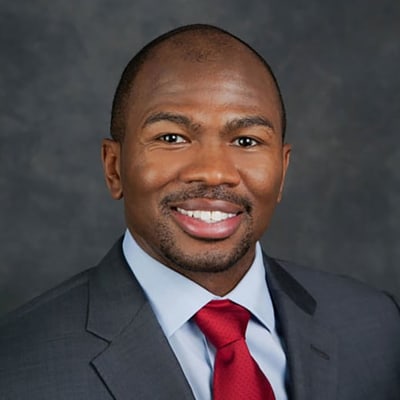
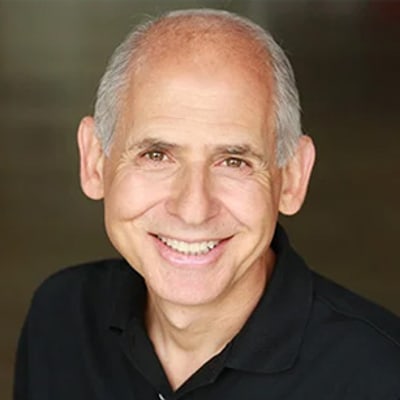
Hey everyone, welcome to Dr. Josh Axe Show where each and every week I cover the science and principles behind how to grow in body, mind, spirit, and take your health and your life to the next level. Today I'll be interviewing Jimmy Rexx. Jimmy is a renowned figure in the personal development space. He's the founder of We Are the They, a global coaching program helping men lead extraordinary lives. He's also a successful entrepreneur and he's interviewed some incredible people from all over the world. He's also an adventurer. He's visited over 106 countries. And today we're going to be talking about how to redefine healthy masculinity. We're going to talk about the mindset shifts that need to take place in order for you to reach your full potential. We're also going to be diving into, um, some topics about how to find your purpose and live a meaningful life. Jimmy, welcome to the show.
Uh, thanks for having me. Yeah, it's, it's a pleasure to be on your podcast, man.
Well, hey, I, I came across, uh, your content via— I, I, I'm a huge fan of, of helping people tap into their purpose and reaching their full potential. I think I saw you maybe on a Chris Williamson podcast and, and some others, and I loved what you were sharing. You know, I think it's so important today that we really discover our identity and who we truly are, because if we're not living out and discovering, uh, what makes us unique and, uh, living with purpose. You know, I think a lot of people feel empty, and I think a lot of people feel that today. I think there's a lot of people out there who are searching for meaning in their lives. And maybe just to start, share with me a little bit about, um, for yourself, how you were able to find meaning and find purpose, and how other people can do the same.
Yeah, you know, it's interesting. If we're working on something that we're passionate about, um, or that we, you know, that plays to our natural gifts— I was talking to somebody about this the other day— it feels fun, it's passionate, you want to do it, you wake up excited for the day, you go to bed grateful for that day, right? But if not, it all just feels like stress if you're just working to work or you're working on something else. And so I think, you know, one of the mistakes that, uh, I think people— and society kind of has this all backwards, but we kind of throw people into things before they have a chance to really discover who they are or what they are. I mean, you know, I don't know if you always wanted to become a doctor, if you, you know, but I mean, look, you've kind of even changed the way that you go about what you're doing. I mean, you've really made a lot of shifts. We ask people to pick what they want to do for the rest of their lives when they're 17, 18 years old, and they a lot of times just don't know themselves yet. So I got lucky a little bit in the sense that I was just all over the place as a kid. I would try stuff. And, you know, I was talking with Ed Mylett on my podcast about this recently, but like, the most successful people, they kind of just take action, and in the doing, you kind of discover it. And so I think this mistake that people think is that passion is an input, like all of a sudden you just figure it out— it's not. It's an output. It's, it's you constantly doing things. It's you constantly trying things. And in the act of doing that, you kind of discover what you enjoy doing and what lights you up. I know for me, I, you know, for example, I, I have a, a life motto now, a life purpose that I, I kind of share. And it's the purpose of my life is to share my tremendous love with all of God's children, bringing happiness to others through my playful soul. And by being an example of living an extraordinary life, like that's my motto. I live by that. That is me to a T. But I spent 6 straight days in full, like going back in my past, going forward to my future. Like really diving into what I want my life to mean or to have, um, you know, to be an example of. And that's how I discovered that purpose, and it's my, you know, guiding light now that I have. And I can just pour my values into that. I was talking to someone the other day about this too, about being playful. Um, it's this human being that's just always has stress and things around. I said, look, man, it's— when you're in a playful state, you can't be in these other places. Like, you can't be stressed, you can't be mad, you can't be fearful. I said, so for me, that's in my, you know, my mission statement for my life, because anytime I get trouble is when I forget to do that. And so I think just being very intentional— I think that the people that have the most success, they're very intentional. They're— they absolutely know what they want, but they're also very willing to take action not knowing if what they're doing is going to work. And I think in the doing, you kind of discover what you're passionate about.
You, you know, Jimmy, I'm so glad you're bringing this up because I think this is an important distinction you're making when it comes to living a meaningful life And even, you know, I used to have patients come in and see me after they would see several other, other doctors, and specifically my patients who struggle with depression or anxiety or mental health disorders. And when they would come in, I would say, hey, what are some of the recommendations other doctors have given you? And they would say, they told me to reduce stress. And I would say things like, well, how did they tell you to do that? Well, they didn't. They just told me, they just told me I needed to reduce stress. And what a lot of people don't realize is that you have to replace it with something. If you are in a state of constantly thinking about yourself and your condition, and this could be, of course, this could be related to health, this could also be related to identity or your own problems or numerous things where you're constantly thinking of yourself, then it's going to lead to this state. You're gonna stay in this depressed and anxious state versus if you then go and say, okay, you know what, I wanna overcome stress. How do I do that? Well, what I would recommend my patients do is I said, hey, let's go have fun. Like you're saying, hey, what are things you love to do? Hey, doing lunch with a best friend, reading a novel, you know, going shopping, going and, you know, getting exercise, spending time in nature. Okay, let's go and take the time you're spending on obsessing about yourself and your problems. Let's now go and focus on things you love to do and on serving others, getting outside of yourself. And boom, all of a sudden, depression, anxiousness, these conditions started to improve. But as you're saying, I think it's so important. A lot of times people are just sort of wandering aimlessly and not realizing that you discover who you are by, by learning and growing and diving deeper into things and sometimes finding more about what you don't like versus what you like. And so I think that's a really important distinction.
Yeah. You know, I've been coaching for almost a year now with Neil Strauss as well. He's one of my favorite thought mentors. He just— the guy is brilliant. And he had us do this exercise where we come up with what is our perfect day. It's not like a perfect day like your wedding day, or like, you know, the day that you— whatever, something happened. But like just a lifestyle, like your everyday life. What would a perfect day look like? And less than 20% of people have ever even thought about what a perfect day looks like for them. And so how are you going to have a vision for that? How are you even going to be able to bring that into your life every day? The goal is to have more of these perfect days, or ideal days, I guess you could say, right? And in a course of that, you have a better life. And so the average person has maybe 10 or 20 ideal days a year, or perfect days a year. And so like, from the day you— from the moment you wake up, of just knowing like, all right, what would it look like if I just had an ideal day, like a really great day? And mapping that out and then having a vision for it. And then you just put those things in your life more. If you know that your perfect day involves you and your wife going for a hike, well then you just plan that more often. If you know that your perfect day is you and your kids going fishing, you plan that more often. If it's watching, you know, uh, whatever, if it's, it's just a— the sunset, then you plan that in day more often. And the more you do that, the more you end up having an ideal life. And you just look back at course of a year, if you go from 20 ideal days to 80, you're going to be feeling much better about the life that you're living and how you're going about doing that. But we have to be intentional. I think that's the part, like, most people just let life happen to them. And so what I tell people is like, look, figure out what would make you happy and literally schedule those things into your day every single day. Not to be a checklist, but more just to be a guiding star to like, hey, this is what makes me happy. If I do these things, you know, a lot of people say like, oh, my favorite times are when I'm just hanging out playing games with my friends. And when was the last time you did that? Oh gosh, it's been over a year. You know, it's like, oh, it's been 6 months. It's like, well, what is wrong with you? If that's your favorite thing to do, plan it every other week. Like, just be intentional about it.
Yeah, it's fantastic. Yeah, I, I agree. You know, and I think what a lot of people tend to do is say, even in this space you're talking about, the self-development space is, hey, what does your ideal future look like? But I actually think it's way more practical and maybe even powerful to think about what does your ideal day look like? Because that's something I think that people can grab ahold of, they can picture it versus what does your whole future look like in your vision? It's, it's a little bit more abstract. It's a little bit harder to, to clearly see and plan out, this is exactly what it should look like. And so I think that's fantastic advice. You know, one of the things that I know that you, you talk about in your new book, which I'm excited for everybody to check out and read, I just wanna mention here, the book is called, uh, uh, your new book is called Be One: How to Be a Healthy Man in Toxic Times. And so this is something I've actually discussed quite frequently on my podcast is healthy masculinity, because we're living in a world today where, just for example, in the last 50 years, testosterone levels in men have dropped by 33%. I mean, it is significant. And so we really see today there's a crisis around femininity. There's a crisis around toxicity— or masculinity, sorry, masculinity, which people today are causing— calling toxic, which you and I both know it's not. But I would love to hear from your perspective why masculinity is important and what do we need to do about it today as a society in order to start fixing the perspective around what masculinity, uh, is and, and if it's good or bad.
Yeah, no, and you know, it's— you kind of covered it there, but you know, masculinity and femininity themselves are— they're, they're neutral. They're not toxic, they're not not toxic, they're just what they are. Um, there are toxic behaviors both within feminine energies and masculine, you know, people that, uh, can do toxic behaviors, but has nothing to do with the actual energy of being masculine or feminine. I mean, the world, we know that everything is polarized, right? Like, and it's, um, the, the, the very Earth itself has a north and a south polarization, and that is the way that everything stays in, um, balance. And we know that the most, you know, passionate relationships, um, they have a very polarized masculine and feminine energy, because that's the more polarized you the more passion you're going to have in your relationship. For example, whether it's a gay relationship or a straight relationship, there's always a masculine and a feminine energy that, again, the further you could polarize that, the more passion you'll have. Now, you have to have things in common to make it work, but that polarization is very important. So for masculine men, for example, for men with masculinity, like, women want to be free in their feminine. Like, one thing that I know about human beings, Josh, is they will do whatever they need to to feel safe. And for the feminine to be in that energy, it's a very open, it's a very vulnerable energy when they're truly they're feminine, you can see when a woman's there, they always have a strong masculine energy holding them that allows them to be freely into that energy. So if you have a, a wife that maybe you wish was, you know, more feminine or more into, um, that energy, it's because she doesn't feel safe to go there. Like, you know, a lot of people that have problems in intimacy or with sex, it's more of an intimacy problem, it's more of a safety issue. If that person truly feels safe, then they will be open, they'll be intimate, they'll be very vulnerable in that space, and, and you'll probably have the sex life that you want. But just in general, every day-to-day life, if the masculine doesn't protect and make that safety— and so like, for, you know, whether it's as a— for your daughter, for your sister, for your mom, for your wife, whoever that's for— when women are surrounded by strong masculine men, that's providers, you know, it's leaders, it's people that are protectors of their loved ones. Um, it's being able to— like, if a woman wakes up every day, like, the— what a woman wants is to wake up and just know, I can do whatever I want because I have a man that's got me, and he won't let me become a shit show. He won't let me get too out of control because he's got me. Like, if you want to— you know, guys are always trying to figure out, you know, with the dating game, they're like, what's the perfect date? Well, I'll tell you, you just literally make it so they don't have to think about anything, and they feel completely safe, and they feel special, they feel seen, they feel understood. Leave a dress on the bed, say, put this on, I'm picking you up at 6, I've got the whole night planned. That woman is going to be more excited than anything else you could possibly do or say in that moment if she knows that you've got her, right? And women want— the thing is though, is you want your woman to respect you as a man, you have to be respectful. And so for men, you have to think about this like, all right, how am I going to make my woman safe? And a lot of times where toxic masculinity gets thrown out there is where men don't make women feel safe. It's the look that, you know, lingers on the woman that's, you know, not theirs. It's the inappropriate touch of the arm or the waist. It's these little things. And it's always— I call it in my book, I call it leaky energy. Like, you're just— it's leaking out. And you're like, you can justify it as a human. You can be like, I wasn't doing anything wrong. I didn't actually cheat. I didn't actually do anything. But you know, like, you were inappropriate. You did something you shouldn't have done. And when you do that, the women in your life— if you have a good woman, if you have an intuitive woman, she's gonna pick up when you have leaky energy. She's going to pick up when you're thinking about another woman during sex. She's going to pick up when you're, you know, your eyes are just gazing at the wrong thing and these little things that happen. And that just leads you to more and more toxic behaviors and ultimately gives you in a relationship where the woman now has to emasculate so that she feels safe. She has to start protecting herself. She withdraws her vulnerability. She withdraws, um, you know, that feeling of freedom that she had with you. And all of a sudden you're frustrated because she's no longer feeling as sexy or as beautiful to you. But what you're lacking is that feminine energy, and you're the one that caused her to lose it. And so that's where men have to be careful. It's like, we are going to have the relationship that we deserve. And so if you provide that safety— emotional, physical, spiritual safety— where you truly are connected that way, and you make it safe for them to be whatever they need to be, then the woman will fall into that, because that's their natural state. That's what they want to do. The feminine wants to go there, but they won't do it if the guy doesn't provide that space.
Wow, there's so much wisdom there. I mean, I think this is fantastic. I think you've explained this, uh, in a more, um, I think understandable way than I think most people— that I've maybe heard anybody explain it. And so I think this is really powerful to take away. You know, one of the things that came into my mind as you were sharing this is sort of these standards. You know, I, I— there is a, there's a false belief that, um, when, when we do things as individuals, that it maybe only impacts us, right? So you mentioned this, like, hey, glaring off at another woman. So it be easy for a man to think that, uh, looking at a woman that's not your spouse for a few seconds, that that is only impacting you, that it's not impacting anyone else. But that's not reality. You know, we live in this very individualistic society, and for, for, for men or women to think, well, any action I do only affects me, that's true 0% of the time. 0% of the time. When we're looking at our physical health, there's something called epigenetics, and basically, like, your health now determines, and especially before you have kids, the health of at least 4 future generations or more. I mean, every generation that comes after you— your kids, your grandkids, your grandkids— even what the mom's eating when pregnant, I mean, it affects the gut microbiome of the mom, then that child, then that child, then that child, then that child. It's actually very biblical, you know. The Bible will say it affects to the third and fourth generation. We're seeing now, actually, there's a study came out recently saying it affects the third to the fourth generation. So anyways, I'm just in complete alignment in terms of what you're sharing. I think it's so important to realize that our actions affect everyone around us. And I also want to say, you know, there's, there's, there's a, I think part of what you're sharing here as well is it's, it's like raising a standard. You know, I think a lot of times people have these standards and I think, I believe one of the biggest ways to change our lives is to raise yourself standards or raise your standards in your marriage or who you're showing up to be. How, how, how do you, So, you know, does that— do you agree with that? And what are your thoughts on how are ways that men and women can start to raise their standards to become better in relationships and just overall, you know, better at life?
Yeah, no, it's a great question, Josh. So I, I think that, you know, one thing I've realized coaching over 500 different men now and having this program, you know, and seeing the results that I'm getting, um, is that you can't change anybody. People have to change themselves. And what your job as a leader to do, or a coach, or whatever that might be, is you can create an environment safe enough for them to be— to want to change, to be inspired to change. But as far as making those changes go, the only real change is an identity change. Like, you have to change the way you actually see yourself. You've seen this as a doctor. When people lose weight and keep it off, it's because they no longer saw themselves as the obese person. They finally said, I'm a fit human. Like, I'm going to be a healthy person. You know, when people say, I can't believe I used to be that person, they've killed off that version of themselves. Like, I am appalled at how I used to look. Like, when you hear people say those kinds of things, you know they're not going back because they've literally killed off a version they used to identify with. You know, somebody says, oh, I don't want a cigarette, is much different than, oh, I don't smoke. Like, that is an identity that you have, and you don't have to worry about that. You know, this is Atomic Habits, uh, James Clear talks about this very in, in a lot of detail. But so what I've realized is for for people that want to change their life or to better their life, up their standards. Because when we're stressed, here's the sad part, we don't go to our goals, we fall to our, you know, our standards, our habits. And so you have to— I always say it's the people that you hang out with and the thoughts that you have are going to determine your behaviors. Those two things are the most important. So how do you get better thoughts and how do you get better people in your life? You know, unfortunately, a lot of people just become friends with the person that lives next door, the parents of their kids friend or whatever, the person you went to school with. Not me. I literally say, who inspires me? And I go do whatever I can to create value in their lives, and they become my close friends. Because I know that my life will be determined by the people I'm around. It's because it affects my behaviors, it affects the way I think, it affects the conversations I'm having, to the point where I'll go to old conversations. I used to be a die-hard sports fan. Like, I did not miss a game of March Madness, right? This year, the team I picked to win it all, they lost their first game. I didn't know what I was doing. Like, I haven't seen a basketball game all year. My point is like, not that that's a bad thing. I enjoy, you know, I went on a date to a jazz game the other night, an NBA game. But my point is, is like, I used to think that like whatever happened on that court was everything important in my life. And so therefore I wasn't focusing on things in my own life that could have made it better. Then you contrast that with some of the people I get to be around now, and every single day they're doing things 10 times bigger than I am. And all they're talking about is doing bigger things and better things and like how they can improve other people's lives more, how they can make a difference in the world., and all it does is it inspires me. Like, the whole reason to go to a conference, be a part of a mastermind, go to an event, listen to this podcast— me and you, Josh, we're not gonna say anything life-changing on this. We might have one or two lines that'll make good reels or whatever else. But what happens is when you put yourself in environments where you hear people talk about these kinds of things like we are, you are going to get your own inspiration for your life and go, oh my gosh, that reminded me of this. I can do this better in my life. You say things every single day that The actual thing that you say, people might not change that, but what it's doing is they're going, oh, I need to be healthier. Oh, I need to take this serious. I need to think about my health. I need to be a better person. And so by being in the conversation, by just putting yourself, you know, where you're listening to these podcasts or you're doing these things, you're going to become a better version of yourself. You're going to up your standards. You're going to no longer settle for a version of you that's less than what you know it can be. And so I always tell people to get very clear on what their highest self is. Like, again, make a vision for, okay, what would my best version of me do, right? And I get very clear on— actually haven't put a name to it. I learned this again from Tony Robbins. Mine's Spartacus. I have a sword here tattooed on my middle finger because that reminds me, like, he was, you know, freed the slaves and he was a leader and he went first and he was a, you know, he loved and he was passionate and he cared for others that couldn't take care of themselves. And so, like, for me, my highest and best self I know what that looks like, and then I can relate that to Spartacus. And so I can always call upon that, and that's what I am kind of challenging myself versus— I'm not putting myself and saying, all right, how do I stack up versus, you know, Josh Axe or Ed Mylett or some of these other people? I say, what is my best version of me and how am I playing out today? And little by little, if I just act like that best version of myself, I start to close that gap until I become it. And so Knowing what that even looks like is the first step. And then the second step is just a daily constant reminder of trying to be that. And by the way, you're gonna fall short a lot. So every time you do, you, okay, here's what I learned, here's what I didn't do so good. And then you just slowly and surely keep acting like that better version of yourself. And ultimately that is how you raise your own standards in your life.
Yeah, it's so good. It's so good. You know, I, I think one, one of the other things I know you get into in your book is uh, some of the challenges that men face today. And I'd like to get into that. It could be relational challenges, it could be health challenges, other things. But what are, what are some of those, you know, what, what are some of those, I guess, challenges and relationships and fulfillment that— and I'd love for you to hit on the challenges you feel like that men face versus the challenges that you feel like women face and how to navigate those and overcome those.
Yeah, I think one of the biggest things that I've learned is, you know, women naturally want to talk about their experience. They relate through talking about a story, through sharing those emotions, whereas men don't. There's a video I shared recently on my, my Instagram. It's two guys, they go to a soccer game together, and the one guy's all decked out and he's screaming, he's yelling the whole game, and, you know, he's excited and he's talking to his buddies. Other buddy's just sitting there, he's kind of quiet. You can tell he's got a lot going on in his head. And it keeps showing him, you know, a couple weeks apart, and then it shows, um, the final part of it is the one guy that was quiet is actually gone. You can tell that he, you know, took his own life. Um, they do it so you can tell that he, he took his own life. And you realize like, oh, one of these dudes had a mental illness. Sorry, it was the guy that was screaming and yelling the whole time that looked excited, it was the one that took his life. And so you never know what people are going through because men don't talk about the real things. The guy was able to talk and cheer and yell at the game all day, but he never talked about what was going on inside. And so a lot of times You know, men, I think the biggest issue is it hasn't been safe for us to talk about your feelings or talk about what's really going on. You go to your spouse, and maybe that's the person you're already having problems with, but also it makes you look weak and all these different— you think, right? And so you're like, well, if she knew, she— maybe she's going to lose attraction to me, maybe she's going to feel unsafe, which there is truth to that. You have to do it in a way so that, you know, you're— you have to actually do something about it if you're going to talk about it with your spouse. But there's never been— there hasn't been for a long time this safe place. And society more and more is making it difficult for people to get together. I always say the devil divides us and God brings us together. And, you know, and so what I try to do is help men be able to get in a place where they can talk about these things. And here's the scary part, Josh. So most people— I ask this question to my men, I say, how many of you, if, if people knew who you really were, you think you wouldn't be loved? And it's the majority usually, right? And the problem is, is people go through their day thinking this. Like, I have guys in my group, you know, I, I'll tell a couple examples real quick because I think it's important. But I had one guy, um, you know, 5 years ago he was dating his girlfriend and they got pregnant, and he didn't think that it was the right thing, so he convinced her to get an abortion. Um, they ended up getting married, had 3 more kids since then. Um, and, you know, he was joined my group and we were doing a breathwork session where he to basically have a conversation with the unborn child and heal that. But he got up in front of all of us to share. We do a sharing time with all these experiences so that we can talk about things. And he talked about he's been suicidal for 5 years. He literally that week had had a gun in his mouth at one point. And he said, I've never forgiven myself for this. He said, I've never told a soul because I knew if anybody knew, they'd hate me for what I did. And instead of feeling judged by this group, our 50 guys, we all rallied around him and loved him. And another guy, you know, was able to say, hey, I actually did the same thing when I was in college. I've never told anybody. And he's crying. And all of a sudden there's this safe place where, um, you know, we can talk about these things. And he doesn't have to go his entire life with this guilt and this shame and this, you know, this blame for what he did. And it's really been able to heal his own relationship with his wife and everything else. And he was able to apologize for gaslighting her and going through this. Um, that's one example, you know. And you have another guy, he says, Jimmy, he said our first meeting together, he said, I've never told anyone this. He's a 35-year-old guy. He says, I've looked at porn every day of my life since I was 12. Found it on the internet and looked at it every day since. I've never told my wife, never told my parents. And he said, because what I do is I talk to them about how like, if we don't show our real side, that's why vulnerability is a superpower, Josh, because when we show those that we love who we really are, then at least whatever comes back, we'll know it's honest. But what happens if we don't? This guy said, he said, I've never been able to celebrate a single day of my life because every single time people were pouring into me or trying to celebrate me, all I could think was if they knew who I really was, they wouldn't love me. And so he went home from our first weekend, told his wife about it, and for— he said for about 4 hours she was super sad and upset with him. Then she came over and started loving on him and said, listen, I'm so grateful you told me I love you so much, and I'm so sorry. And she started bawling and said, I'm so sorry you went through that by yourself. And he called me up and he's super emotional. He says, Jimmy, he said, for the first time in my life, I know my wife loves me. And from that day forward, he, he's literally been sober from, you know, looking at pornography every day since. And whether he was or wasn't though, he now knows that he's lovable. And everybody's two biggest fears— they're not enough and they're not lovable. And so when you can be a little vulnerable and you can open up, this is what men need. They need to be able to be seen because we carry so much pressure, you know. I mean, you— we really do as men. And, you know, it's, it's awesome, it's beautiful, it's, it's how we become leaders. And it's— we— our wife and kids and family and neighborhoods and friends should be able to count on us and go, you know You know what? I'm good because I've got Jimmy in my corner. I've got Josh in my corner. I can wake up today and know that my day is not going to get that bad because worst-case scenario, there's a strong masculine man that has me. But if that guy can't even— he's not even sure about his own self-worth, then all of a sudden that energy trickles through everybody else in their life. And so I think the most important thing we can do is to be, you know, the three pillars of my program are vulnerable, authentic, and in integrity. And the reason why is because when we show up that way, we give permission for other people to the same, and we can trust the love that we get. And then when we are full, we can then pour into everybody else.
I mean, this is such an important and healing conversation, so timely. You know, I think that even more today than ever, than any time I can remember, um, you know, it's not okay in society's eyes to be authentic and to share where you're at. You know, think about cancel culture. It's like if you make— the goal is If you make one single mistake ever, and it could have been 20 years ago, you're canceled. You're done. I mean, that's, that, that's the message. And so people live in this state of, I know that if I, if I admit this one mistake, I'm, I'm going to be canceled. And it's so anti-Bible, right? It's like when you read the Bible, it's like, no, you, you've, you've murdered somebody or you've done the, the, you know, something incredibly wrong. God forgives you. Like all people are redeemable versus what society says is the exact opposite. You know, there's a study I read recently and it was on men, uh, in looking at what believing if they were winning or not did to their hormones. And so it was a study on rowing, okay? So these men, they didn't know if they won or not, but they basically went in a room and they did, did a rower. And so at the end they told men, they said, you lost, you won, or there was a group, and I'm trying to remember how they deciphered this, but then there was another group of men, whether they told them either, they believed they were winners, whether they won or lost, they just believed they were winners. And of course, you're gonna— did this, it kind of makes sense, but it just proves this point of that if the men felt like they lost, they had, uh, much lower levels of testosterone. I want to say it was 7% lower. If they believe they won, it was like 3%. If they believed that they were winners, it was far, far above that. And so there are so many men today that just believe, I'm not a winner, I'm a loser. And that alone will affect every part of your entire physical being, everything from, you know, testosterone being low, which then actually lowers your life, it shortens your life expectancy, a number of things. And so, I mean, it's very much to your point.
Well, yeah, I mean, you know, if we could see ourselves how other people see us, um, it would be a special thing because we're so hard on ourselves and we're so generous with others, right? Like, I did this exercise just this week with one of my groups. I had each guy had to text 5 guys in the group. They've been together for about almost 2 years now, and they said, hey, I want you to tell me a special or unique talent that you see that I have that maybe I don't know about. And so every single guy is getting 5 or more texts of guys telling them how they see them. And one dude was like He's like, dude, I just came up with 21 things that I've been told that I had no idea. Like, I couldn't see it in myself. And it's interesting, we all have this thing called imposter syndrome. It's one of the exercises that I do with my group. It's the first night they get together. I do this because— and the reason why is I'd gone to so many masterminds in the first day or 2 days. It's always people just flexing and trying to talk about their cars or their girls or their business. And what they're really saying deep down, their inner child is screaming, please love me. I'm worthy to get to know. Please be my friend. But what it comes off as like them bragging, right? So I have them make this thing that I created called the badass list, and basically they write down 50 things that make them a badass, or more. They have to come up with at least 50. And then the key to this whole thing is you read it whenever you're feeling like an imposter, but you have to read it as if you're reading it about somebody else. And so all of a sudden you're seeing all your own accomplishments, but you're reading it about someone else. I remember when I read mine the first time, I'm like, okay, I have to be friends with this guy, right? Like, this is amazing. But then I have them read it to the group, and then we all get together and we celebrate when done, and we just really celebrate each other. And by the time you're done, it's cool because you got a group of 50 guys where normally you'd be like, all right, who's the wealthiest? Who I need— who do I need to network with? Who do I need to, you know, who could possibly make my life better? But when you see it this way, you're like, oh my gosh, that guy is the most amazing dad. That guy took care of his parents when his mom had cancer for 6 years. That dude has never missed one of his son's baseball games. He coaches him in 4 different leagues. Like, all of a sudden, everybody is a badass and they're worth getting to know. And it just strips these walls of us trying to like hopefully fit in or think that we don't deserve to be there. It's like every single person in that room knows they belong there. They know they're a badass. And because of that, we treat them as such. And I think that's been one of the keys to this program that I have is I just— every single person just feels like such a winner, to your point, in that group because they've been celebrated for who they are and the things they've done, whereas we just don't see it in our own selves a lot of the time.
Wow, that's so powerful. Any thoughts on, in a similar vein, and I know you've worked with more men on this, but in terms of women, in terms of some of the challenges you feel like that they're facing in society today?
Yeah, um, you know, uh, womanhood, um, mothers are under attack. They want to call them other names, you know, uh, childbearers, extra hole-habbers. Like, you hear these things in the news, like, what are we talking about? These are women, these are moms, you know. I think in general the family unit is under control. I think women have been lied to and sold something that is not in their best interest. This, you know, false idea that they should be more like men, like women's power. And it is much more than a man's. Trust me, when they're in it is their feminine energy. It's not, you know, being a feminist. It's being in your feminine energy. Like all of their power is there. They have the ability to heal and to teach and to nurture and do these things. But they've been taught to be, no, you need to be more like men, you need to be treated more like men, you need to be self, uh, you know, like boss babe and boss bitch and all this stuff. And like, it's like, it's actually a lie, you know. Tony Robbins explains it better than anybody. I mean, that guy has coached the most powerful women on the planet. He says every single one of them at their core, no matter how successful they are in their business, they all want a man to just kind of hold that space so they can just fall into their feminine. Like he said, that at their core, that's what they want. And so I think women have been told, you know, there's a lot of things you Now, um, you know, I interviewed somebody recently on one of my podcasts, and, um, uh, she's, uh, she— I met her on a business panel. It was kind of interesting. But, you know, as I started to research for the podcast, she actually has 3 million subscribers on OnlyFans, but she doesn't do nudity. But she, she makes a lot of money and gets a lot of attention from this. And I think we're— again, it's just society is set up now where a lot of women are being told like, hey, just put yourself out there and, and you can make some extra money and do these things. But what makes a woman feel special or valuable is the fact that she's rare or scarce, or that not everybody has access to her. And so these are a couple of the lies that I think that women are dealing with. And, and then young girls, right? Like, this is where I really have a problem with this, is like, you know, the number one thing that young women want to be is, is an influencer. They want to be a YouTuber, they want to be a TikToker, and they go on there. I've found myself doing this, but young girls— I think they say 1 in 3 is depressed about this, like younger girls right now— is they see these highlight reels of women and then they see their own life and they're, well, I don't have that, I don't have any attention. And so they're seeking validation from external sources. Women, married women do this too. Like, they're used to, you know, when they're younger, think about it, you're an attractive young woman, you get hit on all the time. You get married, nobody's hitting on you. All of a sudden you start posting a couple gym photos on Instagram and you start getting validated. Men start commenting and liking it, and it feels good, like, of course. And so all of a sudden you got disconnect between trying to seek that validation externally from other people outside of yourself or your spouse. And it just— all of this cuts away at the core of the family unit. And so you— it's just, it's difficult. And I think being aware of it as much as anything, um, is the first step. I, you know, one of the guys I coach, his wife is beautiful, and, and she was trying— she just kept putting these thirst traps out on Instagram. And I finally, you know, because I have such rapport with them, they're some of my closest friends, I pulled them aside. I said, Hey, I said, you're a queen, but you're acting like, like everyone has access to you. Like, it's not— you're, you are a queen. People want to be you. Like, people aspire to your life. You have an amazing husband and family and all this. And I explained it to her in a way, and I said, just like, like, what is this about? And, you know, it got deep. And she's, well, my mom never, you know, boom, boom, boom. And again, and all of a sudden she realized what she was doing. And she's— so now she's trying to get her validation from within, which is a healthy way to do it, and from, you know, you know, success that she's having or things that she's doing or, you know, skills that she has, as opposed to putting these, you know, pictures of herself, you know, half naked on the internet. And so these are a lot of the issues I think that are out there. I think that men also are, um, not helping women feel safe. I think that we have a responsibility as men to do a much better job. And, um, you know, I mean, I've been guilty of this in the past. I remember, you know, 4 or 5 years ago, I was in a relationship with a girlfriend and she started acting a little crazy, and I thought it was like she was just being crazy, but truth was she was reading my energy. I was in my shit. I was attracted to other girls, and I was commenting on their stuff, and I was liking their pictures, and I was, I was in my shit. And then, you know, it took me a year or two after that relationship ended to look back and go, oh, I did that. That was my fault. Like, I drove her there because she was an intuitive woman and she knew that my energy was off, and I had to, you fix some things in my own life that she was energetically picking up on. And so I just think as men, it's our job to, to do a better job to help those women. But in general, I think, you know, those are the issues that women face, and they're conflicted because they want to have purpose and passion, which every person should. But I think they're mistakenly seeking it in places where they're not going to get that. I think, you know, some women are wired to find all their purpose and passion in being a mother. Other ones do want to be doing other things and being, you know, in their jobs and things. But if it's at the expense of them being in their power or their energy, I think, I think they're going to wake up one day and wish they'd done it differently.
Yeah, you know, I think another challenge and/or thing that also helps is, is that, well, one, we're so busy today. It's like we're so just busy that a lot of this stuff, there's not a lot of awareness around it. I think sometimes people do have a little bit of conviction of knowing, hey, this isn't right, but at the same time they're just so busy and so much dopamine and things that it's, you know, they're sitting at the slot machine, you know, essentially, and they just don't even realize they're doing it. I think the other thing is there's just not enough communication. I think communication is so key for relationships. Oh yeah. And sometimes just bringing this up, if you're in a relationship and you feel like something's missing or your partner or spouse isn't living in alignment with who they are, then bringing it up, you know, if you're with the right sort of person, there's a way to do it gently and just say, hey, it's making me feel this way. Be able to address those things. And so I think that, um, you know, these are all really, really important. I think you're just spot on on so much of this, Jimmy. You know, another thing I've heard you talk about is purpose. And I, I was, I was, um, I've quoted this a few times, but there's a study that came out that said about 25% of people are— know what their purpose is. And I think that there's purpose, uh, there's a global purpose of humanity, which I believe is very, uh, you know, tapping into that global purpose and knowing what that is is important, which I believe it's to, you know, love God, love people, as you know, Jesus talked about, and make Earth a heavenly place. That initial thing, thing of, you know, given to Adam and Eve of what we're called to do. So I believe that there is this global purpose, but within that, I believe there's a— and we have individual purposes. And one of the things I think that you have done a good job clarifying is that I think a lot of people feel like they they don't know their purpose because they're kind of sitting there waiting for the one thing, the one purpose. And you talk about this versus, is it possible that maybe we have multi-purposes, you know, in our life?
Yeah. And I think, you know, your purpose is going to change throughout your life too. But I, you know, again, I, I just study people that are smarter than me. But, um, you know, David Deida, who wrote The Way of the Superior Man— I think that's the best book ever written for men, by the way. If, if you're, you know, pick up Josh's book, pick up mine, and then pick up that one because it's the best book ever written for men. But, you know, every guy every man on this planet has a, a life's purpose, right? If you think about it as like two holes, like every man needs to find his romantic partner and then this life's purpose. And, you know, Tony Robbins says a lot of the mistakes that people make is they make their woman their life's purpose. And even a woman knows that the guy is not living his purpose if he makes it about her. And so she starts to lose attraction and everything else. But ultimately, yeah, I think there's a couple things in life you gotta nail, you know. You've got to nail the person you spend your life with your romantic partner. And you've got to know, like, the purpose. You got to figure out why you're here. You know, there's, uh, they say that, you know, there's, there's two days that every man— and the most important days of their life is the day they were born or the day they figure out why, right? And so it's like figuring out that purpose is such an important piece, and it's not going to come like just in the night. Like, you're going to figure it out by, again, taking action, doing things. And your purpose is going to change. Like, my purpose now is much different than it was back when I was selling real estate, you know, I remember when I— in 2008, you know, a good story about this, Josh. I was selling a lot of real estate and then the market collapsed, right? I started in '05, had 3 great years, market collapsed, and it was so hard to sell homes. I was the number 1 agent still in my county, and I was telling my assistant to hold his checks. I mean, I was broke. And the only thing worse than being broke is when everyone thinks you have money. I mean, it was a bad situation, right? And, and it's not very motivating. I had a lot of debt. I bought some real estate houses that were not good deals, so I had debt. Debt and I had bills, and I had to get on the phones for 4 or 5 hours every day and call for sale by owners to try to find new clients. And I knew I had to take probably 20 for sale by owners to sell one because that's what the market was. We had a 22-month supply of homes on the market. And so it was brutal. I was watching people divorce in front of me every single day, sitting across from the table. And I remember I, I just needed to be more motivated than I was. I— it was so hard to get in and make my calls every day. So I wrote on my I said, show up today for your future self because you never know who's going to need you. And I became obsessed with this idea that I didn't know what my purpose was. I just knew that if I could get through this, if I could become somebody, I could change some lives, right? I could do some good with this. And now on my desk, I keep, you know, I have— I used to, um, it's where We Are the They, the name of my men's coaching group, comes from. I used to go undercover with this group called Operation Underground Railroad. And we would go into foreign countries and help rescue kids that were being sex trafficked. I had the opportunity to go on 13 of those ops. It was coming home from one of those ops that my girlfriend pulled over the truck. I was telling her about this, you know, the situation, and she said, hey, I don't want you to do this anymore. I said, what are you talking about? Like, she's not just here, we just did this rescue, we, you know, we took down these bad guys. And she said, I know, but it's super dangerous, it's a bad environment. I said, I know, but like, this is gonna be part of my life's mission now. And she said, well, why can't they just go do it? And without even thinking, I said, well, there is no they. We are the they. And when I said that, it just shot shivers down my spine. I was like, oh my gosh, what a cool— like, that became my name of my coaching program and everything else. My point of telling that story is I keep some of the money we use. There's a plaque I got from that organization, from the federal police in Mexico, when we did that, that rescue. They gave us some of the money we used to buy those girls and to be able to do that. And there's a picture of me with, you know, the federales and everything.. And I keep that on my desk now because when I was making those calls, Josh, when I was grinding to pay off bills and debt, it was so freaking hard. It was so difficult. And the only thing that kept me going is I knew, I was like, Jimmy, what are the, what's the other option? You, you're gonna be a loser. I was like, just keep grinding and keep going. And you know, again, Tony talks about this, but when you're in the tunnel, when you're in the shit, the problem is, is you don't know when it's gonna end. If you've ever been in a long tunnel that's black, the sucky part is you don't know how far it is. And when you're in it, it just feels like it's never going down. Sometimes it goes 10, 15, 20 years. But when you get through it and you look back and you're like, oh my gosh, and what you're able to do on the other side of that, like, so I keep that plaque on my desk when I'm working because when I have a hard day now, I can remember, oh no, this is worth it. Like I was able to do things. And in 2008, I would've never predicted how my life would turn out. Like that story I shared with you, that dude that was suicidal, and that is a core memory of my life now. Like when he got up and shared about that abortion and what was going on in his world. I literally took a mental snapshot because in my life, like, you know, it validated every decision I've ever made, good, bad, or otherwise. Like, all the bad decisions I ever made, all the mistakes I made, none of it matters because they created this perfect moment today where I was able to make a difference. And I've had 50, 100 of those now in my program and watching these men do these different things. And I'm so grateful because it validates all the bullshit. Like, everything was worth it. It's all perfect because there's these perfect moments that are happening right now.
And so you have to be cognizant of and you have to be aware of that.
And so I, I, you know, I kept that quote on my wall and it just motivated me every single day. I would just— I would touch it every single day. I'd be like, someday somebody's gonna need me. And I'm just so grateful. Like, my hero is me at that time. I'm gonna be honest, I get emotional thinking about it because it was so damn hard to sell real estate. It was so hard to keep going. And I'm so grateful I didn't quit. I'm so grateful I didn't give up on myself because it was that hard. I was working 80 hours a week and I was making no money. And ultimately I got to a point where my motivation, um, you know, everything shifted and I was able to, to really make something that makes a difference for people. But it was because of what I did when it sucked. It was because of what I did when I, I didn't want to do it, where there was no reward. I had to have a vision for this future person, this future event was going to happen.
Well, you know, it, it just reminds me of the Nietzsche quote, you know, he who has a big enough why can bear any how, you know. And so it's that, that very much that when you have a why, when you have a purpose, uh, it makes you more resilient, you know. And this is also a key feature of masculinity. I mean, continuing to become more and more resilient And part of that is being anchored and tied to having a purpose or purposes. And I love that. You know, one of the things that I know you and I both feel very strongly about, and you've been able to have this in your life and also facilitate it in a really amazing way, is mentorship. And so talk to me a little bit about, uh, your own mindset about mentorship. You've been able to be mentored by people like Ed Mylett and other people who are incredible people. Here's my question with this: why is mentorship important? Important? And how do you go about finding a mentor but also being a good mentee?
Yeah, now great questions. I love talking about this because I have— I've spent millions of dollars on coaches and programs and all the above. I have literally millions of dollars on this. I've gone to every conference, seminar, mastermind, you name it. I've been a part of multiple masterminds that were six figures plus to be a part of them. And I hired Ed Mylett one-on-one to coach me for over a year. And, and, you know, other guys that were just as qualified— Erwin McManus and, and Stefanos Tsafandos. And here's the key about a good mentor. First off, you have to— to be a good mentee, I'll start with that. A, you have to find somebody that is where you want to be, that used to be where you are, because what happens is they can collapse time. You can learn from all the things they— so the reason I hired Ed is because I said, wait, that's where I want to be in 10 years, and he's there, and he used to be where I am. He's going to be able to help me get there. I hired Erwin McManus because spiritually that man sees God and Jesus and life exactly how I want to, and how I want to be like that spiritually. And so I hired him to be my mentor for that. Stefano, same thing with relationships. He used to be where I was at, kind of a shit show and kind of trying to figure it out. And then all of a sudden he figured it out, and he has this beautiful wife and kids. And I'm like, oh my gosh, that guy knows what my life experience is So the beauty of having a mentor is they collapse time for you. You're able to learn from their mistakes. But the key is, is you've got to figure out a way to create value for them in their life. Like, so many people hit me up. I mean, it's a daily thing. I'm sure you get the same thing. People want to go to lunch, they want to pick your brain, they want 15 minutes, and I can't do it. I don't have enough time for my family and friends. But people that go, you know what, Jimmy, I actually believe in you so much, I'm going to hire you, like, I'm going to join your program, I'm going to pour into you— it's like, that's a different level of, uh, just, you know, belief in what I'm doing. And so that person I'll pour into all day long, and because it's part of my job to do so. And so you want to find somebody, again, that you just— that you, you just inspires you, that's where you want to be. And then you figure out how to get in their world. Usually you have to hire them, a mentor. I would recommend always trying to hire them because you just want them to be motivated. You want them to, you know, have an interest in what you're doing. And people that are where you want to be, they don't have time to just freely give their time and energy to everybody.
They don't.
You have to pay get it. And, and unfortunately, that's just how the world works. But that's why having mentors is so important. I mean, Collapses Time, it's done it for me so many different times, Josh. I, I look back and I just laugh at the, you know, I mean, my first 6 months as a real estate agent, I sold 3 houses. 3. I hired Mike Ferry. This is my original coach. I got lucky. This guy happened to be the GOAT when it comes to real estate agent coaching. I didn't know that. I just got lucky. But that dude, my next 6 months, I ended the year with 60 homes sold. The next year, I sold 98 homes with one assistant. I was one of the two finalists for the Salesperson of the Year on the Salt Lake Board of Realtors. I went from almost out of the business to the number one agent in less than a year because I found a coach that told me exactly what to say, told me exactly how to say it, and then held me accountable to doing it every single day. And so it's that accountability piece, it's that support piece, and it's a skills and knowledge game as well. I learned this with my own father. I had an opportunity to have a really beautiful conversation with him about a go, and he just didn't hold the skills that he needed to communicate with us better when we were younger. Like, God bless him, he's innocent. Like, he literally does not have the ability to do it. And so I sat there listening to him and I was like, oh, he can't hold space. He doesn't know how to do it. He doesn't know how to have empathy in the situation. And all of a sudden it validated my youth and I was able to have a different love and empathy for him. But also it helped me realize I need to teach my men how these skills work. I took for granted that I just know how to become friends with people. I'm like, I'm going to teach you step by step how you be a good friend, how do you be a good, um, you know, communicator, how you hold space for another human being. And so all these things you can get from coaches and just find out who's the best at it and then go get in their world.
It's so good. I mean, you know what, I— my biggest life lesson is you become who you surround yourself with. And having these coaches, I mean, every success I've ever had in my entire life is because I have had a mentor and modeled them and had them pour into me. I mean, it is— I, I am, I am with you on this more than anything. And everyone who's listening here, one, I think it's important to try and have mentors be multifaceted mentorship. Like, for, for instance, as Jimmy mentioned, like Erwin McManus, who we've had him on the podcast and he's a friend, love what he does, you know. But going and finding a spiritual mentorship, uh, or mentor, having mentors that, relational mentors in your career. And having both some in person, if you can locally, but also from afar that you're paying as a coach or you're just learning. Like, now I have not met, and I hope to here in the near future, Jordan Peterson. I have learned a tremendous amount of him as I've studied a lot of psychology over the years. But again, it's just really important to understand it's the greatest thing you can do to grow. So this is an amazing piece of advice by Jimmy.
Well, by the way, Josh, let me, let me plug this real quick too. So if you're— you know, it took me 20 years to be able to afford these kind of mentors, right? Like, you can start out with reading their books. Like, I'm— if you can't afford my coaching program, go read my book. It's the same information. Like, go get your book. It's the same information. Like, whatever stage you're at, you can get mentored by somebody from a book or from their videos. It doesn't have to be one-on-one to start out. I just want to emphasize that because anybody listening to this that's like, well, good for you, you can afford to do that, No, go buy Ed's book, go buy your book, like go do— that's the way. I read 500 books on self-development before I ever hired a personal life coach.
Yeah, and as an example, again, I mentioned Jordan Peterson here. I read 12 Rules for Life, I've read his second book, I read the book he wrote back when he was a psychologist, I went and downloaded his Exodus series, I went and watched—
he's a mentor—
lectures. All of it was free. I've watched all of it. And to, to your point, you want to dive fully in there and give it your all, uh, to, to learn and grow, to become extraordinary. Last question, Jimmy. One of the things— and by the way, I've loved this conversation. This has been such a great interview, uh, because you have shared so much wisdom, and I think these are things people really, really desperately need. Um, you are really committed to living, living an extraordinary life, and I've seen that in your podcast. I've seen that in what you've shared, uh, yourself even today. What are some things that people are listening or watching this need to do to do in order to live an extraordinary life?
Number one is, um, you know, it's the first question I ask everybody that I coach. I say, if everything were to go right in your life for the next 5 years, what would your life look like? Because most people have no clue. 99% have no idea what the answer to that question is. And if you don't know, how are you going to build it, right? Then the next thing is get very clear on your motivation. Why, why do you want it? Like, and be very honest about it. Is it because you want to get laid a bunch? Is it because you want to prove your parents wrong? Is it— it can be the most bullshit reason, but if that's the real why, you better get clear on why. That is. And then the third thing is, is you literally just map it out. Start with the end in mind, take massive action towards it. But here's where people get in trouble. It's all about the consistency. I started this podcast that I'm— that I do 7 and a half years ago. I've never gone a week without putting out an episode. Never. Not once. Like, I post every single day on my TikTok and Instagram. That's why it grows. Like, it's the consistency over time. There's not going to be this one event in your life that changes everything, Josh. It's the consistency over time of constantly doing the thing. And you look back in 2, 3, 4 years ago, holy shit, I've actually I've done something here. If you want to write a book, most people don't do it because they just— I, I just— it's this giant task, you know. And you hear like, take one bite at a time. That really is it though. You sit down, you write a paragraph here, a page here, a chapter here. Next thing you know, you look back, holy cow, I got 90 pages. Like, I got something here. And then all of a sudden you're, you know, you have a book. And so it's consistency is what I tell everybody. Like, and then the next thing I tell people is find what you're passionate about. Like, if you find your natural gifts— I think it's about your gifts— if you are working with your natural gifts, everything feels passionate. But if not, it all feels like stress. When you're doing things that aren't naturally come to you and you don't naturally enjoy, it's just stress. And so find out where you're stressed in life. You're probably not using your gifts. But start trying to figure out in your career, or in a different career, or in a life, how you can use your gifts more, and everything will go from stress to passion. And that's what makes fun.
Yeah, it's so good. So good. I want to encourage everybody, check out Jimmy's new book. By the way, this book just came out. It's incredible. It's called Be One: How to Be a Healthy Man in Toxic Times. And so all the things we discussed today about relationships, all the wisdom that Jimmy shared today on how to be a more powerful man, how to be a winner, how to be the best version of yourself you can be, you can check it out in his new book, Be One. You can go to amazon.com. It's in bookstores nationwide. I want to encourage you to get the book here by Jimmy Rex. It's called B1. Also check out his podcast, The Jimmy Rex Show, and follow him on Instagram. So much great information you'll constantly be seeing there. And, uh, Jimmy, want to say, man, thanks so much for coming on and, uh, share— sharing your, uh, you know, all your wisdom with us today.
No, I loved it. Thank you, Josh. Thanks for all you're doing, and I'm sure we'll be in touch soon, my friend.
Absolutely. Well, everybody, hey, thanks so much for tuning in to the Dr. Josh Axe Show. Remember, each and every week we explore for the science and the principles of how to grow in body, mind, spirit, and take your health and life to the next level. Hey, make sure to subscribe, like, and share. Thanks everybody who's on mission with me. And again, this is why I loved this conversation with Jimmy today, is, you know, every time you listen to this podcast, you're getting better, you're growing, and you're growing, and you're growing, and you're becoming the best version of yourself. Again, thanks so much, Jimmy Rex, for sharing all your wisdom today. Thanks so much everybody for listening. I'll see you on the next episode.
Next episode.
The Dr. Axe Show is educational and not a substitute for care from your clinician. Disclaimer