Why Are So Many Young People Quitting Alcohol? (Sober Curious) | Cameron George
Transcript
Click a timestamp to seek the player.
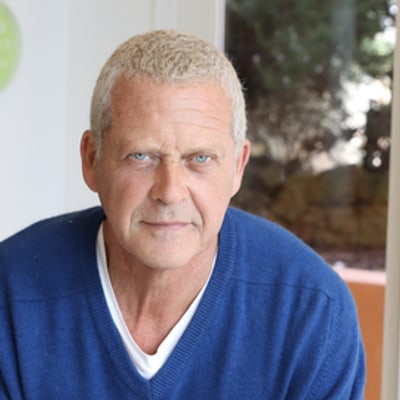
Hey everyone, Dr. Josh Axe here. Welcome to the show. Today, I've got a special guest for you. It's Cameron George. Today, we're gonna be diving into how to boost your energy without coffee. We'll also talk about how to calm your sympathetic nervous system, get into parasympathetic state so you can better digest, rest, heal, regenerate new cells, and overall just live a better life. We'll also be talking about how to have a great time alcohol-free. We'll also talk about how to build mental health, build great relationships, and overall heal your body. A lot of the things we'll go through today are really important for if you wanna balance your hormones, if you wanna detoxify your organs, and again, if you want to have great mental health. We're gonna be talking to, we're gonna be talking to Cameron George today, and we'll also go through today why so many young people are choosing sobriety. You may not know this, but there's actually a really big movement today where a lot of young people are staying away from alcohol. We'll also go through how coffee changed the modern world today, and then dive more into the exact details of kava and its exact benefits. Hey Cameron, welcome to the show.
Josh, great to be here, man.
Well Cameron, I know you're the founder of a company called Tru Kava. I know you've been leading this sober curious movement now for a while, which I know we'll get into, and I'm excited to talk about all kinds of things today. For starters though, I'd love to hear a little bit of your story about how you got turned on to kava over things like coffee and alcohol and other stimulants out there today and really the impact it's had on you and your own health.
Yeah, man, absolutely. In my doctor's network and sort of the network of business leaders, entrepreneurs, and just people in the health and wellness world, we have a saying called "From pain to purpose," and that really kind of encapsulates like the last probably, you know, 10 to 15 years of my life, actually probably, you know, about 20 years now. I had— I pretty much had a total collapse of my health in my early 20s. And just like a lot of people today that are experiencing kind of unexplainable illnesses that are becoming more and more common, they kind of in the midst of some of the epidemics that we face from a chronic disease standpoint. I was kind of like a normal kid from the southern part of the country. I'm actually from Arkansas, so not the most progressive part of the country in terms of like, you know, natural health or you know, chiropractic work or biohacking or any of that stuff or functional medicine. So, I basically, I kind of grew up, you know, under the standard allopathic framework entirely and completely and kind of had my whole world turned upside down, you know, at the age of 20 years old. Basically, I was a sophomore in college at the time and I was I was an endurance athlete. I was a distance runner and endurance athlete and all of a sudden started experiencing chronic fatigue and depression and, you know, any number of different kind of pathological symptoms and ended up in a psychiatrist's office. And they prescribed me, you know, a number of different psychotropic medications, amphetamines, Adderall being the primary one that, you know, so many people are familiar with for attention deficit. And it seemingly, you know, made my symptoms better in the short term. While causing a whole host of other different pathological symptoms that kind of was like the straw that broke the camel's back that like let me spiraling down into a neurotoxic illness and like, you know, a metabolic disease as well too, that, that actually left me completely bedridden, you know, 2 to 3, probably 4 years total later and, you know, kind of like a fraction of a functional person. So I ended up handicapped you know, for several years, the better part of like 8 or 9 years, you know, didn't really even walk for like, you know, 1 to 2 of those wasn't moving around or doing hardly anything. So really, I spent the better part of 8 to 9 years doing nothing but scouring medical and scientific literature just to try to find any piece of information to kind of piece together the story in my mind of, first of all, what had happened, because no physician could tell me. It was basically just going— it was playing this, this kind of circuit of like musical medical doctors, going everywhere and just kind of getting all these different symptom labels, and no one could tell me actually what the pathology actually was. Um, so I was trying to piece together that story for, you know, for many years, and then try to pull together by talking and reaching out to doctors and researchers and scientists over a number of years and various things, and just reading blogs and just devouring as much information as I could. And this was pre like biohacking movement. This was pre, like, you know, podcasting in a big way when this information is so readily available. There was information there, but it just wasn't as, as, you know, pieced together as it is today. So, um, yeah, it was just basically scouring, um, you know, this country and even outside the country and, you know, the dark corners of the internet for any piece of information, uh, that I could get to kind of get a plan going of, like, first of all, what had happened, how to address it, how to get my health back if it was even possible.
And what were some of your specific symptoms, Cameron? Like, what was— you know, why were you in bed so much? Why were you so sick?
Right. So it started with, like, debilitating chronic fatigue, which turned into depression, anxiety, like, I mean, basically almost every neurological symptom that you can imagine, you know, and every form of cognitive dysfunction that you can imagine was— I mean, that was basically where I was. And especially, you know, once I went on you know, the stimulant drugs, Adderall and, you know, a couple others, and then was on that for a couple of years. That turned an already vulnerable system into a completely burned-out system. So that was— that's why I kind of mentioned it as being the straw that broke the camel's back, is that I went in with some, you know, functional issues that were getting pretty bad, right? I was a senior in college at the time, um, and as, as I started to get worse and worse, I was, I was actually, um, I was, you know, a distance runner like I mentioned, and just thought I was probably overtraining or something. And, uh, you know, um, had, you know, a number of different symptoms. And then once I got into the psychiatrist's office, they prescribed me the drugs, and then things just— it just amplified everything, and it really just exploded over a period of time. So I found out later, um, that I had a metabolic syndrome and a neurotoxic illness that was driven by autoimmune, or an autoimmune that was driven by neurotoxic illness rather. Um, and it was a number of different factors that came into play from susceptible genetics to mold exposure, black secubotryx exposure in an apartment that I was in at the time, to just, you know, horrible lifestyle from just bad advice growing up in a southern part of the country where this information wasn't readily available. So I was using all kinds of toxic coping strategies to deal with this pseudo-dysfunction that was accumulating in my life really since I was a young kid, and it just kind of all came to the head at this time. It didn't start then, right? It takes years to kind of develop chronic illness like this and toxic coping strategies. Like, you know, like I had, you know, low dopaminergic function and was already having kind of depression and chronic fatigue throughout my entire childhood that I didn't see as that until it got to that really bad point later on. And so automatically just gravitated towards things like sugar, right, to try to compensate unconsciously, or stimulants, lots of caffeine, or lots of dopamine-stimulating behavior, right? We didn't have, you know, the internet, uh, you know, to the degree that we did back then, but whenever it came onto the scene, certainly that too as well. But I, I just ended up in this kind of burnout thing because I was constantly trying to run towards pleasure and away from pain. And since my system was depleted from this kind of metabolic syndrome that was created by this cauldron of different factors, um, I ended up coping in a very toxic way, which is actually what most of us are kind of set up to do. And by— it was my mentality, and it was that mindset, and that that perspective on how to deal with issues kind of reactively that led to it all coming to a head. And, and, you know, and then even going on medications instead of trying to travel upstream and figure out what was causing it. And then just the whole system exploded because the time that— by the time I went on stimulants, you know, the system, you know, putting amphetamines in, you know, a system that's metabolically challenged and overstressed like I was, is sort of like throwing jet fuel in an engine that's already about to burn out and explode, right? You know what I mean? Just sort of burnt the system out. And then that led to a downstream inflammatory spiral. And that plus the mold plus various other toxins I identified later on, hidden infections, we call it the perfect storm, basically. But that's basically, you know, the situation in most chronic disease. But I just had this perfect storm of factors that caused a young, seemingly healthy guy who was high functioning not really as high functioning as I thought because I'd had all these problems since I was a kid that I just dealt with to a certain degree. But, you know, that, that actually allowed a young guy like me to have a collapse like that. Like, I was the extreme, but that exists on a spectrum, right? And so people are having these issues all across this spectrum at the mild and moderate intensity and just don't know to actually go upstream to look for the sources and the factors that are contributing to their illness and remove them.
There are so many people today that are dealing with mental health issues, dealing with chronic fatigue, dealing with autoimmune disease. I mean, almost everything that you can think of. And so, you know, I think that we're seeing more and more of these sort of illnesses that you're sharing today. What are some things that you started to do, um, that really started to make a difference in your health? I know most of the time what I found is there's not a single, you know, you know thing, there tends to be a protocol or a number of things. This helped, this helped, and oh, maybe this was the biggest game changer. But what are some of those things you started to do to see some improvements?
Right, 100%. For me and for us, and once I actually started working in the functional medicine world and doing some of the work that I'm doing today, I figured out over a period of time that actually that there is no individual silver bullet, right? There is no pill or powder or lotion or potion that's going to undo years years and years of bad accumulated habits and stressors. Um, and, and so it really takes a multi-therapeutic approach to get a person well, and it took a multi-therapeutic approach to get me well. It takes a multitude of factors usually to get a person sick over a number of years. And so really, to turn the tide away from disease and towards health, it takes a multitude of things. But some of the main things that I started eventually stacking on and pulling into a system, because really— it's a multi-therapeutic approach in the form of a system or doing the right combination of things long enough is really what got me well. We always kind of use this analogy of like making bread, right? It takes flour and it takes yeast and it takes water and all of that. And, if you bake just one of those ingredients by itself, it doesn't do anything. You put them together and you get this synergistic effect, right? And, that was the situation. So, For me, the biggest things that I did, well, number one was detoxification, right? Was actually learning how to approach clearing the landscape because at the end of the day, how people get well really comes down to an out with the bad, in with the good principle, right? It really is that simple. How you execute that can become complex and there's any number of different angles and strategies, but out with the bad meaning, after figuring out that a lot of my illness was actually caused by physical toxins that built up in my body, right? Things that we eat, things that we drink, glyphosate exposure, go down the list. And, you know, pharmaceutical drugs and just fat-soluble chemicals that we're all exposed to. And I was exposing myself to in much higher amounts because of my toxic compensatory strategies. My toxic compensating to my dysfunction were accumulating in my neural tissue and keeping me sick. And so ultimately, it wasn't just taking a compound, a supplement, doing a therapy that really started to move the dial. I was continuing to get worse until I was actually near death and pretty much bedridden until I started to layer in detoxification or methods that helped my body open up its ability to house clean and to start removing some of that interference. Right. So we always say remove the interference and then feed the innate intelligence. Right. Because no doctor can heal, no person can heal. It's the innate intelligence that runs, you know, your heart without you having it, without you actually making it beat, or, you know, your, your breathing and all of that stuff. It's that autonomic innate intelligence, which is really just an extension of, you know, the, the, the natural ecological intelligence that exists in our entire framework, in our ecology, in our world, right? Because you're an extension of that, right? Um, you know, but, but that is, you know, feeding that intelligence is how you get people well. But ultimately, removing that interference and finding the things that have caused it was really how I started to get, you know, some headway in the process. So once I— I, after doing, you know, sort of like this, this medical tourism thing for a long time and researching for so long and a bunch, I got, you know, connected with a couple different, you know, key coaches in the functional medicine world that helped to teach me how to navigate this process of what we call true cellular detox or cellular detox. And people have different names for it, but it basically is just working a little bit of a system, adding in what we call these like push-catch systems. Utilizing, like, compounds that help to raise glutathione in the cell, whether it be liposomal forms of glutathione, you know, or N-acetylcysteine or S-acetylglutathione, for example. And then binding those toxins once they're released from the deep tissues, binding them out in the extracellular space, or binding them in the gut as they're moving down into the downstream parts of your body, um, you know, binding them up with different types of carbon and charcoals and things to eliminate them. So we call it push-catch, you know, it's just you push from the cell or from the brain tissue and then you catch it. And there are medical ways that you can go about that for complicated cases like myself, or you can just buy one of these systems and work it through like Quicksilver Scientific, for example, which is a company that kind of sells these things. Or there's lots of others out there that do those. That was really the first thing. Once I started doing like these push-catch systems and doing things to open up the lymphatic system and doing infrared saunas and keeping the downstream pathways, this whole like approach to detox over a period of time and started to reduce my tissue concentrations of these built-up toxins, then all of the things that I was throwing at my illness before that weren't taking hold all of a sudden started to work. Then the nutrition actually started to work because now there's a clear landscape where the cells can absorb the nutrients and the inflammation is lower and all of that. We don't have all this gunk in the way that's, that's, that's keeping the cell membranes from even being able to transfer nutrients into the cell and to stimulate the process of healing and everything. So then just all the basic nutritional strategies like eating organic and, you know, getting on, you know, a good combination of different basic, you know, supplements, minerals, you know, all the magnesiums and optimizing the vitamin D levels and all that stuff. That stuff started working way better. And getting the nutrient IVs that I was getting, you know, the high-dose vitamin C and everything. But I did a lot of regenerative medicine practices after after going through detox for a couple of years, that, that combination, uh, really, really helped. I, I did, you know, stem cells, umbilical cord stem cells, multiple times via, you know, you know, intravenous infusion down in Cancún, Mexico. And then I also did hyperbaric oxygen.
Who did you see for that? You see Rafael Gonzalez? You go to Rehealth for that?
Yes.
Yeah, yeah, I think they're the best in the world. So if anyone's looking for the best stem cell clinic in the entire world, Rehealth, Rafael Gonzalez Absolutely unbelievable. Yeah, people could check out rehealth.com. It's a great, great place. You mentioned hyperbaric chamber. I mean, that was a big part of my healing process as well. So you saw some good results there too?
Absolutely. You know, once, once we started kind of clearing the landscape, kind of like I said, um, all of a sudden these regenerative practices— like, obviously, you know, you know, the devil's in the details, and the— and you got to get the basics right. You know, you got to address those four major pillars of health, right? That would be exercise, nutrition, sleep, and mindset. If you get— if you don't even have to be perfect in all those, obviously the worse your condition or situation. Like me, I had to be near perfect for a while. But if you're just dealing with, you know, some, some mild to moderate sort of chronic issues or just looking to optimize your health, if you get a B+ in each of those categories— exercise, nutrition, sleep, and mindset— then you're going to get an A or A+ in overall health generally, right? And, uh, once I started to get stronger and stronger after, you know, clearing the landscape for a little bit with detoxification and some other strategies, layering in really, really good clean nutrition, a good balanced diet, obviously, of getting in the right fats, right? The good healthy grass-fed butters, the good saturated fats, the good cholesterol, getting out the bad fats, of course, you know, the seed oils, the things that— the, you know, the canola oil, vegetable oil that incorporate themselves in your cell membranes and choke off the cell from being able to absorb oxygen and creating pathology. And of course, you know, limiting sugar, especially added sugar, to the diet and some of those things that we all know and talk about to reduce inflammation, that stuff that wasn't working before I went through, you know, 1 to 2 years of solid aggressive detoxification, all of a sudden was taking hold, right? We had removed some of that interference and now we're feeding the intelligence, right? And so So, you get those basics right over a period of time and then the icing on the cake are some of these technological strategies that I would consider. It's using technology to support and amplify the innate intelligence, things like stem cells and hyperbarics like we discussed or PEMF therapy versus contradicting or undermining the intelligence that we can talk about a little bit later here. Which is the principle that, that most pharmaceuticals work on, even though they are useful in, in, you know, short-term acute circumstances, they do kind of override the intelligence in most ways and are foreign molecules. So long-term, they don't really rebuild the body. They just shift chemistry downstream to optimize, you know, symptoms or get a leg up on something in an emergency situation. But after I cleared the landscape and kind of was at this point, and you'd got those 4 pillars kind of optimized to some degree, then the icing on the cake using these biologically compatible technologies that are amazing today like stem cells, which is really just harnessing the innate intelligence, right? You're harnessing these innate baby cells that have within them the capacity to stimulate and catalyze global regeneration around the body. It's pure intelligence is what you're working with. You know, it's not a foreign substance. So infusing stem cells or using things compounds, therapies, and strategies that activate, multiply, and mobilize stem cells in your own body, like hyperbaric oxygen that does do that, stimulates new blood vessels in the brain, stimulates angiogenesis, turns on all these, all these genes that code for over 80,000 genes that code for growth and repair hormones and, and turn off all these inflammatory genes. PEMF therapies as well too. And then whenever I discovered the world of peptides as well, a couple mentions, just ones like BPC-150, 57. That's very, very popular and great even for the gut, healing the lining of the gut when you take it orally or taking injectable. So these are all some leverage tools and forms of technologies that I used as the icing on the cake that once I had cleared the landscape, built the foundation, or built the launching pad, these technologies like launched the rocket off, and then I was out to the races to get my health back.
That's amazing, Cameron. I love the story. And there's so many things you shared there, you know, in terms of what it took to heal. One thing that's important to know if you're listening to the show is that it's a process, right? It takes time. So that's one of the key things there. Sometimes if you're very, very ill, it can take time. Now, for some of you, you can see a turnaround in days or weeks or months, and it can be very quickly. But sometimes, again, the process of detoxification, you don't want to do it too fast, by the way. You don't want to dump too much at one time. And also always think about it as a protocol. One of the things I've always recommended for people is typically don't think a single pill or food or supplement is going to heal you. Now, sometimes they can make a big difference. For instance, if you're vitamin D deficient severely and then you go and take vitamin D and get out in the sun some, I mean, you're going to see a big change. But those are some things that you want to just be aware of is put together a protocol for yourself. As Cameron talked about, what is the ideal diet for you to heal? Write it down. What you should be eating breakfast, lunch, and dinner. Work with a functional medicine practitioner on that or a health coach. Also be thinking about What should your daily movement routine be in exercise? What should your mindset and spiritual growth process look like? And then what are some of those supplements that you should be taking, or superfoods, as we're going to talk about in a minute? So put together for yourself or work with somebody on putting together a protocol. Most of the time, if you invest in a protocol one time, this is something you can be following for years in your— a good part of your life. I mean, that's why investing in whether it be a doctor or a health coach who can really help guide you is sometimes such a great investment. Cameron, I want to turn part of the conversation to this incredible superfood called kava, which is something I've been studying for years now. I want to mention a few things about kava. Kava is something that I'll share with you. I injured my back years ago weightlifting, and this led me to— in a whole crazy story about I got a spinal infection, I almost died. This was sort of your story you're sharing. I had my own personal story. In the same way. And, one of the things I researched was how to dull nerve pain. I had such terrible pain on a regular basis and I had a high level of anxiety because the pain was so bad. And, I was doing research online, came across a PubMed article on kava. And so, I started doing this research and I started using kava. And, by the way, this is a root that has been used in the Pacific Islands for a long time. And, I just couldn't believe sort of the calmness yet— really the calmness I felt. I combined that with some other things like omegas and turmeric and got great amount of pain relief over time, just better levels of inflammation. And so, I really see you as this sort of leader of this kava movement today of helping people use kava as a form of— as a natural therapy to help people heal and get well. Walk me through how you discovered kava. And how it's improved your own health, right?
Yeah, and which is a good segue kind of from what we were talking about just a few minutes ago. So when I was in the kind of the, the thick of my illness, right, when I was at the very low point where my symptoms were just exploding and flailing around and every day was really just kind of a struggle for survival, basically what I developed in the midst of this autoimmune condition, um, was a severe form of PTSD, um, that a lot of people, you know, people refer to it in, in different ways. People call environmental illness or, you know, or, or different types of things. And some people call it Gulf War syndrome. But basically, you know, your body's a metaphorical bucket, right? And, you know, this is kind of like the story of just chronic disease in general. If your body's a metaphorical bucket and every stressor in your life— physical, chemical, or emotional, all types of stress— are a drop in the bucket— some people have genetically smaller buckets than others, but once the bucket starts to overflow, you start expressing the symptoms of your genetic weakness. And that was the situation that I was in. And once bucket is overflowing, the system has been so traumatized that it starts to develop reactive responses to a number of different things in your environment. And in many cases, because it's been so hurt that it gets kind of this sort of this reactive syndrome that it doesn't— it gets confused. It's trying to save your life, but it starts putting out stress responses. But it's been assaulted so much that it starts throwing out some friendly fire, basically, which is kind of the story of autoimmune. But, but, you know, basically it ends up in a form of PTSD where you develop, um, all kinds of sensitivities to things in your environment— lights, sounds, obviously those things people know of with PTSD. But in this severe form, you start even reacting to foods, to supplements, almost anything that you're eating or breathing or taking. Or if you like breathe in a certain chemical, like a fragrance— if someone walks in the room wearing a fragrance, you can react. And this is a spectrum as well. And I was on the end of the spectrum. So, you know, basically I say all that because this led me to a situation where I was reacting to my world. And what did my reactions look like? They could be anywhere from severe anaphylaxis to straight-up convulsions that would lead to grandma seizures. And I was— at some point I was having up to 10 grandma seizures per day just from eating a bite of food.
And I even—
it even got so bad that— and I've barely seen this clinically ever And, you know, some of the doctors that I work with had only seen it a handful of times, but I even got so bad that I even started reacting to water. The bucket was so full, it was so flailing that my system was just flailing at anything that it put in, whether it was good for me or bad for me. It couldn't even tell at that point because it was just— there was so much interference. So basically, um, I was in a very dangerous situation at that point, right? Because I had wasted down to, to almost nothing, you know, a very, very low body weight. So like, oh, probably around a little over 100 pounds or so, which is about 90 pounds less than I am right now. So it's, it's, um, I, I'd wasted down to almost nothing. I was dying from starvation and dehydration even though I was in the middle of urban culture where those— I was surrounded by it. I couldn't utilize hardly any of it. Um, and the only thing that I was able to take or was taking was these doses of, of anticonvulsant benzodiazepine drugs like Xanax and Klonopin to try to keep the seizures at bay. But the problem with those drugs is, and just like drugs and alcohol in general which we'll talk about, is that drugs Because like I described them being foreign molecules that basically essentially borrow from tomorrow's resources to pay for today, it's sort of like buying a state on credit instead of, instead of, you know, like, you know, like infusing an investment into your system and creating your own currency, your own brain chemistry to try to get the results that you're wanting. And benzodiazepines work on a pathway primarily called the GABA pathway, which is the brakes of the nervous system. And GABA opposes glutamate, which is the most excitatory pathway that goes crazy whenever you're in an excitotoxic sort of autoimmune storm like I was and in the midst of a seizure. And so things that stimulate GABA, um, or things that create that GABA-glutamate balance normally help, or help temporarily. The problem is doing it with a drug like I was doing it, it worked somewhat in the beginning, but then I developed tolerance to the drug because it steals from your resources to a degree. And then if I went off the drug, then my Then, I would go into withdrawal and the glutamate would go up 10 times and then it was lethal. So, I was in this position where the drugs had lost their effectiveness, but if I went off of them, then it would have killed me for sure. So, I was scouring basically all the information that I had learned in the 8 years prior to try to figure out an emergency maneuver to try to get out of this situation and was looking for compounds, therapies, strategies that could stabilize my nervous while getting me off of these pernicious benzodiazepine drugs. And honestly, was almost hopeless. Didn't think I was going to find it. I had, of course, gone the whole medical cannabis route. You know, as good of a medicine as cannabis can be, it wasn't the right mechanisms and high THC actually made it worse. CBD wasn't direct enough and powerful enough on this particular situation. And I had just serendipitously come across somebody, you know, a couple of years prior who was from the South Pacific Islands, an island chain called Vanuatu. Which is the home of where kava comes from. And he had just recontacted me about something. I told him the situation I was in, it was looking really bleak. And he asked me, "Have you tried kava?" I said, "Well, yeah, I've tried what I thought was kava," which were capsules that were kava extracts, which gave mild effects. But, in my situation, it was kind of like shooting a BB gun at a freight train. It just wasn't going to get the job done. The effect was more like chamomile tea in a lot of these extracts. And he kind he kind of chuckled a little bit and said, "Yeah, man, that's not real kava." Traditional kava is the most effective form that has all this range of effects that these extracts only have a small shade of this sedative effect, which is not bad. There's nothing wrong with that. But, traditional kava was what all the buzz is about. And, I'm like, "You know what, man? You're right." Because I had read so much literature on kava and anthropological accounts on how in the South Pacific, it is their most sacred absence. It's one of the core pillars of their social fabric. They use it for weddings, funerals, spiritual ceremonies, social gatherings, to relieve anxiety, to connect with others. And I just wasn't seeing that in the capsules. I just thought it was all hype. So he shipped me, um, some fresh frozen kava, freshly harvested from one of his family farms, taught me how to prepare it. It was this long, tedious process. I was squeezing it through this strainer bag and ended up basically with this bowl of muddy water water, which tasted terrible, but after consuming it for 2 weeks solid in these therapeutic dosages, my seizure activity and convulsions and reactions had reduced by 80 to 85% solid in 2 weeks. So, I was able to eat food again. I was able to take supplements literally at the drop of a hat. So, I immediately started worshiping this stuff in a sense. I was I was completely like floored and blown away. I was able to get off benzodiazepines within a month and a half that normally take a year and a half minimum to taper for a healthy person when you've been on them for multiple years at the dosages that I was, because the withdrawal symptoms can be lethal in some cases, especially in my situation there.
Wow, that's crazy. I mean, you know, I, I think that there are, you know, one of the things I started discovering, and I discovered a lot of this when my mom was diagnosed with cancer for a second time. I started doing all my own research and I sort of stepped outside of just the Western medical literature and started looking at a lot of the medical literature from areas like Asia and the Middle East and other areas around the world and just discovered there are so many herbs and foods that are used in other countries that have been used for thousands of years in some cases that have these unbelievable medicinal properties. I'll give you an example. I would say 4 of the top 5 herbs prescribed in all of China and all of Asia are hardly used today in Western culture. Now, they're becoming more popular of recent, but I'll give you an example of this. I mean, Panax ginseng's probably number 1, and then you have Astragalus, Dong Quai, then it's probably ginger. So, that's the one that's probably in that mix of top herbs in Chinese medicine.
Reishi is in there.
And then, Reishi is going to be number 5. Yeah. So, those are the top 5 probably, and I might be 1 or 2 off, but that's pretty darn close. And, probably only 1 of those has been used in Western medicine hardly at all for the past few centuries. And so, to your point, there's this amazing root in kava and you experience these incredible properties for calming your nerve system, for numbing pain, for resetting again, your neurology, your brain, and helping you heal. I mean, it really, really is amazing. What are some of the compounds? Is any science behind how kava works and the specific scientific benefits on the body?
Oh, absolutely. And as soon as I was at this juncture where I realized where I kind of stumbled on this and had already been reading about it for years like I mentioned and was so fascinated, but then when I tried it, I was underwhelmed in the form that I didn't realize that it was the form. So, once I got the form, I had a good sort of premise to go off of and understanding it because I had been reading so deeply about it for so many years even at that point. But, what I started to realize immediately, and at that point too, I was very, very comfortable navigating the scientific literature both from the U.S. and other countries and even all the great literature that's on traditional Chinese medicine, all these herbs that you just described as well too and already been reading about those for years. Couldn't tolerate a lot of them at the time because of the reactions. Once I got on the kava, I could, so I started implementing those. But basically, what I started to realize after fully diving in right after I got these effects, I immediately dove in and started meeting some of the biggest experts at the time in the world in the usage of kava. So, through my friend who introduced me to it, I started meeting some of the main suppliers from Vanuatu and from Fiji and got connected with, you know, some of the main farmers and suppliers that supply most of the world's kava. I started meeting and reaching out to a couple of the primary researchers like Vincent Le Beau and a couple of these other doctors that publish or been involved in the publishing of most of the research that we have available on kava. And I realized very quickly, actually, that kava is by number of published studies alone is one of the most well-researched herbs in the world, you know, besides, you know, ginseng, reishi mushroom, and cannabis. It actually is up there in the amount of available literature that we have on it, even though, as, as you know very well, there is a large gap in the climate today between what goes on in the scientific community and what makes it into clinical practice, especially in the United States. And those are not the same thing. Your doctor is not necessarily your scientist. They may read clinical studies, not the same thing as scientific literature. And it takes sort of like like, you know, the, the day that we're living in right now, facilitating conversations like this where you have researchers coming together with physicians, where, you know, some of these things get integrated and implemented.
But basically, can I stop you for a thing? Because this is such an important point. There are so many, there are so many things going around the internet today and podcasts and social media saying this herb or this vitamin or this thing is a cure for all things. And a lot of it's based on— maybe there was one study that popped up, but I do want to just kind of— and listen, I do think that if you have something that's missing in your diet, a missing nutrient, a missing compound, like something found in a kava plant or certain medicinal mushrooms or others, I mean, it can feel like a miracle in your body. So that is the case. However, I think if you're really wanting to heal and get well, oftentimes there is a marriage between what scientists are finding and what practitioners are doing or have been doing for thousands of years. I mean, when you look at the modern Western medicine in the United States today and other Western countries like Europe and Australia, what you're gonna find is a lot of the way that they're encouraging people to practice is via a study that's funded by a pharmaceutical company versus going back thousands of years and saying, well, what are the best practices the protocols, the herbs, the teas, those things that have been used in the right order like baking bread where you're doing the right dosage, the right amounts and those things. And, that's how you get the best results. Now, I do think that we can continue to learn from science, but I think blending science but primarily on a foundation of what practitioners already know and have been doing is really the way we want to take it. So anyways, I loved your point there. I just wanted to hash it because I think it's just so important.
I could not agree with you more. That's, that's literally probably maybe even one of the most important takeaways that someone could take out of this conversation, um, although there are lots of them. But I, I really do think that, you know, there are multiple forms of evidence. I know that there are multiple forms of evidence because I was in a situation when I was— had my back up against the wall where I was— I would— the only thing that mattered to me was what was real, and the only thing that was going to get me out of my situation was what was real, which ended up being this amazing blessing that was that whole pain a purpose thing, even though it was hell at the time, being forced in a situation where the only thing that was going to get me out of it was surfacing my ability to strategize and find what was real in the midst of a very chaotic landscape of different things. And, you know, in my situation, the only thing that would work was something that was real. Any combination of things or any isolated strategy that wasn't wasn't going to get me out of that. And what I learned in that process because I had to filter it through whenever I was doing researching, you know, trying to find evidence for everything because I only had so much time, so much bandwidth, and I needed to focus on the things that were going to move the dial for me. But there is nothing more powerful than the power of your own direct experience at the end of the day, right? Like, the scientific method is one form of evidence, and it is very crucial, and it is great for, for validating and it is great for, you know, moving the conversation forward and answering the question of how and creating objective measurements and creating credibility and protocol and stuff like that. But there's also just experience. And whenever we look at these cultures that have utilized different practices and medicines for hundreds, thousands of years, that is cumulative direct experience. And what they've learned through interfacing with these things, like plant medicine, lessons, you learn far, far more. And, you know, through the direct experience in addressing a huge number of variables that come through that than you do through constructing a study with a finite number of variables. You can never account for all variables, right? You know, it's not until you jump into the experience where you actually see what are the inputs, what are the outputs. Okay, we don't know exactly what happened in here. Then we can go and try to validate it. Right? But it's a very, very important thing to understand that there are multiple forms of evidence. And what, you know, the truth that came out of this part of the journey for me was that, hey, I thought I had tried everything at one point. And you always hear people kind of say that whenever they're kind of at these different junctures a lot of times is, oh, I've tried everything. It's like no one has tried everything. I have not tried everything. As many things as I've I've tried. And it wasn't until I branched outside of that framework of all those doctors who basically gave me this amount of time to live, which that happened multiple times, right? It's not until I branched outside and said, what are other cultures doing? What are other people's experiences? What is out there that actually helps to feed the body at its base and doesn't contradict or undermine it, which is partly what got me in the situation in the first place. And that's what led me to have the desire to seek out some of these things, to facilitate these conversations like my friend the one with my friend from Vanuatu that brought kava to my doorstep. So anyways, but this is—
So, when someone thinks about kava and the kava you're talking about, by the way, too, by the way, there's such a big difference in sources. I mean, I can tell you I own 4,000 acres of certified organic land. Jordan Rubin and I grow a lot of the things we put in our products. So, I am extremely aware of this and I've taken products over the years where I'm like, "I didn't feel anything with this," herb, take the exact same herb in its right form and it's like, "Wow, this is really transformational." If you're listing off your top 5 or 10 benefits of kava and things you personally notice changes in your body and maybe some other people, what are those things?
Jay: So, the top 3 as far as the overall when people say, "What is the kava experience? What do I feel whenever I take kava and then how does that translate into to helping my life circumstances. Mood, relaxation, mental clarity are the top 3. Kava overall is a protective and expansive herb, right? What I found through navigating the scientific literature that I described before and after reading and being involved in the publishing, all that kind of stuff, and reading every piece of published literature on kava years ago and being involved in International Kava Coalition that we co-founded and all of that is that, yeah, its main mechanisms, it hits on virtually every neuro and tissue protective pathway that we know of. And so, neuro and tissue protective pathways usually work by modulating stress to the system that drives inflammation and that drives overexcitability and that drives damage to the system. So, a lot of times neuroprotective pathways are also going to translate into the experience of reducing stress because it's an overall overarching protective substance. So, its primary mechanism is on that GABA pathway that I described earlier that benzodiazepines hit on. But instead of contradicting or undermining it with foreign molecule kind of tricking the receptor into dumping its stores of GABA, it, through complex plant pharmacology, is able to, through a network of different constituents in entourage effect. It's biologically compatible from one living organism to the next because it is a living organism and you take it into your body. It was built by the same intelligence that our bodies are. You take it in, it's able to basically communicate to every step in the sequence of that assembly line, as I would call it, of catalytic processes that go into the production of these neurochemicals like GABA instead of just hitting the last domino in the sequence. And tricking it to do something which throws off the whole system. Imagine if you had an assembly line, right, and you went downstream to one step in the assembly line, you just change something, you could get a result right then, you could pull something off of it, but it would, it would mess up everything eventually, or at least they'd have to course correct. That's like the, the catalytic processes, the biochemical processes in our body when you do things with drugs, right, is that, is that it can confuse the whole system. And that's why, that's where side effects come from, as where the intelligence of a plant medicine is basically like hiring a manager that already has the blueprint to communicate to that entire system and basically get the whole thing to run more efficiently to start producing more of what you want it to produce. And in this case, a medicine like kava that has a particular affinity as a protective substance, and the reason why it does is because it's very protective in nature as an organism and it develops those characteristics characteristics through hormesis. Um, and, and that means developing biomolecules that are ubiquitous through all of biology, right? And these compounds like these GABAergic compounds, and then it transfers that, that ability to adapt to us whenever we take it into our bodies like these other adaptogens. And so it hits on all these neuro and tissue protective pathways, GABA being the main one, but it actually has been shown to upregulate your natural production of GABA substantially and even create more GABA receptors the longer that you use it. It's been known with kava use since the beginning of its usage in the South Pacific Islands that when you consume it over a long period of time, it elicits reverse tolerance, the opposite of pharmaceutical, for this very reason. It's very unique pharmacologically for those reasons is that we see an increase in GABA receptor density. So, basically what it's doing is it's helping to reset the nervous system and reset that balance between the sympathetic and the parasympathetic. Anesthetic. And so, it's basically helping to jack up the car and work underneath the hood at the same time, relieving anxiety, giving you this sense of deep comfort at the same time, but it also has other effects on dopamine that also open the mind and expand the mind unlike a benzodiazepine that just kind of dulls the senses. So, it actually grounds you at the same time as sort of opening up the mind, eliciting the state of calm enhanced focus. So, feel like more of yourself. That's why it's used as a social lubricant, also an alternative to alcohol and such. Yeah.
You know, Cameron, one of the things I was reading, and I know that you've been a big proponent of this movement, and that is this movement around sober curious. This is where there's a lot of young people today who are kind of saying, hey, I'm going to stay away from alcohol, I'm going to be sober. And instead of drinking alcohol, drinking beverages like a beverage with kava, like Tru Kava specifically. By the way, everybody who's listening here. Cameron sent me a box. He's got an incredible company called Tru Kava and they have beverages you can drink and that have kava in them. They taste amazing. They're very, very clean. And, what you feel in your body really is incredible. And so, I want to encourage everybody if this is something you're interested in trying to use kava there. Again, it's a product I've personally used, I really like, and something to consider there. But there's a lot of people today, Cameron, who are saying, I'm going to stay away from alcohol, but I want to take something that kind of enhances my mood. That— and by the way, what I noticed when I drank the beverage was it wasn't like if I would take, you know, valerian root or, or poppy or some of those, or cam— or CBD, where you, where you almost get sleepy, right? You just kind of want to go and take a nap. It was more of a calm, like if you're standing by the and you're hearing the waves crash or if you listen to an audio with theta waves, there's these different brain waves to get your body in this sort of more relaxed state. I really felt more in that state when I was drinking this kava drink. And so, let me know if that's been your experience or the experience of others. And then, also share with me a little bit about this sort of movement with sobriety and people rather than drinking alcohol drinking kava beverages.
Right, absolutely. I mean, part of a lot of what us and our doctors and what we're doing with True Kava. And True Kava has been heavily involved and kind of at the helm of this sober curious movement for this reason, even though there are a lot of emerging rituals and strategies and various practices that are kind of offering opportunities for us to move away from the sole reliance on alcohol for social bonding and for optimizing or reaching these these elevated mental and emotional states that we all seek for various reasons, for stress relief, human connection, introspection, social connection, all of those things that kind of are wired into some of our basic human needs. There's reasons why we're all drawn to altered states to begin with, and that's why every culture has altered states that they go towards. But, you know, this whole idea of coping healthy is something that we teach, like teaching people how to cope with the very— cope and optimize under the very turbulent traumatic sort of stress-ridden landscape of today that's very fast-paced, full of all different stressors and toxins and traumas, but without shooting themselves in the foot. Basically, teaching people how to build these elevated mental and emotional states and the capacity to be able to summon them at will instead of borrowing them on credit like I described before by reaching for a synthetic substance that's just going to dump your available of a chemical to get that experience now. So, that's teaching people how to cope healthy is very, very at the— that's at the core of why Tru Kava is kind of at the helm because this term clarogenics is basically a category of compounds that provide relaxation, social connection, a very tangible effect like you just described like standing on the beach, different from like like an adaptogen or like a valerian root or something like that, compounds like kava. And kava is really the main one, which is why we've sort of been at the helm of this pushing in some of the advocacy for it that give a very, very tangible uplift in mood, a relaxation effect that grounds you, that provide these elevated mental and emotional states that put us in a better, more functional position to just live life at a higher level but have a higher versatility than something like alcohol. I know there's a lot of people that have social anxiety, right?
They go to places and they're like, "Okay, I just—" And so, rather than doing alcohol, they could do something like a kava drink or kava to help sort of relax their body, their mind. And again, there are so many herbs that have relaxing benefits, but a lot of them make you drowsy where this is almost like a relaxation but more mental clarity, which is one of the things that I really like about it. And I also wanted to ask you about, are there any specific conditions? For instance, I, I was diagnosed with ADHD growing up and I always had trouble focusing. And I think one of the things that I've— I have recommended a couple times to people, patients, uh, that, you know, to do kava for ADHD. I also know obviously there's a lot of benefits for mental health issues, anxiety, depression. I'm even wondering about autoimmune disease. Is there any research or benefits that you found? And maybe list off 5 conditions or so where you really think kava help. Right, exactly.
And although, of course, especially with the products that we produce, we can't make any direct, you know, claims towards, you know, treating a condition, but with the robust archive of scientific literature that's developed, the mechanisms are very well understood at this point with kava. And there are many mechanisms that act as very directly supportive to many of these conditions. So some of the top conditions certainly would would be anything on the neurological or behavioral spectrum really tends to be helped by kava because of its amazing ability to reduce brain inflammation, to rebuild the parasympathetic nervous system, which stabilizes the entire nervous system, lowering stress hormones drastically and increasing feel-good chemistry, dopamine, serotonin, GABA, acetylcholine. All of those are affected by kava and its ability to restore those over time, it has been used for things like depression, anxiety, even different types of mood disorders, different types of bipolar disorders, because it's a sodium and calcium channel blocker as well, very similar to the, the synthetic mood stabilizers but without the depleting effect. And, you know, that you get with a lot of those drugs. So because it helps to stabilize mood, it's even been used for some of these bipolar type of conditions as well too. Pain syndromes like you experienced, because it has such a powerful neuro and tissue protective effect both on the nervous system side of things but also the direct anti-inflammatory side. It's a COX-1 and COX-2 inhibitor like nonsteroidal anti-inflammatory, is very powerful but without the pernicious effects on the gut and all of those things on the kidneys and stuff. And so, it really reduces inflammation and reduces over nerve firing. So, it can actually help injuries heal faster and all of that kind of stuff. But, when you talk about the neurological conditions, is when you talk about the mood disorders, the anxiety disorders, anything stress-related, sleep disorders as well. Because unlike alcohol and even high THC cannabis that will both knock you out, you talk about something that does something very quickly, they will actually disturb your deep and REM sleep and disturb your sleep quality so you wake up not as restored. So, alcohol will just crush your REM sleep your deep sleep. Kava will put you to sleep by that GABA upregulation and all these other mechanisms I've discussed, but it will actually improve your deep and REM sleep that you can actually tangibly see. We've seen it for years in our patient populations via Oura rings and different types of self-quantification data devices. But yes, attention deficit is on that too because its ability as a monoamine oxidase B inhibitor to naturally increase your, your synaptic dopamine levels without creating that borrowing from tomorrow to pay for today cycle that leads into addiction and depletion, needing more of the same substance to get the same effect, and actually robbing your ability to even be motivated and have energy. Because things that stimulate dopamine synthetically just will ultimately rob your ability to naturally, you know, express dopamine and have that energy, focus, motivation, and concentration. That a lot of people are seeking with attention deficit. And what the stimulants do, like Adderall we discussed, is just dump that stuff. Um, you know, kava actually helps to upregulate without being addictive at all clinically, which is really phenomenal.
That's so great. It's so great. You know, I always love, uh, I, I'm a big fan of herbalism. I might have used herbs over the years to just help myself heal, to help my family heal. I think about when my mom had cancer years ago, we used reishi mushroom and cordyceps and turmeric and vitamin D and garlic and just so many herbs. I know for myself as I went through a year ago battling, even now still healing to some degree, spinal infection, I use so many different herbals to help myself heal and different roots and superfoods. And, one of the things I love about kava is there are thousands of years of history that sort of back up its benefits. There are loads and loads of scientific studies, and it's a good replacement, as you mentioned, I think, for other stimulants, everything from CBD to coffee to alcohol. Again, there is a calming effect, there's a neurological change. I mean, anytime you can take something that helps get you in a better parasympathetic state, you're going to heal better. And that's one of the things we all want to do. We all want to be able to heal better. We all want to be able to get our nerve system in that that sort of perfect calmed place to where we can better regenerate our cells, our tissues, our organs. Getting better sleep, it's really when you heal. And so, I want to encourage everybody to, hey, consider kava. Again, there are a lot of great herbs out there. I want to— hey, consider turmeric, consider ashwagandha, turmeric for inflammation, ashwagandha for thyroid health, but kava for all things mind that we've talked about in terms of calming the nervous system, getting in a parasympathetic getting your body in a better healing and regenerative state, getting better sleep at night. There are loads and loads of benefits there. And then I know you've got a great product, Cameron, as well. It's called Tru Kava. By the way, you guys can check it out. I want to encourage you to go to Cameron's website. It's Tru Kava. That's T-R-U-K-A-V-A. So, T-R-U like true without the E, T-R-U-K-A-V-A, trukava.com. And you can check out the things on there. They have these great kava shots that I loved. There's also these kava beverages that I love drinking. In fact, the flavors were just absolutely awesome and I would drink them in the afternoon when I wanted to calm down, in the evening. I mean, you can do them for breakfast as well, but these are great functional beverages to support your health. And, any last thoughts there on some of those cool Tru Kava products that you've created and that I think are just so therapeutic? Yeah, exactly.
I mean, I would say out of all of the— I've worked with so many different plant medicines throughout the process that I described, both individually and then developing protocols for, you know, so many doctors clinically, because I was in that world for a while. And in the world of product development, all the, all of the herbs, you know, the reishis and the ginsengs and all of those, and even all the way to this on that end that aren't so psychoactive or aren't so immediately tangible, all the way to the very, very psychoactive plant medicines like the psychedelic medicines and things like that that I've used in the type of clinical type of setting. So, I've worked with everything across the board and I can't think of any medicine that gives you a better therapeutic effect to drawback ratio and a very tangible immediate effect that's so relevant because all herbs are relevant for different things. It's not one is better than the other type of thing, but kava is extremely relevant for the time that we live in because it really is is like nature's most powerful neuro and tissue protective and stress protective herb. And because so many of us are dealing with stress, which is the reason why we reach for the alcohol, we reach for the benzodiazepines, the anti-anxiety medications and all these things. And, you know, you know, it's also a social connector at the same time, which is one primary reason why people reach for alcohol and even coffee and other different things as well too. It really just, it gives you such a tangible effect without any of the drawbacks of alcohol and any of these other illicit substances as where the adaptogens, a lot of time they're great at feeding the system, but they do take a while to work. It's more cumulative. Kava gives you that very tangible experiential. It gives you access to just this state of comfort which allows you to better execute on everything that you're trying to do in your health, wellness, or personal development journey because a lot of people are paralyzed by the stress and trauma of it all whenever they're sick or even when they're not so sick. And so, it puts you in the states all of a sudden, you're calm but you're open and you're engaged at the same time. So, not sedated, but you're just kind of in that optimal perfect state of mind, which is what's made kava such a sacred. So, it really is an experience in and of itself. So, using any of those products are products that are the traditional form like I kind of described earlier. They're not the extracts. We commercialized and created that. And that's why we're introducing them into the market and have launched retail nationwide and things to be part of this movement to create this category. Just like kombucha is a category and coffee is a category, we want to make kava a prime category to give people access to this medicine that I had to dig, dig, dig to find. We want people to have access to it as a viable option for mental optimization and social connection, authentic social connection without, you know, destroying themselves or, you know, you know, feeding into these addiction and disease cycles that are so prevalent today.
I love it. I love it. Well, Cameron, thanks so much for coming on and sharing. Again, I think kava, I love highlighting herbs like this and talking about and hearing your story and the benefits and the science behind it. So thanks again so much for coming on and sharing. And again, guys, you could check out True Kava Trukava, T-R-U-K-A-V-A, to learn more about Cameron and some of the great products he's got here as well. And I hope everybody benefits greatly from them. Again, hey everybody, thanks so much for listening here to the podcast and the show. Hey, if you're not subscribed, make sure to subscribe. Remember, I've got two podcasts here. We've got the Ancient Health Podcast, also my own podcast called the Dr. Josh Axe Show. If you're not subscribed to that, you're missing out. We've had great guests on there like Carrie Underwood, Dave Ramsey, we've got, you know, just Dr. Dan Pompa, we've got, you know, Mark Hyman coming on here in the future, lots and lots of other great minds. So you can go on there and subscribe. You can also search YouTube, search Dr. Josh Axe. I've covered a lot of different topics there as well. So make sure to subscribe. And by the way, if you know somebody where there was something you heard during this episode that really hits you, you know, somebody with ADHD or anxiety, somebody you know, they could benefit from some of the wisdom that Cameron shared today, hey, send a text, share this with them. Also, I'd love to hear your comments if you are watching on YouTube. Let us know if you've ever used Kava or if you're excited to try it to see the benefits for yourself. Thanks again to Cameron George. Thanks everybody for listening, for watching. I'll see you on the next episode.
The Dr. Axe Show is educational and not a substitute for care from your clinician. Disclaimer