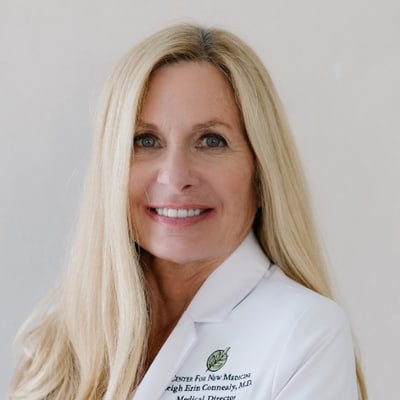
Why Restrictive Diets Do More Harm Than Good | Dr. Sarah Ballantyne
Transcript
Click a timestamp to seek the player.
¡Vamos!
The 2026 Chevy Equinox is more than an SUV. It's your Sunday tailgate and your parking lot snack bar. Your lucky jersey, your chairs, and your big cooler fit perfectly in your even bigger cargo space. And when it's go time, your 11.3-inch diagonal touchscreen's got the playbook, the playlist, and the tech to stay a step ahead. It's more than an SUV. It's your Equinox. Chevrolet. Together, let's drive.
Hey everyone, welcome to the Dr. Josh Axe Show. I am your host, Dr. Axe, and each and every week on this show, we dive into the science and principles behind how to grow in body, mind, spirit, and help take your health and your life to the next level. On today's episode, I'll be interviewing Dr. Sarah Ballantyne, and she is a bestselling author. She's the founder of Nutravore.com, and if you've ever heard of the autoimmune paleo diet, she is one of the— she is the creator of that, and she's really done an amazing job of helping people overcome autoimmune disease, chronic pain, lose weight, major lifestyle issues using food-based medicine. And the thing I love about her is she is very evidence-based and scientific in her research, but also really practical, creates really simple ways for people to heal and transform their health. And on today's episode, we'll be diving into, uh, the, the nutrient that a majority of the population is deficient in. We'll also be going through what foods are actually nutrient-dense. I actually am going to ask her something a little controversial because people have tried doing this before, a nutrient density score, and I think royally messed it up. And also, I will be talking about these small changes you can make in your diet that will make a massive difference. Dr. Sarah, welcome to the show.
Uh, thank you so much for having me.
Well, you know, uh, you're incredibly popular, uh, from the standpoint— I have a, a group of health coaches I work with, and all of them are very familiar with your, uh, dietary Protocol, and then you've— you again, specifically, I know you've developed this diet that you've recommended for years. People have quoted you on for helping people overcome a number of conditions, but especially from what I've seen, a lot of autoimmune disease. Talk to me a little bit about how you created this specific diet that has helped literally probably millions of people heal.
Yeah, it's, it's worth noting that I am no longer considered the leader of the Autoimmune Protocol. Uh, that torch has been passed to Mickey Trescott and Jamie Hartman, who are currently running the AIP Certified Coach program, and they've been doing an amazing job. They've actually been incorporating a lot of my current work building NutriVore principles into launching a new, like, 3 different levels of the AIP, including a modified AIP which focuses a lot more on adding nutrient-dense foods and doesn't actually incorporate eliminations, uh, or as much of a focus on eliminations, which I think is the direction that I've gone, like, personally in my own health and sort of my own relationship with food, but also something that I've, uh, been focusing on professionally, which is really looking at the importance of getting all of the nutrients that our bodies need from the foods we eat. That's what I refer to as the NutriVore philosophy rather than a diet itself. It's very much that, like, base nutritional sciences education that Like if we just were taught this in school, kind of the same way we were taught grammar or, you know, some like basic math skills, and we kind of all went off into adulthood just having like a little bit of an understanding of why certain nutrients are important, what they, what they do for us, what types of foods have what types of nutrients, I think we would be a little bit more immune to digging ourselves into some health holes, which I think is one of the things that happens when, whether, intentional, uh, or sort of accidental. When we, uh, when we first start a diet, most diets are defined on what is reduced, restricted, or eliminated. And I fell into this trap myself, right? I followed first the Paleo diet and then the Autoimmune Protocol. They're very much defined based on what you cut out. Um, you credit your success to the foods you cut out, where the actual success is due to the more nutrient-dense foods that you're adding in. The reason why I think that's such a challenge, um, for us, especially as like communicators in the, in the wellness community, is it's human nature when you think of a diet in terms of like what you cut out. When you hit the limits of what the diet can do for you, when you start wanting like the next thing health-wise, it's kind of like natural to say, okay, well, if I cut out all these foods and I had these beneficial things happen, uh, clearly if I want the next thing, I need to cut out more foods. And I think that's why we're seeing the growing popularity of like ever more restrictive diet patterns. And the challenge with those is the more foods you restrict, the harder it is actually to get the full range of nutrients our bodies need. So NutriVore is my, my answer to, to that challenge, which is to create this education that can be then applied as a diet modifier atop of whatever other dietary priorities somebody is adopting. So if somebody wants, uh, to follow a paleo diet or a vegan diet, or they're following the Autoimmune Protocol, the Nutrivore dietary philosophy and nutritional sciences education helps to identify those nutrients maybe that are harder to get on that dietary template and necessitate some like careful selection of foods or perhaps a supplement strategy. But they also, I think, you know, one of the things I'm trying to do with Nutrivore is help people who are restricting unnecessarily, right? Not for medical reasons, but for learned food fear. Help people feel more comfortable facing those fears and expanding their diets, kind of how I've had to do over the last few years.
Yeah, it's interesting. You know, I've had a lot of people that I've interviewed over the years. Uh, you had Paul Saladino, who's on a carnivore diet. I've had people who have been on vegan and vegetarian diets talking about why they have, uh, you know, adopted that diet in particular. And there's no doubt that when you look at a lot of the diets today, they tend to be incredibly restrictive. And, you know, my biggest background of study in nutrition has been Chinese medicine. And, you know, Chinese medicine is already focused on very personalized, you know, personalizing diet plans for people and not being restrictive and, and, uh, and, and really preparing things properly. And so there's, there's a lot there. But I love the idea of really focusing on nutrient density scores, you know, my— when I was doing a podcast, and I had one of the first podcasts, uh, this— and I took years off, but this was back in 2000, and it might have been like 2010. It was a long time ago. Yeah. Yeah. And so I had Joel Fuhrman on, and I interviewed him a couple times. And so Joel had this, um, and people might still remember this— you'd go into Whole Foods Market And it was him and a guy named Rip Edelstein, who was a fireman who had these things all over Whole Foods Market.
The ANDI score.
Exactly. Yes. So, so you'd go in there and there'd be these scores in different areas. And so now, now here's the thing that I started learning because I actually started working with a company internationally trying to do my own score. And then one of the things I realized is, you know what, this is— it's very hard to be non-biased. Doing these scores. And when I started tallying Joel's scores, I realized that he was leaving a lot of nutrients out in order to favor vegan foods because he was pro-vegan. So for instance, I would— I remember interviewing him and saying, hey Joel, one of the things that should be on here is organ meats, but you're not counting choline, you're not counting this and this and this on the actual score. So You know, this seems like you're being very biased towards vegan. And, and in any ways, he had a lot of excuses. But all that being said, I thought it was really just a terrible scoring system. Now, if you want to rank just plants, maybe it wasn't that bad, but it was very unfair to— I remember the Weston A. Price people. So this is a whole nother— sorry, I'll end here.
No, I'm loving this tangent. Please go.
So, so then I had Sally Fallon on, who's the founder of the Weston A. Price Foundation. And both interviews, I didn't know there was a little bit of animosity between the two, but brought up— they didn't— first off, they do not like each other. They couldn't disagree with each other anymore. And so anyways, it made for an interesting, interesting podcast many, many years ago. But one of the things that I would love to ask you is, how did you, when you were coming up with your scoring system, keep in mind being fairness in terms of— because, because Because it can be challenging based on if you're doing it— and I think if you're doing it off of recommended daily intake, I mean, that probably is the best way to do it today. But how did you come up with your nutrient scoring system, and how did you make sure it was fair between plants and animal-based products?
Yeah, I think you have exactly identified the challenge in nutrient profiling right now, and I'm actually going to like give a little bit more background information before I talk about what I've done with this scoring system. So my perspective from the very beginning is I just want to understand the food. I want to figure out what's the most objective way that I can measure the nutrient density of a food, which is scientifically defined as, uh, a food that offers a significant amount of nutrients per calorie. So it's, it's already scientifically defined based on the energy density. I just want to understand it. I want to, I want to figure out, uh, a way to systematically, mathematically measure the nutrient density of food and see what that tells me, see what I can learn from that, maybe challenge some of my own biases about what foods are nutrient-dense and what foods aren't. So after spending this like 3 months digging into all of the science, I came out with none of these scores are good. That's why none of them have been adopted by any institute, uh, or agency. But the Nutrient-Rich Foods Index algorithmically makes the most sense to me, so that is the math I'm going to use. But instead of using 9 or 15 nutrients, I'm going to use every single nutrient I have enough data for that it makes sense to use in the calculation. And I'm going to make sure that I have full representation of nutrients inherent to plant foods as well as nutrient inherent to animal foods. So I'm not inserting that plant-based diet that we see in a lot of direct-to-consumer scores. So the Nutri-Score is just this really simple sum of 33 nutrients relative to their daily value divided by the energy density of the food and nothing else. And so all of that calculation was done blind. Uh, so it was all like, get put it all into a spreadsheet, hit, hit go, all of the numbers come out, and then look at that and, and see what it tells us. And so NutriVore has been built on the insight, in part from that score, along with other things that nutritional sciences tells us is important. And, um, and I've just been like nerding out about what that math can tell me about foods ever since.
Hey, so, so answer this for me: why should we pay attention and care about the nutrient density of food? Why does it matter?
Yeah, so the really simple answer to this is that most people's diets are falling short of meeting our nutritional needs. So most people are consuming perhaps more calories than they actually require, so too much energy, but are falling extremely short on essential vitamins, essential minerals, uh, essential amino acids is typically not a big thing, but essential fatty acids certainly is. And the The reason why that's a challenge is that this weird, like, gray in between nutrient intake being so low that it causes, like, an obvious disease of malnutrition, right? You have a disease of deficiency like scurvy, right? Most of us don't have scurvy. We're getting enough vitamin C to prevent that. But that doesn't mean we're actually getting how much our body needs for all of the various processes in our bodies that need, say, vitamin C. So that weird gray in between, it's called insufficiency, right? So differentiate it from deficiency. That means you've got a disease of deficiency. Insufficiency. Insufficiency means we're getting enough to avoid that really, really bad wheels falling off the cart disease of malnutrition, but we're still falling short of how much we actually need. And what that does is that puts wear and tear on the systems that need those nutrients to do what they do. So nutrients are resources that get used up in chemical reactions of life, right? So they are the things that our bodies need to do all of the things that our bodies do. Do. And we need to be continuously topping up our nutrient stores from the foods we eat in order to be supplying all of these, like, raw materials for our body to do all of the important things that keep us alive. And so when we don't provide our systems with the nutrient resources they need, it's like not putting oil into your car, right? It's just putting that a little bit of wear and tear on all the systems. And if you keep going without enough oil, eventually your gears are gonna start grinding down, right? So you're, everything's gonna not quite work as well as it should. And that by itself doesn't cause disease, but it now is interacting with genetics and epigenetics, social determinants of health. Lifestyle factors like how well we sleep, how much stress we're under, how active we are, other health-related behaviors like whether or not we smoke or we drink. And altogether, those are creating the situation where something like cardiovascular disease can develop or type 2 diabetes. So nutrition's not, it's not the direct cause. Nutrient insufficiency is not causing type 2 diabetes, but it is a very clear point of intervention where we can dial down the risk. It doesn't necessarily guarantee that we won't develop those conditions because there are other things contributing, some of which like social determinants of health that we don't have any control over, but it is a place where we can make changes and see that reflected in long-term health outcomes.
Yeah, so, so you said it wouldn't cause type 2 diabetes. Let me ask you this though, as not, not as a primary, and I, I, I agree. Do you think it's possible it could contribute though if you're deficient in magnesium and vitamin D and chromium, you know, that it's a contributing factor? Yeah, so absolutely. Yeah, so, so one of the things you said, you, you spent I don't know how many hours, numerous hours looking over these nutrient density scores, studying vitamins and minerals and antioxidants. What, what are the most common nutritional deficiencies that we have today, and are there any differences between men, women, and children?
Oh yeah, that's a, that's a good question. So, um, just looking at adults, um, the most common nutrient shortfall is vitamin D. Vitamin D is an interesting one because, uh, we make some of it ourselves in response to UV radiation from the sun, as you well know. So I kind of like to always put vitamin D in its own little box over here because it's just a little bit more complex. It's a steroid hormone, right? Uh, we make our own. The form that we're getting from food or the form that we're making in our skin still needs to go through multiple steps in the liver and the kidney to be activated. We're not even measuring the active form when we measure serum levels, right? There's like so much nuance with, with vitamin D. Um, but next, the, the most, uh, next most common nutrient shortfall is potassium. Potassium. So nearly 98% of people don't get enough potassium from their diets, which is a— like, potassium and sodium, that the ratio between them, we're getting too much sodium and not enough potassium, and that is directly increasing blood pressure, which is a major risk factor for cardiovascular disease. Um, not getting enough potassium also affects bone health and kidney health really, like, dramatically. So that is a huge one. Vitamin E is next at something like 96% of people don't get enough vitamin E. Um, and then right up there we've got folate— like most of the vitamins actually— vitamin K, magnesium, um, are all nutrients where like half or more of us are, are not meeting our nutritional needs from diet. It's been a long time since I have dug into the data that separates out children. So a lot of the studies kind of look at like kids 2 and up, or they'll look at like adults 18 and over. So I don't remember off the top of my head which nutrients are more likely to be like insufficient in a, in a child's diet. I haven't dug into that. I haven't looked at those numbers in long— in too long.
Yeah, well, it's, it's— by the way, sometimes I get questions that people ask me and I'm like, I remembered that 5 years ago, but right now I'm not able to pull it from the file cabinet. So let me go—
I could probably I could get you all that information if I had like an hour. Yeah, I know exactly which paper to look at, but yeah, it's, it's, uh, it's definitely not at the top of my brain.
Well, I'll, I'll share a few things here and just, just, uh, just to reinforce and support a lot of the things you said. One is, yeah, there are major nutritional deficiencies. There's an organization that I have promoted and really love, it's called InsideTracker. Another one's called Rupa Health. But they really, they do, they've done tens of thousands, if not hundreds of thousands, of blood work. And so they went out and came out with with based on their blood work what people were most deficient in. And you hit— you had all of them. It was vitamin D, actually the second one was choline. People don't know this. Yeah, I mean, and so today choline actually used to be vitamin B4, and then they, they said no, it's not B4 anymore. Now we're just— it's not a B vitamin, it's choline.
So yeah, choline is not even included in a lot of the studies that measure nutrient shortfalls, actually.
Yeah, it's interesting because years ago, a long time ago, this is a very, very long time ago, it was. And yeah, now it's not. And then it was a lot of what you said, Folate was on there, vitamin E was on there. I think I saw in kids it was— it leaned more fat-soluble vitamins were the biggest thing.
In humans it does too. Yeah, it's all of the fat-soluble vitamins are— let me just think about that for a second. Yes, all of the fat-soluble vitamins are a 50% or more of people are not getting enough of.
Wow, that is tremendous. Well, and I think the only difference— the biggest difference between men and women, I believe what I read was, was women tend to be more deficient in iron when younger women, and so iodine as well, interestingly. That's right, that makes, that makes sense. And it makes sense with a lot of blood deficiencies women have— anemia, hypothyroidism, a lot of the stuff you're sharing. It's so, so good. And so when you were doing this research, what was the thing that surprised you the most? Was there any food or food group that stood out, or something that you thought, wow, that this, this surprised me a little bit?
Yeah, I mean, I feel like there's been so many surprises, it's kind of hard to isolate just one. And actually, the surprises— sure, yeah. Oh, I I was gonna say the surprises have kind of been my favorite, my favorite part. I love the like redemption arc. Like iceberg lettuce is more nutrient dense than celery, and we call iceberg lettuce crunchy water, but we like have celery list as a like a miracle food, right? Like, but look at all the great things that iceberg lettuce has. Like I love those types of like little individual surprises. But taking big picture, I think one of the most eye-opening things for me was calculating the nutrient density of starchy foods and seeing legumes legumes, which I had avoided, uh, because the paleo diet taught me to for 12 years. And I was like, oh, legumes are 2, 3, 4 times more nutrient dense than whole grains, than a lot of root vegetables. Um, like legumes on average beat out root vegetables on average. And that's even including those like superstar— it even includes like this broad, like categorizing winter squash as a root vegetable. It includes those like superstar root vegetables like turnips and rutabaga. It's kind of— I mean, I think that as I've expanded and deepened my knowledge base in terms of like all of the different biological roles of, of nutrients, I can really see why there's so many studies showing that eating more legumes reduces risk of type 2 diabetes and cardiovascular disease, of many forms of cancer. And it's not because they're incredibly fiber foods, right, which they are. They are our densest sources of fiber on average. There's a few like kumquats and chia seeds that are right up there. Berries where you're eating the seeds like blackberries and raspberries are similarly fiber dense. But legumes on average, like all legumes are going to be great sources of fiber.
Wow.
But they're also some of our best sources of folate, which is one of the most common nutrient shortfalls. They just tend to be high in B vitamins other than B12. Anyways. They tend to have a good amount of kind of like all of the minerals, and they're also really high in polyphenols, which is not something that was on my radar before I started digging into this data. When I think of polyphenols, I think of foods like tea and coffee and maybe vegetables in general, olive oil, berries, maybe a dark chocolate. I didn't think of lentils as being a really like polyphenol-dense food, but they are. And so I think that when we start to really kind of dig into that data and go, "Oh, look at all of the nutrients that legumes have. This is why the math works out to them having really impressive Nutri-Score, the highest among starchy foods." And now all of a sudden, all of these studies showing that legume-rich eating patterns improve long-term health outcomes. Now all of that starts to to square.
Wow, it's so interesting. You know, one of the things that I, uh— but by the way, beans have really— they just, they don't have a bad rap. They just get left out a lot. I mean, if you think about keto and paleo and just a lot of diets, it's not— again, you, you don't see a lot of beans in there. And I do remember seeing that with lentils and like adzuki beans and I think even kidney beans, uh, you know, just being incredibly high on the B vitamins, polyphenols, adrenals. It's so interesting, you know, I— in Chinese medicine there's a principle, it's called like supports like. And of course beans look like little kidneys, and of course kidney beans almost identical to kidneys. And so yeah, they tend to be known for that. But it makes sense if you think about kidneys and adrenals needing B vitamins, and, and even— and I think certain beans actually have a fair amount of potassium compared to certain other foods.
And so, and magnesium, which is also really important for kidney health.
Yeah, that's so, so interesting. Wow, I love it. Well, guys, get, you know, let's get some beans, get some hummus, get some, you know, get some more of that in your diet. Okay, I love that. Anything else?
Oh yeah, I mean, we could go over and over and over again. I think I was really impressed with potatoes as a root vegetable. I think potatoes are like the vegetable that people love to hate. And it's that they're kind of like, most diets will teach you that potatoes are not good. They really are. Are like legitimately one of the easiest ways to get enough potassium. And as long as we're not eating them with tons of salt, we're improving our potassium-to-sodium ratio. There's actually studies that show that eating potatoes, as long as they're not in French fry form, so as long as they're boiled or baked, that that lowers blood pressure. But then the sodium, unfortunately, in French fries negates the benefit of the potassium in them. But they kind of come out in the middle of starchy foods, and I don't think I would've expected that. They're, the NutriVerse score is like 272, I think if I remember correctly, which is like better than a lot of other root vegetables and certainly better than whole grains, which I kind of feel like those would play a similar role in your plate. So when you're thinking about what is the thing I'm gonna have with dinner, am I gonna have a dinner roll or am I gonna double the nutrients per calorie and have a baked potato? But then I can double the nutrients per calorie again and have a baked sweet potato. So I think, That to me is like the fun way to think about this is like, what are these easy swaps that I can make that are gonna up my nutrient intake while not dramatically changing like the composition of my meal, right? These are easily, you know, interchangeable foods for most cuisine types.
Let's do a little bit of a food face-off here. Okay. Spinach and kale versus liver and organ meats.
Oh, okay. Well, so in terms of, in terms of absolute nutrient density, so nutrients per calorie, they're about the same. So spinach and kale are both around a NutriScore of 4,000. Most types of liver are right around there. Beef liver's like 4,021. There's like a 5% difference between kale and beef liver in terms of nutrient density. But total nutrients contributed to the diet, we're obviously getting a lot more from organ meat because the nutrients per serving are a lot higher. The nutrients per calorie are the same, which is also another, like, it's a great example of, like, the cautionary tale of not only looking at nutrient density as our only metric when we're choosing food, because that's a great way to understand the quality of the calories in a food. It doesn't tell us everything. It doesn't tell us which nutrients there are. It doesn't tell us how much nutrients per serving there are. So we want to combine, like, the, the really cool insight that we get from the NutriVerse score with other important information when we're choosing food.
Yeah, yeah, I remember as I, as I've studied nutrient density scores over the years, one of the things with some of the earlier ones that always threw me off was things like spinach if it was steamed or raw, because, you know, it just, it's, you can eat so much more, you know, steamed or sautéed spinach versus, versus raw typically. So there's some interesting things that can obviously happen via cooking methods and, and those sort of things, but that's Uh, that's fascinating. And this is just an example too of why I think that, you know, the people that live the longest tend to have a well-rounded diet. They tend to just eat real food. And a lot of these foods they have, you know, in their diet. And so I think— and I think the potassium point is a really good one. You know, uh, this happens so much today in medicine and in wellness is that we tend to highlight we fight maybe, uh, one type of food or one type of nutrient for years, and then we change our mind, or we look at something— let me give you an example. Glycemic index. I mean, when I think about in the late '90s, early 2000s, um, there was such an emphasis put on glycemic index and glycemic load, which for everybody listening is how much sugar a food contains, or how much, uh, it really— how much, how much sugar something breaks down into your body. Body, and, and it was based off 100 being, I want to say, glucose or table sugar. Um, am I— yeah, I'm in the ballpark on that. Feel free to correct me. But, um, but, but my point with that is, is that people look so close at that. So I remember there were people out there saying, don't eat beets, don't eat carrots, don't eat potatoes, don't— I mean, you know, don't eat watermelon, don't eat banana. And so, and of course, watermelon And I mean, talk about a food full of citrulline, a loaded— I mean, it might be one of the potassium— the highest foods out there on potassium, you know.
It's, uh, it's also the second best food source of lycopene after tomatoes. Um, and like, L-citrulline is not an easy amino acid to get from the food supply, but it is well known to improve muscle recovery, athletic performance. That's why it's often included in pre-workout supplements. And here we've You've got watermelon sitting around the most— the second most nutrient-dense melon after cantaloupe. And because of it having a high glycemic index, even though it has a low glycemic load, it has been demonized as like sugar water for so long. But it is extremely nutrient-dense. It has about almost— well, it's like 2.5 times more nutrient-dense than an apple, right? It's like it—
it—
not that apples are bad. I don't want to say that apples are bad. I'm just kind of using that as a go-to comparison because I think we've got all these— this aphorism, like, an apple a day keeps the doctor away, right? We, we tend to elevate certain foods on a, on a pedestal. And it's one of the reasons why this math is so fascinating. It, it shows us, oh, there's something more to look at here. And then we can start digging in, like, what are the nutrients in this food? What is it that makes this so, so special and nutritionally valuable? And watermelon is one of those ones that I think has, again, this, like, reputation in different diets and the wellness community as being like one to limit, but, uh, it's actually like just packed full of beneficial nutrients.
Wow. You know, I love the idea behind what you're doing here. For everybody listening, Dr. Sarah here has created a nutrient density score. So how many vitamins, minerals, and probably, you know, maybe some even antioxidants— I'm sure the basis is vitamins and minerals in these foods. And I love this for kids. I love this for people getting started. I love it for everybody. But I love the idea of, and I've said this before on my show, getting into what we should be learning in schools. And I absolutely believe that this should be learning about food, you know, nutrition and something, a scoring system like this learning. And I also think money management. I think there's, there is a study done. I wanna say this was H&R Block did this study. And they found that it was something like— I'm not going to get the exact number right, and maybe we could put it in the show notes, or I could post it somewhere, uh, and I have it in my book Think This, Not That. But so it's something like 70 to 80%, or close to that, of what we learn in school you will never use again the rest of your life. And so it's like, but if you think about if kids today would learn about what you're teaching with these nutrition, nutrient density— here's the foods that have the most vitamins, this is what you should be eating and how to manage your money and how to have good relationships. I don't— I mean, these are things that would make sense, I think, for people to learn in school. And then not even to mention morality and ethics, that's a whole nother thing. But I think that there are— like, I've never used calculus. I learned it, never used it again. And I would have much rather learned nutrient density scoring and nutrition basics in school. And so I, you know, again, I love that you're doing this. You know, the other thing, it reminds me of this, you know, a lot of people today are picking up on this. This was talked about in Chinese medicine, and they used to say essentially 10,000 steps a day will keep the doctor away. And so a lot of people are talking about 10,000 steps now. I think that's— it's— people tend to be very goals and number oriented. So I think it's very beneficial to have that number of, hey, 10,000 steps, and how many minutes is that walking generally. But a very similar thing with your nutrient density score, having something to aim for more. Having a goal in mind, I think— and not to say that people aren't going to have to customize, and maybe there's certain foods that they don't tolerate well, and their doctor isn't going to have to, you know, possibly tweak and adjust maybe some of those recommendations. But I love this idea and, and what you're sharing here. Um, what, what else do we need to know about— I have other questions, but what, what, what are some things that— what are some other things that we need to know about nutrient density in foods? Any other findings? Anything else you think we should know?
Yeah, so one of the things that I do in my new book, Nutrivore, is I try to make caring about nutrients really personal for people by looking at the specific link between one nutrient and one common, uh, health condition, symptom, or goal. So we'll look at, uh, how not getting enough calcium can increase PMS symptoms, or how not getting enough magnesium increases the frequency and severity of migraine headaches, or how the betalain in beets can improve muscle recovery, whether you're a trained athlete or you're just starting out. So really looking at how these different nutrients can impact maybe the, the health things that we care about individually. But every nutrient has multiple connections with health outcomes, and every health outcome has multiple nutrient connections. And I think that the reason why that's important to understand I actually have a table in one of the appendices that lists every nutrient that is strongly associated with 120 different conditions and symptoms in order to really drive this point home that the targeted supplementation, when we find out, okay, well, calcium can reduce PMS symptoms, I'm just gonna take a calcium supplement, it's not the only thing that can reduce PMS symptoms. We actually wanna be getting the full collection of nutrients associated. It happens to be very strongly associated. It happens to be one of the clearest points of intervention. But I think it's important to kind of build that story because it helps us to care about the importance of getting nutrients from food. And it really reveals the limitations of a supplement-based approach. Not that supplements are bad or that there isn't a time and a place for supplements. I'm working on it. But I think that we want to supplement on top of a high-quality diet in a very targeted way where we're working with our healthcare providers and, you know, really making sure we're taking only the things that we really need. And I think I think that being able to like tell that story of here's how your specific health challenges may be linked to dietary shortfalls of this collection of nutrients, I actually think that it really helps reinforce the benefits of overall higher quality diet. But one of the really important things that I'm doing with NutriVore as a dietary philosophy is trying to show how to have a high quality diet diet without the restrictive mindset, like without restrictions other than for medical reasons. That's obviously a separate thing. And how to approach higher quality diet within permission instead of restriction. Because the other thing I think that we kind of sometimes lose sight of when we have short-term, you know, I want to lose this much weight by this time— we tend to think of health in terms of the short-term goals. But when we're talking about these like big health challenges, right? Cancer, cardiovascular disease, type 2 diabetes. The thing that reduces risk is not how I eat today, it's how I eat on average over the long term. So the other thing that I'm trying to build with NutriVore is this base knowledge, this, uh, philosophy of getting all of the nutrients our bodies need from the foods we eat within a structure that for each one of us is sustainable. So we're focused on foods that we have access to, that fit within our budget, that align with our taste preferences, and that we're also intentional to incorporate some of our favorite foods, even if they're not particularly nutrient-dense, in order to get enough joy out of our diets that that is something that we can sustain. So for me, Nutrivore is as much about identifying nutrient-dense foods and being able to achieve that goal of like getting the full range, all, you know, 40 essential nutrients, getting all of them from the foods we eat, plus all of the non-essential nutrients that are super valuable. Um, it's as much about, about achieving that as it is about doing it in such a way that we can actually stick to and make a lifelong healthy habit.
Yeah, yeah, that's good. That's really good. You know, in your research, is there any difference between food quality— organic, non-organic, local, you know, shipped in from across seas? What, what, what, what, what did your findings reveal there.
Yeah, that is— there's so much nuance to this question. I feel like we could probably like drill into this for the next 3 hours. Um, the answer is yes, there is a difference, uh, but it is not as big as you would think. So it matters much more what types of foods we're eating than the quality of each individual food from a nutrient density perspective. And when we start examining nutrient density, there's some myths that, uh, are revealed, uh, that those, you know, nutrient density scores really help to bust. So for example, there's not actually a nutrient density difference between organic and conventional fruits and vegetables. Uh, there, there's a tiny difference, but sometimes organic is more, sometimes organic is less nutrient dense. They're almost all within a few percent. And in the, you know, the scientists who have actually done the math of like, okay, if we assume you got the lowest nutrient-dense version of all the vegetables you ate, if you ate enough vegetables, would you still meet your nutritional needs? And the answer is yes. So there's certainly, you know, more nutrients in probably like the local grown in, you know, really high quality soil that you got from your farmer's market. Based on the limited nutrition data that we have, there definitely looks like that is a more nutrient-dense option than the thing that you're getting at the grocery store that's been sitting on the shelf for however long after being harvested. But that difference in the grand scheme of things is not very meaningful. It matters more that we are eating vegetables than whether or not those vegetables came from a local farm or came from the grocery store, whether or not they're organic or frozen or canned even. The nutrient retention in canned foods was another thing that really surprised me. I feel like there's such a flavor difference. You would expect that to be due to nutrient loss. And it's, it's not. The nutrient retention is, is very impressive. Um, that being said, you know, wild-caught fish does have more nutrient density most of the time. Not every type of fish, but most of them are more nutrient-dense wild than farmed. Grass-fed beef has a little bit more nutrition than conventional. But it's— the question is, I think, from that, if, if we're talking about really straining budget to afford these like higher quality food foods, I would say the money is better spent on just eating more whole foods than it is on like really trying to extend to afford the, you know, CSA box from the local farm and the grass-fed meat and the wild-caught salmon. And the science really, you know, backs that up, right? There's some really fascinating studies looking at like the health effects of farmed salmon and showing that eating farmed salmon twice a week lowers serum cholesterol and triglycerides, or improves cognition in cognitive tests after a month. So, um, so we think we have a really good body of scientific literature to show that the, the food itself is more important than whether or not we're getting like the gourmet or the height of quality version versus like the cheapest one on the shelf that is the store brand or in not even a label altogether.
There. Yeah, yeah. And I think obviously organic, sometimes it's more about not what you're getting than trying to get more nutrients. Sometimes it's trying to, you know, stay away from like a phosphate and pesticides and those sort of things. But that makes sense. And, and the local thing makes sense to me as well. I think that there are plenty of companies that label their products organic that are just, you know, the soil isn't any better. It's just they're, they're using maybe less chemicals. And so that it's the same soil. And so I, that That makes a lot of sense. A lot of sense. You know, when you look at, you know, I think one of the things that intimidates people sometimes, and you'll understand this, is I imagine that when you created and founded, I know this is new, but the AIP diet and even this diet today, I think you had a lot of people originally coming to you because they had a massive, a major illness. You know, Hashimoto's thyroiditis, inflammatory bowel disease, their child has autism. I mean, right, it's a lot of people that are very sick. And so they were willing to, because they were at the end of the rope, the total bottom, saying, okay, we'll do anything. And so changing everything, we're willing to do it. Well, now it seems like your approach is a little bit more trying to look at things and say, you You know what? I still wanna help as many people as possible, but I also wanna make it as easy as possible for people, be more approachable. And so talk to me a little bit about how much of a diff— change does somebody have to make in order for it to be measurable and make a big difference in their health? Because I think a lot of people feel like, oh, in order for me to get healthy, I gotta go all keto. Like, like, like, and literally I can't go out to eat with my friends. Every meal has to change. I gotta spend a million dollars more a year. And so it's like this overwhelming thing that just breaks people. They feel like, I can't possibly do it. How have you made this more approachable? And am I right on that?
Yeah, no, you're 100% right. I love this question because I think that one of the, the big parts of my personal journey that has kind of gone alongside my professional journey in building Nutribore has been kind of like ditching that perfect or bust just mentality, that idea, you know, I did not realize that this was where the AIP was going to go when I first started writing about it. But this idea that if I'm not doing it perfectly, it doesn't count. And what that has translated to in the wellness community more broadly is this like constant raising the bar of what you need to do to be healthy, right? So you're doing all of these things. Okay, well, now, now you can't eat that food. Now you have to have this like more expensive option. Oh, you're doing all of these things, well, now you need to add this, whatever the MLM, you know, supplement that is all over the place trending right now is, right? And I think that kind of going along with the psychology of ever more restrictive diets, what's happening with this like constantly raising the bar in terms of the accessibility and affordability of what are going to be like branded as healthy foods within the like broader health and wellness community is it, it's doing a couple of things. So one, it is actually extremely discouraging, right? People feel like if they can't afford, if they don't have access to all these things, what's the point? Why even start? But it's also, I think, perpetuating a lot of, uh, myths that make us afraid of foods and is actually teaching a lot of, um, disordered eating patterns. So there's psychology research dating back to the '90s showing that just dieting, uh, increases risk of developing disordered eating patterns. And then those disordered eating patterns, for a certain percent of the population, lead to an eating disorder. And one of the things that I've had to reconcile with personally over the last few years, um, is not just sort of like recognizing, uh, what things I got wrong in the past and having to like shift gears and re-communicate that and be like, oh, like, uh, here's something that I've completely changed perspective on through, you know, being uncomfortable, uh, learning things that challenge my currently held beliefs and having to be open to that. That's a really hard thing to do. And then it's even harder to have to say online that you were wrong and you've learned more. But one of the things that I've had to realize is that I had a learned eating disorder through my experience with paleo and the AIP, and I had to really address those food fears in order to diversify my diet and it turns out that there's only one food that I really like is medically necessary for me to avoid, and I was avoiding a lot more than one food. So I think that, that part of what I'm building with NutriVore is that accessibility piece, because that's where the science is, right? The science is incredible when you start looking at dose-response curves of individual foods. If you just look at somebody somebody who is currently not eating any vegetables, going from no vegetables per day to one vegetable, just one serving, that's one cup or about the same volume as your fist. That could be a salad through the drive-through, right? It doesn't need to be anything more complicated than that. That, that difference in, uh, decreasing all-cause mortality, which is a great general indicator of health and longevity for gauging the overall health effect of of how much of whatever we're looking at, that difference to go from 0 to 1 is the same as going from 1 to 4 servings of vegetables per day. So you only get about double the benefit going from 4, uh, going from 1 to 4 that you get from going from 0 to 1. Now I think that's incredibly empowering information because it really does show that every little bit, uh, every, every tiny small change that we do— grabbing a piece of fruit instead of vending machine snack, right? Refilling with water or with sweet— unsweet tea instead of another soda, right? Like, every single one of those little changes is reflected in the data as showing overall health benefit. And the more of those little easy changes we can stack, the more long-term health benefit we're going to receive. And I think that the, the permission structure that I'm trying to create with NutriVore to break it down to something that accessible, that simple little baby step, that it doesn't have to be this like perfect or bust, we do all of these things, uh, or it's not worth doing any of it. Um, because I think the, the— what's happening right now in the wellness community is the barrier to entry is so high that it's no longer accessible to the average person. And with NutriVore, I want to like take that barrier of entry, dig a trench into the ground and lower that barrier of right in there so that every single person feels empowered to make small changes, again, within the foods they have access to, within their budgets, within their taste preferences, that the science shows us unequivocally those small changes add up to huge health benefit. And once we have that one little change, once we're getting a side salad through our drive-through order, you know, maybe that makes the next, the next little change of, uh, cooking once a week at home, right? Like, that's going to be beneficial. And every time we can add a little next change, next change, maybe now it's cooking dinner every night at home, all of those things are going to add up. And we can, when we tackle it in those like small, accessible, tiny pieces, we're actually building healthy habits in a more robust way than when we feel like it's this thing that we have to like white-knuckle our diet and hold on for dear life in order to to sustain, that doesn't work for most people.
Yeah, you know, you know something else I found fascinating in a study I was reading recently? It was on isolating compounds and foods and using those essentially as supplements versus eating the whole food. And the study was on longevity. And so they were extracting things like apple pectin and extracting the peel, you know, the nutrients from the peel of an apple, and, and seeing if that would affect longevity. And it really was either negligible or it was very minimal or none. However, when people just ate an apple, it made a much bigger difference. And we've done this in the nutritional community. Obviously there are billions of dollars in the supplement industry, but just to, to just kind of extend this for everybody, you're better off eating grapes than taking resveratrol.
Resveratrol, yes.
I mean, that's a— and first off, that's been debunked a lot. It's kind of crazy. That's not going to get on a rabbit trail here. But all that being said, it's— it really is amazing. That's what's so great about this. I mean, food is medicine, and what you're sharing is, is here are the foods that have the most medicine for most people, and, and, and also helping you guide you towards— like, for instance, and I'm curious if you do you this in the book, but, but hey, I've got a thyroid condition— or I don't, but I'm saying, let's say I'm coming to you, I have a book, Thyroid Condition. There are certain foods you need more than others. You probably need seaweed, you probably need Brazil nuts, you probably need wild-caught fish, you probably need— right? I mean, so is that something you get into in your book as well?
Yeah, actually. So every time that I, uh, talk about— like, the whole second part of the book is examining these individual links between a nutrient and a health condition. Thyroid disease is in there, looking at the link with selenium, uh, and how selenium is important. Although interestingly enough, I also go through the fascinating history behind the discovery of iodine. So iodine was the first essential mineral to be discovered, and, um, this like French physician named Jean-François Coindet, um, isolated, uh, iodine as is the active constituent in this like burnt sea sponge, like secret remedy that was trendy at the time. And he was like, okay, well now I know it's iodine, I'm going to dissolve iodine crystals into alcohol and administer this as a tincture. So he did that to people with longstanding goiters and their goiters started to shrink. And this was like absolutely miraculous, like no other treatment for goiter was anywhere near this success rate. But then people went like crazy for iodine tinctures, right? They started taking it for everything. They had no idea about dose and the importance of like staying below the tolerable upper limit.
Yeah.
So one of the things that I do in this book is I talk about the importance of nutrients, how much we need, how much is too much, what are the best food sources, and even including like talking about Brazil nuts as a, you know, the most concentrated food source of selenium. Selenium, also cautioning that more than like 3 or 4 selenium nuts per day can get you into chronic selenium toxicity. So really trying to like pull in all of that detail and nuance. So what are the nutrients? What are the best food sources of those nutrients? How much is too much? How much is just enough? And trying to pull all of that together so that, uh, we can understand not just the importance of those foods for our individual conditions, but but also the bigger picture of a balanced and diverse diet.
That's really good. So we've talked about food as medicine. One of the things that I love about Ayurvedic medicine and Chinese, but Ayurveda actually had this saying, and they, they really believed more that meals are medicine. So when you had a physician in, in Ayurveda preparing a meal, they would really focus on making sure not only we have this food, but we have this, this, and this. So for instance, of course, one of the, one of the most famous things that most of us have heard heard of turmeric golden milk or turmeric golden tea, and it was a very specific recipe. It was either coconut milk or a raw— raw milk. So you've got a lot of those fat and fat-soluble nutrients in there. You have turmeric, and then you would add black pepper, ginger, and long pepper, these warming spices. And we know from the studies that it's, uh, these herbs, the nutrients in there are more absorbable with fat. We know turmeric gets more dispersed throughout the body, uh, through your cardiovascular system if it's consumed warming spice. But all of those things, ingredients, are working together. Yeah. You know, we've talked about certain foods having certain nutrients, such as, you know, certain foods being very high in B vitamins, others being very high in certain, you know, uh, minerals and other things. What are your suggestions, or what are your recommendations for making sure not only we're getting the right foods but creating a meal that works as a form of medicine for, for each of us.
Yeah, so to, to back up a little bit to talk about like nutrient interactions, sometimes there's also interactions between nutrients and drugs, and like those are important things to know, right? So if you are on a vitamin K agonist as a, uh, blood thinner, then you need to be really careful about your vitamin K intake. So really trying to like build that level of, of detailed nutritional information that people can apply to their own personal situation. So when we get into like nutrient interactions, that is the deeper resource that my website is, nutriburr.com. So I have these incredibly detailed articles about all the different things that nutrients do in the body, all the different health conditions that they're connected to, connected to, including nutrient interactions. Overall, we don't need to worry to— if we're getting our nutrients from whole foods and we're eating a balanced, right, we're eating a balanced meal and we're eating a diverse diet, we typically don't need to get into the weeds too much unless we're trying to address a specific deficiency, right? So like if we're trying to address iron deficiency anemia, right? Understanding how vitamin C can increase the absorption of non-heme iron, understanding how zinc and vitamin A can increase iron metabolism. Like that's where those interactions start to become really relevant. I decided that that was, like too much granular detail for the book, but that's where the website comes as a supporting, uh, resource.
Well, by the way, I wasn't asking you to go that deep. What I was asking for was more along the lines of, you know, looking at not, you know, creating a balanced plate.
Sure. So I have a resource in the book. It's also something that you can get for free when you sign up for my email list called the NutriBorn Meal map. Uh, it's completely a rip-off of MyPlate but with some really important differences that I think better represent where nutritional sciences are. So, uh, this is how I recommend most people— obviously there are going to be people who, uh, need to shift the proportions here a little bit. Uh, if you think that might be you, talk to your doctor or your dietitian or your nutritionist about whether or not you want to shift things. But this is a, like, default starting position would be for most meals to look like a plate of food where we divide that plate into approximately quarters. No, no rulers allowed. One quarter is a starchy food, ideally something like legumes or a root vegetable or a whole grain. One quarter is a protein food. Seafood is going to give us the most, uh, nutritional value there, or organ meat. But any like protein food, mixing it up is obviously also really beneficial. So that could also be something like broth, it could be a plant protein, uh, it could be a dairy product or eggs. And then the remaining half of our plate being ideally a couple different fruits and vegetables. And ideally the ratio of fruits to vegetables in our overall diet would be reflective of those sort of ideal, like, doses for vegetables. So with vegetables, 5 or more servings per day seems to be where we, like, cap out the benefits. And With fruit, it's like 2 or 3 servings per day. Fruit, there's more of a, a Goldilocks zone. With vegetables, more than 5 servings per day, there's no, uh, harm of that, but we're not continuing to benefit from vegetables typically is what the science shows. Um, and within those fruits and vegetables, trying to hit the different colors of the rainbow, um, trying to have as much variety as possible, trying to hit the different fruit and vegetable families. So cruciferous vegetables, the cabbage family are particularly beneficial. Root vegetables are really beneficial, leafy vegetables, mushrooms. Mushrooms are— I could wax on poetically about mushrooms for hours. Mushrooms have so many nutrients that are really hard to get from other foods. And alliums, the onion family, also I feel like are a really important vegetable family to incorporate either as seasonings or as vegetables on a relatively regular basis. When most of our meals kind of have that like 25%, 25%, 50% roughly composition, that typically puts us in balanced macronutrients pretty quickly, which means our macronutrient percentages of our diet fall within the accepted macronutrient distribution ranges, which is a definition of a balanced diet. But it also diversifies the types of micronutrients we're getting. So we're kind of getting very similar micronutrients from legumes, from whole grains, and from root vegetables. Most protein foods are going to have some very similar micronutrients, at least animal protein foods will. Plant protein foods, uh, are falling into more like that starchy quarter in terms of the micronutrients they contain. And then when we're eating a variety of vegetables, we kind of have all of the like cool phytonutrient classes that they contain really well covered. And that of the diversity of nutrients also means that we have like more potential health outcomes covered in terms of how our nutrition is going to reduce long-term risk.
Wow, I love it. Well, you know, I love what you've done, uh, Dr. Sarah, here in creating NutriVore. I want to encourage everybody, get the book. It's called NutriVore, uh, bookstores nationwide, also amazon.com. It's so easy to go on there. If you read the book, love it, leave Dr. Sarah a review. I think this is really powerful information. It'd be powerful information also to share if you got a homeschool curriculum, you know, and you want to teach your kids how to do this. Or if you don't homeschool and you, you know, you want to, you know, read something together with them so kids start to understand this. I think that this is so important. If you want to change the world, educate kids. I mean, that's the reality. And so I want to encourage everybody to check out the new book, In, uh, Nutrivore: here by Dr. Sarah Ballantine. And Dr. Sarah, I want to say thanks so much for coming on. Uh, share with us a little bit more about, again, where we can find you, uh, on social and your website.
Uh, thank you so much. So my website is nutrivore.com, and I am @DrSarahBallantine on Instagram Threads, Facebook, TikTok, YouTube, and Pinterest. And I post different types of content on all of those platforms. So if you have multiple places you like to hang out online. Uh, it's worthwhile following me on all the places because you'll see something different.
Awesome. Thanks, Dr. Sarah. Again, the book is Nutrivore: The Radical New Science for Getting the Nutrients You Need from the Food You Eat. I'm excited too. Uh, actually, one of the things I love about books like this is for everybody— I love using these as reference guides. And so, for instance, you can grab this book and say, oh, I've got a thyroid issue, what are some of the best foods? Oh, I have high blood pressure. Oh, I've I've got this issue with my immune— immunity. I need to strengthen it. Here are some of the best foods for that. You can find a lot of that information in the book. So again, it's great to read, but it's also great just to have, keep on the shelf, pull out to use on a regular basis. All right, I want to say thanks everyone for tuning in here to the Dr. Josh Axe Show, where each and every week we explore the science and principles and how to grow body, mind, and spirit and take your health and your life to the next level. Hey, make sure to subscribe, like, and share, and I'll see you on the next episode.
The Dr. Axe Show is educational and not a substitute for care from your clinician. Disclaimer