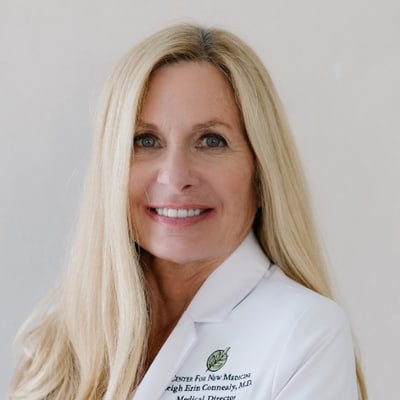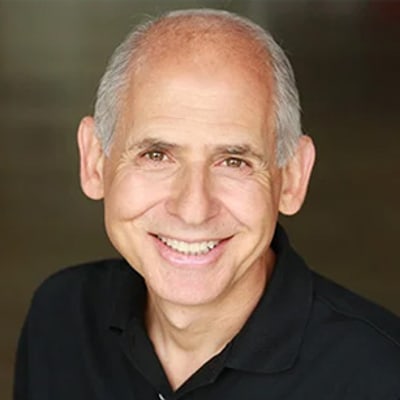
Your Dentist Lied to You. Holistic Dentist Reveals Hidden Dangers in Your Mouth | Dr. Staci Whitman
Transcript
Click a timestamp to seek the player.
Dentists and doctors are telling women to stop breastfeeding. I hear it all the time. The best thing you can do to grow a face and to optimize an airway is breastfeeding. Wow. Because when you breastfeed, it creates lateralization movements that widen the jaws, widen the premaxilla, the sinuses. It literally grows the face. They're finding up to 57 systemic diseases linked back to oral dysbiosis or imbalances with the microbes in our mouth. So it is so much more than just brushing and flossing. You know, and using mouthwash. If you eat a whole food diet, your decay risk is basically zero.
Your child's IQ dropping 5 points because they're being drugged unwillingly because of fluoride. Your oral health, if it's not good, can cause—
What if I told you that your dentist has been lying to you? That the products you use every day, including your toothpaste, your mouthwash, even the fillings in your teeth, could be silently destroying your entire health?
Causing issues like infertility, heart disease, low testosterone, hypothyroidism, and learning development in children.
And what if I told you that your mouth holds the key to everything from the health of your brain to your gut, even your hormones?
Well, today I'm sitting down with one of the world's leading experts in holistic and functional dentistry, Dr. Stacy Whitman, to expose the hidden dangers in modern dentistry that the shocking truth about fluoride and why so many chronic illnesses actually start in your mouth.
She's going to reveal what most dentists won't tell you and share simple, natural strategies to heal your teeth, prevent disease, and heal your body. We'll go through everything such as how to actually reverse cavities, overcome issues like fatigue, brain fog, and hormone imbalances, and go through everything from tongue scraping, oil pulling, fluoride in our drinking water, and so much more.
Dr. Stacy, welcome to the show.
Hi, Dr. Axe, thank you for having me.
Well, I know we got to spend some time together in Michigan when we were at Kellogg's headquarters demanding that Kellogg's take food dyes and BHT and all these chemicals out of our food supply. And we had some great conversations there. I was so impressed with your wisdom and knowledge as a dentist. And I think there are so many things that the average person doesn't realize in terms of how our oral health, our, our oral microbiome is actually part of our digestive system and how that can affect everything in your body. In fact, one of the things you were telling me is that the health of our mouth is connected to issues around fertility, Alzheimer's and dementia, erectile dysfunction in men, so testosterone levels, estrogen levels, heart health. I mean, all so many issues, even cancer. And so I would love for you to share with us, just starting off, how the health of our mouth? And people— because most people think, well, if I brush my teeth here and there, I'm, I'm good, you know. But a lot of people don't realize there's so much more oftentimes that needs to be done to actually support the healing of your organ systems and to fight numerous medical conditions. So how does the health of our mouth actually cause something like infertility or erectile dysfunction?
Yes, um, it's, it's involved. And I think dentistry's oversimplified things for so many years, which is why I appreciate coming on. We're trying to re-educate and kind of change the industry and how we're looking at oral health. So we have an oral microbiome, just like you have a gut microbiome and a skin microbiome, a vaginal microbiome. Um, and we're learning more and more that these microbes in our mouths can impact things downstream and in other organ systems. They're finding up to, uh, 57 systemic diseases linked back to oral dysbiosis or imbalances with the microbes in our mouth. So it is so much more than just brushing and flossing, you know, and using mouthwash, which we'll get to. Um, we really need to be seeing this more like from a medical standpoint with salivary analysis and testing our microbiomes to see if we have pathogens. So how are these pathogens— if we're imbalanced, how are they impacting things downstream? Um, it starts with things like gingivitis. So if you have bleeding gums, I want people to think of that like leaky gums. We talk about leaky gut. Yeah, so leaky gums. So gingivitis impacts up to 80% of the population. Um, it's rare that I see a patient without some sort of inflammation in mouth. And I just want to point out, the inflammation doesn't just stay in the mouth. That means you have some sort of systemic inflammation. But now there's a pathway point, this disrupted oral tissue, for bacteria to get into the circulatory system through that fragile, affected, inflamed tissue. So not only are the bacteria going into our circulatory system and our lymphatic system, moving around our bodies, ending up in organ systems they shouldn't, they then get there and create inflammation. Okay, they also release exotoxins and endotoxins, which can create further inflammation and immune responses, um, and affect hormones, etc. So it's a big deal.
Yeah, you know, one of, one of my areas of study is ancient Asian medicine, and the number one way that they diagnose people in ancient Asian medicine is doing tongue mapping, looking at their tongue. And so many of you know this because we've talked about it on the show, but if you've got ridges on the side of your tongue, that it means you have a weak digestive digestive system. If you have issues where the tip of your tongue is too red, that's a heart issue, and that's going to cause insomnia and sleep issues. If you have a coating on your tongue, which of course Dr. Stacy is an expert in, that is microbial imbalance, typically yeast overgrowth, Candida, H. pylori. These microbes are getting too far upstream in your body, and then that causes nutrient malabsorption and can cause almost every health problem that you mentioned earlier, from low testosterone to infertility to Alzheimer's. I mean, they're all connected there. And so what you're talking about goes back thousands and thousands of years, looking at how your tongue and your oral health impacts the health of every single organ in our bodies. What is maybe something surprising when it comes to oral health that you've discovered over the last 10 years in treating, you know, thousands of patients, in terms of, you know, this impact that our oral health has on our organ systems?
Yeah, I think for me, you know, dentistry is so— we're taught to deal with end-stage disease. We're really technicians. We fix issues. There's a hole in the tooth, you fix it. Um, and then it's just brush and floss to avoid those holes. For me, I've really learned how important it is to look deeper, you know, look at nutritional status. Sometimes your issues have to do with nutritional deficiencies. So when someone has gum disease or gingivitis, we immediately say you need to floss more. Well, Now I think, are you vitamin D deficient? Are you vitamin C deficient? What are your B vitamins at? You know, are you getting enough collagen? Are you getting enough protein? Are you mouth breathing? There's all— there's so many— there's so much more to it.
Well, you know, you know, I love Royal Lee and Weston Price and looking at people like that who've gone back, studied these tribes. I know one of the things they found was that, yeah, mineral and vitamin deficiencies were a huge, huge part of tooth decay.
Still are. Yeah. Yeah.
Well, it's probably worse now, in a way.
It's worse.
Well, here's the thing that I want to yell as loud as I can. I'm very concerned about the state of our children's mineralization of our children's teeth. So teeth are coming in mineral deficient, erupting from the age of 6 months, a year, et cetera. So this is called enamel hypoplasia. I believe it's a silent epidemic affecting children. You know, I focus mostly in pediatrics. In the past 10 years, the amount of under-mineralized teeth that I've seen, it's hard to explain. It's, it's rare that I don't see a child without some sort of defect and how their teeth have developed. And yet parents will get shamed and blamed that— what are you feeding your kids? You must not be brushing and flossing appropriately. But what happens when the minerals don't take appropriately during amelogenesis, which is enamel formation? The enamel is the protective armor of your tooth. It's supposed to protect us from acid attacks. So if it's deficient, if those crystalline structures are devoid, if the bonds are weak, they just crumble. They can resolve. Um, and it's, it's really a travesty. And it— so many children are having to undergo anesthesia, get crowns, these really involved dental procedures. And this isn't normal or natural. Our teeth are not meant to degrade this way. And I often hear moms especially getting blamed for breastfeeding, that it's the breast milk that's causing the issue.
But really, that's crazy. It's crazy.
Well, dentists and doctors are telling women to stop breastfeeding. I hear it all the time. I hear it all the time. They almost teach it in school to say if a child comes in with decay, the first thing you do is ask the mom to stop breastfeeding at night and get onto either a stricter schedule or move towards, you know, a bottle where you can control the feedings more.
Just to disprove how ridiculous that is, first off, people that I think have that mindset, it's very anti- God. It's very anti-divine. It's not believing in this sort of divine intelligence that we've all been given in a way. And I think that— I read a study recently that said that the mother's breast milk will change nutrients and, uh, things like fatty acid and amino profiles based on what the child needs. I mean, it's, it's, you know, it truly is the most miraculous food in the world. Breast milk is. Yes. And I, I remember when I first got into practice nearly 20 years ago and reading articles coming out where there were people in the medical industry saying formula is better than breast milk, and my mind being blown. I mean, this is sort of— I think the people that do this are the people that worship science rather than God. I really think a lot of doctors have a God complex, and they think, I can create something better.
Yeah, it's wild. Yeah. And the immune boosting effects, plus just the bonding, the importance of, you know, your neural feedback when you're bonding with your baby and breastfeeding. And then for me, a dentist, why I get so upset when I hear my saying this, the best thing you can do to grow a face and to optimize an airway is breastfeeding. Wow. Because when you breastfeed, it, it creates lateralization movements that widen the jaws, widen the premaxilla, the sinuses. It literally grows the face. So we see a lot of issues in airway issues are also an epidemic now. Faces are shrinking, you know, our jaws are getting smaller. Our midfaces are getting smaller. We have so many airway issues— mouth breathing, sleep disorder breathing, sleep apnea— and we see it as young as infancy.
I want to jump back to the— there's so many things there we're going to get into. I want to jump back into the remineralization topic you discussed.
What are the biggest foods?
Like, hit on your Fab Five or the— or three foods or groups that people are eating that is causing the decay and rotting of our teeth, causing this mineralization issue. And then I want to hit on the opposite of here are 3 to 5 foods you've got to start eating.
I mean, it's truly the ultra-processed foods. So humans didn't get decay 12,000 years ago. You know, it's really back when we look— Weston Price was looking at this. Many people have studied it in anthropology. If you look at human skulls 10,000, 12,000 years ago, there were no cavities. Go to the Natural History Museum, look at a skull. They're pristine. Big wide jaws, room for our wisdom teeth, no decay.
Well, why? They weren't brushing and flossing.
So then flash forward to the agricultural revolution. So now we are farming corn, you know, and then we start milling and processing and we go from the hunter-gatherer society to an agrarian society. And then we move to the industrialized revolution where we're further milling, making flours, like degrading our food, ultra-processing it, adding sugar. This is when the decay skyrocketed in humans. And what's interesting, if you look at wild animals, they don't get decay. It's our domesticated pets that get decay. Why is that? It's the kibble. It's the food that we're feeding them. So my first thing would be, it's really just ultra-processed foods. If you eat a whole food diet, you know, and paleo, you know, what— however that— whatever that means to you, carnivore— I'm not advocating for a certain diet, but if you eat real food, whole food, your decay risk is basically zero.
Yeah. So get rid of the sugar, get rid of the seed oils, get rid of the things that aren't even food that are called food, like the dyes. Get rid of all of the— in the refined grains, get rid of all the processed foods. Start eating meat that's wild and organic, some fruits, some vegetables, primarily those things. And there are foods like apples and celery and liver. I mean, so many foods that are restorative to the teeth for remyelination. I remember going back and reading some of the research by Weston Price that you mentioned, and one of the things I came across was he— what he outlined in one of his, uh, research papers was that he noticed that the biggest thing people were deficient in was fat-soluble vitamins. Yes, vitamin A, vitamin D, vitamin K, followed by certain minerals like magnesium and calcium.
Yeah, so those are some phosphorus. Yes, and phosphorus, right? Yes, absolutely. Um, and going along with that too, chewing is so important, and we don't chew enough. So we used to chew Probably about 4 hours a day. We now chew 4 minutes a day. And this is why we believe our faces are shrinking. It's because we need those forces during key developmental years, those first 1,000 days, to really grow the jaws, grow the face, grow the sinuses, grow the airway. And now we're dealing with epigenetics, just generation after generation after generation, along with mineral deficiencies, fat-soluble vitamin deficiencies. So it's fermentable carbohydrates that are the real culprit. That's— that those are the things that feed pathogenic bacteria. And what people don't realize, it's not just sugar. Flour acts like sugar in the mouth. So that's your crackers, the Goldfish crackers, the organic bunnies too. People get really upset when I say this, but I blame crackers more for our cavity epidemic right now than I do candy bars. Wow. So crackers, chips, granola bars, fruit snacks, fruit leathers— I mean, think of all this snacks that are marketed to busy, overwhelmed parents that are easy. And we think they're, they're okay, they're good enough, but they're actually feeding the pathogens and causing dysbiosis. They're sticky, they get wedged down between the teeth and in the grooves. Hygiene's hard in young kids, you know. Hygiene doesn't matter as much if you're eating whole foods. It's when we're eating the Standard American Diet, the ultra-processed foods, that we really need to be flossing, you know. And I do mean it, floss 2-year-olds. You need to. And parents look at me like I'm crazy, but if you're feeding them crackers, you have to be flossing because you have to get the food remnants, but also you have to disrupt the biofilm. And the biofilm is the sticky bacteria that adheres to your teeth, and it will sit there day after day after day. And what it does is it metabolizes— those bacteria, that biofilm, will eat those fermentable carbohydrates and release acid as a byproduct. And so if that acid sits on against your tooth day after day, it's going to leach minerals house, and it will do so to a point where you literally get a hole in your tooth. And that's a cavity— a cavitation is a hole.
And the way for everyone to think about this is this, is that your bacteria and your— actually, you have good viruses, there's parasites, there's all kinds of things, funguses in your gut and your mouth that need to feed off of something. And the fuel you feed it determines which ones grow. So if you're feeding it sugar, you're going to have a lot of yeast grow. If you're feeding it a lot of these white flours from the crackers and all the things Dr. Stacy's talking about, that's going to cause very similar yeast, Candida, H. pylori to grow. However, if they're getting fiber from whole fruits like an apple or a blueberry or vegetables or flaxseeds, you know, you're going to start growing more of the— and then also even things like fermented dairy, you're going to get more of the Lactobacillus, the Bifidobacterium, these bacteria that actually bolster your immune defenses, protect your body, support nutrient absorption, help you create things like vitamin B12. And so it really is important what the fuel is you're giving your oral microbiome. And it's so connected to our gut microbiome. I love that you use this term sort of leaky gums, right, in terms of what happens there if you have bleeding gums. And that's a big sign. So my, my dad had to have surgery on his gums because— and it was a very painful surgery because of the gingivitis. He had to go and have— I forget what they had to do exactly, but he had to have gum surgery.
He probably had periodontal disease.
Exactly.
Yeah, that's advanced. That's basically advanced gum disease. And that's when you get that, that's when to start talking about how is it going to affect organs downstream. Those pathogens are nasty.
Yeah. And so we started looking at with him and looking at— and, and he's much better now. The reason he got it, by the way, my dad ate pretty good, but every night he liked to have this actually Schwann's ice cream, this vanilla ice cream. He liked to have every night before, after dinner. And outside of that, his diet was actually pretty, pretty immaculate. It's pretty much real meat, real potatoes, real vegetables. But that was kind of his, his guilty pleasure that I think affected it negatively. Another thing I want to mention there too is I was reading a paper on on animal health, specifically dogs, and one of the biggest things that kills our dogs. And for Chelsea and I, we are big animal lovers. I mean, we've got King Charles Cavalier Spaniels. I mean, love our dogs and our pets.
And so we want to do everything we can to promote longevity in them.
I was reading an article on— for that breed in particular, but it's a lot of breeds— one of the number one killers is gingivitis. It is bacteria in their mouth that tend to be caused when they have grain in their cereal and some of those issues. But really the, the one of the number one, if not the number one cause of heart disease in pets is gum disease.
Yeah, because the bacteria will travel to the heart and, and wreak havoc, create inflammation. It's periodontal disease, gum disease. It's, it's a big deal, you know. It affects so many humans. 80% gingivitis, up to 50% of people now have periodontal disease. And it's the periodontal pathogens that are the bad ones. So P. gingivalis, F. nucleatum, you know. P. gingivalis is linked to Alzheimer's dementia. F. nucleatum is linked to pancreatic cancer, colon cancer. We're seeing cancers increase globally, you know, especially among young people. And the important thing to know, it's not— it isn't just food. I mean, gene snaps can affect things as well, autoimmune diseases. There's a lot of bidirectionality, which is why I like to think of myself practicing functional dentistry, like functional medicine, where you're, you're really exploring the patient on a deeper level. We're trying to, you know, we have to run labs. I need data. Test, don't guess. Like, what's really going on with your patient? Dentistry has tended to be just look in the mouth, there's a hole, it's confirmed on the X-ray, let's fix it. But we need metrics and data. And one thing, it's really important, um, I would like everyone to start looking into salivary analysis. So testing your spit or your oral microbiome. So just like we do gut mapping, we should be testing the oral microbiome. I'm so happy you mentioned yeast because because we always think of cavities have been due to strep mutans, Streptococcus mutans, a bacteria. We're realizing it has a lot to do with Candida, especially in young children, and they will act synergistically and teeth will just— the decay just becomes rampant. But no one's testing for Candida or treating, doing a Candida protocol.
And one, testing is a great idea. The other thing though, go look in the mirror and stick your tongue out.
Yeah, absolutely.
If you have a white coating or even orange or yellow, any type of coating that sits on your You've got this. Yep, you've got this problem.
If you've been doing everything right, eating clean, exercising, but somehow you're still not feeling your best, your energy is dragging, your memory is slipping, and it's frustrating because you know there's more to your potential. Well, what if the issue isn't just in your routine, but it's deep down inside your cells? You know, you're investing in the best supplements, working out regularly, and sticking to a clean diet, but if your cells are stuck in what's called cell danger response, all the hard work might not be paying off as it should. Think of your cells like a house under renovation. You can bring in the highest quality materials like the best supplements and clean foods, but if the workers inside the house are on lockdown because of a storm, nothing gets done. The materials just pile up unused. That's what happens when your cells are in CDR.
CDR.
They can't fully use the good stuff you're giving them. Getting out of CDR, the cell danger response, is the key to unlocking your body's full potential. When your cells are no longer in protective mode, they can finally use the nutrients, hormones, and energy you're working so hard to provide. That's when everything starts to click. Your energy improves, your workouts become more efficient, and you start to feel like yourself again. Go to beyondbloodwork.com to learn how to break free from cell danger response and make the effort pay off.
But walk me through, Dr. Stacy, with a child and with an adult, what the ideal day looks like in order to remineralize teeth, to completely restore and regenerate our teeth and our gums and create a healthy oral microbiome.
Yeah, it's important to know too that, that incipient lesions or demineralized, basically small cavities, they can be reversed and remineralized.
Oh, I want to stop there. Just everybody hear that. If you have a child and you go into the dentist and it's a minor cavity, it can be reversed.
Yes, our teeth are naturally demineralizing and remineralizing anytime we eat. That's part of the digestive process. So anytime you eat, the pH of the mouth lowers to help with digestion, so our mouth becomes more acidic. This is normal, um, and then the food's broken down, we swallow it, and then what's supposed to happen is we allow time time for our saliva filled with those minerals, with the calcium, with the phosphorus, to naturally buffer and remineralize our teeth, push minerals back into our teeth. The problem is we eat too much. We don't give it enough time to do that. So we really need to think not only what we're eating, but how often are we eating. And this is the issue with children. So if you're trying to course correct or prevent in your child, the best thing is to eat whole foods, but also eat on a schedule. Instead of snacking and grazing in those pantry flybys, we need to be eating ideally every 90 minutes or 2 hours because that is what is needed to allow our saliva to do its magic and to remineralize naturally. So, and then certainly food is important. So really doubling down on whole foods. I really like kids to be introduced to fermented foods early. So naturally, naturally fermented pickles, you know, kefirs, sauerkrauts, This, this will really help inoculate and boost the gut, but also the mouth. I want everyone to think that the gut and the mouth are connected. They're kind of the same thing. The mouth is the start of the gut. And if you have issues with your GI and you're not addressing the mouth, you will never be optimized and vice versa. And this goes to all the functional medicine providers and naturopaths out there seeing patients too. You can't just be looking at your patient's gut health. You have to be looking at their oral health too. Other ways to mineralize teeth, you know, I'm, I'm a big fan of hydroxyapatite products. So that's more of a biomimetic mineral. It's calcium and phosphorus. It's what our enamel is already made out of. So if we want a little boost with our products, like our toothpaste, I do recommend that.
And by the way, Dr. Stacy has actually a toothpaste brand you recommend that you help found.
I, I created it.
So I created it. The brand is called FYGG, F-Y-G-G, and you can buy it at your local health food store. You can buy it, uh, and it's, it's on Amazon, it's on her website. But if you want to get the best toothpaste out there, what I personally use, my whole family, it's FYGG Fig here from Dr. Stacy.
Yes, I co-created it with Dr. Mark Burhenne, who has the Ask the Dentist platform, um, on social media as well. And it is a pre— it has prebiotics in it also and amino acids. We're really an oral microbiome modulating toothpaste, and we also have a remineralizer in it too. So I'm obviously biased because I co-created and co-founded it, but we would love for people to try it.
So this is the, uh, this is the brand. You can see it here, um, uh, Fig. And it is a prebiotic toothpaste with the nano hydroxyapatite. And this is what I've been using, and I love it. And I love that you have the travel size, you have the main size, you have stuff for kids too. And so this is what we're using in our family. And again, it's great for remineralizing your teeth, for healing your oral microbiome, which of course is good for your gut microbiome, your organs. And it's, it's just, it's just a great product.
We see a lot of cavity reversal and remineralization in my practice using this product. I mean, I, I had a great— it was a great way to, um, found and formulate because I could try things out on my patient population, you know, as we kind of tweaked the formula. Um, but it's important to know with nano hydroxyapatite too, or anything, that you do want to make sure it's third-party tested and that it's approved for, for safety. The toothpaste industry is a bit of the wild, wild west, so we do use the only SCCS-approved hydroxyapatite.
I, I want to get into a few things here. I want to talk about fluoride. Yeah. I want to talk about mercury. Yep. And before I do that though, I want to ask you, and I want to pose this, and then this is part of a question. I think that there are a lot of dentists out there today and orthodontists that are malpracticing. They're guilty of malpractice, and here's why. How many dentists out there today are still fine with mercury fillings and putting them in people's mouths? How many dentists out there— and I've went to one, I went to a dentist in the past, and if I had a 10%, like my tooth was 90% good but 10%, there's a way to test this, right? You can actually test how much decay is in a tooth that they would just say— I mean, literally, I, I had people go in there and if they had like 10%, like the most minor, minor vulcavities, immediately they were drilling, they were moving. How, you know, how many dentists are are recommending toothpaste with fluoride. Now, I'm not saying that's an absolute malpractice, but I am saying using mercury fillings still and actually recommending a tooth be drilled into when there really is not a true cavity there— how often do you think that happens in the, in the dental industry today?
A lot. You're right. I think dentistry, we, we're always the brunt of the joke. I think it's deserved to some degree. I, I think there is a shift happening especially with a lot of the younger dentists coming in. They're questioning things, they're looking at things differently. I remember my first week of dental school, I, you know, I was looking around saying, what? This isn't right. What is going on here? We're just— it's so aggressive, and no one's really talking about the why, you know, why is all this disease happening? I don't blame the dentist, it's the way we're trained, but I do agree with you. I think we're much too aggressive with dentistry, especially with children. So Over 100,000 children a year undergo general anesthesia to get their teeth fixed. Wow. And I get a lot of second and third treatment, um, opinions that come into me. And, and I have to be honest, it's— some of the kids I feel like don't even have cavities. Like, some of them just have watches, things that I would watch and try to remineralize, and they're told their child needs 8 root canals and 8 crowns. It's, it's really common. So for anyone out there, I think it's reasonable to always get a second opinion Um, you know, if I think if you go to 5 different dentists, you may get 5 different versions of what needs to happen in your mouth. Yeah, try to find someone that works more biomimetically, more biologically, more functionally, is more conservative. So many of these full coverage crowns could be small conservative like inlays or onlays, like much smaller puzzle pieces that can repair the tooth. There's conservative dentistry that can be done. You know, a drill is very aggressive. It creates micro fractures in the tooth. It creates a lot of— generates a lot of heat. It can damage the nerve. So maybe consider looking for a dentist that uses lasers. It's not only mercury. In pediatrics, they are still using something called formal creosol in root canals. It's formaldehyde, which is a known carcinogen. Yeah. And these substances— mercury, formal creosol— they've been banned in the EU. But so many dentists, they'll just say, well, it's always worked. And they'll stockpile these materials and, you know, they just kind of— it's always worked in my hand, so why would I change it? You know, sort of the mentality.
What are your opinions on root canals? I have people ask me constantly, Dr. Axe, I know, hey, should I get a root canal? Or, I've had one, I'm having problems now. What is your opinion?
Yeah, this is a nuanced conversation. I do not like how it's been— it's become so black and white on, on media because it's not. We're all bio-individual and it's not really the root canal that's the issue. It's the way it's been performed, okay? It's the, it's the technique that was used. Um, and so many root canals are not done appropriately. I would say very, very few, you know. So if you have an existing root canal, the issue is a lot of bacteria, fungi, you know, parasites and things can live down in this kind of dead organ and create a lot of issues, you know, um, inflammation, potentially cancers. You know, there's a lot of research that's needed, but Many people report when they get their infected root canal tooth out, they feel a lot better. A lot of their health issues improve. But I, I can't villainize every root canal because I also think some are fine. And it has to do a lot with the host too, you know. Can your body handle this issue or not, you know? And, and we have to be evaluating root canals differently. So many dentists just look at your existing root canal tooth tooth with a 2D image. Okay, you can miss so much on a regular X-ray. You need a 3D, like a CBCT. And we recommend if you have had root canal teeth, you should be doing that probably every 3 to 5 years to ensure there's no missed periapical radiolucency, is what we call it. It's basically an infection, chronic low-grade infection that you may not feel down at the, the tip of your, of your root, which should be causing a lot of issues.
I mean, I, I have had patients over the years who came to me, and they had issues like brain— major brain fog. I mean, that was one of the primary symptoms. I had somebody who thought they had MS. I had somebody who thought their issue was they had Lyme or a major— yeah, another type of infection. And they went and they got their root canal fixed, and for some of them, their symptoms completely disappeared.
Yeah, I believe that.
Brain fog, of fatigue, of all these things.
And it would—
they are the symptoms if somebody has like a Lyme disease or a major infection, that's the symptom they had because that area was infected because it wasn't done properly.
Correct. And what materials were used? Were they biomimetic? I mean, people are putting some pretty terrible substances down into these root canal teeth, you know, and it's improving. So I think my advice would be— this is the way I usually look at it— are you symptomatic? Do you have brain fog? Do you think you have MS? Do you have— are you dealing with Lyme? I think you need to look at your root canal teeth. Absolutely. Are you having weird skin rashes? Anything out of the ordinary and you have root canal teeth, examine those. If you have root canal teeth and you're thriving, just, just make sure someone's checking them regularly every 3 to 5 years. I think we forget there's an emotional attachment to our teeth too, especially anterior teeth. So if you've had trauma or something and you want to maintain your front teeth and the only way to do that is a root canal, it's really hard for me to say—
I hear you—
and to scare someone and say No, you shouldn't do that. There are wonderful integrative endodontists now doing amazing root canal procedures with ozone and lasers and biomimetic materials. I, I do believe a root canal tooth is temporary. It just— it's how long will it last. It could last you 50 years, you know. It probably won't last you your whole life, but if it's really meaningful for you to keep your tooth, I think you should explore that with a provider that you trust trust. If you have, let's say, a back tooth and someone says you need a root canal right now, I would consider probably having it extracted and having an implant instead, you know. So it's very new.
It's more than crowns, like, what do you, um—
well, an implant is going to replace the actual, the tooth, you know. So if you want to replace the tooth, you need an implant, and then ideally zirconia, although I think we need to be testing patients for metal sensitivities and, and what, um, materials work with them. And there are tests that you can do.
I did have a patient one time who had the metal, this zirconium, put in, and then they started major rashes, major. And it was very rare. It's very rare, but I have had a couple over the years.
But how— it's so interesting that if you go in and have a knee replacement, they're running tests on you ahead of time to make sure you're not reactive to the metals. Dentists don't do that. We just put things in people's bodies without testing them. And we're all bio-individual. You might be sensitive to nickel or titanium or zirconia. We just— we don't know. And then what's interesting too, if you're having issues and you've had a lot of dental work, let's say you have mercury over here and stainless steel here and gold here, those metals can interact with each other and create galvanic currencies and create a lot of problems too. Yeah. And these are just things we don't think about in dentistry.
Let's talk a metal— talk about a metal that everyone is allergic or intolerant to, and that's mercury. Yes. I mean, so, so, and I think that for a lot of the— we have so many highly educated people that listen to the show, that watch the show. I think they're very aware you shouldn't have mercury fillings, or if you do, you should get them removed. And I want to share just a couple examples. My mom, when she was diagnosed with cancer, um, Um, she— well, the second time, uh, we realized that she had 11 amalgam, these mercury fillings, in her mouth. And my mom had struggled with chronic fatigue syndrome and brain fog, memories, for years. And we went, as part of her cancer healing protocol, we went and removed all 11 over time. We followed the, you know, the right protocol of doing, you know, the DAMS protocol and using oxygen and doing, you know, activated charcoal and clay and cleansing for a period, high-dose probiotics, all those things for a period of time. And it was amazing how her energy increased, her brain fog— I mean, the transformation she saw. And so I was able to experience this firsthand with my mom. And then I have a family member who is actually very healthy, but he's had 3 of these silver fillings in his mouth for a long time. And we had this medical practitioner look at him, and he was actually diagnosed with a form of brain cancer. And they believed that part of him developing brain cancer the way that his fillings were almost falling out. They'd been leaching into his body for years and years and years. And so there's no doubt that when you and I both look at the research, that mercury leaking into your mouth regularly can't be good. I mean, what, what are your thoughts if somebody does have these silver fillings? What are some of the key things they have to do in order to extract it properly?
Yeah, that's a great question. It's because I don't want to scare people there's so many people with mercury fillings and amalgams right now, right? But I think it's worth the, um, the conversation to try to chip away and potentially have them replaced and removed over time. You want to work with someone ideally that is, I would say, SMART certified. It's the Safe Mercury Amalgam Removal Technique, um, and they will know how to work you up before and after. You shouldn't just go in and remove your, your fillings without a protocol. And if you're sick, if you're really a sick person right now dealing with Lyme or autoimmune, it can make things worse. It can stir things up so much it can tip you into a state, um, that you don't want to be in. So you have to be thoughtful about it and work with someone who knows what they're doing. And all those things you mentioned are part of the protocols. Um, they'll use, you know, the high, high-dose vitamin C sometimes, um, ozone therapy sometimes, But you really want to make sure your detox pathways are open and you're supported. So that would be what I'd recommend is work with a provider who has that certification because they'll know what you need and they'll test you appropriately to make sure you're ready for this procedure. But, you know, it was, it was banned in the EU. Mercury fillings were banned. I believe it was January 1st this year. It's the official date. Wow. They didn't mess around. They banned it and then they said you need to be done. By January 1st. It was a very quick turnaround. Unlike, you know, the food, the food dyes.
The first thing that jumped into my head was, okay, we got red, uh, red 10 years later, yeah, banned in 2 years.
Yeah, yeah. And they constantly do this in the United States.
And you've got companies like, I'm thinking about, um, I think Chipotle might have done this, I think. And maybe they did it the right way. I'm trying to remember. Maybe it was Chick-fil-A. I mean, there's several companies that basically said, "We're gonna remove this. Kellogg's did it. And we're gonna remove it over the next 10 years." I know. And then actually when Kellogg's got to the point, they said, "Psych, just kidding. We're not going to." Right. And they—
Pump fake.
Yeah.
Yeah, I mean, we really favor the corporation over the individual, don't we? We do. Like, gosh, they'll lose so much inventory and so much money. But the problem is they've known what they're doing is not appropriate. It's deceitful. So it's so deceitful. But anyway, it'd be really nice to see mercury fillings get banned here in the United States too. And I mean, we'll see what happens with what's going on.
Well, you know, let's— you and I, you know, get, you know, get Vonnie and, yeah, Callie and Casey and Will Cole.
Get—
let's get the whole—
you know, I will take down mercury and water fluoridation.
Yeah, hey, you can lead the charge on this one. Let us know what corporation we need to go stand outside of, you know. Who, who is the producer of all these, you know, the mercury amalgam? Yes.
Oh, that's a good idea.
We'll get more And yeah, yeah, that's, that's the next—
this is where the band gets back together.
That's right.
All right.
That's right. Well, I want to talk about another chemical in high doses that is very toxic to people. It's in our water. It's something Robert F. Kennedy Jr. has been very outspoken about, and that's fluoride. We know it's also in toothpaste. What are your views and thoughts on fluoride? I mean, my, my sense is this. There is a time potentially to use fluoride as a therapy for certain oral medical conditions, but to be drinking it every day and using it every day the way that we do it is not the best— is, is not the best strategy.
Totally agree with you. So when I speak of fluoride, I like to separate it between systemic or ingested and then topical. Okay, so let's start with systemic or ingested, and that's water fluoridation, and those are also supplements that providers are writing prescriptions. Um, water fluoridation, it was really grandfathered in before evidence-based medicine. So it was, it was put into our water based on observation. Um, there was a dentist in Colorado Springs in the early 1900s who noticed his patients, while their teeth were extremely mottled and unattractive and splotchy, they were resilient to cavities. They were really hard, they were acid resistant, and he, was thoughtful, he had good intentions, and he said, well, why is this? So they had— they had fluorosis, they had dental fluorosis, but very low cavity rates. And he realized that their water supply was very high in fluoride. So this kind of spread, um, and more studies were started to come up about efficacy, okay, but never safety. The safety studies never happened, efficacy studies did. So it was added to Grand Rapids, Michigan's water in the mid- 1940s, um, and then it just kind of spread throughout the United States, and here we are. Okay, so we're having these conversations. I think it's important to know, for everyone to know, 97% of the world no longer fluoridates their water. Wow. So many countries have removed it or banned it for the reasons I'm going to speak of. One of the main reasons is medical freedom and choice. So we're being mass medicated without consent. That's right. And we're doing it without working up a patient Patient, okay, we just spoke about some patients are allergic to zirconia. It's rare, but some are. I mean, how is fluoride reacting in everyone's bodies? You know, we don't know. The other issue with water fluoridation is how much are you really getting a day? You, Dr. Axe, might drink 1 liter of water a day, but I drink 3 liters of water a day. And so we're saying at 1 liter, quote-unquote, you're safe, but at 3, that's when we can reach toxic levels. So, and the other issue— and then I'll get into more of the reports and things that have been coming out— is fluoride's also antimicrobial. So what is it doing to your gut microbiome? No one's talking about this. There's no studies on this. There should be. Okay. And then what are the— what's the halo effect? So yes, I'm getting it through my water. I also cook with it. I make soup with it. I boil my pasta in it. I eat processed food. Foods, so canned soup, all your drinks, anything made in a factory that has water in the ingredient, they're not using reverse osmosis to filter the water. So your processed foods have fluoride. It is in various teas. It's in various foods at low doses naturally, but people don't realize one of the top places to get fluoride is pharmaceuticals. So your prescription meds, many of them have fluoride because it makes the drug more bioavailable. Yes. So how are we calculating how much a human is getting daily? It's impossible. It's based on body weight. What is your adipose tissue? What's your metabolism like? You know, etc., etc.
Well, one of the things I know from looking at— we did a— we did a— I did an episode on water in different areas of the country in terms of just the tap water, and there was such a radical variation between the, you know, the, the water in the state of Michigan versus the water in the state of Tennessee I mean, they all had different chemicals in them. I mean, some of them had estradiol, which is an estrogen hormone in there. You found pesticides and herbicides. You found higher levels of— very high in some and lower in others.
And mercury.
And mercury, exactly. It was all over the place.
A lot of the mercury comes from dental offices, by the way. Oh, really? Removing, like putting in fillings and things. So yeah, and I've worked on campaigns where we're testing different communities. So supposedly, we're supposed to be at 0.7 milligrams per liter right now. That's where fluoride's supposed to be in our community water fluoridation program. It is very hard to hit that target. So we tested communities that were testing as high as 2.2 milligrams per liter or 1.8. It's all over the map. It's very hard to regulate. They literally— it's really interesting. I mean, they literally have bags of hydrofluorosilic acid. Acid fluoride, and they just dump in the bags just like you would like concrete mix. Um, so there's chlorine in pool, you know, sometimes. Yes, exactly like that. And they're wearing hazmat suits. There's a skull and crossbones on the outside of the bag. This is true. And I'd like to point out, I was a dentist traditionally trained, and I used to be a huge advocate for fluoride. I was on the campaign in Portland, Oregon to try to get fluoride put into our water because fluoride is not in Portland's water, thank goodness. And it's because I never questioned it. It's just what I was taught. I never dug into the research. I had never heard there was harm.
What caused you to go from being that dentist that was just very mainstream dental medicine to you right now being one of the leaders of the charge of biological dentistry?
Yeah, I mean, patients are just getting sicker and sicker. You know, I can't keep up with the demand. I'm doing is mattering. I was really honestly dissatisfied with my career. I felt depressed. We go into these careers to help patients, and I felt like it was just a speck of sand in this huge, you know, cosmic issue that's happening. Like, nothing I did was mattering.
Did you go to a seminar?
Did you meet somebody? Read a book? Like, what was that thing that kind of turned that light switch on for you?
So specifically with the fluoride issue, I sat in a debate and I was on the pro side, and there was the tin hat woo-woo caucus over there. I literally I probably thought this too. I'm embarrassed to say it, but I'm actually proud to share that I had this mentality and I changed, okay? Yeah. So I sat in the debate and it was the first time I'd ever heard of the issues or concerns: neurotoxicity, endocrine disruption, thyroid disruption, cancer, microbiome issues. Never had I heard that in dental school or as a dentist, that there was anything potentially wrong with fluoride. I assumed someone had, you know, fact-checked this. Someone had checked the safety of it. Yes. And the answer is no, they haven't. So now— so that, that was profoundly important for me. And that was about 12 years ago. And Weston Price certainly had a big influence too. But I've— I always lived a cleaner lifestyle and I just wasn't living my truth because I was living this way, but I wasn't educating or supporting my patients to live this way either. So it took many years. But here we are. But with water fluoridation, I think it's important to just go through the things that have come up over the past, gosh, only 6 months or so. So there's a National Toxicology Program's report that came out in August of 2024. We've been waiting for it for about 7 years. And it said it found 18 very high-quality studies, many funded by NIH, that said there are links to neurocognitive issues with children to the point where we need to take pause and there's a concern. Concerned. Okay, so then there was a federal trial. It was called the TASC trial, and, um, it's essentially the people versus the EPA. This has also been going on for about 7 years where the people were saying, hey, EPA, where's the safety data on water fluoridation? And they don't have it. So this was a trial, um, and it was the first time a judge said, you know, dental community, I know you love fluoride for teeth, but I want to talk about what it's doing to the rest of the body. So I'm going to have epidemiologists, endocrinologists, biochemists, all of these expert witnesses coming in and testifying. And the testifying— the testimonies are fascinating. You can see them on the Fluoride Action Network. You can follow the whole timeline of the trial. I've been following it for 7 years. So when the NTP report came out, and it only became out because the judge, under the Freedom of Information Act, demanded it to come out. It was going to be kept hidden. Um, he said, okay, so based on all this information I have, my verdict is there's an unreasonable risk to the current fluoridation practices now in the United States. EPA, I'm looking at you. You have to fix this. You need to eliminate this risk. What are you going to do? We're still waiting to hear from the EPA. Supposedly they're going to appeal. I'm hopeful now that the EPA maybe is going getting, getting shooken up a little bit. We'll see what happens. So on top of that, recently, just a couple months ago, the Cochrane Collaborative Report came out. That's the gold standard of assessing medical protocols for, for whether they're safe and effective. They came out and said, not so fast, water fluoridation doesn't work as well as we thought it did. Correlation is not causation. Is it possible that caries rates were already decreasing in the 1940s due to education, access to care. So they said fluoridation— what they're showing, it only reduces one-quarter a cavity per person. That's not statistically significant. They were saying it was up to 25% in the— on the population. One-quarter of a cavity. Yeah, that's nothing.
There are a lot of things like this, and this is That's why it's so important that people look at meta-review analysis. They look at the whole body of work and research. And I think the very same thing, I believe, with vaccinations. And we may think differently on this topic, but I think there was a lot of these diseases, when you look at them, they were already going down dramatically when some of these things like immunizations were introduced. And so I think that's an example. I think fluoride's an example. I think there's an example with a lot of, again, a lot of things. And this is why it's important that we sort of re-examine the research, look at a larger body work and really examine it more closely. I'm curious for you in your practice, and this is switching gears a little— what— and moral of the story is, um, we need to get fluoride out of our water. It can be used clinically by a biological dentist or a dentist who knows, hey, how to spot treat, how to use it in certain instances with people. But in terms of mass drugging everybody against their will Again, this is, and I think it violates something that all doctors, everyone from dentists to MDs to chiropractors practice, and that's first do no harm. There is harm being done in this case with fluoride. And so this is why I know we're excited about RFK Jr. and a lot of other people that are going to, as you were, you've, as you mentioned, shake things up, you know, really start holding these things accountable. Because one of the things that's happened is a lot of these organizations today, everyone, thing from the EPA to the FDA, they have no one holding them accountable. I mean, think about pharmaceutical companies. They can create a drug that kills people or a vaccine that's not been fully researched, and it could be harming somebody, yet there are no repercussions, or the repercussions are so minimal. And so again, there, there's really, again, there, there's no punishment for the crime. And I think that's one of the things that really needs to, really needs to change. Yeah. And it's our children.
I mean, it's our It's important to note the studies are showing up to 5 IQ point drops. That's on par with fluoride. Yes. Wow. That's on par with lead. Wow. And it just gets brushed under. It's shocking. Yeah.
Yeah. Your child's IQ dropping 5 points because they're being drugged unwillingly because of fluoride. Yeah.
And you're drinking water with products with women who are pregnant and young babies. So, so I probably through formula, you know, so we're telling women to stop breastfeeding, give them formula. With fluoridated water. I mean, it's just outrageous.
And this would be a whole nother topic. Gosh, I didn't even plan on going here. I mean, formula is so bad today.
I know.
I mean, it's like full of soy, so endocrine disruptors, or at least some of it is. Or, you know, very, very processed, pasteurized, homogenized dairy and added sugar. I mean, there, there is so much garbage in there. I am seeing new companies pop up that weren't there before, creating much better options.
Yes, but back when I was— I had to, I had to do both because I was working. We mostly were breastfed, um, but if I had a supplement, I had to import in this extremely fancy, extremely expensive formula from Germany. I mean, people, that's not, that's not fair. And the other thing, moms out there, um, with water fluoridation, they say— and we can, then we can move on. I I could talk about this forever, obviously. You know, some of the proponents say, well, people can just filter their water or drink bottled water. No, they can't. Not everyone can afford reverse osmosis. That's right. Not everyone can afford bottled water. Also, now can we talk about microplastics and polluting the environment? I mean, that's not for you to say. Let it be the choice of the person. If you want to use fluoride, you can use it topically in a toothpaste. I would not give it to a child until they can spit. But after that, it can make your teeth more acid resistant and reduce decay. I prefer hydroxyapatite because it's more biomimetic. We do not have fluoride in our teeth. I think that's important to know. No one's fluoride deficient. No one gets a disease due to not enough fluoride. Um, our enamel does not have fluoride in it. Our enamel has hydroxyapatite in it. And so fluoride goes in and it changes the bond structure and makes hydroxyapatite fluorapatite. So it's creating sort of a Franken-tooth, if you will. Wow. And yes, it's more acid resistant.
Hey, do you want to have the most comfortable sleep of your life? I have been loving Cozy Earth's bamboo sheet set. Seriously, if you haven't tried these sheets, you're missing out.
You need to upgrade your sleep routine like I have.
Deep sleep isn't just a nice-to-have, it's essential for for better energy, focus, and overall health. These sheets are made from 100% premium viscose from bamboo, so they're quite literally the softest sheets I've ever put on my body. Not only that, they actually help me get to sleep faster and stay asleep by keeping my body temp regulated throughout the night. The best part is that Cozy Earth stands behind their product with a 100-night sleep trial and a 10-year warranty, you can be assured of the quality for years to come. This is your year to prioritize sleep and transform your nights. Visit cozyearth.com/axe and use my exclusive code Axe for a 40% discount for a limited time only. And don't forget, if you get a post-purchase survey, be sure to mention that you heard about Cozy Earth on this podcast. A better year starts with better sleep. Wrap yourself in Cozy Earth.
But I just like to say, I think everyone has good intentions here, no matter what side you're on. My argument is this: the pro group is looking just at teeth, and the anti-group, if you will, or those with concerns, are looking at the whole human.
Wow. And so, and so remember, if you don't want to use fluoride and you want to use something that is wonderful for your your teeth. Hydroxyapatite, just like you're hungry, appetite. Hydroxyapatite is that ingredient you want to look for in your toothpaste that's functional medicine friendly, biologically friendly for your body. And again, we mentioned here, Dr. Stacy's got a great, great brand called Fyg, F-Y-G-G. It's what I personally use, and I don't really have any connection outside of you're my friend, and I just, I really like it.
It's calcium and phosphorus. I want people to of that. That's what it is. It's calcium and phosphorus, and you have hydroxyapatite in your saliva. So this is all very biomimetic, like it's very natural. Your body's meant to have hydroxyapatite.
I want to talk about a therapy that I've heard you discuss before, and Ashley, maybe you could bring the tongue scraper. Oh yeah, I want to talk about tongue scraping, Ayurvedic and Chinese medicine. Yeah, this is, uh, Ayurvedic. Yep. And has been used for a long time, this sort of thing. So So walk us through how tongue scraping is beneficial. Is there any research on it? Is there any ancient wisdom? We know there is some Ayurveda there.
Yeah.
But talk to me about the tongue scraper here.
So it is Ayurvedic. So essentially we have different niches in our mouth of microbes. Okay. So you're going to have a different colony of microbes that like to hang out in your gums and then a different part on your teeth and then coating your tongue. Your tonsil or crypts, etc. So we know there can be a lot of pathogens, particularly Candida, that live on the dorsum of your tongue. And so if you're not cleaning your tongue, you're not really cleaning your mouth, and there's a biofilm there. Okay, so all it's doing is just cleaning those microbes off, disrupting the biofilm, and it will come back again. But you will know, um, it stimulates lymphatic drainage too, um, and— but you will know your food tastes better and your mouth just feels cleaner. Your biofilm doesn't come back as quickly But a lot of pathogens can live on the dorsum of the tongue. There's also bacteria that live on your tongue that create nitric oxide, and nitric oxide is very important for cardiovascular health. And we mentioned earlier sexual health too. And so if you're not maintaining this balance of these microbes and you potentially aren't cleaning appropriately, but also you're carpet bombing them with things like conventional mouthwash with astringents and alcohols and these really strong essential oils, we do see an increase in cardiovascular issues. And so there's a study that has come out about mouthwash. People who use more traditional mouthwashes like chlorhexidine, which is a prescription, or Listerine, patients can have higher blood pressure and also can lead to erectile dysfunction too.
And some of these, think of them, they're kind of antibiotics. I mean, they are, they're killing the bacteria. Bacteria, the good too, in your mouth all the way down into your, your gut.
Yes. And that's why we— you'll see we don't have essential oils in our toothpaste. Listen, I love essential oils, time and place, but they're powerful. I use them clinically. I use clove, I use oregano as antibiotics and antimicrobials. And so if you're putting this into your mouth, yes, it feels good, but that burn, that tingling, that is carpet bombing, and that's killing good bacteria too.
Those things are meant to be used as medicine if you have an issue, not necessarily daily. I do— there are essential oils you could use in very low doses that aren't as antimicrobial. Maybe they're anti-inflammatory and more calming. But to your point, clove and oregano, these aren't natural antibiotics. I mean, they're, they're very strong.
Yeah, yeah. So just be cautious, like, look at your ingredients and just think about why, why is it there and what is it point. Um, but for acute issues, yes, I totally agree. And especially if you have gum disease or periodontal disease, sometimes we do need these stronger astringents.
But how often should we be tongue scraping, and how did— how do we do it properly?
Yeah, I, I do it once a day. So, um, sometimes I do it twice. You can choose what feels better for you, morning or night. You know, I tend to like to do it in the morning just to be fresh. Um, but you can do it at night too because you'll get all that food, those food particles and things off your tooth. You literally just take the hook and you're just— I scrape once down the middle, maybe twice, and then on the side, and then on the side. You rinse it, you spit, and you'll see it's gross. I mean, some stuff comes off from it that—
And how is this different than using your toothbrush?
Yeah, good question. I get asked that a lot. There's actually a study. There's no study on what fluoride does to the gut microbiome, but there's a study on this that showed shows that using a toothbrush, it will not remove the particulate matter and disrupt the microbiome as well as the scraper.
Well, the other thing I think about it is too, if you are brushing your tongue and you have all that bacteria on there, and then if you don't rinse it well enough and then you're brushing your teeth— no, you— with the issue, that's why this seems so much better. Totally. To use an actual toothbrush.
Yes. And if you're going to use a toothbrush, I just say have a separate tongue toothbrush.
Yeah, that makes—
have— let it have its own thing.
That makes sense. Well, what about another Ayurvedic form of therapy for oral health, and that's oil pulling.
Love it.
Well, what are your recommendations?
What are your favorite oil?
Now, I know traditionally they use sesame oil. I know today I think I've recommended things like coconut oil, extra virgin olive oil, but what are your favorite oils for, for doing oil pulling?
I personally prefer raw organic coconut oil because it just tastes better. Yes. Um, I do oil pull, but I, I only do it a couple times a week And that's because, um, you know, coconut oil has antimicrobial properties too. So I'm just cautious. I, I like to really nurture my microbiome, but it, it, it's wonderful. You can just put a scoop in your mouth. It will kind of melt. You swish it around. I know they say 20 minutes.
I think 5 goes a long way.
I usually just do 3 to 5. I do it in the morning when I'm like, you know, getting ready, laying out my clothes and, you know, fiddling around my bedroom. Don't spit it down the sink. It could clog.
They say, yeah, put, put it in the trash.
Um, it's one of those those things, you know, they're in their study, there's research on it to show that it reduces, um, plaque adhesion and it can shift and modulate the microbiome. It just feels good too. It's one of those things, don't knock it till you try it. And once people try it, they usually really love it.
That's so good. What are your top prescribed supplements, vitamins, minerals, bacteria? What are your favorite supplements for helping heal your oral microbiome?
Yeah, the things most people are missing are vitamin D3, K2. So vitamin D deficiency is significantly linked to cavities. So if you have— if your child especially has rampant decay and nothing you do is going your way aside from looking, are they mouth breathing, which perhaps we'll get to, they're likely vitamin D deficient. Um, it's— I was doing a little pilot study in my office testing children just with a finger prick test, and 100% of them, were significantly deficient. I mean, back in the, in the single digits or the teens.
It's the number one deficiency. I mean, I looked at a research study recently. This is a meta-analysis that a, a group did that does a lot of blood work. I think it was, um, it was either Infocyte Tracker or Rupa. So we were talking about hundreds of thousands at least people, and they found it was something like— it was over 90%.
Wow.
Of people were vitamin D deficient.
Crazy. I mean, we're inside all the time. Yeah. Junk light, blue light, mitochondrial all the things. So I wish, I wish we lived in a perfect world where we didn't need a supplement, but I also need to get kids out of my operating room and out, you know. So I would consider a high-quality vitamin D3, K2, um, because K2 actually will tell calcium where to go, you know, and it kind of directs calcium to be in your bone, in your teeth, not in your arteries, not in your saliva to excess. So like a D3, K2 supplement Um, I definitely like a magnesium blend. Um, a blend, right? So because I talk so much about sleep health as well, and we just know that all the different magnesiums do different things. Magnesium is having its moment, which is great, but I like kids on it too. So, um, what else do I like? I like minerals. So trace minerals, you know, especially if you're using reverse osmosis, you have to be adding minerals back into your water. But we're mineral deficient um, a great omega-3 I think is wonderful too. It's going to help with gum health, it will help with brain health. Those first 1,000 days with your child are very important. Um, a probiotic, absolutely. I prefer we try to get those through foods if we can. Um, I think we don't fully understand what we're doing yet with probiotics. You know, I, I— everyone's different, your microbes are different. It would be nice to have tailored, individualized treatment plans based on your bacterial count and what you're dealing with. But I do like a high-quality probiotic. I like prebiotics too. So if you can't get those through diet— and that's eat the rainbow foods, is what I teach the kids at my office— but I— and prebiotic powder, you can throw it into a smoothie. Definitely make sure you're getting enough protein. You know, we're protein deficient too, especially our kids.
I mean, you pretty much went through— this is the exact list I was going to give to you based on oral Oral Health and Dentist, and I think it's just, it's so good. So it's, it's, again, there are some basic things here that you need to build oral health, to build health of your entire microbiome, all the way from your mouth down through your large intestine. I mean, it's very, very important. And most people don't think of the mouth, I think, necessarily. They almost think it's kind of disconnected from the stomach and intestines, but it's all one tube.
Yes. Yeah, well, we did that to ourselves, and this is why I appreciate you having me on because I'm trying to emphasize how important oral health is. I mean, we've kind of been the annoying little sister of medicine, dentistry. You know, dentistry went this way, medicine went that way. Why? Why have we separated the mouth from the body? I believe dentistry should be a specialty of medicine. We should go to medical school and then we decide we want to be focused in oral health because this is— and this is where functional dentistry comes in. We didn't get any of those medical classes. I don't— you know, I didn't know about hormone pathways and cardiometabolic, you know, health and immune health. I mean, we get just a teeny bit of it because we're so focused on the technical aspect. How do I fix the tooth? Most of our training is in, in the lab, like drilling teeth and filling teeth and doing crowns. We're not looking at big picture. It's— we're dealing with end-stage disease, we're not talking about preventative. Um, so I'd like to see a shift that way too someday.
Well, one of the other— one of the other things I definitely don't want to miss that you have recommended, and you were one of the first people recommending this, is breathing out of your nose rather than your mouth while you're sleeping. Now, you know, we've seen some trends on social media of people taking duct tape and putting it over their mouth and— in order to support themselves breathing through their nose, retraining their body. What are some of the reasons why you've been one of these people out there leading the charge of telling people you don't want to be a mouth breather? Why is that an issue in the first place?
Yes. So humans are obligate nasal breathers. We were not intended to breathe through our mouths. Our mouths are for eating and speaking. Our noses are for breathing. The mouth is a nice backup system if you get a cold or you're stuffy. Why is that? When you breathe through your nose, you get more oxygen to the brain. So children who mouth breathe tend to get up to 20% less oxygenation to their brains. So what is that doing? You know, those first 1,000 days are so impactful. And this is why we see links to chronic mouth breathing with things like ADHD and attention issues, neurobehavioral issues too. So more oxygen, it filters, it cleans, it warms the air. There's a lot of— there are a lot of immune cells up in the sinus. We, we create nitric oxide up in our sinuses too, and that's only stimulated when you're nasal breathing. Um, so those— that's why the nose is superior to the mouth. Also, mouth breathers, from a dental standpoint, you get more cavities. So when you mouth breathe, you have xerostomia. That's lack of saliva. Our saliva is this golden elixir. I want everyone to think of it it as how important it is. I mean, this is where all of those minerals are, immune cells, the enzymes for digestion. So this is why we see with cancer patients, radiation and chemotherapy, they tend to have their teeth just fall apart because they've lost their salivary health, or Sjögren's or other autoimmune issues too. So if you mouth breathe, your mouth dries out, you lose your— the benefit of your saliva, and the pH drops. So now you have an acidic environment to. So you will be more likely to get gum disease and decay. And so, so many families, they're doing everything correctly and their child gets decay. And the first thing I think of, I wonder if they're a mouth breather. But I can tell now, I watch a child walk in and I can tell by their posture, their gait, everything, if they're a mouth breather. Once you start seeing it, you can't unsee it. It is an epidemic.
Absolutely. I mean, in, in what you said here earlier is important to understand what you need to think. What we need to think about this is, is your body's not getting oxygen. When it's not getting oxygen, it, it ages you more quickly. It ages your teeth first and foremost more quickly. So you're literally aging your teeth, getting them older. Think about what that's doing to, to the kid. And so really simple solution is literally— what's the practice? Walk us through how to fix this issue.
Yeah, so we need to— with kids or adults, we need to understand the So is it a soft tissue issue or is it a hard tissue issue? Or it can be nutritional deficiencies too. So vitamin D, iron, magnesium can all be tied to disrupted, dysregulated sleep and breathing. But so soft tissue, is it inflamed tonsils or adenoids? Is it a tongue tie? You know, are there inflamed nasal turbinates? And I don't need to get into that in too much detail, how how did they— should be treated or not. We should know why is there inflammation, right, before we just go surgically removing things. Why does that child have so much inflammation? Or is it hard tissue? Or is their face too small? Are their jaws too small? And the tongue size doesn't change, so now your tongue is too big for the house. And so when you fall asleep, the tongue can slip back and create airway blockage, and that's when you will get snoring and redundancy in breathing and obstruction. So this is why we like to address issues early in children while they're still actively growing. We like— we— there's a phrase called fix by 6, and it's, it's not hard and fast, but it just means we need to be having this conversation. I only have one chance to grow a face. Most facial development is done by the age of 10 to 12. So we really— if we can manipulate with retainers and different things to grow the face of this child back to how they were supposed to be ancestrally, you're creating more volume for, for breathing, more sinus volume or airway volume. Now the house of the tongue is big enough so it's not going to slip back. And that's when, if you make the jaws big and wide, the teeth fit, they're straight. The reason we have crowded teeth is our jaws are too small. Um, so I need to know the why, but, but a good hack, if you will, or a good fit, a quick fix, and I do this to do is to mouth tape at night because I don't want to go through jaw surgery right now at my age. Yeah. You want to make sure you can comfortably breathe through your nose without feeling panic or sympathetically overdriven because if you do, we need a reboot. Maybe you need to work with a body worker, a myofunctional therapist. We need to reboot the system or maybe you have a blockage like a deviated septum or something. But if you can breathe through your nose comfortably for 3 to 4 minutes, technically you can mouth tape or sleep tape. Um, and I know people think it's crazy, but it's one of those things, don't knock it till you try it. I actually saw an old Life magazine ad where it wasn't lip tape, but it was like a girdle around the face that just kept the jaw up, you know, like it's just, you're just keeping the mouth closed. And we knew, we know ancestrally that moms were constantly closing their baby's mouths, and this is something we've lost in our society. We want the tongue up, the mouth closed for nasal breathing. So kids can lip tape. I do not recommend it unless you're working with an airway-trained dentist or provider, but technically you could tape a child over the age of 3. But again, I do want all children to have clearance, um, so work with your provider, but, but look into it. It is something I do and it's changed my life. I feel amazing if I don't tape at night. I feel terrible. I see it on my Oura Ring. My sleep scores are so much better when I keep my mouth shut when I'm sleeping at night.
Yeah, it's just— you know, one of the things I noticed, I had a family member, and, and I noticed that they, they were mouth breather, and they started getting these white marks on their, on their teeth, um, almost like it was a mineralization problem. And I've noticed this with a lot of mouth breathers, they start to get these sort of white markings, especially on those front. They're drying out those top four because they're so dry.
Yeah, they're desiccated.
Yeah, yeah, yeah. So obviously this is a big deal, everybody. You can go and look up mouth, mouth tape. And Dr. Stacy, where can people find out more about— yeah, you, your practice, what you're teaching?
Yeah, so I— my website's drstacy.com, and I have courses, I do online consultations, and I have a weekly newsletter where I dig deeper into a lot of these conversations. And we, we always go over a study each week. Um, so that's pretty interesting to check out. And I'm on Instagram, Dr_Staci.
Um, Staci with an I. Staci with an I. S-T-A-C-I.
Yes, late '70s kid. So, um, and I do, you know, I'm on TikTok and YouTube. I'm on all the things, mostly on Instagram though. And then I do, if you want to come see me in person, we do have people from all over the country, which is really an honor. Um, but I'm in Portland, Oregon too., and you can find me on my website.
It's so helpful. One of the last questions I have for you is, is what are— share with us maybe a patient or two that came into you with an issue that they maybe didn't think dental work would help and it did. And when I say dental work, everything from, you know, fixing the root canal, removing mercury, you know, getting them off fluoride, any of those sort of things.
Yeah, I mean, when I was a general dentist dentist. Um, I, I remember having a young woman who had some really terrible dental work done, um, and she had just infections all throughout her mouth, didn't know it because they were chronic. And she had all these rashes on her body and they couldn't figure out— and she'd been to the dermatologist, she was on steroids, etc. And so we cleaned up her mouth and she had to undergo a lot of extractions, um, and it was really hard for her and emotionally hard, but interestingly, all her rashes went away.
Wow.
You know, so not everything is from the skin. We know a lot of things can be from the gut, can be from the mouth. So that was really impactful. That was the first time I really thought, gosh, the mouth is very connected to the body.
Yeah.
You know, it never was on my radar that me fixing her teeth would have helped with her chronic skin rashes and the pain that she was having on her skin. Almost like really severe psoriasis and eczema. With kids, I would say it's, it's a lot of airway stuff. So I have patients coming in that just have chronic issues, even like low stature, like failure to thrive. And when we get their airway fixed, not only do their, their cavities disappear, you know, their cavity rate goes down, but they have this huge growth spurt, which is really cool. So growth hormone is really released during sleep. And so if we have disrupted sleep, if we're not getting into those deep restorative cycles where these hormones are released because we're constantly choking, gasping, waking up, you know, in this really disturbed sleep state, those kids won't have that appropriate hormone release. And so a lot of them just— they just start thriving once we get their airway fixed. So it's really rewarding.
Well, what are your opinions on fixing or not fixing tongue ties?
It depends. Not every— not all tongue ties need to be addressed. So it It all depends on function. You know, if you are functioning optimally, your tongue is fine. If you are struggling to keep your tongue up, you know, and this is where myofunctional therapists come in, a lot of issues can be due to low muscle tone or just imbalances with how we're posturing and using the muscles of the face and how we speak and swallow. And sometimes you can work with a myofunctional therapist or different bodywork and they can get you back on track without surgery. But sometimes you need to do a tongue release. So it's just, it's very case dependent and you can't tell from pictures online. You know, I see moms like sharing things online and diagnosing online like, oh, your child has a tongue tie, your child has a lip tie. You can't tell.
And one of the last things I wanna mention here, and this is just incredibly important, and that is there are people posting a lot of different opinions on social media. There are a lot of different dentists out there.
It's important—
your health is so important that you want to make sure you follow somebody and get advice from somebody that's in the top 1%. That's, that's something I say regularly on the show, because if you— if I have a patient that has hypothyroidism or Hashimoto's, or a man that has low testosterone, if I send them to the average practitioner medical practitioner today, they're just going to give them testosterone therapy or give them a drug like Synthroid. Yeah. And those have long-term side effects. That's not ideal for the patient long term. And then even if you go to a person, let's say, that's above average, you're still not fully getting to the root cause. You still will not get off the medication. You still will not reach 100%. So it's so important to find a dentist, find a functional medicine doctor, find the, the pastor, the leader, that person who truly is that top 1% that you can follow, that you can learn from. Um, and so this is why I wanted to have you on, Dr. Stacy. You're that top 1%. I really wanted people to understand how do we get to the root cause of truly transforming our dental health. And because again, it's tied to so many things. We started the show talking about how your oral health, if it's not good, can cause issues like low testosterone in men and erectile dysfunction. It can cause infertility issues. Issues. It can cause dementia, it can cause chronic fatigue, lack of oxygen to the brain, and development issues for kids, heart disease. I mean, there are so many issues there. And so it's really important that we take good care of not only our gut microbiome but our oral microbiome, because they are connected. They're actually almost the same thing. They are part of the same, the same pathway there. So I want to say thanks so much for coming on. I want to encourage everybody to check out Dr. Stacy with and also if you want to find a great toothpaste brand, obviously that's something we all use every day, check out FIGG. It's F-Y-G-G. You can also follow Dr. Stacy on social media, and Dr. Stacy was kind enough to offer everybody a discount on her toothpaste. You can go to FIGG.com, that's F-Y-G-G, and the discount code is Axe20 to get 20% off this incredible toothpaste today. Dr. Stacy, thanks so much for for, for bringing the wisdom. It's good to see you again.
Thank you, Dr. Axe. It was an honor. I appreciate it.
And maybe next time we get together, we'll be standing out the— standing outside the Amalgam Mercury headquarters somewhere, you know, hopefully. And, and you—
or water fluoridation, or water.
That might be—
that might be earlier, and you can be leading the charge there.
Game on. I'm ready.
I want to say thanks everybody for tuning in here to the Dr.
Josh Axe Show. Thank you to Dr. Stacy Whitman for bringing so much wisdom on how to heal our oral microbiome. And Hey, we want to ask you to share this. There are millions of people that don't know about mouth breathing, about tongue scraping, about fluoride, about mercury, about all the things that we talked about today, and it could transform or even save somebody's life. So thank you for sharing this. Also, if you're not subscribed, make sure to subscribe. We've got some incredible content interviews coming your way. Thank you so much. I'll see you on the next episode.
The Dr. Axe Show is educational and not a substitute for care from your clinician. Disclaimer