
Advertisement
Advertisement
Dr. Axe Wire · Study decoded · health
A national survey of nearly 6,700 US adults found wearable device users were far more likely to meet weekly exercise guidelines, even with anxiety.
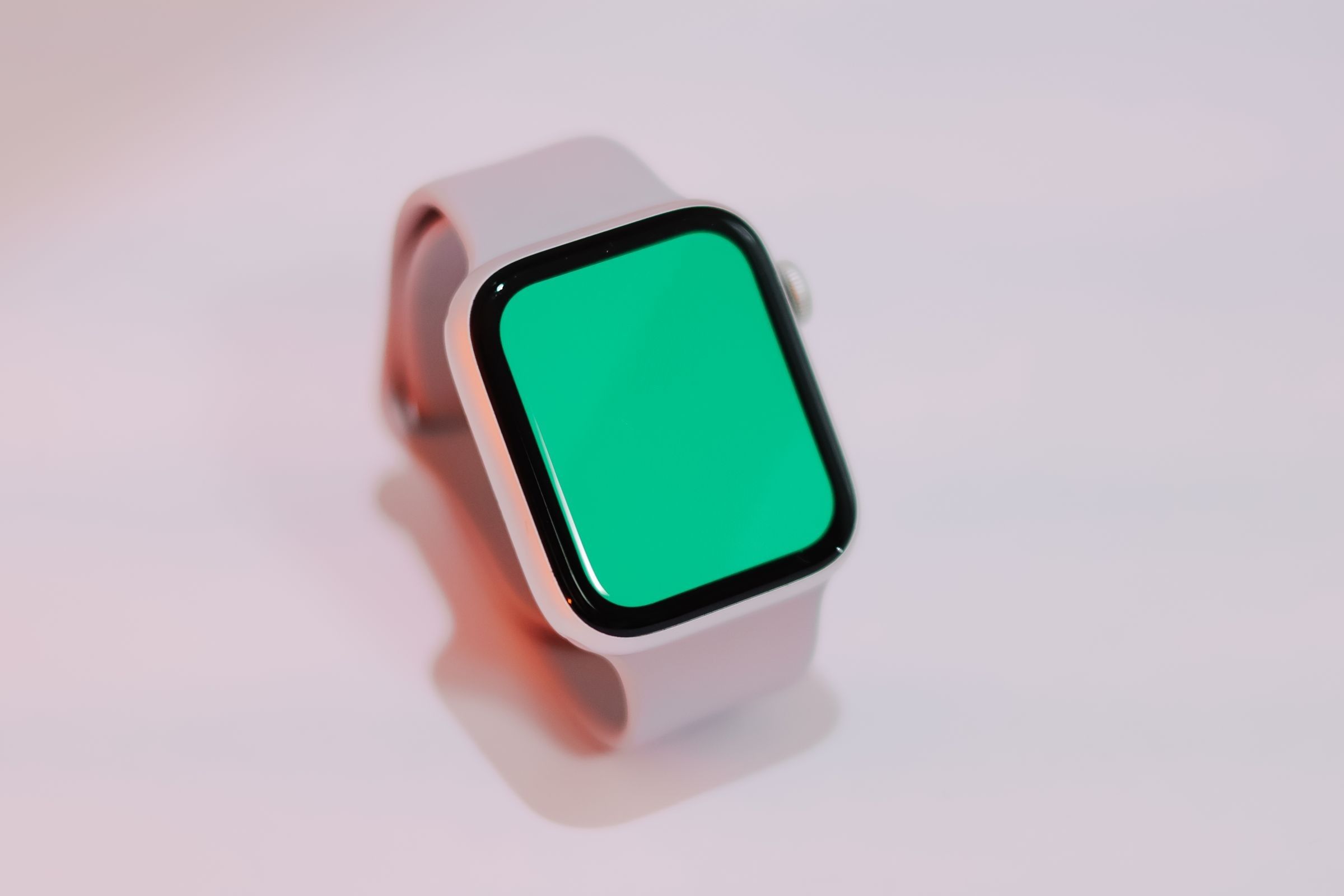
A nationally representative US survey published October 10, 2026 in the American Journal of Lifestyle Medicine found that adults who use a wearable fitness tracker were 59% more likely to meet weekly aerobic activity guidelines than those who don't.
The survey analyzed 6,686 adults from the 2024 Health Information National Trends Survey, mailed to a national sample by the National Cancer Institute. Among the 40.9% who reported using a wearable device to track health, 48.1% met the guideline of at least 150 minutes of moderate-intensity activity weekly, versus 36.4% of non-users. After adjusting for demographic and health factors including age, income, weight status and overall health, wearable users had 59% higher odds of meeting the guideline (adjusted odds ratio 1.59). Among adults with elevated anxiety symptoms, measured with a 2-item screening scale, 48.2% of tracker users met the guideline compared with 28.1% of non-users; without elevated anxiety, the gap was narrower, 48.0% versus 38.2%. Wearable use showed no added benefit for reaching 300 minutes a week or more (20.8% of users versus 19.9% of non-users).
The authors point to self-monitoring paired with feedback and goal-setting as the likely mechanism, the same behavior-change features that make a number visible and a target concrete. The link held after accounting for income and education, suggesting it isn't purely a marker of wealth, though unmeasured motivation could still explain part of the gap. The benefit was concentrated at reaching the minimum threshold rather than pushing past it, consistent with devices that set daily goals near the standard recommendation.

This cross-sectional survey shows wearable use is linked to meeting activity guidelines, not that the device causes it; this shows a link, not proof that trackers cause more activity. People who are already more active may simply be more likely to buy one. The anxiety subgroup estimate, though larger, did not reach statistical significance, likely due to smaller sample size.
Seeing your numbers changes your behavior. A tracker turns a vague intention into a visible daily target, which matters most for someone whose anxiety already saps motivation to move. I wouldn't wait on a randomized trial to use one. Strap on a wearable, set a simple daily minutes goal, and treat the number as a nudge rather than a verdict on your worth. For anyone prone to health anxiety around readings, get outside in daylight for part of that movement and let a single bad number go without dwelling on it.
 — Dr. Axe
Take the Cellular Health Quiz →