
Advertisement
Advertisement
Dr. Axe Wire · Food, herbs & supplements · health
A traditional Chinese herbal blend improved heart function and protected energy-producing cell parts in a mouse model of heart failure.
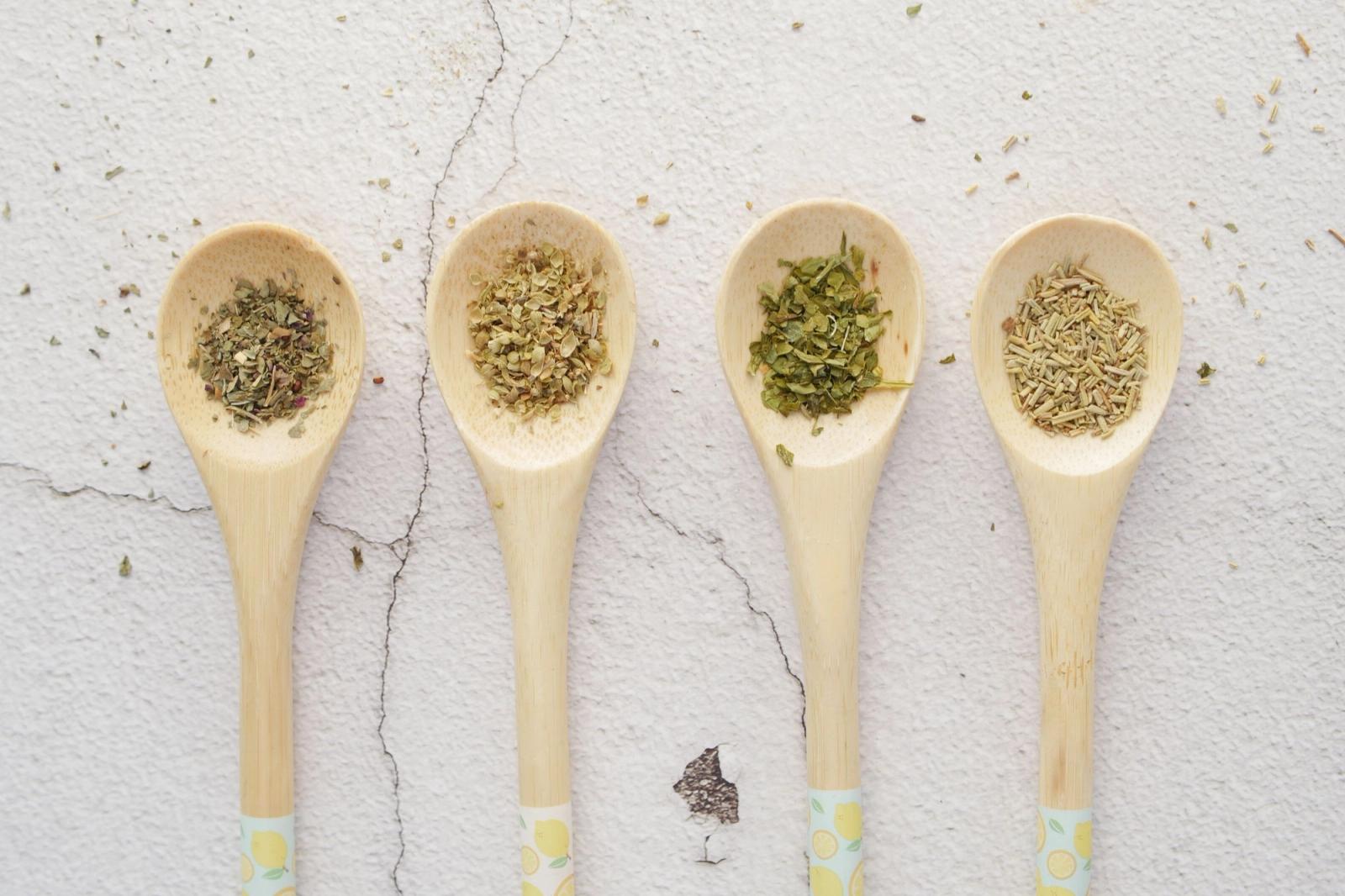
A hospital-prepared traditional Chinese medicine formula called Huoxue Tongmai (XMT) improved heart pumping function and reduced scarring in mice with surgically induced heart strain, according to a study published November 21, 2026 in Fitoterapia.
Researchers tested Huoxue Tongmai formula, a traditional Chinese medicine blend, in mice that had surgery to narrow the aorta, a standard way to create the pressure overload that leads to heart muscle thickening and failure. Mice given the formula showed improved echocardiogram measures of heart pumping strength, less thickening of the heart walls, and smaller heart mass compared with untreated mice. Blood markers of heart muscle injury, including NT-proBNP, troponin, CK-MB and LDH, were lower, and genes that mark hypertrophy (Nppa, Nppb, MYH7) were turned down. In a separate experiment, heart muscle cells treated with angiotensin II to trigger hypertrophy in a lab dish survived better and released less LDH when exposed to the formula or to serum from treated mice.
The authors report that the formula worked by restoring mitophagy, the process cells use to clear out damaged mitochondria, through proteins called PINK1, Parkin and FUNDC1, while cutting mitochondrial production of reactive oxygen species, a byproduct that damages cells. The formula also suppressed ferroptosis, an iron-dependent form of cell death, shown by higher glutathione (an antioxidant) and GPX4 and SLC7A11 levels alongside lower iron and oxidative byproducts. The authors state the formula improved mitochondrial oxygen use while reducing the heart cells' reliance on glycolysis, a less efficient backup energy pathway cells lean on under stress.

This is animal and cell-dish evidence, with no human trial data presented and the formula's exact dose, ingredients and composition not detailed in the abstract. Larger studies, including in people, are the logical next step before any conclusions for human heart failure.
The dual target here, protecting mitochondria while blocking ferroptosis, is a genuinely interesting angle on heart failure that most single-pathway drugs miss. This is a hospital-prepared Chinese medicine formula, not something available to the public, so I would not go looking for it. What I would do this week is support the same energy-production pathways through food: wild-caught salmon and sardines for CoQ10 and omega-3s, dark leafy greens for magnesium, and regular strength training to build mitochondrial capacity in muscle and heart tissue. Keep taking any prescribed heart medication exactly as your cardiologist has directed.
 — Dr. Axe