
Advertisement
Advertisement
Dr. Axe Wire · Food, herbs & supplements · health
A compound from cruciferous vegetables triggered a self-destruct process in scar-forming liver cells in a mouse study.
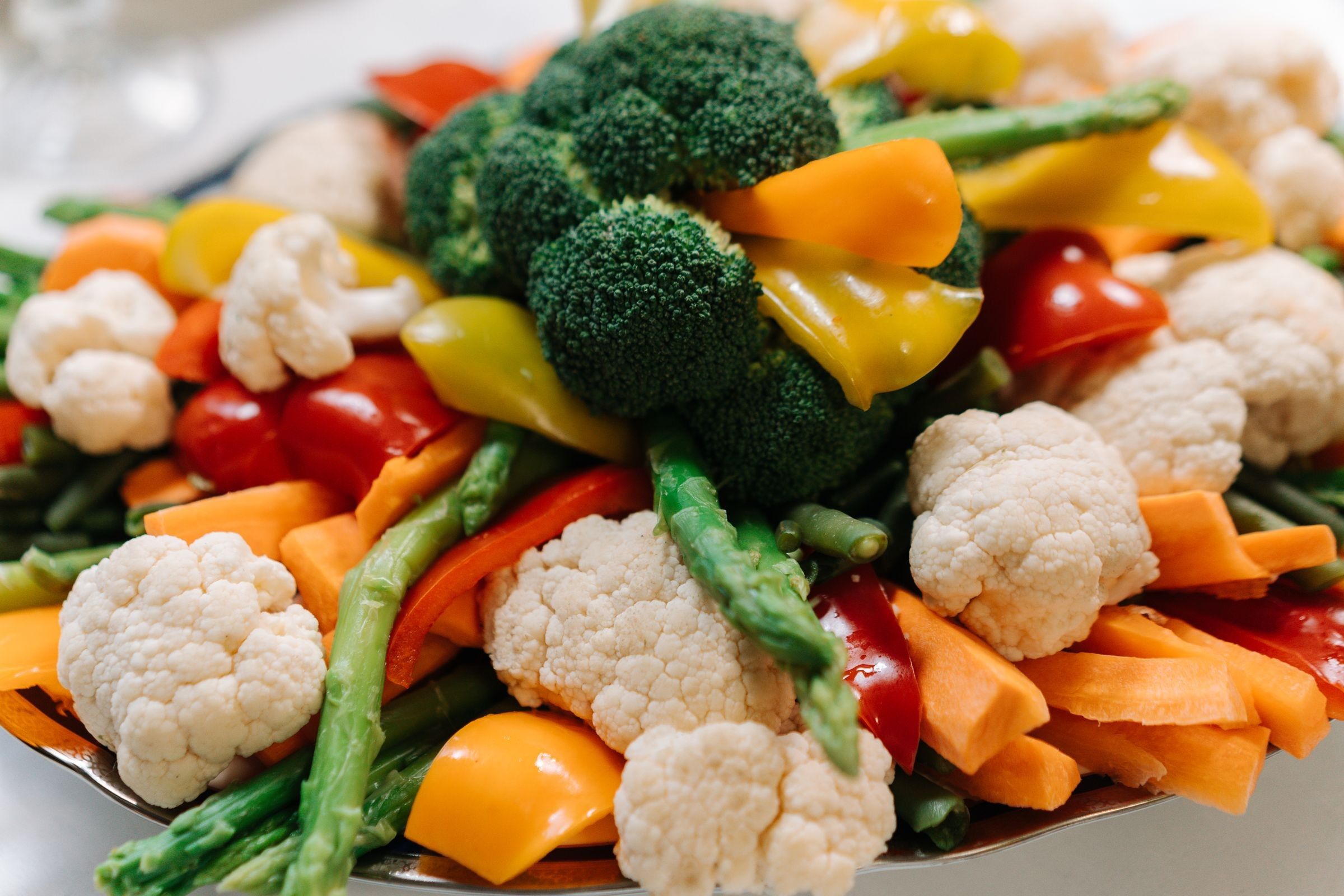
A study published October 19, 2026 in Food & Function found that phenethyl isothiocyanate, a compound found in cruciferous vegetables, reduced liver scarring in mice given a liver-damaging chemical.
Researchers gave mice carbon tetrachloride, a chemical that reliably damages the liver and causes fibrosis, then treated them with PEITC, a compound found in cruciferous vegetables. Treated mice showed reduced collagen deposition, lower hydroxyproline content (a marker of scar tissue buildup), reduced fibrotic marker expression, and improved liver function compared to untreated fibrotic mice. Exact sample size was not reported. In a separate lab dish experiment using human hepatic stellate cells, the liver cells responsible for scar formation, PEITC suppressed their survival and scar-forming behavior while causing little damage to normal liver cells.
The authors report that PEITC worked by depleting glutathione (a key antioxidant), blocking an enzyme called GPX4, and raising reactive oxygen species and lipid damage inside activated scar-forming cells, triggering ferroptosis, a form of cell death driven by iron and oxidative stress. Microscope images showed the treated cells' mitochondria shrinking and losing their internal structure. The authors also found that PEITC switched on autophagy, the cell's internal recycling process, specifically breaking down iron-storage protein through a pathway called NCOA4-mediated ferritinophagy, which released iron and helped drive the scar-forming cells toward self-destruction. Blocking autophagy partly reversed this effect, supporting that pathway's role.

PEITC alleviates liver fibrosis by promoting ferroptosis-related processes in activated HSCs, mainly through the NCOA4/FTH1 axis
This is animal and lab dish evidence; sample size for the mouse experiments was not reported in the abstract, and no human trial data exist. Liver fibrosis in mice given a single toxic chemical does not match the slower, varied causes of human liver disease, so these effects may not translate directly to people.
This study found a plant compound that selectively pushes damaged, scar-forming liver cells toward self-destruction while sparing healthy cells, by starving them of antioxidant protection and forcing them to release stored iron. That's different from most liver-support strategies, which focus on reducing injury rather than clearing cells that have already turned fibrotic. This is mouse and lab dish work, not a human treatment, so I wouldn't treat it as proof PEITC reverses fibrosis in people. I'd still keep cruciferous vegetables like broccoli, cabbage, Brussels sprouts, kale, and watercress in rotation, lightly cooked, alongside reducing alcohol, added sugar, and toxin exposure.
 — Dr. Axe