
Advertisement
Advertisement
Dr. Axe Wire · Food, herbs & supplements · health
A lab study found crayfish shell peptides blunt radiation damage in bacteria and keep irradiated produce fresher.
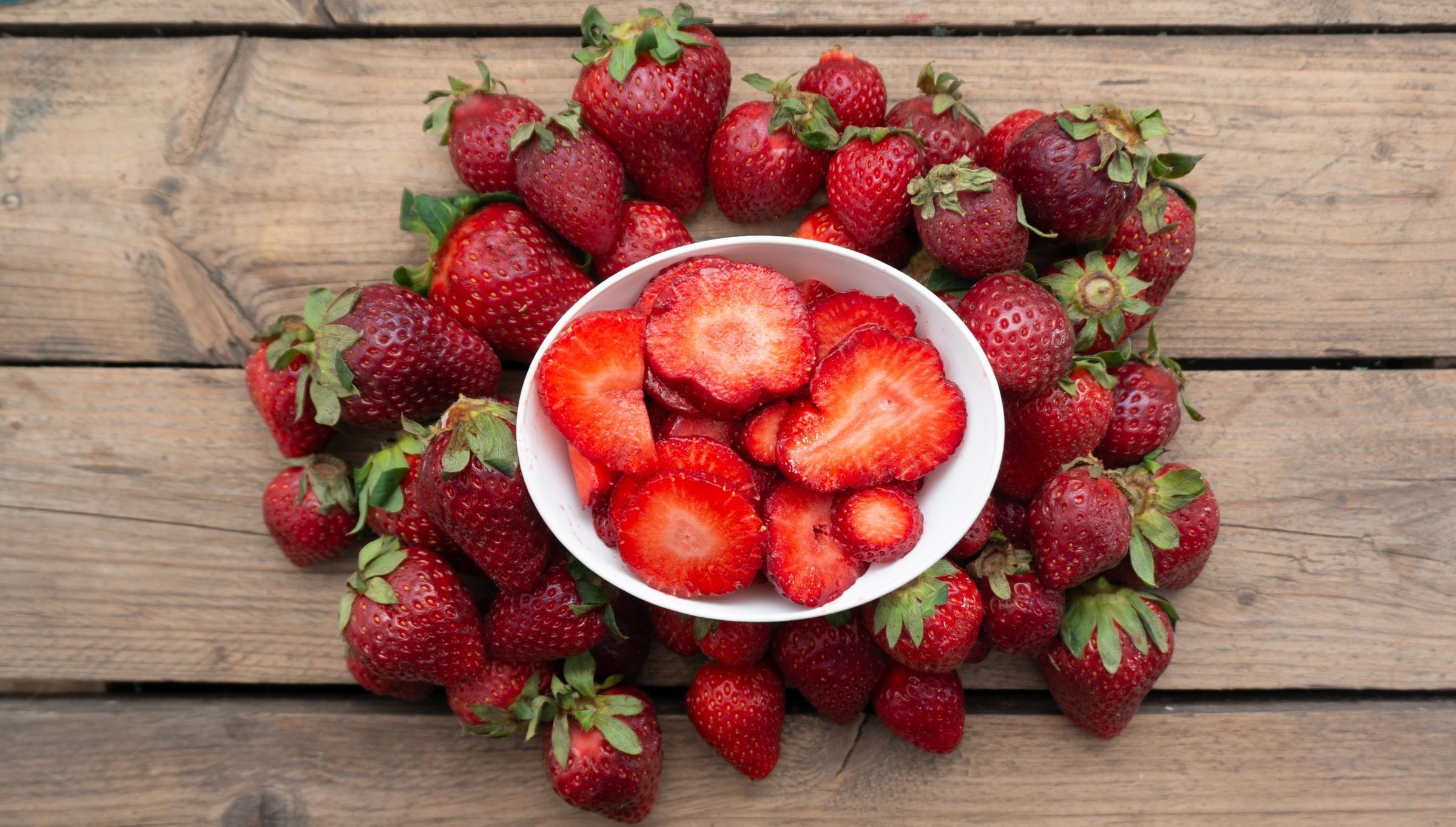
A study published October 29, 2026, in Food Chemistry found that peptides from crayfish shells blocked radiation-related cell damage in bacteria and, built into a food-safe film, helped keep irradiated strawberries and mushrooms from browning and aging.
Researchers broke down crayfish shells with enzymes to produce crayfish shell peptides, then tested them on Escherichia coli bacteria exposed to cobalt-60 gamma radiation in a lab dish. The peptides scavenged hydroxyl radicals, destructive oxygen-based molecules radiation generates, and reduced the oxidative stress damage irradiation caused in the bacteria. Two peptide sequences, FLPVY and PEFPHPIPDF, were predicted through computer modeling to bind a cell-protein pocket involved in the body's natural antioxidant defense system, with electron-rich sites that may help neutralize the radicals.
Separately, the team built a composite film from chitosan, sodium alginate and the crayfish peptides, then tested it on strawberry and mushroom slices exposed to radiation doses between 0 and 3 kilograys. The film reduced irradiation-related appearance changes, color loss, and shifts in stress-related chemical markers, and reduced aging and browning in the produce.

Radiation generates reactive molecules called free radicals that damage cells, a mechanism relevant to food irradiation and radiation exposure generally; this study did not test effects in humans. Enzyme-produced peptides from shellfish byproducts are being explored as functional ingredients because their small size lets them interact with these reactive molecules.
0-3kGy
Range of gamma radiation doses applied to crayfish-peptide-film-covered strawberry and mushroom slices in the lab testing
This is bacteria in a lab dish and food slices, not animals or humans, so whether protection extends to a living body is unknown, and larger studies in living organisms are the next step. The Keap1-binding mechanism is a computational prediction, not a measured result, so confirming it in living cells comes next.
Crayfish shells are usually seafood waste, and turning them into peptides that neutralize radiation-damaging free radicals in a lab dish is a smart direction for food preservation, especially extending shelf life on produce without synthetic preservatives. This is bacteria and fruit slices, not a living body, so I'd treat it as an early finding about food science rather than anything readers can use for radiation protection. For everyday oxidative stress, I point people toward antioxidant-rich foods like berries, leafy greens and herbs such as turmeric and rosemary, which support the body's own free-radical defenses. Anyone with a shellfish allergy should know a crayfish-derived ingredient wouldn't apply to them.
 — Dr. Axe