
Advertisement
Advertisement
Dr. Axe Wire · Food, herbs & supplements · health
A traditional Chinese medicine herb extract eased lab-induced high uric acid in rats, pointing to a possible natural approach worth watching for gout-prone readers.
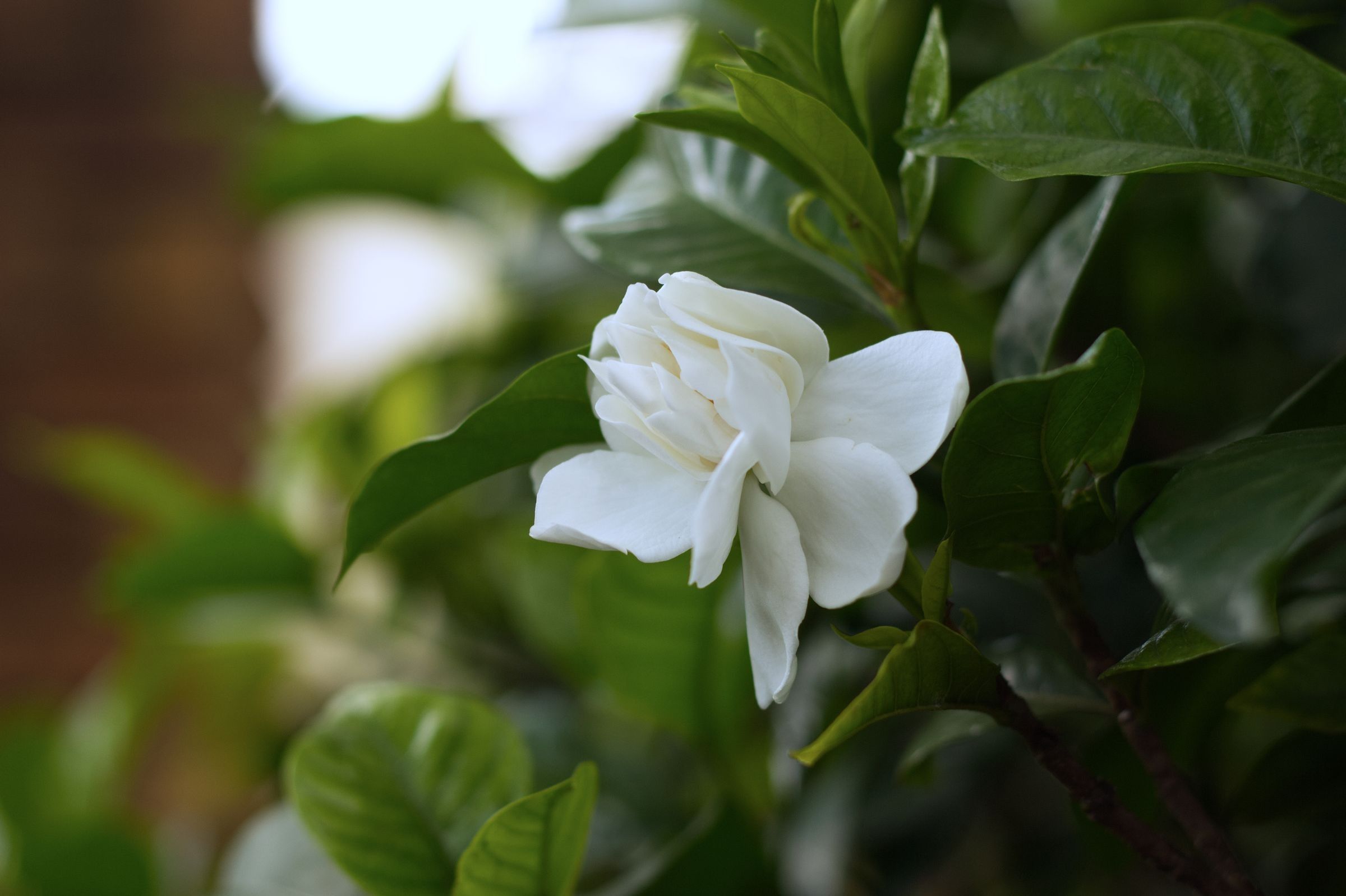
A concentrated extract from the gardenia fruit lowered uric acid levels in rats with drug-induced hyperuricemia, according to a study published October 11, 2026 in the Journal of Ethnopharmacology.
Researchers induced hyperuricemia in rats using potassium oxonate and yeast extract, then treated them with a 70% ethanolic fraction of Gardenia jasminoides Ellis, a fruit used in traditional Chinese medicine for metabolic conditions. Chemical analysis identified 18 major compounds in the extract, with crocins as the dominant group. The treated rats showed lower serum uric acid along with higher urinary uric acid excretion and clearance, meaning the kidneys removed more urate from the blood into urine. Kidney tissue damage was eased, and liver enzymes and liver tissue looked normal, suggesting no added strain on the liver. Specific numeric changes in uric acid levels were not reported in the available record.
The authors' own analysis found that the extract worked mainly by activating PPARγ, a protein inside cells that helps regulate how the body handles fuel and metabolic byproducts. Once activated, PPARγ turned up three transporter proteins in the kidney, ABCG2, OAT1 and OAT3, that physically carry urate out of the blood and into urine for disposal. The extract also quieted a separate inflammation-signaling pathway called NF-κB. In kidney cells grown in a lab dish, blocking PPARγ with a chemical inhibitor reversed these effects, which the authors say confirms the benefit depended on that receptor.

GJE70 exerts potent urate-lowering and renoprotective effects via PPARγ-mediated regulation of urate transporters and anti-inflammatory pathways
This was a rat and cell-dish study, not a human trial, and the exact magnitude of the uric acid reduction was not reported in the abstract. Whether this extract would lower uric acid in people, and at what dose, remains untested.
High uric acid and gout are becoming more common, and most conventional approaches rely on drugs that block uric acid production without addressing why the kidneys stopped clearing it efficiently in the first place. This rat study gives a plausible mechanism: supporting PPARγ activity may help the kidneys export urate the way they're designed to. I would not swap this extract in for a prescribed gout medication, but if you deal with elevated uric acid, I would focus now on cutting fructose and alcohol, staying well hydrated, and eating more tart cherries and leafy greens while we wait to see if this effect holds in humans.
 — Dr. Axe
Take the Cellular Health Quiz →