
Advertisement
Advertisement
Dr. Axe Wire · Study decoded · health
A Tennessee Medicaid study found pregnant women who stayed on opioid addiction medication longer were far less likely to overdose or die in the year after delivery.
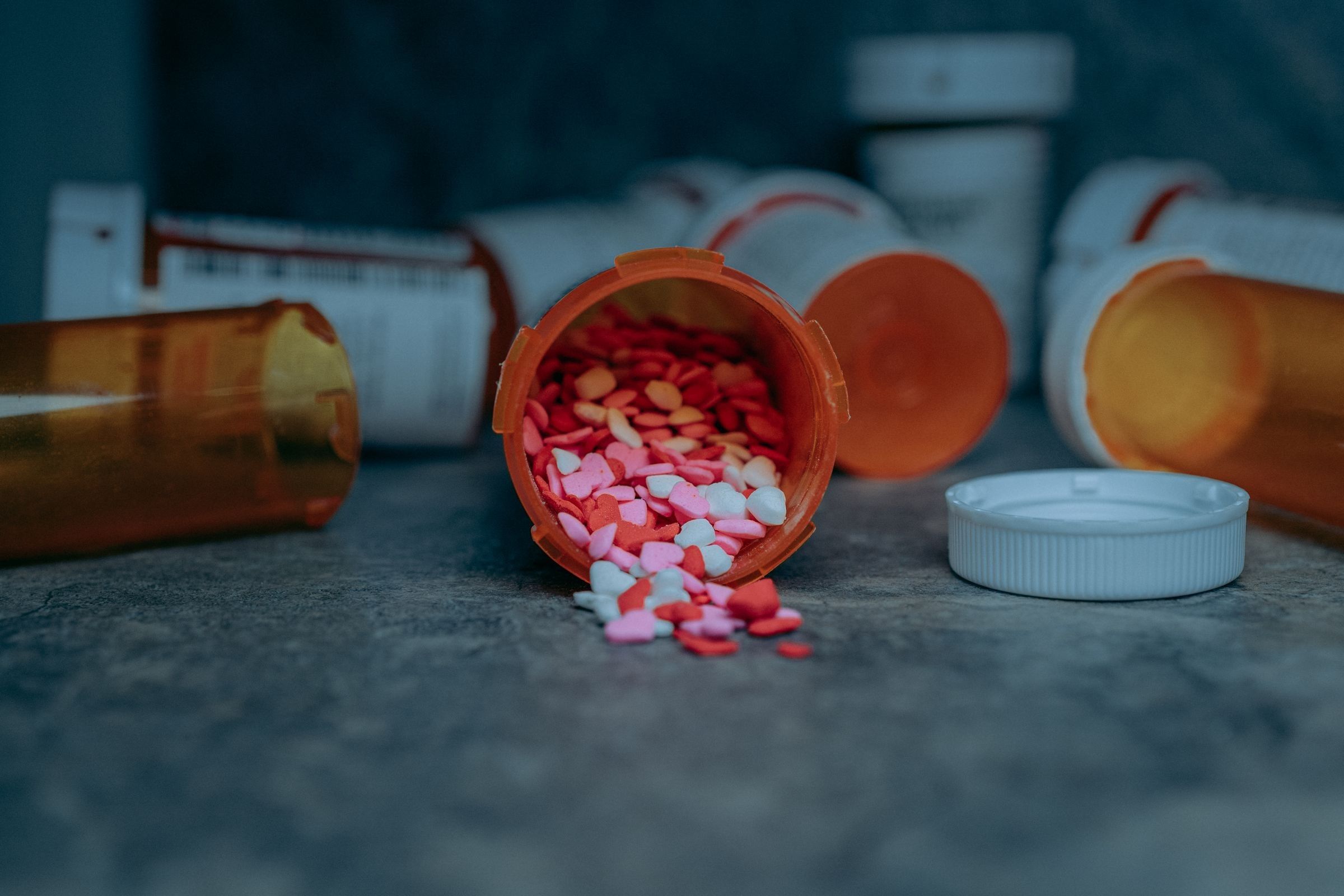
A study of 9,360 pregnancies published October 2, 2026 in JAMA Network Open found that women who received 132 days of medication for opioid use disorder during pregnancy and early postpartum had a 48% lower risk of overdose or death in the year after delivery compared with women who received just 1 day.
Researchers followed 9,360 pregnancies among 7,776 individuals enrolled in Tennessee Medicaid between 2007 and 2020, tracking outcomes through 365 days postpartum using linked Medicaid claims, birth and death certificates, and hospital discharge data. All participants had received at least 1 day of medication for opioid use disorder, nearly all buprenorphine, during a window spanning 90 days before delivery through 41 days after. Median age at delivery was 27, and median medication supply during that 132-day window was 88 days. Over the following year, 1.58% of participants, 148 people, died or had a nonfatal overdose; 39 died and 109 overdosed. Women with 132 days of medication supply had a 48% lower risk of death or overdose than women with just 1 day (adjusted hazard ratio 0.52, 95% CI 0.31-0.88). Even among women who received medication in both pregnancy and postpartum, the best-protected group, 1.41% still died or overdosed within a year. Women who received medication only after delivery had a 71% higher risk than those treated in both periods. The study reported no data on side effects from the medications themselves, focusing only on overdose and death outcomes.
Buprenorphine and naltrexone act on the same brain receptors opioids target, easing withdrawal and cravings so a person can stay stable in daily life. The authors link longer, continuous use during pregnancy and early postpartum weeks to sustained treatment engagement, which they connect to lower overdose and death risk later in the first postpartum year.
This cohort study has no no-treatment comparison group, so it shows a link between longer medication use and lower risk rather than proof that one causes the other. Only 148 total outcomes occurred, limiting how finely researchers could adjust for other differences between women, and the study could not capture overdoses or deaths after someone left Tennessee or lost Medicaid coverage.
The postpartum period is where treatment gaps turn deadly, and this data shows it plainly: even women treated continuously in both pregnancy and postpartum still faced a 1.41% death-or-overdose rate, more than 1 in 100. Medication alone is not enough. I would pair any prescribed opioid use disorder medication with real postpartum infrastructure: home visits, lactation and mental health support, case management, and nutrition rebuilding, since pregnancy and recovery deplete B vitamins, magnesium and protein. If you are on buprenorphine or naltrexone postpartum, keep taking it as prescribed and never stop or lower it without your doctor. The weeks after 90 days postpartum need the system to show up loudest, not fade out.
 — Dr. Axe
Take the Cellular Health Quiz →