
Advertisement
Advertisement
Dr. Axe Wire · Study decoded · health
A common fix for sweaty palms may leave patients less able to cool off during whole-body heat stress, a new trial finds.
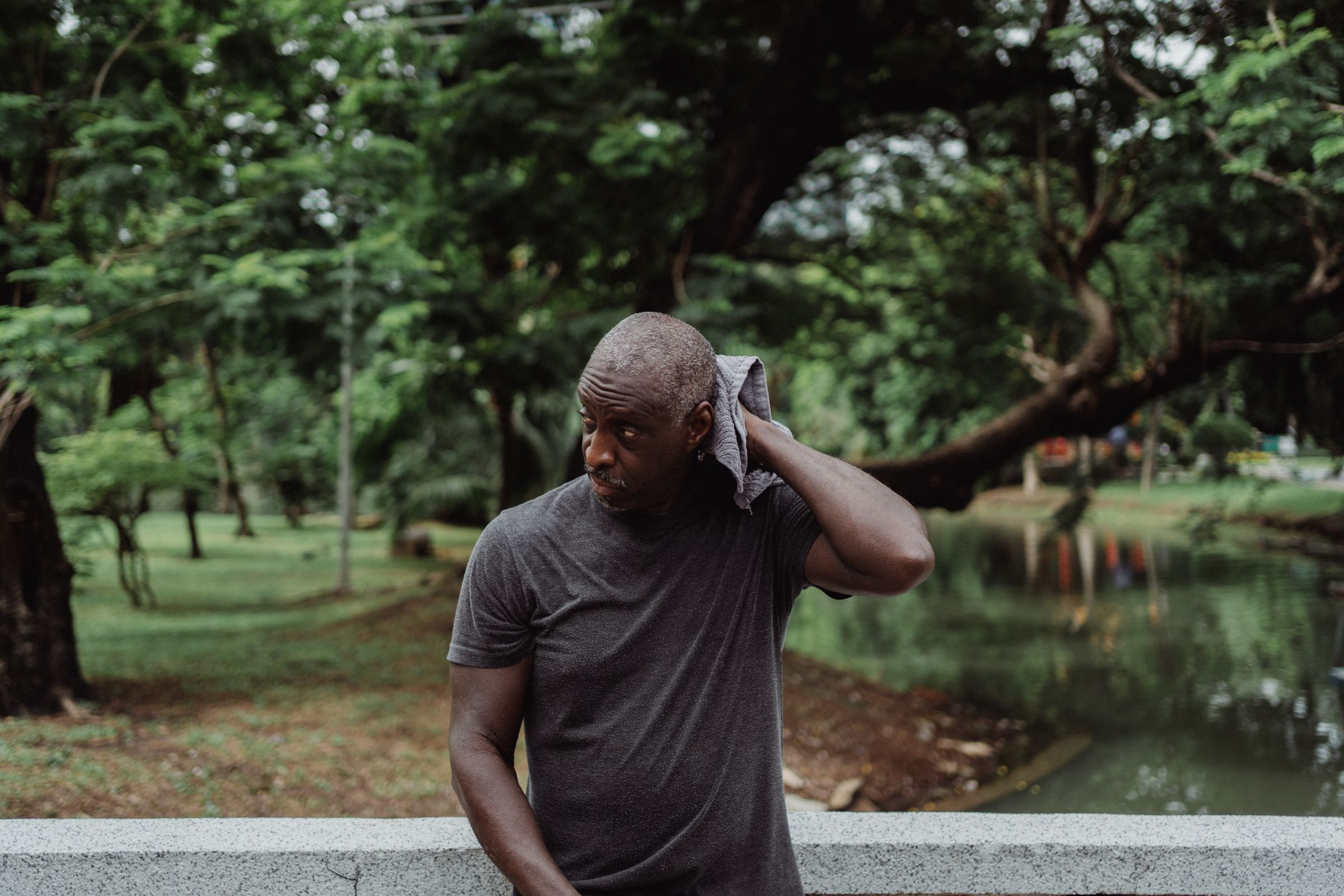
A surgery used to stop excessive palm and underarm sweating blunted the body's forearm cooling response by roughly 50%, according to a study published October 2026 in the Journal of Applied Physiology.
Researchers at UT Southwestern Medical Center tested 10 adults (average age 27, 7 female) with palmar or underarm hyperhidrosis before and seven weeks after bilateral endoscopic thoracic sympathectomy, a surgery that cuts or cauterizes sympathetic nerve ganglia in the upper chest to stop excessive sweating in the hands and armpits. Each person underwent a whole-body heat stress test using a water-perfused suit, raising core temperature by about 1 degree Celsius, both before and after surgery. After surgery, the rise in forearm skin blood flow during heating dropped from an increase of 3.67 to 1.62 flux per mmHg, a decline of about 56%. Forearm sweating rose by 0.62 before surgery versus 0.24 after (about 61% less), and palm sweating rose by 0.68 before versus 0.20 after (about 71% less). Core temperature rise, skin temperature rise and time to reach that 1-degree increase were not different between visits. The paper reports the surgery itself is highly effective for its intended purpose, with 80-90% of hyperhidrosis patients getting immediate relief from emotional sweating; a separately documented side effect of this surgery is compensatory sweating in other body regions such as the back, chest and thighs, which this study did not measure for its effect on whole-body heat balance.
Blood vessels near the skin widen and sweat glands release moisture to shed heat as core temperature rises. The authors state this whole-body response depends partly on the same sympathetic cholinergic nerves the surgery disrupts to stop hand and underarm sweating, and suggest the attenuated forearm response reflects altered nerve signaling rather than damaged blood vessels or sweat glands themselves.

The study tested only a single lab heat exposure and only the forearm and palm, not legs, back or real-world heat days. Response size varied widely between participants, and some patients develop compensatory sweating elsewhere that this study did not evaluate.
A 56% drop in forearm blood flow response and a 61-71% drop in sweating tells me this surgery reaches well past the palms and armpits it's meant to treat. I would not tell anyone to avoid or reverse a sympathectomy already planned with their surgeon, that decision stays between patient and doctor. But I would treat heat exposure differently afterward: skip long sauna sessions and hard outdoor labor during peak heat, hydrate with electrolytes before thirst hits, and treat dizziness or unusual fatigue in hot conditions as an early warning, since the normal sweat cue may show up late.
 — Dr. Axe
Take the Cellular Health Quiz →