
Advertisement
Advertisement
Dr. Axe Wire · Study decoded · gut
A compound from astragalus root reduced joint inflammation in arthritic mice by shifting gut bacteria and rebalancing two key immune cell types.
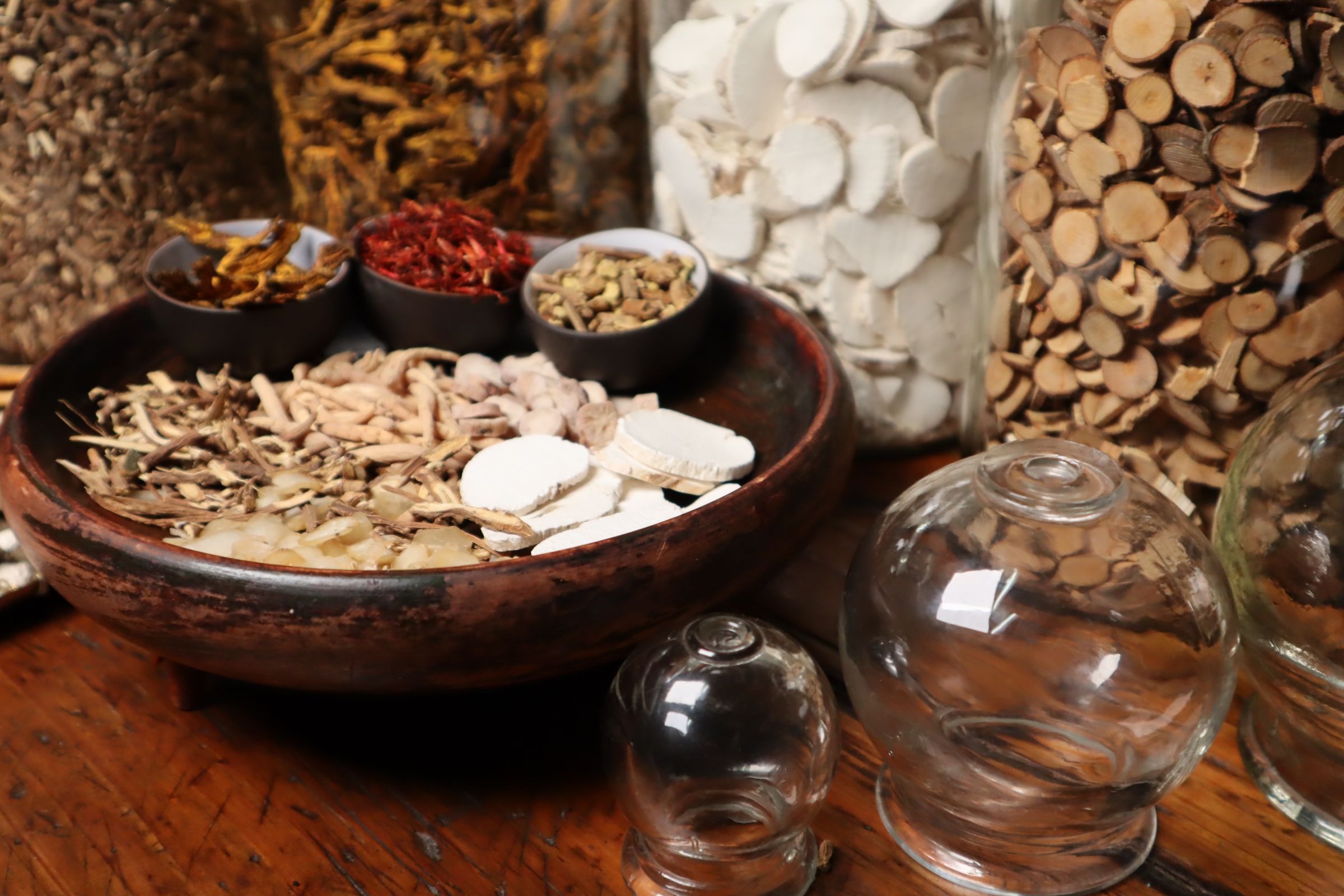
A compound from astragalus root eased joint inflammation and bone damage in mice with rheumatoid arthritis, according to a mouse study published October 21, 2026 in Molecules.
Researchers induced rheumatoid arthritis-like disease in male mice, then gave one group astragalus polysaccharide, a compound extracted from astragalus root, at 100 mg per kg daily for 42 days, either starting before or after joint disease set in. Compared with untreated arthritic mice, both astragalus groups had better bone volume on imaging and lower blood levels of two inflammation-driving proteins, TNF-α and IL-17, alongside higher levels of the anti-inflammatory signal IL-10. In spleen tissue, astragalus treatment lowered the share of Th17 cells, an inflammation-driving immune cell type, while raising Treg cells, shifting the Th17/Treg balance toward normal. Each group in the main experiment had 8 mice.
Researchers then transplanted gut bacteria from astragalus-treated mice into separate arthritic mice (5 per group). The recipients showed enrichment of several bacterial genera, including Ligilactobacillus, Lactobacillus, Limosilactobacillus and Bacteroides, which tracked with less joint inflammation and preserved bone structure.

Gut bacteria transplanted from treated mice tracked with less joint inflammation and preserved bone in new arthritic mice, so the gut appears to be part of how the compound works. That fits the Th17 and Treg shift seen in the treated mice, since gut microbes are known to shape how these immune cells develop.
This is a mouse study using only male animals, with small comparison groups of 8 or 5 per group, so whether the same gut-immune pathway drives joint protection in people with rheumatoid arthritis is not yet shown. The authors note the study did not analyze which specific gut bacterial byproducts are responsible.
Rheumatoid arthritis is an autoimmune disease, and this mouse study adds to the evidence that gut bacteria deserve a bigger place in autoimmune care. Calming an overactive Th17 response while supporting the Treg cells that settle inflammation is exactly what I would expect from a gut-first approach. You do not need to wait for human astragalus trials to start caring for your gut if joint inflammation is a concern: eat fermented foods like sauerkraut and kefir, build meals around fiber-rich vegetables, and work in anti-inflammatory foods like turmeric, ginger and wild-caught salmon. Keep working with your doctor on any arthritis medication.
 — Dr. Axe
Take the Cellular Health Quiz →