
Advertisement
Advertisement
Dr. Axe Wire · Study decoded · health
Finnish researchers traced part of the link between a plant-forward diet and a smaller waistline to blood markers of fiber fermentation and fat quality.
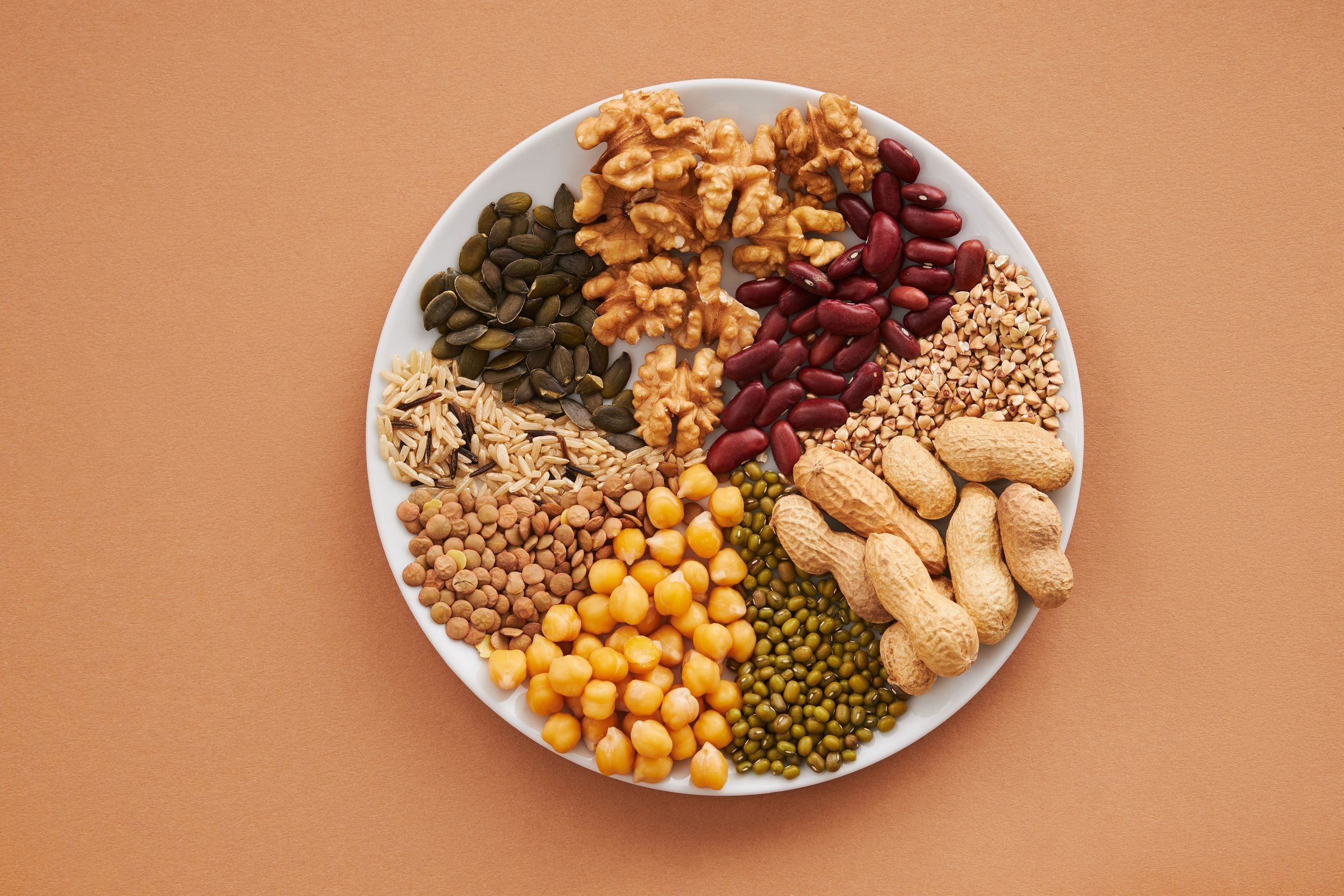
A study published October 7, 2026 in the European Journal of Nutrition found that part of the link between a Planetary Health-style diet and a smaller waist traces to seven substances measured in blood.
Researchers used three Finnish population health studies covering 9,225 adults (54% women, average age 54) with food questionnaires, waist measurements and 158 blood metabolites measured by nuclear magnetic resonance spectroscopy, a lab method that reads many blood chemicals at once. Diet was scored 0 to 13 on a version of the Planetary Health Diet adapted for Finland, rewarding whole grains, vegetables, fruit, legumes, nuts and seeds and less red meat, processed meat and dairy.
Higher scores were linked to smaller waists in both sexes. In both sexes, seven blood substances explained part of that link, led by the linoleic acid-to-total fat ratio (31.4% in men, 49.9% in women) and the polyunsaturated fat ratio (35.6%/46.5%); acetate explained 7.6% in men and 3.1% in women. Other markers mattered in women only. A replication sample of 10,242 adults confirmed three markers, mainly in women, at 5.1% to 8.2%.

The authors say the markers likely reflect higher fiber intake and better fat quality in the diet. Gut bacteria produce acetate when they ferment fiber, and higher unsaturated-fat ratios in blood generally track with eating more unsaturated fats. Fiber-fermenting gut microbes and dietary fat balance are both established pathways influencing how the body stores and burns fat.
This is an observational study: it shows a link, not proof that the diet causes smaller waists. Diet score showed no link with seven-year changes in weight, BMI or waist size, and the main mediators only partly held up in the replication group. Food intake was self-reported, and health-conscious people may have joined these studies more often.
This lines up with how I think about weight: fiber-fermenting gut bacteria and fat quality matter. Acetate here marks a diet rich in plant fiber, and the fat ratios point to more omega-3 and unsaturated fats from foods like olive oil, nuts, seeds and fatty fish. I see this as one more reason to favor whole, plant-rich meals rather than chase a single blood marker. This week, build meals around legumes, vegetables, nuts and seeds, and cut processed and grain-fed meat.
 — Dr. Axe
Take the Metabolic Health Quiz →