
Advertisement
Advertisement
Dr. Axe Wire · Study decoded · nutrition
A 12-week pilot trial found endurance athletes on a multi-ingredient joint formula tolerated more knee load and reported less pain than those on placebo.
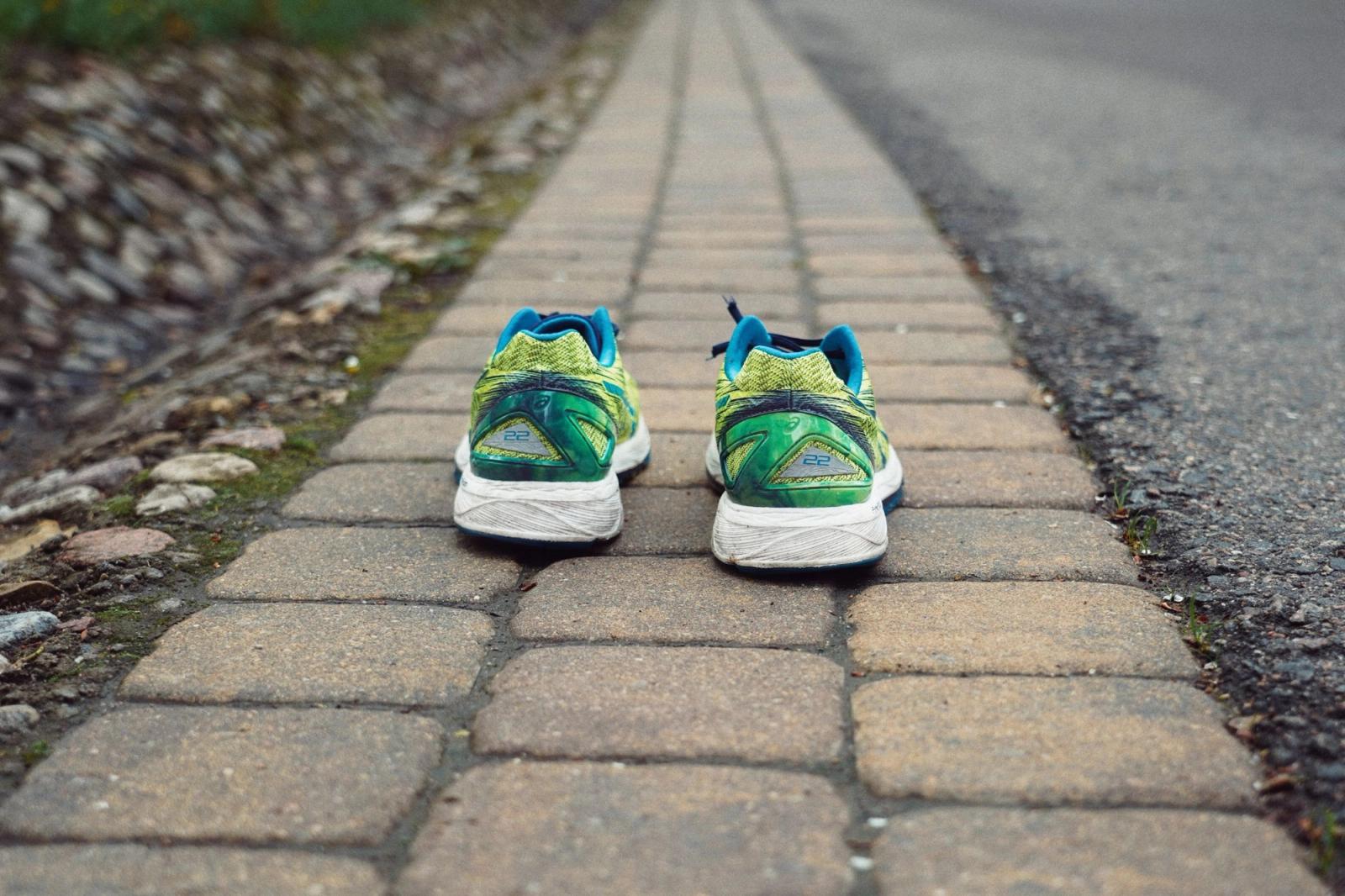
A 12-week pilot trial published in November 2026 found that endurance-trained adults with activity-related knee discomfort who took a multi-ingredient joint supplement tolerated 30.5 more single-leg squat repetitions before hitting a high pain level than those on placebo.
In this randomized, double-blind pilot trial, researchers assigned 60 endurance-trained adults with activity-related knee discomfort, 20 per group, to 12 weeks of either a multi-ingredient formula containing undenatured type II collagen, a curcumin phytosome extract and enzymatically hydrolyzed bone powder, a combination of glucosamine hydrochloride and chondroitin sulfate, or a placebo. Researchers tested single-leg squat repetitions tolerated before pain reached level 2 and level 5 on a pain scale, plus a 0-to-10 self-reported pain score (VAS), at baseline, week 6, week 12, and 24 hours after a half-marathon. By week 12, the multi-ingredient group tolerated 30.5 more reps than placebo before hitting pain level 5 (95% CI 8.7 to 52.3) and 21.4 more reps before hitting pain level 2 (95% CI 8.8 to 34.1), and reported pain scores 1.6 points lower than placebo (95% CI -2.6 to -0.7). The glucosamine-chondroitin group beat placebo on the pain level 2 measure and the pain score, but not on the harder pain level 5 test. No statistical difference was found directly between the two active supplement groups.
The authors note the formula combines ingredients that target complementary biological pathways involved in cartilage turnover, inflammation and oxidative stress, though biomarker changes for these pathways were exploratory and no between-group biomarker difference reached statistical significance. After the half-marathon, only the glucosamine-chondroitin and placebo groups showed a measurable drop in knee range of motion from baseline, while the multi-ingredient group did not, though the three-way comparison itself was not statistically significant.
This was a small pilot of 60 total adults split three ways, and the authors state the results require confirmation in a larger trial. The biomarker findings were exploratory with no significant between-group differences, and the apparent edge over the glucosamine-chondroitin comparator did not reach statistical significance.
A collagen, curcumin and bone-powder combination outperforming placebo on knee load tolerance in trained runners lines up with what I'd expect from ingredients that support cartilage and calm inflammation from the inside. For runners and endurance athletes dealing with nagging knee discomfort, I'd focus first on bone broth, wild-caught salmon and turmeric-rich meals to supply the same building blocks this formula used, alongside mobility work before long runs. This was a small 60-person pilot with no clear statistical edge over the glucosamine-chondroitin comparator, so I would not treat this as settled. It was tested as a blend, so no single ingredient here is proven on its own.
 — Dr. Axe
Which supplements belong in your top 5? →