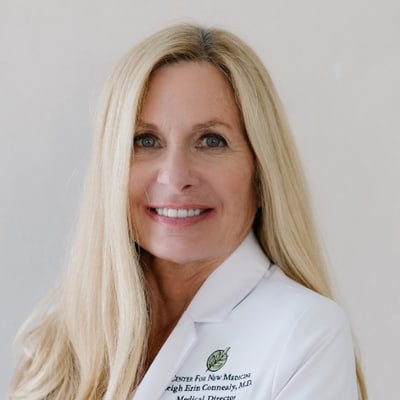
4 Bee Products to Eat DAILY to 10x Gut Health, Reduce Cancer Risk, & Fix Hormones
Transcript
Click a timestamp to seek the player.
¡Vamos!
The 2026 Chevy Equinox is more than an SUV. It's your Sunday tailgate and your parking lot snack bar. Your lucky jersey, your chairs, and your big cooler fit perfectly in your even bigger cargo space. And when it's go time, your 11.3-inch diagonal touchscreen's got the playbook, the playlist, and the tech to stay a step ahead. It's more than an SUV. It's your Equinox. Chevrolet. Together, let's drive.
Most people living in America today have pesticide in their blood and urine. Pesticides, I mean, they're, they're so prevalent in our world right now, and it's never been more important that we take control and take care of our health. So the things I'm always telling people to do—
maybe the most important animal that we need to help proliferate in the world are bees.
100%.
One of the things that's happening due to the high pesticide content, the glyphosate, all these chemicals that are being sprayed everywhere, our bees are 76% of the honey today that everyone is buying is basically sugar. It's not real honey.
I'm so happy you brought this up because it is a huge problem and people need to know what to look for. Most cough syrups you can find, it's either phenylephrine or dextromethorphan. This study found that buckwheat honey was just as effective— not slightly less, but with less side effects— straight up just as effective as dextromethorphan for treating upper pediatric respiratory infections. So when I read that, I was like, why would you ever give a kid dextromethorphan when honey does the trick and it's natural and has all these other health benefits. And interestingly, phenylephrine, which is the other— these are two actives that are in Robitussin and Vicks and all of these conventional cough syrups that most of us grew up purchasing and thinking were helping us. Phenylephrine is now being recalled by the FDA because it doesn't even work. It's just a chemical that does not help you.
When is the right time to take honey to fight seasonal allergies?
So I believe that you should be taking bee products year-round preventatively.
One of the last things I want to talk about, this is so fascinating, is bee venom therapy.
Mm.
One of the most underutilized forms of medicine today is something that you can often find in your pantry. It was something used by King Solomon and King David, even John the Baptist. Also, modern science today is proving that it is a powerful form of medicine, and it is honey. And not just honey, it's byproducts such as royal jelly, propolis, bee pollen, MGO, and so much more. Today I've brought in one of the world's leading experts in honey, Her name is Carly Kramer. She's the founder of Beekeepers Naturals.
And today we're going to be talking about how to heal using honey as medicine.
We'll talk about the sugar content, why it actually isn't the same as other forms of sugar. And also we'll be getting into things like pesticides, natural care products, and so much more.
Carly, welcome to the show.
Thank you for having me.
Well, I'm excited for this conversation because I am a huge fan of honey. It's the number one natural sweetener we use in the Axe household.
And also we use so many different honey products as medicine. I know we're going to talk about propolis and bee pollen and royal jelly, and a lot of these are really underutilized today, but in the ancient world they were often prized.
And as I mentioned earlier, starting the show, um, I was reading the Bible this morning and it was talking about King Solomon is recommending using honey. He's known as one of the wisest people, if not the wisest to ever live. So there's lots of benefits of honey. How did you get turned on to the healing benefits of honey? So I was struggling with my health.
I have an autoimmune condition and I was just constantly sick. I would get any virus I was exposed to, just a really, really weak immune system. And I can't take antibiotics, I have a reaction to them. So I was constantly getting sick and modern medicine was not able to help me. And I struggled with that for years. I was always looking for whatever natural alternative or looking at the latest and greatest products. And it was only when I found Bee Products that I actually was able to resolve things. So I was in Europe at the time, I connected with this fantastic pharmacist, and she introduced me to propolis, which is one of the products coming from the beehive, different from honey but just as important. And when she taught me about propolis, I learned that it was antiviral, antifungal, antimicrobial, antibacterial, super anti-inflammatory, and it's an immunomodulatory agent. So it actually helps people with autoimmune conditions to balance out their immune system. If you're underactive, it helps to boost your immune system. If you're overactive, it will help to level you out. So I was convinced by all the research. I started using it, and for me, it functioned in my body the way antibiotics do. I had a really severe case of tonsillitis. Propolis totally took it away, and I continued using it every day, and it's changed my health. And I started beekeeping because I was so obsessed with bee products, and, um, I was beekeeping and making these products for myself for years before I even thought about starting a company and sharing it. And it's just kind of grew from there.
It's so powerful. You know, propolis is probably one of the most least talked about, which should be talked about more, forms of medicine. And to your point, it acts in the body like an adaptogen, you know, in terms of if you need more immune strengthening, it'll help strengthen, but also if it needs to calm down that autoimmune response, it's powerful that as well. You know, I have prescribed and recommended it very, very often for people with autoimmune disease.
I really, really like it for people with just chronic infections, long COVID.
Issues, uh, issues related to viral infections, of course the common cold or flu. But it is so, so powerful. And then as you mentioned, tonsillitis.
And the other thing is it's probably more kid-friendly than anything else out there.
You know, I'm a big fan of herbs, and so when I'm looking at modulating someone's immune system, I like using herbs like astragalus. I think they've got a lot of benefits. Reishi mushroom is another one, and they're generally more gentle as adaptogens. But not as gentle as propolis. And so for kids, it's probably one of the greatest things you could ever recommend.
Exactly. It's so interesting because we've talked about this, but the rest of the world, propolis is so well known. In Europe, it's very much part of the medical system. Yeah. But in North America, it's really not known. Like everyone knows honey and honey has so many benefits, but propolis has its own profile. It has over 300 beneficial compounds. And to your point about kids, I mean, that's what I give my I've been giving it to my daughter since she was 6 months old, and she has an incredible immune system, but it's so gentle and it's so simple when you think about what propolis actually is. Maybe we should take a step back and explain to people. Yeah, yeah, let's do that. So I'll do a little quick little Beehive 101 of that.
Yeah, I would love that.
Okay, so honey you can think of as the carbs, the energy source. It is the food of the bees. It comes from floral nectar. The bees collect that floral nectar, they let it ferment, and they get that sticky, delicious liquid gold honey. And honey has so many health benefits. It's delicious, but it's very much the food source for the bees. Propolis is the medicine for the hive. And it's really interesting because it's actually the components of propolis, it's actually the immunoproperties of plants and trees. So the bees will go around collecting plant and tree resins. So think of like sap as the base ingredient, which is the immune system of plants. Yeah. Plants have figured out how to survive survive and brave the storm for billions of years. And so these immunoproperties inside trees and plants are incredibly powerful. The bees will collect that, mix it with their enzymes, they make the sticky substance called propolis, and they use it to line the entire hive to keep it germ-free. And they'll even line the inside of the cell walls where they're going to put newborn baby bees to create sterile environments for newborns. And so for the bees, they would die without propolis. It's, it's what keeps them safe. It's, it's their buffer against pathogens, bacteria, all of that.
I mean, one way to think about— I think for some people it's almost like our own gut microbiome. It's teeming with bacteria. I mean, there, there is a sort of— there, there's a natural immune defense there that's helping protect them.
Yeah, exactly. Yeah, yeah. And something I love about propolis, it's— it can be tricky with certain antifungal, antibacterial agents because they'll kind of kill everything. Mm-hmm. Propolis is really gentle on the body. It's really well tolerated. That's why, you know, for me, what I see, I see people using it as their first line of defense, whether it's Lyme disease or the common cold. It's just something that's really well tolerated but really powerful. And it's actually really powerful for gut health as well. It's been shown to be supportive for leaky gut.
Yeah.
There's a compound in propolis called pinocembrin, which is an active that can help reduce Candida. Um, there's natural strains of Lactobacillus. So it's something that really supports gut health as well. And it's, it's a prebiotic.
Yeah. That's so powerful. So powerful. Yeah. So, and next time you're sick with a cold or flu, take propolis or just as a preventative. That's one of the great things about it is taking it, especially throughout the fall and winter season as a natural immune support. Um, it's incredibly powerful. You know, one of the most common reasons why people take honey today, Uh, and I see this happen. I'd love to get your opinion on this. A lot of times when people get sick, they've heard, oh, honey's good. Mm-hmm. So they'll start taking it when they're sick for allergies. Okay. So like, and we're, I'm in the state of Tennessee and seasonal allergies are terrible here. Mm-hmm. You know, it's especially in the fall and spring. When is the right time to take honey to fight seasonal allergies?
So I believe that you should be taking bee products year-round preventatively. Yeah. I, I think they're really, really important. Propolis is actually another one that I recommend for allergies. I think everyone should be using propolis every day. That I, I swear by. And there's actually quite a few studies that show that propolis helps to balance the histamine response. So for somebody with allergies, it really will help to balance their body. It's really powerful when it comes to fighting inflammation, and we know that's the root cause of so many different ailments. But for honey— and by the way, quality raw honey will have trace amounts of propolis in it. I think it's good to get more propolis in your system. Yeah. But quality honey will give you a little bit of that. And I think taking a little bit of honey every day is really important. Bee products are so well tolerated. There's not really a reason not to include them.
Yeah. The way that I try and explain it is it's probably today our best source of natural immunization in terms of on a daily basis. We have sort of— I wrote a book years ago called Eat Dirt, and a basis of the book was how to heal leaky gut and autoimmune disease. And, um, and in that, like, we used to eat a lot of local foods. We'd eat carrots from the ground and beets and produce and get honey. And we're getting a lot of these different microbes from the soil in forms of even pollen, things on the actual leaves like lettuces. And daily exposure of these helps our body then deal with the allergens we're gonna have in the fall and the spring. But honey is actually even more powerful than vegetables and fruits for that reason. You know, you know this, so I'm preaching to the choir, but there are over 200 different types of pollen within a lot of honey, just local honey. And so when you're getting that, it's like, again, you're, you're building up an immunity to that local pollen, so you're not gonna have it in the season. So if you're a person that has seasonal allergies, don't just wait until you're sick, take it then too. But take it year round to build up your immune system. Go to your local farmer's market, get those fruits and vegetables. In addition, do raw local honey every day. And this is a reason I also like bee pollen. You know, I'd love to hear your take on what is bee pollen. You, you, you described honey. Yeah. You described propolis. Talk to us about bee pollen.
So bee pollen is the main protein source for the hive. That is what the bees eat for their protein.
Oh, it's bee, it's their, their protein supplement. Yeah.
And it's really interesting cuz bee pollen actually has more protein per weight. It's per weight and it's small per weight. Yes. Per weight than any animal. Source. So per weight, more protein density than beef, eggs, any animal source. It's an incredibly nutrient-dense food. It's really like a natural multivitamin, really high in broad-spectrum vitamins and minerals, branched-chain amino acids, super high in B vitamins. So people love taking bee pollen for the energy boost. But for bees, it's a daily part of their food. And it's literally, they're collecting pollen from the plant itself. Covering it with their enzymes. And so it's just a super powerful bioavailable vitamin shot for, for people. There's studies looking at pollen for how it increases endurance. So many people use it as a multivitamin and energy booster. More and more studies coming out about how it has hormone balancing effects for both men and women, which is really cool. But to your point about allergies, you're literally giving yourself a microdose of the allergen itself. So, and everybody else's allergies are different. Some people pollen is way too strong and I just say start with propolis, start with honey. Pollen will be too much exposing yourself to the plant that might be an allergen for you. But for other people, it's life-changing because they're building up that little tolerance to the thing that's causing them to have this reaction.
Yeah.
There are forms of immunotherapy today. Like, I'm not sure if you're familiar with like SLIT therapy and others where they're doing That's orally under the tongue. So they'll take whatever allergen there might be in your local area. And by the way, if somebody does have allergies, this is a great holistic form of treatment. So I'd recommend it. You can do it sublingual, like under your tongue. They also can do it just right under the skin as a kind of little shot every, every, every few weeks. And that can work really powerfully as well. But bee pollen is similar in that way to where, again, you're getting that microdose, building your immune system over time. It's really powerful. Sometimes people have questions about the sugar in honey. How does honey react in the body from a blood sugar standpoint, an insulin standpoint, compared to something like cane sugar, coconut sugar, and other forms of added sugar?
I get this question all the time, and I am a low sugar person, but a high honey person.
Yeah.
Because honey does not spike insulin in the same way. It has a different reaction in the body. Our bodies tolerate it. Very, very well. Now, look, if you're eating huge quantities, I think you have to be moderate.
And by the way, you know, Solomon warns us of this. You know, Proverbs says, eat honey, not too much, lest it make you sick. So again, you know, that's a lot of wisdom there.
So what does a serving look like that most people could tolerate? Tablespoon?
I would say a teaspoon a day is plenty.
Okay.
For me, I take a teaspoon a day. I put it in my coffee, but I also use it in my baking. Like, we don't use any refined sugar in my household. So when I'm baking something for my family, it's always honey.
Yeah, yeah, I love it. This morning I did— I love honeycomb, and so I do a lot of honey. I mean, so this morning I did, uh, I tend to do— I do a lot of protein, so I'll do like 40, 50 grams of my superfood smoothie. I'll put in a, you know, a teaspoon of bee pollen in there. And then this morning I did cream of rice. I do this cream of brown rice. I like her oatmeal. And then I do a thing of—
it's about a tablespoon of honeycomb And that's fine if you're doing it with the protein and the fats and all of that. That is totally fine.
And I'm usually working out right after too. So I'm about to, I'm about to burn it.
But I'm seeing so many pro athletes now using honey as a pre-workout and honey and a little bit of salt. It is a fantastic pre-workout. Put a little bee pollen in there to get those B vitamins. Bee pollen increases your blood hemoglobin value. So it's a great way to oxygenate the tissues. And again, studies have totally shown that it increases your endurance. So in my house and my husband, he is a big road biker. He goes for like 4 or 5-hour rides. And so I make him a little shot. It's just a little bit of honey, a spray of propolis, little bit of salt, little pinch of bee pollen. And then he is like, good.
I love it. I did the same thing. So I did triathlons throughout college, all through my 20s up until early 30s. And that was sort of my, you know, a lot of times people use these goo packs, you know, these packs today.
And they're— listen, they're probably better. Some of the brands were—
and there's actually a popular brand called Stinger, which— yeah, which they do honey, but we know it's not the same as, as what you're—
it's, it's more—
my husband used to use those. There's a lot of processed stuff in there. Yeah, it's refined processed honey and they have additives.
And so— and it's cheaper and it's better doing— I mean, I mean, it literally is the perfect workout supplement if you're doing honey with bee pollen with sea salt.
Cancer Dementia, heart disease, they're coming for so many people, and it's not just because of what most people think, which is that it's bad luck or bad genetics. The truth is your daily choices are either creating health or setting the stage for disease, and your doctor is probably reading your blood work all wrong. They're missing the cellular issues behind the symptoms. I'm currently offering a simple at-home blood test that actually tests for the right things, and just as importantly, it comes with proper interpretation of the results. This new test flips the script. The future of interpreting test results is here. If you want to check it out and grab one before they're gone, just go to mybloodwork.com now.
So what does your husband put it— put—
so I will literally take a little shot glass and I mix a little bit of honey. Sometimes I'll put like a tiny bit of water or something like that. Yeah, pinch of pollen. By the way, for everybody who is used to taking any pre-workout, when they try this, people report back and they're like, "Oh my goodness, the difference." 'Cause that pollen, you feel it. It really gives you an energy boost. And I think also, you know, to go back to honey and the sugar, honey is not the same as just any kind of sugar. There are so many benefits in there. It's antimicrobial, it's full of antioxidants. There's a little bit of fiber when you're using quality raw honey. There's a little bit of fiber coming from the pollen and trace amounts of propolis and other hive ingredients. It's really well integrated by the body. So your body just, for me, when I use that as a pre-workout, I have so much energy. I feel amazing. I notice a huge difference in my performance.
Yeah. Yeah. It's powerful. So again, swap out the other stuff, start using honey instead. It's a much, much better option. Let's talk about royal jelly.
Mm-hmm.
This is something I think that's really interesting. You know, I take care, I have a, I have a virtual practice and I take care of a lot of women with menopausal symptoms.
So, huge study. Yeah. Just came out.
Yeah. Hot flashes, uh, night sweats, mood, just get skin getting dry, body getting dry, feeling older. And in Chinese medicine, they call this a yin deficiency. And we know in modern medicine today, it's estrogen and progesterone are starting to drop, those hormones. And those hormones are known for cooling and moistening the body, which is why women will get hot flashes, because their body now can't write can't cool itself and moisten itself as well. Well, that's where royal jelly comes in. It's known as a yin tonic in Chinese medicine, but I'd love for you to share a little bit about what you know about the benefits of royal jelly.
Royal jelly's incredible. So I'll start again explaining what, how it works in the hive. Royal jelly in the hive is colostrum. It is a secretion from the nurse bees. It's given to newborn baby bees for the first 3 to 5 days of life, and then they transition off to a more regular bee diet of honey and pollen, and The bee who's to become queen exclusively eats royal jelly. She maintains that diet her whole life. Wow. Now, if we just look at the biological differences for a queen bee versus a regular worker bee, queen bee will lay up to 1,500 eggs a day, 1,500 babies a day. A regular worker bee doesn't have reproductive organs. The queen bee lives 3 to 5 years. A regular worker bee will live 6 to 8 weeks during foraging season. And the queen bee, if anyone just looks up a picture, or we have pictures all over everywhere on all of our social media. But if anyone looks up a picture of a queen bee versus a worker bee, the queen bee is much more robust. Oh yeah. Athletic, like very, very different. And so the biological changes that royal jelly is creating in the beehive, that's exceptional. And again, the colostrum of the bees being royal jelly, like think about that nutrient density with the plants, with the bees just hitting thousands of plants all the time. So I love royal jelly. I love that you brought up menopause because there was a really large study. I think it was about 200 women. And it was looking at all kinds of menopause symptoms, everything from hot flashes to mood stability. And I believe women were given— I think it was, it was like 600 to 1,000 milligrams of royal jelly daily for 8 weeks. And at the end of those 8 weeks, they scored better across all parameters that were studied. So virtually every symptom was decreased. So royal jelly is very, very important for women. Very important for women as they're aging and just a tool that should be used. It can make— it just, it makes life so much easier. But there's also a lot of studies now looking at royal jelly and fertility. There was a study in rodents that found that royal jelly increases ovarian reserves and it stimulates follicular growth. So for me, when— before I started trying to have my little girl, my husband and I were both taking royal jelly. There's actually studies that show it improves the sperm quality for men as well. Yeah. So royal jelly is something that's really exciting in terms of hormonal balance, fertility, menopause. We're just in the early days of even understanding in from a Western perspective how powerful it is. But, you know, in traditional Chinese medicine, it's been used for thousands of years to support fertility, support menopause, balance hormones.
It's really cool. There's actually a fertility tonic combo in Chinese medicine. It's panax, it's ginseng combined with royal jelly. And it's a really, really popular combination. I remember going on a trip to China, and so, you know, we go to coffee bars, they would have these bars of like— it'd be green tea with ginseng with different forms of honey, like, uh, royal jelly in there. And, uh, and so, yeah, it's, uh, it's amazing. And then, as you mentioned, I think, yeah, the, the queen bee lives around 40 times longer. I mean, think about the longevity benefits as well about royal jelly. And so anyone out there who's saying, okay, I need hormone balance, especially again when I'm thinking about women perimenopause, menopause, aging, if you have dryness, if you have issues related to, again, hot flashes, those things, royal jelly is an incredible supplement. Fertility for both men and women, loads and loads of benefits there. And again, honey is one of those things where, I mean, it's so multifaceted in the benefits. And one thing I love that you've done such a good job of is just explaining sort of how it's used by the bees and how we can benefit from it. You know, I've talked about this very frequently with herbals, But this extends to honey as well as this sort of both the sort of hormetic benefits, but also the benefits related to harnessing the therapeutic properties of that plant. And as an example of this, you know, flowers have an attractive property. This is why women have worn them as perfume, right? They're, they're attractive in nature. So you're, when you're putting on something that smells nice, it's, it, it can attract men. When you are using something like ginseng or Rhodiola rosea, or eleuthero. These are roots, these are herbs that grow in the ground in really harsh environments like Siberia. So it makes you more resilient. And so in a very way, I love that you explain this sort of honey. You are harnessing the healing properties of that plant, the same thing it's going to benefit the bee, it'll benefit our body in a very, very similar way.
One thing I didn't mention about royal jelly that's really interesting, the studies on brain health. Royal jelly is So powerful for focus, memory, concentration. It's being studied for prevention of neurodegenerative conditions. It's cool because royal jelly contains these fatty acids that are only naturally occurring in royal jelly. They cannot be found naturally occurring anywhere else. They're called AMPN-1 oxide and 10-HGA, and they basically stimulate neurogenesis. So they help your brain create new fresh neurons. And I love using royal jelly just for focus, memory, concentration. I— that's what I was taking, some royal jelly before we started. I love to do that before we record. Yeah. But it's fantastic for both sort of the short-term effect when you really need to be in the zone, but also for preventing neurodegenerative conditions.
Yeah, that's so, so powerful. That's so interesting about the fatty acids. You know, I think that there are, as you referenced, very unique, and we find this in other things as well. There's another fatty acid that's sort of become popularized today called C15, but there are a lot of fatty acids that aren't necessarily well-known or popular but do have tremendous benefits. And another category are peptides. Like, I'm working on developing a line of peptides right now. And, um, and I, I had a, had a back injury years ago and was told I would be permanently disabled. I'm not. I'm back to 100%. But a big part of my healing process was using very specific peptides. And so this has become a passion of mine. But I started doing a lot of research on what foods have the highest level of unique peptides. And so the, the sort of categorically, you've got amino acids, you've got proteins and peptides. And peptides tend to be that kind of in-between aminos, or tend to be 2 to 49 sort of chains of, of aminos. But they tend to support communication, cellular communication within the body, and very good for cellular health. The number one animal product that is high in peptides are organ meats. Organ meats are incredibly high. And so if somebody has a heart issue, they should eat heart. If somebody has a liver issue, they should eat liver. But when I started looking at plants, what has the highest— and in other sort of animal-based products, we know that colostrum, we have these in milk, in spirulina and chlorella, these algaes which are actually forms of microbes, are actually very high. But then one of the other very, very highest on the top 10 was honey. Honey was very high in peptides, predominantly in bee pollen, and royal jelly had some actually really, really unique longevity peptides in there.
Royal jelly is full of longevity peptides.
Yeah.
Yeah. Yeah, royal jelly, I think we're in the early days of even understanding how powerful royal jelly is for longevity. And again, we can look at the biological effects in the beehive because it's pretty clear there. But all bee products from propolis to royal jelly to honey, their chemical composition is so unique because they're hitting— the bees are hitting thousands of different plants to create these products. Propolis itself, the bees are hitting thousands of different trees, flowers, plants to collect the base ingredient. And so we're harnessing the power. And, you know, you were talking about resilience and what that creates in the body. We're harnessing the power of all these different plants that have survived different elements. Bringing it back to the hive, mixing it with the live enzymes that the bees are creating that again are incredibly powerful. Bees have been around since prehistoric times. And so the peptide cocktail and the chemical composition of these different bee products coming from the hive, it is, I believe, one of the most powerful things you can do to just increase your body's resilience, increase your longevity, sub— create more balance, bring your body back to homeostasis, especially in the world today where we're exposed to so many chemicals, no matter how clean of a lifestyle we have.
Generally speaking, I mean, honey is such a powerful form of medicine. I did read a study, though, that this is out of Texas A&M University that said that 76% of the honey people are buying today off the shelf isn't even truly honey. It is so processed, heated, and filtered that there is zero pollen and oftentimes zero of these benefits, all these beneficial factors we're talking about. They don't exist in the majority— more than 75%, 76% of the honey today that everyone is buying is basically sugar. It's not real honey.
I'm so happy you brought this up because it is a huge problem and people need to know what to look for. For one, pasteurization. Pasteurization— when you buy honey out of the squeezy bottle and it comes out all liquidy and it's got that picture-perfect consistency, that has been pasteurized. And that's how you get that consistency, because unpasteurized honey, it will crystallize over time. It will get hard. You have to really use your muscle to get it out of that jar, and you actually want that. But, you know, the average person isn't aware of that, and we were sold this concept of honey that it is squeezy and easy to spread on toast. But you want honey that is unpasteurized or raw. Those are the two buzzwords you're looking for. And what, what pasteurization is, is you're heating it, you're boiling it to such a high point that you're cooking out all of those incredible enzymes and vitamins and minerals and growth factors, and you're left with sugar water. So Most of the honey on the market has been pasteurized and a lot of the honey on the market is not pure honey. People are cutting it with corn syrup, agave, all kinds of things. So you really do have to pay attention to your sourcing and really know what to look for and always, always make sure it's raw and unpasteurized.
Well, one of the things I found for myself is, is that one, and let me just share, it's one of those things where like I like putting it in my matcha in the morning, but I have to mix it really well because like it sinks to the bottom.
Yes. You know, 'cause it's so funny 'cause—
Good honey will do that. It should. Yeah. Growing up, I remember I used honey, which wasn't real honey, and I would put it in, you know, put it in something and it would just mix so easy. You know, it's like I do a little spoon. It was almost like sugar and it was immediately blended. And then, you know, quite a long time ago when I started going to my local farmer's market buying real honey, this stuff would just sink to the bottom. It's like, man, I gotta sit here with my, you know, I actually have to throw in a blender or use one of those hand mixers.
A spoon doesn't really do it very well in order to actually get it mixed.
But that's one way, you know, if you're listening to this, is you can actually take a A, cold glass of water, and C, does it drop down and sort of clump down at the bottom or does it sort of net start dispersing throughout? Or, you know, if you can stir it with a spoon just a few times and it mixes, that's, that's not real honey.
It's not real honey. And you know, depending on when the honey's harvested, it could be more melty. Great raw honey. Yeah. Could be more melty if it was harvested maybe a month ago, but it depends on the floral source. It depends on when it's harvested. And you should see that over time it hardens, it gets a little crusty. Yeah. That is the natural process of crystallization, and it's what you want to see.
I mean, it's pretty amazing. You know, I, I did a, an episode about a year ago on the benefits of honey, and I went, kind of go through, went through a lot of the history. And it's amazing to look back and say, you know, when they opened up a lot of these tombs in Egypt, they found that there was one thing that remained, and it was honey. I want to say maybe they've also found the other oldest thing to honey was like an essential oil resin, but overall nothing else survived except for honey.
I mean, that's amazing to think about.
The enzymes, the enzymes are so powerful. Even, you know, you think about that for digestion or if you're, let's say you're traveling and I've had situations where everyone I'm with gets food poisoning except for me. And I swear it's because I've been using my propolis all the time. So things like that, like these are things that are tools. They can help with digestion. They can help to build up gut support. They can help to fight bacteria if you're exposed. But yeah, honey's the only food in the world that is nutritionally intact after thousands and thousands of years. So, you know, it's a testament to all of the different incredible benefits of honey. And something that's been really interesting as a parent, and I know you can relate to this, all of the studies showing that honey is just as effective as all of these over-the-counter cough syrups.
Yeah.
Like, why would we give our kids chemicals when honey does the trick?
That's right. Yeah, absolutely agree. You know, one of the really cool things about honey that I was excited about when I started reading a lot on the more of the scientific literature is its ability to help balance moisture in areas. You know, I had an injury years ago and I, I tore off the tendon on my ankle, had to have it repaired. And so they had to go in and sort of cut part of my leg open and it was going to leave a big scar. But I created this mixture and for 90 days it was honey mixed with calendula and a few essential oils like helichrysum. And that's all I put on there. I basically just left it covered like that for, for 3 months. And almost zero scarring. Somebody could look today, and unless you're using like a mic— it was almost impossible to see. But almost anyone else that would have done that, they would have had a major, major scar there. And so I started reading about how honey will push out too much moisture and bring in the exact right amount of moisture to allow scars or anything to heal at its optimal level. And so that's one of the reasons why it lasts so long, is it actually can create the perfect amount of moisture in the area for itself. To where it never goes bad. And this is really important for skin. I mean, think about the benefits for anti-aging, longevity of skin.
I put honey all over my face. I do a mask with honey and propolis. In Poland, in the burn ward, they will use bandages with honey and propolis. Propolis for its antibacterial, anti-inflammatory healing properties. Honey for its— for also its healing properties. It's, it's moisture balance. It's a humectant. So many amazing applications for skincare. But I do a honey propolis mask once a week, and I swear by it. I feel like it's just really changed my skin. And the science is there. There's a lot of studies as well looking at things like contact dermatitis, psoriasis, eczema. These are powerful home remedies.
But my daughter Arwen, when she was a 1, she had cradle cap, and we tried actually a lot of the—
so even natural products on it, and it just was not going away.
I put on Manuka honey Boom. 3, 3 days later, like completely gone. It was, it was just absolutely amazing.
The growth factors in all of these different bee products are exceptional and have so many healing properties.
You can take back control of your metabolism, your energy, and your hormones naturally. I've put together an in-depth practical training to help you balance your hormones using powerful foods, herbs, and natural lifestyle strategies that actually work. If you're ready to start feeling like yourself again, go to draxe.com/hormoneclass or click the link in the description to begin your healing journey today. That's draxe.com/hormoneclass to take back your health naturally.
You know, one of the things I love about natural products— I've written about this a lot over my career in terms of, hey, let's compare turmeric to ibuprofen, or let's compare oil of oregano to a broad-spectrum antibiotic, you know. So let's, let's compare the effectiveness and the safety. And it's amazing to look at how herbs and food-based products that are superfoods, how they compare. And they can typically perform equally, sometimes outperform, but then have zero side effects compared to the medication. In fact, I want to say one-third of all medications today were developed from natural products, but then they were made synthetically, so they're gonna have side effects and also lose some of the other beneficial qualities there.
But honey's very similar.
I know that there was a study recently that you quoted comparing honey to cough syrup.
Yeah, it's, so I love what you're speaking about, by the way, 'cause I am obsessed with this. I am obsessed with what in the pharmaceutical world, what in the medicine cabinet has been altered. And sure, maybe it's a Band-Aid solution here, but it creates all of these other issues. I have such a belief that anything we're putting in our body should only, it should be a net positive, particularly when we're sick. So there was this big study and it was looking at upper pediatric respiratory infections. It was comparing buckwheat honey, which is a certain type of honey, to dextromethorphan. Dextromethorphan is the active ingredient used in most cough syrups. Most cough syrups you can find, it's either phenylephrine or dextromethorphan. This study found that buckwheat honey was just as effective, not slightly less, but with less side effects, straight up just as effective as dextromethorphan for treating upper pediatric respiratory infections. So when I read that, I was like, why would you ever give a kid dextromethorphan when honey does the trick and it's natural and has all these other health benefits? And interestingly, phenylephrine, which is the other— these are two actives that are in Robitussin and Vicks and all of these conventional cough syrups that most of us grew up purchasing and thinking were helping us. Phenylephrine is now being recalled by the FDA because it doesn't even work. It's just a chemical that does not help you.
That's right. It's crazy. You know, I, I, I, I, I'm not going to go into my tangent here, but I could. But you know, it does blow my mind that you've got something like berberine that is so effective for blood sugar, and yet metformin is still being prescribed, which depletes your body of numerous, numerous nutrients, right? Or statin drugs, when you could be taking, you know, a blend of things like coenzyme Q10 and garlic and omega-3s. Like, like, there's one reason why That doesn't happen today, and it has to do with the pharmaceutical companies can make these drugs for pennies. Yep. And then sell them and make— again, it's trillions of dollars in, in this industry. And so that's the only reason today why, why it's not mainstream is just the amount of money being poured into this.
Such a big issue today. And I talk— I speak about this with physicians all the time, specifically about propolis. Propolis has so much healing potential for so many different ailments. It's so well tolerated. It's something you can use every day to prevent and protect and support your body. So why doesn't the average person know about it? And it's because it's all natural. You can't patent something that's natural.
That's right.
You can take natural things and alter them and create a synthetic version and patent them and make billions of dollars. But with something natural, there's not as much money in it. And so the pharmaceutical companies don't go after it. And we're not made aware of it. And it's, you know, in the rest, other parts of the world, it's so deeply ingrained in the medical system. In Europe, everyone knows what propolis is. People use propolis their entire childhood, whereas in the US, people just aren't aware.
Yeah.
My wife loves dogs. She and one of her friends are always talking about starting a, basically a dog island, you know, having dogs go and, you know, adopting like all these dogs. Anyways, so, and I'm, I, I like dogs a lot. We've got two of them. And, uh, but, but she's above and beyond where I'm at, which— but I love dogs. But I love bees. Like, when you do the research about— we, like, we need bees to survive. It's crazy how important they are for our ecosystem. I spent so much time in regenerative agriculture and looking at how do we heal the planet. And from an animal standpoint, maybe the most important animal that we need to help proliferate in the world are bees.
100%.
And one of the things that's happening due to the high pesticide content, the glyphosate, all these chemicals, uh, that are being, um, sprayed everywhere— our bees are dying in a lot of areas. Yep. What do you have any more, I guess, thoughts or information on that in terms of what's happening to the pesticides in the bee population?
So first of all, I've been working in pesticide regulation for over a decade. It is I believe we're in a state of crisis, and this is one of the most important things for human health going forward. The pesticides being used, not only are they deeply affecting the bees, and the bees pollinate 1/3 of our food supply, 1/3 of our food supply, and over 40% of wildflowers rely on honeybees for pollination. So if we lose the bees, think about how that would affect our ecosystem.
And the foods that we're losing are like fruit.
The natural foods. I mean, literally fruit is gone. Think about like apples. The inflation. Yeah. How much more expensive it becomes to eat your fruits and vegetables.
Yeah.
If we lose these creatures, and we're seeing that happen right now. So it's been really interesting as a beekeeper myself to see how the industry shifted. So I spend a lot of time focused on how to create regenerative, safe environments for bees because we need them. I work with them. It's essential for human life. And what I've seen over the years is because bees are dying, commercial pollination, which is a different industry, different from beekeeping, which is what I do. Commercial pollination is when you work as a beekeeper to manage your bees, but you truck them around to different farmers and crops. You let them loose to pollinate and then bring them back. And that industry has surged in the past several years because there's not enough local bees because so many of them are dying due to pesticides. And commercial pollination can actually be really hard on bees it can be done properly, it can be managed really well. Oftentimes it's not. You're putting bees on a truck, bringing them over to this farm covered in pesticides with a monocrop, a single type of plant, letting them loose to pollinate. The bees are getting all kinds of exposure to pesticides. They lose out on having a varied diet and lose out on that biodiversity. And then also the stress of transferring them, even though you can transfer bees safely and, you know, humans have been doing it for a long time, there's There's evidence that bees were sent down the Nile in a little boat. So you can do it, but the way it's being done today, specifically with the pesticide exposure, is so problematic. So a lot of what I do in my work as a beekeeper is I work with people to figure out regenerative ways. How can we create a habitat for bees where they're not getting exposed to those pesticides? How can we create more biodiversity, whether it's through margin planting, which is just planting different varied wildflowers in the margins of big agro crops. But really, how can we spray less? Because the pesticides today, it's terrible. I mean, most people living in America today have pesticide in their blood and urine.
Children have it. Oh, it's like 99%. It's incredibly high. Yeah, incredibly high.
And we've seen a spike over the years in autoimmune, in digestive issues, and we've seen that spike move up with the use of glyphosates going up. And it's crazy because we're right now in this state of affairs where regulators are looking at things in a way that's very profit-driven. And the truth is when these things are being tested, usually each chemical is tested in isolation. They're not looking at the cocktail effect. And we are exposed to the cocktail effect. We are getting pesticides in our water, we're getting pesticides in our food, we're breathing it in in the air or dust particles. It's really important to protect yourself and to, also be aware of what's happening and advocate. Yeah.
The CDC now estimates that 1 in every 3 adults has prediabetes. The signs are there long before a diagnosis. Things like constant fatigue, stubborn belly fat, sugar cravings, brain fog, frequent urination, and increased thirst. And these are all symptoms of insulin resistance, the root cause behind most cases of type 2 diabetes. Now, here's the good news. This condition is completely reversible with the right diet, lifestyle, and healing herbs. And if you or someone you love is struggling with blood sugar issues, head over to DrAxeDiabetesClass.com to watch a free training on how to naturally balance your blood sugar and reverse your symptoms. That's DrAxeDiabetesClass.com. To take back control of your health today?
Pesticides, I mean, they're so prevalent in our world right now and it's never been more important that we take control and take care of our health. So the things I'm always telling people to do, check your water source, reverse osmosis water. Yeah. So important. Purchasing organic, I know it's more expensive, but it is a really important health choice for your family. Your air, if you can do air filtration, that's really important as well. And then supporting people who are working in regenerative, beekeeping. That's the best thing you can do for the bees. Sometimes I see vegans and they're like, we don't want to use bee products. And I'm like, well, are you eating blueberries or almonds? Because those are used— because commercial pollination was used to grow those things.
Yeah.
So if you really want to support the bees, working with companies or supporting companies, or it can be, you know, at your local farmer's market, but finding people that are working in regenerative beekeeping, working with the bees in a way where they can eliminate pesticide exposure increase biodiversity and support their health and longevity.
You know, one thing we're going to see in the future is not just organic, we're going to see regenerative organic certified on labels. And this is something to wear again, do everything you can, as Carly's saying, shop your local farmers market, but support regenerative, regenerative, regenerative. It's going to help heal the bees, heal the planet, allow you to have more nutrients in your food. It's going to build back the soil, help the environment. It's being good stewards. And I couldn't, I couldn't agree more. One of the last things I want to talk about, this is so fascinating, is bee venom therapy.
Hmm. Bee venom therapy is so exciting. I was having a conversation with someone the other day and I was actually comparing bee venom to Ozempic. So Ozempic, which is super popular now, it's helped a lot of people with diabetes, all kinds of things. The origin, what inspired that product was the hula lizard, the hula monster, I think it's called, or huli. It's a type of lizard that has a venom, and that is what was sort of the inspiration for Ozempic. And I think bee venom, in the next decade or so, it is going to inspire a whole new generation of cancer drugs. I think bee venom has the ability to heal so many different issues. Bee venom is really interesting. It contains this compound called melittin. And melittin has been shown to attack cancer cells. It's been showed with late-stage breast cancer to attack the cells. We're in the early days of the science. These are test tube studies, not broad human trials, but it is very, very exciting. And then applications with Lyme disease too. Bee venom—
Yeah.
—can attack the biofilms and break through the biofilms and attack the bacteria that causes all the symptoms for Lyme disease. So there's a lot. There's more and more coming out about bee venom, and I think it's just so exciting.
Yeah, I read this study a few months back on bee venom for cancer and the anti-cancer properties, and it's really powerful. I had a friend of mine who was sort of a, what would I call him, a sort of an adventure sports nut and did all kinds of adventure sports, but always injuring himself with doing this. And he had bees that he had raised, and he basically just anytime he had an injury, he went and did a series of like typically 3 times over the, over the course of a few weeks and he would just sting himself. And so like he had, you know, and he's like, I had wrist pain for years. He's like, I literally had this pain where I couldn't do pushups. I couldn't do anything for, for years. And I did bee venom therapy a few times on my wrist and I've not had pain since.
People are using bee venom therapy for all kinds of pain, joint issues. Yeah, it's, it's really exciting.
It's like the original regenerative medicine.
Yeah. Yeah, I get stung by bees all the time just doing what I do. Oh yeah, as an actress, sure. Yeah, so I, every single time that happens, I'm kind of like, ooh, that hurts. But like, I'm getting some really great health benefits. But yeah, it's really exciting. And I think, again, with whether it's bee venom or propolis or royal jelly, we've been using these different things for thousands of years, but I feel like science is now really turning attention to this world of bee-based medicines. And I think we're just gonna learn so much more about it and see there's so much more potential. Yeah, I love it.
You know, one of the things that I'm excited about, proactive about, is we've got— Jordan Rubin and I own a lot of farmland, and we own 4,000 acres in Missouri and another 150 in Tennessee. Here in our Tennessee farm, we all— we have a lot of bees, so, so we raise bees on. And, um, but I'm also getting a homestead. Like, we're building a home right now in Nashville, Chelsea and I, and we bought 10 acres. And so we're going to do a couple mini cows, we're going to a smaller breed called a Zebu. Uh, we're gonna do sheep, we're doing ducks and chickens, and we're also going to do honeybees. And so I actually had a honey, uh, a local, uh, apiarist expert who is going to help us with that. And, uh, but I'm excited just, just to raise like our girls around it and for them, you know, to put on the suits and go out there and, and, uh, you know, uh, care for the bees and get our local, you know, and get our honey from the hive and, and all that. And Um, yeah, I'm excited. Yeah, you know, there were so many people, especially through COVID, that started saying, you know what, like, I've become— we've become so separate from nature and understanding that you just feel better in nature. I mean, think about when we vacation. It's like, okay, going to the beach, going up in the mountains, uh, going in a lake, putting your feet on the bare ground— there's something healing about it. And that very same way, honey is incredibly healing. Again, it's nature's medicine. Medicine. It's been used for thousands of years in the most ancient form of medicine. Modern science today is investigating the benefits around it, fighting cancer, you know, when we're talking about venom or propolis, some of these amazing superfoods. So, um, honey is, uh, it's really incredible. And I want to encourage everybody, again, uh, it's really simple, um, just add honey into your local— into your diet.
Make sure it's real honey though, you know, go to your local farmer's market and get some honey.
Go out there and get some good quality honey products or bee products like propolis, royal jelly, bee pollen, depending on what your goals are. Maybe a honey with MGO. But there are so, so many benefits of honey as nature's medicine for longevity, for cancer, for immunomodulation, for autoimmune disease, for fighting viruses, things like long COVID. All of these different conditions, honey is beneficial for.
And it's beneficial for everything from from, you know, 1 years old up to, you know, past 100.
And that's so unique even compared to herbals and a lot of other things out there. And so, uh, Carly, thanks so much for coming on today and sharing about the amazing benefits of honey. Also, thanks so much for all the, the great work you're doing.
Thank you so much for having me.
And let people know where they can find you on social media.
And, um, yeah, so beekeepers_naturals, we have all kinds of info about everything we're working on there. My Instagram is carly.kremer. You can find me on TikTok @carlythebeekeeper. And yeah, we love to hear from you. So if anyone has any questions about honey, propolis, bees, regenerative farming, pesticides, please reach out.
Awesome. Well, hey, thanks for watching everyone. And hey, if you're watching on YouTube, we'd love to hear from you. What is your biggest takeaway from some of the wisdom that Carly shared today?
Do you use honey?
Have you ever used propolis, royal jelly, or bee pollen?
Uh, we'd love to hear if you've ever also used honey and seen results in your body. I also want to say thanks so much for tuning in here to the Dr. Josh Axe Show. Remember, each and every week we're diving deep into the science of principles of how you can heal physically, mentally, and spiritually.
Also, don't forget to subscribe.
Also, I want to say this: did you know that some of the videos we put out here that are more controversial, even things like bee venom, sometimes they're shadow banned? Uh, because YouTube— you may not know this— Google and YouTube are primarily their secondary business outside of being an online business is pharmaceuticals. And so they don't like it when we talk about natural things all the time. So if you're not subscribed, oftentimes this content will not show up on your feed. If you are subscribed, it will almost always show up on your feed. So, and by the way, it's also the number one thing you can do to support the channel so we can continue to bring on incredibly amazing high-profile guests like today. So thanks for watching, thanks for subscribing, thanks for sharing. We'll see you on the next episode.
The Dr. Axe Show is educational and not a substitute for care from your clinician. Disclaimer