He Scanned 250,000 Brains. THIS is What He Found. | Dr. Amen
Transcript
Click a timestamp to seek the player.
We've done over 250,000 scans on people from 155 countries. And if you go, okay, what's the single most important thing you've learned? Is you're not stuck with the brain you have. You can make it better. Your brain is the organ that creates your mind. And so if your brain's not healthy, your mind won't be either. Could our mental health crisis be in part due to the food we're serving children and the devices we are giving them. Your colleagues think you're dangerous. How would you respond to that? I am absolutely dangerous to the status quo because the status quo is bullshit.
What is something that has really maybe surprised you after you looked at thousands and thousands of brain scans?
Both you and I love supplements. The prettiest brains I've ever seen take Hey everyone, welcome to the Dr.
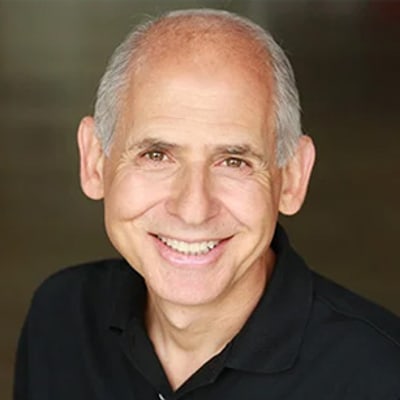
Josh Axe Show. I'm your host, Dr. Axe, and each and every week on this podcast, we dive deep into the science and principles behind how to grow in body, mind, and spirit and take your health and your life to the next level. Today we'll be talking to a friend of mine, Dr. Daniel Amen. He's one of the world's leading experts in brain health, and we'll be talking about some surprising things about your brain and how it ages. We'll be going through the biggest markers of dementia and how you can Take Your Neurological Health to the Next Level. Dr. Amen, welcome to the show.
Josh, it's so good to see you as always. Thanks for having me.
Yeah, well, uh, so much to talk about. One of the things I wanted to kick us off with is I read a study— this is about, I don't know, about 9 months ago— that Stanford came out with, and they said, um, not only do people age differently, some faster, some slower than others, generally speaking— I know that you've, you've probably seen the tests around doing your biological age versus chronological age and how some people in certain practices like smoking, for instance, really tends to age people in a way more quickly. One of the things they said was, is that, you know, not only do some people age faster or slower than others in a way— and by the way, I know some of that is maybe more just in terms of the verbiage we use around what's really happening, whether that's actually happening or not, feel free to weigh in on. But my point there is, is that one of the things they said is most of us have one organ system that ages much faster than another. So for instance, you can have a man in their 60s and their muscles look like the muscles of a, you know, of a 30-year-old, but maybe they have the heart of a 100-year-old and they have a heart attack. And so they said that, you know, there's a lot of different markers that start to pop up around if somebody has a heart that's aging too quickly or a liver or the brain. And I would love to hear from you, is that something you, you test for? And if you're— if you— when you do your brain scans, which I know you've done thousands and thousands of, we were just talking about me flying out there here to LA at some point and, and doing one of your brain scans, which I'm really looking forward to doing. But what are some of the markers you look for, to see how healthy someone's brain is and to see maybe if it's getting older faster than it should be?
Well, we actually do a brain age calculation on the scans we do at Amen Clinics. We do a study called brain SPECT imaging, and SPECT is a nuclear medicine study that looks at blood flow and activity. It looks at how your brain works. And I can tell, like, the first question I ask myself is, how old does this brain look like? Little kids have really, really, really busy brains. And as we age, it gets less and less active, but it doesn't have to. And that's sort of, I think, the exciting news. And optimizing blood flow. Is so critical for your overall health. Low blood flow in the brain is the number one brain imaging predictor of Alzheimer's disease. Wow. But it's also associated with depression. It's also associated with some psychotic illnesses and protecting your heart and your blood vessels is absolutely critical to protecting your mind. And oh, by the way, your brain is the organ that creates your mind. And so if your brain's not healthy, your mind won't be either.
Yeah, I love that. You know, one of the things is I've studied Chinese medicine is they really believe that that is a key indicator of aging in all areas or disease in all areas is lack of blood flow to the area. So same, very similar thing. If you're not getting blood flow to your thyroid or your adrenal glands, those are going to age more quickly. They're not going to, Obviously, you know, there's a lot of things in blood. There's oxygen, there's— it's transporting certain nutrients that certain organs need. And so that's really interesting to think about. You know, I even think that when you look at the osteopaths, you know, you know, chiropractors really focused a lot on the nervous system, where a lot of osteopaths, you know, the founder there focused a lot on the blood and the endocrine system in terms of how our bodies function. But I do think that, you know, not a lot of people talk about that in terms of, you know, blood flow, getting blood flow to an area, an organ specifically. And the importance for that, for it functioning at the optimal levels. So what are some things that you start to do for people, Dr. Amen? If somebody is— you do a brain scan and you start to see here there's lack of blood flow here. What are some of the things that people can start to do practically to increase that blood flow to the brain? So, well, let me stop here. And then also, what are some reasons it goes— it's— people stop having blood flow there in the first place? Maybe we actually start there.
So let me just preface this where if you want to keep your brain healthy or rescue it if it's headed for trouble, you have to prevent or treat the 11 major risk factors that steal your mind. And we know what they are. And I have an acronym that I love called Bright Minds, and the B is for blood flow. Low blood flow accelerates aging in every organ, just like you said. And so for each of these risk factors, it's all right. So what causes that and what do you do about it? And so low blood flow is associated with people who have a sedentary lifestyle, right? It's important to exercise. It's important to move. It's also associated with people who have erectile dysfunction. If you have blood flow problems anywhere, it generally means they're everywhere. And 40% of 40-year-olds have erectile dysfunction. So this is not a minor problem. If you're using tobacco, so nicotine constricts blood flow. Caffeine constricts blood flow. It's actually when I first started, like I had no dog in the caffeine fight. And except when I first started doing SPECT scans, my mentor said, have them hold their coffee on the day of the scan because there's research that suggests 100 milligrams of caffeine, typical cup of coffee, constricts blood flow to the brain 30%. And so caffeine, nicotine, alcohol clearly drops blood flow. Marijuana. I know nobody wants to hear that, but I published a study on 1,000 marijuana users. Every area of their brain was lower in blood flow compared to the non-marijuana users. Any form of heart disease, heart arrhythmias, heart attacks. Do you know people have a heart attack in the next 18 months have a 60% increased risk for having depression? It's really interesting. One of the reasons I'm a psychiatrist, when I was a fourth-year medical student, my grandfather, who I'm named after, had a heart attack and then he got depressed and he'd never been depressed in his whole life. So any form of heart or vascular disease, which then means if your blood sugar is high, blood flow is low. If you're overweight, we can get into that. But of the 11 major risk factors, if you're overweight, you now have 10 of the 11 risk factors, including low blood flow. And so know if you have it. So here are the risks. And obviously I'm a fan of getting a scan because how would you know unless you looked? And then, well, what do you do about it? Well, you avoid things like alcohol, marijuana, nicotine, caffeine that lowers blood flow. You get to a healthy weight, you start on an exercise program and not crazy. It's like, don't hurt yourself. Walk like you're late. For 45 minutes, 4 times a week. That has antidepressant effects. And then both you and I love supplements. The prettiest brains I've ever seen take ginkgo. And so for 30 years I have loved ginkgo, taken ginkgo, because there's actually spec studies showing increased blood flow. And then of course, omega-3 fatty acids can be helpful. And foods like beets, cayenne pepper, oregano, cinnamon have all been shown to enhance blood flow.
That's fantastic. Yeah, I love what you're sharing here. You know, one of the things that they would do in a lot of the— I remember going into an, uh, this, uh, Oriental medical doctor's office and there was an acupuncture in there as well. And so whenever I would leave, they would make a little bag of, they would, of to make a decoction of sort of simmering different herbs and roots and berries and making your own herbal tea is the way, you know, throughout history, a lot of people did these forms of medicine. And I was asking him, 'Cause it's sort of like a formulator of these things. And, and one of the things that they would do in pretty much every formula is they would add in something in the formula that increased blood flow. Because, you know, in, in, in Western supplementation today, a lot of times companies that create supplements, they're, they're kind of, I don't know, just throwing different things together. Maybe it's just ashwagandha by itself or echinacea by itself, but they almost always do herb combinations in a lot of these other, like in ancient Asian culture when they're creating essentially these supplemental teas. But again, one of the things they pretty much do in every formula is they're adding in something. And to your point, a lot of them tend to be warming spices. It's garlic, it's ginger, right? We saw the study on black pepper or the compound piperine and how that activates curcumin in the turmeric, and that's going to increase that circulation with that. So anyways, I love what you're saying too in terms of the supplements. And I think ginkgo, you know, has been prized as the number one brain, you know, leaf since the beginning of time. You know, so what's so interesting is, you know, when like I'm driving around Nashville here, like there's ginkgo trees, you know, and so ginkgos, and I think I read something once, they're believed to be maybe the oldest tree. Like the oldest tree that we know of. And so anyways, it's so interesting, you know, with doing all of these brain scans that you've done, what is something that has really maybe surprised you after you looked at, you know, thousands and thousands of brain scans? What are 1, 2, or 3 things that you just have— you were like, wow, this surprised me as I started looking at all of these scans.
So we've done over 250,000 scans. On people from 155 countries. And if you go, okay, what's the single most important thing you've learned? Is you're not stuck with the brain you have. You can make it better and I can prove it. In fact, every day you're making your brain better with your behavior or you're making it worse, that you actually have a choice in how fast your brain ages. Um, the second thing I would say is mild traumatic brain injury is a major cause of psychiatric problems, and no one knows about it because most people never get their brain looked at. And so last year there were 340 million prescriptions written for antidepressants, and None of the doctors looked at the brains of the patients who were depressed. That's all by itself insane. But what I— I saw, I saw a kid yesterday who had periods of anxiety and depression, and his brain clearly was hurt. Um, the right side of his prefrontal cortex and his temporal lobe clearly hurt. And I'm like, So when did he have a brain injury? Played soccer at a very high level for 12 years. So he's only 20, and as soon as he hit 11, he started heading the ball, and he had headed the ball literally thousands of times. Your brain is soft, your skull is hard. The skull has sharp bony ridges. We need to protect it. And the American Youth Soccer Organization came out a number of years ago and said, cannot head the ball under the age of 11. And it's like, why 11? Right? The brain is not actually finished developing until you're 25. But we have this socially acceptable activity that is significantly increasing mental health disorders because it's causing traumatic brain injuries. And Joe Louis, the famous boxer, said it's not the big hits that cause dementia, it's the thousands of little hits or the subconcussive blows. And before I did imaging, I loved football. I played football. I grew up near Los Angeles, and so I was a crazy Los Angeles Rams fan. And then when I'm starting to look at all these scans, I'm like, That's a brain-damaging sport that when you're watching it, you're actually watching part of the destruction of these people's lives. And I was blessed to do the first, the largest study on active and retired NFL players. 400 NFL players we've scanned, high levels of damage. But going back to the first point is we can repair it. If we get it early enough.
Wow, that's amazing. You know, well, you know, obviously as you're sharing, there are things that happen in our lives, sports being a big one, right? Uh, heading the ball a lot in soccer, football can be very traumatic, and, and other, other forms of actual physical injury. One of the things I know that I've written about frequently, you've written about even more frequently in your books, is the connection between our brain and other organ systems. And specifically would like to talk about the gut. Talk to me about how are the health of our gut microbiome is tied into the health of our brains.
So, you know, in Bright Minds, it's these 11 risk factors. R is retirement and aging. The first I is inflammation. And if your gut is not healthy, your whole body is going to be inflamed. And such a high percentage of my patients have leaky gut. And, you know, doesn't it irritate you? I have so many of my patients, they come to me and they go, "I have an autoimmune disorder." And I'm like, "Okay." I'm like, "Well, why do you have an autoimmune disorder?" And it's usually because their gut's not healthy. And if their gut's not healthy, that also contributes not only to leaky gut, but to leaky blood-brain barrier. And now they have inflammation and toxins that their gut into their brain. And so for most functional medicine doctors, it, it almost always starts by assessing and getting a person's gut healthy.
Yeah, yeah, it's so, so important. Is it— when you're working with patients, uh, Dr. Amen, are you, are you oftentimes recommending dietary changes and those sort of things in order to help with that?
Always. Right? I mean, your brain is 2% of your body's weight, about 3 pounds, but it uses 20 to 30% of the calories you consume. If you're on a fast food diet, you're going to have a fast food brain and it's not going to be good. And which is why I'm so excited about the possibility of RFK Jr. being the Director of Health and Human Services, because if nothing else, we're going to have a national conversation about that.
Have you, have you had any contact with him, like even in the past, you know, 5 years, like you ever, ever discussed, you know, some of his viewpoints and what are some of those if you have?
Yes, that our food is filled with ingredients that shouldn't be there. That why does Canada and Europe ban certain substances like red dye number 40? Why? Because it's been proven to be toxic. And, you know, why in America? I mean, just think about it. And RFK Jr. said this: America has 4% of the world's population. And yet we had 16% of the world's COVID deaths. Why is that? Right? Where we have, they would say, the best medical care in the world. I don't agree with that. But I mean, we're like the sickest of all the developed countries. It's because we're focused on the wrong things that when the pandemic happened, they locked people down, closed churches, and kept the liquor stores open. And I'm like, well, that's insane because your best defense against COVID is your immune system. And to make you afraid and give you more access to alcohol, that's a really bad public health strategy. And so I, you know, a lot of people talk about the deep state and I don't know what I think about it, except I know for the last 33 years I've been demonized by my colleagues and many in the media. And I'm like, well, why are you demonizing me? And if you read anything on RFK Jr., it always starts with he's a conspiracy theorist.
Always.
Yeah. And an anti-vaxxer. But if you actually talk to him or read one of his books, the conspiracies, like, all turned out to be true.
Mm-hmm. All of them. Yeah. For the most part. Or many of them. Yeah.
He's a smart vaxxer. He doesn't believe you shouldn't vaccinate people, but he's not okay with the idea that pharmaceutical companies have no responsibility if they put a vaccine out in the marketplace that hurts people.
I mean, here's part of the problem that I have is that he's saying, hey, we just want to have a little bit more scrutiny. Like, hey, this is kids' health. This is a big deal. We want to look at things a little bit closer. And so the fact that the pharmaceutical companies and some of the media are acting the way they're acting, like, you know, flipping out about it, tells me that they're hiding something. Like, this is what something that— like, if we're just, you know, if you're acting like a psychiatrist or we're acting like psychologists here trying to get to the truth, is this is how liars act.
It's just, you know, right? When you bring something up, they demonize the other side rather than going, Well, let's talk about it. Yeah. And, and how the government handled COVID made our population very suspicious.
Well, you know what? I said this the other day. I'm— I am— I never would have said this, you know, immediately when it happened. But now that we're through COVID, I'm grateful for it from the standpoint of it woke a lot of people up. People are more aware. People started realizing, okay, if I've been lied to about this thing, What else have I been lied to about? And it turns out a lot of things. And there's been— there are a lot of people in the media, I think everyone from Joe Rogan to Russell Brand and many others who said, wait, hold on here, something's not right. And even their political perspectives or faith perspectives, a lot of things started to change as they started asking some of these bigger and deeper questions. I want to go back to something you mentioned earlier here as you were talking about RFK. And one of the things he said he wants to do is ban food dyes. Are you tired of doctors dismissing your symptoms, or worse, even making you feel crazy? Even if your blood work comes back normal, it doesn't mean your health is where it should be. Think of your blood like a delivery truck carrying nutrients and hormones, but the real payoff happens when your cells open the package and use what's inside. If your cells are stuck in what's called cell danger response, triggered by stress, toxins, or infections, they go into protective mode. In this state, cells close off and don't properly take in or utilize the hormones or nutrients they need from the bloodstream. Now, this makes the blood work often appear normal, so doctors often miss the deeper issue, leaving you feeling tired, gaining weight, experiencing mood swings, and dealing with other symptoms while other cells remain in a state of limbo. Visit beyondbloodwork.com to learn how you can start changing this in as little as 30 days. Yeah, the these additives we're finding in other things like BHT we're finding in kids' cereals today. You know, when you're looking at things like, you know, again, Red 40, Yellow 5, all of these additives and chemicals, I know you've scanned the brains of, you know, tens of thousands of kids. So with looking at all of these kids, have you noticed an association, or if you are just taking care of a kid that is eating the sugary cereal with all of the additives, I mean, what— what— one, I guess, what is that doing to their brain? And have you actually seen in your practice evidence that that's destroying their, you know, causing ADHD and those sort of issues?
So there's a study from Holland on 300 kids who had ADHD, and they put them on an elimination diet. They eliminated gluten, dairy, corn, soy, artificial dyes and sweeteners. And after 3 months, 72% no longer met the criteria for ADHD. And I think this is— and they replicated the study and it was published in Lancet. I think this is so important to— now, ADHD is a real thing and it runs in families. But it's also induced by devices. Too much time on devices. Kids should spend no time on devices. And by this cereal they give them in the morning, right? Breakfast is a toxic bomb for so many kids. In Change Your Brain, Change Your Brain Every Day, my book, I scanned a kid. So the mom said he's got terrible temper problems, but only when he gets something red. And I'm like, oh, that's so interesting. I said, so let's scan him when he's not had anything red for a couple of weeks, and then let's give him Red Vines that has red dye number 40. And his brain, like, exploded. So it was reasonably healthy and then inflammation like crazy. And could our mental health crisis be in part due to the food we're serving children and the devices we are giving to them? Is that a possibility? And shouldn't someone study it, right? Rather than demonizing people who go, you know, maybe we should feed people better.
I mean, I mean, I mean, can you believe it? It's like, I mean, Robert F. Kennedy is just saying we got it. Kids shouldn't be eating things that aren't food. I mean, red dye, yellow 5, it's not food. It's a chemical. So somebody coming out saying that The fact that they're demonized is just— and that you— that's happened to me. That's happened to you over the years. It's like it just absolutely just shows the, I think, the evilness and the corruptness on, on the, on, you know, on the side of some of these, you know, big food companies, pharmaceutical companies, and some of these groups.
Well, you know, aspartame is in 5,000 to 6,000 foods. And there's a new study that came out where they gave it to mice and it made them anxious, but it also made their babies and their grandbabies anxious. Think about that. Um, and aspartame came out in the '60s, um, and just infiltrated so much of our population. So think diet soda and gum. And it's like, oh, well, now we have the opportunity to sell a lot of Xanax because people are anxious. So you just see the flywheel of illness, of artificial dyes and sweeteners, toxic food, more medicine. And so Big Food and Big Pharma are making a lot of money, but nobody should be okay with us being one of the sickest countries in the world.
And I mean, yeah, it's like you just have to look at lifespan. Well, I'll just say, if you just look at the stats around lifespan, I mean, that alone, it's like, you know, people in Japan are living much longer. I want to say it's close to 7 years longer. I mean, it's, it's, I mean, that's a long time. 7 years. 7 years. That's a long time. I mean, obviously, and I think of the top 12 nations industrially, I want to say we're last. We're dead last. And I think of like 41 or 42 countries of the most successful countries in the world. I want to say we're close to like 38th. I mean, it's very, very near the absolute bottom. And we're spending way more than any other country on healthcare.
And I'm just— I'm so grateful President Trump has an open mind to this. Now, he would not be our model of physical health. But in his first administration, he had RFK Jr. meet with the head people at the NIH who just stonewalled him. And it's like the president of the United States wants you to at least hear this person out and you know better. And John Paul DeGioia, who started Paul Mitchell, I heard him lecture once. He's a billionaire and he said, you never want to be in the order business. He said, you always want to be in the reorder business. And pharmaceutical companies don't want to give you something that will fix it. They want you to get something that will change your brain to need it in order for you to be okay. And, you know, this kid I saw yesterday, for like 6 years he's on Lexapro because he went through a hard time after a traumatic event. No talking about, you know, okay, how do you manage? How do you deal with this traumatic event? Let's just assume you have a serotonin deficiency. And, you know, now he's filled that prescription every month for 6 years. If you just think of the insanity that's going on in my profession, I was introduced on a podcast recently and the person that introduced me said, your colleagues think you're dangerous. How would you respond to that? And I'm like, I am absolutely dangerous to the status quo because the status quo is a shit show.
Yeah, yeah, yeah. I like that. Yeah. You know, it reminds me of one of my favorite books, and of course, childhood books was C.S. Lewis's The Chronicles of Narnia. And there is a scene in the movie and there's a discussion in the book. And I want to say it's Lucy. She's one of those, you know, one of the 4 kids that fall into the wardrobe. And she says, you know, they're asking about Aslan, who's representing Jesus, representing God in the story. And she says, you know, is he dangerous? And the person responds, oh, yes, he's dangerous. But he's good. And that's the thing. I think one of the things I also hear— Jordan Peterson, I was listening to a lecture he was doing on, and he's like, you know, you want, you want people that are dangerous, but they are high-character people. They're good. And so for that reason, they're using their dangerousness to protect you. And that's one of the things I see you doing for athletes, for kids, for people as they age, is Hey, it's dangerous, but, but, but you're doing good things. You're doing it for the right reasons. And today, so many things have been— I was talking about this on a podcast yesterday when I was doing my show— is that so much of America today has become about making the most money. Like, that's the number one thing. It's the number one goal for most people is making the most money. And it's about money. It's about materialism. And so other things sort of get put in a lower place. But I think that that's true for a lot of things in America and for a lot of company, you know, the pharmaceutical company, the agricultural companies. It's not about putting good food on people's tables. It's about we need to make the most amount of money. And it's not this, this way in every other country. You know, other countries, you know, work-life balance is like in Europe, at least it's a little better there. I mean, there are other priorities, but I think in the United States, that's number one. And I think you look at all these conflicts of interest between people that used to work worked for pharmaceutical companies and now might work for the NIH or the CDC or the FDA. It's what— and this is part of what RFK Jr. got flack about, saying, oh, you're a conspiracy theorist. But then if you go and look at, oh, actually that person did used to work for Pfizer or Merck.
So, well, I think if anybody reads his book The Real Anthony Fauci, it's referenced and it's clear And there was just not one thing I disagreed with in it. And, you know, why at the end of the campaign would Bill Gates give Kamala Harris $50 million? Why? That was not about goodness. It was about manipulation. It was about power. And we, we just have to like, what's the goal? And the goal is energy. It's memory. It's longevity. It's connection. It's purpose. I did a big program with Rick Warren and Mark Hyman. Pastor Warren said about money, he said, "Money is just something you borrow because as soon as you're dead, it's somebody else's." And so you really want to have sort of a healthy relationship with money. You know, to me, it's about value and freedom. And, you know, the more stuff you have, the more worries you have to take care of.
Hey, let me ask you, when you look at these brain scans, I want to talk about addiction for a minute because it's making me think of that. Are there— are you able to tell maybe subtle differences? And maybe this isn't possible, but are you able to ever tell subtle differences between, okay, you know, this person is highly addicted to something. Okay, maybe there's a, there's an area of the brain where you can see, okay, this is more of an addiction issue versus maybe this is more of an issue related to, again, a food sensitivity. Well, I guess I mean, that could maybe that's an addiction center too, affects the brain that way. But are you able to see certain things like that? I mean, I think addiction is something that— and what I'm talking about addiction, of course, there's drugs, of course, there's alcohol, there's shopping, there's sex, there's a lot of those things. Pornography, but also there's sugar, right? I mean, there are, there are other things out there. Is that something that you're ever able to—
actually, I wrote a book called Unchain Your Brain: Breaking the Addictions That Steal Your Life. And in my book, Your Brain Is Always Listening, I rewrote the 12 steps from a neuroscience, neuroscientist perspective. And one of the things I've learned is it's not one thing. Like, if you go— another big thing I've learned from a quarter of a million scans is depression is like chest pain. It's like, stop giving everybody the same treatment. That's like giving everybody nitroglycerin who has chest pain. It's stupid. It's malpractice. It's ridiculous. There are many types of addicts. They're impulsive. Addicts. They have low frontal lobe function and they say they're not going to look at porn, but they do because they can't control their impulses. Or they say they're not going to drink, you know, more than a glass of wine, but they do. They're compulsive addicts. And what we see is there's an area of the brain called the basal ganglia and anterior cingulate gyrus. When they become hyperactive together, worried, rigid, inflexible. Things don't go your way, you get upset. Um, and obsessions and compulsions are really common in that group, including addictions. They're sad addicts, their emotional brain works too hard, and then they're anxious addicts. And so know your type so you can get the treatment for you rather than assuming one treatment will work for everyone. And that's the problem. The 12-step program is awesome for some people, but when you study large groups, it works for about 5% of people. And so that's not great. And there's no neuroscience in the sort of addiction, the common addiction treatments. And so look at your brain, know your type of brain, and then work to optimize that. And one of the reasons I fell in love with imaging 33 years ago, I was the director of a substance abuse treatment program in the hospital where I was working. And healthy brain, addict brains. And they were so bad. That the scan itself was a therapeutic tool to sort of scare the socks off of people. And I had this very cool thing happen 2 weeks ago. I saw someone who I can't say who was really well known, came to see me drinking too much, and his brain looked terrible. And so I made him a poster. Here's a healthy brain. Here's your brain. Here's your brain if you do what I say and stop drinking and all the other things we do. And here's your brain 10 years from now if you don't. And so I made him a poster. He hung it on the wall. And then after a couple of months, I lost touch with him. I just read in the paper 10 years ago, he stopped drinking. And I was so happy because the scan is a therapeutic tool to wake someone up. And it's like, okay, which brain do you want? Right? If you do the preamble, I do this with everyone. Your brain's involved in everything you do, how you think, how you feel, how you act, how you get along with other people. And when it works right, you work right. And when it doesn't, you don't. So you have to sort of start by getting them to fall in love with their brain and then Here's a healthy brain. Here's your drug-affected brain. Okay, which brain do you want? And so it motivates people. So I think anyone who's going to like a 30 or 60-day program, they should get their brain scan first to one, see if there's other issues like traumatic brain injury that need to be taken care of before you just go get sober and then hang out with a lot of other people who are just getting sober, which is stressful.
Wow. Yeah. I mean, it's amazing. You know, I think one of the things about what you said that's so powerful is that I think, you know, in order for people to make a change, they have to be able to admit to themselves that I've got a problem, you know. And one of the things that scans help people do is realize I've got a problem, right? So this is— it makes it more real. I mean, I've seen this with blood work. We don't do brain scans, but I've done a lot of blood work with people over the years. And, and I think when people see their blood work, one, that's a number, and I think that's really powerful. I think seeing a scan, a picture, in a way can even be more powerful of people actually seeing and being able to visualize what's going on there. And so I just think that's an incredibly, incredibly powerful tool to help wake people up and then giving them the choice of, hey, listen, there's two paths ahead of you. You get to choose. I love that. It's— it makes so much sense. You know, one of the things that you were just saying just right before this, we were talking about these— about addiction was related to, you know, how so many doctors today are prescribing the same thing for, for people that are unique individuals, right? I mean, I mean, the top doctors that I know of, every single one of them practice practices personalized medicine. And again, top 1% doctors in the world, all of them customize diet, supplements, certain treatments, sometimes even testing for a person because everyone is individual and very unique. And, and, and so that's not happening, I think, as much today because it takes a practitioner, I think, that really knows what they're doing and it takes more time with the patient. And, um, but all that being said, you know, one of the things I think that's oftentimes overlooked, and when I say often, I mean 90+% of the time, is that when somebody comes in with an addiction or a health problem of any kind, almost all of those people have something going on, not just in terms of their diet or maybe, you know, at surface level addiction. There's something going on spiritually. There's something going on emotionally with that person. There's something very, very deep happening to where, well, why is the person overdrinking? Hey, Dr. Josh Axe here. I want to share something that's been a game changer for my cardiovascular health. Is the Zona+. The Zona+ uses the science of isometric exercise to help improve circulation, lower blood pressure, and even boost nitric oxide production, which is key for keeping your blood vessels flexible and your heart strong. It's super simple. You just do custom hand grip exercises and the vice takes care of the rest with its smart algorithms. What's really cool is it's not just treating symptoms, It's actually helping your body work smarter to stay healthy. Whether you're tackling hypertension, muscle fatigue, or just want to level up your overall fitness, this device is a powerhouse. If you're ready to unlock your full cardiovascular potential, visit zonadotcom/axe and use the code AXE100 for $100 off for a limited time only. Trust me, your heart will thank you for it. Take control of your health today. With the Zona+, it's a total biohack for better living. Okay, well, they're trying to fill a hole in their life. They're trying to, you know, do something to numb the pain of their life. And so, you know, how real has that been for you? I know we've chatted a little bit, Dr. Amen, and not in depth about this, but a little bit about— I know you're a man of faith. I know that you, you know, co-authored that book with Rick Warren. But how aware are you of and how often do you maybe talk to you talk to some of your patients about growing in their faith, growing spiritually, doing things on the spiritual side of things?
So I always draw 4 big circles on the board in my office. And it's biological, psychological, social, spiritual. All 4 circles all the time. Living connected to God as you understand him, I think is absolutely essential to a full, fulfilled life. So much depression is existential in that, you know, it's like, oh, I can't be smart and believe in God. I can't be a scientist if I believe in God. But if you don't believe in a creator, well, that means you sort of believe that we're all here by random chance, which is virtually impossible. To random chance, just the second law of physics, entropy, things go from order to disorder, that we would never end up with DNA. It's impossible. And so knowing that there's a creator and likely you're here for a purpose, I think, is so empowering and helpful. And that there potentially are consequences to your behavior on Earth, right? If you don't believe in anything, then you can act any way you want, which disconnects you likely from the people you care about. I just, on my show Scan My Brain, we evaluated Jonathan Cain, who is the keyboardist and one of the guitarists for the band Journey. He wrote Don't Stop Believin' and a lot of their huge hits, and he's drinking way too much. And when he was 8, there was a fire in his school and 90 children died. And he watched the whole thing. And so part of the treatment for him was getting the trauma out of his head. Hmm. But when he saw a scan, And he also has one of the E4 genes, which is one of the genes that increase your risk of Alzheimer's. He immediately stopped, like he left my office and didn't drink again. I'm so proud of him. And he lost his baby belly and his skin was better and he's cognitively clearer. And, you know, he's now addicted to feeling better.
Wow.
Which I love so much. But I always think all four circles all the time. You have to look at the brain and we also do that with blood work. I think blood work's really essential. So you have to look at the biology. You also have to understand how people think. And I call them ANTs, automatic negative thoughts. What's the ANT population of the person in front of me? And usually if they're in front of me, it's pretty high. How are their connections, like their relationships and work? And what's their faith? And, you know, what do they believe in? Why are they getting up every morning? And, you know, people that are working for the most money are generally not very happy.
Yeah, yeah, yeah, it's true. You know, I remember reading a study years ago that talked about how— and this is a little switching gears just a little bit, but I want to tie this into purpose because I think that one of the things that I found in practice, and this doesn't just come from my practice, one of the things I've been very involved in church growing up and being part of leading churches and Bible studies and growth groups and those sort of things. And one of the things that I've really been able to connect to, as I think the studies prove as well, um, around somebody having a healthy mindset is them having a purpose. I— there was a study came out, said about 25% of people are certain about knowing what their purpose in his life— a purpose is in life. And, and that's pretty low. I mean, only 20— that means 75% of people don't know what their purpose is. And I think that, you know, when that happens, people tend to wander more aimlessly and search out for for, for, for things that are, um, trying to fill that need in their life to, to do something meaningful. That's where I think drugs and alcohol and other things can start to, to, to, to get in there as well. But going back to this, I think that I read the study about how when people retire, if they don't find something to do that's meaningful soon after retirement, um, it, it increases their mortality, it increases— it decreases longevity. Is that something that you've seen? Have you seen any studies that resemble that as well?
I have, and purposeful people live longer. I do an exercise with all of my patients called the One Page Miracle. And on one piece of paper, write down what you want in your life, but in a very specific way. Relationships, work, money, physical, emotional, spiritual life? What are your goals, right? Every great business has a business plan. They have a mission statement. They have core values. They have quarterly priorities. It's— but people don't. And I think it's essential to know what you want and then to match your behavior over time. And I do it it exactly that way purposefully, because the people who are too focused on money or too focused on relationships or too focused on their health become unbalanced. And I'm convinced burnout happens when you're unbalanced. And, you know, So I think this is— and, you know, my favorite book is Man's Search for Meaning. And I love Viktor Frankl when he says, if it's purposeful, I do it. And if it's not purposeful or does not have meaning, I don't do it.
And I love that. Can I tell you what— when I had my— I had a back injury and I was— you may remember this. I was in bed for a year. This is about a year and a half ago. I started walking again and I read that book for the first time. I hadn't read it before, and it just touched me in a way and inspired me in a way like almost no other book has. I mean, it was, uh, such a critical book for me, just changing my mindset. There's a story in that book, and Viktor Frankl is talking about a woman who, um, he thought she was about to die. He was like, she was just so feeble and had wasted away to nothing, but he said she was the most positive person in the entire concentration camp. And he said he was talking to her and she was looking out the window and he said, hey, what are you looking at? And there was a tree and it had one flower on it. And she said, that flower is speaking to me and it's saying, I am life. I am eternal life. And it was, it was pretty amazing because he said, you know, like, like there's, if you looked anywhere else around you, everything was death, everything was evil, misery. He said she found the one thing in the entire war out of a window far away, this one flower, and it's sort of what she fixed her eyes on. And so I think that there's an element too for so many people where they're focused on the things in life, they're focused on their problems, they're focused on all the things that were wrong versus living in a state of gratitude or living in a state of, hey, this is, you know, this is going well in my life. How much have you seen that sort of— and I definitely don't want to call it just a positive mindset. I want to call it maybe of a inspirational mindset.
Well, I have a brand new study coming out on negativity bias. Um, where you bring your attention determines how you feel. And so she brought her attention to the flower and felt way better in the midst of darkness. Every patient— so if you come to see us, we'll do a long computerized assessment that measures 17 areas of cognitive and emotional function. And my favorite of all the tests is conscious negativity bias. Is— does your brain tend to go to what's wrong or does it tend to go to what's right? And on thousands of people, I think it's about 4,000 people, it's the largest imaging study ever on negativity bias. The more negative you are, the lower activity you have in large regions of your prefrontal cortex. So being negative could be a result of you having low function in your brain, but it's not helping it. And so I do positivity bias training with all of my patients. I have them start like, today is going to be a great day. I knew I was going to talk to you. That made me happy. The end of the day, what went well today? It's training your mind because our minds are wired for negativity because that helped us survive thousands of years ago. But it's not helping us now. People who just watch the news in the morning are 27% less happy in the afternoon. And I'm going to have to go in just a minute. But Yeah, I want you to have me back and we can talk about pain. Did you read Sarno's books on healing back pain?
No, but I, but I'd love to.
Oh, you should. So I have a new book coming out at the end of next year called Change Your Brain, Change Your Pain.
Oh, wow.
And it's about—
I'm excited.
I'm sure you're diving into neuroplasticity and a number of those things on, on Yeah, it gets stuck in your brain and it creates a doom loop that I'd love to talk about because the doom loop is so interesting to me because you're like, you have pain, real pain, but then that flips the medial pain suffering pathway in the brain and now you have more ants and more tension. Which then leads to bad habits and a perpetuation of the doom loop.
Well, I— we'll have you on again and have you talk about the book here. I have one more question for you. Um, walk us through diet real quick. So when you're thinking about what are the top 5 food groups or so, and maybe just some individual foods or herbs that you think are really important for people if they want to optimize their brain function and heal and de-age their brain?
So 60% of the solid weight of your brain is fat. And so having a healthy fat-based diet is essential, I think. Healthy fish, avocados, nuts and seeds, healthy oils. Protein is essential because it helps to make neurotransmitters. And I'm sort of a huge fan of the ketogenic diet because I've seen it dramatically decrease seizure frequency. But my problem with it is there's not enough colorful vegetables in it. And so I would then add colorful vegetables and some fruit like berries and low glycemic, high fiber fruits like apples. And so all organic. That's pretty much how I eat every day.
Yeah, it's, it's, it's, it's healthy fat, it's organic protein, it's vegetables and high fiber, high nutrient berries. I love it. Well, Dr. Amen, I want to say thanks so much for coming on. I want to encourage everybody to check out Dr. Amen's clinic, check out all of this. I would reference one book, but he's written like 20. So what I would say is go on amazon.com and search for a book and read about some of what's in there in terms of, uh, what book is going to be best for you. Because again, you've written so many. And Dr. Amen, again, I am so, so grateful for you coming on here, and we'll have you on again to talk about your book on how to heal chronic pain here, uh, this next year as well. Hey, thanks so much for sharing your wisdom today.
Great, thanks, Josh.
All right, everybody. Hey, thanks so much for tuning in here to the Dr. Josh Axe Show. Remember, each and every week we're diving deep into the science and principles behind how to heal Your Body, Mind, and Spirit. And Dr. Amen today talked about how to heal our brains. And if you're watching on YouTube, hey, I'd love to hear from you. What is your biggest takeaway from the wisdom that Dr. Amen shared with us today? I'd love to hear from you. And again, thanks so much for everybody who subscribed. Thank you for sharing. Uh, thanks for being on mission with us. I can't wait to see you on the next episode.
The Dr. Axe Show is educational and not a substitute for care from your clinician. Disclaimer