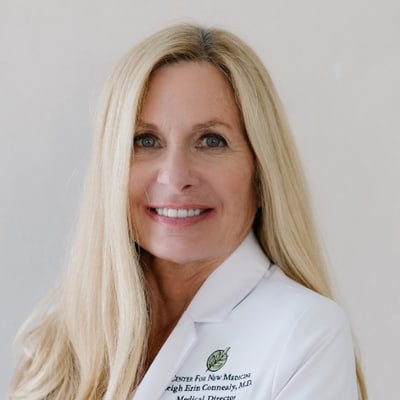
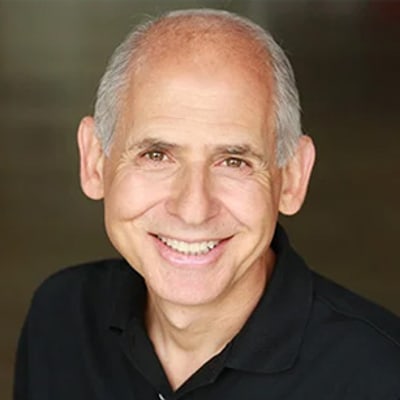
How to MAXIMIZE the Benefits of Intermittent Fasting | Dr. David Jockers
Transcript
Click a timestamp to seek the player.
Hey everyone, welcome to the Dr. Josh Axe Show where each and every week we look at how to grow and achieve your optimal in body, mind, and spirit and take your life to the next level. On today's episode, we have an old friend of mine, Dr. David Jockers. Uh, Dr. Jockers, uh, is an expert in many things including natural remedies, the keto diet, intermittent fasting, brain health, functional nutrition, and longevity. He's also the best-selling author of The Keto Metabolic Breakthrough, and he runs popular website, drjockers.com, where you can find out a load, a lot of information about, uh, recipes and natural remedies and so much more. And we'll be diving into today, uh, more information on intermittent fasting protocols, brain optimization. We even talk about personal growth wisdom and, uh, and get into longevity as well. Dr. Dave, welcome to the show.
Josh, always great to be on with you and really excited for the show that you're putting on.
Hey, thanks so much. Well, I know we, we go way back, and I've known you for probably— I was trying to think about this— I probably met you in maybe 2009.
And so we met before then. I think it was probably 2005, 2006.
Oh no, that's what I meant. No, you're right, it would have been— I was trying to think of— yeah, probably was 2005. So almost 20 years. So that's— which is crazy to even say that. Um, and so yeah, we've known each other a long time, and I, uh, you know, I've been so impressed with the incredible practice you've built. I know you've ran a brick-and-mortar practice where you've cared for patients practicing functional medicine, but now, you know, you've helped a lot of people online as well. And, uh, yeah, you know, I, I'm, I, I have a quite a few questions for you, excited to chat and everything nutrition and holistic medicine today. But the first thing I want to ask you about is, is fasting. You know, I know that you've recently written a lot on fasting. It's something you've practiced yourself. And the reason I want to— and I want to throw out a few just thoughts your way for you to share on— you know, there are studies that show that people that skip breakfast are less healthy, you know. So there are studies that kind of go against intermittent fasting. And I also would love to hear your thoughts on, is intermittent fasting for 100% of people all the time, or is it for a certain group of people? Like, what, what are your beliefs and thoughts about intermittent fasting?
Yeah, so intermittent fasting, obviously super popular in our society today. And I know for me, intermittent fasting was something I started doing. I actually had irritable bowel syndrome. This is before I met you. And, uh, you know, I, I picked up a book by Dr. Joe Mercola, right, a mutual friend of ours. And he had the No Grain Diet, right? And so I picked this book up, it was like 2004. I was like, you know what, I need to, I need to make lifestyle changes. I'm not doing well. And so I started following that diet plan, and I just felt significantly better. And I noticed that I wasn't hungry on a regular basis, right? Like, just, I had, I had more satiety. You know, it was a high protein, higher healthy fat diet, um, low carb diet, and I felt satiated. And so I would, I was taking, you know, 7 AM classes. I was in graduate school. And so sometimes I just, I, I didn't want to eat in the morning, right? And I would just drink a lot of water. I would drink a ton of water, and I felt significantly better. And I had never heard the term intermittent fasting. And what's amazing is when I had irritable bowel, I actually went, I was a personal trainer, and I had dropped from 170 pounds to 135, 140 pounds, somewhere in that range. I had lost all this muscle mass. I had orthostatic hypotension, where I go from sitting to standing and I would be dizzy, right? Because I had very low blood pressure. My body was just massively stressed. And, um, as I was following this diet plan and actually, you know, tightening— I didn't really understand what I was doing, but I was compressing my eating window, and I would start eating in the afternoon and eat, you know, through the evening. So I had like a 4 to 6 hour eating window during this period of time, I gained all that muscle back and I felt better than ever. Because when I was a trainer and at 170 pounds when I was, you know, 21, 22 years old, I looked good on the outside but actually didn't feel good, right? Like I had gut issues, I had low energy, fatigue. I thought I had to eat 6 meals a day from the moment I woke up to the, you know, and a protein shake at night before I went to bed in order to maintain that muscle. And now it just seemed easy. To maintain that muscle. Um, I would just work out, and I had great energy to work out. And I would eat, you know, usually 2 big meals, something like that, um, between 2 and let's say, you know, 7 or 8 o'clock at night. And it just seems so much easier. And it wasn't until years later that I actually heard the term intermittent fasting, and I was like, oh, that's actually what I do. And so I was experiencing the benefits. And I don't even know if you remember this— I remember you came over and stayed with Isaac and I at our apartment when we were in graduate school. And you were with us because you were studying for boards, and we would work out together. And I told you, I'm like, yeah, I don't eat breakfast. And you loved these big breakfasts, you know, you obviously, you were eating healthy, you love these big healthy breakfasts. And I was like, ah, you know, I'm gonna take a pass because I just feel better when I don't. And you were like, that's ridiculous, I never heard of that. Um, but that's actually what I was practicing, and it wasn't until years later that I found out what it was actually doing in my body. And so I say fasting is the most ancient, inexpensive, and and most powerful healing strategy known to mankind. The reason being is that all our ancestors did it. They didn't have pantries, they didn't have refrigerators. So they were dependent upon a good hunt or a good harvest. And that wasn't predictable. Sometimes they had great hunts and great harvests and they would feast. They didn't have good food storage. So, you know, get as much food as you could while it was available, while it was there. And then there were a lot of times of famine and where they had very little food. And sometimes they would have to go a day or eat once a day or go multiple days without food. And instead of getting weaker, they actually got stronger. Their senses were heightened and they got more resilient as human beings. In fact, I don't know if you ever watched that movie 300, right? Talking about the Spartans. The Spartans, the Spartan warriors were known to work all day, right? They would train, you know, do all kinds of hard work all day and they would feast at night. And so they said if you ate in the morning, it weakened you, right? And they talked about kind of their primal spirit. And, you know, they were obviously pagans, but they had kind of this intuitive idea of, in a sense, what would allow them to be the strongest and most resilient. And of course, if you ever watch that movie, I mean, there are 300 warriors and they take on, you know, an army of like 100,000 and they hold their own. Against the massive Persian army. So they were considered the most resilient warriors, and they practiced intermittent fasting on a regular basis. And so again, it's built into our genetic blueprint in order to go through these times of feasting and famine. And our body actually knows. So the modern American is constantly feasting, right? Like, that's what I was doing when I was young. I mean, when I was bored, I would eat, right? My kids do that too. They're like, they're bored. They're like, hey, can I have an apple? Can I have, you know, whatever? When we're bored, we want to eat. When we eat, we actually release dopamine. That makes us feel good, and that's a great thing. It's one of the beautiful things about life is food gives us pleasure. That's, that's great. We just have to understand that and not use it as an emotional crutch and actually, in a sense, be intentional about obviously what we're eating, which is something you and I talk about, but also when we're eating and how we're timing that out. Because if we're constantly using food as a dopamine hit, an emotional crutch, we're going to be eating all throughout the day. When we eat, we secrete certain hormones, like for For example, insulin, which is a common hormone that people understand, and insulin's a great hormone, takes sugar out of the bloodstream, puts it into the cells where it can be used for energy. High blood sugar, we know, is toxic, right? It, it, uh, it creates advanced glycation end products. High sugar in the blood, the, the, the sugar will bind to proteins, create these advanced glycation end products, AGEs, which are like shrapnel going through our bloodstream. They damage the endo— the endothelial lining of the blood vessels. You know, people with uncontrolled diabetes end up dying with, you know, they have peripheral neuropathy, heart disease, all these types of issues. So insulin is doing its job getting the sugar into the cells. But when insulin is constantly elevated because we're eating all the time, even if you're eating healthier foods, every time you eat, you're stimulating insulin, right? And so if you're constantly doing that, you're going to create a state of insulin resistance. Your body is going to produce more and more insulin, and insulin drives cell division. And the more that we're getting, in a sense, we're creating more and more cells. It also increases inflammation in our system. And as long as insulin's elevated, we can't burn fat. So we become sugar burners and we become metabolically inflexible. Normally we should be able to burn sugar and burn fat and kind of go back and forth between burning sugar and burning fat depending on what we're doing. When we're exercising, we want to burn primarily sugar. And because that's a quick energy source. But sugar is a dirty energy source in the sense that it produces a lot of oxidative stress. So there's a lot of metabolic waste or rusting that goes on when we're constantly burning sugar. This is why we only want to do it for short periods of time. And then for the most— most of the day, we want to be burning fat for fuel. And the key, in a sense, the thermometer on that, or the, uh, the key switch on that, is insulin. And when insulin's elevated above a certain threshold in our bloodstream, we're gonna be primarily burning sugar as our main fuel source, creating oxidative stress. When insulin drops below that threshold, we're burning fat as our primary energy source. And fat is a really clean energy source. We produce a lot of cellular energy and very little metabolic waste. So it's a preferred energy source. We just have to have the right environment. In order to be able to burn it effectively. And I want to get back to obviously some of the other questions that you had as far as, you know, uh, should everybody do it, um, you know, a lot of those types of questions. But, you know, I'll, I'll, I'll, I'll, I'll roll back to you for any, any comments on that.
Yeah, first off, I love what you're sharing here, and there are so many studies, longevity studies specifically, that show that, you know, intermittent fasting, or generally fasting or eating less, you live longer. And so there are lots of benefits. And some of the terminology used there, I just wanted to clarify for people. And so a lot of what Dr. David here is talking about is mitophagy, or doing things to actually help your mitochondria, mitogenesis, repair and reuse. In fact, it's really interesting. I don't think most people know this, but your cells will go through a process of recycling. And so your cells will die, they'll get broken down, they'll become useless senescent cells. But then your own body will take those parts. Imagine you have a car., that is sort of the engine isn't working, it's not working, uh, in other areas as well. And then taking those pieces and going and creating a brand new car. And so what happens when you're fasting is that starts to happen. Your body takes the, the, the damaged material, the things that are no good, and actually rebuilds and creates new and healthy cells from it. When you're fasting, it's better able to do that, it's better able to heal. So there are loads and loads of benefits of that, um, and So yeah, going back to a couple of these questions. One, there are studies showing though that the people that skip breakfast aren't necessarily healthier. Now, of course, a lot of this has to do with what are you actually eating, right? I do think that's important. And I also want to say, you know, in Chinese medicine, they didn't recommend fasting in this way. They did recommend, though, you know, eating around 8, 9 a.m., but trying to eat dinner around like 4 or 5 o'clock. And so it's interesting that what the way that our lifestyle is work today, most people will do their fast where they eat later in the day. What Chinese medicine recommends, you eat earlier in the day. So they would say eat like a king for— or what, what, what, what was the saying? Eat like a— it was 3 Ps. Eat like a prince for breakfast, a pauper for lunch, and a peasant for dinner. They said that in terms of eat a big breakfast, middle-sized lunch, very small dinner. And then, and then in a way, they're not having you do a full intermittent fast, but you are in a way 14 hours not eating.
So yeah, it's actually something called early time-restricted feeding. And so, you know, intermittent fasting is kind of like a, like more of a broad term. And ultimately intermittent fasting can be anything from, you know, a 14-hour fast to a 2-day fast, right? Intermittent fasting. So when we talk about it like within a 24-hour time span, oftentimes we'll use the term time-restricted feeding where you're, you're eating in a certain compress, you know, certain eating window. And so there are different ways of doing it. The way that you're talking about is what we call early time-restricted feeding, meaning that you start eating early and you end eating early, right? Earlier than what most people are doing. And there's great benefits to that. And in fact, actually, research shows that that's the most effective way to do time-restricted feeding because it's better for your overall circadian rhythm. Really? However, I think in our society, a lot of people struggle with that because dinner is, you know, it's a social time. It's a time where, you know, we're with our families.. And so for a lot of people, it's just hard to get into a schedule like that. And they're more rushed during the morning. So it just is easier for people to do, you know, to fast early in the day. And, you know, there's a lot of research shows that like almost any time you have that window, that compressed window, you're going to get benefit. However, early time restricted feeding, again, for circadian rhythm benefits is the best. Now, going back to what you were talking about there, where there's research that shows that skipping breakfast is not healthy and that people get, you know, have a higher rate of developing all-cause mortality, all-cause morbidity and mortality. These are epidemiological studies. And epidemiological studies, I think, are good for that. They give us good data, but it's not data that we can necessarily take and say, okay, across the board, this is, this is the way, the way, you know, this is what we should be recommending for everybody. And the reason for that is we have something called a healthy user bias. Meaning that people that live a healthier lifestyle are doing things that the majority of the media and the majority of people are saying is healthy. And so up until very recently, skipping breakfast was, was associated with, you know, like, I grew up and it was like breakfast, the most important, more important meal of the day.
Yeah.
Like, if my mom didn't give me breakfast, she felt like she failed as a mom. You know, it was like the worst thing you could do is miss breakfast. I remember hearing that growing up. And so for most people, they associate eating breakfast as a part of a healthy lifestyle, and it can be, um, but it doesn't necessarily have to be. And so that's the whole thing. I mean, a lot of these epidemiological studies also say if you eat red meat that, you know, you're going to die early. And that's because, you know, what tends to happen is people that report eating more red meat also smoke, right? They drink alcohol, they eat, you know, yeah, lots of toxic seed oils, right? They're going to McDonald's and they're eating, you know, the burger and fries. They're not eating grass-fed steaks like you and I, right?
So, yeah, yeah. And to your point, I think one of the clarifications in, in these studies is they brought up the point that sometimes this is due to a level of poverty. It's not by choice somebody isn't eating breakfast, right? Right. So that's one of the things that can be thrown in there. One other thing I wanted to mention, I don't know, you and I both, uh, along with having a passion for health, we have a passion for theology. And when you study the early Christian church, one of the things they did is Uh, you know, I don't think they were necessarily, uh, practicing, um, you know, intermittent fasting the way that we do, uh, even though maybe their eating habits were different. But they did intentionally practice fasting on Wednesdays and Fridays, so they would only eat dinner 2 days a week. And I'm interested to get your thoughts on— again, there's a lot of different ways of fasting. We can do this seasonally, we can do it daily as a habit, in terms of, as you're talking about, an intermittent intermittent fast. But also, there's this idea around hormesis, in a similar way that we might decide to do a cold plunge twice a week, right? Um, part of me, as I've looked at the research and some of the history, I am curious— curious if it's just as beneficial in many cases to just take 2 days a week and practice intermittent fasting, or just doing the one meal twice a week. What are your thoughts on that? And then explain a little bit about hormesis and what fasting does in terms of, you know, uh, stressing ourselves in a good way.
Yeah, I love this topic, and I'm glad you asked this question. So when we think about our overall health, ultimately the health and our quality of life is going to come down to— if we look at it on a cellular level— the overall amount of high-functioning, stress-resilient mitochondria we have in the cells of our body. You mentioned that term mitophagy. So the mitochondria produce all the energy in the cells, and basically, you know, over time, because these mitochondria are constantly producing energy, there's also oxidative stress that damages them, and they become senescent, right? Which is kind of this term for aged. They start producing less cellular energy, and they're just taking up space in our cell. And the more of these older, damaged, senescent mitochondria within a cell, the less the cell is able to produce energy and do its desired function, right? And so now it, it actually will build up, uh, a level of toxicity. And if that cell's told to now reproduce and replicate, now we're getting copies of a damaged cell. And so we start building up all of these damaged, dysfunctional cells that are not, not doing what they are supposed to be doing in our body. And ultimately, that over time will lead to dys-ease, where we have symptoms, and then ultimately to disease. And so we want as much stress-resilient, high-functioning mitochondria within the cells of our body as possible. And so hormetic stressors— and really the way that we create these healthy mitochondria is by stressing ourselves, but it needs to be a form of stress that we can adapt, heal, and repair, right? And, and, and in a sense get stronger. So we think about exercise. And so if I were to ask the average person, if I were to say, is exercise healthy? Everybody would say, of course, yeah, it's part of a healthy lifestyle. We all know that it's healthy. However, if you were to exercise for, you know, 3 hours every single day, most people would overtrain and they would actually feel terrible, right? They would have trouble sleeping at night. They wouldn't be able to build muscle. They're overdoing it. Now, a high-level athlete might be able to do that because their body is extremely stress resilient, and so they can handle a lot of exercise.. But most people can't and they overtrain. And overtraining is a really big deal. I used to be a personal trainer and I would see, you know, some people just weren't able to get results and they were in the gym, you know, hour, 2 hours every single day, every morning, 5:00 AM, 6:00 AM, they're in the gym working out, but they're not getting enough sleep. They're doing too much training and they're not getting the results that they want. Overtraining is really, really common in the fitness world. And so we know exercise is good, but we don't wanna overtrain. Well, fasting is a stressor on the body as well. It's this hormetic stressor that our body normally should be able to adapt to. And we get this great benefit of bringing insulin down, which triggers our innate intelligence to say, okay, now let's repair, let's heal and repair these cells. Let's heal and repair these mitochondria. Let's produce more mitochondria. Let's create more metabolic flexibility. So we should get this really healthy response that comes from it. However, we can overdo fasting as well, and a lot of people do, um, and therefore we produce more stress hormones, more cortisol, more epinephrine than we should. And so fasting is associated with higher amounts of human growth hormone, which is an anti-aging hormone that helps preserve our lean body tissue. It helps us burn fat. It helps support lean, lean, our muscle tissue, our bone tissue. It's great for our immune system. But it can also be— we— our growth hormone levels can go down if we have too much cortisol and adrenaline in our system, because then our body says, okay, we're in fight or flight, we are in, you know, uh, we're in a survival period. And so it will produce too much of that. And cortisol and epinephrine are catabolic and strongly catabolic on our muscle tissue, so they start to break down the muscle tissue. We start to lose muscle tissue. And in general, if we're in this state of kind of chronic catabolism, that's not healthy, right, for our body. Yeah. And so it needs to be balanced, just like anything, right? Like I talked about with exercise, when somebody first starts exercising, they're not going to do the Josh Axe workout, right? Like, they're gonna go— like, if they're sedentary and they want to get fit, the first thing they might do is, you know, take a walk to their mailbox, right? Or walk around their block, right? Just start getting some light movement in. They might do some resistance training in a gym, but it would be low intensity, right? It wouldn't be overly shocking and stimulating or they're going to be too sore. They're going to have a negative, you know, they're not going to feel good. And so with fitness, I know trainers know, hey, I've got to gradually and progressively overload this individual, meaning I want to go above kind of their set point. Bring them out of homeostasis, but not too much, right? So that way their body now can adapt and get the rest it needs, the nutrients it needs, adapt and become stronger, and they'll actually start to notice and feel the benefits without feeling too sore, too beat up. And so fasting is a hormetic stressor as well. Cold plunge, you mentioned that— these are all hormetic stressors. And so depending on how, how healthy your baseline level stress resilience is. That's going to let you know how much of that you can do.
And so, right, and, and, Dave, it's very similar to lifting weights, right? It's like, if you are— yeah, you know, if you're able to squat, you know, your own body weight and that's all you can do, but then you go and throw 300 pounds on your back, that's too much. You're going to crush yourself versus a couple tens on each side. Like, you want to gradually be able to increase this over time, just like exercise, you know, or else you end up tearing something and damaging thing.
That's right. And just like exercise, you don't have to do it every day. Like you were talking about, 2 days a week, great, you know. And so there's a, there's a fasting strategy I talk about in my book called crescendo fasting. And this is a great fasting strategy, especially for certain demographics that perhaps have had more trouble with fasting. Like, I will tell you that the most challenging demographic with intermittent fasting is the young menstruating females who are very thin already, lower body fat. Yeah, really into fitness. And also they have a career, they've got kids that they're trying to juggle. So they have stressful life, they like exercise, they love biohacking in general. So they want to stack as many of these things they hear about as possible into a tight schedule with a lot of other demands. And so for those individuals, that sort of fasting can overload their system, right? Too much stress on their system, and they— and that starts to increase stress hormone. And stress— the more stress hormone we have, the, the lower our level of sex hormone, right? Progesterone and estrogen. And particularly progesterone in particular is really susceptible to higher stress. And so the second half of a female's period, um, you know, so they have a 28-day cycle. That second half, it's called the luteal phase. That— the back half of that second the second half, like the last week, they need a really big rise of progesterone to have a healthy menstrual cycle. And if you're under a lot of stress because you're fasting, exercising a lot, not, not, you know, um, you know, maybe, you know, undereating, um, also, you know, you might be really stressed in general with your, your daily life, not sleeping enough, um, that is going to set you up for more of these kind of premenstrual types of issues. And, you know, a lot of women end up with downregulated thyroid issues, um, you know, hair loss, right? If they're chronically stressing their system like this. So crescendo fasting is a good strategy because we do 2 days a week, non-consecutive days, so you have— you got recovery, uh, in between. So let's say like a Monday and a Thursday, and you're doing, let's say, a 16-hour fast and an 8-hour eating window, um, on those days. And the other days, I always recommend somewhere between a 12 to 14-hour fast is kind of a baseline. In fact, there's a study, uh, August 2016 Journal of American Medical Association where they took all these women with breast cancer, right, that had been diagnosed with breast cancer and now were cleared of breast cancer. And they did this long study. They wanted to see what the recurrence rates of the breast cancer would be. And so they had a group of women where they just told them, you know, eat whenever you want. They were, you know, the control group. And then they had, you know, another group where they said, okay, you've got— you've got to fast 13 or more hours overnight. So if you finish dinner at, let's say, 8 PM, You don't eat anything with calories until 9 AM the next day, right? That would be the earliest you could do it. So 13-hour overnight fast. And what they found was that the women that were doing the 13 or more hour fast overnight had a 64% lower rate of recurrence— breast cancer recurrence. I believe it's like a 5-year study and an 80% lower risk of dying even if they did get a recurrence. Right, just by doing that one practice.
I'm so glad you're bringing this up, Dr. Dave, because I think, I think a lot of times people think, well, I have to do the full, like, I have to go 18:6, like, I could, I have to skip breakfast completely and that's the only way to do it, versus what you're saying. And this is where I tend, I actually tend to think, I don't want to say the majority, but I think sometimes more people would benefit from, from the simpler version of, you know, do more of the 14 or 13-hour eating window. You know, it's like trying to just eat breakfast a little later. If you're eating at 6:30 or 7, push it to 9 AM, and then just try and eat dinner a little earlier at 5 PM. And if you can eat 9 to 5, well, you're pretty much fasting now, at least for— you're probably 14 hours or more.
I mean, hours right there. I mean, if you do that, that's a 16:8 right there. That's the early time-restricted feeding cycle right there, just kind of like you were talking about with Chinese medicine. Yeah, I always say the first step is to stop snacking. And in order to do that, for a lot of people, when they eat meals, they don't eat enough protein, right? I know my wife was doing this for a long time. Like, so I recommend a higher protein diet. I recommend, you know, basically getting somewhere between 30 to 50 grams of protein in a meal. Now, if you're light, if you're like under 120 pounds, you're probably fine with 20 to to 25 grams, but the average 150-pound individual is going to do best with like around 30 grams of protein. If you're really active, you might get more. Like somebody like Josh or I, I mean, we could eat 60, 70 grams of protein in a meal easily. We're highly active. We've got, you know, we can consume a good amount of calories. But, you know, for, for, you know, average, let's say, female out there that maybe is, is wanting to do some level of time-restricted feeding to get the benefits we've we've, we've been talking about, I would recommend starting by trying to get at least 25 to 30 grams of protein in each meal. Make sure you're getting healthy fats, right? I recommend at least 15 grams of healthy fats and, you know, 15 to let's say 30 grams or so of healthy fats. What I found is that, you know, when it comes to digesting fats, it can be across the board. Some individuals like me, I can do a lot of fat in a meal and feel great. Other people, because they have sluggish bio— they have basically congested bile ducts and sluggish bile flow, they can't consume a whole lot of fat in a meal. Or maybe they've already lost their gallbladder. So maybe 15-20 grams of healthy fat from things like extra virgin olive oil, grass-fed animal products, avocados, coconut oil, things like that. Um, that might be all they can consume and feel good with their meal. So get at least 15-20 grams of healthy fat. You can— if you feel good with more, do more. That alone, if you get the protein and the fat right, that's going to help you be satiated and feel good. Now, I also recommend getting lots of colorful fruits and vegetables in your meal, but do that after you've already made sure that you've got your protein and your healthy fats. So when you're meal planning, think protein, you know, protein first, healthy fats in there, which usually come with the protein unless you're doing like chicken breasts, then you just put some olive oil on it or avocado. And then, you know, get a lot of good, healthy, natural fruits and vegetables, colorful foods in your meal. And if you do that, you're going to be more satiated between meals, right? That's how I started. Like I mentioned, I read that book No Grain Diet. So I stopped eating bread, stopped eating crackers, potato chips, all these kinds of things. And all of a sudden, you know, I started focusing on protein, eating more, more healthy meats, you know, more vegetables, things like that. And I noticed that I was very, very satiated, and all of that hunger that had driven me throughout my life— I was constantly hungry growing up— um, went away, right? And so this is what I see all the time. So if you eat 3 meals with 25 to 30 grams or so or more of protein, um, in your meal, you're going to be really satiated. And then doing that 14, 16-hour overnight fast becomes so much easier.
You know, one thing I've noticed is, uh, as I've studied a lot more, and I know you've, you've really delved into this as well, is longevity medicine. How do we, how do we optimize our cellular health? How do we support cellular regeneration? And there's really two groups of people. You have the group that tends to be more vegan focused, uh, the David Sinclairs and the Dean Ornishes and, and, um, you know, the Dr. Greger, those sort of people who, you know, they'll, they'll tell you to do less protein. The goal is to really cut back on protein. And then you have another group of people— you and I are in this camp, uh, Dr. Gabrielle Lyons. I would even say maybe, maybe— I don't know if Peter Attia or Andrew Huberman, if they lean this way as well. I believe they do. But that is, is that we should be getting as much protein as you were mentioning, that 30 to 50 grams per day. And they'll quote studies showing that, um, you know, eat, eat more protein And it maybe takes, uh, you know, that's not good for longevity. But one of the things that I don't think they do a very good job of, and again, you were talking earlier about the epidemiology, but really looking at the studies, what does the study actually say? Because this constantly happens in studies where there's a blanket statement made about, uh, for instance, meat. Oh, well, red meat's bad for you. Well, what red meat are you talking about? Are you talking about what 90% of people eat, which is the conventional grain grain-fed meat, or are you talking about, you know, the, the deer that somebody went out and, and brought home themselves, or the grass-fed cow, or the— again, like we're talking about the wild organic meat. And so I think that throws things off. One other thing I think is of interest, and you and I, I remember chatting about this years ago, but also the balance in our diet. Because when you look at muscle meat, right, our body isn't just made of muscle. Muscle supports muscle. Okay, so remember this, the, uh, everybody listening, is that in Chinese medicine we call this like supports like. So we want to support our muscle. In fact, probably the most important organ for anti-aging is your muscle, because you will— what it does for your metabolism, what it does for insulin levels and hormones, what it does for you not breaking your hip when you're older. So, so your muscle is one of your most important, areas of your body for anti-aging and longevity. But the other thing is, is that you want to not just support your muscles. Some of the other most important areas to support are your organs and your joints and connective tissue. Like, when people age, they tend to not complain about their muscle pain, they complain about joint pain. This is where bone broth comes in. And so they'll start pointing to methionine and saying, well, methionine, that protein in the branched-chain amino acids, those are the ones that cause aging. I think a lot of this is due to an imbalance in our diet to where, yes, we should be getting muscle-building proteins, but also we need collagen-building proteins, and also we need peptides, these form of proteins that support our organs, which you're going to get from consuming organ meats. And so share with me your thoughts on that, Dr. Dave. It's kind of like the omega-3 balance, right? You need omega-3s and omega-6s in that 1:1 to 4:1 1 ratio somewhere. Very similar thing, right? We know that 1/3 of our body is made up of collagen. Maybe there needs to be 1/3 of these sort of proteins and, and, uh, to, to one of the muscle-building proteins. So I'd love to hear your thoughts on any agreement or disagreement on that.
Yeah, yeah, you asked a few questions there, so I want to, I want to address all of them. But to start, I mean, you're right, like our ancestors— you just think about from an ancestral perspective, our ancestors they didn't just eat the muscle meat, right? They would eat the collagenous regions of the animal. They would take the bones, boil them down, they'd eat the organs. And so we don't— in our society, you know, we have abundance, and so the collagenous regions are tough, you know, they're tougher to chew, which actually is actually, believe it or not, really beneficial actually for jaw development, proper jaw development, and actually good breathing is actually chewing stuff that's hard like that. And so now in our society, because we're eating softer foods, we're eating, you know, more mostly muscle meats. The amino acid breakdown— while muscle meats are extremely healthy, right, if you get grass-fed organic animal products, right, things like that— you're getting a lot more methionine, like you talked about, which can be metabolized into homocysteine if you don't have enough B vitamins. Homocysteine is a major inflammatory protein and you're— you need to make some homo— homocysteine, but a lot of people have elevated homocysteine. You need B vitamins, magnesium, zinc in order to metabolize that properly back into glutathione. So some people with higher homocysteine, something that, you know, good blood work, that's actually something you should definitely be testing. If you want to look at how healthy you're aging, you should look at your homocysteine levels. You can request your doctor to, to, to run that when you get your blood work done. It should be under 8, right? And so if it's above 8, especially if it's above 10, it significantly increases your risk of stroke, Alzheimer's disease, heart disease, because this protein is highly inflammatory and really damages the endothelial lining in your blood— of your blood vessels. And so methionine is kind of the main amino acid that's broken down into homocysteine. Now, it's not because— it's not the reason why you might have elevated homocysteine is not necessarily because of methionine. It's just a natural process, but you're actually deficient in certain, certain key nutrients. And there is that theory, um, that, you know, perhaps balancing it with the kinds of amino acids like, uh, proline, hydroxyproline, things like that, glycine, that are in the collagenous regions, right? So that your collagen, your, your bone broth, your organ meats, uh, tend to have a higher amount of these types of amino acids. And so balancing that could have a beneficial effect on homocysteine. So that's, that's one element there. Now going back to the other question that you were talking about, where it comes— where we're looking at protein. So in longevity, a big— this, this, um, transcription factor called mTOR, mammalian target of rapamycin, is closely studied. So mTOR signals a growth element in our body, a building element in our body. So pregnant women, um, children, their mTOR is going to be elevated more because they're growing, you know, they need to be in a major growth stage. Bodybuilders are actually living a lifestyle that maximizes mTOR release, right? They're doing a lot of exercise, ex— you know, strength training increases mTOR, and then obviously they're doing lots of pro— high, high protein and lots of feeding throughout the day. And so when you have high, uh, hyperactive mTOR, you're getting lots of cell reproduction. And the, the, the more cell reproduction, in a sense, the accelerated level of cell reproduction, the faster your body is going to age. And there's more inflammation that can be associated with that, oxidative stress, um, and so it accelerates the aging process. Now, the thing that helps balance mTOR Obviously you can do protein restriction and carb restriction because carbohydrates, particularly anything that's going to stimulate, uh, stimulate insulin, is going to stimulate mTOR. So fiber as a carbohydrate doesn't stimulate mTOR. Um, so like lean, uh, eating broccoli is not going to overstimulate your mTOR even though you're going to get some carbs from it. However, if you're eating, you know, white bread that's going to overstimulate your potato chips, things like that. That's going to stimulate mTOR even though there's very little protein in it. So you can do long-term low-carb, you know, low-protein style diet to keep mTOR under control. But honestly, that, in my opinion, is not— it's not going to help your overall body thrive. You're going to end up having more cravings. You're going to end up just not feeling as good. You're going to have a lower amount of muscle mass. Your, your sex hormones, you know, for men, lower protein diet associated with low testosterone.
Testosterone, right?
And of course, low testosterone, not only does that affect libido, which is what most people think about, or muscle, or muscle growth, but also really, for a man, dramatically affects our mental health, right? Higher rates of depression, suicide, anxiety, uh, sleep problems, right, associated with lower levels of testosterone. So the way that I recommend suppressing mTOR is through time-restricted feeding, intermittent fasting. So here's a bodybuilder. Bodybuilder wakes up, let's say they wake up 7:00 AM, they're having like 50 grams of protein within the first half hour of waking up. And then let's say they go to bed at, I don't know, 10 o'clock, 11 o'clock at night. They're having 50 grams of protein right before they go to bed. And then throughout the day, every 2 to 3 hours or whatever, they are eating protein. Okay? That's not the way to do it unless you're really trying to, you know, win a bodybuilding contest that will help you. But That's not good for, for healthy aging. With healthy aging, we want a restricted eating window like we were talking about, 8, 10-hour eating window. Or, you know, if you, if your body feels good with it, like for me, I do typically a 6-hour eating window on most days. One day a week I just do, like Wednesday is the day we're doing this interview, I only eat lunch, right? I skip dinner, um, I do a 24-hour fast and I actually feel great. While I'm doing it, like, I literally feel like my body is refreshing itself on the inside. I feel wonderful Thursday, I'm super productive. And then I exercise before I break my fast, so that whole process is suppressing mTOR. Now, when I'm eating, I eat a lot of protein in my meals. I eat 50, 60, 70 grams of protein. But because I'm eating in a, in a compressed eating window, I'm not overstimulating mTOR. So I'm getting the benefits of a higher protein diet, which is going to mean better satiation, better blood sugar balance, lower insulin levels, less cravings, better mental health, better testosterone. But I'm not overstimulating it, so I'm not overdoing it and creating more inflammation, oxidative stress, and cell reproduction, which is going to age me faster. Does that make sense? And eating the protein helps me me, like, if I don't eat high protein, then fasting is really hard. Okay, I don't feel good when I'm fasting, and I'm not getting the same type of benefits that I would get from fasting.
I want to jump way back, Dave, to something too, just— I'm in agreement with— when I ran my functional medicine practice and still care for some people today, one of the things that I found is that the, the, the demographic of people that have the hardest time, and I'm the most careful with, with recommending any sort of fasting is those, you know, thinner, younger females typically. And it tends to be the, you know, for instance, and it's not just— it doesn't— it's not always thin either, but it's the mom that's very stressed. It's like, you know, you got a mom, she's got 3 kids, she's also working part-time, and she's just overwhelmed with things. So there's a lot of stress. Well, fasting is another form of a minor stressor. So if you add that on top of all the other things you're trying to do, then, then it actually isn't good for you, versus— or too much fasting. And so maybe you just do the intermittent fasting twice a week. And so I, I know that within my audience and your audience, we have a lot of, you know, amazing purpose-driven moms that are out there being amazing wives and moms and out there just, again, who, who really want to contribute, but sometimes they're over-contributing, giving too much, not filling themselves up enough, and just have too much stress. And so I just want to give that call out.
Yeah, the dose—
feel like—
yeah, yeah, I was going to say, you know, the dose is what matters, right? So we know fasting is healthy, just like exercise is healthy, but you got to get the right dose for you. It's the right dose for, for me, maybe a lot different than the right dose for you. So it's really about personalizing it. So don't, don't in, in the natural health world, we either— we prop things up like, like it's a miracle, or we demonize it, right? It's like black or white. It's like, this is the— oxalates are the worst thing in the world, right? Or meat is the worst thing ever, right? And it's really a matter of the dose that you get. Fasting— fasting is one of those things, right? Like, all our ancestors fasted. There's— there's great benefits. Research shows great benefits of fasting. There's people out there that demonize fasting right? Um, doesn't have to be demonized, you just got to get the right dose, right? That's the key. And personalize it for you. I mean, my wife fits right into that category that you're talking about. And so, um, you know, for her, like, I have a specific plan. Like, in fact, she feels— at this point, she feels great when she's fasting. But I look at her blood work also, and for example, I saw like her, her TSH, her thyroid stimulating hormone, was elevated more than it should be. And I said, hey, I said, I know you, you've been feeling good lately, like doing fasting, and she feels like it helps her keep her weight and everything. I'm like, actually, once you eat breakfast 3 days a week— and she's like, what? What do you mean? And she loves eating breakfast, but she's like, I've never heard you give that advice. And I'm like, well, actually, you actually need to, right? And so, yeah, breakfast, you know, with our, with our kids this morning. And so because I'm looking at, at her specific hormones, and she had told me that she was having more fatigue. And so this is one of the areas, you know, that I'm fine-tuning for her, right? And this is kind of the biofeedback that you've got to listen to with your body.
Yeah, I'll give you another example. This, Dave, I had a, a, uh, it's a functional medicine doctor, his wife, and, and he had her doing intermittent fasting. And, and she, again, she, she was choosing to do this, but intermittent fasting and then a paleo diet. And when I saw her and started treating her, I, I realized that, you know, it was too much stress. I I mean, literally, I got her actually off paleo, got a little bit of rice and sweet potato in her diet, and, you know, a little more fruit like berries. And then we had her stop doing the fasting. And, and, and not that she could— you know, she could have done it a couple days a week and been fine. And then, and then she was able to get pregnant, right? So a lot of times, you know, things like infertility, hypothyroidism, some of those conditions in particular are really important, versus sometimes, you know, other other conditions like, you know, um, metabolic syndrome, I think of course that's very beneficial with intermittent fasting. So, but I think the story— you and I both live in this place of everybody is a unique individual. We really want to personalize, yeah, this diet and lifestyle for what's best for you. And so just an important thing to remember, Dave. Another thing I wanted to ask you about—
go ahead real quick though, also to add for women around your menstrual cycle, there's also personalization. For example, I mentioned that last week where you need that big rise of progesterone— not a good time to do like a tighter, more compressed eating window than what you're normally doing, right? So like, like I said, I think as a baseline you should be doing 12 to 14 hours overnight. And if you follow the, the meal planning like I talked about, it actually becomes really, really easy. And then in the morning when you wake up, you just hydrate your body well um, like drink— you should be drinking 8 to 16 ounces of water at least before you even think about eating, because we're all dehydrated when we wake up. We're breathing out water vapor. Um, so just hydrate— start hydrating your body, and that actually will suppress hunger hormone. You actually feel more satiated. You won't feel like ravenously hungry. And then allow the hunger to come naturally, um, and that's always a good idea. And so, but around that menstrual cycle, the last week, most women say they have more cravings. And so that's when you're eating more healthy carbohydrates. More protein, more calories in general during that period of time. And now it's going to help you get a higher progesterone release, which is what you need for a good menstrual cycle. Once you start menstruating, that's actually a great time to do a little bit more fasting because you don't— your hormones drop, and so your body can handle a little bit more stress hormones, and it brings down inflammation. And so higher inflammation in as you start menstruating creates more cramping, you know, more, more of the, the, uh, symptoms, uh, early on after you start menstruating. And so that's a great time for a lower carb diet, for fasting, really the first 10 days or so of the menstrual cycle, great time to, to do more of that. Then as you get closer to ovulation— ovulation is day 14— that's when again you need more hormones, right? So that's when you're cycling in more carbohydrates, more, you know, more calories in general during that window, telling your body, hey, we're in a— we're in a time of abundance, so fertility is good, right? So the body has these signals where if it thinks you're in a time of famine, hey, that's not a really good time to be ready to be fertile. Does that make sense, right?
Yeah.
And so you got to tell the body the right signal. So around ovulation, you want to tell the body, hey, we're in a— we're in a time of food abundance. This is a good time time, right? Yes. To be able to ovulate. And, and so that's really the signals. And then right after ovulation, you can go back for a few days on a lower carb diet, get better, more insulin sensitivity, more fat burning during that period of time. And then again, you know, roughly around day 20, 21, you know, that week before, that's when you go back to more of a feasting stage, right? And so again, this is a feast-famine cycling that you're doing. And if you're tracking your cycle, if you follow that sort of plan, you're going to notice you just feel a lot better. You have better experience with fasting, better experience with a low-carb diet, uh, more enjoyable period of time before you menstruate, less menstrual symptoms. You're gonna be more fertile if that's your goal, right around ovulation. So a lot of benefit to that.
Yeah, yeah. Another thing that I would love to get your opinion on— we see all of these ads for these drugs like Ozempic right now.
Okay.
Yeah. And one of the things that I've noticed, and when you look at the pictures of people that have been taking Ozempic, is their face starts looking sunken in. Okay. Like somebody that is malnourished. That's what we're seeing is malnourishment. And so share with me, what, what are you seeing clinically? What, what are you seeing as you're looking at the research on some of the side effects and potential consequences of those people taking Ozempic? I'll mention this as well. It actually we know it actually causes gastroparesis. Yeah. So, so things aren't moving through your system as quickly. And when you look up the side effects of gastroparesis, which is what Ozempic is causing, it's, it's, it's essentially malnutrition and a number of other, you know, major, major, you know, side effects. And so what, what are your thoughts about this overuse of this, or just the general use of Ozempic?
Yeah, for sure. And Ozempic you know, FDA approved for type 2 diabetes. And a lot of people are getting— even, even a lot of functional medicine practitioners are prescribing semaglutide, which is basically the, the compound that's used. Ozempic is kind of a trademark name. There's Wegovy that's used for weight loss. And these things, I mean, the main reason why they're causing you to lose weight is that they basically, they create satiety, right? So you don't feel as hungry. And so because you're not feeling as hungry, you're eating less in general. But like you talked about, they slow everything down. They slow down food from moving from the stomach into the intestines. And that is actually a really bad thing because when food sits right in your system like that, particularly in your stomach, there's a major gut bacteria called H. pylori, Helicobacter pylori, which can, can live in the stomach. And if food is just sitting there, that can overgrow. And H. pylori is associated with B12 deficiencies, uh, low stomach acid in general. You're not producing enough stomach acid. So, um, a lot of cases of anemia are associated with poor iron absorption because H. pylori, what it actually does is it shuts down your body's ability to produce stomach acid. You need really good stomach acid to metabolize food. For example, at rest when you're not eating, your typical— the pH in your stomach is usually between 3 and 3.5, somewhere in that range. 7 is neutral, you know, water would be 7. So it's always acidic in there, okay? But when you eat food, particularly food or that food that, you know, like, like let's say a steak or something like that, you actually need to get that pH down between 1.5 to 2.2. So it's actually very energy demanding for your body to create that acid, and that's what helps you break down the protein into small peptides and amino acids. It's what triggers this protein in your stomach called intrinsic factor, which helps you absorb vitamin B12, um, really key for chelating minerals like zinc, magnesium, calcium, um, iron, right? So you're absorbing all of that. So H. pylori limits your ability to do that, which is going to cause nutrient deficiencies in your system. So it's a huge risk factor. Taking something like that can elevate H. pylori. H. pylori also releases something called lipoprotein- lipopolysaccharide, which in research is called endotoxin. They actually inject LPS into rats to kind of study inflammation, and LPS will get into the bloodstream if you have H. pylori overgrowth and trigger mass systemic-wide inflammation in your system. So when I think about the mechanism of what's happening there with these GLP-1 agonists, these semaglutides, it's actually increasing your risk of H. pylori. And then when you have H. pylori, you're also not able to sterilize the food you consume well. Normally that stomach acid kills a lot of bacteria, and then it triggers bile release because the bolus, the, the predigested food that's coming from the stomach into the small intestine, hits certain receptors on the proximal, the, the kind of the, the beginning part of the small intestine, which trigger bile release from, you know, your, your liver and your gallbladder. And bile is very alkalizing in the— it alkalizes the small intestine from the acid, but then also it's very antimicrobial and it helps you emulsify and, and absorb fats. So if you don't have enough stomach acid, you're not gonna produce enough bile cuz that's really the trigger for bile. So you're not gonna get enough bile, you're not gonna be able to emulsify and digest fats well. You're not gonna be able to digest your fat-soluble nutrients like vitamin D, vitamin A, vitamin K, um, vitamin E, right? We see vitamin D deficiencies obviously in our society. Yeah. And so, but all of those fat-soluble nutrients, super critical. You're not gonna be able to absorb, break down and absorb fats in general, and you're not gonna be able to sterilize your small intestine. Good bile, good stomach acid and bile release is so important for protecting against something called small intestinal bacterial overgrowth.
Yeah.
And when you have too much bacteria in your small intestine, that's not gonna allow you to absorb all, really almost any nutrients, right? And a lot of people that have chronic SIBO or small intestinal bacterial overgrowth, deal with malnutrition types of effects, and they're not, you know, they're, they're in a constant state of stress, and they're some of the hardest individuals to get healthy and well. And then the other thing with these, with semaglutide, is that I, you know, there's a study that actually showed that something like 40% of the individuals that signed up for the study to take it had to stop because they had too many gastrointestinal side effects. You know, so they had like, they had like 2,000 people and like 40% of those people actually couldn't, couldn't complete the study. So a lot of people, they just, they feel so bad when they're taking it that they just have to stop. Now other people, they either feel okay, like they don't have the same side effects, or they just kind of muscle through it because they want the benefits. But I mean, any, any sort of drug that has that low, like, if you know, like that sort of, those sort of side effects right off the bat, I mean, you know that that's not going to be healthy for your system long term. And then And, you know, long-term, uh, effects, um, you know, obviously that it's, it's new, so we don't have enough research to, to fully clarify this, but there's thought to be an increase in thyroid cancer, pancreatic cancer, um, I believe autoimmunity in general, Hashimoto's, things like that. And it just makes sense. I mean, you're putting something very abnormal, you know, abnormal quantities of, of this this, uh, particular compound into your system, it's not gonna— it's not long-term, it's not gonna be a good result.
Yeah, yeah, you just go, what are the long-term side effects of gastroparesis? Well, of things that just sit in your system and don't move through your system. I mean, and again, it's malnutrition, it's all of the stuff you're talking about, SIBO, right? This H. pylori overgrowth. And of course, if things don't move through your system— in Chinese medicine, it's known that the things that cause cancer are stagnation. It's the number one thing. It's blood stagnation and it's qi stagnation. So when things aren't moving through your system— so Eastern medicine has known for 4,000 years, if you cause stagnation, which is gastroparesis, things are not moving through your system, it's that causes cancer. So, so what you're saying logically makes sense, and I think it's incredibly irresponsible by— I, I, I actually read this recently that now Ozempic is worth more than any other drug by far, by like 10x. I mean, it's worth— I mean, it is, it is. And, and the company that started is worth more than like Apple and Facebook and, and Google now, that pharmaceutical company, from the single drug. I mean, it's unbelievable.
It's unreal. And you know, again, the main benefit people are getting is they feel satiated, so they're not overeating. But if we go back to what I was talking about earlier, Research has shown that eating a higher amount of protein in your meal will actually create that satiety. So you actually get that same benefit from following that principle, getting your protein, your healthy fats in there, eating, you know, fibrous fruits and vegetables, right? At— when you consume that as the majority of the food that you're consuming, you're going to notice more natural satiation. In fact, research also shows that let's say you are having you know, let's say you're having, you know, a breakfast and you've got bacon, eggs, and you're going to have, you know, sourdough. Like there's a restaurant down the road that does sourdough bagels and all kinds of stuff like that. So let's say you're going to have the carbs, right? Ideally healthier source. I know you're a fan of sourdough, some sort of healthier source, actually eating protein and fat first in the meal and then also fiber. So if you don't have enough protein and fat, you can also just eat a lot of fiber. Will create satiety, um, and you'll— you're less likely to overeat. And so just even if you have something unhealthy in your meal, like it— let's say you're gonna eat a donut, okay? Eat something with a good amount of protein, healthy fats, right? Maybe some fiber first, and that alone will create more satiety. You'll be less likely to eat the second donut, right? And then go take a walk afterwards. Right? And that's also been shown to actually help with reducing your blood sugar, insulin levels after the meal, and create more satiety and more fat burning. So these are just simple tips.
Yeah, you're exactly right. Anyone here who's saying, I need to lose the last few pounds, I need to lose weight— protein number one, fiber number two, number three, you don't need a lot of it, but a little bit of fat, and then water, you know.
Yeah.
And then just go on some daily walks. I mean, you will lose weight so quickly if you focus, focus meat and vegetables, meat and vegetables, meat and vegetables. Yeah. So that's the— that's the— we just— Dr. Joggers, that I just shared with you, the secret to lose weight incredibly fast.
You don't need to get injections into your stomach, right, every week or whatever.
Yeah. And be, you know, have malnutrition and increased cancer risk and a number of other, other, other problems down the road. So, Dr. Dave, one of the last questions I had for you is, what, what are you fascinated with right now? You know, there, there's so much in the world of health and nutrition. We're continuing to learn new things every day. What is something maybe recently you've learned, an area of study that you're spending some time on that you're just really fascinated with?
You know, that's a really good question. I mean, in, in health, I'm always looking at what's happening. You know, obviously, you know, just looking at GLP-1 agonists, right, like we were talking about, was, was recently something that I, I looked into in a lot more detail. Um, you know, I love the, the concept of autophagy that we talked about And, um, you know, so from a natural health perspective, those are things that for me, uh, are, are just exciting. And, um, you know, currently I'm working on a project on inflammation just in general. And, you know, we know that inflammation is at the root of all chronic disease. Um, but inflammation's actually extremely healthy and beneficial when it's balanced and when our body, our natural regenerative processes are turned on. And so that's something again that that I'm real fascinated by as well. Then just from a personal perspective, I've got 4 young kids. I love being a husband and a father to my kids. I've got 2 twin boys that are super competitive. They're great athletes, super competitive, and so remind me a lot of myself growing up. I'm coaching them in various sports. We just won our basketball championship. So, you know, they earned a trophy in that. We're playing soccer right now and just teaching them how to handle adversity, how to handle setback, how to be emotionally stable. You know, a big thing that I'm teaching my boys is that being emotional, you know, an 8-year-old boy, they get— they can be emotional sometimes if they lose, don't get their way. I'm teaching them that as leaders, we need to be emotionally stable. Right? It's one of the greatest gifts we can give our family. Like, that's what— something my wife will tell me that she really admires about me is that there could be crazy things going on, right? My son just hit his head just on Monday, um, he had to get staples in the back of his skull, right? Because, uh, he hit his head on, on— he and his brother were wrestling on the couch.
He's a boy, right?
Because this is what happens, right? And so just being emotionally stable even, you know, in times of stress like that. And I'm teaching them that that's so important. I learned that through sports as a pitcher growing up, baseball pitcher, um, you know, as a basketball player at the free throw line, I need to be really emotionally stable, not overly excited, but really calm, you know, and how to breathe right in those moments to, to be able to perform at my best. And so I'm teaching that to my boys. And then, you know, I've got two young girls, and so You're a girl, Dad. You realize, I mean, that's just life, totally life-changing, different than having boys. I mean, they're both so amazing, but just, you know, be just like, like this morning, like my wife, I was in my office here doing a little bit of work and, and my wife came in. She's like, go— my one of my daughter's name is Joyful. She's like, go downstairs. I don't think she feels loved by you this morning. She needs to be pursued by you. Right? And so I went down there and I thought I did right. But, um, I thought I did that this morning, but just realizing, okay, I need to be so intentional, make sure she feels pursued and loved by me. And so my wife really helps teach me that, um, and how to be the best father I can be and the best husband I can be for my wife. So for me, that's my greatest ministry. Um, health is my hobby, and my greatest ministry, my greatest work is really raising world-changing kids and, uh, you know, being the best husband I can be for my wife.
I love it. Well, Dr. Dave, thanks so much for being a part of today's episode. Again, all the wisdom on fasting and longevity and, uh, staying away from a lot of the conventional medications that have the side effects. And so just, uh, yeah, grateful for your wisdom. And want to encourage everybody, go to drjockers.com. It's full of great articles and information on there. Check out Dr. Jockers' books. You can simply go on amazon.com and just search Dr. Jockers. He's written a couple bestselling books and want to say again, and then I, I, I went on Dr. Dave's podcast. You should, I, I think you all would love that episode that we did together as well. So, uh, Dr. Dave, thank you so much for sharing your wisdom today. Thanks everybody for tuning in to another episode here of my show, The Dr. Josh Axe Show, where each and every week we cover the science and principles behind how to live longer, how to live healthier, and how to grow in body, mind, and spirit. Hey, If you're not subscribed, make sure to subscribe. Thanks so much for listening. We'll be back with another episode real soon.
The Dr. Axe Show is educational and not a substitute for care from your clinician. Disclaimer