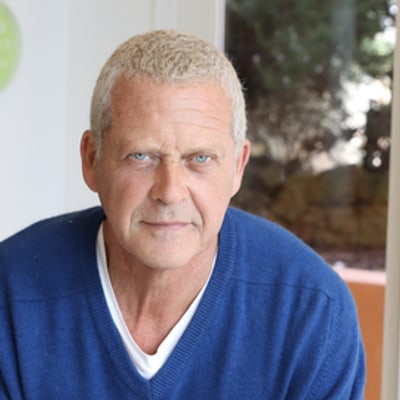
Self-Healing Techniques PROVEN to Improve Mind-Body Connection | Emma Seppala
Transcript
Click a timestamp to seek the player.
How do you start to heal your physiology, overcome everything from hypothyroidism to autoimmune disease to even helping your body heal from deep-seated traumas via the mind?
Sometimes people think, "Well, if I take care of my well-being, it's kind of selfish." But actually, when I take care of myself, I'm a whole lot better for my kids. Oftentimes I think we can think, "Oh, what difference can I make? What difference do I make? I'm just this one person among all these billions." But actually, every action you take has this ripple effect around you where you're impacting the rest of your community and therefore society. It's really powerful. We have been taught to be so rational and logical and only think in that manner that we stop tapping into a source of cognition that our brain is wired for, in which we can get innovative ideas, perspectives, intuitions. Logic is a faithful servant and intuition is a divine gift. We have created a society where we've thrown away the gift and we worship the servant.
Welcome to Dr. Axe Show. We have an incredible episode for you today. I have Emma Seppala on. She is a researcher psychologist from Yale University. She's got a PhD. She also went to Columbia and to Stanford. And we're gonna dive deep into today the mind-body connection. How do you start to heal yourself physically via the power of the mind? And we're gonna get into everything from breathwork in terms of an ancient practice. We're gonna talk about how to develop a greater level of self-healing via self-awareness., and we're gonna dive deep into so many other topics today. You don't wanna miss this. And so super excited to talk about how to heal your body. By the way, Emma is also an author. She's written the book Sovereign, just released, and The Happiness Track. We're gonna talk about how happiness can help you heal and so much more today. Emma, welcome to the show.
Thanks. It's so great to be here, Josh.
Well, you know, John Miles connected us, and I know he's a friend of yours, and we've had him on the podcast. I've been on his, and I was really glad he introduced us because I started going through your work and I was so impressed. You know, one of the things we love to talk about on the show is not only to how to heal the body using food as medicine, we also love to talk about how do we heal and optimize our life using mindset medicine. And so when I started reading your book and going through your work, I was so impressed of you getting to the root of a lot of issues via mindset and via healthy thoughts. And so share with me a little bit, cuz one of the things I first wanna want to ask you about is when I look at the field— you're a psychologist— and when I look at the field of psychology today and counseling, oftentimes I think that a lot of practitioners are not getting to the root. There's really a lot of people just talking about their problems, not getting into practical action steps. And so share with me, what is your view right now of the entire field of psychology and counseling? What's working? What's not working? And, and how do you approach helping people heal their mind and live their best life possible? Because one of the things I know you're an expert in is happiness, and you've written an entire book on just being happy, being successful. So what are your, what are your thoughts on that?
So, you know, there's obviously research to support what is being done, you know, in terms of therapy and so forth. Um, but, you know, when I was working with veterans returning from Iraq and Afghanistan with trauma, what the data was showing is that a lot of the veterans who are coming back were either dropping out of therapy, not wanting to do it because they were— if they felt it, they were averse to it. Same with the pharmaceutical treatments. They were either didn't like the side effects or didn't like to depend on anything, you know, and especially if you're a service member, if you're a member of the military, you already have kind of a sovereign attitude. You don't like to depend on anything, especially not something that's going to give you possible side effects. So I had been in New York during 9/11 and I moved to New York recently, actually. And when 9/11 happened, And after that day, every morning at 8:30, I was just shaking before leaving my apartment. It was just this massive anxiety. I didn't know what to do about it. And it wasn't until I walked into a breathing class, like a breathwork class, that I started to be able to regulate my nervous system again. And I thought, how can breathwork do this? But it did. And so I continued doing the practice. It's a practice called Sky Breath Meditation. And 10 years later, I'm working with these veterans and again, seeing that traditional treatments are not working for everyone, and many of them are dropping out or not even doing the treatment. And I thought, well, if this worked for me, let's see if this could work for them. So we ran a research study looking at this breathwork that's offered by a nonprofit called Project Welcome Home Troops for veterans at no cost. And we looked at what would happen if they learned this intervention in one week. And what we found was that compared to the control group that didn't go through any intervention, their anxiety normalized. So many of them actually no longer qualified as having post-traumatic stress. Now you could have sent them to get massages for a week, maybe you would have found the same thing. So we wanted to check a month and a year later, is there still a benefit? And what we found was that the benefits were maintained, suggesting that there was some kind of normalization at the level of the nervous system. So when you have a lot of trauma, you have this, it's a heightened state of anxiety. It's as if it's sort of, it's a dysregulation of the nervous system. You're constantly in sympathetic nervous system activation, which means you're constantly, you have a hard time sleeping, you're anxious, easy to get angry, difficulty concentrating, et cetera, et cetera. So fast forward, you know, 5, 10 years later, we ran another study comparing this breathing intervention with Cognitive Processing Therapy, which is the gold standard therapy for trauma. And we found that the breathing intervention was at least as good at, if not better than, at the level of the brain. Wow. Then that's— so we ran that with the Palo Alto VA. So that was really exciting. And, you know, it's one thing to look at the research. The other thing is like talking to the veterans themselves, you know? And I remember one, one of them just like picked me up and like hugged me and was like, thanks for giving me my life back. And when we were trying to figure out like what happened here, there was a documentary filmmaker who was filming, who was following the study, and she captured these moments on film for people who are interested in seeing it. It's a film called Free the Mind. You can find it on YouTube. But what the veterans said is, I remember everything that happened, but I can move on. And when you have trauma, usually that memory of the past is intruding on your present moment, making you incapable of moving forward. You know, with what you want to do. And so what we think is happening is that through the breathing, there is something called like memory reconsolidation. This idea that usually when the traumatic memory comes up, your nervous system is in sympathetic activation, in fight or flight. But what happens with the breathing is there's a normalization that happens. And during the breathing process, the memories may come up, but you're in this really deeply parasympathetic state. Really deeply calm. And so there's a new relationship that forms with the memory.
Yeah, you know, I mean, a lot of people have never learned how to breathe properly. And this is something actually I had to become conscious of because I spend a lot of time, I'm very active, like to work out. And my wife pointed this out to me actually our first year of marriage. She says, when you lift weights, you hold your breath. And so there are things even, even for myself, who's very educated in physiology and a number of things,, in terms of, oh, I, that's something I need to fix. Yeah. Because you really want to be creating a very constant, steady state of breathing on a regular basis because that does keep that, you know, parasympathetic nervous elevated, the sympathetics down. So even when you're exercising, it's something you wanna be conscious of. I remember, I remember my track coach when I ran in high school and they would say, okay, start, you know, there's a very specific way to breathe in via your nose and out your mouth when you're even exercising. And then when I started studying more Chinese medicine and ancient forms of medicine, this is one of the biggest forms of medicine they did. In fact, in Chinese medicine, there's a whole practice called qigong, and this is something that I've done for many years, and it has been really great for my health. And it actually even helps activate certain muscles that most people are weak in. This is important for, like, if once a woman has given birth, oftentimes their diaphragm and their transverse abdominis and these muscles get weak. But breathing actually helps with rehabilitation of those deep core muscles. So it's important for numerous things. Yeah. But anyways, I just wanted to just, you know, just emphasize the point that you're making, and that is breathing is so important for healing. Yeah. So, so important. So important for reducing stress. In fact, it might be the single greatest exercise or activity you could do to start to get out of that stress state. And so are there any— now, there are a lot of different And it's always has, it's like, there's like so many different numbers related to this in terms of, okay, you breathe in for 7 seconds. No, you breathe in for 5. No, you breathe in for 20. And then you hold for 1. No, you hold for 5. I'm curious, what is your prescribed recommendation in terms of how to do these breathing exercises?
Yeah, so what's interesting is to look back on sort of the ancient roots of these practices, like you said, in Chinese martial arts, they have been used for centuries. Similarly, in India, when you look at the traditional roots of these practices, they have different intentions. So certain breathing exercises were given to the warriors to get their courage and their stamina up, and others were practiced by the monks to, you know, gain and gain greater enlightenment. So there are many techniques out there. And I would always caution people as to what you learn on YouTube. You don't know what you're learning, right? So, but So two things, just to reaffirm what you said about, you know, the connection between the body and mind with regard to breathing. There's a research study that was done by these Belgian scientists that wanted to look at, you know, how does emotion and breathing connect, right? And, you know, we often tell people, take a deep breath, but it's like, well, does that really work? And what the researchers found is that they had people come into the lab and they made them feel different emotions like fear, anger, happiness. And they noticed, okay, for every emotion we breathe differently, which makes sense. I think we've all been there, like, you know, you feel anxious, you're breathing fast and shallow, so forth. But the, the most interesting part of the study to me was the second part. Different people were brought into the lab and they were given the instruction to breathe according to what they noticed in the first part of study, which is the breathing that corresponded to the emotion. So for example, they would— if you were in the second group, they'd be like, hey, breathe in this way. Now that would correspond to like, let's say, the anger emotion, but without telling you, obviously. And then they would say, how do you feel? What do you think they found?
Well, I'm sure maybe aligned with what they were feeling.
Exactly.
There was alignment there.
They were able to evoke the emotion. And actually actors know how to use this. But the reason I think this is so powerful is that it's really hard to talk our way out of our feelings when they're really strong. But you can use breathing. And actually I wanna—
I wanna understand this more. This is actually really, you know, really sincere question I have in terms of, is that something you want to do or don't want to do? So if you're angry, do you want to align your breath with that emotion, or do you want to try and create a new emotion during— because I just want to share this, like, I had a patient recently I'm working with, and one of the things that we found working with her Oriental medical doctor is that she has a lot of repressed anger, and that's really affected her liver, it's caused constipation, a lot of these issues. And so we actually want her to be able to release her anger rather than stuffing it down. And but, but there are times when somebody does get angry or frustrated, and we want to help them change and actually get out of feeling that. And so I'm curious, in terms of, is there a time where you want to embrace and lean into that emotion and breathe that way, and other times you want to breathe in a way to move yourself out of that state?
I mean, I think that's such a fascinating question. So I know that, for example, with the, the Sky Breath Meditation that we've researched with veterans and also with to a certain degree with Yale undergraduates and other studies, is that when they would do that breathing, it could evoke emotions and, you know, help quote unquote clear them through their system. I don't know whether you would use a breathing technique like the one I just talked about that corresponds to emotion in the case of suppressed emotion. I don't know if that works in the case of suppressed emotion, but it definitely does in terms of helping people out of an emotion that they want to, regulate. I'll give you an example. About 10 or 12 years ago, my husband walked in the room. My husband's a Marine Corps veteran. He was active duty then. And he walked in and he was pale. I said, what's going on? And he said, Jake was in an IED. So Jake was one of his best friends who was in Afghanistan. He was the last vehicle on a convoy going across Afghanistan and they all passed safely. But somehow his drove over a roadside bomb. And in that moment, I don't think we can even imagine the trauma of it, the shock, the shrapnel flying, the loud detonations, the, I mean, horrendous feeling of injury. He was severely injured. But in that moment, usually we would fall unconscious just from shock. But he remembered a breathing exercise that he had been, he had learned in a book for these kinds of wartime crisis. And because he started to breathe in this way, he was able to regain the ability to think clearly, and to, first of all, do his first act of duty, which was to check on the other service members in the vehicle, do his second act of duty, which was to give orders to call for help, and finally to think about tourniqueting his own legs, which were severely injured, and even propping them up before he fell unconscious. He was urgently transported to Walter— to Germany and then Walter Reed. And then he was told, you know, if you hadn't done that, you would have died that day. And when I met Jake, I mean, he has prosthetics now on both his legs. I mean, it was that bad, but he's alive. He's a stay-at-home dad. Like, he's doing great. Because he could save his own life in the most dire, most stressful situation we can imagine with breathing. So I, you know, as someone who teaches emotional intelligence and has done research on breathing, I would say in a time when we need things to work, work well, and work fast, breathing is the most effective way. So if I were to give a, you know, a short example of a breathing practice, I would just say, we know when you breathe in, your heart rate increases, and we know when you breathe out, it slows down. So real simple, breathe in for 4, breathe out for 6 or for 8, right? So you're just lengthening that exhale. You're bringing yourself to parasympathetic. Do that with your eyes closed for 5 minutes. Have your palms open on your lap. It allows you to breathe more deeply. I like to keep it very, very simple for people. That's in the moment, an acute exercise. But then if you want to condition yourself for greater calm throughout, then I would do a, like, a longer protocol like the Sky Breath Meditation, which I also been practicing since 9/11, which I study with the veterans. That's sort of like a conditioning so that you can go through your day with greater resilience. You can come back quick, quicker from, you know, from emotions and just have generally more calm.
Yeah, that's powerful. You know, when one of the things I do in Qigong is it's very It's kind of like a 5-1-7. It's pretty much exactly what you shared. It's sort of for 5, out for 7, and just doing that 10 times. And it's, it's amazing. It really is really good if somebody is struggling with, um, you know, it medicinally— I tend to recommend for people with constipation or what we call a lung qi deficiency. But basically where, you know, if people are having a hard time with— they feel like their lungs are weak or their colon and the digestive system is weak, it's very healing and restorative. And, and of course you mentioned martial arts or tai chi is another example of something. And you mentioned monks. I mean, both— I mean, if you go all the way back and look at, um, Christian monks, they do very specific types of humming and breathing. And then also Buddhist monks. And so this is, you know, in terms of crosses the bridge of a lot of different religions in terms of doing something to allow people to, as you mentioned, both reduce stress but also gain a greater connection to the divine in a way. In terms of, I think, I think what's happening is you're bringing more oxygen into your brain and body, allows more clear thinking. And, and so, you know, we've lost a lot of these practices. Another thing that's sort of off topic here that's interesting, a lot of, um, these ancient churches, they would diffuse certain types of essential oils like the holy anointing oil or frankincense during times of prayer and meditation. And what's interesting about frankincense, it's a, it's an anti-inflammatory, it's an anti-inflammatory for the brain, for the nervous system. And so that's, you know, one of the ways that it works there as well. But I love what you're sharing because I think that breathwork is something that a lot of people don't aren't aware of, but it's so easy. It's really so simple. Again, you just, you know, just learn to breathe in and out for, you know, at a certain pace, right? As you mentioned, like 4 seconds, hold a second, you'll release for 6 seconds. And it's just, it's just powerful.
It is so powerful. And it, it really doesn't take a long time, but it gives you inner sovereignty. You know, so many of us get overwhelmed with stress at home, this, that, the other. It's like, Take 5 minutes and instead of scrolling on your phone or doing something else to distract yourself that's only gonna deplete you more, do this and your mind is clear and you can show up. Now I can show up kinder for my kids. Now I can show up clearer for my coworkers. Now I can show up in a more positive frame of mind. You know, from, like you said, from that Chinese medicine perspective, this idea of chi or, you know, in yoga they talk prana or whatever, the life force. When your mind is clear and you bring your life force up, like through the exercise you just mentioned, you're able to even approach your life from a more positive place. You know, it's just, it's so powerful.
Yeah. Yeah. You know, one of the other things I think that's interesting, like in, in, uh, when you look at Chinese medicine, they'll prescribe different exercises for different emotions that maybe are stuck or you're struggling with. So if somebody does have anger, resentment, frustration, those, that category of emotions, they'll have them do racket sports, pickleball, tennis, or I mean boxing, but you're hitting things. Yeah. And there's something to where you're— there's more, there's more of a release with that when you have anyways different, different stuck emotions in the body. But all those different sports, there's a different type of breathing taking place with hitting a tennis ball or a pickleball versus going out there and doing a Peloton or cycling ride versus going out for a walk. There's, you know, different, you know. And so I think this is something I'm excited to see more of in the future is, hey, we're prescribing— we've started doing this with food and supplements, really more supplements and medications for specific conditions. But if you go back and look at Ayurveda, Chinese medicine, and I really believe also biblical medicine if you really tap into it, I think that there are— hey, if you've got an issue with blood pressure, let's do a lot of things like watermelon and pomegranate and adaptogenic herbs and foods high in magnesium and things to start to bring that down. I think we're going to see this more in the future with the exercises we're recommending for people. This is the best exercise based on your condition, or even something like breathwork. Hey, there are different forms of breathwork that you can do that are best for, you know, specific conditions.
Absolutely. And there was actually a really interesting research study that when people are feeling a lot of stress or anger and they're— and they go out for a run, they're— it actually gives them a greater chance of having like a heart attack. Like you actually, when you're already in a high sympathetic drive because you're pissed off or whatever, Yeah. You know, maybe trying not to go for the high cardiovascular at that moment, you know, and actually one study showed that if you just do the one thing you don't want to do when you're angry and you're all like ready to like, which is lie down. When you lie down at the level of the brain, it starts to decrease that activity in the sort of approach mechanism that anger has, which is often wise because very, I think very few times are we happy with an action done in anger, right? Especially the height of anger. You know, if it's— if you've had a chance to think about it and approach things from a calmer place after, you can— you'll probably do it in a way that'll be more effective. So it's just really fascinating that that mind-body connection, like you're saying. So, yeah, when you're very activated, it makes more sense to try something more soothing, whereas, you know, we actually do this with our 4-year-old.
I didn't even— you know, Chelsea and I didn't actually even talk about this. And then, you know, and then about a year ago when she was 3, my wife started doing this with her because we've got— I mean, what's so funny, Chelsea and I are very even-keeled emotionally. Like, we are very— I'm pretty, pretty even-keeled. And then we have a 4-year-old that is more like— and she's gonna be fine saying this— I've got, like, both of our sisters, and Chelsea specifically, she's absolutely amazing, but just more in touch with their emotions, more, you know, crying during commercials, you know. Those are the— and Chelsea and I, just, that's, again, even-keeled. And, and so our 4-year-old is a lot like like her sister, just, you know, just, just more and very much more compassionate and empathetic towards others. And, and so with our 4-year-old, she is emotionally up and down. And Chelsea and I are like, oh my gosh, like, this is just not how we're wired. But one of the things we do to help her is we say, okay, Arwen, take a deep breath, you know. And, you know, so one of the things we've constantly teach her, if she's crying or upset about something, is, is there are— I mean, one of the first things we do is let's take a deep I love that. You know, let's practice breathing.
I love that.
And it's so great. And if other, if people have kids out there and your kid is emotionally driven, teaching them how to just take a deep breath and a little bit of this breathwork is something that they'll probably use the rest of their life. It's really powerful to kind of get, you know, re-regulating that, uh, that nervous system.
Absolutely. And actually my husband and I both in the morning go and do our breathing and meditation practice. And so our kids are used to that. And you know, sometimes if my son sees me upset or something, he'll be like, Mom, I think you should go do your breathing or you should go do your meditation. And actually, he's taken a little class too, you know, but it's so, so cute. What would have— what would this world look like if all of us as kids learned these practices that are— they're free there. You can do them anywhere. Like if you're alive, you're breathing like you may be. And you know, that's why working with the veterans, they could be injured, they could be in a wheelchair, but if they're alive, they're breathing like we can. We all have access to it. And also it's, it's invisible. Like you could be in a boardroom, you know, and you're stressed, but you don't want people to know. You can just change the tempo of your breathing. Everybody needs to know what's going on, right? Yeah, it's— it— like I said, it's such a key to that inner sovereignty.
Well, it's great when you learn it when you're younger, or you're able to get in the habit of it, is sometimes you almost don't even think about it. It's just something that naturally you just start to do subconsciously in order to regulate yourself, help heal yourself, get yourself healthy. And I do think for anybody who's listening or watching this, and you're saying to yourself, hey, I want to reverse a medical condition, everything from, as we mentioned before, like, you know, immune conditions to digestive issues, this— oh, mental health, conditions, of course, this is one of the most powerful things that you can be doing to start to heal yourself. Um, I want to switch gears here a little bit because you've done such an amazing job of covering just a variety of topics when it comes to, uh, mental health, to, um, being happy. And one of the topics I wanted to talk about, because it reminded me of this, because I know you, you work with Yale— there was a Yale researcher, and I covered this, I wrote a book called Think This, Not That, and in the book I talk about compassion. And he did a great study on compassion, I thought, where he really compared what's the difference between, you know, sympathy and empathy and compassion. And I want to say he used the word toxic empathy. I think maybe that, that was one of the things that he had talked about, is, is that, you know, when we hear today, like, we've had the past— I, I love the topic of leadership. One of the reasons I wanted to have you on is you teach leadership at Yale, especially focusing on women's leadership. One of the things is I've read a lot of the Harvard Business Review and journals over there. There's this word empathy continually comes up in terms of be empathetic. However, like, when I read my, my number one source of wisdom by far, nothing else compares, is the Bible, and you don't see the word empathy there. You see the word compassion.
That's right.
Talk to me about, in your viewpoint, what is the difference between Empathy and compassion.
Compassion. So empathy is that ability to feel what another person is feeling. So sometimes it looks like you feeling angry 'cause you're feeling your partner's anger and you don't know why you're angry, right? So empathy is really that ability that your daughter is very tapped into. Like if you're a highly sensitive person, then you're gonna be even more tapped into it. But generally we know that emotions are contagious. So you know, you could be feeling fine and someone comes in and they're really mad and all of a sudden you're flying off the handle and you're like, I don't know what happened. How come I just flew off the handle? Well, you just picked it up and you know, baby, One baby cries, all the babies cry. Like we are— that's empathy. We're physiologically resonating with one another all the time. Like if I were angry and I were hiding it, your heart rate would go up. Like in your mind you wouldn't understand why you're not feeling comfortable, but we're that wired. You know, our, the communication between our physiologies is that subtle and that rapid that we feel what another person is feeling. So around inauthenticity, We have like, for example, that raised heart rate. Okay. So that's empathy. Compassion is seeing someone in need or suffering and wishing to help. It's that very innate, profound desire we have to alleviate suffering. And I say innate because even children that haven't learned to speak yet express compassion. Like there are these really cute studies where there's an experimenter in the room and they drop a pen on the floor and they're reaching for it and they can't reach it. And they make this big drama out of it. The little toddler will will like run across the room, even jumping over obstacles that have been put in its way to help, right? And even a rat— like, we don't have a ton of respect for rats as humans, but a rat that can alleviate the rat in the cage next to it from getting electrical shocks by pressing on a lever, that rat will press on the lever to help its neighbor alleviate the electrical shocks. Like, we are so wired for compassion. And you know, sometimes people be like, well, aren't we all selfish? Because economists have argued that we're selfish. But what psychology is showing is that's not true. Like even if you play a zero-sum game with people. So if you have people do a game where it's like, hey, you can either share the resources you were given or you keep them for yourself, right? People, if they're given only a split second to make a decision, they share. That's our innate tendency. If they're given more time to think about it, maybe they'll be like, ah, maybe I'll keep the $10 for myself. But the truth is that in our most immediate our urge is to help another person. And I think this is a message that people have not heard enough about. And I— our society teaches us buy this, look like this, consume this, do this. It's all about me, me, me. But the truth is we know from our own experience, like if we're having a crummy day and all of a sudden a dear friend calls and is really going through like an emergency and we show up at their doorstep to help them, how do we feel? We feel amazing. We feel so fulfilled. We feel so happy. And, you know, from the psychological perspective, you know, there's two forms of happiness. There's hedonic happiness, which is like you could think of like the sex, drugs, and rock and roll, like a lot of money, attention, social media likes, whatever. All the stuff that gives you a short dopamine high that's immediately followed by a dip, leaving you wanting to crave for more. And then there's the eudaimonic happiness, which is the happiness you gain by helping others, by connecting with something greater than yourself, whether it's nature or divinity or a purpose, a cause. And we know when you look at the level of the brain, that happiness isn't just a quick dopamine hit that is followed by a lull. It's actually sustained happiness. I would call it fulfillment. And what the research shows is that people who live a life characterized more by eudaimonic happiness, for example, yourself with what the messages and the sharing that you give out in the world, even have lower inflammation levels at the levels of the cellular level.
Can I just mention, this is such a powerful teaching. I want everyone to just grasp ahold of this. And what I know I know what you're referring to, eudaimonia. This is something Aristotle talks about quite often. And in terms of, you know, there's actually, I wanna say it's somewhere in the church, there is a, I don't know if it's one of the catechisms, but it is basically the chief end of man is to love God and enjoy him forever. But part of our goal should be to have joy and to be happy. And I think that there are some religious circles, including Christians, that haven't felt that. It's all about we should be sacrificing. But here's the thing, when you live with a high level of virtue and sacrifice, it does lead to the greatest level of happiness. And it's so paradoxical because you wouldn't think that, but that's the reality. The people that are the most generous people that I know are the happiest people I know, right? You know, and so, so I love that you're sharing this because I do think it is such a, a powerful lesson. And going back to compassion, I just want to share some thoughts with that. I think that, you know, empathy is more emotionally emotionally driven, whereas compassion is more of a choice. It's something you're choosing to do. And I think when you look at the Judeo-Christian perspective, it's very much like, okay, there's a— you know, it's, it's very connected to the story we hear of the Good Samaritan, but it's like there is somebody who is in need. Even if I don't feel like helping them right now, I'm going to choose to help them. And the part is, whether I feel like it or not, it will lead to my greatest level of happiness. Happiness if I choose to help that person, or if I choose to share that thing I don't even want to share in that, you know, in that moment. And to your point, when looking at the research, it's so encouraging that the research, you know, proves out all of these points that you will be happier, you will be more successful when you choose to sacrifice yourself for the, you know, for the, you know, and will the good of the other. Are you tired of doctors dismissing your symptoms, or worse, even making you feel crazy, even if your blood work comes back normal, it doesn't mean your health is where it should be. Think of your blood like a delivery truck carrying nutrients and hormones, but the real payoff happens when your cells open the package and use what's inside. If your cells are stuck in what's called cell danger response, triggered by stress, toxins, or infections, they go into protective mode. In this state cells close off and don't properly take in or utilize the hormones or nutrients they need from the bloodstream. Now, this makes the blood work often appear normal, so doctors often miss the deeper issue, leaving you feeling tired, gaining weight, experiencing mood swings, and dealing with other symptoms while other cells remain in a state of limbo. Visit beyondbloodwork.com to learn how you start changing this in as little as 30 days.
Absolutely. It's so, so powerful. And in fact, going back to the idea of leadership, I had a colleague who was looking at this. He looked at these companies and within each company there would be these subgroups of people that were super productive. He was like, what's going on here? And so he would— why are they so much more productive? And turned out there was one person at the center of them. It's like, what's going on with this one person? And it turns out that that person— so I think we We all know people around whom we feel drained after we spend time with them, right? The concept of energy vampires is an old one. It's been around 40 years. But what we don't talk about so much is that there is the opposite is also true. There are certain people that are life-giving to be around, that are energizing. You leave their company and you just feel more excited about life. And what he found was that those people, he called them positive energizers. And he was even like, "Oh, as a scientist, I'm super embarrassed to use this term, but I don't know what other term to use." Well, what was it about these people that was so life-giving to everyone around them? It turns out that they live with a high level of virtue. So they are kind, they are compassionate, they have integrity, they have honesty, they have forgiveness, they're kind. Like all of these virtues enliven the people around them. Because imagine, you know, how do we feel around someone compassionate or kind or honest? Like we feel safe, we feel seen, heard, valued. That's all the things that we know from research after food and shelter, we all just need to feel safe, seen, heard, valued, appreciated. That's life-giving. And so what he also found, which goes along with what we know from compassion research, is that those people, by energizing others— usually energy depletes with use, right? Like physical energy, like you exercise, you're getting more tired. Well, this energy actually, when you uplift another person, it uplifts you. So it's not an energy that depletes, but it continues with use.
Well, it makes me think about when you give somebody a gift and it's a good gift and they appreciate it, that's energizing to you. You've given something, you've put time into it, but it gives you life. And so I, I do, I do love that. I want to mention another idea that just in, in turn with this, atemonia. And this is in, you know, in, in just for everybody's reference, this is, um, this is a, this is a word that, uh, it's a probably, again, a Greek word that was used by Aristotle and, and Plato in terms of of what true happiness is. And it's not that hedonistic happiness that you reference. It's the sort of— it's the sort of thing you feel like when you give somebody a good gift. It actually can be a feeling. Or you just got done exercising, you're proud of yourself because you did something hard and you did something good. And, um, one of the things Aristotle talks about as well is that if you're going to be a virtuous person, it's not just that you have one virtue, it's that you have multiple virtues. That you're expressing, because somebody could be very courageous but be very mean, you know. And so it's, it's being sort of that combination of those multiple virtues of faith, hope, love, wisdom, courage, you know, all, you know, all, all sort of combined there. And I also wanted to mention that, um, I wanted to just mention that the empathy thing in that— the Yale researcher, and I can't remember his name, but he really goes into toxic empathy in that one area where we see empathy can be negative is, for instance, if you have somebody that you're around and they are feeling or doing, you know, this is gonna be semi-controversial, but it's just the best one I can think of, you know, like, you know, identity issues or, and let's say somebody feels like, and this has came up a few times and I know this is kind of very, very far out there, But, you know, somebody thinks they're a cat or something just really out there. If you have empathy for them and feel, feel bad for them, but then you just let them believe that they're something they're not, they're less than human. If you allow them to believe they're less than human and something God didn't create them to be, you actually are doing something bad for them. In fact, most of it comes because you're not courageous. And so I just want to prove that, just throw at that point where I think compassion is more— I want to rush to truly help that person. There's a level of wisdom on how can I truly help this person with compassion? Versus empathy could be, well, you're just feeling bad for somebody, where compassion is you're doing the right thing to help them.
Yes. Yeah. And what I really love about the, the research on compassion is that, you know, you know, have you ever had that where you see someone helping someone else and then you've like— do you remember what that feels like?
Oh yeah. Oh yeah.
It feels so uplifting. You know, it's like those videos that are going viral where like this guy mows all this old lady's lawn and like, then, you know, I love those commercials.
Yeah, those are great.
Those, um, so what happens is when we see someone helping someone else, it actually is extremely moving for us. And psychologists call this elevation. Like, that's why you can move to tears sometimes seeing— I get that sometimes even seeing just like a parent with their child, like, yeah, embracing, or someone helping someone else, and you just feel like the goodness of humanity and it causes elevation. But what sociologists have found is this, is that if you help someone else, it actually impacts 3 degrees of separation away from you. So someone, so whoever witnesses you helping that person is more likely to go help someone else and so on and so forth. So when you're more compassionate, then your spouse's best friend's partner is more compassionate. And that's so fascinating. This is research by Nicholas Christakis. A sociologist, and the same goes true for happiness. So sometimes people think, well, if I take care of my well-being, it's kind of selfish. Like, especially I think moms, and we're like, oh, I have to do this and this and this, like, why would I also take time out for myself to do breathing or meditation? But actually, when you— we all also know, as, as moms, for example, you also, as parents, you would know, well, when I take care of myself, I'm a whole lot better for my kids. But what the research shows is that when you're happier, it impacts effects 3 degrees of separation. So again, when you're happier, your child's teacher's hairdresser is happier. And oftentimes I think we can think, "Oh, what difference can I make? What difference do I make? I'm just this one person among all these billions." But actually every action you take has this ripple effect around you where you're impacting the rest of your community and therefore society. It's really powerful.
Yeah, it is. And it's a powerful way to think about things. One of the things I know in your book, by the way, you've got a couple of great books out I want to reference. One is called Sovereign. It's a new book you have out here. And it's titled Reclaim Freedom, Energy, and Power in a Time of Distraction, Uncertainty, and Chaos. And, you know, one of the things that I think that people need more education with today, more support with today, is how to build a strong identity. And I think for me, as I started looking at, um, and studying a lot of psychology myself— not to the degree you have, of course, your PhD there, here and a researcher, but again, really studying psychology and also really looking at what the Bible teaches. Identity is throughout the Bible. I mean, it's one of the things like that God is continually telling his people, you are my child, you are a king, you are a priest, you are a, you know, you're more than a conqueror, you know. And so I think that there's a lot of people out there today who are confused about their identity, don't know who they are. And really there's a very, very strong cascade effect where when you know your identity, Well, then you know your purpose. Well, then your beliefs are set. Well, then that impacts your actions and that impacts even you emotionally. And so walk me through a little bit about what is identity and how do we strengthen and create a more empowering identity for ourselves?
It's such a beautiful question. And I, I think I'm gonna start by talking about the things that stand in the way. Mm-hmm. Because I think that we all can be in touch with our identity, but there are many things standing in the way. And that's one of the reasons I wrote Sovereign. Because I saw that we can buy into so many concepts and so much conditioning that has led us to believe that we are less than what we actually are. Let me give you an example. So I teach leaders, I get cohorts of executives, managers, and so forth that come through the programs that we teach at the Yale School of Management and all these talented people. And I often ask, well, how many of you are self-critical? 95% of the room raises their hand. And if you think about what self-criticism is, so then I say, okay, so I want you to think about what were the words you used last time that you made a mistake or did something embarrassing? Usually it's like, you know, you're such an idiot or worse, right? Those are the kinds of words that people talk to themselves with. And then I'll ask, well, okay, now your best friend calls you and they've made this mistake. And what do you say to them? It's like, well, I would say you're okay. Everyone makes mistakes. You're amazing. Don't worry about it. You know, all these other different kinds kinds of words. Well, what the research shows is that when we're very self-critical in the sense of sort of beating ourselves up, which most people have going on in their mind, you have more anxiety, more depression, less resilience, fear of failure, less ability to try again. It's actually preventing you from showing up at your best. Now, I'm going to differentiate self-criticism from self-awareness, right? Some people think, well, self-criticism is key to self-improvement, isn't it? Not necessarily. Self-criticism actually debilitates your energy and your self-esteem and so forth. But self-awareness is simply being aware, okay, I need more help with parenting, or I need more help with my statistics, whatever it is, right? And so that's been one of the really interesting things is that whoever the person is who doesn't raise their hand in the room when I ask who's self-critical, They are so powerful. They show up with so much power because actually when you have a more self-compassionate relationship with yourself, when you have like a friend relationship with yourself, which if you think about it, why don't we? It doesn't make sense not to have one. You become so much more powerful and so much more in touch with who you are, the gifts you have.
Well, I think this is really tied to something else you're an expert in and I've seen you write about. Emotional intelligence, right? And one of those keys of emotional intelligence is being able to self-distance, sort of step outside yourself and treat yourself as a friend, you know, in that way, and be able to really self-examine yourself in that way. And I think that the 5% of people you talked about, that's maybe what they're doing in that moment, is being able to step outside, become— you know, we're called to be compassionate to others, including ourselves, right? And so that's such a powerful exercise. I love that you're, you're sharing that. You know, I— there's an author I love, his name's Abraham Joshua Heschel, and he, and he's written a book. And well, he, he passed many years ago. He was a Jewish theologian, a professor, and, um, he talks about if you're going to build a strong identity, one of the first things you should do— he said the number— to a degree I'm going to summarize him, but one of the single most important things you want to do to build a strong identity is live in a state of awe and wonder towards God. And it's kind of an interesting thing of, well, why would that be? Well, if you believe in God and you live in awe and wonder and reverence of— wow, I mean, what an amazing being— in a state of worship towards him, and then you believe that that person created you in their image, well, one, you have a reverence and awe and respect towards God, but that transfers then to having a reverence and awe and respect for yourself.
That's right.
And then that also leans to— God created everybody— you have an awe and reverent respect and you honor others. So it really is— I don't— it's not something I've heard people talk a lot about in terms of living in a state of awe and wonder, because we're so rational today. But it's— I think it's a powerful idea. Any— any, you know, I would love to hear your, your thoughts on that. And I know you do so much research as well. I'd love to hear some of the research that you've seen around, you know, you know, identity and sort of how we, um, like, like we talked about, sort of, you create a strong identity.
Yeah. You know, I mean, this— I love that you just talked about awe. There is research on awe and it, you know, sometimes we can get so sucked into our little lives and our little screens and our little worries. And, you know, it isn't until someone passes away or someone is born or you get a severe illness or your house burns down that you suddenly realize, oh, this isn't permanent. And you start to, your mind expands out of the smallness that it's usually sucked into. And I think this is where the practice of awe, and I think if people want to have a practice of awe, just a practice of thinking about what you're grateful for. I mean, that's been talked about a lot, this research, and it can even sound trite, but I know there were times when I was, I had very challenging postpartum experiences, and there were times when I would just look outside and be like, there was a lake outside where I was, I'm like, I'm grateful for the lake. Like this lake is just, just, again, pulling yourself the sovereignty out of the turmoil that you might be in. And that awe of like, wow, like look at this beautiful nature. Look at this life that I have. I have a roof over my head. I'm so lucky. Mm-hmm. Yeah. And it pulls you out of the smallness and it gives you that sovereignty again, no matter what is happening, you know? I remember I lived in China for a couple of years, actually. Chinese medicine really helped me a lot then. You'd stand in line for the local traditional Chinese medicine person and they'd give you some concoction that you don't know what's in it, but then you don't have any more pain anyway. But having lived in China, this was '99 to 2001, right after college, and I lived in an apartment building and we didn't even have heat because heat wasn't allowed under a certain in, you know, a certain area in China. And so you're there, you're freezing in the winter, but then I would look at the apartments below me and there was a whole family living in the studio apartment wearing ski jackets because there's no heat and their windows are broken and they're all sleeping huddled together in the same bed. And they were so grateful, so grateful. And I looked and I said, wow, like, I've lived in countries— like, I grew up in Europe and then I lived I've lived in countries where people have everything and sometimes are grateful for nothing. And then you go here and people have nothing and they're grateful for everything. And guess who's sovereign? Guess who's happy? Guess who's resilient? Guess who's powerful? They are, you know? And this is something that we can all have. You see that also, I've been to India and you just see these people so poor and they have a more genuine smile than what we can find here. Here we have wealth, material wealth, but we are sometimes missing that inner wealth. Wealth. And that inner wealth is, you know, what you're talking about— generating that awe, the gratitude, and also just being realistic. Like, there are more positive things happening to us every day than negative, but our brain focuses on the negative. But when you have that awareness, like, because you're doing contemplative practices or breathing or any of these things that generate greater awareness in your mind, you can snap out of them.
Yeah, yeah. You know, one of the things— I actually had somebody yesterday who was a friend, and I was trying to counsel them because they um, they have multiple health issues, a lot of viral infections, parasitic infections, Lyme, and they've just been sick for a long time. And, and one of the things that I noticed with them and with a lot of the patients I care for is, is that the people that get stuck and they can't heal, one of the things I found across the board with almost all of them is that they start to obsess about their condition and research, and in 24 hours a day they, they think about the problem that they have. And the thing is, one is I do want to say I understand that. Like, I, I had— I, I've had times in my life and other family members' lives where, like, I, I had a couple years ago, I didn't walk for an entire year. I didn't know if I'd walk again. Like, major, major issues. And it was hard for me not to think about, will I walk again? Will I be the same? Will I— any of those things. And, and so I have great empathy, compassion towards people in that situation. However, I do know that when they focus on that problem all day, every day, they actually keep themselves from healing. And that's a big problem. And so one of the things I counsel with— I said, listen, you need to be able to get into a state where you're not thinking. You know, when you're a kid, because like my 4-year-old, she doesn't think. Like, she's just, she's, she, she's just living in a state of being and getting lost into something. And one of the most healing states you can get into is getting lost into something you love, where you're not thinking about what time it is, you're not thinking about your problem, you're not You're just not thinking. And so for a lot of people, they need to be able to be able to get in that state of getting lost in this thing that you love doing. And I don't even remember exactly why I'm getting into this, but I think that kind of relates to even that state of awe and wonder where you're not thinking of yourself. Even if you're sick, you're thinking about God, you're thinking about the spiritual things of the world, you're getting lost into something. And it's a more, to a level, it's a more healing state for most people if they can get into that state.
Yeah, I was actually just talking to someone who lives in the country of Colombia, and she's like, you know, I had this like really deep, dark depression for a long time. And then I was hearing all these like bombs and gunshots going on around me. And I realized, okay, I need to just go and help people. And she's like, I didn't realize that going out and helping the people who needed me was what I needed to heal myself. You know, we again, we live in a society where we're constantly told, here, you want to be happy, consume this, do this, watch it. And it's like, actually, no, our well-being and having looked at the research on happiness for 20 years, I can summarize it in one sentence. The happiest people who also live the longest lives because it impacts their health are the ones who live a life characterized by compassion balanced with self-compassion.
That's so good. You know, one of the things that I remember years ago reading a study around service towards others. And, and, and I just want to say, I truly believe that most people, if you have depression or you have anxiety, one of the greatest things you could do is go and serve others. Or, or just to compare the two, if you're struggling with depression, a much better prescription and thing you can do to heal yourself, rather than going and sitting and talking about your problems with a counselor, is going out and serving others. Now, that's not to say you shouldn't go to the counselor, because I think, you know, that's, that's another thing you may want to do. But if you do that by itself and ruminate on those thoughts and you don't go out and reflect, you know, serve others or do that thing that God's called you to do, in all likelihood you may not get well. And so I do, I do think there's that sort of this— it's become all about self and not about others, where it needs to be a balance. It needs to be a balance like you're sharing.
Yeah, well, it's so fascinating to me that, you know, a lot of the things that people throw at us with regard to take this, do this, if you'll be happy, are things that other people can financially profit from, but the things that can bring the greatest healings are free. For example, doing breathing and meditation type practices, helping others, spending time in nature. That's another one. There are other, in other countries they give nature prescriptions.
Yeah, I mean, Japan, I'm forgetting the exact term, but they call it forest bathing, right? That's right. Yeah.
Yeah, exactly. And there's so much research on it when you spend time in nature, it impacts, it benefits your anxiety, your depression, it impacts your wellbeing and so forth. And if you can't have access to nature, even having plants in your house has an impact. And if you don't even have windows, having a picture or a screensaver with nature impacts you. That's how deeply wired we are to connect to nature. And, you know, it's just, I just wish every school had like walls that are, you know, those like garden walls, you know, like I just, just— there's so much that we, we can do. And if you think about hospitals, it's like there's no windows and there's no light.
It's dead. Yeah, it really— yeah, when you go into a hospital, it's one of the deadliest places. Well, actually, it is one of the deadliest places. It's kind of crazy when you look at the stats around spending time in a hospital, how bad is it for your health. And they're feeding you everything from, you know, uh, you know, Jell-O with food dyes to, you know, these food replacements that have high fructose corn syrup and vegetable oils. I mean, is just so bad. But yeah, I mean, it is a— it— I, I always say this when I go into— I used to go and sometimes see patients in hospitals, or, you know, if you have family members in there. But I hate going into hospitals. I hate the vibe. I hate the feeling in there. And it's part of what you're talking about. There's no light, there's no plants, and it's very negative in a, in a way. And so it's not, it's not my favorite place to be. I, I want to ask you about leadership. Yeah. And I do want to pre-frame this because sometimes I know people immediately will say in their head, well, I'm not a— I don't own a company, or I'm not in a position of leadership. But all of you are. Again, I mentioned if you're a parent, if you are a coach, if you are— and of course anywhere in business, even at the bottom, you can still lead others. John Maxwell wrote a great book called 360 Degree Leadership. You can influence people from anywhere where you're at. You're a As you've studied leadership and you've taught leadership at Yale, one of the top, you know, 10 most prestigious universities in the world, what are maybe the top 3 to 5 characteristics and things people can develop to become better leaders, both in the workplace and even in their own home?
Yeah, that's a great question. The first is self-awareness. You know, so many times we will say or do things, and which we either regret later or we don't realize the impact it has on others, and we didn't mean for them to you know, have a bad reaction, but they did. And we don't know. And the thing is that we don't always realize how we come across. And that's where, again, going back to the most important way to improve your self-awareness is to unplug from all the information and take time to be with yourself through some contemplative activity, whether it's contemplative prayer or meditation, time in nature where you are with yourself. You are developing that self-awareness muscle. So that's really key because oftentimes leaders will be like, well, I don't understand why everybody's leaving. Or, or if you're dating and you're like, I don't understand why my partners always leave me. I mean, it's always them. There's always something. No, we can't always point the finger outward. If there's a repetitive pattern, what is going on with me? How am I showing up? Let me get to know myself. So that I think is absolutely key. And the second one is having this attitude, which we've been talking about at length now of How can I be of service? So you may want someone to do something for you, but how can you communicate with them when you, by also having the intention to help them grow, to mentor them, to help them gain something out of the experience, whatever it is. And that creates this beautiful relationship. Oftentimes companies will command loyalty by paying people more money, right? Yeah. But that means the company next door can pay you more. And is that loyalty? That's not loyal. Loyalty. But then I have people think, and I invite you and listeners to help make— do this exercise too, is was there a mentor for you at one point in your life, either childhood, young adulthood, professional career, who just wanted the best for you at no benefit to yourself? Can you think of someone like that?
Oh yeah.
If that person texted you right now, would you like— and said, I have an emergency, call me. Would you stop this podcast and call them immediately? Yes. That's loyalty. Loyalty comes from this profound experience you had with another person, and it might've just been 5 minutes of your life of that experience, but they had your back. They saw you for who you were. They wanted the best for you and they encouraged you and it changed your life. And they never paid you a cent probably, but true loyalty comes from that profound human connection with another person who has your back. And there is no reason for us not to have that relationship with the people around us. And that creates also trust and it creates this long-lasting positive relationship. And I would say the third one is to really examine your own mind and the ways in which you stand in your own way. So we talked about self- criticism and how that can stand in someone's way, and how having a more self-compassionate relationship where you're kinder to yourself actually makes you more resilient, makes you happier, even impacts your, um, relationships, by the way. Because often if we're hard on ourselves, we're also hard on the people we love the most and want to hurt the least. So it's— if, if we can learn that self-compassion, it also benefits our relationships. But there may be other things standing in your way. For example, you were talking earlier about emotion emotion regulation, and how, you know, it doesn't matter how many MDs, PhDs, or black belts people have, chances are they don't have, have never had any formal education on how to handle their emotions. For a lot of us, if we're feeling low, we turn to addictive things. You don't have to be a drinker or like a weed smoker. You could be someone who just like shops online or overworks or over-exercises or whatever. And if you can become aware of the things that you do that stand in your way, it can profoundly free you. And I'll share one story, personal story. When I was in college, I had an eating disorder. So whenever I felt bad, I would binge. And that was something I did and I couldn't control it. I was 17, 18. I didn't know what was happening except this was kept continually happening. And then I went for my very first meditation session, which I didn't want to go to, but there was There was a guy there that I wanted to meet. So I was like, let me go do this weird thing, 'cause it was weird back then. And it was like Korean Zen Buddhist strict meditation where you stare at the floor for an hour with no instruction. And I was like, I cannot wait to get out of here. This is the worst like hour of my life. And I never actually, I was like, I don't care if I meet that guy or not. But anyway, the following, when I left the meditation, I felt more peaceful and I was like, I feel more peaceful and I'm never doing this again in my life. But the next day I walked into my dorm room and I was feeling down as was often the case those days in college. And there was this leftover pizza that looked gross and it wasn't even something I liked, but I was like, great, I can binge. This is like the pattern I usually do. But all of a sudden this light bulb went off in my head. It was this light bulb that went off that was like, hey, you always cry after you binge. Why don't you cry first? I was like, okay, lemme try that. So I lay on my bed and I cried. And when I sat up, I didn't wanna binge anymore. I didn't have the urge. Wow. I never binged again. So why am I sharing this? Is that again, this idea of how can we improve our our self-awareness and understand our addictive habits, I understood from that day on, I need to feel my feelings. If I feel my feelings, I don't become sucked into some kind of addictive thing, whether it's scrolling endlessly, watching Netflix, whatever it is that is available to us in this world. That's when you start to develop that inner sovereignty. And in so doing, you can help others become sovereign as well. Wow.
Wow. It's so powerful. I think a lot of times when people think about leadership, the first thing they think about goal setting, charisma, courage. I mean, some other, but I, I love that you, I love that you started with those in particular. I mean, the self-awareness key is so part, you know, the way that I like to think about self-awareness is, and again, I, I'm a big fan of goal setting. I think we should goal set, we should visualize. That's trying to get somewhere. Awareness is where are you at now though. It's like if you, you know, if you're traveling somewhere, which is a big part of what goal setting is in leadership, it's leadership. I'm, somebody's bringing you from one place to another, if you don't even know what your starting point is, is where you are on a map, how would you ever get to where you want to go?
Yeah.
And so I love that you start there, and I think that is where it should start. And that's really connected also to this level of personal responsibility, I think, too. And then I love right after that, it's serving others. And I think, again, this is very biblical in nature, is— and also very tied to Greek philosophers, is sort of, you know, know thyself, have an identity, know where you're at, know who you are. And then from there Hey, let's, you know, let's serve others. That's the next, that's the next practical step there. And so I love that's where, I love that's where you, you know, you started off with us. Yeah. Yeah.
There's one more thing too. Yeah. Is courage. So I have sort of this framework for sovereignty, which is sovereignty is awareness plus courage plus a full tank, right? So the self-awareness is key, but you have to have courage. Why? Because one of the main things that can stand in people's way is fear. Fear. And that is one way also that we have been, you know, controlled, for lack of a better term. You know, you can control people with fear, but fear will stand in the way of someone showing up at their fullest potential. And so you have to have that courage. So you have that awareness, you want, you know where you want to go, and you have the courage to be like, I am going to go and do this regardless of how I feel. And that's kind of bringing up that valor inside of you, you know, just like, and what really helps is if you want to be of service to others, it's like, well, Well, you know, if I can make a difference, then it's worth it for me to go out and put my fear on the line, you know? And then the final one is the full tank. Like, and this is what you teach, you know, all the things about how to take care of your mind, body, and soul so that you can show up as a full tank, have that awareness and the courage, and just go for it.
And a big part of our conversation today has been about this mind-body connection, body-mind connection. And we know that it works both ways. If you are eating a very poor diet, vegetable oils, lots of sugar, malnutrition, um, it affects the brain. There's so many studies around it causing depression, anxiety, exacerbating ADHD. I'm in a number of those conditions. And, and so again, you know, we obviously talked about that a lot on the show in terms of, you know, getting your omegas, getting more antioxidants, getting more vitamins and minerals in the food you're eating. And, and that's important as well. But also, I, I brought you on the show because I did want to emphasize too, just for everybody listening, uh, you've got to take care of your mind if you want to be physically healthy. And all the things, Emma, that is shared here today in terms of the breathwork, being able to regulate your nervous system— it's one of the single most healing things you can do. Becoming a better leader, developing greater self-awareness, uh, it's so, so important and so healing. Being more compassionate towards others, you know, that's healing as well. It's very, very healing. And So I want to encourage everybody to embrace a lot of these incredible principles that Emma shared. I want to encourage you to go out and get her book. It's called Sovereign, and you can look up Emma Seppala on amazon.com. So Emma, E-M-M-A, and then Seppala, S-E-P-P-A-L-A. Yep. And she's a PhD from Yale University and obviously incredibly educated, incredibly knowledgeable. But one of the reasons I wanted to have you on, Emma, as well, is I think there's a great alignment in terms of you wanting to get to the root cause. I do think that there are some amazing psychologists, some amazing PhDs, amazing researchers who are, uh, people like you. I'm a big fan of Jordan Peterson as a psychologist and many others who are, I believe, getting more to the roots and have more of a moral biblical foundation in terms of how do we actually address what people are feeling and experiencing. And then I also do think there's a lot— and this is true in the, in the functional medicine space, in the conventional medical space, case. There's a lot of people who are not getting to the root of the issue. And, and, you know, I think about— I mean, we've all had these friends and that are seeing counselors or psychologists, you know, a day a week, and they've been doing it for 10 years and not gotten any better, right? I mean, that happens often. And I think that, um, again, it's like seeing a bad— it's like seeing a bad practitioner. You really want to make sure that you're seeing somebody somebody that is supporting you and being able to grow and transform. Now, ultimately, that choice is up to you. You've got to make the choice to change. You've got to make the choice to get better and develop that self-awareness and then take action upon those things. But I think it's so important that you are— and just as a— no, I wasn't planning to get into this, but just to say, you know, and I tell this all to people all the time, Emma, I have people who, they want to stick with their current doctor because maybe their doctor is nice or because they've just been with them a long time, they just would feel bad leaving them. Like, I had somebody recently who was, you know, they've had them on thyroid medication, and I'm like, I mean, they're on like 7, 8 medications and been on high cholesterol medication, which definitely, you know, Lipitor, the person shouldn't be on. And, and I said, listen, um, I think you should go see a different doctor. They're like, well, I've been seeing this person for 15 years, they're family friend, I feel bad. I'm like, it's your health, this is important. Go out and let's find a doctor that actually wants to help you get off these drugs and medications, actually wants to help you heal. So anyways, that's one of the things I appreciate about you as well, is it's, it's more about just personal empowerment in terms of, okay, how do you seek the divine and God outside of yourself? How do you personally start to solve your own problems with things that are free like breathwork and spending time in nature and meditation and prayer and those sort of things. So, you know, thanks so much for coming on and sharing your wisdom today. Well, walk us through a little bit about— just a few more— your book Sovereign. Who is this for, and what is the main sort of theme of the book in terms of, um, you know, what people can expect from it?
You know, having looked at the signs of happiness and written a book about it, I then realized, you know, you can do all the practices in the world, but if they are there are still ways of acting, behaving, thinking that you are engaging in that are keeping you in a state of bondage or smaller than you are, then it almost doesn't matter. Like, you can only grow so far. And so I wanted to write a book, and I noticed it for my own personal self. So after I had my second child, I had so many sort of health issues that I wasn't able to get out of bed. And I realized, you know, I could do all the things, but if I'm still buying into concepts and ways of being that are not life-supportive, that are standing in the way of my potential, then it doesn't matter almost. So I wanted to write this book on inner sovereignty. And the reason I used that word was that I didn't see that in psychology. There's no term like that. And I wanted to share the tools and techniques that anyone can use. One example, and it goes into, you know, one of the things you were just sharing tapping into something other than just yourself is this idea of intuition, right? We have been taught, and you were mentioning this earlier, to be these extremely rational creatures. And yet, you know, that when we come up with these sort of aha solutions to problems we're working on, kind of comes out of nowhere, when you're taking a walk or taking a shower or doing something other than what you're doing, you know, those moments when you're working on a problem, it's like, well, where is this coming from? So I have a whole chapter for for example, on this idea of intuition, that we have been taught to be so rational and logical and only think in that manner that we stop tapping into a source of cognition that our brain is wired for, in which we can get innovative ideas, perspectives, intuitions. You could think of it as divine guidance, whatever it is that you want to think of it as. So research shows that when we are highly focused, where obviously our brainwave frequency is faster. And then when we're about to go to sleep, you know, in delta wave mode, like it's very slow, but there's this in-between frequency, the alpha waves, in which that's when research shows that your brain is most likely to come up with aha solutions to problems. That is, you could think of it as a meditative mindset. You could think of it as that time when you're walking the dog without your phone, right? When you're on your phone, you again are in this highly concentrated mode. And nowadays, education has— well, we know from the last 20 years that creativity scores have plummeted in children in school. And we are, as adults, could be on our phone all day long, never accessing this mode. But geniuses like Einstein, he would put himself into alpha wave mode by listening to Mozart. And he said that's when he would get his ideas. And actually has this beautiful quote where he says, "Logic is a a faithful servant and intuition is a divine gift. We have created a society where we've thrown away the gift and we worship the servant. And so, you know, that's just one idea of like regaining our sovereignty is giving ourselves and also our children like the ability to spend more time in that quote unquote idle time. You know, especially right now, you could never spend time in that because you could be on your screen all day. Yeah. So just an example of reclaiming our sovereignty, because we all need these innovative solutions and ideas, especially in this fast-changing world, unpredictable world. What are ways in which we are going to, you know, get up and pivot when things change, when things shift? So reclaiming our sovereignty with regard to many things, but this is one of the ones we hadn't talked about yet. For example, this intuition, or you could think about it as divine guidance, whatever, receptivity, whatever it is that you you want to think of it as.
Yeah, you know, I have had some of the most impactful times of my life is when I was spending time in prayer and it wasn't me requesting something of God, it was listening to God. And the Bible talks about this, this still small voice. And, you know, I had— I'll share this— I had, when I, when I, uh, I've injured my— had two back injuries, one early, and this is about 10 years ago when I first had a few problems, and I got mostly better. And then I had a spinal infection which came from a minor surgery, and then I didn't walk for, for, for, for, for that long time. And the first time I was laying down, I didn't drive back, it was a week, and I still, I could hardly walk. And I, um, I started praying and then listening, and God told me— I, I just heard again his, the conscious, this sort of consciousness in my head, and it was just, be still. Because it's like my entire life was I was working out 6, 7 days a week, writing books, doing business, like going every second of every moment of the day. And I heard God, just, just be still. And you know what's so crazy is I really embraced that, and I said, okay, you know what, okay, I'm gonna spend more time prayer and reading and just, just being still. And what was crazy about like everything in my life, everything from my spiritual growth to my relationships, even my business growth— my business business grew 5x and 10x and 20x over the next 3 years. I mean, absolutely just exploded. And it was because I just decided to spend more time being still and working on my business, not in my business, just being in that state. And then, when I was recovering from this, when I was at my worst very early on with this back infection in my my disc and spine, I did the same thing. I was praying and I felt like God just said, walk with me. And so I really just sort of listened to God, and I felt like he really walked me back through his promises and his faithfulness in my life and throughout the people that are referenced in the Bible and all the other— and I just— and, and it just was this, this, um, most healing, therapeutic, uh, sort of, um, elevated state I'd ever been in. And I think there's a lot of people out there today that are searching for this sort of supernatural, uh, or they're searching for to feel something, an experience. And they're doing it in that hedonistic way. They're doing it with alcohol, they're doing it with drugs, they're doing with scrolling, you know, just basically they're ending up with a lot of dopamine. But I think if they're able to truly do what you just shared there, be able to sit in quiet, pray, meditate, connect with God, and do that, it leads to the state of awe and wonder and euphoria and true divine connection. And it's, it, it's that thing that they've been searching for that they don't know that they've been searching for. And I can just, I can just share that with myself. And so I love that you kind of ended there in terms of just this thing, in terms of, I mean, you're talking about intuition and also this, again, this consciousness of being able to connect with the consciousness of God. Because again, I think it's the thing that everybody's searching for or that they don't know oftentimes that they are searching for. And it's hard to do that in today's society that is so busy, and there's stuff going on 24 hours a day non-stop, and it's stealing our creativity, it's stealing our connection with others, it's stealing us from living in our, you know, in a more, you know, spirit level of spiritual awareness, as, as we've talked about a little bit today. But Emma, I just want to say I, I appreciate you so much for coming on today. I appreciate your wisdom and your leadership. And I want to encourage everybody to check out the new book. It's called Sovereign. You also have an incredible book on happiness. It's called The Happiness Track. That's a great book as well. If you're a person saying, you know what, I want to experience true happiness in my life, that's a great book to check out as well. And the book's found on amazon.com, bookstores nationwide. You can check it out. And, and let everybody know, uh, maybe a couple places on social media where, where they could find you as well.
I'm on Instagram and Facebook at The Happiness Track, and I have a website emmaseppala.com, but my website about sovereignty is iamsov.com, I-A-M-S-O-V.com, and I got a bunch of resources on there as well. I also recently started a podcast called Sovereign Conversations.
Awesome. Well, I'm excited about that podcast. Awesome. Well, if you want to continue to learn and grow with Emma, again, you can check out those amazing resources. And just want to say Hey, thank you so much for tuning in here to the Dr. Josh Axe Show. Remember, each and every week we're diving deep into the science and principles behind how to heal and grow and experience breakthrough physically, mentally, spiritually. And I'm so grateful for all of you for sharing this episode. A lot of people aren't aware of, uh, their need for self-awareness and how to do breathwork. So I appreciate everybody who's sharing this and all of you subscribers out there. Thanks for being on mission with me. We'll see you on the next episode.
The Dr. Axe Show is educational and not a substitute for care from your clinician. Disclaimer