These Daily Habits Rewire Your Mind & TRANSFORM Your Life
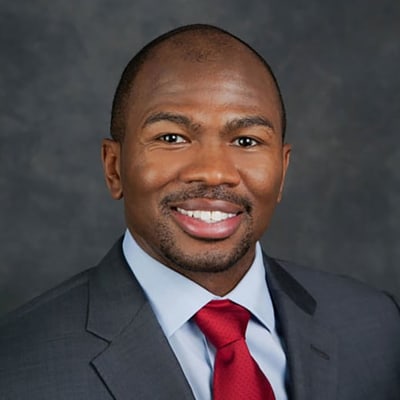
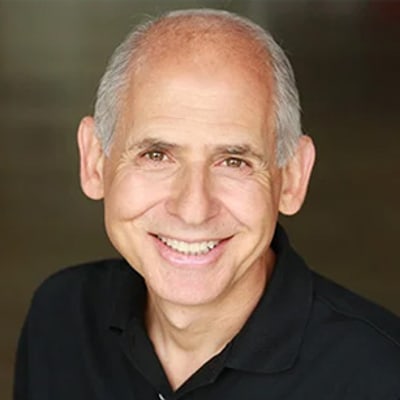
What if the key to healing your mind, body, and soul isn’t doing more, but living with holy intention in your daily habits? In this episode, Justin Whitmel Earley joins Dr. Josh Axe to share how simple rhythms of sleep, breath, rest, and movement can transform your health from the inside out. Learn how practicing small, embodied habits can restore peace, sharpen focus, and draw you closer to God.
Transcript
Click a timestamp to seek the player.
¡Hola! The 2026 Chevy Equinox is more than an SUV. It's your Sunday tailgate and your parking lot snack bar. Your lucky jersey, your chairs, and your big cooler fit perfectly in your even bigger cargo space. And when it's go time, your 11.3-inch diagonal touchscreen's got the playbook, the playlist, and the tech to stay a step ahead. It's more than an SUV. It's your Equinox. Chevrolet. Together, let's drive.
Pepsi Prebiotic Cola in original and cherry vanilla. That Pepsi taste you love with no artificial sweeteners and 3 grams of prebiotic fiber. Pepsi Prebiotic Cola, unbelievably Pepsi.
I couldn't sleep. I was feeling incredibly thin in my mind, um, exhausted in my, my body. And that's where I realized, oh my gosh, I'm the missionary who got converted to the nervous medicating lawyer like that. For example, when I walked in the hospital and the doctor said back to me, take this pill and then just go back home, not change your lifestyle, just here, you can keep doing all that you're doing, but take this pill while you're doing it. That's a way of saying, I don't need to conform my life to how I was made to be. I'm going to hack it away and just add some pills in and, you know, get to hell.
How do people get out of the busyness trap?
I do think you should take a 24-hour period and whatever your day job is, don't do that. I think the easiest way to sum this up is that your habits won't change God's love for you. But God's love for you should change your habits.
Any other habits that people can incorporate to really nourish their both soul and body?
I would probably end with a weird one.
Love you. Hey everyone, Dr. Axe here. Welcome to the show. Today, we'll be diving into how to heal your body spiritually, physically, and mentally. You know, so many people today are struggling with depression, anxiety, and because of it, issues like insomnia, chronic fatigue, and just overall feeling overwhelmed, lacking energy, and dealing with chronic health issues. Today, we're going to be talking about how to get to the root of those issues by working on your spiritual health and your mental health to heal the physical body and vice versa. Your physical health also impacts your relationship with God. It impacts your soul. So, I've brought on an incredible expert who I've actually read several of his books. I am part of a men's leadership group who has read several of his books as well. And I wanted to bring him on because we've not had many guest experts on here to really talk about spiritual wellness, wellness of the soul, and how that impacts your physical body. And so I've brought on Justin Early today. Justin is the bestselling author of Habits of the Household. He's got a new book coming out which is called The Body Teaches the Soul. So we'll talk about that book today as well and a whole lot more. Uh, Justin was a missionary, he was a lawyer, now he's a bestselling, uh, author. And excited to have you on today, Justin.
Thank you, Josh. Thank you so much. I'm thrilled to be here.
Well, when I saw the title of your book, I was immediately excited. And then Habits of the Household was so incredible for my family. Like my, you know, I want to get to the end of my life and have run the best race possible. I want to have had a great marriage, be a great dad. And so that book was so impactful to me because it really taught me, you know, most people focus on personal habits, right? We have all these self-help books out there today and it's like, okay, I need to, and things I teach, it's like, I need to read my Bible in the morning. I need to have a superfood smoothie. I need to get my exercise in. You'll have good habits. But your book really talked about how to do that as a family. Yeah. And it, it was incredibly powerful. So one, I wanted to say the book was amazing. Thanks for writing it. It impacted my family in a positive way. So I, I have a few questions about that today, but I also wanna talk about this incredible concept of the book you wrote on this sort of connection between spiritual health and physical health.
Yes.
Yes. And, and what's, what, what led you into that? I mean, obviously you were a missionary, but what really led you into realizing this sort of deep intimate connection that the Western world is kind of separated today?
Mm-hmm.
Yeah.
So I write about habits because of how bad I am at them. So I, I fell apart before I started writing about any of this. And honestly, that, which I often call my second testimony, is the reason that I started writing in the first place. And all my books are sort of connected to this idea. So in short, I used to be a missionary in China, and then I felt a deep call to go to law school. And so I ran at law school like a missionary on a call, like, you know, I'm supposed to do this. And that meant I went really hard at it. But you don't really notice that in law school and lawyering. And like a lot of other places in life, you sort of swim in the water of busyness and connectedness and always staying up later, always waking up earlier, always being tethered to my phone and the screen, adding more to my resume, never having time to eat, never having time to exercise. So I was in a place in life where I had this missionary mentality and this, like, law-driven headiness. Where really everything that was important in the world was things that I thought about. Right. And I ended up in my first year of lawyering suddenly falling completely apart. It was like my body suddenly said, stop, stop. And I didn't know this at the time. All I knew at the time was that I had two young sons. I now have four, but I had two sons. I had a wife, great new lawyering job. I mean, I graduated towards the top of my class. I was doing great. But I was suddenly unable to sleep. I was having constant panic attacks, even though I didn't know what those were at the time. I went to the hospital to try to figure this out, and they were like, "Oh, this is really typical," gave me some sleeping pills and sent me home. And those just cratered my life. I mean, I was having the hallucinogenic nightmares and daytime mood swings. And for the first time in my life, praise God, also the last time, suicidal thoughts. So I entered a phase where I couldn't sleep. I was feeling incredibly thin in my mind, exhausted in my body, and I had no idea why. But I ended up, you know, a long year where I had to just, I was like having a drink or two just to fall asleep at night. And that's where I realized, oh my gosh, I'm the missionary who got converted to the nervous medicating lawyer. Like that. Wow. And took a long time to heal that. We can talk a lot about what happened afterwards, but my main realization coming out of that was that nothing in my head had changed, right? Like all my worldview was still the same. What had changed was my habits, my physical and spiritual habits, the way that I was eating, the way that I was sleeping, the ways that I looked at my phone. I had assimilated to a discipleship program of lawyering, and I didn't really realize this, but it had, impacted me, converted me, I would say, body, spirit, soul, like the whole of me to this nervous, medicating lawyer. And that's when I was like, oh my gosh, habits are far more important than I ever realized.
Wow. It's so important, you know, and what you went through is something that a lot of men and even especially even more so women go through, I think, when they get one of their first, first jobs or when they become parents.
Yes.
You know, like, you know, when I first opened up my functional medicine clinic, I had so many young families coming in, young moms, and they had maybe a 2-year-old, a 4-year-old, a 6-year-old. I mean, you know, and in over that course of 6 years of first having kids, then they started getting hypothyroidism, then their hormones got completely out of whack. Then they start— I mean, overall, they, you know, the thing I kept hearing from them is if there were a couple of words, it was, I'm fatigued and I'm overwhelmed. Yes. This sort of feeling that they were dealing with.
And we would call that busy.
At the law firm.
Yeah. And it was a badge of honor because you'd be like, how are you doing? Literally in the elevator, people are like, how are you doing? You'd say busy because that was a sign that you were being productive, you know, that you had a lot of work. And I think a lot of us mistook that as, oh, I'm important because I have a lot of work.
Hey, I'd love to hear your thoughts on this because one of the things that I saw too is I took care of a lot of patients that were, were Christians. And so I think about a lot of Christian women And part of me feels like they were driven by this sense of maybe guilt of, I need to look perfect on the outside. Maybe the church, they grew up feeling like I have to look a certain way. I have to be the perfect mom. I have to be the perfect wife. And so there was this sense of like part of it guilt just sort of driving them to, and, and then just absolutely nourishing everyone, never nourishing themselves, just to the point of exhaustion.
Yes. Yes. I mean, I think, that is our fundamental search for identity. And I don't think it's bad. I mean, I experienced this as a lawyer and a dad. I see my wife Lauren experiencing this as a mom. And before we had kids, she was a consultant. When we feel called to something or something good, like me running at law school or a mom running into parenting, we really wanna do it well. Like we really care, right? But I think we make a fundamental mistake in that we think how I perform here is who I am.
Yes.
Like, as in, if I do well here, then I'm finally loved. I have an identity. You know, I can, I can be happy about my life. And I made that mistake with lawyering, but not in my head, right? Nobody sets out thinking, I want to put my identity in how my kids are doing. You know, nobody says that.
Yeah.
But here's the thing. Through habit, when you act like that, when the first thing that you're attentive to every morning is your inbox scrolling, you know, literally when your thumb is scrolling every morning, or the first thing you're attentive to is social media, how are other people doing, what do they look like, when the first thing you're attentive to is what are everybody else's needs, that trains you to say this is what's important in life.
Hey, I'm curious your thoughts on this. Like, I— one of the things I know that's happened in Protestantism, uh, versus maybe even Catholicism and Orthodoxy is, is that a lot of the habits were kind of done away with. When you, when you read, uh, or look in the, uh, somebody that's a practicing Jew.
Yeah, they have a lot of these rituals which are habits, very embodied, very ritualistic, very liturgical.
Yes. Yeah, into their life. You look at somebody that's a really devout practicing Catholic or Orthodox, there's a lot more of those habits in their life. That's right. Protestantism sort of removed actually quite a few of those in terms of what they recommend. And I actually think there's— it's to a detriment. I think Protestantism, one of the things, the biggest thing that Protestants have gotten right is relationship first.
Yes.
Because like you can schedule a bunch of date nights, but if you're just doing it for the date and not to build a independent relationship with your spouse, you're losing something. But also, if you don't have scheduled date nights, you bet there's a loss of that too.
Okay, this— you are talking about, Josh, kind of the fundamental thing that I write about. I mean, really, because I was in that Protestant world, and I still am very much. And the great view of what I think the Protestant movement has brought to Christianity is a focus on the heart. Like, what are you actually feeling? What are you loving? Okay. Mistakenly, sometimes we think that equates to what are we thinking? Okay. So we say, oh, if you know all the right stuff, then your heart— and by the way, when the Bible is talking about the heart, or when Protestants are talking about the heart, what they're really talking about is the whole of you. I think what they're trying to talk about is the fullness of you. So we might say your soul, we might say your entire self. But we mistake— we make a mistake that that's about your head. And here's what I like to say: your head can go one way, but when your habits go the other way, your heart tends to follow the habits, as in the whole of you tends to be trained by what you practice and what you do. And so I don't believe that we were meant to live with split head and habits. When we do that, our heart is torn. But when you put your head and your habits together— I believe this, and so I act like it. That is when the fullness of your heart, I might say your soul, really comes into flourishing. And that is entirely what I write about in parenting, in Body Teaches the Soul, this new book, in physical health, but also in the spiritual disciplines. And they are all, all at the core of you, how you use your phone, how you eat, how you speak to your children. These are all at the core of how the habits lead the heart.
You know, one of the things that you, I know you write about is that you've dealt with insomnia.
Yes.
And this is a big epidemic. I mean, there are so many people, and even if somebody doesn't have insomnia, I found most adults do not sleep well. I mean, it takes them too long to fall asleep. They sleep too lightly at night. They wake up early in the morning or they're just not rested the next day. For you, when you think about the root of the issue of why you had insomnia, what was the, what was the reason for that?
This was such a funny thing in my life because I grew up in college and in my 20s thinking that I didn't need sleep. And that I was like the better for it. Like, I— and I think that is the root. If you ask me what the root of it is, it is, I think, an idolatry that we think we are limitless. And if we can life hack our way to sublime productivity, which in my view is a mistake of the created for the Creator. We are not limitless. We actually are weak, needy human beings who need a nap, just like your kid. You know, they need a nap. Sometimes you think, "Oh, all the behavior's wrong." They're just tired, right? And this was true, I think, of me. I was running so hard thinking I didn't need sleep that I literally thought that I was God. And unsurprisingly, that physical mistake of shorting sleep and that spiritual mistake of thinking that I'm limitless made my body implode. And so I think of this now as, far from us not needing sleep as if we're limitless. We— sleep is a gift. You know, the Psalms say God gives sleep to those he loves, and that's not like he's withholding it unless you're a good boy. It's saying, no, he loves you. It's a gift that he's giving you because it's so rejuvenating for your body. It's so healing for your body. And when you submit to that idea that I need to create— my big thing now is just creating a sleep opportunity, like a good sleep routine where for about a 7.5, 8-hour window, I'm just— my body and my mind and spirit are prepared for rest. Because you can't force sleep, you know, just like spiritual growth. Yeah, you can't force it, but you can make your life conducive to receiving it. And this is really a spiritual metaphor here. Yeah, you cannot— with the land, with your body, with your health, with everything, you, you can't really force it, but you can make your body conducive to receiving the miracle of it. Wow. And I think that is what's going on with so many people like me who have anxiety, insomnia, they live as if they don't need it.
You know, I, I think I, I've seen two primary things that cause this insomnia and sleep, and it's not a nutritional deficiency though. Magnesium deficiencies and certain B vitamins. I mean, they contribute. Yeah. So there's no doubt about it, but it's not the only thing. Um, excess sugar is another one, but I still, I think the two biggest things are, one is just excess busyness. It's your mind is on all the time. Like I think about what the difference is between adults and the kids. Like my 5-year-old, she doesn't think about anything. She just does. She lives in this present state. And I think just constantly thinking in the busyness, that's overwhelming. And the other one is just living out of tune with nature. If you're not rising when the sun rises, going down when it goes down, these circadian rhythms and our natural processes God created, when those two things are off, the excess busyness and not spending enough time outdoors in tune with nature, those are the things that tend to drive insomnia.
I, I completely agree with that. And again, so here's my sort of habit head connection insight. When we say like, "Oh, I'm too busy, I have all this stuff," what it actually equates to in habit is that we're scrolling our phones late at night, probably doing more emails. We're looking at them first thing in the morning. Some people, God forbid, are even waking up in the middle of the night and checking their text messages, right? So not only are we thinking, "I can be omnipresent, I can be omniscient, I can be omnipotent, like I can manage everything and be everywhere and know everything through my phone," your body starts to shake. Your body's like, I can't do that. And you certainly can't rest when you're doing that. You're probably eating late at night, or you're probably not drinking either too much water before you go to bed. All these things are contributing to our lack of sleep. But it's often, again, taking those habits and saying, okay, I'm going to put my phone to bed before I go to bed, like a half an hour, hour before. Like my wife and I practice this. We just, we put it in a box in our house. And then I say, all right, I'm gonna do scripture before phone in the morning, meaning I'm gonna leave my phone outta my morning routine. And then one of my spiritual disciplines was just to surround sleep with prayer, a brief kneeling prayer by the bed before I go to bed and a brief kneeling prayer when I wake up. And I would say, Josh, those are actually, they might be radical habits, but they're quite simple to do.
Yeah.
And when you surround sleep with, calm, like I'm gonna be away from my phone, prayer, and then just the idea of submission, like, oh, I'm not in control, but I can lay down and make myself conducive to rest. That is a radical shift in your model life. And God truly, he gives sleep to those he loves. Like, it's a gift and you will receive it. And I'm living proof that you can work your way back to being a child and sleeping like a baby. Like I do now. And I was just wrecked for a long time.
I read a study years ago, it's called The Powerful Engagement. And the book was really good because it went through all the scientific evidence that you are way more productive when you're rested. Oh my gosh. And they go through the power of just 8 hours of sleep and/or if you only got 7 hours or so, then taking a nap. And they go through how, I mean, the productivity of people is just so much higher because most people are operating with brain fog, without a clear head, on exhaustion.
Yes.
And you're not as good of a business leader, you're not as good of a parent, you're not as good of a spouse, a friend, when you're operating on an empty tank.
This was me in my early law firm years. I mean, we were saying we need to short sleep in order to bill more hours, right? And that meant that we were unhealthy and unproductive. And two of the greatest— when I was doing research for Body Teaches the Soul and reading on sleep, two of the most beautiful insights I found was that sleep researchers tend to call sleep emotional therapy. Because it is that powerful for your body. One of the things that I read was that during REM sleep, when you're dreaming, when those two things are both happening, and that happens in healthy sleep cycles, it's the one time your body is not producing the stress chemical, even though your emotional brain and your memory is still online. So, it's literally like you can reprocess your life free of the stress of it, which is to me a physical metaphor of Sabbath. It's the idea that we can rest free from the need to worry about life, 'cause God's gonna care for us. And that's literally happening every night. And there's great studies showing how much more creative and productive you are from sleep. So that's the way to look at sleep, like a gift. Now, I just do wanna note one thing that's really important. You also see all over the Bible, and we also intuit this, that we surrender sleep for people that we love. And that is a holy calling. So when you're, you know, if you were to hear this as like a new mom or new dad and you got an infant waking up through the night, you might be like, well, I can't, I can't do that right now. Of course, there are times in life where there's emergencies or an infant or just some incredible moment where you need to wreck your sleep schedule for the sake of loving somebody else. And that is holy. That's totally normal. But what we're talking about is But what's the habit that you snap back to? Are you actually surrendering sleep because you love somebody, or are you surrendering sleep because you're trying to prove your identity and work too much in the world? Those are two different, very different things.
Yeah, yeah, absolutely. You know, we had John Eldredge on the show, and we had a clip that did, you know, went viral on YouTube and was really popular on him talking about one of the things today that's making us sick is, being aware of what's going on in the world. You know, we're living in a world today versus, you know, it used to be— I remember asking my grandfather this. My grandfather lived to be 96 years old, was an amazing Christian man. I grew up in Ohio and he told me, he said all the different cities in Ohio were— even the city names and where they were were based on the different denomination of church they were. So St. Mary's was the Catholic town. Okay. New Bremen was the Methodist town. The other was the Baptist town. And so you had the church at the center of the community. And he's like, you know, growing up, he told me, he said, you know, I only knew what was going on in my local little town here and maybe get a little bit of a word of what was going on in our— in my— with my cousins and family in the surrounding small other little towns and cities. Well, today we're living in a world where we're hearing about the devastation in news in Israel and Iran and all over the world. And it's sort of like the, the, the excess sort of information we get is— you just talked about how it's overwhelming to our nervous system, that's causing us to crash. I mean, how much— what's your viewpoint on that?
I would absolutely agree. I think one of the things that the smartphone has done for us is that it has tempted us to think that we can be God because we feel that through it, we can be all-knowing, we can be all-caring. Even all-powerful because we can do everything through it. And that's like, I am not a Luddite. I am not against technology. I'm a corporate lawyer. I mean, I use my smartphone and computers all the time. Okay. So they can be great tools. But if we do not have careful, I'd say even rigorous habits of limitation around them, then we through habit will make an identity flip of thinking I can and should know everything about the world. I can and should care about everything. I can and should solve everything. And that idea on the one hand, you know, I respect, we do want to care about our fellow neighbor, right? But when the Bible is talking about neighbors, it's usually talking about people that are in proximity to you, right? And so, you know, there's one thing to say, I want to care. I want to pray. Good, good, good. That's holy. That's making you compassionate. But to think that you can know it all and you can do it all, is one, a spiritual idol. You're not God. You cannot solve all this. And two, because body and spirit, God made them both, they're intertwined. We shouldn't separate them. That's neurological overload to your system. You can't think about all those things. In fact, one of the things that I found out in researching Body Teaches the Soul is that there's these studies showing that primates have a limited capacity for relationships. That correlates to the size of their neocortex, right? So brain size sort of physiologically limits the possible amount of relationships that you can have. And then this was demonstrated in humans.
Dunbar law.
Yeah, yeah, the Dunbar number, right? Okay. So when we— one of the things that's happening in social media is that we are trying to exceed our neurological limits and our brain won't really let us do it. So when we hear of a disembodied person that they did such and such online, or when we read it in a chat room, or when we see them, they, they are sort of beyond our capacity to neurologically care about. And so we other them or friend them to simplify the relationship to ourselves, and then either hate them or love them accordingly. And this is why you see such wild polarization if you get to a chat room, people treating each other horribly in a way you would never do face to face, because this is the important part, You're not face-to-face because you're not seeing a body. You're not interacting. I mean, and I had this experience actually last year. I was taking my kids to school. A car pulled in front of me at a stoplight. I got so mad. I thought about the nasty look I was going to give that driver. As I pulled around to give him such, I recognized a fellow dad going to the same school with his— my kids' friends in the back. And as soon as I saw an embodied human, I melted. As soon as I saw someone, "Oh, I know that person." Instead of thinking, "What a jerk," I thought, Oh, he's probably had a stressful morning like me.
Yeah.
Bodies lead to compassion, right? When we see each other face to face, it creates compassion because we were meant for embodied relationships. When we live through the phone and everything is disembodied, unsurprisingly, we become very angry and very stressed. And that is just a call to say, look more shoulder to shoulder towards your neighbor, towards your local church, towards your actual neighbor. Yeah. You can see their face. Body and soul, that's really where we begin our care. It doesn't stop there. We should care about what's happening in Israel and Iran, but focus on the embodied parts and you'll do well.
You know, I grew up in a small city in Ohio, Troy, Ohio, and I remember growing up, like my mom was constantly doing this. I was constantly doing this. We would go to the neighbor's house and ask for things like, "Hey, do you have a few eggs?" Yeah. "Do you have a cup of sugar?" Yeah. "Do you have a cup of milk?" I bet that never happens anymore. It's because we were— I mean, I knew what was going on. I was playing with the neighbor's kids. We were hanging out with the neighbor and we were, we were very, very connected to our neighbors and neighborhood growing up. Today, I mean, I'm embarrassed to say this, but I don't, I don't know my neighbors at all. Yeah. I mean, I mean, for the most part that are in my physical vicinity. And I think there's something at loss there. I also think about myself in terms of what fills up my cup. And, you know, when I'm spending time on social media, if I spend too much time there, I just feel drained. Chelsea and I went out to dinner last night. It was my wife's birthday with another couple we love, Steph and Isaac Meek. And we went and did— they founded this great bakery called Five Daughters. If you— anyways, if you want the best paleo donuts in all of Nashville, they're—
I might go there right after this.
Yeah, you'd love it. So they're amazing. But we did dinner with them last night, and after we're just leaving, I'm like, you know, my cup is full. Like deep conversations, catching up with each other's kids, iron sharpens iron, talking about, you know, Jesus and changing the world. Like just fun, fun stuff. And, but you know, there's a lot of people that, I don't know if you've seen the statistics around loneliness today. Oh yeah. Statistics around how many people, if you're asked, how many, do you have a close friend or a best friend? Very, very few people would actually say that. Or do you have a group of people that are really there for you?
Yeah.
And this also leads me back to, you know, the, the, one of the reasons I wanted to have you on as well is, you know, there's this Harvard study, the longevity study. It's almost 90 years now. Yep. Yep. And the single greatest factor in somebody living a long, healthy life is their community. Single greatest factor.
Amen, amen.
And you wrote this book, and it was a phenomenal book, "Made for People." Yeah, "Made for People," yeah. And that book hits on a lot of those points, and I'd love for you to share about that in terms of how relationships fuel our physical health. Do you have unexplainable illness, hormone dysfunction, weight loss resistance, brain fog, and you're tired of being dismissed when you know something isn't right. Well, get my at-home testing of targeted biomarkers including hormones, thyroid, and metabolism, plus a one-on-one review with one of my senior health advisors to help you understand your results. The truth is your doctor's probably reading your blood work all wrong. They're missing the cellular issues behind the symptoms. This new testing flips the script. The future of interpreting test results is here. I'm currently offering a simple at-home blood test that actually tests for the right things, and just as importantly,. It comes with proper interpretation of your results. If you want to check it out and grab one before they're gone, just go to mybloodwork.com now.
One of the things that you're going to find over and over, if you actually pay attention, is that the biological leads to the theological and vice versa, right? So the Harvard study and our stats on loneliness are proving Genesis to be true, right? Because Genesis 2 says that God looked at Adam in the Garden of Eden and said, "It's not good that you're alone." That's wild because God is there.
Wow.
Right? So the idea, and Christians live with this sometimes, it's a subtle blasphemy that all we need is God, is not quite how God actually made us. God says we can't experience him the way that we're made to until we do it alongside other people. As in, look at Genesis and you'll see that human beings are made for embodied community, embodied community. Yeah. Okay. So when we live on our phones and think that technology— and this is the, this is the great mistake of Meta and other companies that think the real utopia is going to come when we create AI friends or connections through social networks. I mean, I'm almost embarrassed for them because it is so clearly patently false. We need the bodies of other humans in proximity to us to be who we were made to be. And I think of I think this is a simple way to think about this. Think about technological interactions as snacks and think about embodied relationships as nourishing meals. Yeah. You know the difference, right? Snacks are the things that make you feel full, even though you go entirely unnourished. And if you live on them, you will stop living.
You know, you will fall apart. I'll try to do this one. When I was in high school, there was this thing called the Arnold Classic. It's a big health expo that happened in Columbus, Ohio. And I went there and I was like, they give you all these free protein bars. I'm like, I'm just getting protein bars all day for the next day. I would do that. Because I'm like young in high school, I'm trying to, you know, put on muscle. And I remember feeling so nauseous and sick from just trying to eat snacks and not live off real food.
There you go. And when you spend even a couple hours, God forbid, a couple of days, just like sort of scrolling your phone. This happens to me when I travel because I'm keeping up on work emails and I'm checking things and I'm sending pictures of what I'm doing. And I'll notice in the plane that suddenly I am neurologically exploding. Like, I feel wrong. And this literally happened last night on the way here. I was like, I'm noticing I'm getting better at this. I notice, oh, I'm doing it. I— my body needs either conversation or reading or stillness. And so on the plane, I just sat down, read a book, and then I did some breath prayers for a while, 20 minutes maybe. I felt so much better because the body's teaching the soul. The body's telling you something. The body is telling you something that you need to know, that you're not made to live like this. You're— it's like you're eating all the snacks and suddenly you're like wired.
I love that you said that. And again, the book— your new book's called The Body Teaches the Soul, and that's such a primary example of so many people today. And I just want to encourage everybody with this. The, the, um, when I think about people that are healthy in different areas of their lives, they tend to have the greatest level of awareness. Like when I think about somebody who's really spiritually mature, like a rabbi, a monk, a priest, a pastor, who's, you know, they kind have this calmness about them, but they kind of know what's going on with you. They have this sort of spiritual awareness happening. Yes, they tend to be the most mature and healthy in their faith. And a very similar thing physically— when people are at the height of their health or they're doing the things that are the most right, it's they have a great level of awareness. I know when I eat this food I'm going to react this way. I know right now that I'm overdoing it, so I now need to back off and rest. And sort of, you know, people talk a lot about goal setting That's kind of where you're going, or the way I think about it, where awareness is like, where am I at right now? Like, I need to know what's going on. And so your book title, The Body Teaches the Soul, is so good because I really think if people were able to better listen to their body, it would help nourish their soul in such a powerful way. I love, I love that that's a big concept around that book.
Well, I mean, it's so, I mean, the body is always trying to tell us things. And I think we make this modern, sometimes Protestant, mistake of thinking, well, we're really just a mind. So real maturity is just knowing the right things and thinking about them. And that's what I call ignoring the body. Yeah, it's— and it will wreck you. Now there's another side to it I think that's important to note. You can also idolize the body, right? So yeah, this is an important paradigm actually to get out. Ignoring the body is an ancient mistake called Gnosticism, thinking really you're just a spirit, right? Yeah. Bad. We've been talking about that. Bad. Idolizing it is actually what you see in a lot of our materialistic secular moment where it's saying, well, actually, when it comes down to it, all you are is a body. And so really it's just chemicals and particles and atoms. And, and in theory, you can rearrange those any way you want. And like, we are masters of it. No, no, no, no. Your, your body and spirit— don't ignore it. Don't idolize it. Realize that you need spiritual and physical disciplines. You are the body of dust with a spirit of life breathed in by God. That means if you're not attentive to the spiritual, your physical is going to collapse. Yeah. If you're not attentive to the physical, your spiritual is going to collapse. So just stop separating them. Stop.
Like, it's—
yeah, you are a soul, which means a body and a spirit intertwined. And the more that we pay attention to both, that awareness, the better both are going to flourish.
You know, when you shared your story earlier around insomnia, which again is something that so many people deal with, and I think about for myself too, you know, we just went on a vacation to, um, down to the, like, Florida, like the beaches there. And for me, I am the healthiest when I, when I just totally unplug. Like, I really— yeah, I found for myself when I am able to just be in nature and not do any work, this is very hard for me. Like, I'm very driven. I love business. I love what I do.
Yes, that made the two of us.
But yeah, but that's why it's hard. It's so hard. You have to totally unplug. And so for myself, the other thing I found is reading is really nourishing for me. Rather than watching TV or being on social media and not reading to grow, reading out of just pure enjoyment. So like I'm always wanting to read a health book or a leadership book or even a spiritual growth book that actually for me sometimes ends up being a little bit of a form of work versus if I read a novel, like as an example, I loved Lord of the Rings growing up. I love those sort of books. So like I started reading them.
I'm an English major, so with great fiction, you got me. You got me.
So I found when I'm just reading a great fiction book novel just for my own personal enjoyment, It is so rejuvenating. And then when I'm just spending time outside, I'm focused on my family, playing with them. So like, that was my entire week and it was the most— when I do that, it's more healing than any vitamin, any supplement, any biohack, any dietary therapy. I mean, it's way, way more healing. And, and I try and tell patients that. And, but, but sometimes it's like, yeah, but is there a pill that's the equivalent? And there's just not.
There's not. —There's not. I've thought about this so much through my recovery, right? Because the first thing that happened to me when I went to the hospital was that somebody told me, "This is totally normal. It happens all the time. Here's a pill." As opposed to saying— and I don't blame them, you know, this is hard— but as opposed to saying, "This should not be normal. You do not just need a simple solution, but there is a complex, and yet elegant lifestyle that will nourish you back to health. Like, that's a mouthful, right? It's hard. Yeah. But it's important to know that there isn't a pill. You know, there isn't a pill to give you sleep back. There isn't a pill that can do what exercise does for you. There's not a supplement that can do what a healthy rhythm of feasting and fasting and eating, you know, good food in between will do for you. But when you look at the holistic— again, holistic— lifestyle that God sets out for us, body and soul, in the Bible, then you realize, oh my gosh, this is actually elegant. And it solves all this stuff like creativity, reading, community, embodied relationships are so much more powerful than just saying, oh, I'm going to take a pill to fix that.
You know, I'm working with several cancer patients right now. And my number one prescription for that— and by the way, this is— it's so— It's so hard for them. And it's not just cancer patients, it's everybody. But my number one prescription is I want you to go and just as much as you possibly could, take a vacation. I want you to just unplug and just read, go on nature walks, spend time with your best friend. What are your favorite hobbies? Do those. It's— I believe it's more healing than chemotherapy or vitamin C IV. I think it is the most important that and just connecting with God, praise, prayer, just that sort of connection. Yes. But it feels like to me it's where I get the most resistance from people or it's the hardest thing for them to implement and do. Like with my mom was able to reverse cancer naturally. She had lung cancer. Wow. And we went and basically did a whole protocol for her for a year where she— we changed her diet. She did a mixture of like Gerson and, and Budwig protocol and some other things, a lot of, you know, turmeric and all kinds of things. But one of the biggest things we did was she started doing more vacations with my dad. They would constantly go out to the lake and go boating. She— my mom had a horse growing up, and I'm like, what's your favorite hobby? She's like, I love riding horses. So we went and there was a local farm and she would go and ride the horse and take care of it like 3 days a week. So like, we just said, like, what can we do to get you in the greatest state of Sabbath and rest? And that was the primary focus. Yes. But for a lot of people, it's sort of like this, you know, the biblical idea of the parable of the sower, right? It's like this sort of weeds are constantly growing up around you, choking things off. Well, why do you think that it is so hard for people to rest today?
I, I think it's fundamentally the idolatry of wanting to be God. I mean, we want to be in charge of our destiny. It's hard for us to be dependent. Sabbath and rest, which you're so right, it's so good for us, it's so healing, um, but it demands that we admit that we have limitations and that we need to change. And for example, when I walked in the hospital I, and the doctor said back to me, you know, take this pill and then just go back home, not change your lifestyle. Just here, you can keep doing all that you're doing, but take this pill while you're doing it. That's a way of saying, I don't need to conform my life to how I was made to be. I'm gonna hack it away and just add some pills in and, you know, get to health. And Sabbath and rest are hard because they require us to totally turn around and say, I'm gonna stop. Like, that's what you just described with your mom is beautiful and wonderful, but it's so hard for many people because we don't know how to stop. I didn't know how to stop. Yeah. I mean, taking a Sabbath, literally, and I do this now, this is a spiritual practice. I write about it in the book, like the sleep chapter. There's a physical and spiritual discipline to every single chapter. And in the sleep chapter, the physical discipline is develop a sleep routine. The spiritual discipline is develop a Sabbath routine. Oh, wow. So good. Because, you know, we need to put these things into habit. And I now, I have at least 24 hours every week where I don't check my law email, where I don't produce, where I'm generally not on screens, you know, and this is incredibly healing to my mind and body. But it was so hard as a young lawyer to say, what am I going to tell them in the office? Like, what am I— am I going to say, like, I'm not going to be able to respond to your email until tomorrow night? Yeah. And guess what? That's what you tell them. And it's not that crazy. That's right. To be like, hey, I'm going to be off tomorrow, so I'll get back to you Sunday night. People are like, oh, good for you. It's like, great. You know, they love it. But we're so scared to admit I'm going to be unavailable.
But it's exactly what we need to do. You know, I had a major injury 10 years ago. I was lifting weights. I know you do CrossFit and you work out a lot. And I was doing CrossFit and some other exercises. I ended up herniating 2 discs in my low back. And it was— and if anyone's ever had nerve pain, it's a terrible pain. It was no matter what I took, no matter what I did, it was a lot of pain. And I had this for a few weeks. And I remember I was laying there after a few days, and I worked out every day of my life almost. I wasn't like a workout of 3 days a week. I'm like 6 or 7 most, most days. And I remember laying there. It was probably the most clearly in my life, or one of the few times I really felt like I heard the voice of God via my consciousness very clearly. And I remember sitting there praying and finally just listening. And God just said, like, just be still. Just be still. Yes. You know, and for me, I'm like, okay. Everything in my body was like, no, I want to get up. I want to run. I want to move. And but I couldn't physically. And, and then I dealt with pain a lot for the next year. So I would actually have to lay down and work quite often and not be able to move and do a lot of the stuff I was doing before. The craziest thing that happened was, though, I did completely change the way I did business. Where rather than me doing everything, I had a couple, one person on my team that I would basically just coach and talk to and a couple others. So I pretty much did no, like I really probably worked 20 hours a week or less and I didn't do any of the work. I just coached the people on my team on what to do. Wow. My business grew. Okay. I mean, literally like 8 times, like an 8 times, like the greatest increase I've ever seen in business. Oh wow. Because I wasn't trying to be God. I wasn't trying to do it all myself. I instead was just trying to nurture, love, and coach and encourage my team.
You know, that is such a great business and leadership principle. It's sort of like the Jethro Moses story where he says, you can't do all this. You need to delegate. And I, like you, I think a lot of us struggle with this, but that idea that, oh, I'm God, I can do it all, carries out into our work endeavors and we try to do it all. And sometimes oftentimes it is sickness or injury that lays us flat and teaches us, one, no, you can't. And two, this is the grace, you don't need to. God is like, I've got other people. And actually your business would grow if you would let other people help, if you would teach them and train them and delegate them how to help. So I see a lot of this as, I mean, that's a great story of how God uses often our sickness or injury to teach us these gracious lessons of, No, we're small, we're frail, but we're loved, and that he's working and that he will grow despite our brokenness.
Yeah, yeah, it was, it was a powerful experience that I, uh, um, yeah, and honestly changed my whole life. And I think one of the things— I had another, uh, I think a couple years ago where I didn't walk for a year, or same thing, I kind of had one of the treatments I was going to get for my back ended up going wrong, and I had a spinal infection and didn't walk for a year. And that was the second time I really heard God clearly, and he said, walk with me. And basically what I was God saying like, listen, let's walk back through your life and look at how faithful I've been. I've been faithful here and faithful here and faithful here. And it was, uh, it was just, it was just a real, um, it was a real encourager to me. You know, I used to always think about prayer as sort of like I'm just requesting things of God. Yeah. Versus trying to be still and listen to what, what he said. And most of the time we don't have, we don't take the time to just kind of sit there in stillness. But one of the things as I prayed through that was, God, as I go through this injury and I heal, would you refine me? Would you make me not only stronger physically and getting back to where I was health-wise, but help me grow spiritually, help me grow mentally, become more like you? And I really feel like he did. It was really, really a powerful, transformative experience. But I think if people would also be able to have that sort of shift in perspective as we go through suffering and hard times— of course, James says, you know, take take joy, right, when you face trials of many kinds, because you're going to— you can grow in character and perseverance and a number of things. And so that was a powerful lesson I had. You know, one of the things that when I think of you and sort of a summation of a lot of the books you've read, it's about how to create healthy Christian habits. You know, James Clear wrote a book called Atomic Habits, which is like lived on the bestseller list. But I like your book better from the standpoint of it's done with a Christian foundation in terms of what habits not help you grow into some superstar, but how do you grow in a way that grows closer to God? What habits are great for building an amazing family life? When you think about your advice to people for great— creating the best habits for creating a great family life, what would your top 3 be in ranking order? As a doctor and a dad, I'm always looking for simple, natural habits to keep my family healthy. And one of my favorites is Manukora manuka honey. And it's not just any honey. This is the real deal. It's raw, it's never processed, and the jar I use has an MGO rating of 850+, the highest I've ever seen. That means it's packed with unique compounds, antioxidants, and prebiotics that help support the gut, the immune system, and even give you a boost of natural energy. Every single batch is third-party tested certified glyphosate-free. Now you can scan the QR code on the jar and see exactly which beekeeper in New Zealand it came from. As a doctor, I absolutely love this transparency. And the taste— it's thick, it's creamy, it's almost caramel-like. My kids eat it straight off the spoon, and I'll stir it into tea. We add it to smoothies. I take it around my workouts for energy, or just enjoy it as a little afternoon reset. So if you're looking for a delicious, nourishing way to support your health and your family's health, this is one of my favorite go-tos. And honestly, it feels a little like a ritual of self-care. Go to manukora.com/axe to get 31% off plus $25 worth of free gifts. You'll get a jar of their high-potency MGO 850+ Manuka honey, 5 honey sticks, a wooden spoon, and a guidebook on how to use it. Go to manukora.com/axe to get 31% off plus free gifts with your Manukura Starter Kit today.
I like that question, um, and it's at the core— a lot of people talk about habits, but the end of habits is more productivity or like crushing leadership. And none of that is necessarily wrong, but I fundamentally write and think differently. I think the great call of our life is to love, is to love God and love neighbor. So habits are in service not of this this inward, how can I become the greatest, but this outward, how can I love? And probably nowhere is that on display more than in the family, right? So yeah, when I thought about habits of the household and was thinking about what sort of spiritual habits— you might call them liturgies of the home— then this is one of my insights I try to help people with. It's whatever your ordinary is, whether it's in working out or working or in the home, think of it as a spiritual liturgy because it's forming you spiritually. Even though you think, oh, this is just my work routine, that's a spiritual routine. Like we just talked about with work and Sabbath. So I thought about the home and I was thinking, where are all the spiritual things that I don't actually think are spiritual? And I probably in top 3 ranking order would say my own scripture before phone practice, finding moments of praying with my kids, and then finding moments of being gentle with them in moments of conflict. So just briefly, each 3, already kind of talked about scripture before phone. This is the idea. If you're a parent, you're not really gonna be a great parent to your kids until you are truly a child of God, right? You need to know that you have a parent, that you're cared for. And part of that scripture before phone flip is saying, I'm gonna start my day knowing that I'm loved. So now I can go to my kids and give love rather than like, as we talked about earlier, kind of seeing your performance in your parenting as earning your love. That's an unhealthy flip. You don't wanna put that burden on your kids. So scripture before phone, I think would be top one. Praying with my children. This was what I call "bedtime liturgies" for us. So finding moments in the day to make prayer normal, fun, and interrupt my like anger routines. I mean, I've got 4 boys, so bedtime is wild, you know, and I would constantly find myself flipping out on them at bedtime. And it was in that moment that I started to introduce a bedtime liturgy where we would do this call and response prayer. Not to make them behave better or necessarily even make it any easier, but to flip my expectation of what is this all about? Like, is this about just getting them to bed so I can be done? Or is this about another ordinary moment of life where I can like lean in a little bit spiritually? And we have this back and forth prayer about saying, "Do you know I love you no matter what bad things you do?" They say, "Yes." "Do you know I love you no matter what good things you do?" They say, "Yes." Then I say, "Who else loves you like that?" And they say, "God does." And this happens in the middle of the chaotic routine, but it's a moment to remind us and them, that we're loved. They're loved no matter their misbehavior. I'm loved no matter my misbehavior. And so little prayer routine. And then the last one I would say is moments of discipline. Living in a household with kids, a spouse, other people, even roommates know this, it means you're living with flawed people. In Christianity, we call that sinners, right? So the ingredients of a household is a sinner and other sinners. So you're gonna have friction, you're gonna have problems. And I just found myself so often snapping. I mean, I still do. This is like a huge struggle, and everybody wants to respond differently to their spouse. Everybody wants to respond differently to their kids. This is the head-habit split that we talked about. You can know that all you want, but if you keep saying the same things over and over, that's going to lead the heart of your relationships to this sort of aggressive conflict, you know, or passive-aggressive. And so one of the things that— that third thing that's been so important for me is a little habit I call pause prayers before you enter a moment of conflict, and there's a lot of them in the day. Just pause and say, "Lord, help." It literally can be that simple. "Lord, help." Because it reframes, "I'm just going to do what I'm going to do, and I'm going to say what I'm going to say." It interrupts your neurological habit loop with something else, and then you actually think for a moment. So spiritually and physically, again, your brain is built this way. You want to interrupt your instinctive habit loops with something else. And that is— this is the wisdom of habit, actually. You can never stop it. You can only replace it. So anytime you find yourself saying, "I keep snapping at my kids like this," and you think, "Stop, Justin, stop," you can't stop. You need a different habit to replace it with. And so pause prayers are one of those things where I start to replace, "Oh, I'm running upstairs to break up a fight again over the Nintendo Switch," pray on the way instead of being like, "Why do you guys always?" You know? So, yeah. And yeah. You know, scripture before phone, bedtime liturgy, pause prayers. Again, these might be radical things, but they're also simple things. Yeah. And it's not gonna make you more busy. It's gonna make you less busy. It's not more to do. It's actually less to do. This is what we call the, the light yoke, the easy burden of Jesus.
Those are 3 of my favorites from your book. Those are good. You know, one other that I found really powerful for myself, and again, I don't do this every day, but when I do it, I notice that my, um, my day is just divine. It's better. Yeah. And that is that sort of, you know, connection with my spouse. And so, one of the things, like, like, I tend to get up a little bit before the other— everyone else in the family. And if I— like, Chelsea comes out of the bedroom and I see her, if I just go and just embrace her in a hug, how can I support you? How can I love you? You're such an amazing mom. What— like, just sort of that connection with my wife, even it's for a few seconds or a minute. You know what always tends to happen though, which is great too, it's sort of a family bonding. Anytime I hug my wife, both of my girls immediately run up. And so they want to get sandwiched there in the hug. But it's such a, you know, it's, it's such a great family moment and being able to do that too. So I know, I know it's, you know, that's one of the things that I've, I've really enjoyed. But, but I think these are so good because I think if we can create these healthy relationships and connections, it's, it's, it's going to nourish our physical bodies, right? It's going to nourish our soul. It's, it's very, very healing. And I love that you're saying it, 'cause I've found this with patients. I've always been a believer in eat this, not that, do this, not that. And there's no doubt that when I try and tell a patient, don't do this, it doesn't work very well, versus if I say, do this, not that, it actually, the success rate of that is incredibly high.
And you're working with how God made your brain, you know, all of the theme of this whole conversation. You know, God made us to love. Not to not love. Okay, so we are worshipful creatures. We fall in love with stuff. We want to do stuff. This is why, you know, in a way it's all understandable that we have idols. We're made to worship. The problem is we need to figure out the right things to worship. Otherwise, like, whatever we worship is going to eat us alive, right? And when it's worshiping God, he actually cares back for us. You know, we— that, that's a healthy thing. He loves us back. But so that spiritual insight that we're made to worship, we're made to love you find it neurologically true in the brain. We're made to do things, not to not do things. So anytime we want to interrupt a pattern or stop a pattern, we need to think about replacement, not just cessation. And any, like, you know, from Alcoholics Anonymous to quitting smoking to eating better, it's often wisest to say, what am I going to do instead? Not just not. Like, what am I going to— how am I going to replace that eating pattern? How am I going to replace that workout pattern? And that's where like in The Body Teaches the Soul, I try to give people a physical discipline in every chapter to say, you know, you're struggling with this part of your health or your patience. Well, start a workout routine, start a sleep routine, start a different technology routine, because these are the ways that we spark new growth in our lives instead of just saying stop this, stop that, stop that. Yeah, that's so good.
How do people get out of the busyness trap?
I learned to Sabbath. You got to learn to Sabbath and sleep. I mean, this is why I think I think it's neat in the way this conversation keeps coming back to this. I think probably it is the number one American idol, the number one modern idol that we have. And I think when we learn to actually, I'm gonna lay down and sleep at night, develop a sleep routine, when I'm gonna stop once a week and Sabbath. Another thing that I actually would throw in here is relational time. We talked about "Made for People" and the loneliness epidemic. One of the things that happens is we view unconsciously as modern Americans, work time is productive and relationship time is like the luxury. That's a nice to have. If you can get there, great. But, but really, you got to finish your work first. And again, no, no, no. You were made for people in such a way that you won't be the worker, the parent, the, the productive person that you need to be and ought to be until you have relationship baked into it. So One of the habits that I wrote about in my first book, The Common Rule, was having an hour of deep conversation with a friend every single week. And it sounds so counterintuitive, as if you could schedule friendship, right? Yeah. Because you're sort of like, well, but here's the thing. I was living in such a way, and many do, that there was no time for it. So it was like, I would go a month without talking to somebody in a meaningful way. And that was normal. I like to— say the trajectory of American life is to become busier, wealthier people who used to have friends. That's what will happen to you if you don't radically say, "No, friendship must be a building block of my life." And so when you say, and you know, lots of you are out there, good schedules, like I'm a lawyer, I put a block on my calendar. Tuesday night was when I would have that time, or sometimes it was Thursday night, whenever you put the block on your calendar, then you're saying, "This is necessary for me." And those sorts of guardrails, I'm gonna actually sleep, I'm gonna Sabbath, I'm gonna actually have, um, relational time in the week. Another one of mine was stop eating at my desk and in the car, like, oh, that's a guardrail. So that's a good one because, yeah, when we put those guardrails around your life, they require you to work less. And ironically, that makes you such a better worker and such a healthier body, those little guardrails. So this is the great flip, and this could be hopefully a good take-home for people. Freedom is not doing whatever you want to do all the time. You will make very bad choices. Freedom is coming from putting the right limitations, the right guardrails in place. You know, people say discipline is freedom. It is totally true. This is why the Psalms say, like, "I love your law, Lord." Yes. Even though that is a limiting law, because suddenly we find, oh, just like a finely tuned plane, now it can fly and soar. It looks so free in the sky, but it's, you know, thousands of pounds of metal. Doing something amazing because of the precise limitations. When we put healthy limitations in our life— eat this, not that, sleep, Sabbath, relationship, healthy work, exercise— they all take time away from our ability to just do whatever we want. And suddenly we find we're flying, we're free, living healthy again. It's so good.
What is your viewpoint on— and I have a pretty strong position on this, but what is your viewpoint on Sabbath and what Scripture says about it for today? Because I see two Christian camps on this. I see the majority of people say things like, "Well, you know, now every day is a Sabbath, and like, you don't— that's part of the law, and that's gone and done away with." I mean, but there's a large portion of that. Well, that's most. Interesting, yeah. But have you not found that most Christians don't believe— like, do you think most Christians believe there should be one day, and that day you should absolutely do no work?
No, no, no, no, no. Because I don't think—
I don't. That's rare in Christianity. Versus— I, we were having this conversation before it started where I don't eat pork and shellfish, not because it's part of the law, but because it's un— it's an unhealthy food. Like, it's not— it's, it's— they didn't all of a sudden become poof, now it's a healthy— for these bottom feeders are now healthy. They were never healthy. They're still not healthy. Maybe there's a difference in terms of the law around it, but it's still not healthy. I see the Sabbath in the same way. The Sabbath happened before the Ten Commandments. It happened all the way back in Genesis, and then other times it's referenced before that's given. So, and, but, but I'd love to hear your perspective on, on Sabbath and what that actually means and what that looks like.
Yeah. So I, I have a pretty broad, I think, gracious perspective on it. Um, but I don't hear many people articulating an argument against Sabbath. I just see everyone ignoring it. Yeah. Like that, that's typically what I see. So there's probably some specific camps out there that say, no, you don't need to do it because blah, blah, blah. That's fine. I think most people listening and most people out there just ignore it. Yeah. So, so I speak mostly to that problem. I agree. And I would say Sabbath is a gift. Okay. You like it. It is God saying, I've made you like this, so live accordingly. Right. And I think, you know, we, you know, Jesus in the New Testament is so clear that our behavior, our habits don't save us or justify us. Yeah, period. Yeah. But Jesus and the New Testament are so clear that what we do matters and that we should respond to grace with love, not rebellion. So I think the easiest way to sum this up is that your habits won't change God's love for you, but God's love for you should change your habits. Okay, you can Sabbath all you want, it's not going to change a bit what God thinks about you, right? Just like I say to my kids every night, you know, I love you no matter what bad things you do, no matter what good things you do. That's— this is a good message of grace. And whether or not you're a Christian, actually, this is applicable psychologically to everybody. You need to know that you are loved and accepted even while being fully known. This is actually the definition of healthy relationships. People can know you fully and love you anyway. When you think your ability to be loved is conditioned on what you do, how you perform, what you look like, you will be eaten alive by how you perform, by your vanity, by what you think your body looks like, your parenting skills, etc. The gospel grace, as we call it, is such good news for the human mind because it says, no, you can be loved and messed up at the same time. And that's where you get this whole paradigm of saying, okay, I'm not going to Sabbath so that God loves me. I'm going to Sabbath because God loves me. This is a totally different motivation. You act because of love, not in order to get love. Yeah. And so I do think you should take a 24-hour period and whatever your day job is, don't do that. I heard a great quote from a rabbi, Abraham Heschel, who said, "A person who works with their mind should Sabbath with their hands, and a person who works with their hands should Sabbath with their mind." Now, it's up to the rabbis to debate whether that is— whether that comports with Old Testament law. But again, I think in the grace-based view of Jesus, it is that idea of you are made for rest. So if you're a desk worker like me, getting out in the yard and doing yard work, even though that would be work for a landscaper, is so rejuvenating to me on Sabbath.
You know, Abraham Joshua Heschel is probably one of my top 5 favorite authors of all time. Oh, really? Oh yeah. I didn't know that. Yeah. And so, but I bring that up to say, you know, in, in, uh, in one of his books, he talks about one of the most healing states and it's just being in reverent awe of God, basically living in the state. And so it's, uh, Anyways, it's a, you know, and that's sort of another thing. I, you know, I think about there's a lot of sort of Eastern practices in terms of, and this isn't just Eastern, it's biblical as well, but this idea around like a gratitude practice, right? Yeah. Living in a state of gratitude. But I think a lot of times, you know, people take a lot of these personal growth habits and hacks and they become sort of not meaningful or meaningless. It's like, you know, Eastern meditation tends to be think about nothing, just empty yourself. Right, right. Where the Christian is very different. It's no, fill yourself. With the Holy Spirit or meditate on God's word, chew on it and, and live it out. And so it's a, it's a different thing. But I do think a great healing practice for people is we're talking about habits is, you know, living in a state of praise and worship. Yes. And sort of awe and reverence. Yeah. To get, you know, I think like I've got my, my, my 5-year-old right now. Everything is amazing to her. You know what I'm saying? Like everything is absolutely amazing. Become children again.
Yes. Yes. So good. I mean, when I, so in Body Teaches the Soul, I start the first 2 chapters on breathing and thinking. And the practices for each one are the physical practices of box breathing. Yeah. And then the spiritual practice of breath prayers. The physical practice for the thinking chapter is meditation. And then the spiritual practice is creating what's called a rule of life for mental health. So like basically the idea we've been talking about, create habits that can become a framework in your life for healthiness. But I mentioned that because when I was looking at breath prayers and box breathing and meditation, Sometimes, you know, the first thing that comes to mind for people is like mindfulness or Eastern practices. And it's funny because they have sort of become more famous in our modern moment of, you know, here's how you breathe and here's how you meditate. But if you look at the Bible, like ancient Christian practices, breath is central to the idea of what it is to be a human. Like in Genesis, you see God taking dust breathing the spirit of life into it. And it— and this is the first time Genesis uses the word soul. A living soul is born. So Christians know from the very first pages of the Bible that breath is central to what it means to be human. And it's also the— you know, it's the only essential life function that you can move from unconscious to conscious. Yeah, it's fascinating. Yeah. So I read all these books on breath, and I, I was amazed at how much breathing on purpose is like a lever for good health. And I thought, oh, that— I originally thought like, oh, that's Eastern, that's suspect. And then I realized that is like wholly Christian and very good science. And so meditation, the same thing, but there's quite a difference and you named it. Either just totally like looking inward and saying, who am I outside of who God is? Or just totally trying to zone out Neither of those are what I would call Christian ways of meditation. Christian meditation is meditating on truth. Okay, that could be the truth of who you are. It could also be the truth of who God is. Both of those are wildly healthy for your spirituality and wildly good for your body. Like, honestly, think about meditation is the exact opposite of scrolling. The exact opposite of scrolling. Scrolling is like, what's out there? What's out there? Who am I? Who am I? Oh no. Oh no. And there's no end to it. Meditation— I actually told my son this recently. He turned 13, and I was like, "You're on the journey to manhood. I gotta train you to be a man. To be a man, you're gonna need to know who God is and know who you are. So here's a Bible and a journal. The Bible will help you know who God is. The journal will help you know who you are." That idea of Christian meditation is just that. Like, meditate on a Bible verse. Who is God? What is actually real? It's so good for you. Journal. It's so good for you. Stop and think, "Who am I?" And those wildly healthy practices.
Well, I mean, these are— talk about the greatest identity builders, because, you know, when I, when I first got into practice, the biggest conditions that were growing were childhood obesity, diabetes, you know, hormonal-based issues, gut issues. Those were growing. The last 7 years or so, it's, it's mental health disorders.
Oh really? Oh yeah. I mean, I, I sense that anecdotally, but it's good to have it confirmed.
Oh yeah. If you look at identity issues, depression, anxiety, I mean, the, the, the top-selling drugs are antidepressants and anxiety drugs. I mean, they're through the roof, right? And so all that being said, I think that this is such a— it's such a good time for this message of how do you find your identity? Yes. You know, A.W. Tozer says, you know, something like, the greatest thing about you is your belief about God, or maybe the most—
oh yeah, yeah, yeah. I can't name the quote either. I know exactly what you're talking about.
But it's very much that, like, to know yourself, you have to first know God. Yes. Yes. I mean, and so that's what's so powerful, going from scripture and then taking time to journal about that. Um, and then there's some great studies by, uh, a Professor Pennebaker and others on when you write it down, just how much more impactful it is.
Huge proponent of that. Which, by the way, this is so urgent for our children, right? Because we're seeing all the data now, and I anecdotally knew this from my lawyer-ing collapse, that unhealthy technological habits will wreck your mind. Oh yeah. Like, like empirically, they will destroy your mind. And now we're seeing like, oh my gosh, giving kids smartphones or social media too early is literally like giving them drugs.
I mean, it's like, it's, it's, it's literally like smoking or giving them 5 cans of soda a day. It's that bad. It is.
It's horrible. And so again, I, you know, this is hard because we're all learning this on the fly, so I don't make anybody feel tremendously guilty, but, but we're now seeing, and Lauren and I think about this so much with our boys, cuz I, as I just said, my oldest is 13, my youngest is 6. We're doing something called the Hang Ten Movement. We put up a website. It's 10 technology practices for families, but it's based on the core practice of saying, wait at least until 10th grade to give your child access to social media or a smartphone. Now, that doesn't necessarily mean dumb phones or simple texting devices, staying in touch. But the full adult world of an unfettered smartphone or social media is incredibly damaging to young children. And frankly, it's playing with dynamite for adults too. So we just need— again, we need habits to help us think about what should be normal here, because all this is so new. And so that, that's the core practice, but it's so helpful for children. If you're thinking about raising a daughter or a son, you know, around 10, 13, 8, think about those— that analog stuff. Like, here's a Bible, here's a journal, here's a sports team, here's a friend in person. Like, we don't want to ruin them by letting them be on smartphones late at night at 10 years old, it is just a route to falling apart body and mind. But giving them good food, you know, good exercise, good friends, good community, good reading habits, good writing habits. Oh my gosh, that's the way to build a healthy human mind who can then handle a smartphone and social media responsibly. But we got to— we got to think about this really young.
Any other habits that people can incorporate to really nourish their both soul and body.
I would probably end with a weird one, um, lament, because you talk about this stuff and it can become this idea of like, oh, if we do it all right, then, you know, we can avoid sickness and death. Um, but the reality is, uh, sin in the fall, as we call it in Christianity, has busted up the world. Yeah, like we are not living in the kingdom to come or the hereafter yet, which is the world where there is no sadness, sickness, death, or dying. Um, but now there, there are problems. And so I think it is actually incredibly healthy for people to be people who understand how to cry and how to lament, because sickness is not the way it should be. But if we again just ignore it and say, oh, we can fix it all, that's trying to be God instead of again being human and realizing that even Jesus looked at death and illness and wept. You know, he's like, this is not how it should be. And I think that's instructive for us because one, it acknowledges that there is an enemy we call death and that it is wrong. Like, it's just— it's not like the natural cycle of life. Like, we weren't meant to die. We were meant to be raised to life. You know, we were meant to— it is sin and the fall that has broken us. And I think it's really helpful for people to, um, in the face of sickness, in the face of injury, and in the face of death, yes, do all the things that we're talking about, because God also made the body to live. Like, we will heal, we will nourish. But in some ways, we are all headed for death. And to acknowledge that and to say, I will lament that, is to say, I'm going to hope in the great news of the world to come, which is where God says, I'm going to resurrect your body. Yeah, this is wild. Like many Christians that we've been talking about, I think don't fully embrace some of these tenets of Christianity. But the fundamental tenets of Christianity is God made you with a body, saved you by the body of his Son, is going to resurrect you to a new body. Mm-hmm. Okay. Wow. We should talk about that as weird and wild as it is, you know. So I think it makes it appropriate to lament what death is, but a hopeful lament. A real lament is not one that doesn't have hope in it. Like, lament without hope is despair, nihilism. A Christian lament is the idea of, I'm going to be sad and actually learn to cry because death and sickness are wreaking havoc on the world. Like, it's worth crying about, but we do that with a hope that God is going to raise us to new bodies in relationship with each other and him, and that is good news.
You know, I think there's this sort of as you're talking about this habit of— and I think kind of a partner to that could be even repentance in that, you know, we want to focus on the hopeful things. We want to focus on having a, you know, the truth that Christ has won it all. And we have this amazing future living here in these new bodies in the heavenly place. But this sort of idea of, yeah, there is pain in the world, there are bad things that happen, there is suffering, and let's mourn for it. And also I'm a sinner, I've done wrong things, but also, and having awareness of those things I think is important to kind of create a certain level of humility as well. Yes. And I think one of the things that, you know, you know, I saw this with— I don't know how much you follow someone like Russell Brand. I've been really inspired by him because he's— I'm very intrigued. Yeah. Yeah. So Russell Brand went from being this Hollywood playboy to becoming a Christian. Now he's like baptizing people.
He's a great example of repentance as far as I can tell.
Yeah. Yeah. Amazing conversion. And so for him, I think you'd ask him, why did you end up there? One, he was pursuing truth, but also you hit rock bottom. It's like, yeah, part of, part of mourning and repentance, it's putting yourself at the bottom. And when you're at the bottom, the only place you can look is up, is towards God, you know? And so, and I think that sort of as a medicine is good for more, probably better for some people than others. I think some people maybe who have, I don't know, maybe a more guilty and shameful spirit about them. Maybe it's not as nourishing as somebody who has a level of being overconfident, egoistic. But overall, I do think anyways, just the point there, I think I love that as a habit of being able to, you know, lament because, you know, the world is hard.
Yeah. And I think the wonderful thing about Christianity is it always puts things in pairs. So you repent because you do have the hope of being forgiven. And if you didn't have that hope, repentance would be crushing to you. It would be guilt. And we lament because we have the hope of resurrection. Yeah. And if you didn't have that hope, then death would truly rip all meaning from life. I mean, who cares what you do? I mean, we're really just gonna drift off into being atoms in the universe. If that were true, that is the recipe for nihilism. And no wonder we have so much mental health problems. Yeah. But when you pair repentance with the hope of forgiveness and lament with the hope of resurrection, then suddenly you can be sad about what you do and sad about what is done in the world, but hope in what God is doing in you and what he is doing in the world. And that's a powerful way to live.
That is— that's so good. That's so good. Well, Justin, I've loved having you on. Um, you know, I, I, uh, uh, you've got so many great books. The one I do— I want to encourage what people to check out that— well, two in particular. One is your new book, The Body Teaches the Soul. This is in bookstores nationwide. I know it's on Amazon.com. I want to encourage people to go out and buy Justin's new book. You're such a great writer again, and there are very few authors— well, there are very few authors who I've read multiple of their books. You're one of those authors who I've read multiple of your books and they're all fantastic. And so I want to encourage everybody, if you want to dive deeper into some of the things we've talked about today and get more into the practical of what Justin— and you're so good at this. Here's practically how to live this out. Heal your soul, heal your spirit, heal your body. Go out and check out his book, The Body Teaches the Soul. And if you're also— if one of the things that really maybe touched your heart a little bit was knowing you need better habits for your family of creating more deep, intimate relationship with your kids, great family rhythms, and check out Habits of the Household. That's another favorite of mine as well. And Justin, where can people go out and find more about you?
In addition, yeah, two great places to do that would be my website, justinwhitmoreearly.com. .com. You can get there by Googling Justin Early, author, lawyer. It'll get you right there. Join my email list. I send out a ton of free ideas, resources, processings on new books, a lot of free devotionals. In fact, The Body Teaches the Soul started as a free exercise and devotion companion that I sent out just as a 2-week New Year reboot, and then it became a book. Um, so joining my email list, and then if you want to follow along on Instagram, that's where I'm most active, posting short little reels about parenting habits or fasting habits, eating habits, all, all the things. So email list or Instagram, both great.
So good. Well, everybody, thanks so much for tuning in here to the Dr. Josh Axe Show. Remember, every week we're diving deep into the science and principles behind how you can grow and heal physically, mentally, and spiritually. Also, thank you, all of you that are subscribing and sharing. The greatest thing you can do to support this podcast is subscribe and share. So thank you, all of you, for doing that. And then, hey, if you're watching on YouTube, let us know what is the biggest piece of wisdom that Justin shared that you're going to apply, maybe something that you learned that was new. We'd love to hear from you on there as well. Thanks so much for watching. We'll see you on the next episode.
The Dr. Axe Show is educational and not a substitute for care from your clinician. Disclaimer