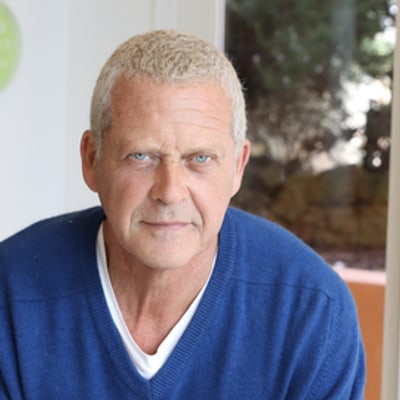
”They Gave Me 1% Chance to Live” - Overcoming Brain Cancer
Transcript
Click a timestamp to seek the player.
¡Hola!
The 2026 Chevy Equinox is more than an SUV. It's your Sunday tailgate and your parking lot snack bar. Your lucky jersey, your chairs, and your big cooler fit perfectly in your even bigger cargo space. And when it's go time, your 11.3-inch diagonal touchscreen's got the playbook, the playlist, and the tech to stay a step ahead. It's more than an SUV.
It's your Equinox. Chevrolet.
Together, let's drive. You know you need fiber for a healthy gut, but do you actually know how to get it? Quaker's been serving up fiber since 1877 with over 100 great-tasting Good Source of Fiber options to choose from. Whether you like Old Fashioned Oats, Instant Oatmeal, Granola, or Oatmeal Squares, Quaker makes it delicious. Mmm, so good. Get your fiber with Quaker. Shop Quaker's Good Source of Fiber products at a store near you. Last night, you spent 2 hours deciding what to wear to the party. This morning, it'll take you 2 minutes to list it on Depop and make your money back. Just grab your phone, snap a few photos, and we'll take care of the rest. The sheer dress and platform heels you'll never wear again? There's a birthday girl searching for them right now. Your one-and-done look is about to pay for your next night out. Or at least the ride home. Your style can make you cash.
Start selling on Depop.
Where taste recognizes taste. What are the causes of cancer?
Really, what has changed in the last 50 years? Have we changed physiologically, anatomically? No. What's happened is that our environment has changed. Our nutrition has changed.
Why are people getting sick so young?
3.1 billion pounds of chemicals in our water, in our air, and our land. Where does that go? Goes to the human body. It's a sponge. America is ranked 49th in the world in longevity.
We also outspend every other country. I don't remember the exact number, but the amount of pharmaceuticals we take compared to other countries— I mean, no one else is even close. I mean, we're like double any other country.
It's unbelievable.
Yeah, it's wild. Our medical system is so broken. I mean, just the entire system today is you get sick, take a drug, manage the symptom, and then you'll take another drug to deal with that symptom, and so on. And that, that's really the entire system today.
They have now Come to find out afterwards that it was a grade 4, I should say, astrocytoma. An MD Anderson neurosurgeon that's just looked at it has said, you know, you have probably a 1% chance to be alive in 8 months. This diagnosis was the greatest gift I've ever received other than my salvation. And I think no matter where you are, it's not too late. Even if you're at death's door, if we get the ball moving in the right direction, we're going to gain momentum. But I'd rather be there at death's door and moving in the right direction than assuming I'm healthy, moving in the wrong direction. I believe that's playing Russian roulette.
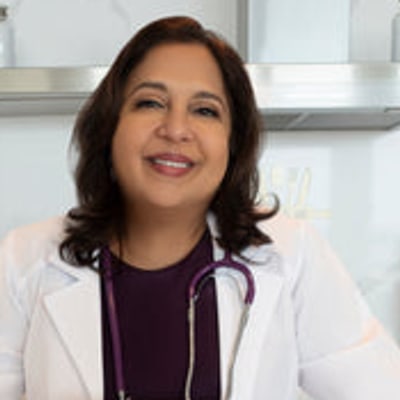
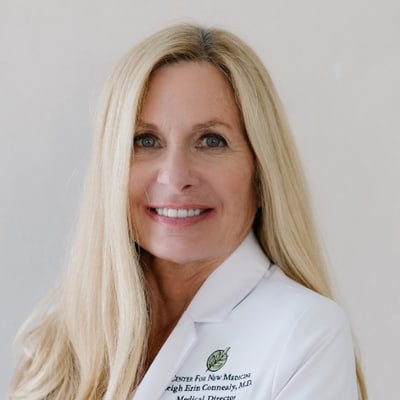
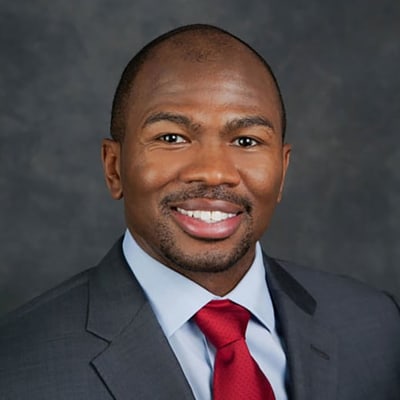
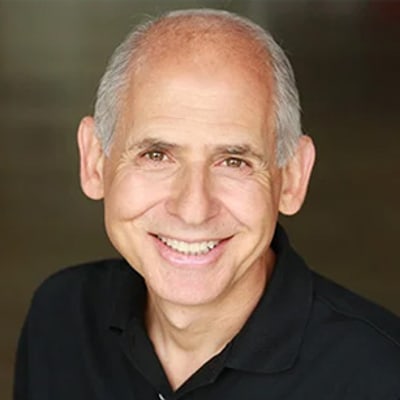
On today's episode, we'll be talking about how to reverse irreversible health conditions. If you've been diagnosed or somebody who's been diagnosed with cancer, autoimmune disease, inflammatory issues, chronic pain, infertility, or any health problem, I'm going to go through— I brought in two of the world's leading experts on health. One of them was given a 1% chance to live due to a brain tumor and is still thriving today. And the other is one of the world's leading functional medicine doctors. He's taken care of over 45,000 patients in his lifetime and led one of the leading integrative clinics in the country, treating everything from autoimmune disease to tumors and many other things. So today we have Dr. Sulak. He is a board-certified chiropractic physician and cancer survivor. And Dr. Gez Ogoli, he's a medical doctor, a PhD, and a naturopathic doctor who is one of the world's leading experts in healing your hormones, your gut, your cells, and so much more. Dr. Pete, Dr. Gez, welcome to the show.
Yes, I'm so excited to be here with Dr. Pete and hear his story. Hopefully your listeners will be galvanized into action, inspired by Dr. Pete's story, because what impresses me that Pete took action, obviously with that type of diagnosis, Josh, where you literally have a 1% chance of survival and Pete just could have had a meltdown, but what's impressive about Pete is that he decided to debulk the tumor, go through the diagnostics, come through our clinic to boost up his immune system, because I think it's really important to talk about what are the root causes of cancer. Yeah. And from my perspective as an integrative practitioner, as a researcher, Uh, and one of the reasons why I got involved in this type of healthcare is that when my father was diagnosed with cancer, I didn't have this knowledge. I used to be in the Air Force. I had no knowledge in nutrition, health, wellness, and all they offered my dad was chemo. Yeah. And although I'm not against chemo when it's used appropriately, in this particular case, that's all they offered him. He didn't survive very long. And Dr. Pete took action, and I applaud him for that because that's really what the whole focus is. Is to find the therapies that work for you. And cancer cells, cancer itself is multifactorial.
Yeah. Dr. Pete, walk us through the story. Everything from you were diagnosed, I know it was a big surprise, to where you're at today.
You know, on November 25th, I, previous, 2 weeks previous to the diagnosis, I just had a wedding. My second son got married and my health began to decline a little bit and I really didn't know what was going on. I started dropping things. I was, you know, even when it came to playing baseball with my boys, I couldn't throw it to my son who was 10 feet away. It would go sideways. I was running into things and my wife would have to finish my sentences for me in our staff meetings. And it got progressively worse after the second wedding. And my brother actually convinced me to go to the doctor and, uh, he has a medical doctor working for him and he just said, you know, I'd probably get it checked out. It was the Monday of Thanksgiving. So I went to the emergency room. I told my staff that morning, I said, you know, guys, something's going on. Um, they had no clue. I said, I feel like I might have had a mini stroke. I said, I don't know. These are some of the symptoms that are taking place. And so that morning I actually went to the emergency room. Um, I was 8 hours at the emergency room. They did a CT scan, they did a brain MRI, and they came back and they said, Dr. Pete, they said, you have a glioblastoma. You, in their opinion at the time, had a 12 to 18 month life expectancy. They said, we need to do surgery in the morning.
Morning.
Wow.
And I'm so grateful that God's in the details because my wife was in the room and she just says, like, no offense, but I'm not really comfortable having my husband's brain opened up next to a Walmart. And so thank God for that. And, uh, but so they have now come to find out afterwards that it was a grade 4 glioblastoma— uh, a grade 4, I should say, astrocytoma. Um, and an MD Anderson neurosurgeon that's just looked at it has said, you know, you have probably a 1% chance to be alive in 8 months. Um, and so I actually called you right away. I called Jordan Rubin right away. You introduced me to Dr. Ghez, and I began this process of one, understanding, okay, what am I dealing with? Is this the death sentence? Because everyone else was saying it was a death sentence, but it's not really a death sentence. And really, when you begin to get hold of, hey, you're— we're more than conquerors, we're overcomers. And, and there's a way that we can approach cancer by understanding what truly it is at a metabolic, really metabolic state.
Yeah. You know, one of the things I know that I know, uh, is encouraging to people when they're going through whatever the condition is, is hearing that someone else overcame it and beat the odds. I know you talked to, you know, one or two people who had the same diagnosis as you, or very similar, and they had lived, you know, 20-plus years. Yeah. So, so talk to us about that. And I think that was what's encouraging is to give people hope.
And I pray that my life now can inspire people that there's hope for you no matter what you've been diagnosed with. And I think too, even talking to the neurosurgeon that gave me the diagnosis initially at the hospital in Knoxville, he just said, you know, Dr. Pete, how do I know you? And I go, you know, honestly, sir, I don't know. And he goes, because you've never been a patient at this hospital. And he goes, I know. He goes, I'm actually reading your book right now. And he was getting into functional medicine and he says, I've actually reading it this morning. He goes, that's crazy. And it gave me the open door to say, then doc, where would you go if you were diagnosed or if your family was diagnosed like this? And he said, I'd go to MD Anderson. And within a week we were at MD Anderson. Within 2 weeks I was in a 7-hour brain surgery. But that was the encouraging thing to know that people had gone through it, they had beat the odds and they were still alive 20 years later. Because when you look at some of the people that are dealing with it right now, I mean, I had a tennis ball-sized tumor and the doctor gave me a 1% chance. I know someone with a, just a grape-sized tumor that I just met with and they're paralyzed on the whole left side of their body. Yeah. And so it's just living from the right perspective and knowing that, okay, hey, let's buckle up my bootstraps and let's go after this thing and let's see if we can just use wisdom to rightly apply the knowledge that's before us.
Yeah.
Yeah.
One of the things I always tell people as they're going through difficult health situations is don't focus on what the 99% are doing. Mm-hmm. Who are the 1% of people getting the best results? If you wanna see a doctor, what's the top 1% of doctors getting the best results with people? 'Cause reality is, you followed some of MD Anderson's recommendations in terms of the surgery, but you didn't do chemo, you didn't do radiation, you followed a very different path. And one of the things I would like to just sort of talk about now, 'cause this is so important and you mentioned this, what are the causes of cancer? And so, Dr. Ghez, I'd love to hear from you when you think about, And obviously different forms of cancer have different things that sort of are pressing in and at the cause. And I would love to kind of help share some thoughts as well. But I'd love for you to start on when you think about cancer, what are the biggest causes?
Well, let's, let's stop, take a question back and say, let's look at the history of our country with cancer. Back in the early '70s, President Nixon actually declared war on cancer, and that was a pretty big deal back then for presidents. Regardless of where you stand politically, Declaring war, you know, when the United States goes to war, we go all out, right? I used to be in the military, in the Air Force, and we just go to win. We spend the resources, we have the best scientists, we allocate all kinds of different studies. At that particular time, you know, we were looking at about 1 in 6 and 1 in 7 Americans that are going to get cancer in a lifetime when they did that, and they allocated maybe about $500 million or so. Now, Fast forward 50-something years, 53 years later, what are the statistics? Unfortunately, sad to say, Josh, I looked it up. According to the CDC, over 2.1 million Americans are gonna get diagnosed with cancer this year. Wow. 2.1 million. So we haven't really made much headway. Now you can have some scientists say, well, we're better at diagnosing, early detection. Okay, put that aside for a second. Really, what has changed in the last 50 years? Have we changed physiologically? Anatomically, no. What's happened is that our environment has changed. Mm-hmm. Our nutrition has changed.
Chemicals.
I'll have to say, if you look at the EPA and they put out a study in 2022, 3.1 billion pounds of chemicals in our water, in our air, and our land. Where does that go? Goes to the human body. It's a sponge. Yeah. So getting back to the root causes, I think it's multifactorial. I do agree with Dr. Pete, it's metabolic. We'll talk about that in a minute. But I'll have to say one of the number one reasons that I've seen as a researcher, clinician studying this for the past two decades is that chemicals, endocrine disruptors, okay? They affect our hormonal balancing. Those are all chemicals. I have a very simple rule of thumb. If you take a product and you look at the ingredients and you cannot pronounce that product, guess what? Don't take it.
Don't eat it, yeah.
These are chemicals. The human body is that sponge and that's why I look at that. Also, biggest concern I have is infections. And I use this as an analogy when I talk to certain patients about this. I call it the 4 I's of medicine. Number 1, infections. You look for it, you treat it, but that also contributes to cancer cells, okay?
Mm-hmm, yeah.
And these cancer cells are just rapidly dividing. That's called neoplasia, and it could take years to manifest. I don't think Dr. Pete's cancer just happened last week.
Yeah.
It probably took years and years to manifest.
Well, I just want to jump in and say one thing a lot of people don't know about Dr. Pete here is he spent time as an evangelist in India and Pakistan. And, you know, there are studies and you were the person, one of the people that turned me on to this many years ago. And that is there is a deep connection between parasitic infections and other infections and cancer, because if your body is having to go and deal with a parasitic or a viral or some sort of infection, your body does not have that same level of energy and awareness and being able to go and actually then fight the cancer cells. And so, so to your point, like, and I started reading the studies on this, there are quite a few studies on how if you have a parasitic infection or other infections, your risk of cancer goes up dramatically, exponentially.
There's no doubt about it. Great point on that. And it's not only the parasites, and, and I'm not just saying it's, it's only the infection, but what happens when you have these infections is that God gave us the ability, our immune system, which depending on who you talk to, is 75 to 80% right in our intestinal tract. So that's eye number 2 is your immune system. I've seen that a very low-function immune system— and what do we have today? We have autoimmunity all-time high. What is the standard of care? We're suppressing the immune system. Yeah, the symptoms are terrible. Nobody wants to be in joint pain. Nobody wants to have IBS. Okay, so we give that drug to suppress that symptom and now we opened up another potential door. So that's what my biggest concern is, is that we're not looking taking a step back and looking at this as multifactorial. We're putting everything in the back. No disrespect to oncologists, you have some fantastic, loving, caring oncologists, but they're in this box. And what I love about functional integrative medicine, there is no box. Yeah, we think outside the box. So if we take a step back and we look at this, hey, what is the root cause of cancer? Where do we have to spend more time researching? What should we do when you're diagnosed? When Dr. Pete went to MD Anderson, once again, very well-trained oncologist, well-meaning. After the surgery, what did they say to him? Okay, here's your standard protocol, which is chemo and maybe radiation, whatever like that. No one talks about nutrition. No one talks about other therapies from detoxification. And that's what a holistic— and I encourage your viewers that are listening to all of us today is to seek out a functional integrative practitioner, find out what other options are.
Yeah.
Read a lot of books. Josh has some great— you have some great material out there. And I think when you do that, you have a better potential outcome.
Yeah. Yeah. Would you hit on the other two? You said infections, immune system. What are the other two?
Yeah. Infection, immune system. Okay. And something called insulin resistance.
Yeah.
So now we get into the insulin resistance. Which basically opens you up to metabolic disease. And you know, there's no doubt that, that cancer definitely has a metabolic component to it. Uh, Dr. Zefried's done a lot of research on that. Um, you, you look at, uh, D— D— Agostino, uh, University of Central Florida has done a bunch of research on that. And when you have insulin resistance, okay, look at it this way. When your glucose is elevated, and one of my medical professors in medical school taught me this, He said when your glucose is elevated, it's outside the cell. And he gave this example. Imagine if you took your shoes off and you had no socks and I took orange juice on a wooden floor and I asked you to walk on that. What's it feel like? Sticky. Mm-hmm. So what's happening to your bloodstream? It's sticky. Blood is the river of life. And when blood is not flowing properly, you have coagulation. When you have coagulation, what do you have? You have disease, infection, infection. Yeah. And the last I, which I feel is one of the biggest components, is inflammation. That low burning inflammation. And our body was designed to heal itself when it's in balance. I call it homeostasis. But if you have an acute injury, your white blood cells automatically are going to coagulate to that area and start protecting. But after 72 hours, guess what? Chronic inflammation. It's affecting your immune system. It's affecting how your body detoxifies. So I call this the 4 I's of chronic disease, not just cancer, but there are common denominators. And that's why we kind of step back and say, okay, yes, the patient has cancer. Yes, it's metastasized. But what do I need to do to help this patient now? What diagnostics can I do and what treatment I can do? So we don't follow protocol. We look for the root cause.
Yeah. You know, in, in Chinese medicine, it's actually very similar that they believe there's two main causes of cancer. And they say blood stasis, liver blood stasis, which means your, what you said, your, your blood isn't flowing. It's not moving. It's not getting oxygen and nutrients to the organs. Of course, that's gonna cause other problems. And the other thing they would say is lack of, they would say chi flow, which is really tied to mitochondrial health. And that's very, you know, to the, to your point with the metabolic, some of the issues there. You know, one of the things that I know Dr. Pete has, as I've been talking the past year here, as you've been, um, you know, overcoming cancer here, is you, you've, you've really gone all in on the protocol. And this is something else I know you feel strongly about. Like, when my mom had cancer, my mom didn't do like 30 or 40% of the program. It was like all in, 100%. And you've been the very same way, you know, in terms of your diet, in terms of the treatments, in terms of everything. Walk us through what you've done in terms of the most common, you know, the diet you're following, what you're eating on a daily basis, some of the treatments, some of the herbs, some of the things that you've been doing to, to beat cancer?
I think it's understanding that cancer is metabolic. It's based on mitochondrial dysfunction. And for us, it's how do we add the nutrition that the body needs at a cellular level? How do we open up the detoxification pathways? How do we oxygenate the body? And how do we live from the right perspective? And that's faith. And so making sure that I can see myself the way God sees me, okay? Knowing who my God, who I am, who's, whose I am, and who my God is, and making sure that I can live from that perspective, knowing that my diagnosis doesn't dictate my destiny, but that we are more than conquerors in Christ Jesus, and, uh, and we're overcomers. And I think for me, right away, when it comes to diet, it was a ketogenic diet. For me, when you look at the research on brain cancer, it's in, in metabolism specifically in how the body utilizes fuel or foods and converts it through the mitochondria and produces energy or ATP. The more efficient that process is, the better the metabolic health. And so for me, having a clean fat-based diet help knowing that cancer feeds on sugar, it's very adaptable. So it also incorporates glutamine and, and the amino acid glutamine. It will also go after like fatty acids and those fatty acids that are detrimental to the body. Yeah, you know, and so I think it was diet right away and then detoxification. I think for me one of the key things I did is right away we started doing coffee enemas, making sure that my— I can clear out my liver, clear out my kidneys, and just normalize detoxification pathways. I think it was also oxygenating my body, so things like hyperbaric oxygen therapy, high-dose vitamin C, which becomes like a natural hydrogen peroxide in the body. Especially at a high dose of 100 grams, which I was able to do through the guidance of Dr. Gez as well. Things like ozone and ozone saunas. I have what's called a Hockett machine now, and very, very beneficial when it comes to oxygenating the cells. When it came to hydrogen water, um, there's a lot of just simple things that you can do— grounding, sunlight, um, just many things that incorporate PEMF and just that pulse electromagnetic frequency and just literally supercharging my cells. And so my biggest thing was, how do we establish the train of the body? How do we open up the detoxification pathways? And then how do we oxygenate, um, the cells so that cancer really has no place to survive?
That's so good. One of the things I've noticed, you've had a really nice tan, you know, since I've— yeah, yeah, yeah, lots of good sunshine, lots of vitamin D, which is great. Yeah, we actually went down, you know, we We went down and I was getting a stem cell treatment and Dr. Pete was getting that dendritic cell immunotherapy down in Cancún, Mexico. So we spent a little time in the sun together down there. You know, when I, when I was, when I think about cancer today and some of the best treatments, there have been several things that have influenced me. And Dr. Ghez, I'd love your thoughts on, on this as well. But like when my mom was with cancer, for instance, I really spent a lot of time reading medical journals and look at the most advanced treatments. And I would say probably the 3 or 4 that influenced me the most. Number 1 was Max Gershon. You know, his philosophy was flood the body with nutrients, overcome nutritional deficiencies, and on top of that, support the detox pathways, getting rid of the sort of excess toxins. And so, you know, he recommended things like vegetable juices, liver or liver juice, also doing these coffee enemas. And so that was a big part of my mom's treatment. In addition, Joanna Budwig, who did the Budwig Protocol, really repairing that cell membrane with essential fatty acids and, you know, these fermented peptides. And then Chinese medicine was big for me and looking at change the environment of the body. Herbs can help do that, decrease the inflammation, get rid of some of the dampness and increase the movement there in some of those ways. So those had a really big impact on me. And then I would say the other thing was certain doctors, you being one of them, in terms of understanding sort of the most cutting-edge treatments that are happening in integrative and functional medicine today. But what are your thoughts on, I guess, some of those? And, and what I found and believe too, just for everybody listening, different types of cancer sometimes require different types of diets. So we're Dr. Pete here with brain tumor focusing on more of a ketogenic diet, but somebody that has, let's say, uh, you know, breast cancer or colon cancer Maybe some of their therapies, you'll focus on certain treatments more than others, and maybe that person wouldn't go ketogenic. They would do a diet that's a little bit different. So you've probably seen the headlines— inflation, tariffs, recession— and the truth is there's a lot to be concerned about. Many economists are warning that a recession could be coming soon. And just like we take steps to protect our physical health, we also need to take steps to protect our financial health. And that's why I'm turning to physical gold and silver to help protect my retirement and savings. Now, I personally trust Preserve Gold. They can make the process simple and they genuinely care. They're amazing Christian people I really respect. Right now, they're offering a free wealth protection guide, and you can get this by just texting AXE, that's A-X-E, to 50505 to get this free guide. Plus, you can get up to $15,000 in free gold or silver with a qualified purchase. Don't wait. Text AXE to 50505 today and take the first steps towards protecting what you've worked so hard to build. I'm praying for and excited about your financial prosperity.
Well, for starters, I do believe that cancer is metabolic, so I do agree with Dr. Pete in the ketogenic diet, but There's a misconception on keto. They're thinking that it's a lot of protein, that just the opposite, it's more good fats. Yeah. And the reality is, is that, you know, our body can take any type of protein and convert to amino acids. And these amino acids, if it's at high levels, you mentioned glutamine, although glutamine is fantastic for gut healing, when you have cancer, sometimes it affects something called mTOR pathway. Which we're concerned about, we want to shut that down. So there are, there's a dichotomy in functional integrative medicine. I think that frustrates patients sometimes thinking, well, this guy says keto, he says vegan, he says paleo, and I understand the confusion if you're out there, but one size does not fit all, okay? So we got to really let you know that some people do well on the vegan diet, some people do well on keto diet. What you have to do is number one, you have to clean your diet. When you change your diet, you change your life, and you have to have whole foods, And, and just as you mentioned, sometimes juicing is very important. Uh, I just want to be cautious on what kind of juicing, of course. Yeah. So I don't come for the fact that, uh, my training is that you just do it this way. We look at the patient, we find out what's causing inflammation, we find out number one what their heritage, their lifestyle is. I'm not going to be talking to someone that has never had pork before and be giving them high-dose pancreatic enzymes. Although I think that plays a role. We'll talk about systemic enzymes in a moment. But I think it's very individualized. And for Dr. Pete's type of cancer, 100%, 100% keto is the most important in my opinion. 100%. There's other cancers that we can talk about. Sometimes you do well with a vegan diet short-term for detoxification. And then you can go to a paleo. Ultimately it's gotta be clean, organic whenever possible. Here's the biggest take-home message. Do with what you can with what you have. That's so important. That's right. Don't beat yourself up. If you have a cheat day, don't make it a cheat week. Okay? When you have cancer, you really can't have a cheat day for a while. Okay? I think there are some— the Budwig is fantastic. I'm a big believer in coffee enemas, and I understand that that could be difficult for some patients. But that makes a massive, massive improvement on phase 1, phase 2, even phase 3 liver detox.
After you do your first one, it's not that bad. It's not that expensive. It's pretty cheap, really. You want to get good coffee. Yeah. Get without the pesticides. But, and mold.
Yeah. It has to be, it has to be organic and you gotta watch for the mold. I totally agree with you. Yeah.
Hey, hey, well, one, one thing I wanted to mention that I think might clear up some confusion for, for some listeners in terms of maybe the diets when it comes to cancer specifically is You know, your body, and this is a Chinese medicine concept and it's also a Western concept, but you want both the yin of your body and the yang of your body to be functioning in a really strong way. You want to be both catabolic and anabolic, right? And so when you go through cancer, you want to activate autophagy, you want to clear out these senescent cells and cancer cells, and your body getting more catabolic, which means eating itself, recycling, clearing waste. That's in, in vegetables, uh, and fasting and certain, you know, pancreatic enzymes— like, these things are going to help you get more catabolic. And your body's actually trying to do— this is why people lose weight with cancer, sometimes more than they want— is their body's like, okay, I'm gonna try and save myself right now, so I'm gonna eat away everything I possibly can and go into ultimate catabolic mode. Now, at the same time, you don't want to waste away to absolutely nothing And so you do want to have a minor level of anabolic, but with things that are anabolic tend to be meat, especially red meat, glutamine. To your point, these are things I think about anabolic steroids. They help you grow, they help you regenerate. And with a lot of conditions, I would argue, you know, hypothyroidism, when your body temperature is low, inflammatory bowel disease, like you want to activate your anabolic pathways like mTOR. However, when you have cancer, most of the time you really need to pry towards more of that catabolic.
Absolutely, great point. And once again, Josh, it's a balancing act. And like I said earlier, one size does not fit all. But the reality is this, if you take a look at glutamine, for example, what negates that? Glycine.
Okay.
Yeah. So you got to look at the balancing here too. So you just, you just can't have one way. You got to look at the balance. But when you're fighting cancer and you mentioned about catabolic, one of the biggest concerns with cancer patients is a, it's a fancy medical word called cachexia, which is muscle muscle wasting. And unfortunately, this is what is the demise of a lot of cancer patients. Not the cancer itself, it's the cachexia. Yeah. So we've got to really have a balancing act there as well. And I love the fact— you're right, we want to get into autophagy, which I like to describe like little Pac-Man. Remember Pac-Man gobbling up all the bad cells, right? It's intracellular degradation. It's cleaning up all that senescent cells and allowing the body to make new cells that are healthy cells But I think it's a total balancing act, and I also think that we have to go back to the basics, which is very good nutrition. And Dr. Pete, I applaud him. He's very, very disciplined. You know, you talk to a lot of patients and they say they're disciplined, but sometimes when you really delve deep and have them do a diary, I like patients to do a diary of what they're doing because it's habit-forming. And I know this sounds counterintuitive, but Valter Longo, USC PhD, did a a bunch of studies when it comes to chemotherapy and fasting. I, I believe he recently changed from 48 hours. So basically he was having his patients fast 40 hours before chemo, just water and maybe green tea. I'm not sure about the coffee, but definitely green tea and water. Uh, although I'm not against the coffee unless it's organic, it has to be organic. But pretty much what happens is your cells go into that starvation mode, they start to protect itself. And then when you start doing the chemo, Guess what? Less side effects. Less necrotic tissue. You want apoptosis, you don't want necrosis, which is a coagulation of these dead cells. So that's pretty exciting about the fasting. It does sound counterintuitive because if I'm losing weight, why are you even having me fast? So I do believe fasting plays a role when it comes to cancer. I just don't know because men and women are different. Women that are still menstruating, you shouldn't be fat. So it's very individualized. So you gotta find that sweet spot.
Well, and outside of cancer, I actually, with women with hormonal issues, I rarely ever have them fast. I mean, maybe their eating window closes a little bit, but I don't have them fast. One of the other things, Dr. P, I know you've done such a great job of, is sometimes when people go keto, I wrote a book on this because this very same thing, it's like, I'm gonna go on the keto/bacon and butter diet. You're like all avocado and wild-caught sockeye salmon. So it's—
he's doing it the healthy way.
Yeah. Doing it the right way is absolutely crucial when it comes to if you're gonna try and, you know, fight cancer in this way, it's a, it's a big deal. You know, one of the things I know that we talked about earlier is you did these, you've done mission trips all around the world.
Yeah.
And so for anybody who also wants to learn about, uh, Pete's amazing, uh, ministry, it's called Matthew 10, and he has gone and preached again all over the world in the most destitute places on the planet. But there's a chance you might have picked up a parasite and some bad microbes when you were, when you were over there. And part of your protocol, even early on, was cleansing your body of these, you know, pathogenics, uh, you know, pathogens, especially parasites. What are a few of maybe the herbs, the supplements, the medications, the things that you took in your fight against parasites and these pathogens?
I think that's absolutely one of the things I've been I've been around the world 25 times. And so I've been exposed to, I mean, not just in America, but especially around the world, you get exposed to parasites. And when you look at the research now, it's, hey, cancer can be very much parasitic. And so I think when you look at the natural herbs and things like black walnut, artemisinin, things like pumpkin seeds, wormwood, great things. I think for me as well, ivermectin, mebendazole, which is the human form of fenbendazole, which, you know, is used a lot in veterinary clinics. And so for me, it allowed me to make sure that one, not only is it anti-parasitic in nature, but it actually exposes abnormal cells and makes them more vulnerable. So it stops glucose— stops— it's called glutaminolysis. It's really, really beneficial when it comes to creating apoptosis. That program cell death. And so those are some of the things that I incorporate right away at the beginning, um, working with my doctor, working with Gaz, and working with others to make sure that, hey, whether it's parasitic or not, I'm gonna make sure I attack it and make sure I create vulnerability amongst the cancer cells.
Yeah. Well, one of, one of the things people notice, if you ever, and don't try and, uh, if you ever taste any of these herbs, wormwood, black walnut, they're the most bitter, astringent things you've ever tasted.
They're pretty nasty.
Yeah. They are terrible. But part of that completely changes your environment. Bitter foods help release bile. They support liver detoxification. They allow you to dump and release a lot of these parasites. And so it makes sense. Again, the other thing, like we've talked about, you've got cancer cells. There's also pathogens like parasites. And think about your body, if it has a parasite, part of your immune system is going to have to fight parasites as well. I think about it like this. If you're in a fight and you're fighting one person, you know, you can probably— your, your immune system's strong and can hold its own. But what if you— now you have 2 people you're fighting and 3 and 4 and 5 and you're totally surrounded. It's hard to win that fight. So there's a— it's a great strategy in going and trying to kill these other pathogens so then your body can just simply focus on the cancer. Dr. Ghez, one of the things that I was so impressed— by the way, you've got one of the best clinics I've ever seen in the world, Progressive Medical Center. I know it's just right outside of Atlanta, Georgia. There you have people fly in from all over the world to visit you, whether it be, you know, cancer or hormone imbalance or autoimmune disease. And, and you always have the most advanced therapies there. It's like if there is a new advanced cutting-edge therapy, you've got it. Um, talk to me about when you think about cancer but also autoimmune disease or a lot of these other inflammatory diseases people have today. What are some of the, in the past 10 years, the most cutting-edge therapies that you've utilized that have allowed you to get some great results with patients.
Yeah, you know, my whole background, for those of your viewers out there that are Trekkies, I'm a Trekkie, right? So I love Star Trek, and I always try to emulate one of the doctors there. They use that transporter, and it's kind of interesting because it's really looking at advancement. And I believe that the body is so fascinating. It's just shocking to me when we look at how the body's made— over 30 trillion cells, 80,000 miles of vessels depending on the size of the person, 3,000 enzymatic processes. I mean, it's just amazing how the body is designed. So I'm fascinated. So I'm looking for ways, how can I put the body back in balance? Because when you're ill— so I like to use the word illness and wellness. When you're ill, it's I, it's all about you. You know, some people really become symbiotic with their disease process, right? Getting into the psychological. But wellness is we. It takes a team. It takes friends, family practitioners, not just a medical doctor, a nurse practitioner, a naturopathic doctor, an herbalist, a health coach. I'm really excited. We live in a very exciting time right now, Josh, because we have advancements of technology, but we also have an awareness right now. The American public wants this type of medicine. They want it. Yeah. So that's why I'm always looking, hey, what's out there? What makes scientific sense? Because a good integrative practitioner has to be science-driven but also has to be curious. Yeah, yeah. And ask questions. I'm not embarrassed to say this. In my 25-year career, and right now I'm spending more time training all my staff and I'm seeing less and less people, but training and researching and really mentoring and coaching other practitioners to think outside the box and really practice good integrative root cause medicine But I asked them to be curious and I always listen to the patient. I learn more off patients than anybody else. They come in with all kinds of stuff. Other doctors just don't listen. I'm like, well, this is really cool. Where'd you get this? Oh, this is interesting. So that's when I got exposed to ozone.
Yeah.
20+ years ago. There's a doctor, I believe he passed away now, Dr. Charlie Farr, I believe his name was, in Oklahoma. Anyway. I read some of his studies, and Dr. William Campbell Douglas, which was a maverick doctor, yeah, he wrote a book called Into the Light. That inspired me to do research on ultraviolet. And we got this first machine, and I was the guinea pig. I'm always the guinea pig with everything, right? Yeah, I literally do every therapy. If you come to my clinic, I literally do every therapy, but I refuse to do bioidentical female hormones. Sorry guys, I'm not going to do that. Okay, that's for other people. But why do I say that? You take your blood out and it goes into something called a cuvette and it goes into 3 different lights. And I remember reading William Campbell Douglas talking about parasites. And he said that yes, you may not see them in your stool, but they could be circulating in your blood. And your immune system, and most of Americans don't realize, you guys understand this, we have 2 immune systems. You have innate, which doesn't have a memory and you have humoral adaptive. And so your body, there's a lot of crossover and our immune system sometimes is tricked and not knowing that that infection's there. And that light therapy, so I have to say pulling the blood out, ultraviolet beam with ozone is one of the best therapies. Yeah. And to me, the newer therapies now, of course we have something called EBOO, which is fantastic. We have 10 Pass, but I have to say we just received our brand new device called photodynamic therapy. It's different lights. Yeah. That go intravenously. Dr. Michael Weber, German physician. And that is one of the most incredible therapies that I've seen because what it basically does, it acts as a pro-oxidant and also a vasodilator for nitric oxide. Yeah. Into the body. And it allows all the other therapies to work synergistically because I truly believe And a lot of patients out there, the engineers don't like this because they like to do one thing at a time. The human body doesn't work that way. We have to do stacking therapies. We have to see how you detoxify and that's why we love these pro-oxidant therapies because the body does make the ability to make hydrogen, H2O2, hydrogen peroxide and then you make it into hydrochloric and that just destroys pathogens.— So those are one of the newer therapies that I've seen.—
Yeah, I love ozone. The light, the photobiomodulation is really interesting too, because I mean, right now we put so much of an emphasis on infrared light and red light, which is amazing and we should, but when you look at the sun's rays, when you look at some of the other rays like blue light, for instance, and green, I mean, they have other benefits as well. I know red light, as you mentioned, is really good for mitochondria— well, it's great for mitochondrial function.— Absolutely.— But some of the blue light is very anti-inflammatory to your nitric oxide and what that does. So, uh, and this is also why getting sunshine is, you know, so good for people. I mean, that's one of the greatest deficiencies there is. But I love that, you know, ozone— what are some of the other conditions you treat? I imagine mold toxicity, other things that you treat.
Yeah, so mold toxicity, obviously one of the bigger problems right now are co-infections with, with Lyme disease, and you've got all kinds of different Babesia and, and, you know, just so many things. Barnard, all of these things And I really love Dr. Richard Horowitz's research. Dr. Richard Horowitz is a medical doctor in New York. He's treated lots of Lyme, and he wrote a book on Why Can't I Get Better? Okay. And that book is so good because so many patients go to the doctor, they tell them that they have all these— a plethora of symptoms. And I love his checklist, and he coined it called Multiple Systemic Infection Disease Syndrome. It's about 100-something questions. And I got to tell you, every time a patient fills it out and they have over 70, uh, and we do the test on them, they have a co-infection. Yeah. Nobody else would have figured it out. They've been going after doctor after doctor after doctor. So really these co-infections, um, really make a huge impact with, with ozone and ultraviolet. Um, and, and to me, that's what ozone could be used for, different co-infections, but also autoimmunity. But also for general wellness too. I think it's important, just like you mentioned with Dr. Pete, traveling all over the world, being exposed, being a missionary, doing God's work. But at the end of the day, we live in a fallen world, right? We live in a toxic world, and our body is going to be assaulted. I do believe that we need to detoxify. One of my old mentors, he's an old, old naturopath, Dr. Sorge, and he talked about the most important thing in naturopathic medicine is detoxification, detoxification, detoxification. All disease starts in the colon.
Yeah.
Uh, Dr. Walker, who lived to about 104, I believe, uh, talking about colonics and different things. I just think that's so important to do that parasite cleanse, even if it's once a year.
Yeah, yeah, absolutely. You know, one of the other things I know that just breaks my heart, and, and And, and Dr. Gage, you, you can, uh, well, I just wanna say this. I've probably sent you 10 cancer patients this past year. Like, there's, there's a lot of people, friends and family, and, and I do that cuz you've got such an amazing clinic where you're at. But a lot of them are pretty young people. I mean, I'm, I'm thinking of several of them were in their 30s, one was in their 20s. I mean, people that are young. What, why do you think so many people, it, it's, it's happening younger and younger where people are getting cancer and, and other conditions too. I mean, you know, autoimmune disease. Inflammatory bowel disease. But why are people getting sick so young?
Well, let me just start off by saying this. It saddens me to see a 20 and 30-year-old in the prime of their life being struck down with something like cancer. We're not talking about— we've had child cancers for a long time. Okay, let's put that aside for a second. That, that's difficult in itself. But when someone is in their 20s and 30s, so, so really what's changed? I really think if we take a look at our environment, We take a look at our diet. We take a look at all the different stressors. And I got to tell you, I love technology. I told you earlier I was a Star Trek— I'm a Trekkie, right? But I also think that technology, when it's not used properly, can also affect— we have a lot of electrical chaos right now, EMFs. I'm not saying that causes it, but I do believe that's a contributory factor. I believe that a lot of these younger people, there's so much stress and there's so much activity going on that they just don't shut their brains down, including myself. I find that difficult as well, right? Because I love technology. But how do we have this balance? So I think we take a look at that and we take a look at all the chemicals. But my message to these younger individuals, you are not invincible, okay? And when you're younger, including myself when I was young and how should I say, full of testosterone, I used to be a skydiver. When I was in military, I did all kinds of— I'm not saying don't do that, but listen, I'm not jumping anymore, right? So let me just say that. But I, I do believe that younger people always have this attitude, it's not going to happen to me.
Yeah, but for people out there, I think that there's a lot of, a lot of people, they get a diagnosis and they feel like their doctor tells them this, typically, your condition's irreversible and you're going to have to be on this drug the rest of your life. Okay. And it's almost like I'm they're gonna take hope away and just give you with managing your symptoms with a drug. You have been such a proponent of spiritual healing and spiritual wellness and the spiritual and mental side of the person healing them physically. Walk us through practically what you've done, what you recommend patients, 'cause you run a clinic too, what you recommend patients do if they're looking at healing from cancer, from autoimmune disease, from, you know, whatever health problem they're struggling with, what are some of the practical things they can do to improve their spiritual health and heal spiritually and physically?
I think it's perspective. I think making sure each and every one of us has the right perspective. That means our life is of significance, is of great worth and value. And no matter what situation you've been diagnosed with, you are not powerless. Yeah, that, that it's not too hard. You know, even Mary, the mother of Jesus, they said, hey, you're not going to have a virgin, you know, you're a virgin, but you're not going to— the natural says you can't have a son. But she says, I know it's impossible in the natural world, but with God all things are possible. And she said to me, she said unto the Lord, be it unto me according to the word of the Lord. Because what God is a definer of us, and he creates destiny on each of our lives. And so I think the biggest thing when it comes to mental health is, first of all, surround yourself with people that encourage you, that uplift you. Remove some of those people— you know, obviously you can't remove family, but remove those individuals that are just constantly pulling from you, they're constantly— that don't see your worth and value and your significance. So make sure that you know, first of all, because God sees you as significant in your life, of great worth and value, make sure you surround yourself people that, that are willing to fight for you and fight with you. I think so often, you know, in my own life, one of the greatest things my wife told me was she said, Pete, ultimately this is your battle, so let's find peace with how we're going to approach it. And then once you have that peace, I will fight for you from that position. And that's how I've always approached it. Like, I'm not here to tell you to do chemo, not to do chemo, do radiation, not vaccinate, or not vaccinate. My job is to empower you with information and educate you so that you can You can find peace for yourself for the journey, and then my approach is let me go fight for you from that position where you have peace with, because there's the rest for the people of God. He leads us beside still waters where there's rest for us. And hope is this confident expectation of the goodness of God in my life. And so without hope, the Bible says, hope deferred makes the heart sick, but a desire fulfilled is the tree of life. So the biggest thing is make sure that you know that all things are possible. And that no matter what you've been diagnosed with, the diagnosis does not equal your destiny. So there's a way out. And, uh, and I think even as the Bible says, as the enemy comes in one way, God causes him to flee divided in seven. As he steals, God restores back. God is a restorer and a redeemer. So no matter what you're dealing with, no matter what the impossibility might be, yeah, all things are possible with God. And I think it's then looking at— there's a lot of people that come to me with emotional traumas. Yeah. And they've been hurt in the past and they've been abused in the past. And those in the military that with PTSD and sexual being sexually abused. And I think what happens when you look at the body emotionally and physiologically, the cortex of our brain is our personal library. It basically keeps track of every memory in our life. But the amygdala or the emotional center is our personal library for the emotions. And so when we're at a zoo, for instance, instance, when a tiger gets out, our amygdala, or that limbic system, takes a mental picture and says basically, hey, don't go back here because a tiger got out. But unfortunately, the cortex is supposed to house our memories, and the amygdala is supposed to house our emotions. But with certain traumas, the memories that are supposed to be housed in the cortex get logged in the amygdala, in the emotional center. And what happens is you can remove someone from that situation 20 years removed with no recollection of it. But when that emotion is triggered, it sends a body in the same vicious stress response. And so when you look at cancers, when you look at a thing like breast cancer, research is proving that when a woman has breast cancer in their right breast tissue, it's typically because of an emotional trauma with a father figure somewhere in their past. But if it shows up in the left breast tissue, it's typically because of emotional trauma with a child. Somewhere in their past and how it affects the body physiologically. And that begins to break down the body, affect the body metabolically, affect the detox pathways, and it just really creates havoc on an individual.
You know, a few years ago I went through one of the toughest seasons of my life with an injury, and one of the things I realized at that time was I needed to get better sleep in order to heal. And during that time, rest, healing, recovery and overall deep sleep was so, so important. And one of the things that happens sometimes and keeps me from getting that deep restful sleep is I get too hot at night or too cold. And because of that, comfort became incredibly important to me. And that's why I love Cozy Earth. Their bamboo viscose sheets are the most breathable temperature-regulating sheets I've ever used. Even during the hottest summer nights, I sleep cooler and wake up feeling refreshed. Also, their Studio Pants and All Day Tees are incredibly soft, perfect for rest, recovery, and just everyday life. Try them during the hottest nights of the year. If you're not in love, return them hassle-free. Plus, they come with a 10-year warranty on all bedding products. That's a decade of cool, quality sleep. Trust me, you'll feel the difference the very first night. Go to cozyearth.com and use the code AXE, that's A-X-E, for 40% off. Sleep cooler, lounge lighter, stay cozy. You know, one of the things that I say, I know you guys have both seen in practice, is that oftentimes when somebody is— has a condition that sort of overwhelms their life, like we've all heard this, like, if, you know, you've got 99 problems until you have a health problem, then you've got one problem, right? And it's like, if you've got a health problem, it just consumes your life. And some people just retreat and they don't feel understood. Maybe their doctors told them you're crazy or it's in your head. And what they'll do is sometimes then they'll look for support. Maybe they don't have it around them immediately, so they'll go to like online support groups. But that online support group doesn't— it's not enough. It doesn't take the place.
Yeah.
Of real true community. So to your point, Dr. Pete, I think for people going out there and pursuing that community, especially at a place like a church where you can go and have people that are encouraging believers that are going to lift you up and support you along the way, weeding out the toxic people, pursuing those relationships with those great, you know, great encouraging people is, is really at the heart and center of a lot of what you're sharing. I just think it's so, so important. And to your point, this past trauma, you've got to deal with it, you know, you don't want to brush it over. There's some great, uh, work by James Panabaker, and he talks about just writing it, and then also, you know, having, uh, a counselor who who will help you work through it and finding the solution as Jesus and finding your true identity is so healing. And one other thing I wanna mention, you didn't bring this up, but I know you believe it cuz you've done it so much with me, and that is getting prayer from other people. You know, the book of James, uh, or Timothy says, if you are sick, have the elders, have somebody spiritually mature, pray, lay their hands actually on you, pray for you. Yeah. And anoint your head with oil. That's using herbs, you know, essential oils to say, support the healing there as well. So following that principle— but I know when I've been sick, I remember when I was down and out for that year and couldn't walk, you were praying for me, John and Lisa Bevere were praying for me, my wife was praying for me, people that— my father-in-law, people that were very spiritually mature and uplifting were constantly praying for me and supporting me along the way. So I, I, again, and I know when my mom had cancer, same thing, the power of prayer was such a big part of her healing journey there. So thanks so much for sharing that there too. Um, it's a big deal.
I think hope is the most important thing. And, and listening to Dr. Pete, that hope there. I will say, uh, over the past 28+ years on, on working and, and having conversations with the cancer patients, I've noticed some common denominators on at least 90% that some type of trauma or some type of loss, or it could be a divorce, it could be loss of a child, something happened within that 5 to— it's like, it was really interesting, Josh, it was like 5 to 7 years. Not everybody, but a lot of them. So that emotional trauma, that loss that they did not address, and they suppressed it, they compartmentalized it, because sometimes we as humans don't deal well with conflict. And the very first thing I talk about when I, when I talk to a cancer patient is if you have a toxic relationship— I know this sounds bad if it's your family— Cut it. Just totally separate from that because it can suck the life out of them. And that does affect their immune system. That does affect their outlook. And I love the scripture in Proverbs 17:22, a cheerful heart is good medicine, but a crushed spirit— and it's really the key. When you're crushed, you lose all hope. Yeah. Because when you are crushed, why am I even going to do this treatment? Who— Why should I even do this? Why should I change my diet? Why should I even bother with this? It's not going to work. So what happens, I call it stinking thinking, and that pessimism steps in, and that's why it's very difficult. It's easy for us to be happy when things are going great, but when things are going bad, how difficult is it to be cheerful? But I've noticed the patients that do probably the best are the ones that are constantly cheerful. Optimistic even though their scan may not be doing well or their blood work doesn't come back. You are not defined by a blood test.
Okay?
You are not defined by a scan. Yes, we want to have good news and we want to celebrate that good news, but this is a journey and that journey is just one step at a time and that's why previously I used the word wellness. It's we. We're a team. And we need a team approach to fight cancer. And, and to have victory.
And I really feel like for me, that team approach was you, Josh, Jordan, you guys, because for my wife as well, when I was first diagnosed and they said you had a 1% chance to be alive in 8 months, and they wanted to do surgery in the morning that first night, and we called it— for my wife, for my family, it's overwhelming. For the individual, it can be very overwhelming. And so to have a support system that's willing to fight with you and for you. I feel like that's probably the one of the greatest just attributes of the success that we've had.
Yeah.
Is because I had a support system and there's so many individuals I see out there that don't have a support system. They're stuck in the system. They have nobody and they're just basically being fed just, this is your diagnosis, this is your prognosis, and this is what's gonna happen. And without an, an advocate, advocate, you know. I just want to be an advocate for individuals. That's what we're being. We're being an advocate for individuals, because if you don't have that advocate, unfortunately there's not a lot of places to turn right now, and it's very, very overwhelming.
Yeah, yeah. I mean, the Book of Proverbs talks about this plenty, right? I mean, you, you want to have wise counsel, and a lot of people are just trying to go about it on their own, or, you know, or do a Google search, and it's just, it's really, really not enough. I mean, one of the things I I really know I've been such a big believer in, and this is something you guys both practice as well, is a lot of times people want, hey, I want a pill or I want one diet, when we're all about a protocol, you know, finding out that individual, that creating something very personalized for them that addresses the dietary component, the spiritual component, the holistic treatments, the, uh, you know, herbs, the supplements, all of those things in a holistic protocol. And sometimes doing it in a specific order. If you're cleansing parasites, sometimes you want to build up the immune system and you also want to kill the parasite, but you also want a binder, and then you want to activate the liver. I mean, there's a specific process and protocol that you want to follow, and this is something that you have done so incredibly well in your clinic, is be very process-focused. I know most people probably don't know this about you, but you also own a lab. So you run a functional medicine clinic, one of the largest and most successful in in the entire United States, but you also run a lab. So talk to us a little bit about lab work, because I want to— I want you to talk about this because I think there's such a misconception here. Most doctors today are running outdated lab work, lab work that's not truly what's showing what's going on at an organ system level or a cellular level. It's very static in nature, a lot of it. What are some of— what are some of the tests here that, that maybe fit that description? And more importantly, What are some of the tests that you suggest for people that are some of the most beneficial for understanding true wellness?
That's a great question. And I'll say this, I didn't start off wanting to get in a lab business, but I remember distinctly one of my physicians that worked for me, Dr. Cheryl Burdette, great researcher, great mind. She used to work for a laboratory called Metametrix and they were purchased, they were acquired by Genova, which used to be Great Smokies. But so she came and she did a presentation and we were doing amino acid testing then and we were doing the organics and we're just, you know, dabbling a little bit on gut health. This is about 20-something years ago. And she approached me and I hired her. She's a brilliant scientist and physician. Anyway, she came to me 5 years later and said, listen, let's open a lab. So we opened a lab, we brought another PhD in, we did a bunch of research. And it was fascinating to learn that part of it because to me, one of the biggest areas of functional medicine is, is testing. My philosophy is if you don't test, you just guess. And from my perspective is that it's not only helping the practitioner diagnose the patient effectively, it helps that patient. If I say to you, Josh, I want you to stop eating almonds today, Josh. And you're like, almonds? What, are you kidding me? They're fantastic. I mean, or Brazil nuts. And how am I going to get my selenium? No, but if I see that this test has an IgG4, which is a delayed response, and it's going to affect your esophageal area, causing inflammation 72 hours later, that could be contributing to your gut pain or your elbow pain. You're going to do it. And you're gonna— because I'm gonna show you, right? That's what's exciting. But getting from my perspective, what's now leading to the future besides genetics— I think genetics do play a role, but it's really the epigenetics. It's the expression of that genome, right? It's not just that genome genetic test. I believe that gut health and oxidative stress are the keys to determining your health status at the cellular level. And if we can combat oxidative stress— and I'm gonna give our viewers an example of oxidative stress, because a lot of people aren't— they don't understand that. It's free radical damage, right? Yeah. Previously I mentioned 30 trillion cells of the body. It's amazing how God designed the body, right? Cell-to-cell communication. The example of oxidative stress is this: we are intrinsically able to create oxidative stress to kill off pathogens. Yeah. But too much oxidative stress kills off cells, so you have a balancing act with antioxidants. The example I give a lot of our patients, if I take an apple and I cut it in half and I let it sit on the table for 3 hours, what's it look like?
Brown.
Brown. That's oxidation. If your car is sitting outside in the north and it slowly has one piece of rust, right? What happens to it?
Continues to rust.
Your body's rust. That's oxidation. So what do you do to an apple to to preserve that browning? I squeeze lemon juice. Yeah. So what I do for the body, I clear out pathogens and I use certain antioxidants. Too much antioxidants affects oxidative stress. Using ozone, which is a super oxidative stress, is counterintuitive because you think I'm causing more. No, you're destroying pathogens. But now we've got different studies that show that when you do ozone, 72 hours later you Actually, it's a, it's a mechanism of creating superoxide dismutase and catalase, which then helps you create more glutathione reductase, which protects the cell. Oh wow. So I'm gonna have to say, from a testing perspective, gut health, oxidative stress, and always looking at a baseline. And you know, I do understand that some of our viewers out there say, well, does my insurance cover this? Or How much does this cost? And I've really been thinking about this over the years. I did some research and I started to use AI for the first time. I'm not embarrassed to say it. My son taught me about it. So I said, let me see what this is all about. So I asked AI, how much should a healthy person spend a year on their body? You know what the AI said? 10% of your income should be devoted to your health. Because your health is wealth. And unfortunately, a lot of people don't do that. And that includes good food, that includes exercising, includes supplements. So if you make $50,000, $5,000 a year sounds like a lot of money. It's really not. It's an insurance policy.
Well, a lot of it comes down to priorities because it's like, well, how much did you spend on your car, on your streaming devices, on your, you know, on all these, all these things? And I think today more than ever, we spend a lot more money on entertainment than we do things Necessities like your house.
It's true. And the reason why I didn't want to make this about finances, because a lot of practitioners feel uncomfortable about talking about money, but you have to have this conversation because you have to know what you're working with, right? You can't sit there and put this massive protocol on somebody and they just can't afford it. I've always said there's a difference between ability to pay and willingness to pay. There has to be a willingness. And I also did a little more research for chronic diseases. Which I just want to take a step back. I am so excited that we have someone in there right now, uh, with the Department of Health, RFK. I really think him just exposing chronic disease is, is a victory for America. Yeah, it's a victory. And I understand change takes time, right? But it's a victory because we need more exposure for chronic disease. Uh, $2.7 trillion of our GDP was spent last year on healthcare. $2.7 trillion. That's crazy. That's 16.9% of our GDP. That's every dollar made in the United States, right? Guess what? America is ranked 49th in the world in longevity. 77.2 years is our average. I hate to say this, guys. Men actually are outlived by women by 6 years. Women are about 80 2 years. Men are about 74 in the United States.
Well, the other, the other, the other factor of that study is, is that we also outspend every other country, and we— I don't remember the exact number, but the amount of pharmaceuticals we take compared to other countries, I mean, no one else is even close. I mean, we're like double any other country.
It's unbelievable.
Yeah, it's wild. It's wild.
Think about pharmaceuticals, and let me just go back to the one thing about that That question I asked AI for chronic disease, 30%. When you're dealing with cancer, when you're dealing with MS, ALS, some really devastating diseases, 30% of your income should go to getting well. Wow. I know, Josh, and you know when you were not well and we're all praying for you and helping you out, what was your number one focus, Josh?
Oh, it was healing. And honestly, I mean, we had spent, we had spent, yeah, a lot of money. And honestly, it was the only thing I was concerned with because I was like, if I, And Chelsea felt the same way. It's like, if I don't have my health, or if I lose my health and die, or I'm permanently disabled and not able to run around with our kids, like, like we were like, I told Chelsea, I had this conversation. I said, we said, we would rather live in a little apartment that we rented in Franklin, Tennessee, than we would have a big home or a second home or this or that, or whatever these big dreams are that we would have. We would rather do that and have me healthy than, than not the alternative.
I totally agree with you. And the reason why I'm saying that is this. I've always struggled with a lot of my friends because I've been in this industry for so many years. And I, you know, I, I always give friends my advice, right? But I don't tell them, oh, come here or come here. I give them advice. I don't push them. But, you know, recently it really impacted me. A friend of mine came in. He saw one of my doctors and I saw his lab results and I went, oh my gosh, you, you, you've got to go see this integrative cardiologist immediately. Dr. Jason Rheingold is an amazing integrative cardiologist in Atlanta. He thinks outside the box. What I like about it, he does this very special soft plaque testing as opposed to just looking at the calcification with the CAT scans. But anyway, so he agreed to go. I found out he passed away last Friday. Oh no. Heart attack. But why am I saying this? Because his labs were so bad Okay, he had oxidative stress, he had hyperlipidemia, hypercholesterolemia, which is in a particle size. So he, he was just an accident waiting to happen. And you know, I encourage all of you out there that are hesitating because I don't know if I can afford this. I don't— the bottom line is do the best you can what you have. Look at your budget, take action, right? And do something. And if I only had like one therapy to do, like one therapy, right? Besides the obvious of working out, I'm going to have to say with all my years of research, I truly believe that infrared technology— and I know we can make an argument for red light therapy as well. Why do I say that? Because sweating toxins is one of the most important things. And I do believe God designed that with the sun. When you look at the sun, if you ever drive out of your car and the sun's hitting your, your your, your skin, it feels warm, therapeutic. That is 7 to 14 microns of radiant heat. Yeah, that's what infrared coil is.
Yeah, yeah, it's amazing. You know, I, uh, I just did a study on the sun, or did a podcast on the sun, and really between— especially, yeah, yeah, and especially between 10 AM and 3 PM, the amount of infrared you're getting is incredibly high and incredibly healing. And then when you look at all the Blue Zones, I mean, guess who gets I've already said it, but guess who gets the most sun? The blue zones. And so, and everybody's like, oh, skin cancer this, skin cancer that. The reality is they were showing in the studies, it just doesn't add up. No, the people that get more sun— the, the big thing was you don't get burnt.
Yeah, don't burn your skin. Do it responsibly. Yeah. And I do like— I want to say this is the vitamindcouncil.org. They actually have a skin chart on when to go out based on the shadow. It was actually very interesting how they did that, based on the shadow and your skin type. My background is from Mediterranean, my whole family is from Albania, so, you know, we have darker skin, so I can get out there. But someone like from Ireland, right, you may want to just— yeah, you can do it responsibly, right?
The other thing, there's a big absorption rate difference. If somebody's from Ireland and they have very light skin, they only need 10 to 20 minutes. If somebody is from African America, has dark black skin, they need more like an hour. Exactly. So you need typically 3 times the dosage.
And I think that, to me, infrared— obviously there's so many good treatments out there, we can talk about this all day long, but, but just do something. I encourage, you know, we have to have a nation of, of, of health and wellness. And especially a lot of these professionals, you know, I talk to so many professionals and they're so stressed out and they say, I don't have time to do this. You have to make the time. Yeah, it's a discipline.
Yeah, I think health's one of those things that we're reactive in nature rather than proactive. But in every other gift that we've been given— our relationships, our finances— we know we have to be a good steward. We know we have to be proactive. But for some reason, we have a culture that thinks that we can react to our health. And when we basically live our life any way we want to, and then when crisis hits, we react to it. But if you, if you look at stewardship in the Bible, It's the things that I honor, the things that I steward over, I get to partake in the fruit of those things. And so when I began to change my perspective of, hey, I don't want to get healthy, I don't want to work out simply for vanity reasons. I want to work out because I want to run the race well. I want to steward well the gift that I've been given. And if I'm faithful in the little things, I'm made ruler over much. And for me, that changed everything. My perspective on stewardship. On faithfulness, on honoring the gifts that God's given me. And when I began to honor the gift that was my health and steward over it properly, I began to reap the rewards of it. And I think no matter where you are, it's not too late. Even if you're at death's door, if we get the ball moving in the right direction, we're gonna gain momentum. But I'd rather be there at death's door and moving in the right direction than assuming I'm healthy, moving in the wrong direction. I believe that's Russian roulette.
Yeah, it's so good. You know, I think a couple things come to mind when you share that. I think one is our medical system is so broken. I mean, just the entire system today is you get sick, take a drug, manage the symptom, and then you'll take another drug to deal with that symptom, and so on. And that, that's really the entire system today. And that's why I love so much about what you guys are doing in both your clinics in terms of being able to go do root cause medicine, cellular medicine, see what's going on. This is also why You know, I founded the Health Institute where we do, uh, virtual medicine for people. I have a team of practitioners we've trained. So all of us are in this space doing this, and it's so important. The other thing is, and I know that this is something where, as we talked about, cancer is so important. Pete, you touched on this, but some of this is an identity issue. If people have low self-value, low self-worth, um, and don't have a strong identity in who they are, them seeing them understanding how much God loves them, they're probably less likely to invest in themselves in healing. And so I think for so many people, being able to understand your identity in Christ and connect with that is so important to saying, you know what, God wants me healthy, God wants me whole, I want to honor my body with this, honor God with this temple I was given. You know, I noticed that I remember when I was in practice, I had this pastor, he was like in his mid-70s, and he was my best patient I've ever had. I mean, anytime I did a lecture twice a week, one out in the community, one in my practice, and he was at every single one. And, and his name was—
I just passed— model patient.
Yeah, Pastor John Miller. And John, I'm like, you're everything. Why? He's like, because I want to be doing mission trips in my 90s. I'm like, that's amazing. Like, John and Lisa Bevere are like that. They're good friends of mine. They're, they're just like that too. They are so intent on— we want to be preaching the gospel, we want to be changing lives in our 90s and beyond. But I think that's, that's probably the most overlooked. I mean, so many things are overlooked in medicine today, but that dealing with childhood trauma, the spiritual component, some of those areas are, you know, are really, really, really big too.
I want to go back to your comment about the broken system. And when I was finished my doctor of public health, I had to do a thesis and I chose to do a book. And basically my title was Why Health Care Is Not Working in the United States. And what's really interesting, as I was doing the research preparing for this, I found Dr. Benjamin Rush, M.D., who was the only medical doctor to sign the Declaration of Independence.
I remember that, yeah.
And he wrote in his memoir, a day will come when a group of men will create an undercover medical dictatorship. To create undercover medical dictatorship is the Bastille of medical science. Bastille is French for prison. All such laws are un-American and despotic, do not have a place in our republic. Signed Benjamin Rush, MD, 1776.
And you know when it happened was 1910, John Rockefeller and creating the Flexner Report.
The Flexner— Abraham Flexner. Yeah, who actually destroyed all of the naturopathic schools, discredited chiropractic schools, took away drugless DOs. Yeah, gave that power. But what a visionary. So who is the undercover medical dictatorship. AMA, which they fought against the chiropractors. I don't still think they paid the fine yet.
Uh, probably not.
No, they didn't. Uh, the FDA was designed as a really good organization to help, but they lost their way because of the, uh, collusion between pharmaceutical companies. And once again, I'm not against drugs, but the problem is drugs are not the panacea, right? These pharmaceuticals— do you guys know we're only one of two countries in the world that actually advertises pharmaceuticals on TV commercials. One of two. New Zealand is the other one. I don't know why they do that, right? And I'm going to have to say the insurance industry. The insurance industry, insurance is designed for catastrophic care to defray the cost, but they did such a great job in the '60s and '70s and '80s. Hey, come go see your doctor, pay a $5 copay, pay a $10 copay. They have no skin in the game, right? So there's— and basically what ends up happening, you get sucked into that system. That poor physician, that poor family doctor that's trying to do the best, they can't do any of this testing. They can't do any of these therapies. They got a strong arm. So it's, you know, a lot of time doctors get blamed for this. It's the bureaucracy. It's the administration.
So, well, the thing about this during COVID If doctors would recommend ivermectin, vitamin— I mean, certain things out of the box, they could lose their license. I mean, a doctor today, if you have an oncologist and a patient comes into them and they would recommend the things that actually work, the vitamin C, the mistletoe, the ozone, the— and for all those things, and skip the chemo and radiation, they would lose their license.
Absolutely. Because it's standard of care. And it's very sad. And, and I applaud those doctors out there that have the courage. And I think some of the best doctors and practitioners that I've seen in my 30-plus year career are the ones that are traditionally trained, and sometimes a family member or themselves got sick. Yeah. And traditional, traditional medicine does great for urgent care.
Yeah.
For trauma, we have the best medical system in the world for that. Chronic disease that we're talking about, it's got to be the one of the worst. Yeah, it's got to be. So I find that these doctors are passionate and They're well-meaning and, and they're probably the best practitioners, the one that were sick themselves. Dr. Pete, he— God is going to use Dr. Pete in the most amazing way to inspire others right now to take action for their cancer, to look and think outside the box. And, and Dr. Pete is an inspiration to me.
I mean, I, I can already tell. I mean, I'll tell— I mean, I've known, you know, Pete for a long time, and I know because I experienced a very similar thing when my mom was sick. I spent every waking hour studying the medical journals, talking to doctors, like doing everything I could to figure out how to heal her. When I had my own health problem, I did the same thing. When you go through a health crisis and then you can overcome it, you have a level of understanding like no other when you help somebody go through it, especially if it's a family member, or, or of course yourself being the most. So, so I, I totally agree with that. It's been such an inspiration, Pete, seeing walk through this with such, uh, hope and even enthusiasm, you know, to learn, be curious what Dr. Gez talked about. So it's been— it's just been inspiring. And both of you have been such a blessing in my life, you know, in so many ways. Dr. Pete, your prayers over the years, and Dr. Gez, you just, uh, being, uh, really one of them— use the term OGs in the entire integrative and functional medicine space, and teaching so many doctors how to, uh, heal people with all of these alternative therapies. Back to the mainstream medicine thing, I mean, really, you should have emergency medicine, which is only for emergencies and acute care. 90% of medications shouldn't be prescribed today. And if somebody comes in with a condition, it should be herbs, vitamins, diet, lifestyle, you know, spiritual healing, those sort of things first. And so we've got it backwards, but you're doing it right at your clinic. And I want people just give—
give—
if people want to, um, find different practices and practitioners here. Dr. Gez, Progressive Medical Center in Atlanta, Georgia. If you've got almost any condition, uh, I've sent people flying from all over the country to see him. And Dr. Pete as well is starting to do some of these things, uh, I know, or at least has a level of interest in his practice. He's in Knoxville, Tennessee, and you guys are just doing amazing things. Um, also, Dr. Pete's got an amazing Instagram page if you want to learn his therapies and what he's doing for his his own treatment of cancer and healing cancer naturally. You've been covering things like ivermectin on there, methylene blue, vitamin C IVs, hyperbaric chamber, all the things you're personally doing. So I want to encourage people to check out, uh, Dr. Pete Sulak, his Instagram page as well. Um, any last thoughts from you guys on, on before we go?
Well, I'm really excited to be on your podcast, and, and Josh, you've done a great job communicating the message out there. We need more individuals like you spreading the word, the good word. And, you know, I just want to encourage all of the viewers out here to take action, do what you can with what you have. And there's so many wonderful therapies out there. I'm excited this time of our history because now we're seeing for the first time in my medical career, traditional doctors saying, wow, this really does work.
Yeah.
Uh, we're seeing government officials really getting on board. This is exciting time. I just think that we're going to excel. And ultimately you are responsible for your temple. Yeah. And you have to take that responsibility very, very seriously. I encourage you to find a functional integrative doctor. I mean, they're out there and just look for it, seek for it and pray about it. And I do want to make one last thing about those patients out there that are suffering with cancer is that you're going to get so much advice. Do this, do that, do that. My advice is this: do what Dr. Pete did. Number one, pray. If you're a believer, and if you're not a believer, you need to submit and you need to talk and ask Jesus into your life. But more importantly, you have to ask God for wisdom. If God tells you to do chemo, don't listen to me or Pete. You follow what the Holy Spirit's telling you to do. That's my message. And I tell this to every single person that's diagnosed because it's overwhelming.
Yeah, it is. Yeah.
Yeah, yeah.
And I think, you know, for me, this diagnosis was the greatest gift I've ever received other than my salvation. And I truly believe this, not just lip service. It established something that was deep-rooted in my— in the conviction of my heart that my God is so big, so strong, so mighty. There's nothing my God cannot do. And I think the Lord used my life, I really believe, to punk the devil. And it established me further in what I actually believe. It was like I had trust before and acknowledged that God was in the midst of my life, but it's like Shadrach, Meshach, and Abednego. It's like, hey, I'm not going to bow to you, King Nebuchadnezzar, because God's going to take care of us. But if he doesn't, we're still not going to bow to you. And they have trust. They acknowledge God. But that trust is the spark that ignites faith, because then they're thrown into the fiery furnace and the fourth man shows up. God shows up in the fiery furnace, and now all of a sudden they come out with a conviction like never before. I feel like I went through the valley and Jesus was the lily in the midst of the valley of life. And it gave me a conviction that Jesus showed up in the midst of the fire with me. And now all of a sudden, the revelation I have and the wisdom I have from people like you, Josh, and Ghez has been incredible. And now I feel like I'm more equipped to go fight this battle and finish well.
And that's why your mindset, this sort of mindset medicine, the spiritual medicine, is so important because You can go through a crisis in your life and come out with more trauma. Yeah. Or you can go through it, if you have the right perspective, with hope, with faith, and come out spiritually stronger, mentally stronger, healthier than you were before, with more purpose in your life. So it's, it's, it's so powerful. Well, um, it's been amazing talking to you guys. I know, as I mentioned, Dr. Pete here, 1% chance, and today he's thriving. Dr. Ghez has been that doctor to help. A lot of the people with the 1% or the 50% or whatever chance it was and help them heal their root cause of their issues. And so, I hope you guys have enjoyed this conversation about how— about everything from cancer to autoimmune disease to other things, but how to heal using the power of natural medicine. And I just want to just say thank you to all of you subscribers out there. By the way, the number one thing you could do to support the show is subscribe here to the show. We've got so many other great guests. These two have been absolutely phenomenal. And also share. There are millions of people today that don't know the truth, that they can go and get natural medicine for cancer, for autoimmune disease, for hormone imbalance. They don't know the natural therapies. And every time you share, whether it be on your social media page or, or, you know, texting to a, to a friend who needs to hear this truth— you probably know somebody right now who has been diagnosed with cancer. And this could be a great encouragement to them. So I want to say thanks so much for subscribing, thanks for sharing, and I'll see you on the next episode.
The Dr. Axe Show is educational and not a substitute for care from your clinician. Disclaimer