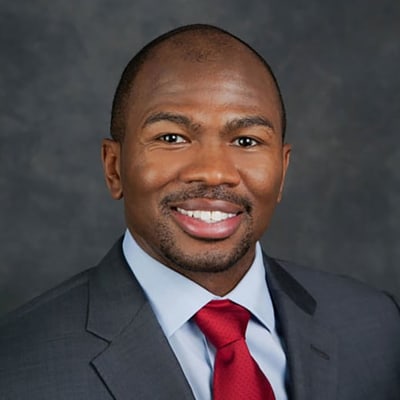
Why I Chose Faith and Family Over Football | Eric Decker
Transcript
Click a timestamp to seek the player.
I think it takes time to think about what is your passion, you know, what do you enjoy?
Yeah.
And how do you, how do you involve that in, into every day? I understand we all have a responsibility to take care of ourselves and, and a family or whoever that may be, uh, so you have to provide financially in a sense. But how do you include your passions in that? And then once you do, like, commit to it. Same thing, like, commit to that, that direction and live in there. And like, and go through 6 months, go through a year, and then reevaluate. Okay, is this, is this what I want to do? No. All right, I'm going to pivot here. If it is, you know, just keep putting your energy towards it. But I think it comes down to just kind of like taking a step back and looking at like, all right, what do I love to do? You know, uh, do I love working with people? Do I love, you know, building things or just being, being a part of some service industry? Like, you got to figure out what that is that gives you that fire within.
Hey everybody, Dr. Josh Axe here. Welcome to the Growth Lab, where each and every week we cover the science behind How to grow yourself, your health, your wealth, and take your career and relationships to the next level. Today we have Eric Decker on the podcast. Super excited to talk to him today. We're going to dive into how to go from really how to, how to change your identity. I mean, this is something that I think is so important for people, uh, is identity. Who are you, or how do you become someone, someone new? How do you reinvent yourself? We're going to talk about those things today. But Eric has had an incredible career, an incredible NFL career, uh, with Broncos and the Jets and the Titans. He was a leading receiver one year, and he's a person who, you know, actually one of his other— this isn't a claim to fame, but he grew up close to where my wife and my family grew up in Minnesota. Uh, and so anyways, we're going to talk about a lot of stuff today, but we're going to talk about, uh, you know, the, the, the pro athlete mindset, but also how to translate that into success in your business. So, hey Eric, thanks for coming on today.
Yeah, I appreciate having you, Josh.
Well, cool. Well, I know we got introduced through Andrew through the East. I know. And they're, you know, I actually went online because I hadn't seen many of your interviews, but went on, watched you on a couple things, their podcast, which is a great podcast you guys did. And, um, one of the other things I, when I, we were watching, um, the Titans play, this is a few years ago, and you, you caught a big catch. I think it was to get in the playoffs or first early on in the playoffs.
Yeah, Kansas City playoff game, first playoff game.
Yeah, that's right. So I remember, you know, huge game. We were watching with my family, get, so our, uh, with my wife and her parents and who all grew up in the Limerick Minnesota. Yeah. And so, you know, and they shared with me at that time, oh yeah, Eric, you know, grew up like 30 minutes from where we lived. And so it's a, you know, it's a small world.
It really is. And, uh, it's, you know, it's a great place to grow up, both Midwestern boys, right? Um, I think the value system, very rural area I grew up in, so sports was kind of my outlets to get out of the city in a sense, you know, a lot of farmland, a lot of lakes, but just a great place, uh, and sports was everything. And so Wilmer, we had some battles, you know, in basketball. And, uh, man, just good to bring back those memories of the younger years.
Yeah, my father-in-law last night, he was asking me, he said, hey, what do you have going on this week? I said, well, I'm actually interviewing just a few people. I interviewed Aaron McManus yesterday. He's this incredible pastor. I told him about, you know, interviewing you today. And, uh, yeah, he had said, he said, you know, I think Eric could have gone pro in 3 sports. He was like, he's a great baseball player, basketball player, football player. So anyways, he was sharing with me some of the, you know, hometown rivalries. But, you know, I know you and Jesse, you guys have been in the spotlight a lot, and you guys could lived anywhere. You could have lived— again, you, you played for the New York Jets. I know that you guys probably maybe spent some time in LA and Denver. Why did you guys choose to settle more in sort of a Midwestern— a big city but feels like a small town— here in Nashville?
Yeah, well, I think Jess and I, again, go back to values. Grew up very similar. I mean, she was a military brat. I got to, you know, be raised in one spot. But just the way we thought about life, religion, you know, uh, and just lifestyle, it was this was a community we wanted to raise our kids in. And, uh, you know, she was in the— she's in the music industry, and so she came here in '07 chasing music. And so this was home for her. We met 2011, decided this is going to be our kind of off-season location. And I just fell in love because, like you said, it's, it's centralized. It gives me a Midwest feel with some Southern flair. Yeah, easy to get to places, whether it's New York, Florida, back home to Minnesota. And I just love the people, you know. I just like right away got infused with the community and just made so many friends. And like, to me, it's important important to have community. And so, yeah, I love it here. Uh, our kids love it. Like, we're not going anywhere.
That's so great. Yeah, I know. I, I felt the same thing. Like, I, we moved around a little bit, um, growing up. I lived in Ohio and then Kentucky and then Georgia and Florida, and then Nashville's been my favorite city I've lived in. And it's mostly because the people— there are so many great friends and people here. And also, it's becoming really entrepreneurial. I mean, there's a lot of business leaders moving here. I was talking to someone yesterday who lives in Austin, and they were saying, yeah, everybody's either moving to Austin or Nashville, it seems like, a lot.
Yeah, I mean, two great Southern cities. And I think to your point, just the spirit of entrepreneurship and really the, the culture and the vibe the cities offer. You know, Nashville, you talk about just downtown, you go to Broadway, but outside of that, like, you, you have a lot of character and a lot of history in the music industry and now in a lot of different industries. And so you got the balance of both worlds, a good place to, to raise a family but also get your entertainment factor.
Yeah. Yeah, absolutely. Well, you know, one of the things I want to ask you about and one thing I had heard you say once before, and this was on an interview, was, you know, and I think this might surprise some people because you, you're obviously an incredibly fit person. You've had so much success in your career. You've got a great family, but, but you struggle a little bit with even feelings of depression and anxiety and mental health. Talk to me a little bit about that and maybe some things that you started to do to come out of that.
Yeah. Well, you know, it's, it's all kind of unraveled for me. I just kind of gone through the spell, you know, I think after I retired, I wasn't really ready to be done. I think I put so much of my energy and my worth and my value into the sport of football that, like, I didn't realize, okay, well, who is Eric outside of football? That, that was my identity, though. I had a healthy family, obviously a loving family, but it's just like, okay, that was everything who Eric Decker was, and now you gotta pivot and kind of, like you said, change who that is, rewrite the script of, of your journey now. And so, you know, I, I, I've kind of, with COVID too, like found myself isolating and just like was just, just kind of stuck.
Yeah.
You know, and, uh, I kind of got out of that with a group of friends and just, and just like this, the spiritual journey honestly is what it was. I think I lost the spirituality of myself that has now renewed in a sense. And wow, and it's kind of been my foundation, you know. And I think, uh, so many guys can probably relate athletes-wise that like once you retire, it's like, hey, well, what gives you the same fulfillment, you know? And maybe am I putting too much into sports to get fulfillment from it instead of having that balanced lifestyle? So yeah, it's been a journey since I've retired, and it's been healthy because there's so much growth that's come from it and so much like looking back, you know, even childhood stuff and like kind of what certain triggers are and like of realizing, all right, this is who I am. These are maybe the, the positives of my personality and character, and these are some of the, the downpits I need to work on and focus on. And so it's been super enlightening and really uplifting to kind of surround myself with guys that are on this path with me.
That's so good. You know, I, I think about this when we talk— when you talk about identity in terms of— and this is one of the things that I've learned over the years in studying psychology, is that we tend to have our identity tied to something. It tends to be a role, and then the responsibilities that delayed. So, it's like, hey, you were a tight end on an NFL team and you had a very, very specific role on that team that gave your life meaning. Well, hey, when that sort of that thing that you spent so much time and effort on goes away, what's the new role with responsibility that has a lot of meaning in life? And I think tying and being aware of the spiritual component is so important because as a dad and as a husband and as a leader of a business, You know, some people might say, well, you know, might feel like it's less meaningful. But when you sort of tie in the spiritual and eternal aspects of those things, it's like, no, you being a father and a husband and a leader to many people, that can be more meaningful.
Yeah.
You know, is that something you've been able to experience?
Yeah. Oh, I mean, 100%. I think that perspective was given and like stepping back and realizing that was super important. And I think you talk about success and, you know, for me, success was statistics, you know, maybe contractually what was I getting paid and all these things, winning games. But in real hindsight, success isn't really measured that, that way for me. It's just measured by the impact that I have on my kids and my relationships with my wife and those close to me. It's the impact that I have in my community and, and at, you know, uh, the businesses I'm involved with. And just like leaving a legacy in that sense. And I think I'm realizing like you don't have to make money to be successful. You don't have to have, you know, fame to be successful. Success is like making a difference and like leading from within. And I think that was the biggest, you know, wake-up call for me was like, I'm super blessed. Like, I've worked my tail off to have kind of the first career of like a football player, you know, marry a beautiful, successful wife, have amazing, you know, 3 children, 1 on the way. And like, like, life is good. And like, you should be very grateful. I think gratitude and humility and all those things are daily practices that help me kind of like get to this place of like, all right, I'm good. I want to go out and help those that are struggling.
Yeah, it's so good. You know, one of the things you mentioned was just this spiritual component. Maybe it's something you grew up with, but you know, you get in your career. Maybe it's not something you focus on and it's something that's, that's kind of regrown in you. What does that look for you? Is it going to church? Is it Mass? Is it certain spiritual practices, reading? Like, what are some things you do to kind of grow and strengthen your spirituality for your, for yourself?
Yeah, yeah. I think I just got away from it all, you know, going to Mass. I grew up as a Catholic, uh, but going to church, being a part of that community, uh, you know, reading the Bible, yeah, uh, conversations with other, other men in that, uh, space. And I think now it's, you know, uh, meditation or it's just, you know, reading in the morning and kind of setting the tone for the day. It's good. Yeah. And, uh, and having purpose and being intentional with what that looks like. And, and then having small groups, you know, I've gotten into that where it is uplifting because obviously life's hard, you know, and you got to have other— especially as a, as a, as a man— other male figures in your life to just work through life together.
Yeah.
And, uh, to be able to talk about it. So that's been super helpful. And yeah, and going back to to church and, you know, being a part of the community again. Like, those are things that are staples, uh, that have really given back a lot to me.
That's good. You know, through your career— and, and I'm not, I'm not aware of this with you because I haven't, you know, read as much in terms of your health habits— and so I'm curious, you know, how big a part of that is that of like— now I understand, like, in the past you might have eaten to bulk up and get stronger and get faster, and so maybe there is a level of you being really conscious of your nutrition. That— were you conscious then? And then also, has it changed? Is it the same? Like, what does that look like?
Um, I'll say I've not eaten as much. Yeah, luckily you get, you know, meal preps for you, and I was, I was eating pretty clean for the most part. I love to indulge in some donuts and, you know, pastries and kind of have my fix, but for the most part, eating pretty clean. Now I kind of find myself naturally almost fasting for the morning, and yeah, uh, and then just again, just eating clean, eating less calories, truthfully. Yeah, I got a garden out back, we got chickens at the house, and so really, wow, really use, you know, those— the produce and the eggs and all the fresh vegetables, uh, in our daily meals. And my wife has her third cookbook coming out here next week, and so she loves to cook. So it's kind of a yin and yang in that sense. So we, we love to cook, and I think just having homemade meals is important. It's not only important for the nutritional factor but also the gathering of, of our family and having that time to to share in the day and stuff, you know, right? So important. Uh, and so we love food. Uh, I love food, so I'll eat anything, truthfully. Like, yeah, so at that point where I'll eat anything.
Yeah, yeah. Some people have the metabolism, you know, to, to be able to handle— I mean, that's the way my body is too. I can eat anything. I mean, I try and eat super clean, but, but it's, uh, and a lot of real food, you know. We had a couple weeks ago Carrie Underwood was on, and then, do you know her and Mike, Mike Fisher at all? I, I thought you might. So they— I've been out to their property. I mean, they have the most epic greenhouse and orchards and chickens and everything like that too. So So anyways, we're, uh, Chelsea and I are looking to, looking to do that soon. We're kind of in between here and Puerto Rico right now, but that's awesome when we get our next spot. So one of the things I think I read somewhere is that you guys built your dream house. And so, you know, how's that, how's that been? Like, what are some of the things that you were saying, this is what I want our house to have in order to be a dream house?
Well, I know that's what the, the headline said.
Okay, okay.
We're trying to actually sell our house for a hot minute, and they were like, you know what, no, we're not going to do that. We are looking to build, and I probably still will at some point. But when you get older and your kids become like the front of, you know, your mind, school's important, convenience, right? Get— where's, where's school at? Where's work? Where's the airport? And so where we're at currently, uh, has a lot of convenience.
We—
I mean, I love our house. We got enough acreage to, like I said, have a few, you know, dabble into chickens and garden and have a backyard for the kids to roam. But also a comfortable living situation with, with convenience, which I think I, I value so much right now in this phase of my life.
That's so good. I'm talking for a minute about leadership because, you know, in the NFL, I know you've had the chance to play for some great coaches, maybe, uh, play with some great players and quarterbacks. Talk to me about— and I'm actually just— this is a question before we dive into this. I know you played with Peyton Manning. Did you play with Tim Tebow at all?
Oh yeah.
Any other? Okay. So I would love to hear, you know, about coffee with Tom Brady. Wow. Okay.
A couple weeks.
So, so hey, let's So let's talk about those guys. Let's talk about those 3 quarterbacks in particular. What is something maybe you learned from them and their ability to lead?
Yeah. Well, Tim, I've gained so much appreciation for him as, you know, I've gotten older and got to spend time with him. The work he does, obviously outside of sports and careers he's built, like, you know, the child trafficking stuff is unbelievable. Yeah. The work they do there. But he, in terms of leadership, You know, and you watch The Swamp on Netflix, but his work ethic is unlike anything. I mean, I told someone a story. We'd be out there doing sprints after our workout. He's got a weight vest on and he's like beating every skilled position in the run just because of his endurance, but also his will. And I think, you know, that is one way to lead is by example. And he was so good at that. Obviously vocal at the right times. Um, you know, I look at Peyton and, uh, his leadership ability was kind of in a sense like balanced. On the field, he was the general. He was, he was 18. There's, there's, you know, a reason for how you practice, why we practice the way we did, and, and full effort was all there. Off the field, you got the lighter side of him. Very dry humor, uh, love to gather people. Um, you know, camaraderie was important. And so it was, it was fun to see those differences for the most part in the locker room in Denver. And, you know, my short stint in New England, same thing with, with Tom. I mean, just so much respect, the way he, you know, he presented himself in the meeting rooms, on the practice field, the way he took care of his body nutritionally, physically. Um, and, you know, just the relationships. I think that's the biggest thing I take away is just They have relationships with everyone, you know. There's no little cliques. It's important to get to know everyone, ask deeper questions, because the more you care for someone, the harder you're going to work for them. That's right, you know, in the trenches and when times get tough. And so all those guys, you know, gained a lot of respect from their teammates for that, man.
I mean, that, that's a great lesson for CEOs and entrepreneurs and even parents. I mean, the more you can go and build those meaningful relationships— I, I see that in terms of just being key quality of leadership. Anything else that has stuck out to you when you think about the best leaders you've ever known? What are one or two qualities that you would point out that, you know, they all had this, this thing?
First word that comes to my mind is consistency. You know, they showed up every day with the same mentality. You knew what you're going to get. You get a guy that's going to show up, he's going to do his job, he's gonna, he's gonna be there all in mentally, emotionally. Physically for that matter, as long, you know, not bearing injuries. And, uh, I would say just confidence. I mean, you got to have confidence in yourself to put yourself in a position to succeed or fail and have, you know, the chips fall on your shoulder in a sense. These guys, when you win, good job to them. You lose, it's your fault, you know. And I think being a leader That is something that, you know, a lot of folks may have a hard time with is taking the responsibility of, of the, of failure and success.
Yeah. How about with coaches? You know, when you look at whether it's the college level, the Nick Sabans and the Dabo Swinneys, or the pro level like the Andy Reeds or some, you know, some of those legendary coaches, what are some of the things that they do in order to create a great team and organizational culture?
Culture starts with, I think, respect, trust. I mean, obviously we know Alabama can now recruit the best athletes, and NIL changes that drastically. But I think across the board, great coaches— and it's different because you look at Bill Chickens, it's like a system. This is my system, you're gonna fit in it or you're not. And, you know, yeah, those that do are gonna, you know, come to work, show up, and do what he asks. Andy Reid, on the other side, I mean, he's probably a little bit more flexible in personality and how you carry yourself. But you find a way to get the best out of your players. And so obviously there's a lot of research in like a player, their background. And I think when you, when you kind of mold a team, you got to have that leader, but you got to have guys that, that want to follow as well. And, and, and those guys just know how to put people in the right place and say, hey, Here is your environment. We give you everything you need to succeed. And, uh, John Fox, to me, I think of like an Andy Reid, just like a little bit more personable, cares about you, is going to have deeper conversations outside of football about family and ask, yeah, you know, ask about your wife, ask about your kids, ask about how your parents are doing. And those things I think are so important because you trust them, like you care for them and you want to kind of give all you got for them.
What are your biggest takeaways from watching someone like Deion Sanders right now? Obviously, I mean, he has, you know, done some really incredible things in a short time in his stint as a college football coach. Well, what are some of your biggest takeaways of why he's become so successful?
Well, one, he's Deion Sanders. Yeah, one of the GOATs. But I think he hit it at the right time. You talk about NIL, like I'm saying, yeah, transfer portal. You know, if I'm an 18-year-old, 17-year-old, I'm going to go play for a Deion Sanders who it's like the lights are on. You got Terrell Owens there. You got, you know, you name it.
Shaq, Shaq, Dwayne 'The Rock' Johnson, everybody walking out with a rapper.
Like, you got this place where you can touch a lot of these people you look up to. And, and there's eyes on that program. So, you know, okay, well, the next level is keeping eyes on that program. As well. But culturally, I assume, just being from afar, it's the same thing. The, the kind of builds this environment of success through confidence and through like swagger and through like, hey, we're gonna work hard, but you know, we're gonna, we're gonna do it with some swag. And, uh, you know, I think guys can, can relate to that and want to, to be in that environment.
I mean, this is something I, I had a— I have a mastermind group where I coach doctors and leaders and how to build and grow their business. And one of the biggest things I've seen— I'm— this is not something I I think a lot of people talk about now, maybe it's talked about in NFL circles, but I've noticed that people that grow the most successful businesses, there is a swagger, there is this confidence to where, hey, they, they fail, they get, you know, they get knocked down, they just get right back up. They don't even think about it. They don't even think twice. They just keep going with that. Are there any— is there any advice for anybody on how somebody builds that type of confidence over time?
Yeah, that's, that's so great because I feel in a sense I lack it myself, and I get it from my wife. My wife is that way. I think I get tied up emotionally in hard decisions or maybe in failing times in a business setting or something. But for her, it's just like, all right, turn the page, on to the next. And I think real leaders like that aren't afraid to take chances. Yeah. They believe in themselves. They believe in what the ultimate goal is, and they get people to follow. And I think that's, you know, just in masses, you're so much stronger. And life, you're going to fail. Like you are. There's going to be hard times no matter what. It's not a perfect, you know, journey, right? And so these people can motivate you and have that mindset, like I'm saying, that aren't afraid to take chances and afraid to fail because they know, all right, well, that's fine, I didn't win that battle, I'm going to win the war. Yeah, in a sense. And it's a long-term thing.
So that's good.
I love having her by my side because it kind of rubs off and gives me the ability to— all right, like, different perspective, look at this differently. Hey, you know, let's, let's just pivot or move, move on, turn the page.
I love it. So I picked up a couple things there. So one is, I mean, the people that we're around is really important. If you haven't got a quarterback telling you, hey, you can do it, go get it, or anyone in your life or your spouse or a close friend, that, that's, that, that is key to building confidence. And the other thing is, is not seeing failures as an endpoint, as it's part of the process of growing and getting better. So that's, uh, that's good. There's, there's a lot of wisdom there. I love that. You know, I know that you've gone from— we've already, we've obviously talked a lot about your NFL career. I want to talk a little about about your entrepreneurial career now because you've made this transition. Talk to me about how difficult the transition was, because I don't know if you— again, I don't know if you got a business degree in school or if you were kind of had any business training or if you were kind of like, I went from being an NFL athlete to an entrepreneur and sort of what that transition has been like.
Yeah, I've always loved, I guess, business. Went to school for marketing. I redshirted my first year. So I actually was getting my master's in management, business management. And so the transition, in a sense, I mean, it was still hard. Like, you can't replace real life experiences. And so I retired and kind of, you know, enjoyed the first 6 months. And then I'm sitting on my hands like, all right, I need, I need something to put my energy towards. And my wife started her brand, Kitnish. And so I found myself infusing myself into the business. And, you know, I think just the, the early stages of mistakes, you just learn mistake after mistake. Okay, I can't do that. All right, here, here's the, here's the pivot. We got, we got to change it. And, and it was like thrilling because I remember, you know, thrilling and, uh, stressful because I'm up all night trying to like study about, uh, fulfillment or about, you know, shipping. Oh yeah. And all the different aspects of a business. And I think now looking back, it gave me something again to like grow as a business person. And, you know, I found my way luckily in Nashville, get into real estate early and just kind of get into the spec residential side and multifamily side where, you know, luckily location is everything, but also just the time of real estate. And so like, was able to set myself up. I feel like I love to study things. I don't just jump into stuff. I like to kind of, you know, wait it out, talk to a few people and then say, okay, let me try it out. And so I think now post football, 5 years, there's ventures now that, all right, what do I want to align myself with? What's important to me that's going to wake me up and like be excited to go try to, you know, scale a business or like make a difference in someone's life. And I think those are the things I want to get get involved with now. And so that's kind of, for me, uh, the biggest, I think, takeaway of, of like being in this space of entrepreneurship is like, want to be with the right people that understand, you know, how to make good choices. Yeah, how to set yourself up for success, but also like what makes you feel good, you know, what, what's gonna kind of get you going, I guess, get your motor going.
That's good. Good. So, so how has it been working with— I mean, because your, your wife and you were both in the business, right? Yeah, I worked with my sister here. I'm just— I'm— yeah, yeah, I'm interested to hear this.
Yeah, uh, it was good and there's bad times for sure. Yeah, I mean, it's tough working with your spouse because the hard— I think the hardest thing is you don't know when to shut it off, right? I mean, yeah, 7 o'clock at night, hey, uh, this, this question's outstanding, what can I get your feedback? Like, no, we're home, like, let's be home. And so Um, it's, it's funny you say that because over the years I've kind of transitioned myself out. We got a team that, uh, can handle it. Like, they don't need me. So I'm like, all right, I'm going to remove myself because I don't need to have the, the conversation that inflicts something with, with my wife about business, you know, and kind of cloud the business personal life, which I think in general gets tough because people work from home now. And, you know, there's, there's that balance of especially working with your spouse. Um, but yeah, we've had our moments, but I mean, it's, it's, it's been a lot of fun too, because you kind of like, this is something she's had since a young girl. Uh, Kittenish was a name that she's held on to, and she's always loved fashion because she's a creative person. So to see it come to life too and, and kind of like support that is super like, you know, just fulfilling.
What are some things you've, you've, you've learned from your wife about just entrepreneurship and success?
Well, I think we're like, you know, I said yin and yang personality-wise. She is someone that's super quick, very creative, not afraid to take chances, sees the bigger picture. I mean, just also just like, like, like she'll grind and she'll, you know, she'll go day by day and she won't get out of your face until you say, okay, yes. You know, I'm like, oh yeah, I kind of like that because I'd be like, all right, I'm leaving. And so, again, I think the biggest thing has been just the confidence in decision-making and perspective of failing. And then, yeah, just the confidence about yourself.
That's good. That's good. Well, what's your advice for entrepreneurs who are getting started? Like, what are some things that you would recommend as you've kind of learned over the past, you know, 6 years or so? That, hey, here's some really important things to consider and that are important to being a successful entrepreneur.
Yeah, build a business plan. We didn't, we didn't do that. Yeah, yeah, we honestly, this business started as like a, a hobby in a sense because we first started the brick and mortar actually in the Gulch, and then it turned into an online business, and then it turned into a business, and there was no plan of like, okay, how do you grow this thing strategically? And so we were kind of figuring out Phase by phase. But I would say, yeah, if you're passionate about it, like, go into it. Like, like, believe in yourself. Like, you live once and you're going to regret if you don't get that opportunity. And then with that being said, obviously be prepared. I think having a plan— and plans pivot, you got to change, you got to adapt— but, but, but have a plan of how you're going to grow that business. And now with, you know, Shopify and the Amazons and just, uh, social media, you have the ability to reach people and build a community, which I think is super important too, is, is like, be true to yourself and, and tell your story and, and be authentic. You know, I think people understand when you're not being authentic, and that's, that's so important. And so if you have kind of that it factor with some kind of structure, you know, um, you're gonna have success.
Yeah, that's good. That's really good. You know, I, um, I was curious about just, you know, relationships. You know, I, I think that, um, you know, when I look at a lot of people that— if, if we would look at the statistics, which I don't know what they are, maybe they're not even out there, of celebrity couples, people that have built really, you know, whether it be, um, you know, musicians or, or actors or professional athletes, and when they get married, what their success rate is. Yeah. But it seems like you guys have a really great marriage. What what are some things that you guys have done to cultivate a healthy marriage?
Yeah, it's— we always joke, like, the Hollywood— being married for 10 years in Hollywood is like 30 years. Yes. Um, but I, I think that the biggest thing I go back to, like, our belief system and our values aligned when we met. And I think that's so important because when you get into life and have kids and have more stressors, if you don't have that foundation together that and the communication, like, things are naturally going to fall apart. And, um, you know, even going through like the hard time and the depression state I was, I was going through, like, she was still there. She was still my rock. And I probably wasn't as present or, uh, as nice of a husband or person that I should have been. And so, like, we had each other's back. Like, we, you know, uh, when we got married, we, we had the vows that we're gonna be together for life. Yeah. And, um, and, and that's so true to just, just just, you know, making decisions that are based around your family. Is this good for us right now? Is, is this what we need right now? And aligning kind of long-term vision with short-term goals. And, uh, like I said, just, you know, we believe the same thing, we want to raise our kids the same way, we want to, you know, we value the same stuff. And so those things have meshed. And so yeah, you have hard times in life, but you're able to get through them because like you love each other, you know, like, yeah, we're like, we're doing this together, you know, we're stronger as a unit than we are alone. And so, um, you try to push away all the outside noise and, and, you know, kind of the stress that comes with it and just focus on like what's truly important. Because I think at the end of the day, that's, you know, when your time's up, that's what you're going to value the most.
Yeah, I take away a lot from that. By the way, I think this is a really, um, I, I think you gave some really great advice there around one commitment, right? It's like, hey, we are committed to each other. I mean, it's something you actually brought up earlier in the way when I asked you what makes the best, uh, you know, NFL players, and you were like, consistency, commitment. It's that very similar thing. I think another thing I really took away was you guys fight for each other, you have each other's back, right? I mean, that, that's such an important thing in marriage. You're not rolling your eyes, you're not— you're saying, hey, I'm gonna— hey, when you're down and out, when you're not feeling good Hey, I'm gonna fight for you. And I think that's, that's something great there. And there's something else I think is so important is that this idea around like our priority, our greatest priority in the world, number one is not our career. It's not, you know, the applause from the crowd. It's, it's our family. Yeah. What's best for our family right now. And so the, the part of the career is for the family, not to say they're not their own things and not that they can't impact people, but man, that's a, that's, that's a real, you know, there's some wisdom there. And then priorities because you guys have a lot, I mean, there's a lot lot, a lot going on in life when you have, you know, 3 kids, a 4th on the way, and, and the small business, and then the other things I'm sure you guys do philanthropically and friend groups and everything else. And so being able to prioritize in the right way is really, you know, I see that just being just incredibly important.
Yeah, yeah, it is. And I, I think you're right, just you gotta kind of start from the ground up and build what is important. How do put most of your energy, your time there, and then, then fill obviously what else is important. You know, I need to work out, I need to take care of my body, I need to have obviously some, some time with other males. And you kind of, you know, you fill your time appropriately, but you, you gotta, you gotta put your energy and a lot of your time into, into your family, into, into those relationships.
That's so good. And one of the things you were sharing is that you've been able to cultivate and create a great group of friends here. Yeah. You know, one of the things I've noticed is I've worked with people from a health standpoint or psychology or just a number of things is, you know, we're going through one of the things that a lot of psychologists will call the loneliness epidemic. In fact, when we look at search terms online, the word loneliness and sadness and isolation, I mean, these are up. I mean, not just— I mean, they skyrocketed during COVID but they're still up. Yeah, they're still up. And so, you know, what are some things that you look for uh, when, when deciding who you're gonna be friends with, or I guess in creating a great group of friends?
Yeah, no, that's such a great question. I mean, connection is kind of a word that I thought about when you're saying that, when you're saying that, because, uh, the guys that I'm with now, usually they're school dads as well, you know, so you kind of become friends with your kids' dads.
Yeah.
But also, um, like, they're on this journey to, of betterment as well. Like, they want to, they to be a better father, they want to be a better husband, they want to be a better friend.
Yeah.
And so you can practice. So we have a group that we go, we work out in the mornings a couple days, 3 days a week maybe, and then also have some fellowship with it. And, you know, super important because you can trust these guys. And we just did actually a trip to Chapel Hill to watch my Gophers take on, uh, North Carolina. And so we got to play some golf and just, uh, That to me is important, someone I can share life with. Yeah. And, um, you know, obviously our kids have a bond or relationship, but also as a man, you have a deeper connection and conversation than how's the weather or how's your family doing. Yeah. You know, hey, like, I'm going through this, you know, give me some feedback, um, or what do you think about this decision, you know, just kind of having that, that group, uh, that I think is super important. Like I said, just it's the connectivity of it, you know, kind of, kind of makes you feel wholesome.
Well, and one of the words that I picked up as you were sharing this is that, you know, uh, you, you said at one point, essentially, everybody wants to grow as a husband, grow as a dad, grow in their fitness. This is sort of like this growth mindset, is everybody wants to grow, everybody wants to get better. And that's really important in friendship, right? And for somebody who, who, who wants to be more successful, I— that's something I've I've, I've discovered as well. Like, when I think of it, it's this Proverbs principle: iron sharpens iron. You know, it's so, it's so, so important. I love that. You know, you've been able to play for, as we talked about, some great coaches, been around some great, uh, you know, some, some great minds. What, what is maybe— what is either the best piece of advice you've ever received, or just a piece of advice that just, that shifted your life in some way?
I think, you know, maybe as recent as this past year is just like, like, do everything with love, you know. I think it's hard because I look at— we talked about depression being up, anxiety being up, especially in our adolescent, uh, and teenagers, you know. And I think a lot of it's due to this world of social media creating, you know, like hierarchy, like who's, who's getting more likes, you know, am I popular enough or whatever the case may be. But I think, you know, you do things out of love, you know, you, you love, uh, obviously those closest to you, but you love those that may not be. Um, every decision or every thought, try to come with like a foundation of love. Honestly, I think that just makes the world a better place. Yeah. And that's been kind of my mindset is I don't want to do something to like, you know, build myself up that hurts someone else, you know, is that really advancing, I guess, myself?
Yeah.
I want to do something that uplifts people and does it with kind of, you know, a feeling of love that everyone benefits from. And so I think that would be kind of the biggest lesson in life in a sense that has been kind of preached on me recently.
That's good. Are there any particular Bible verses or words or thoughts that kind of align with that or anything else that you've maybe read in the past year that have stuck with you?
A lot of stuff in the Corinthians, I guess. Um, yeah, you know, I, I guess just being very vague, it's just I think a lot of it deals in the sense of, of just, yeah, I, I think foundation of love. And yeah, that's kind of what I gather and, and have gained from it.
Yeah. And that's what I've been meditating on the past few years because one of the things I realized is, you know, you're referencing Corinthians there that love is patient, love is kind. Those two actually, two for me, I remember I started meditating this a few years ago. I'm like, patient, wow, that's, you know, it's a bad word. Yeah, that's a, that, that's, that's the big one for me that I'm continuing to work on is that, uh, you know, because love is a lot of, you know, it encompasses a lot of those things and some things that sometimes we wouldn't even think of. But it's, um, that's a good one. That's good.
And, uh, I just read a book top of the year with a buddy, The Love Book, and it's, it's cool how it challenges you every day for I think 30 days 40 days. And it's the concept, obviously, is love. So it's, it's, it's some verse, uh, that speaks about love, and then it's an action, uh, just to make yourself intentional that day of like, okay, well, what can I do for my spouse or for a friend that is intentional with, with love? And it kind of starts building these habits. As we know, it takes how many days to build a habit? So that's, that's been kind of the kickoff, uh, for me on this journey.
That's so great. Great. You know, you mentioned, uh, you'd mentioned Tim Tebow earlier and some of the things he's done, and I've been just an admirer of what he, he's done in terms of his Night to Shine and some of his other, other philanthropic efforts. You know, I think one of the things today that maybe sometimes people mix up is fame with success or making money or whatever it is with success versus, well, that can be used for bad or be used for good or just be absolutely neutral. How conscious are you of that kind of in this next phase of your life is saying, Hey, how can I use my fame, my money, my influence towards, towards the good?
Yeah, super conscious. And I think in our society, our culture, especially in America, it's, you know, a place where you can be a business person and be an entrepreneur and go and create something and make a lot of money doing it. But at the same point, being conscious of, all right, what do I really want to accomplish? What does that path look like? And I think success isn't so much measured by fame money, you know, accolades. It should be by, you know, how you've impacted that person on that journey, or, yeah, you know, that how you pull someone with you or a group of people with you and impacted, you know, generations at that point. Um, and that's, that's something I think about. And when I get involved with something, it's like, how, how is this making an impact? Is this making me feel good? Is this going to make a change for someone? And, you know, a lot of stuff has been in kind of the preventative healthcare space because I feel, you know, it's a broken system in a sense. Yeah, you go, you go to the hospital or a doctor when something's wrong instead of being like, hey, what's a preventative way? How do we, yeah, teach people to, to be physically active, to eat right, to, you know, meditate or find a way to like mentally and emotionally find, you know, ground yourself? And so all those things are— I've been— they've become super important on, on this, this part of my life. That's so As you said, iron sharpens iron. We just had this conversation— people sharpen people, you know, to say, yes, it's the same thing, you know. These conversations obviously, you know, I think make us better people because we challenge in the way we think or talk or, you know, believe.
Totally. I mean, that's why I love doing this podcast, is I learn every time. I mean, every time I'm doing something, I— it's helping me grow, it's helping me learn. And so I love these conversations. And I think one of the it's the most fulfilling part of my life, as I think you just kind of shared it was with yours, is this thing of like we're meant to go through life together. Like when we try and go through solo, do it all ourself. Yeah, it's just, it's lonely and you have less impact, right? So when you're going through with that mindset of, hey, I want to grow and I want to help every single person around me grow, and then everyone else in your group has that similar mentality, it's sort of this rising tide lifts all ships and it just, you know, it makes life more meaningful. And I think it's this other thing of like like if you are around people that are doing things just for themselves, right? Versus you're around a group of people that are, they're loving, they want to contribute to others, they want to help others in need, right? It's just, it convicts you in that way. And that's what I think, just bring 'em up one more time, like someone like Tim Tebow, where he might not have had the quarterback talent of someone like a Peyton Manning. But you know, when I, I watched a part of a documentary on him, And a lot of it was his philanthropic work. And I was so convicted after watching it. I was like, man, I like, I want to do more.
Yeah. Yes. And I just went to his, his gala not long ago and had the same feeling walking out like, wow, like I need to do more. And this guy is unbelievable the way he's impacting so many around the world. And, you know, when I was playing with him, you know, you have a different perspective. Like, well, we're here to play football, you know, we're here to win games. Yeah. When you step out of this, like, oh wow, like, you know, he hasn't changed. He is who Tim is, and I appreciate that about him. And he wasn't afraid to showcase his belief, uh, you know, or just the person he was. And so what he's doing now is so much more impactful than, you know, maybe going to the playoffs and being the Pittsburgh Steelers. Yeah. In 2000 2011. Like, no one's going to talk about that. They're going to talk about what he's— what he's changed in our world.
Yeah. So, so we were talking— so we wanted to start part of the conversation with you talking about— again, I told you my father-in-law was like, Eric could go pro at baseball. You know, he was just listing all the, all the things. And so you, you grew up as an athlete that had a lot of success. Talk to me about, you know, young athletes. If we have parents watching and they said, you know, I want, you know, I want to help my kid develop and become the best athlete they can be, what is your advice to those parents in helping those young athletes athletes.
Yeah, they got, they gotta enjoy it. Like, you got, like, the kids have to be passionate about the sport. And you know what's hard nowadays is everything's so specialized, and, and I always have a hard time with it. I actually have a gymnast daughter, and it's hard because that's all she can do. She's spending 12 hours in a gym a week, and like, she's 9 years old, and like, wow, this is a lot. But she loves it, and it's like, okay, well, as long as you love it, we're gonna like support it. Yeah, like, if, if you don't want to do it one day, rangler back and not do it that day, which is fine. But in terms of like overall sports, I got like cross athletics, you know, playing baseball correlates to football, as I say, basketball, because those are the 3 sports I played. Like, I loved having the ability to play all 3 sports. Yeah, if I would have focused on one sport, I think I would have burnt out. So I think as long as you can allow your kids to do as many things, and then they'll determine what their passions are, and you know, uh, I look at it in the lens of an 8-year-old because that's the, the age of my oldest son. Like, do I do some private lessons with him? Do I do extra work with him? Like, I do it at the house, um, because we love it and it's part of our life. But I don't know if I'm there yet. I think as they get older, they're gonna, they're gonna figure out like, okay, I want to do this, Dad. Can, can you, you know, help me find a pitching coach? Or can you take me to, to run some routes or work on my my, my running. Okay, yes, like, let's do it. Like, it's got to come from the kid. Yeah, I think so many times kids get burnt out because either they're pushed too hard or because they're spending so much time in one sport and in one specific skill that, like, it doesn't become fun anymore. And so I, I think the, the ultimate takeaway is, like, the kids gotta love it and just let them be kids. Like, that's, you know, like, yeah, the percentage of making it to the highest level, like, yeah, we We'd love to have our kids go to college and get a scholarship and play, you know, professionally. But like, this— the percentage is so small. It's like, don't take away the fun to try to reach this, this goal that's super difficult.
Yeah, yeah. And I can see part of the mentality being, as we've talked about, like thinking about, you know, think about their future. It's like sports play a role in developing discipline, right? And developing leadership and the right mindset. So there's so many benefits. And I think there's studies around this, like kids that play sports oftentimes are more successful. They can be CEOs. So there are a lot of benefits around it. But thinking more about how will this sport also serve my child in their future, you know, when they're in their 20s and 30s and 40s, 50s, you know, just beyond.
Yeah, no, you're right. And I think the team building, how to work with others, is super important. The discipline, the commitment. Yeah. Uh, you know, I think the adversity, you know, how do you respond to failure um, and I think all those things, you know, to our point, is like it, it feeds the kind of will within you that you can withstand it when things get hard in life or in different ventures of, of life, whether it's business, family, you know, maybe finances or whatever it is. Like, you have this ability to be like, you know what, okay, I've been here, I've, I've dealt with adversity you know, I'm gonna, I'm gonna get through this and I'm gonna work with people and we're gonna build something magical. So all those things definitely transfer to the life in general. Yeah.
Yeah. What, what's your best piece of advice for, for, for everyone listening who wants to— we, one of the other things we were talking about earlier was reinvent themselves. You went from being, you know, all in, almost 100%, you're an NFL athlete, to now you know, a husband, a dad, a business owner, some of these things. Like, how does somebody create a new identity for themselves?
I, I think it takes time to think about, you know, what, what is your passion, you know, what do you enjoy.
Yeah.
And how do you, how do you involve that in, into every day. I understand we all have a responsibility to take care of ourselves and, and a family or whoever that may be, uh, so you have to provide financially in a sense, but how do you include your passions in that? And then once you do, like, commit to it, same thing, like, commit to that, that direction, um, and, and live in there and like, and go through 6 months, go through a year, and then reevaluate. Okay, is this, is this what I want to do? No. All right, I'm going to pivot here. If it is, you know, just keep putting your energy towards it. And, um, but I think it comes down to just kind of like taking a step back and looking at like, start. What do I love to do? You know, uh, you know, what do I love working with people? Do I love, you know, um, building things or just being, being a part of like, I don't know, some service industry? Like, you gotta figure out what that is that gives you that fire within.
Well, I think people enjoy what they're good at, you know, what God has naturally wired them to do, those talents. They should be working in those talents. And so, and there tends to be a passion with those, right?
Yeah, great point. That's a great point. Yeah, we were all born with special skills and abilities and, you know, how do you tap into those? And I think the first part is figuring out, you know, discovering what that is. Because sometimes you get clouded with like, well, I need to be doing this or I need to be making this amount of money. So I'll apply for this job instead of being like, well, this is what I'm, you know, really passionate about. This is what I'm good at. Like, let's find an avenue of how to, you know, develop that and let it go to work.
Work. It's so good. So, so right now, with kind of where you're sitting, thinking about your next 20, 30, 50 years, what gets you excited? Like, what are you excited about for, you know, in the future here?
Yeah, my kids. Yeah, yeah. Um, I, I'm in this phase of life, and I think sometimes, uh, I have to be reminded, like, dude, you're really lucky to, to be able to, like, be in your kids' lives so much. Sometimes I feel like, am I missing on, on something? Do I need to like try a little harder with, with certain things career-wise? Uh, but like, I've enjoyed watching them grow up and being a part of the, the pickup, the drop-offs, the, the sports activities. Our youngest is super into music and like School of Rock and like, like everything, just to see kind of how their spirits and, and their beans come alive. Like, I think diving into that and really loving that for, you know, this, this phase, uh, of life, which to— for me, it's going to be another 18 to 20 years. But besides that, I think really making an impact in my community. And I think, um, in the space, especially with kids, um, and like mental health, uh, with physical health, I think health in general. I'm I'm super passionate about, like I said, physical activity, like having mental and emotional, you know, health as well. And how do you, how do you teach these young kids how to kind of adapt those skills to get through adversity?
Yeah, and I, I think something that, you know, that's great about sports is it can build mental strength, which can help you get through some of those difficult seasons if, you know, they're learning some of the right lessons. Some of the things that you here today about the power of teamwork, the power of commitment, the power of encouraging others. And so anyways, I think that's, uh, yeah, I love that. It's so good. And, and, you know, we're living— it's just so interesting because when you look at the world today, there's like, there's, there's part of culture that says being a mom or being a dad, that's not that important. It's all about your career and making money. I think, I think there— but, but I think there's kind of things are swinging back and realizing no. Like, I, I mean, there's a quote by Andy Stanley and I love it, and it is the most important thing you might ever do in your life is not something you accomplish, but someone you raise. And so that really hit me in thinking about, wow, I mean, what an incredible honor and incredible, uh, calling to be a dad. Yeah.
You know, so yeah, when you put it that way, it just, it makes it like, you know, just I think the perspective, like, how important is our job as a father to build these kids? Because just, you know, my wife and I both came from, from broken homes. Uh, a lot of friends of mine have come from broken homes. But now that when I talk to other men that are fathers, like, they're super in tuned with their kids and a lot more hands-on, a lot more present, you know, in a lot of different ways. I think, you know, that is a good change to maybe, you know, how we're evolving as, as humans.
Yeah, so good. Well, Eric, thanks so much for coming on today. Uh, I want to encourage everybody to check out Eric. Where can everybody find you?
Well, uh, I'm not really active on Instagram, but I'm on Instagram. I think it's Eric Decker 80— actually, just Eric Decker.
Okay, Eric Decker on Instagram. Well, you know, I want to tell you, so my wife follows Jesse, and so this is probably 2, probably 2 years ago, and we love traveling, we love going through Europe, and so Chelsea's like, oh, you got to check this out, and I'm like, okay. And she just showed— she, she showed me a story of you guys. I think it was in Greece.
Yeah.
Or somewhere like that. Just try— how was that?
Oh man, we, uh, we were the people like during COVID we're like, all right, let's go. It's gonna be, you know, quiet everywhere else. So we, we traveled a bunch, uh, went to Greece for a few weeks and then kind of quarantined, I guess. So went to Italy for 2 weeks following. It was the best family trip. I mean, it was bananas in the sense of our travels from going one place for 2 days to the next with 3 kids.
Yeah.
And all the luggage, but You know, the travel is so important because I think too that, that opens your mind to, again, just different ways of living and, and perspective of, of, of life.
Yeah, that's awesome. Awesome. Well, again, everybody, you can find just Eric Decker on Instagram. Maybe he'll start posting and maybe he won't, but if not, you know, we'll, uh, you can, you can obviously watch this and share this video on YouTube. I want to say hey, thanks everybody for watching another episode of Groat Flap. If you're not subscribed, make sure to subscribe here. And also So, hey, if you're watching on YouTube, leave a comment below of your biggest takeaway from the wisdom that Eric shared with us today. I'd love to hear your biggest takeaway. We'll maybe share more about that topic in the future. Again, thanks so much to Eric Decker for coming on today, and thank you for watching.
The Dr. Axe Show is educational and not a substitute for care from your clinician. Disclaimer