
Advertisement
Advertisement
Dr. Axe Wire · Study decoded · health
A review of 1,114 stroke patients found hyperbaric oxygen added to standard rehab was linked to meaningful gains in swallowing function.
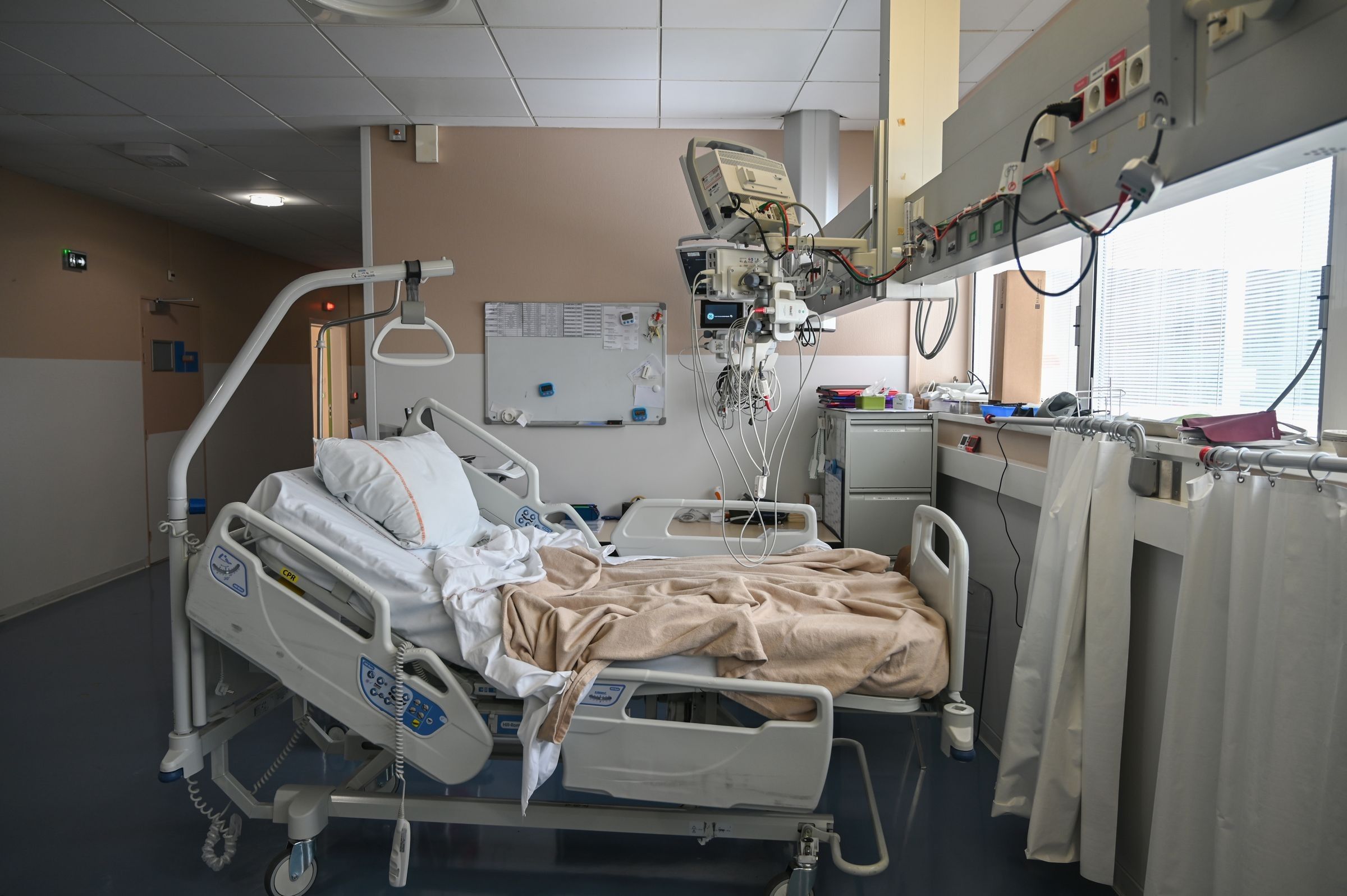
A systematic review and meta-analysis published October 23, 2026 in the European Journal of Medical Research found hyperbaric oxygen added to standard stroke rehabilitation was linked to better swallowing outcomes than rehabilitation alone, pooling 14 randomized trials and 1,114 patients with post-stroke dysphagia.
Researchers pooled 14 randomized controlled trials covering 1,114 patients with post-stroke dysphagia, all conducted in China. Every patient received standard rehabilitation (orofacial exercises, breathing training); experimental groups added hyperbaric oxygen at 0.2–0.23 MPa, mostly 10 daily sessions over 4 weeks (one trial, 6 weeks).
On a standardized swallowing assessment, adding hyperbaric oxygen was linked to a 0.81 standard-deviation improvement over rehab alone. A water-swallowing test score improved by 1.27 points, and a video-fluoroscopy score, the gold-standard imaging test, improved by 1.60 points. Patients getting hyperbaric oxygen were 28% more likely to reach a clinically meaningful improvement (relative risk 1.28; absolute risk not reported). Quality-of-life scores rose by 1.11 points, and a functional oral intake scale rose by 1.17 points.

Authors propose hyperbaric oxygen may reduce inflammation around stroke-damaged brain tissue and raise oxygen enough to rescue nerve cells involved in swallowing, based on referenced animal research, not this trial's own data. This review didn't test that mechanism directly.
Every trial came from China, and five of them included acupuncture in the control group's rehab, which makes the oxygen therapy's own effect harder to isolate. None of the 14 trials clearly reported blinding or allocation concealment, and the authors rated the evidence as low to very low certainty. For the imaging test and quality of life, their trial sequential analysis found the evidence still too small to be firm. The authors also note that clinical safety data for hyperbaric oxygen in this setting remain limited.
I like seeing hyperbaric oxygen tested on something this practical: helping stroke survivors swallow again. Adding it to standard rehab was linked to better swallowing scores and a 28% higher rate of meaningful improvement. The trials were small, all in China, and none reported blinding, so I'd call the size of the benefit unsettled. If someone you love is struggling to swallow after a stroke, I'd keep up the work with their speech-language pathologist and ask their rehab team whether hyperbaric oxygen could be added.
 — Dr. Axe
Take the Cellular Health Quiz →