





Advertisement
Advertisement
Health · Women's Health
Most women's health advice is a checklist: eat well, move more, sleep, get screened. Good advice, and not the whole story. This guide covers what makes a woman's physiology different at the hormonal level, how those hormones shift from the menstrual years through pregnancy, perimenopause and menopause, why nutrition and training needs diverge from men's, which nutrient categories carry real evidence, and how to think about hormone therapy with a clinician instead of a comment section.
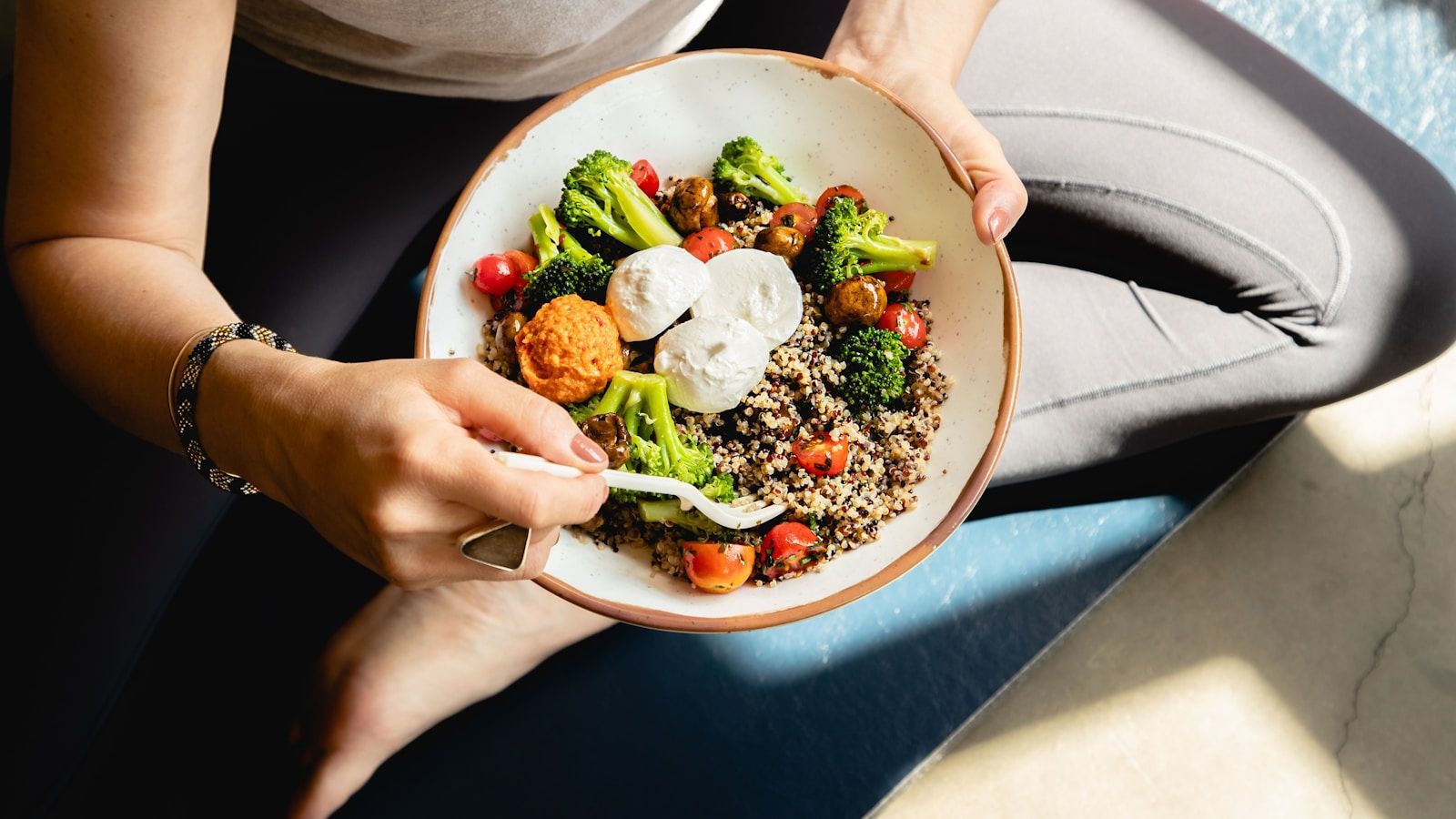
Women's health is hormonal health first, because estrogen, progesterone, cortisol, thyroid and insulin move together in a woman's body on a cycle that men do not have. Those cycles change what a woman needs to eat, how she responds to training and fasting, which nutrients run short, and what perimenopause and menopause will feel like. The best care starts with that rhythm rather than with a generic checklist.
Hormones are a system, and cortisol sits upstream. Chronic stress raises cortisol, which destabilizes blood sugar, which pushes on thyroid, estrogen and progesterone. Fixing one hormone in isolation rarely holds.
Every life stage has its own nutrient bill. Menstruation spends iron. Pregnancy demands folate, choline, iodine and DHA. Menopause raises the price of calcium, magnesium, vitamin D and protein.
Menopause is a change in where hormones come from. Ovarian output falls and the adrenals, fat tissue, bone and brain take over estrogen production through an enzyme called aromatase 8. Adrenal health matters more after 45 than before.
Women's bodies read energy deficit as a threat. Extended fasting and severe calorie cuts land harder on female hormones than on male ones, especially in the week before a period.
The evidence on natural remedies is real and uneven. Some categories have strong trial support, some have mixed reviews, and some popular claims fall apart on inspection. This guide grades them rather than cheering for them.

Women's health differs from men's because estrogen and progesterone cycle daily, monthly and across a lifetime, and those cycles interact with cortisol, thyroid hormone and insulin. The result is different nutrient needs, different fasting and training responses, different disease risks, and a midlife transition men never go through.
I want to reframe the topic at the start, because the culture gets it backwards. Women's health looks like a list of separate concerns, periods and pregnancy and menopause and bone density, but it behaves more like one hormonal system moving through seasons. The cycle is the organizing principle. Once that clicks, most of the advice in this guide follows from it.
Consider the plainest example. A menstruating woman loses blood every month, so she loses iron, and iron deficiency affected roughly 4 in 10 US females aged 12 to 21 in national survey data 9. Men have no equivalent monthly drain. The same logic runs through folate before pregnancy, calcium after menopause, and the way a woman's body reacts to a skipped meal.
The second difference is the cascade. Hormones are your body's messengers, and they answer to each other. Stress drives up cortisol. Cortisol pushes blood sugar around and raises insulin. High insulin alters how estrogen is metabolized and slows thyroid function. Progesterone tends to fall when the body is under chronic stress. This is the pattern behind nearly every hormonal complaint women bring in, and it is why cortisol sits at the top of the list rather than estrogen. If you fix the stress load first, the hormones downstream have a chance to settle.
The honest limit: the cascade is a clinical model, not a single trial result. The individual links are well supported, from cortisol's effect on blood sugar to insulin's effect on sex hormone binding, but no one study proves the whole chain at once. Treat it as a map, and let bloodwork tell you which part of the map applies to your body.
Female hormones move through four broad seasons: the menstrual years, pregnancy and postpartum, perimenopause, and menopause with the years after it. Reproductive aging is staged by cycle changes rather than by age, and perimenopause ends 12 months after the final menstrual period 10.
Researchers use the STRAW+10 system to stage reproductive aging, and it defines each stage by bleeding patterns and hormone markers rather than a birthday 10. That matters because two women the same age can be in different stages, and because symptoms are easier to understand once you know which season you are in.
Table 1. The four hormonal seasons of a woman's life and what each one asks for. Ages are typical, not diagnostic.
| Season | What the hormones are doing | What it tends to feel like | What the body needs most |
|---|---|---|---|
| Menstrual years (teens to about 40) | Estrogen and progesterone rise and fall on a roughly monthly cycle | Cyclical energy, mood and appetite shifts; cramps; heavy or irregular periods when the cycle is off | Iron, B12 and folate to replace monthly losses; steady blood sugar; adequate protein |
| Pregnancy and postpartum | Estrogen and progesterone climb to lifetime highs, then fall sharply after delivery | High nutrient demand, fatigue, mood vulnerability after birth | Folate before conception, choline, iodine, DHA, calcium, iron; recovery time |
| Perimenopause (often early 40s to early 50s) | Ovarian output becomes erratic; progesterone falls first, estrogen swings | Cycle changes, sleep disruption, night sweats, mood shifts, brain fog | Stress management, magnesium, protein, resistance training, sleep protection |
| Menopause and after (from 12 months past the last period) | Ovarian estrogen and progesterone settle low; adrenals and fat tissue supply most estrogen | Hot flashes for years, vaginal dryness, faster bone and muscle loss, rising heart risk | Calcium plus vitamin D, protein, combined strength and impact training, cardiometabolic care |
The monthly cycle is a two-act play. Estrogen leads the first half and progesterone leads the second. Iron, folate and B12 are the nutrients that pay for the bleeding at the end of each act, which is why women in these years need more of them than men do. Painful periods are common and treatable; omega-3 fats had a mild but measurable effect on primary dysmenorrhea severity in a 2022 meta-analysis, with lower doses working better than higher ones 11.
Polycystic ovary syndrome deserves its own mention because it is the most common endocrine disorder of these years, affecting roughly 6% of reproductive-age women under the stricter NIH definition and about 10% under the broader Rotterdam criteria 12. Insulin resistance sits underneath most cases, which is why PCOS care starts with blood sugar. Inositol is the supplement most often mentioned for PCOS, and it is graded later in this guide, because the evidence is weaker than the marketing.
Pregnancy is the highest nutrient demand a woman's body will ever face. The single clearest recommendation in all of women's nutrition is folic acid before conception: the US Preventive Services Task Force gives an A-grade recommendation that anyone planning or able to become pregnant take 400 to 800 micrograms daily to prevent neural tube defects 13. The neural tube closes in the first weeks, often before a pregnancy is confirmed, which is why "before" is the operative word.
Choline, iodine and DHA support fetal brain and thyroid development, and calcium and iron demand rise as well. The postpartum drop in estrogen and progesterone is steep and fast, and it lands on a body that is sleep-deprived and depleted. If you are in that season, your recovery deserves the same intention the pregnancy did.
Perimenopause is the transition, and it starts earlier and lasts longer than most women are told. Progesterone tends to fall first, which is why sleep and mood often change before hot flashes do. Estrogen swings rather than simply dropping, which is why symptoms come and go.
For a full walk through the signs and what to do about them, read my guide to perimenopause symptoms and natural remedies. The short version follows in the next section.
Menopause is a single day, the one-year anniversary of the final period. Everything after it is postmenopause, and it can run 30 to 40 years. That is the season where your bone, muscle, heart and brain need the most deliberate care, and where the shift in hormone sourcing described below becomes the whole story.
The earliest perimenopause signs are usually changes in cycle length or flow, new trouble staying asleep, night sweats, and mood shifts including irritability and low mood. Hot flashes, brain fog and weight redistribution often follow. Symptoms typically begin in the early to mid 40s, years before the final period.
Here is the honest picture from the largest long-term study of midlife women in the United States. Sleep disturbance rises across the transition, and more frequent hot flashes, falling estradiol and rising FSH were each associated with trouble falling or staying asleep 14. Women were two to four times more likely to have a major depressive episode during perimenopause and early postmenopause than before it, and that risk was independent of measured hormone levels, hot flashes and life events 15. Frequent hot flashes lasted more than 7 years for over half of women and persisted about 4.5 years past the final period 1.
Ranked by how often they show up first, these are the signs to watch for:
Cycle changes. Shorter or longer cycles, heavier or lighter flow, or a skipped month. This is the defining sign in the staging criteria 10.
Sleep that breaks in the middle of the night. Often before any hot flash, and tied to falling progesterone.
Night sweats and hot flashes. Vasomotor symptoms, and the ones women most often seek help for.
Mood shifts. Irritability, anxiety or low mood, sometimes in a woman with no history of either 15.
Brain fog. Word-finding trouble and slower recall, usually transient.
Body composition change. Fat moving toward the midsection while muscle quietly declines, covered in the next section.
One more sign worth naming, because it is often mislabeled: thyroid symptoms overlap perimenopause almost completely. Fatigue, cold intolerance, weight gain, constipation and dry skin are the classic hypothyroid complaints, and hypothyroidism is more common in women than in men 16. If you are in your 40s with these symptoms, you deserve a full thyroid panel before anyone assumes it is all hormones. My guide to thyroid problems and what to do about them covers the workup.
During menopause the ovaries stop making most of the body's estrogen and progesterone, and estrogen production shifts to fat tissue, bone, brain and skin, where an enzyme called aromatase converts adrenal androgens into estrogen. Body composition shifts toward fat and away from muscle, bone loss speeds up, and cardiovascular risk rises.
The framing I teach is that menopause is a transition in hormone sourcing, not simply a hormone deficiency. The ovaries slow down. The body does not stop needing estrogen, so it shifts production to peripheral tissues, mainly fat, bone and brain, using aromatase to convert androgens made by the adrenal glands 8. In my clinical model, that makes the adrenals the hinge of a woman's menopause: if chronic stress has already overloaded them, cortisol runs high, blood sugar destabilizes, thyroid output falls, and the estrogen your body can still make is compromised. On the show I have put the adrenal and peripheral share of a postmenopausal woman's circulating estrogen at up to half. That figure is a clinical estimate; the mechanism itself is well established 8, and the exact share varies with body composition and the individual.
What the data shows most clearly is the composition shift. In the SWAN cohort, fat mass rose and lean mass fell at an accelerated rate through the menopausal transition, while total weight climbed at the same steady pace it had before the transition began 2. The scale does not speed up. What is underneath the number changes, and that is the more important story for long-term health.
Two consequences follow. Osteoporosis affected 19.6% of US women aged 50 and over in 2017-2018 compared with 4.4% of men, and more than half of women in that age group had low bone mass 3. And the American Heart Association now describes the menopausal transition as a period of accelerating cardiovascular risk, with adverse changes in lipids, vascular health and fat distribution that make midlife a critical window for prevention 4.
The honest reading: the AHA statement does not say estrogen protects the heart or that replacing it prevents heart disease. It says risk rises at this stage and that prevention should start earlier than it usually does. That is a call for better care, not a prescription.
Heart disease, osteoporosis and thyroid disease all affect women differently from men, and all three change course at midlife. Cardiovascular risk accelerates through the menopausal transition, bone loss speeds up once ovarian estrogen falls, and thyroid disorders are more common in women at every age.
Three systems deserve a named plan.
Heart. The cardiometabolic changes of midlife are measurable: rising LDL, shifting fat distribution and vascular stiffening 4. The plan starts with your blood sugar and cortisol, because they drive the rest, then adds muscle-strengthening activity, which was associated with 10 to 17% lower all-cause mortality and lower cardiovascular, cancer and diabetes risk in a 2022 meta-analysis 5.
Bone. Bone is built and remodeled under estrogen's supervision, and when ovarian estrogen falls the remodeling balance tips toward loss. Vitamin D alone did not reduce fractures in a 2019 meta-analysis, but daily vitamin D of 400 to 800 IU combined with 1,000 to 1,200 mg of calcium reduced any fracture by 6% and hip fracture by 16% 17. The combination is the point. My guide to vitamin D benefits and how much you need goes deeper.
Thyroid. Hypothyroidism is more common in women, its symptoms overlap perimenopause, and a portion of treated patients still feel unwell at target lab values 16. In Hashimoto's thyroiditis, selenium supplementation lowered TSH and thyroid antibodies with side effects comparable to placebo in a 2024 meta-analysis, though it did not change T4 or T3 levels and the TSH benefit was seen in people not on thyroid medication 18. That is a real but narrow finding, and it does not mean selenium fixes a thyroid that is not autoimmune.
Women need more iron, folate and B12 in the menstrual years, more choline, iodine and DHA in pregnancy, and more calcium, magnesium, vitamin D and protein through and after menopause. Women also tolerate aggressive fasting and calorie restriction less well than men, because female hormones read energy deficit as a threat.
Should men and women eat the same way? No. Men's hormones run close to a straight line. Women have daily cycles, a monthly cycle and life-stage cycles layered on top of each other, and every one of them changes what the body needs on a given day. Here is how to build your plate, ranked by how often the gap shows up.
Menstruation spends iron every month, and iron deficiency is common in young women 9. Red meat, liver, oysters, sardines, lentils and spinach cover it; pairing plant iron with vitamin C improves absorption. A ferritin test tells you where you stand, and supplementing without one is a mistake in the other direction, because iron you do not need is not harmless. My list of iron-rich foods is the place to start.
Lean mass falls at an accelerated rate through the menopausal transition 2, and protein is the raw material that slows the loss. The PROT-AGE expert group recommends 1.0 to 1.2 grams of protein per kilogram of body weight daily for adults over 65, and 1.2 to 1.5 g/kg during illness or recovery, with severe kidney disease as the exception 19. That target is written for older adults, and extending it to perimenopausal women is a deliberate extrapolation, because the muscle loss starts before 65. For a 65 kg woman that is roughly 65 to 80 grams a day, spread across meals, from eggs, wild fish, pasture-raised poultry, grass-fed beef, Greek yogurt and legumes.
A daily 400 to 800 mcg folic acid supplement for anyone who could become pregnant is the strongest recommendation in this guide 13. Leafy greens, lentils, asparagus and liver supply food folate; the supplement is the insurance.
Dairy, sardines with bones, leafy greens and tahini supply calcium. Vitamin D comes from sun and fatty fish and is commonly low. Together, not separately, they reduce fracture risk 17. Pair them with magnesium and vitamin K2, which direct calcium toward bone; that pairing is clinical practice rather than a trial result, and my guide to magnesium benefits explains why.
Wild salmon, sardines and mackerel supply EPA and DHA for brain, heart and mood. For period pain specifically, the effect is mild and lower intakes worked as well as or better than higher ones 11. Food sources come first; my guide to omega-3 foods ranks them.
Flaxseed, organic soy, chickpeas and lentils carry plant compounds that act as weak selective estrogen modulators. A 2025 meta-analysis found soy isoflavones showed no estrogenic effect on four measures of estrogenicity in postmenopausal women, which answers the "soy raises estrogen" fear directly 20. Among 5,042 Chinese breast cancer survivors, the highest quartile of soy food intake had 29% lower mortality and 32% lower recurrence than the lowest 21. That is observational and from a population that eats soy as whole food, so read it as reassurance about soy foods rather than proof of a treatment.
Women are more hormonally sensitive to caloric restriction than men, and I steer women away from extended fasting, especially in the week before a period. If you want a fasting practice, a 10-hour eating window most days, or one lighter day a week with bone broth and herbal tea, is the place to start. Skip it altogether during pregnancy, with irregular cycles, or with a diagnosed hormonal condition until a clinician clears it. My guide to how to balance hormones naturally covers the blood sugar side of this in detail, and the perimenopause diet guide puts it on a plate.
Women benefit from the same fundamentals as men, aerobic activity plus strength training at least twice a week, but the priorities shift at midlife toward lifting and impact for bone and muscle. Cycle-phase training rules are not supported by the evidence, and exercise does not reliably reduce hot flashes even though it improves nearly everything else.
The World Health Organization recommends 150 to 300 minutes of moderate aerobic activity each week plus muscle-strengthening activity on two or more days, with specific guidance for pregnancy and postpartum for the first time in its 2020 guidelines 22. That is the floor. What changes for you as a woman, ranked:
Muscle-strengthening activity was associated with lower all-cause mortality and lower risk of cardiovascular disease, cancer and diabetes, with the best all-cause result at 30 to 60 minutes a week and a J-shaped curve beyond that, meaning more was not linearly better 5. High-load resistance training increased bone density, mainly at the lumbar spine, in people with osteoporosis or osteopenia 23. My guide to strength training for women lays out a program.
This is the part most programs miss. In a meta-analysis of postmenopausal women, combined resistance programs that included impact or other modes significantly preserved hip and spine bone density, while resistance training alone produced only nonsignificant positive effects 6. Jumping, stair work, brisk hiking and loaded carries belong alongside the barbell if you want your hips and spine to hold their density. In the DO-HEALTH trial of adults over 70, a simple home exercise program halved incident vertebral fractures in women, while vitamin D and omega-3 supplements did not reduce them 24. The same trial found neither supplement improved blood pressure, physical performance, infection rates or cognition over 3 years in healthy adults over 70 25.
Cycle syncing is popular, and the evidence does not support it. A 2020 systematic review found exercise performance was at most trivially reduced in the early follicular phase, rated the evidence low quality, and concluded that general guidelines on training across the cycle cannot be formed and that a personalized approach should replace them 26. Train by how you feel and how you recover, and let the calendar be a note rather than a rule.
Here is the concession, and it stands. In a 261-woman randomized trial, neither a home exercise program nor a supported exercise program reduced the frequency of hot flashes or night sweats, and the authors wrote that women should not be advised that exercise relieves vasomotor symptoms 27. Exercise belongs in every woman's menopause plan for bone, muscle, mood, sleep and heart risk. What you should not expect from it is a cooler hot flash.
Food comes first. The supplement categories with the strongest evidence for women are vitamin D combined with calcium for fracture prevention, folic acid before pregnancy, creatine for muscle and function in midlife, and magnesium for sleep. Phytoestrogens and black cohosh have mixed but real evidence for hot flashes. Inositol for PCOS is promising and unproven.
Food comes first. Nutrient-dense, real, whole foods before supplements, before anything. When a category earns a place, here is how it grades. These are evidence bands assigned from trial quality, not Dr. Axe Scores, and this page recommends no products; my guide to the best vitamins for women covers forms and amounts.
Table 2. Supplement categories for women, graded by the strength of human evidence for the stated use. Bands are editorial ratings from trial quality: Strong needs meta-analyses or large RCTs, Moderate needs consistent smaller trials, Mixed means reviews disagree, Emerging means promising but thin.
| Category | Best-supported use | Evidence band | The honest limit |
|---|---|---|---|
Vitamin D plus calcium | Fracture prevention after menopause | Strong for the combination Strong for the combination | Vitamin D alone did not reduce fractures |
Folic acid | Neural tube defect prevention before and during early pregnancy | Strong Strong | Must start before conception |
Creatine monohydrate | Muscle mass and physical function in perimenopause and after | Moderate Moderate | Did not change bone density in a 2-year trial |
Magnesium | Sleep onset, especially in older adults | Moderate, low-quality trials Moderate, low-quality trials | About 17 minutes faster sleep onset; hot flash claims unsupported here |
Soy isoflavones | Hot flash frequency and severity | Moderate Moderate | Supplement data, not food data; high heterogeneity |
Black cohosh | Hot flashes and overall menopausal symptoms | Mixed Mixed | Cochrane 2012 found insufficient evidence; 2023 meta-analysis found small to moderate benefit; no effect on mood |
Selenium | Thyroid antibodies in Hashimoto's | Moderate, narrow Moderate, narrow | No change in T4 or T3; not for non-autoimmune thyroid issues |
Ashwagandha | Cortisol in stressed adults | Moderate, short-term Moderate, short-term | Long-term adrenal effects unstudied; use with medical supervision |
Omega-3 (EPA/DHA) | Period pain severity | Mild Mild | Lower doses worked better; fracture and function trials were null |
Inositol | Ovulation and metabolic markers in PCOS | Emerging Emerging | Guideline review calls evidence limited and inconclusive |
A few of these deserve a paragraph.
Creatine for women. Women start with lower creatine stores than men, partly because they eat less meat and carry less muscle, and estrogen and progesterone influence how creatine is made and used. A 2021 lifespan review concluded that creatine supports performance in women, that postmenopausal women may gain muscle size and function at higher doses, and that mood and cognition benefits are plausible 28. It is one of the few supplements worth considering for nearly every woman in perimenopause who is lifting. Here is where the evidence cuts against the enthusiasm: a 2-year randomized trial of creatine plus supervised exercise in postmenopausal women found no change in bone mineral density and no strength advantage over placebo, though it improved some geometric properties of the hip and walking speed 29. So creatine earns its place for muscle, function and brain, and stops short of bone. My full guide to creatine for women covers dosing and the myths.
Black cohosh. I have called it one of the most researched botanicals for hot flashes, and it is. The research is also split. The 2012 Cochrane review found insufficient evidence to support it, mainly because trial quality was poor 30. An updated 2023 meta-analysis found black cohosh extracts improved overall menopausal symptoms and hot flashes with small to moderate effects and no benefit for anxiety or depression 31. A systematic review found no evidence it raises breast cancer risk and no effect on circulating hormones 32. The reading that fits both reviews is that it helps some women modestly, it appears safe, and it is not a mood treatment. There is more in my guide to menopause relief through diet and supplements.
Soy isoflavones. Extracted or synthesized isoflavone supplements reduced hot flash frequency by about 21% and severity by about 26% versus placebo, and products with more than 18.8 mg of genistein were more than twice as potent 33. Isoflavones also slowed bone loss in trials, with bone density gains needing more than a year 34. Those are supplement findings; the food findings above are separate and should not be swapped.
Magnesium. A meta-analysis in older adults with insomnia found magnesium shortened time to fall asleep by about 17 minutes, on low-quality evidence 35. For most women in perimenopause, 300 to 400 mg in the evening is the range I recommend. The hot flash claim you will see elsewhere has no support in the studies cited here.
Ashwagandha. Across nine studies of 30 to 112 days in stressed adults, ashwagandha lowered cortisol with no significant adverse effects, and the review itself concluded that long-term effects are unknown and that it should be used under medical supervision 36. That matches how it belongs in a perimenopause plan: short courses, with a clinician aware.
Inositol. The 2024 meta-analysis written to inform the international PCOS guideline concluded that inositol may improve ovulation but that the evidence overall is limited and inconclusive, and that metformin may do better for waist-to-hip ratio and hirsutism 37. It is reasonable to try with a clinician, and nobody should sell it to you as proven.
Probiotics and the estrobolome. Gut bacteria that carry an enzyme called beta-glucuronidase recycle estrogen back into circulation, and the set of those bacteria is called the estrobolome 38. This is one reason gut health belongs inside hormone health. The evidence that a probiotic supplement changes a woman's estrogen levels or symptoms is not there yet, so the practical move is fiber, fermented foods and daily bowel movements rather than a capsule.
Both camps in the menopause debate hold real evidence and both overreach. Lifestyle and targeted nutrients help many women and do not replace hormone therapy for severe symptoms. Hormone therapy is the most effective treatment for hot flashes and carries a benefit-risk balance that depends on age, timing and history. The decision belongs with a clinician.
The natural-first camp is right that:
Menopause is a transition, and a stressed, undernourished, sedentary body goes through it harder than a well-supported one; body composition, bone and heart risk all respond to training and diet 2 6 4.
Soy isoflavone supplements reduce hot flash frequency and severity 33 and black cohosh extracts show small to moderate benefit in the most recent meta-analysis 31.
Women with mild symptoms and no life impairment do not need hormone therapy, and lifestyle changes can carry them; the NAMS position statement itself frames therapy around bothersome symptoms 7.
Depression risk in the transition is real and independent of hormone levels 15, which means mood deserves its own care rather than being filed under estrogen.
…but overreaches when it claims:
That exercise treats hot flashes; a randomized trial found it did not 27.
That creatine or supplements build bone; the 2-year creatine trial was null for bone density 29 and vitamin D alone was null for fractures 17.
That black cohosh is settled science; Cochrane called the evidence insufficient 30.
The mainstream is right that:
Hormone therapy is the most effective treatment for vasomotor symptoms, and for symptomatic women under 60 or within 10 years of menopause onset the benefits most likely outweigh the risks 7.
Starting more than 10 years after menopause or after 60 shifts the balance less favorably because of greater absolute risks of coronary disease, stroke, clots and dementia 7.
Hot flashes are not brief; they last more than 7 years for most women 1, so "wait it out" is not neutral advice.
…but overreaches when it claims:
That menopause is simply estrogen loss; estrogen production shifts to peripheral tissue rather than stopping 8, and adrenal, thyroid and blood sugar status shape the experience.
That a normal lab value means nothing is wrong; symptom-driven staging is the standard 10 and many women's labs read normal while they feel terrible.
That hormone therapy replaces the work of protein, training, sleep and stress care; the composition and bone data belong to exercise 24 6.
The resolution is that these are not competing answers. They are answers to different questions. Lifestyle, nutrients and training are how you go through the transition strong. Hormone therapy is a treatment for symptoms that impair life, decided individually. A woman can do both, and many should.
90-day protocol
The complete root-cause framework for reversing estrogen dominance — clearing excess estrogen, rebuilding progesterone, and ending the heavy periods, PMS, weight gain and mood swings most doctors treat with a prescription instead of a cause.
Free with your Dr. Axe account
View the protocol →Build the foundations of protein, strength and impact training, blood sugar stability, sleep, stress care and targeted nutrients first, because they help every woman regardless of what else she chooses. If symptoms still impair daily life, hormone therapy is a legitimate option to weigh with a clinician who knows your history, timing and risk factors.
"Should I be on HRT?" is one of the most frequent questions I get now. My answer starts the same way every time: address the foundational failures first, because most women who feel awful in perimenopause are also depleted, under-muscled, under-slept and running on cortisol. Fix those and you may find the question answers itself.
If it does not, hormone therapy is on the table. Low-dose, individualized therapy in the right candidate, started in the right window, with the foundations in place, can be the right call, and the best candidates are women whose hot flashes, sleep disruption or genitourinary symptoms are disrupting their lives. Women with mild symptoms and no life impairment do not need it. Women with a history of hormone-sensitive cancer, clotting disorders, or who are more than 10 years past menopause need a different conversation entirely.
That conversation is not one this article can have for you. Your age, your timing, your family history, your labs and your risk factors decide it, and the NAMS position statement is explicit that the decision is individualized and revisited over time 7. Take this guide to a clinician who treats menopause, ask the questions it raises, and decide together with someone who knows you. Hormone therapy is a clinical decision, alongside good root-cause care and never instead of it.
Women's health advice is not one-size, and several groups need their own plan before acting on anything above.
Anyone who could become pregnant: folic acid first 13, and skip extended fasting, high-dose herbs and unreviewed supplements.
Women with a personal or family history of hormone-sensitive cancer: discuss phytoestrogens, black cohosh and any hormone therapy with an oncologist or gynecologist before starting.
Women with a diagnosed thyroid condition: selenium and iodine both interact with thyroid function; test before supplementing and involve your prescriber.
Women with kidney disease: the higher protein targets do not apply at an estimated GFR under 30 19, and creatine deserves a clinician's review.
Women with a history of depression: perimenopause carries a two- to four-fold rise in major depression risk 15, and mood symptoms deserve direct treatment, never a supplement alone.
Women on any medication: black cohosh, ashwagandha, inositol and magnesium can interact with prescriptions. Check first.
Is women's health just men's health with a few extra screenings? No. It is a hormonal system that cycles by the day, the month and the decade, and every one of those cycles changes what a woman needs to eat, how she should train, which nutrients run short and how the midlife transition will feel.
The strongest moves are the least glamorous: protein at every meal, lifting combined with impact, blood sugar and cortisol under control, folic acid before pregnancy, calcium with vitamin D after menopause, and a full thyroid panel when the 40s bring fatigue. The honest limit is that several popular natural remedies are weaker than their reputations, exercise will not cool a hot flash, and no supplement has been shown to build postmenopausal bone.
Start with the foundations this week, because they help you whatever you decide later. Then, if symptoms still run your life, take this guide to a clinician who treats menopause and decide about hormone therapy together. Build the body that goes through the transition strong, and make the medical decisions with someone who knows your history.
Eat protein at every meal, move for at least 30 minutes, lift something heavy two or three days a week, sleep 7 to 9 hours, and manage stress on purpose. Muscle-strengthening activity alone was associated with 10 to 17% lower all-cause mortality 5, and the WHO floor is 150 to 300 minutes of aerobic activity weekly plus strength work on two days 22.
Longer than most women are told. Frequent hot flashes lasted more than 7 years for over half of women in the SWAN study and persisted about 4.5 years after the final period 1.
Weight gain does not accelerate at menopause; it continues at the same pace it did before. What changes is body composition, with fat mass rising and lean mass falling faster through the transition 2. Protein and strength training address that directly.
Start upstream: stabilize blood sugar, lower chronic cortisol with sleep and stress care, lift weights, eat enough protein and fiber, and support gut health, since gut bacteria recycle estrogen 38. My full guide to balancing hormones naturally, linked in the nutrition section above, walks through each step.
Iron, folate and B12 in the menstrual years, folic acid before pregnancy, and calcium with vitamin D, magnesium and protein through menopause. Daily vitamin D plus calcium reduced hip fracture by 16% in a large meta-analysis; vitamin D alone did not 17.
Not reliably. A 261-woman randomized trial found no reduction in hot flash frequency from two different exercise programs 27. Exercise still earns its place for bone, muscle, mood, sleep and heart risk.
No, based on the best current evidence. Soy isoflavones showed no estrogenic effect on four measures in postmenopausal women 20, and higher soy food intake was associated with lower mortality and recurrence among breast cancer survivors 21. Women with a hormone-sensitive cancer history should still discuss it with their oncologist.
For symptomatic women under 60 or within 10 years of menopause onset, the benefits most likely outweigh the risks; the balance becomes less favorable when started later 7. It is an individual decision that depends on your history, and it belongs in a conversation with a clinician.
Yes. Fatigue, cold intolerance, weight gain, constipation and dry skin are classic hypothyroid symptoms, and hypothyroidism is more common in women 16. Ask for a full thyroid panel before assuming symptoms are menopausal.
September 2026 — Net-new cutover guide replacing the former women's health category page. Built on 38 peer-reviewed sources including the SWAN cohort analyses of hot flash duration, sleep, depression and body composition, the 2022 NAMS hormone therapy position statement, the 2020 AHA scientific statement on menopause and cardiovascular risk, and the 2023 creatine and 2019 vitamin D-plus-calcium trials. Why it was updated: first publication.

Medically reviewed by the DrAxe.com Medical Advisory Board on Sep 30, 2026.
This content is for educational purposes only and is not medical advice. Hormone therapy, thyroid treatment and supplementation decisions should be made with a qualified clinician who knows your history. Nothing here is a substitute for proven treatment, and natural approaches belong alongside, never instead of, medical care.