The Best Seed-Oil-Free Cooking Oils and Fats of 2026, Ranked by Purity Tests and Heat Stability
We scored 26 avocado oils, ghees, butters, tallows, coconut oils and a red palm oil on independent purity and contaminant tests, USDA fatty-acid data, sourcing and packaging, and ranked the best ten.
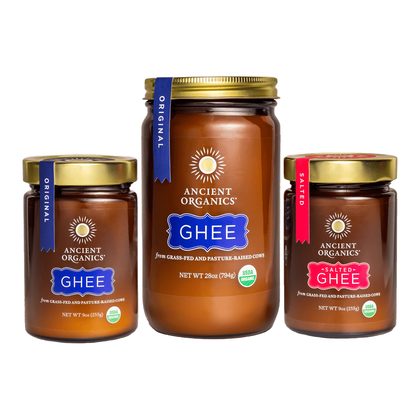
Best overall:Ancient Organics Ghee (9.8/10). No detectable phthalates in Mamavation's test, grass-fed butter the maker sources from New Zealand and North American farms, glass jar.
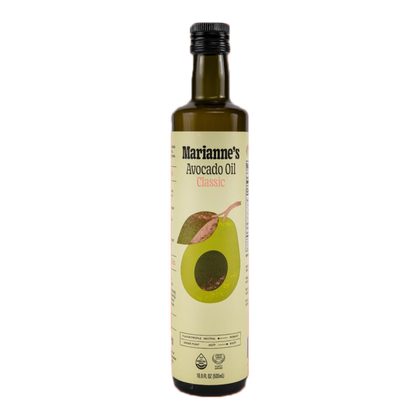
Avocado oil:Marianne's Classic (8.3), which passed UC Davis's purity test. No avocado oil made our top 10: it has 3 to 8 times the polyunsaturated fat of tallow, ghee or coconut oil, and most brands are untested.
Skip: soybean, corn, canola and sunflower oil for cooking, “made with avocado oil” packaged foods (89% failed in 2026), and fats with a phthalate result over 2,000 ppb (see why).
Our #1 pick9.8/10
Ancient Organics Ghee
No detectable phthalates in Mamavation's ghee test[10], where the other cow's-milk ghees ran 105 to 2,702 ppb.
Grass-fed, pasture-raised butter the maker sources from New Zealand and North American farms, kettle-cooked and packed in glass[35][36]. The catch: one sample, and it's sold only in stores.
How we score:Purity & authenticity 25%Contaminant tests 20%Heat stability 20%Source & processing 20%Packaging & honesty 15%Full methodology ↓
The Dr. Axe Clean Fat Score (0–10) is our editorial judgment built from independent tests, USDA data and brand disclosures, not a safety grade. Seed oils, including macadamia and high-oleic sunflower, aren't eligible.
Know your cooking fats
Why the fat in your pan matters
“Seed oils” here means oils pressed or extracted from seeds, like soybean, corn, canola and sunflower. Their fat is mostly polyunsaturated, and every double bond is a spot where heat and oxygen can break it down. The heart research is mixed, and we show both sides.
Saturated and mono fats: stableTallow, ghee and coconut oil carry 1.7–4 g of polyunsaturated fat per 100 g[13].
Polyunsaturated fats: fragileSoybean, corn and sunflower oil carry 55–66 g, and heating them forms more breakdown products[13][14].
Seed oils in the dietSupply data
2.79 → 7.21%of calories
came from linoleic acid in the U.S. food supply from 1909 to 1999, as soybean oil use rose more than 1,000-fold[16].
Am J Clin Nutr, 2011
In your bodyReview
+136%in body fat
Linoleic acid in U.S. adults' fat tissue rose 136% over half a century, closely tracking intake[17].
Adv Nutr, 2015
Per 100 gUSDA data
51 vs 3.1g linoleic acid
in soybean oil vs beef tallow. Ghee has 2.3 g, coconut oil 1.7 g, avocado oil 12.5 g[13].
USDA FoodData Central
Under heatLab test
14–22%polar compounds
formed in canola, grapeseed, sunflower and rice bran oil across two heating trials, vs 9.3% for coconut and 11.6% for avocado oil. Smoke point didn't predict it[14].
Acta Sci Nutr Health, 2018
FryingLab study
10–25ppm aldehydes
of each class measured in fast-food fries; in home-fried chips, aldehydes rose with each reuse of sunflower oil. The senior author has been funded by TerraVia, maker of an algae oil tested in the study[15].
Sci Rep, 2019
Heart trialsMixed
17.6 vs 11.8%died
when safflower oil replaced animal fat in 458 men (Sydney trial, recovered data)[18]. Yet across 30 cohorts and 68,659 people, higher blood linoleic acid tracked with 22% lower cardiovascular death[22].
BMJ, 2013; Circulation, 2019
Saturated fatModerate
17%fewer heart events
when people cut saturated fat in 15 trials with 56,675 people, with little or no change in deaths[21].
Cochrane, 2020
Federal adviceGuideline
10%of calories, max
from saturated fat, say the 2025–2030 Dietary Guidelines, which tell cooks to “prioritize oils with essential fatty acids, such as olive oil,” then add “Other options can include butter or beef tallow”[23].
Dietary Guidelines, Jan. 2026
Check your fat
Look up any fat's profile in USDA's FoodData Central[13], and see which products hold the Seed Oil Free Certified seal, a paid certification, in its directory[30].
Three essentials, plus a fourth for the seed oils hiding in packaged foods.
1Essential
Match the fat to the heat
Sear and roast with tallow, ghee or refined avocado oil; sauté and bake with butter or coconut oil; use extra virgin olive or avocado oil raw. Smoke point is a weak guide: it didn't predict breakdown in a 10-oil lab test[14].
For avocado oil, choose a brand that passed UC Davis's test (Chosen Foods, Marianne's)[1]. For tallow, ghee and coconut oil, choose a low phthalate result[12][10][11].
Glass or tin beats clear plastic; keep jars off the stovetop. White Oak Pastures' tallow must stay refrigerated or frozen[49]. Aldehydes rose with every reuse of sunflower frying oil[15].
Certifier Listed in a certifier's own database, checked by us.Independent Independent test or USDA data.Maker's data From the brand's label or page.No data Nothing published.Flag A result or feature we deduct for.
Shaded rows are popular fats that missed our top 10, including the two avocado oils that passed UC Davis's test. “Retail” means the brand doesn't sell it online.
Full reviews
The 10 best seed-oil-free cooking fats, ranked
One product per brand. Each review shows the test behind the score and how it was built. Avocado oils and other fats we scored are in the guides below.
1
Price varies (retail)Sold in stores; the brand's site has a store locator, no online shop.
Best overall · cleanest ghee test
Ancient Organics Ghee
Ghee · grass-fed, pasture-raised butter (maker) · New Zealand and North American dairies · glass jar
ND[10]phthalates: none detected in Mamavation's ghee test
The only cow's-milk ghee in Mamavation's testing with no detectable phthalates. Ancient Organics says “We source exclusively from California's Northern Coast and New Zealand”; elsewhere on the same page it lists dairy farms that “Are From US, Canada, Australia, & New Zealand.” It kettle-cooks grass-fed, pasture-raised organic butter (maker) and packs it in glass. Ghee has about 3.7 g of polyunsaturated fat per 100 g, so it holds up to searing. The limits: it's one sample; the organic and grass-fed claims are the maker's; and it's sold only in stores, so we can't show an online price.
Best forHigh-heat cooking with butter flavor, from a brand that tested clean
Skip ifYou avoid all dairy, or want to order online
Fat & how it's madeGhee, kettle-cooked from organic butter (maker)
HeatHigh heat; “perfect for high heat cooking” (maker)
Source“Exclusively from California's Northern Coast and New Zealand,” and elsewhere farms in the U.S., Canada, Australia and New Zealand (maker); grass-fed, pasture-raised
Tests & certificationsPhthalates non-detect (Mamavation, 2025, one sample); Certified Organic is the maker's claim
Size & priceSold in stores; the site has a store locator
Fat: GheeBest use: High heat
See score breakdown & sources
Purity & authenticity9.0
Contaminant tests10.0
Heat stability10.0
Source & processing10.0
Packaging & honesty10.0
Purity: single ingredient → 9 · Contaminants: ND → 10 · Heat: 3.7 g polyunsaturated per 100 g of fat (FDC 173412) → 10 · Source: grass-fed, farm or country named → 10 · Packaging: Glass jar (maker) → 10. Weighted: 9.750.
Independent labMamavation. “Ghee tested for toxic phthalates” (May 28, 2025; first published Oct. 8, 2024): all 7 original ghees had phthalates, 105 to 2,702 ppb (Carrington Farms highest, Organic Valley lowest; 4th & Heart 542 ppb); Ancient Organics non-detect in results added May 2025. One sample per product, EPA-certified lab not named; the post carries affiliate links and brand discount codes. Open source · [10]
Maker's dataAncient Organics. About: “We source exclusively from California's Northern Coast and New Zealand”; elsewhere on the same page, dairy farms that “Are From US, Canada, Australia, & New Zealand”; a partnership with Fonterra Organics (New Zealand); Certified Organic dairies; a Certified Organic ghee facility in Newman, Calif. Open source · [35]
Maker's dataAncient Organics. FAQ: ghee “made from grass-fed, pasture-raised butter”; “From pasture to kettle to glass”; “perfect for high heat cooking.” Open source · [36]
Public record / studyUSDA FoodData Central, SR Legacy (downloaded Sept. 30, 2026): fatty acids per 100 g for avocado oil (FDC 173573), olive oil (171413), butter oil/ghee (173412), beef tallow (171400), beef suet (170193), lamb separable fat (174309), coconut oil (171412), palm oil (171015), goose fat (173572), duck meat and skin (172408), chicken fat (173564), soybean (171411), corn (171029), canola (172336), sunflower (171025) and high-oleic sunflower oil (172338). Per-100-g-of-fat values are our calculation. Open source · [13]
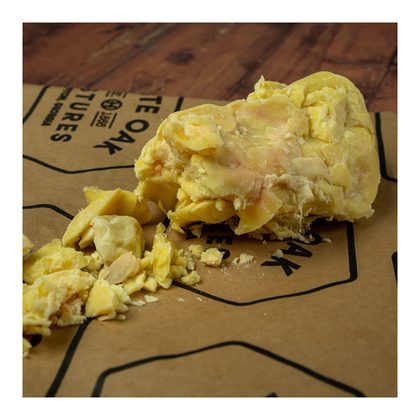
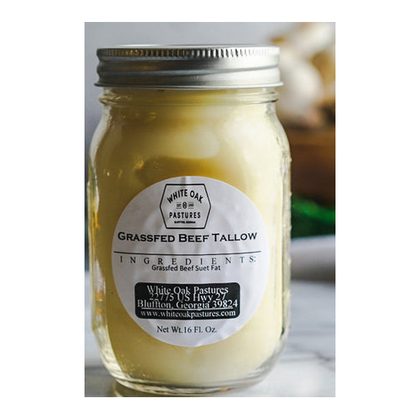
A non-detect phthalate result and the lowest price per ounce on this page, $0.56 for raw suet before rendering. This is raw kidney fat from White Oak Pastures' own grass-fed cattle, sold frozen in 2.5-pound packs, so you render it into tallow at home. If you'd rather skip that step, the farm sells rendered tallow in 16-oz glass jars for $15.99; that jar hasn't been tested, and it must stay refrigerated or frozen. USDA's profile puts suet at about 3.4 g of polyunsaturated fat per 100 g of fat, among the most heat-stable fats we ranked.
Best forCooks who render their own tallow and want the cleanest test
Skip ifYou want a ready-to-use jar (buy the farm's tallow instead)
Fat & how it's madeRaw beef suet (kidney fat) in 2.5-lb packs; render before cooking
HeatHigh heat once rendered
SourceGrass-fed cattle from White Oak Pastures, Bluffton, Georgia
Tests & certificationsPhthalates non-detect (Mamavation, 2024, one sample)
Size & price$22.59 for 2.5 lb; rendered tallow $15.99 for a 16-oz glass jar (keep cold)
Fat: Beef suet (raw)Best use: High heat
White Oak Pastures also sells its rendered tallow; it scores 9.3, just below the suet, because only the suet has a published test. The suet's packaging isn't stated, so that pillar gets the class-typical score (10, the median of the fats we scored).
See score breakdown & sources
Purity & authenticity9.0
Contaminant tests10.0
Heat stability10.0
Source & processing10.0
Packaging & honesty10.0
Purity: single ingredient → 9 · Contaminants: ND → 10 · Heat: 3.4 g polyunsaturated per 100 g of fat (FDC 170193) → 10 · Source: grass-fed, farm or country named → 10 · Packaging: 2.5-lb packs, frozen; packaging material not stated (class-typical score) = class-typical 10 → 10. Weighted: 9.750.
Independent labMamavation. Tallow and beef suet tested for phthalates (Nov. 19, 2024): 11 tallows and 2 suets from 11 brands bought Aug. 2023–Aug. 2024; Fatworks Organic 922 ppb, Epic 782, South Chicago Packing Wagyu 58, Fatworks Bison 8; Fatworks Lamb and White Oak Pastures beef suet non-detect. One sample per product, EPA-certified lab not named; the post carries affiliate links and brand discount codes. Open source · [12]
Maker's dataWhite Oak Pastures. Grassfed Beef Suet, $22.59 per 2.5-lb pack, “collected from around the kidneys.” Open source · [48]
Maker's dataWhite Oak Pastures. Grassfed Beef Tallow, $15.99, 16-oz glass jar; “must be refrigerated or frozen”; label: White Oak Pastures, Bluffton, Georgia. Open source · [49]
Public record / studyUSDA FoodData Central, SR Legacy (downloaded Sept. 30, 2026): fatty acids per 100 g for avocado oil (FDC 173573), olive oil (171413), butter oil/ghee (173412), beef tallow (171400), beef suet (170193), lamb separable fat (174309), coconut oil (171412), palm oil (171015), goose fat (173572), duck meat and skin (172408), chicken fat (173564), soybean (171411), corn (171029), canola (172336), sunflower (171025) and high-oleic sunflower oil (172338). Per-100-g-of-fat values are our calculation. Open source · [13]
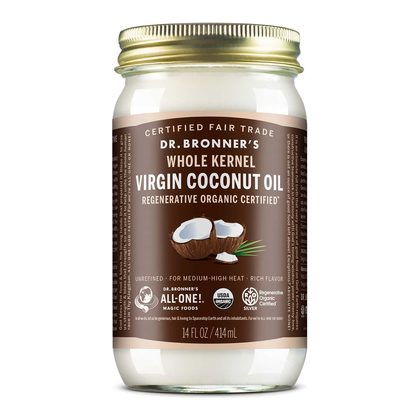
The lowest phthalate result among coconut oils and the only coconut oil with a farming certification we could confirm. Mamavation measured 126 ppb; its coconut oils ranged up to 1,506 ppb. The Regenerative Organic Certified directory lists this whole-kernel virgin coconut oil under Serendipol, the Sri Lankan sister company Dr. Bronner's helped set up. Coconut oil is the most heat-resistant fat by profile, about 1.7 g of polyunsaturated fat per 100 g, and in a lab test it resisted oxidation for 50.3 hours vs 10.2 for an avocado oil. It tastes of coconut, and a lab measured coconut oil's smoke point at 191°C (376°F), so it suits sautéing and baking more than hard searing.
Best forMedium-heat cooking and baking, dairy-free
Tests & certificationsPhthalates 126 ppb (Mamavation, one sample)
Size & price14 oz $12.29; 30 oz $22.69
Fat: Coconut oilBest use: Medium heat
See score breakdown & sources
Purity & authenticity9.0
Contaminant tests7.5
Heat stability10.0
Source & processing10.0
Packaging & honesty10.0
Purity: single ingredient → 9 · Contaminants: 126 ppb → 7.5 · Heat: 1.7 g polyunsaturated per 100 g of fat (FDC 171412) → 10 · Source: origin named + certification verified + organic verified (ROC) → 10 · Packaging: Glass jar (maker's image description) → 10. Weighted: 9.250.
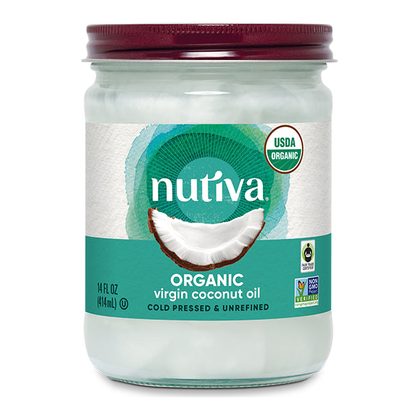
Independent labMamavation. “Coconut oils tested for toxic phthalates” (June 3, 2025; first published June 11, 2024; results added Nov. 2024 and June 2025): Dr. Bronner's 126 ppb, Nutiva 387, La Tourangelle 730.89, Carrington Farms Coconut Cooking Oil (liquid) 217; range to 1,506 ppb. One sample per product, EPA-certified lab not named; the post carries affiliate links and brand discount codes. Open source · [11]
Certifier databaseRegenerative Organic Alliance directory: “Whole Kernel Virgin Coconut Oil,” Serendipol (Pvt) Ltd, Sri Lanka (checked Sept. 30, 2026). The Dr. Bronner's brand name itself isn't a directory entry. Open source · [33]
Maker's dataDr. Bronner's. Resilience and regeneration in Sri Lanka's Serendipol: “Dr. Bronner's helped set up its sister company Serendipol in Sri Lanka in 2007.” · [61]
Maker's dataDr. Bronner's. Whole Kernel Virgin Coconut Oil: 14 oz $12.29, 30 oz $22.69; Regenerative Organic Certified; farmers in Sri Lanka; certified fair trade ingredient; glass jar (image description). Open source · [60]
Public record / studyUSDA FoodData Central, SR Legacy (downloaded Sept. 30, 2026): fatty acids per 100 g for avocado oil (FDC 173573), olive oil (171413), butter oil/ghee (173412), beef tallow (171400), beef suet (170193), lamb separable fat (174309), coconut oil (171412), palm oil (171015), goose fat (173572), duck meat and skin (172408), chicken fat (173564), soybean (171411), corn (171029), canola (172336), sunflower (171025) and high-oleic sunflower oil (172338). Per-100-g-of-fat values are our calculation. Open source · [13]
Public record / studyDe Alzaa F, Guillaume C, Ravetti L. Evaluation of chemical and physical changes in different commercial oils during heating. Acta Sci Nutr Health, 2018: 10 oils heated 6 h at 180°C and ramped to 240°C, no food cooked; average final polar compounds EVOO 8.47%, coconut 9.30%, avocado 11.60%, rice bran 14.35%, sunflower 15.57%, grapeseed 19.79%, canola 22.43%; oxidative stability coconut 50.27 h, avocado 10.17 h, sunflower 6.10 h; measured smoke points avocado 196.67°C, coconut 191.00°C; “smoke point is not a relevant parameter.” The authors' lab is olive-industry affiliated. Open source · [14]
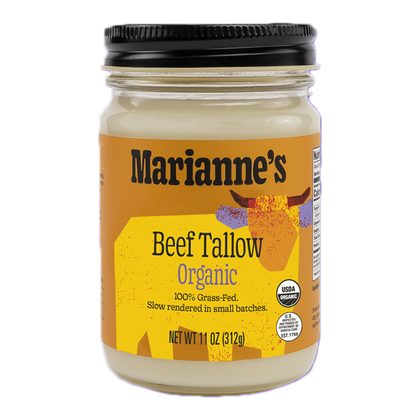
USA[57]cattle born and raised, 100% grass-fed (maker)
4.0 g[13]polyunsaturated fat per 100 g of beef tallow
Listed[31]in the Seed Oil Free Certified directory
7.5[12]class-typical contaminant score: no public test
Organic tallow from 100% grass-fed cattle born and raised in the U.S., from the family brand whose avocado oil passed UC Davis's 2020 purity test. It's one of nine Marianne's products in the Seed Oil Free Certified directory, and it comes in an 11-oz glass jar. No one has published a phthalate test of it, so that pillar gets the class-typical 7.5; a clean result would move it up. Marianne's sells through Costco and Sprouts, not online, so we show no price.
Best forA certified grass-fed U.S. tallow from warehouse and natural stores
Skip ifYou want a published contaminant test (see #2 and #5)
Fat & how it's madeRendered beef tallow, slow-rendered in small batches (maker)
HeatHigh heat; 400°F smoke point (maker)
Source100% grass-fed, pasture-raised cattle born and raised in the USA; USDA Organic (maker's claims)
Tests & certificationsSeed Oil Free Certified (directory, Sept. 30, 2026); no public phthalate test
Size & price11-oz glass jar; Costco and Sprouts; no online price
Fat: Beef tallowBest use: High heat
See score breakdown & sources
Purity & authenticity9.0
Contaminant tests7.5
Heat stability10.0
Source & processing10.0
Packaging & honesty10.0
Purity: single ingredient → 9 · Contaminants: no test, class-typical (median 415 ppb) → 7.5 · Heat: 4.0 g polyunsaturated per 100 g of fat (FDC 171400) → 10 · Source: grass-fed, farm or country named → 10 · Packaging: 11-oz glass jar (label image) → 10. Weighted: 9.250.
Maker's dataMarianne's Harvest. Organic Beef Tallow: “100% grass-fed,” “Cattle born and raised in the USA,” USDA Organic, 400°F smoke point; sold at Costco and Sprouts (no online price). Open source · [57]
Certifier databaseSeed Oil Free Alliance. Marianne's Harvest brand page: 9 certified products (Classic and Organic avocado oils, a Regenerative Organic Certified avocado oil, a spray, a Classic beef tallow and the Organic 100% Grass-Fed beef tallow), certified since August 2025. Open source · [31]
Public record / studyUSDA FoodData Central, SR Legacy (downloaded Sept. 30, 2026): fatty acids per 100 g for avocado oil (FDC 173573), olive oil (171413), butter oil/ghee (173412), beef tallow (171400), beef suet (170193), lamb separable fat (174309), coconut oil (171412), palm oil (171015), goose fat (173572), duck meat and skin (172408), chicken fat (173564), soybean (171411), corn (171029), canola (172336), sunflower (171025) and high-oleic sunflower oil (172338). Per-100-g-of-fat values are our calculation. Open source · [13]
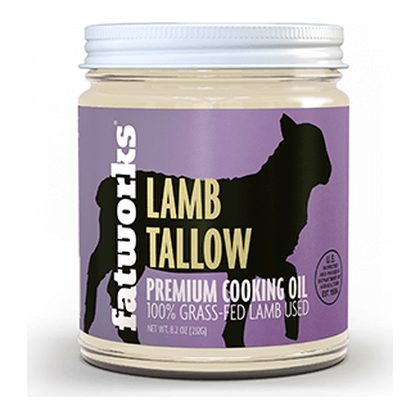
The best-tested ready-to-use tallow we found. Mamavation detected no phthalates in Fatworks' lamb tallow, and its bison tallow came in at 8 ppb; Fatworks' organic beef tallow, by contrast, measured 922 ppb, the highest of 13 tallows and suets. Fatworks says the lamb is grass-fed, grass-finished and pasture-raised and that the animals “thrive in the great Northwest,” but it names no farm or country, so source scores 7.5. Lamb fat carries a bit more polyunsaturated fat than beef tallow, about 7.6 g per 100 g by USDA data, so it scores 9 on heat, still a fraction of any seed oil.
Best forA jar you can cook with today, backed by a clean test
Skip ifYou want a neutral beef flavor (the bison tallow tested 8 ppb)
Size & price7.5 oz $14.00; bison tallow 14 oz $18.98
Fat: Lamb tallowBest use: High heat
See score breakdown & sources
Purity & authenticity9.0
Contaminant tests10.0
Heat stability9.0
Source & processing7.5
Packaging & honesty10.0
Purity: single ingredient → 9 · Contaminants: ND → 10 · Heat: 7.6 g polyunsaturated per 100 g of fat (FDC 174309) → 9 · Source: grass-fed or pasture claim, no farm or country → 7.5 · Packaging: Glass jar (brand image) → 10. Weighted: 9.050.
Independent labMamavation. Tallow and beef suet tested for phthalates (Nov. 19, 2024): 11 tallows and 2 suets from 11 brands bought Aug. 2023–Aug. 2024; Fatworks Organic 922 ppb, Epic 782, South Chicago Packing Wagyu 58, Fatworks Bison 8; Fatworks Lamb and White Oak Pastures beef suet non-detect. One sample per product, EPA-certified lab not named; the post carries affiliate links and brand discount codes. Open source · [12]
Maker's dataFatworks. Grass Fed Lamb Tallow, 7.5 oz $14.00: “Grass-Fed Grass-Finished Pasture Raised”; “these animals thrive in the great Northwest.” Open source · [50]
Maker's dataFatworks. Pasture Raised Bison Tallow, 14 oz $18.98: “sourced from Bison raised on U.S. pastures.” Open source · [51]
Public record / studyUSDA FoodData Central, SR Legacy (downloaded Sept. 30, 2026): fatty acids per 100 g for avocado oil (FDC 173573), olive oil (171413), butter oil/ghee (173412), beef tallow (171400), beef suet (170193), lamb separable fat (174309), coconut oil (171412), palm oil (171015), goose fat (173572), duck meat and skin (172408), chicken fat (173564), soybean (171411), corn (171029), canola (172336), sunflower (171025) and high-oleic sunflower oil (172338). Per-100-g-of-fat values are our calculation. Open source · [13]
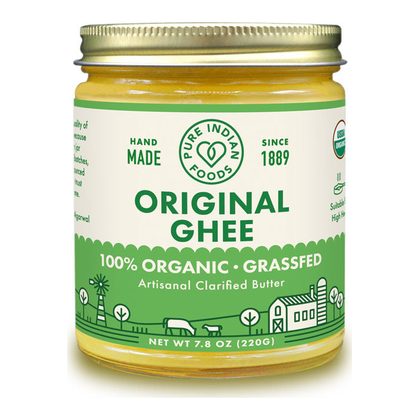
A small-batch ghee from a family business that says exactly what its “grassfed” means: milk from spring through fall, when the cows are out on pasture. That candor earns 8.5 on source. It comes in glass, costs $1.67 an ounce in the smallest jar, and is the only ghee in our top 10 you can buy on the brand's own site. No independent contaminant test has been published, so that pillar gets the class-typical 7.5. Its Cultured Ghee is batch-tested by the maker to no more than 2.5 ppm casein and whey.
Best forBuying ghee online in glass at a fair price
Skip ifYou want a published contaminant test (#1 or #7)
Fat & how it's madeGhee, simmered and strained in small batches (maker)
HeatHigh heat; the Cultured Ghee lists 485°F (maker)
SourceGrassfed organic milk from spring through fall pasture (maker)
Tests & certificationsNo independent test found; Cultured Ghee batch-tested for casein/whey (maker)
Size & price7.8 oz $12.99; 14 oz $22.99; 28.8 oz $40.89; Cultured 7.5 oz $14.99
Fat: GheeBest use: High heat
See score breakdown & sources
Purity & authenticity9.0
Contaminant tests7.5
Heat stability10.0
Source & processing8.5
Packaging & honesty10.0
Purity: single ingredient → 9 · Contaminants: no test, class-typical (median 415 ppb) → 7.5 · Heat: 3.7 g polyunsaturated per 100 g of fat (FDC 173412) → 10 · Source: grass-fed with the brand's own caveat → 8.5 · Packaging: Glass jar (7.8, 14 and 28.8 oz) → 10. Weighted: 8.950.
Maker's dataPure Indian Foods. Original Ghee, Grassfed & Certified Organic: 7.8 oz $12.99, 14 oz $22.99, 28.8 oz $40.89; “milk obtained from spring through fall, when the cows are out on pasture”; packed in glass. Open source · [38]
Maker's dataPure Indian Foods. Cultured Ghee: 7.5 oz $14.99; “Batch-tested to contain no more 2.5 ppm casein/whey”; 485°F smoke point. Open source · [39]
Public record / studyUSDA FoodData Central, SR Legacy (downloaded Sept. 30, 2026): fatty acids per 100 g for avocado oil (FDC 173573), olive oil (171413), butter oil/ghee (173412), beef tallow (171400), beef suet (170193), lamb separable fat (174309), coconut oil (171412), palm oil (171015), goose fat (173572), duck meat and skin (172408), chicken fat (173564), soybean (171411), corn (171029), canola (172336), sunflower (171025) and high-oleic sunflower oil (172338). Per-100-g-of-fat values are our calculation. Open source · [13]
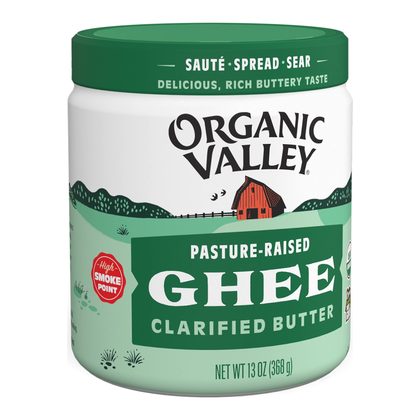
The lowest phthalate result of the seven ghees in Mamavation's original test, and one you'll find in most grocery stores. Organic Valley makes it from “pasture-raised organic butter” and calls it lactose-free and casein-free. The page doesn't say grass-fed or name farms, so source scores 7.5. Organic Valley doesn't sell it online; Whole Foods listed the 7.5-oz jar at $13.29 on Sept. 30, 2026.
Best forA tested ghee from a regular grocery store
Fat & how it's madeOrganic butterfat and organic butter, slow-simmered (maker)
HeatHigh heat (“High smoke point” on the label)
SourcePasture-raised organic butter; farms not named (maker)
Tests & certificationsPhthalates 105 ppb (Mamavation, one sample); USDA Organic is the maker's claim
Size & price7.5 oz and 13 oz jars; $13.29 for 7.5 oz at Whole Foods
Fat: GheeBest use: High heat
See score breakdown & sources
Purity & authenticity9.0
Contaminant tests7.5
Heat stability10.0
Source & processing7.5
Packaging & honesty10.0
Purity: single ingredient → 9 · Contaminants: 105 ppb → 7.5 · Heat: 3.7 g polyunsaturated per 100 g of fat (FDC 173412) → 10 · Source: grass-fed or pasture claim, no farm or country → 7.5 · Packaging: Jar (material not stated) → 10. Weighted: 8.750.
Independent labMamavation. “Ghee tested for toxic phthalates” (May 28, 2025; first published Oct. 8, 2024): all 7 original ghees had phthalates, 105 to 2,702 ppb (Carrington Farms highest, Organic Valley lowest; 4th & Heart 542 ppb); Ancient Organics non-detect in results added May 2025. One sample per product, EPA-certified lab not named; the post carries affiliate links and brand discount codes. Open source · [10]
Maker's dataOrganic Valley. Organic Ghee, Clarified Butter (7.5 oz, 13 oz): made from “pasture-raised organic butter”; lactose-free and casein-free; ingredients organic butterfat, organic butter. Open source · [41]
Maker's dataWhole Foods Market product search, store 10160 (Sept. 30, 2026): Organic Valley ghee 7.5 oz $13.29; 4th & Heart Original Ghee 9 oz $13.99. Open source · [42]
Public record / studyUSDA FoodData Central, SR Legacy (downloaded Sept. 30, 2026): fatty acids per 100 g for avocado oil (FDC 173573), olive oil (171413), butter oil/ghee (173412), beef tallow (171400), beef suet (170193), lamb separable fat (174309), coconut oil (171412), palm oil (171015), goose fat (173572), duck meat and skin (172408), chicken fat (173564), soybean (171411), corn (171029), canola (172336), sunflower (171025) and high-oleic sunflower oil (172338). Per-100-g-of-fat values are our calculation. Open source · [13]
7.5[12]class-typical contaminant score: no public test
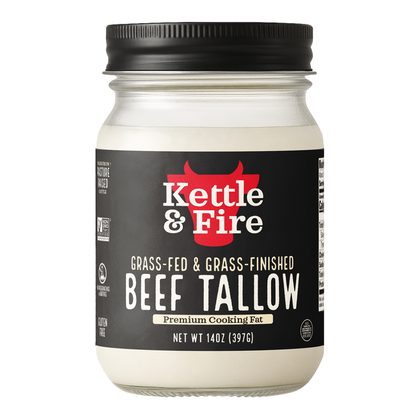
A single-ingredient, 100% grass-fed and grass-finished tallow from a bone-broth brand, and one of the few cooking fats in the Seed Oil Free Certified directory. That seal means the brand pays a license fee and its oils must pass regular independent purity tests, but the results aren't published and it isn't a contaminant test. Kettle & Fire doesn't say where its cattle are raised, so source scores 7.5, and no phthalate result has been published.
Best forA certified grass-fed tallow you can order online
Fat & how it's madeRendered beef tallow, single ingredient
HeatHigh heat
Source100% grass-fed & finished (maker); origin not stated
Tests & certificationsSeed Oil Free Certified (directory); no public phthalate test
Size & price14 oz $19.99
Fat: Beef tallowBest use: High heat
See score breakdown & sources
Purity & authenticity9.0
Contaminant tests7.5
Heat stability10.0
Source & processing7.5
Packaging & honesty10.0
Purity: single ingredient → 9 · Contaminants: no test, class-typical (median 415 ppb) → 7.5 · Heat: 4.0 g polyunsaturated per 100 g of fat (FDC 171400) → 10 · Source: grass-fed or pasture claim, no farm or country → 7.5 · Packaging: 14-oz jar (brand image) → 10. Weighted: 8.750.
Maker's dataKettle & Fire. 100% Grass-Fed & Finished Beef Tallow, 14 oz $19.99; single ingredient. Open source · [56]
Certifier databaseSeed Oil Free Alliance product finder (searched Sept. 30, 2026): cooking fats listed include Marianne's avocado oils and tallows, Kettle & Fire Beef Tallow, Grazly Bison Cooking Tallow, AvoPacific Extra Virgin Avocado Oil and California Olive Ranch's avocado–olive blend; no ghee, Chosen Foods, Primal Kitchen, Fatworks, Epic, Kerrygold or La Tourangelle listings. Brands “license our trademarked seal ... for an annual flat fee. Testing fees are itemized per-ingredient.” No certificate numbers or expiry dates are shown. Open source · [30]
Public record / studyUSDA FoodData Central, SR Legacy (downloaded Sept. 30, 2026): fatty acids per 100 g for avocado oil (FDC 173573), olive oil (171413), butter oil/ghee (173412), beef tallow (171400), beef suet (170193), lamb separable fat (174309), coconut oil (171412), palm oil (171015), goose fat (173572), duck meat and skin (172408), chicken fat (173564), soybean (171411), corn (171029), canola (172336), sunflower (171025) and high-oleic sunflower oil (172338). Per-100-g-of-fat values are our calculation. Open source · [13]
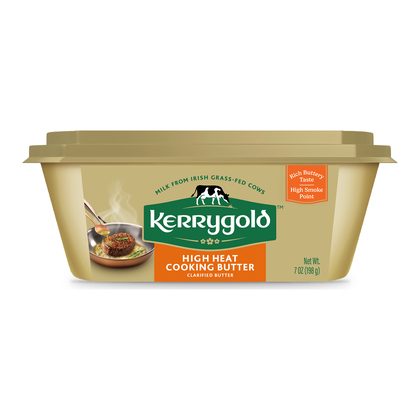
Kerrygold's high-heat product is close to a butter oil: its only ingredient is pasteurized cream with at least 99.6% butterfat, which is why the brand rates it for cooking up to 450°F. Kerrygold explains its grass-fed claim openly: Irish cows graze for most of the year, are typically indoors from November to February eating silage, and get “a very small amount of supplementary feed.” That's grass-fed, not 100% grass-fed, and it scores 8.5 for the candor. It comes in a plastic tub (−1.5) and has no public contaminant test.
Best forButter flavor for searing, found at most grocery stores
Two class actions over Kerrygold butter, one over its grass-fed claim (2018) and one alleging PFAS (2023), ended in dismissals; see the controversy section below.
See score breakdown & sources
Purity & authenticity9.0
Contaminant tests7.5
Heat stability10.0
Source & processing8.5
Packaging & honesty8.5
Purity: single ingredient → 9 · Contaminants: no test, class-typical (median 415 ppb) → 7.5 · Heat: 3.7 g polyunsaturated per 100 g of fat (FDC 173412) → 10 · Source: grass-fed with the brand's own caveat → 8.5 · Packaging: Plastic tub (brand image) (−1.5) → 8.5. Weighted: 8.725.
Maker's dataKerrygold USA. High Heat Cooking Butter: “Pasteurized cream (milk fat, contains at least 99.6% butterfat)”; “up to 450°F”; 7-oz tub. Open source · [45]
Maker's dataKerrygold USA. Irish grass-fed: cows graze outdoors “for the majority of the year”; “Typically, in Ireland, dairy cows are cared for indoors from November to February” eating silage; the diet “also includes a very small amount of supplementary feed.” Checked Sept. 30, 2026. Open source · [46]
Maker's dataWhole Foods Market product search, store 10160 (Sept. 30, 2026): Kerrygold High Heat Cooking Butter 7 oz $5.49. Open source · [47]
Public record / studyTruth in Advertising. Class action tracker, Kerrygold butter products (Myers-Taylor v. Ornua, filed July 2018): dismissed Feb. 2019 for failure to state a claim, the judge concluding reasonable consumers would not read “grass-fed cows” to mean fed only grass; voluntarily dismissed by the plaintiff in March 2019. Open source · [28]
Public record / studyTruth in Advertising. Class action tracker, Kerrygold salted and unsalted butter sticks (2023, alleged PFAS): status “Voluntarily dismissed.” Open source · [29]
Public record / studyUSDA FoodData Central, SR Legacy (downloaded Sept. 30, 2026): fatty acids per 100 g for avocado oil (FDC 173573), olive oil (171413), butter oil/ghee (173412), beef tallow (171400), beef suet (170193), lamb separable fat (174309), coconut oil (171412), palm oil (171015), goose fat (173572), duck meat and skin (172408), chicken fat (173564), soybean (171411), corn (171029), canola (172336), sunflower (171025) and high-oleic sunflower oil (172338). Per-100-g-of-fat values are our calculation. Open source · [13]
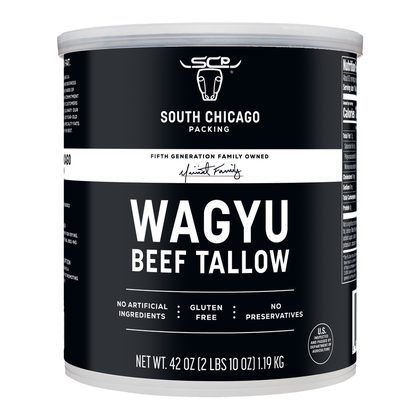
A clean-testing tallow at a bulk price, with two trade-offs. Mamavation measured 58 ppb of phthalates in the 42-oz tub, low for the category. But it makes no grass-fed claim and names no farm, so source scores 6, and it comes in a plastic tub (−1.5). The label reads “100% pure beef tallow” with no additives or preservatives. The brand's 11.5-oz glass jar ($16.99) is the same tallow in different packaging, but it hasn't been tested, so we don't credit it with this result.
Best forA low-phthalate tallow bought in bulk for frying and roasting
Skip ifGrass-fed sourcing matters most, or you want glass
Fat & how it's madeRendered Wagyu beef tallow, single ingredient (maker)
HeatHigh heat
SourceNot stated; no grass-fed claim
Tests & certificationsPhthalates 58 ppb in the 42-oz tub (Mamavation 2024, one sample); the 11.5-oz glass jar is not tested
Size & price42-oz tub $32.99; 11.5-oz glass jar $16.99 (not tested); Angus jar $13.99
Fat: Beef tallowBest use: High heat
See score breakdown & sources
Purity & authenticity9.0
Contaminant tests9.0
Heat stability10.0
Source & processing6.0
Packaging & honesty8.5
Purity: single ingredient → 9 · Contaminants: 58 ppb → 9 · Heat: 4.0 g polyunsaturated per 100 g of fat (FDC 171400) → 10 · Source: source not stated → 6 · Packaging: 42-oz plastic tub (brand image) (−1.5) → 8.5. Weighted: 8.525.
Independent labMamavation. Tallow and beef suet tested for phthalates (Nov. 19, 2024): 11 tallows and 2 suets from 11 brands bought Aug. 2023–Aug. 2024; Fatworks Organic 922 ppb, Epic 782, South Chicago Packing Wagyu 58, Fatworks Bison 8; Fatworks Lamb and White Oak Pastures beef suet non-detect. One sample per product, EPA-certified lab not named; the post carries affiliate links and brand discount codes. Open source · [12]
Maker's dataSouth Chicago Packing. Wagyu Beef Tallow, 42-oz tub, $32.99: “100% pure beef tallow—no artificial ingredients or preservatives.” The tub is the size Mamavation bought (its link resolves to Amazon B0881XTCR3, “Wagyu Beef Tallow, 42 Ounces”). Open source · [53]
Maker's dataSouth Chicago Packing. Wagyu Beef Tallow, glass jar, $16.99 (11.5 oz); Angus jar $13.99. Open source · [54]
Public record / studyUSDA FoodData Central, SR Legacy (downloaded Sept. 30, 2026): fatty acids per 100 g for avocado oil (FDC 173573), olive oil (171413), butter oil/ghee (173412), beef tallow (171400), beef suet (170193), lamb separable fat (174309), coconut oil (171412), palm oil (171015), goose fat (173572), duck meat and skin (172408), chicken fat (173564), soybean (171411), corn (171029), canola (172336), sunflower (171025) and high-oleic sunflower oil (172338). Per-100-g-of-fat values are our calculation. Open source · [13]
The brand's own price on Sept. 30, 2026, divided by the labeled size. Solid fats are sold by weight and oils by volume, so compare within a type; a fluid ounce of oil weighs a little less than an ounce.
Our top 10Other fats we scoredShorter bar = cheaper
White Oak Pastures Suet#2 · 9.8/10 · Beef suet (raw)$0.56per ounce$22.59 · 2.5-lb (40-oz) pack; $0.56 per ounce of raw suet, before rendering.[48]
365 Avocado Oil7.3/10 · Avocado oil$0.71per ounce$11.99 · 16.9 fl oz (Whole Foods' own store brand).[71]
Nutiva Coconut Oil8.5/10 · Coconut oil$0.75per ounce$10.49 sale (out of stock online) · 14-oz glass jar, $12.99 regular; every size was out of stock on Nutiva's store on Sept. 30, 2026.[62]
South Chicago Packing Wagyu Tub#10 · 8.5/10 · Beef tallow$0.79per ounce$32.99 · 42-oz (2 lb 10 oz) tub; the 11.5-oz glass jar ($16.99) hasn't been tested.[53]
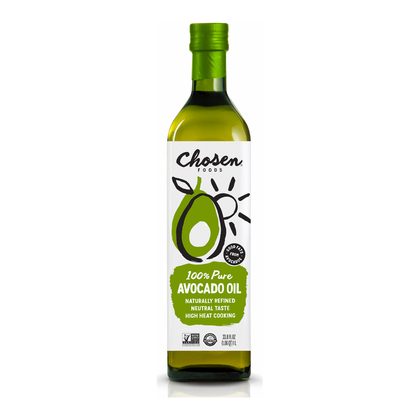
Chosen Foods Avocado Oil7.7/10 · Avocado oil$1.28per ounce$21.59 (out of stock online) · 16.9-fl-oz glass bottle; out of stock on the brand's store on Sept. 30, 2026; sold in stores.[69]
4th & Heart Ghee8.5/10 · Ghee$1.44per ounce$12.99 (out of stock online) · 9-oz jar; out of stock on the brand's store on Sept. 30, 2026; sold in stores.[43]
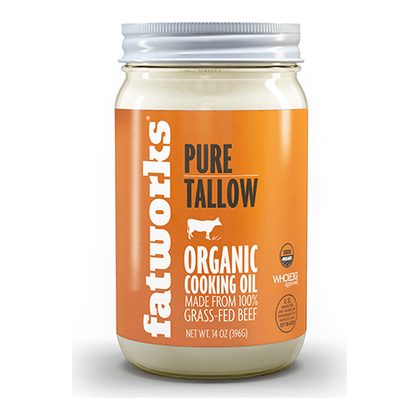
Fatworks Organic Tallow8.5/10 · Beef tallow$1.48per ounce$20.75 · 14-oz glass jar; the non-organic grass-fed tallow is $18.25.[52]
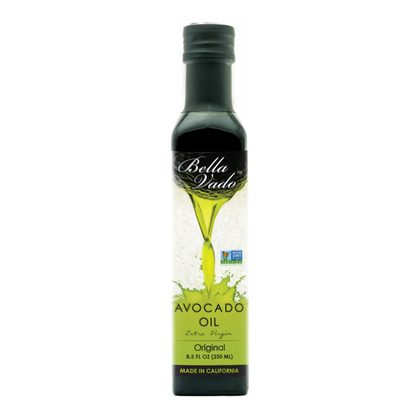
Bella Vado Extra Virgin7.8/10 · Avocado oil$1.66per ounce$14.00 sale · 250-ml bottle, $15.00 regular; case of 6 $75.[67]
Pure Indian Foods Ghee#6 · 9.0/10 · Ghee$1.67per ounce$12.99 · 7.8-oz glass jar; 14 oz $22.99; 28.8 oz $40.89.[38]
In our top 10, the cheapest per ounce is White Oak Pastures Suet at $0.56, but it's raw fat you render yourself; the priciest is Fatworks Lamb Tallow at $1.87. Price didn't track test results: the highest phthalate results on this page came from fats priced $1.12 to $1.67 an ounce.
The signature chart
What's inside each fat, per 100 grams
Saturated, monounsaturated and polyunsaturated fat in every fat we ranked, next to common seed oils. The hatched red segment is linoleic acid, the omega-6 fat that dominates seed oils. More red means less heat stability.
Fatty acids, grams per 100 g of fat (USDA FoodData Central)
USDA's SR Legacy values[13], divided by each food's total fat so rows compare per 100 g of fat. Lamb uses USDA's lamb separable fat and suet its raw beef suet entry; USDA has no lamb tallow, bison tallow or duck fat entry. Brands vary, especially with feed: these are USDA's averages, not tests of the products we ranked. High-oleic sunflower oil has less linoleic acid than avocado or olive oil, yet the Seed Oil Free certifier still classes it as a seed oil, and it isn't eligible here[32]. Over 15 g of polyunsaturated fat per 100 g excludes a fat from our ranking.
Contaminant tests
Phthalates in the fats we scored
Phthalates are plasticizers that can migrate into fatty foods. These are Mamavation's results, one sample per product, sorted within each type. The dashed lines mark our scoring bands at 500, 1,000 and 2,000 ppb; the 100 ppb band is marked on the axis.
Total phthalates, parts per billion (one sample each, 2024–2025)
Our top 10Other fats we scored2,000 ppb or moreScoring band edge
05001,0001,5002,0002,5003,000100
Tallow and suet
#2White Oak Pastures Suet[12]9.8/10NOT DETECTEDNDnon-detect
Mamavation sends each product to an EPA-certified lab it doesn't name and publishes totals; it earns affiliate income and posts discount codes from some brands[12][10]. One sample can't show whether a result holds across lots, and these levels aren't safety verdicts. Two results belong to sister products, so we didn't apply them: La Tourangelle's older “Delicate” avocado oil (1,450 ppb) and Carrington Farms' liquid coconut cooking oil (217 ppb)[9][11]. Across the 45 results from Mamavation's own lab for avocado oil, ghee, coconut oil and cooking tallow and suet, the median was 415 ppb, which sets the class-typical score (7.5) for fats with no test.
Avocado oil purity
How often avocado oil isn't what the label says
UC Davis's food-quality lab has tested avocado oil three times. The first two studies tested bottled oils; the 2026 study tested foods made with avocado oil, which we don't apply to any bottled oil below.
Share of samples that failed purity or quality
FailedPassed
2020 · 22 bottled oils, brand-name and imported[1]stale before expiration or mixed with other oils (at least)82%failed
2023 · 36 store-brand oils, 19 retailers[3]not pure (31% pure; 36% met advertised quality)69%failed
2026 · 54 foods sold as made with avocado oil[6]failed authenticity (48 of 54): chips 93%, mayonnaise 71%, dressings 100%89%failed
2026 · 20 foods sold as made with olive oil[6]failed (1 of 20), the comparison group5%failed
Chosen FoodsRefined, made in Mexico. Passed UC Davis’s 2020 test[1]
Marianne'sRefined, made in Mexico. Passed UC Davis’s 2020 test[1]
2020 counts oils that were stale before their expiration date or mixed with other oils; in three cases, bottles labeled “pure” or “extra virgin” held nearly 100% soybean oil[1][2]. For 2023 we show the share not pure (31% were pure)[3][4]. The 2026 figures are samples: 27 avocado-oil and 10 olive-oil products, two lots each, compared with Codex ranges[7][8]. FDA has no standard of identity for avocado oil[1], so no one checks it before sale.
How we score: the Dr. Axe Clean Fat Score™
Most “best cooking oil” lists rank smoke point and taste. Ours starts with what someone other than the brand measured: purity, contaminants and the fat's own chemistry. It's an editorial assessment built from independent tests, USDA data and brand disclosures, not our own lab testing, and not a safety grade. Price isn't part of the score; see the cost chart.
Purity & authenticity25%
Single-ingredient fats (ghee, butter, tallow, suet, coconut, red palm) start at 9. Avocado oil that passed a UC Davis bottled-oil test scores 10; untested avocado oil scores 6, the class-typical value, because only 31% of store-brand avocado oils UC Davis tested in 2023 were pure; a failed test scores 2 and excludes the oil.
Contaminant tests20%
Mamavation's phthalate results (one sample per product): non-detect 10; under 100 ppb 9; 100–499 ppb 7.5; 500–999 ppb 6; 1,000–1,999 ppb 4.5; 2,000 ppb or more 3. No test: the class-typical band from the median of every Mamavation cooking-fat result.
Heat stability20%
Polyunsaturated fat per 100 g of fat, from USDA FoodData Central: 5 g or less scores 10; 5–10 g 9; 10–15 g 8; over 15 g is excluded from the ranking.
Source & processing20%
Animal fats: grass-fed with the farm or country named 10; grass-fed with a caveat the brand itself states 8.5; grass-fed or pasture claim with no farm or country 7.5; unstated 6. Plant oils: origin named plus a farming certification we verified 10; origin named 8.5; unstated 6. Red palm: sustainability certification verified 7, otherwise 4. Organic verified in a certifier database +0.5 (max 10).
Packaging & honesty15%
Starts at 10: plastic bottle or tub −1.5 (glass, tin or jar 0); packaging not stated gets the class-typical score; a “cold-pressed” or “unrefined” claim contradicted −2; a certification badge its certifier's database doesn't list −1; a purity lawsuit settled with findings −2. Lawsuits and investigations without findings cost nothing.
Missing data is neutral, not zero. An untested avocado oil scores 6 on purity, reflecting UC Davis's finding that 31% of store-brand oils were pure[3]. A fat with no phthalate test gets the band for the median of the 45 results from Mamavation's own lab for avocado oil, ghee, coconut oil and cooking tallow and suet, 415 ppb (7.5)[9][10][11][12]. Packaging that isn't stated gets the class-typical score, the median of the fats we scored (10). A result for a sister product, even the same fat in a different package, isn't applied. Real results beat claims, so a tested fat outranks an otherwise identical untested one.
Heat stability from USDA, not smoke point. We score polyunsaturated fat per 100 g of fat from USDA FoodData Central[13]. Smoke point didn't predict how oils broke down in a 10-oil heating study[14], and label smoke points vary widely. Refined avocado oil is sold for high heat and virgin for lower heat; we note that in the copy, not the score.
Who's eligible. Fruit oils (avocado, coconut, red palm) and animal fats. Seed oils are out, including macadamia and high-oleic sunflower and safflower, which the certifier classes as “low-concern” seed oils[32]. A failed purity test, or over 15 g of polyunsaturated fat per 100 g (chicken fat is about 21 g), excludes a fat. Up to two products per brand; one in the top 10. Extra virgin olive oil has its own ranking.
Ties. Equal scores are broken by the unrounded score, then by the lead metric, a lower tested phthalate result (untested fats after tested ones), then lower linoleic acid. Ancient Organics and White Oak Pastures' suet both score 9.75 with non-detect results; ghee's 2.26 g of linoleic acid per 100 g of fat edges suet's 2.29 g.
Who the testers are. UC Davis is an academic lab[1]. Mamavation tests one sample per product at an unnamed EPA-certified lab and earns affiliate income and brand discount codes[12]; we treat its numbers as independent results and say “one sample” every time. Seed Oil Free Certified is a paid license that requires unpublished purity testing[30][32], so a listing earns no points; a badge its certifier doesn't list costs 1.
Why we skip seed oils
Our case rests on cooking chemistry and product honesty, not on a proven death rate. Here's the dividing line:
They're mostly linoleic acid
Soybean oil is 51 g linoleic acid per 100 g and corn oil 54 g, vs 3.1 g in tallow[13]. The U.S. food supply went from 2.79% to 7.21% of calories as linoleic acid in 90 years[16].
They break down faster when heated
In a 10-oil heating study, canola, grapeseed, sunflower and rice bran oils formed 14–22% polar compounds vs 9.3% for coconut oil[14]. Aldehydes in fries rose with each reuse of sunflower oil[15].
They hide in “better” products
UC Davis found three bottles labeled pure or extra virgin avocado oil that were nearly all soybean oil[1], and most avocado-oil foods it tested in 2026 held other oils[6].
What the research can't yet say
Swapping animal fat for linoleic-rich oil lowered cholesterol without fewer deaths in recovered trial data[19], while the American Heart Association credits such swaps with ≈30% less heart disease[20]. No trial has tested reheated seed oils on hard outcomes.
The one gray area: high-oleic sunflower oil has only 3.6 g of linoleic acid per 100 g, less than avocado oil's 12.5 g[13]. We still leave it out because the certifier classes it as a seed oil and because it's refined[32]; the same rule excludes macadamia oil.
Are seed oils bad for you? What the evidence shows
The trials pull in both directions, and anyone who tells you the question is settled is skipping half of them. Here's how we'd grade each:
10 oils heated without food: EVOO lowest, then coconut; seed oils highest. Smoke point didn't predict it.
Acta Sci Nutr Health, 2018
Average polar compounds after two heating trials[14]Lower is more stable
EVOO8.5%
Coconut9.3%
Avocado11.6%
Rice bran14.3%
Sunflower15.6%
Grapeseed19.8%
Canola22.4%
Put together: the strongest reason to keep seed oils out of your pan is what heat does to polyunsaturated fat, plus the purity problems in “healthier” oils. Whether that changes heart outcomes hasn't been tested directly. The 2025–2030 Dietary Guidelines take a middle path: “prioritize oils with essential fatty acids, such as olive oil,” with butter or beef tallow as options and saturated fat under 10% of calories[23].
What “Seed Oil Free Certified” means
The seal comes from the Seed Oil Free Alliance. Brands license it for an annual flat fee plus testing fees itemized per ingredient[30]. Its standard defines seed oils broadly: “oils made from nuts are also considered seed oils,” and even “low-concern” ones like macadamia and high-oleic sunflower aren't allowed[32]. Its directory lists products but shows no certificate numbers or expiration dates.
The standard also requires that “All allowed oils and refined fats are regularly tested for purity in an independent lab,” and brands sign a nondisclosure agreement that covers their purity testing results[32]. So the seal means a lab checked the oils for seed-oil adulteration, but the results aren't published and it isn't a contaminant (phthalate) test; a listing earns no points here. Among the fats we scored, only Marianne's (nine products, certified since August 2025) and Kettle & Fire's tallow were listed when we checked on Sept. 30, 2026[31][30]. No ghee, coconut oil or butter was listed.
A small-batch ghee from a family business that says exactly what its “grassfed” means: milk from spring through fall, when the cows are out on pasture.
Kerrygold's high-heat product is close to a butter oil: its only ingredient is pasteurized cream with at least 99.6% butterfat, which is why the brand rates it for cooking up to 450°F.
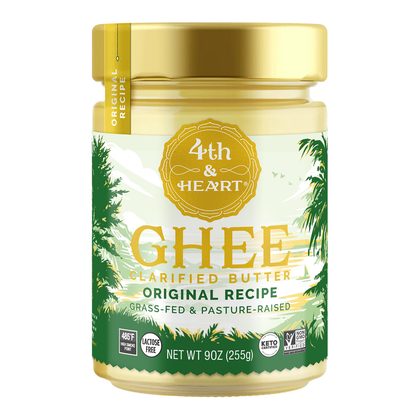
Grass-fed and pasture-raised per its label; 542 ppb in Mamavation's test. Out of stock on the brand store Sept. 30; sold in stores (Whole Foods $13.99).[43][10][42]
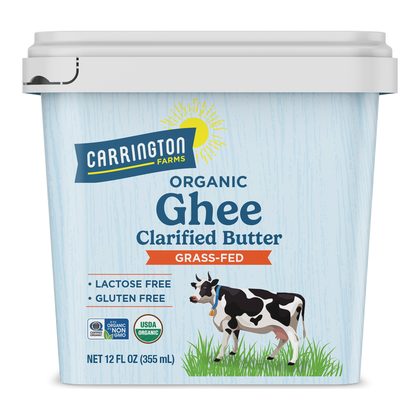
Organic, from grass-fed cows (maker), but 2,702 ppb, the highest of the seven original ghees, and a plastic tub.[44][10]
Phthalates 2,702 ppbPUFA 3.7 g
7.6/10
Best tallow and suet
Tallow is rendered beef, bison or lamb fat; suet is the raw fat you render. Among cooking tallows, Fatworks' lamb (ND) and bison (8 ppb), and both suets Mamavation tested, were non-detect or nearly so[12].
A single-ingredient, 100% grass-fed and grass-finished tallow from a bone-broth brand, and one of the few cooking fats in the Seed Oil Free Certified directory.
Phthalates not testedPUFA 4.0 gSeed Oil Free listed
Organic, grass-fed and grass-finished (maker), “guaranteed” pesticide-free with no test published, and 922 ppb phthalates, the highest of 13 tallows and suets.[52][12]
Phthalates 922 ppbPUFA 4.0 g
8.5/10
Best avocado oil
No avocado oil made our top 10: at 13.5 g of polyunsaturated fat per 100 g it scores 8 on heat[13], and most brands have no purity test. These are the best of the category, refined for high heat and virgin for low heat.
Passed UC Davis's 2020 test, but 1,130 ppb phthalates in Mamavation's sample. Out of stock on its own store Sept. 30; Whole Foods listed it at $17.99.[1][9][69][71]
Cheapest avocado oil we priced ($0.71 per fl oz), but untested as far as we can find: only 31% of the store-brand oils UC Davis tested were pure, and the dozen retailers it later named for failing oils don't include Whole Foods (or Costco). Whole Foods wasn't named as passing either, so purity scores 6.[71][3][5]
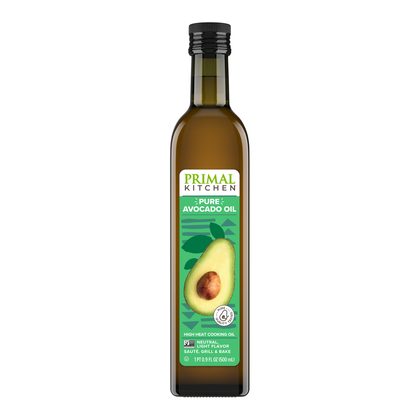
2,774 ppb phthalates, the highest result among the oils we ranked, and no purity test. Texas's investigation of foods labeled “made with avocado oil” names Primal Kitchen as a company; the announcement doesn't name any bottled oil.[9][26]
Phthalates 2,774 ppbUC Davis untestedPUFA 13.5 g
6.4/10
8
Kirkland Signature avocado oil (Costco)Price not verified
We couldn't verify a current price or any public test result, and Costco wasn't among the retailers UC Davis named for failing oils in 2024, so it isn't rated.[5]
Not rated
Olive oil: ranked on its own page
Extra virgin olive oil is seed-oil-free, and the 2025–2030 Dietary Guidelines tell cooks to “prioritize oils with essential fatty acids, such as olive oil”[23]. In a 10-oil heating test it formed the fewest polar compounds[14]. We rank it by polyphenols, freshness and purity separately.
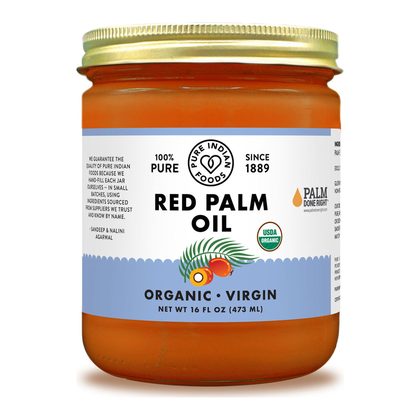
Organic red palm oil in glass with 9.3 g of polyunsaturated fat per 100 g. Its “Palm Done Right” promise isn't an RSPO certification we could verify, so source scores 4.[40][13]
Phthalates not testedPUFA 9.3 g
7.9/10
Best value
Cheapest per ounce at the brand's own price. Suet needs rendering; the 365 oil is untested.
What about avocado oil fraud and Kerrygold's grass-fed claim?
Two questions readers ask most. The lawsuits and investigations below are allegations unless a court found otherwise; here's what the records show.
Avocado oil: what the tests foundIn 2020, UC Davis found at least 82% of 22 bottled avocado oils were stale or mixed with other oils; three bottles labeled “pure” or “extra virgin” held nearly 100% soybean oil. Only Chosen Foods and Marianne's (both refined, made in Mexico) were pure and fresh, plus CalPure among virgin oils[1]. In 2023, just 31% of 36 store-brand oils were pure[3]. FDA has set no standard of identity for avocado oil[1].
The lawsuitsEight class actions filed in 2024 cited UC Davis testing against store brands from Walmart (Great Value), Target (Good & Gather), Sam's Club (Olivari), Aldi (Simply Nature), Kroger (Private Selection) and Stop & Shop. As of October 2024 all were pending except Kroger's, which was dismissed in June 2024[25]. These are allegations. In August 2024, at The Washington Post's request, UC Davis named the retailers whose store brands failed its tests: Walmart, Sam's Club, Kroger, Safeway, Trader Joe's, Aldi, Metro, Meijer, Target, Sprouts, ShopRite and Stop & Shop; Wegmans' refined oil failed and its extra virgin passed. Costco and Whole Foods weren't named[5].
The 2026 foods study and TexasUC Davis's 2026 study tested foods, not bottled oils: 48 of 54 samples (27 products, two lots each) of chips, mayonnaises and dressings sold as made with avocado oil failed[6][7]. On Aug. 20, 2026, Texas's attorney general opened an investigation into products labeled “made with avocado oil,” starting with Primal Kitchen, Siete Foods and Chosen Foods[26]; Food Dive described Chosen as a mayonnaise and dressing maker in that probe, and Primal Kitchen said its suppliers confirm purity through third-party lab testing[27]. It's an investigation, not a finding, and the attorney general's announcement concerns foods labeled “made with avocado oil,” not bottled oils; Chosen's bottled refined oil passed UC Davis's 2020 test. Marianne's calls itself “the benchmark for 100% pure avocado oil in new UC Davis Study”[59]; we couldn't read the 2026 paper to confirm how its oil was used.
Kerrygold's “grass-fed”Kerrygold says Irish cows graze outdoors for most of the year, are typically indoors from November to February eating silage, and get “a very small amount of supplementary feed”[46]. A 2018 class action alleged its cows ate grain and soy; in February 2019 a judge dismissed it, concluding reasonable consumers wouldn't read “grass-fed cows” as grass only, and the plaintiff dropped it in March 2019[28]. A 2023 suit alleging PFAS in its butter sticks was voluntarily dismissed[29]. Neither ended in findings against the company. Our score treats Kerrygold as grass-fed with a stated caveat (8.5).
Our adviceInvestigations and lawsuits don't change our scores; tests do. For avocado oil, buy a brand that passed an independent test, and read “made with avocado oil” on a snack as a marketing phrase.
What we'd skip
Fats we scored that carried the highest phthalate results, 1,000 ppb or more in a single sample:
Soybean, corn and sunflower oil carry 55–66 g of polyunsaturated fat per 100 g, most of it linoleic acid; canola has 28 g[13]. Seed oils broke down fastest under heat[14].
Classed as seed oils by the certifier, even with low linoleic acid; La Tourangelle's macadamia oil claims a 450°F smoke point, but it's a nut oil[32][66].
Chicken fat, and duck fat for now
Chicken fat has 20.9 g of polyunsaturated fat per 100 g, over our 15 g limit. USDA has no duck fat entry (duck meat's fat is about 12.9 g), and both duck fats we found were out of stock[13].
When the label meets the lab
The biggest gaps we found between what cooking-fat labels suggest and what testing or the brand's own fine print shows.
“100% Pure” avocado oil[1][3][6]Label vs. UC Davis tests
Share of samples that failed
Bottled oils, 2020: stale or mixed82%
Store brands, 2023: not pure69%
Foods made with avocado oil, 202689%
Smoke point claims[69][67][14]Avocado oil labels vs. a lab
De Alzaa measured 196.67°C; our conversion
Chosen Foods label500°F
Bella Vado label450°F
Lab-measured avocado oil386°F
Kerrygold “grass-fed”[46]The brand's own description
Plus “a very small amount of supplementary feed” year-round
Typical months grazing outdoorsabout 8
Typical months indoors on silage (Nov.–Feb.)about 4
Primal Kitchen “Rigorously tested for quality”[70][9]Phthalates, avocado oils
A quality claim doesn't cover contaminants
Primal Kitchen Pure2,774 ppb
Median avocado oil (13 tested)1,130 ppb
Lowest avocado oil tested76 ppb
Fatworks Organic “guaranteed ... pesticide ... free”[52][12]What's been published
No pesticide test published; phthalates shown
Fatworks Organic beef tallow922 ppb
Median of 11 cooking tallows and suets41 ppb
Fatworks lamb tallowND
DA
Dr. Axe's Take
Fat isn't the enemy in your kitchen; unstable fat is. When you heat an oil that's more than half polyunsaturated, you're cooking the most fragile fat there is, and the lab data on breakdown products is hard to ignore. That's why seed oils don't belong in the pan.
My non-negotiables: cook hot with tallow and ghee, and use butter and coconut oil for medium heat. Buy the ones with a clean test when you can. If you want avocado oil, buy a brand that passed an independent purity test, because this category has a fraud problem. Choose glass or tin, keep jars away from the stove, and never reuse frying fat.
Keep it in proportion, too. The heart research on seed oils points both ways, so I'm not asking you to fear a salad dressing at a restaurant. Get most of your fat from whole foods, use extra virgin olive oil for anything raw, and let the fats in this ranking do the cooking.
— Dr. Axe
Frequently asked questions
What is the best seed-oil-free cooking oil?
Ancient Organics Ghee (9.8/10): no detectable phthalates in Mamavation's test, grass-fed butter the maker sources from New Zealand and North American farms, packed in glass. For tallow, White Oak Pastures' suet (9.8) and Fatworks' lamb tallow (9.1) also tested non-detect. For coconut oil, Dr. Bronner's; for avocado oil, Marianne's Classic, which passed UC Davis's purity test.
What's the healthiest fat for high-heat cooking?
By chemistry, the fats lowest in polyunsaturated fat: coconut oil (1.7 g per 100 g), beef suet and tallow (3.4–4.0 g) and ghee (3.7 g), per USDA data. Refined avocado oil (13.5 g) is a good plant option for searing. Soybean, corn and sunflower oil carry 55–66 g, and seed oils formed the most breakdown products in a 10-oil heating study.
Is avocado oil a seed oil?
No. It's pressed from the fruit's flesh, like olive oil, and the Seed Oil Free certifier lists avocado oils. The catch is purity: in UC Davis's 2020 test, at least 82% of bottled avocado oils were stale or mixed with other oils, and three labeled pure or extra virgin were nearly all soybean oil.
How can I tell if my avocado oil is real?
Buy a brand with an independent purity result: Chosen Foods and Marianne's refined oils, and CalPure among virgin oils, passed UC Davis's 2020 test. UC Davis found low prices signal a higher chance of adulteration, but a high price didn't guarantee purity. Choose dark glass or tin, and skip oils that smell stale or crayon-like.
Is beef tallow healthy to cook with?
It's one of the most heat-stable fats, about 4 g of polyunsaturated fat per 100 g, and the 2025–2030 Dietary Guidelines list butter or beef tallow as options for cooking. It's about half saturated fat, and the same guidelines keep saturated fat under 10% of calories, so use it for cooking, not by the spoonful. Pick one with a low phthalate result, like Fatworks' lamb tallow or White Oak Pastures' suet.
Is ghee better than butter for cooking?
For high heat, usually yes. Ghee is butter with the water and milk solids removed, so it doesn't burn as easily. Its fat profile is the same as butter's. Kerrygold's High Heat butter is 99.6% butterfat, so it behaves much like ghee.
Are seed oils bad for you?
The evidence is mixed. Recovered data from the Sydney trial found more deaths when safflower oil replaced animal fat, and the Minnesota trial found lower cholesterol without fewer deaths. The American Heart Association credits replacing saturated fat with polyunsaturated oils with about 30% less heart disease, and higher blood linoleic acid tracked with lower cardiovascular death in 68,659 people. The clearer problem is cooking: polyunsaturated oils break down faster under heat.
Is olive oil seed-oil-free?
Yes. It's pressed from the fruit, and extra virgin olive oil formed the fewest breakdown products in a 10-oil heating test. The 2025–2030 Dietary Guidelines tell cooks to “prioritize oils with essential fatty acids, such as olive oil.” We rank olive oils on their own page.
What about high-oleic sunflower or safflower oil?
High-oleic sunflower oil has only 3.6 g of linoleic acid per 100 g, less than avocado or olive oil. It's still a refined seed oil, and the Seed Oil Free certifier classes it as a “low-concern” seed oil it won't certify, so it isn't eligible here.
What does “Seed Oil Free Certified” mean?
It's a paid certification: brands license the seal for an annual flat fee plus per-ingredient testing fees. The standard requires regular independent lab testing of the oils for purity, but the results aren't published and the directory shows no certificate numbers. It isn't a contaminant (phthalate) test.
Why do phthalates show up in cooking fats?
Phthalates are plasticizers found in plastics and fragrances, and they dissolve easily into fat, so tubing, liners and plastic containers are likely sources. Mamavation found them in most ghees, coconut oils and avocado oils it tested, one sample each, while a few tallows, suets and ghees were non-detect. Choosing glass or tin and a brand with a low result is the practical step.
References
Update history
Sept. 30, 2026: First published. Scores built from UC Davis's avocado oil studies (2020, 2023, 2026), Mamavation's phthalate results (2024–2025), USDA FoodData Central, the Seed Oil Free Certified and Regenerative Organic Certified directories, brand pages and court and agency records, all checked Sept. 30, 2026. The 2025–2030 Dietary Guidelines were released Jan. 7, 2026[24].
Independent lab UC Davis. Study finds 82 percent of avocado oil rancid or mixed with other oils (June 15, 2020): 22 domestic and imported samples; “at least 82 percent” stale before the expiration date or mixed with other oils; in three cases bottles labeled “pure” or “extra virgin” held near 100% soybean oil; only Chosen Foods and Marianne's (refined, made in Mexico) were pure and nonoxidized, and CalPure (California) among virgin oils; FDA has no standard of identity for avocado oil. Checked Sept. 30, 2026. Open source
Public record / study Green HS, Wang SC. First report on quality and purity evaluations of avocado oil sold in the US. Food Control, 2020;116:107328. Open source
Independent lab UC ANR Food Blog. Nearly 70% of private label avocado oil rancid or mixed with other oils (May 24, 2023): 36 private-label products from 19 U.S. and Canadian retailers; 31% pure, 36% of advertised quality; Selina Wang: “low-cost products indicate a higher probability for adulteration, but high cost didn't guarantee purity or quality.” Open source
Public record / study Green HS, Wang SC. Purity and quality of private labelled avocado oil. Food Control, 2023;152:109837. The Washington Post later published which retailers' store brands failed (see its Aug. 30, 2024 report). Open source
Public record / study O'Connor A, Steckelberg A. Why your avocado oil may be fake and contain other cheap oils. The Washington Post, Aug. 30, 2024 (read via syndicated copy, Jewish World Review): UC Davis disclosed store brands that failed its 2021 tests of 36 bottles from 19 U.S. and Canadian grocers (at least 21 adulterated): Walmart, Sam's Club, Kroger, Safeway, Trader Joe's, Aldi, Metro, Meijer, Target, Sprouts, ShopRite and Stop & Shop; Wegmans' refined oil failed and its extra virgin passed. Costco and Whole Foods are not named. Open source
Independent lab UC Davis. That avocado oil chip you're eating may not be made with pure avocado oil (July 15, 2026): 54 samples of processed foods labeled with avocado oil as the only oil, bought 2025–2026; 48 of 54 (89%) failed: chips 93%, mayonnaises 71%, salad dressings 100%; 1 of 20 olive-oil foods failed; no outside funding. Brand-level results are in a media kit we could not access. Open source
Public record / study LocalFats. The UC Davis avocado oil study: what it actually found (Aug. 13, 2026), summarizing the paper: 27 avocado-oil and 10 olive-oil products, two lots each (54 and 20 samples), compared with Codex CXS 210 ranges with a 10% allowance; no industry funding declared. Open source
Public record / study Lopez-Alvarez N, Li, Vizgordiski, Wang SC. Authenticity of avocado and olive oils used as ingredients in commercially processed foods. Applied Food Research, 2026; article 102389 (open access; the full text blocked automated access, so figures here come from UC Davis's release). Open source
Independent lab Mamavation. Avocado oils tested for phthalates (July 1, 2025): Primal Kitchen Pure 2,774 ppb; Chosen Foods 100% Pure 1,130 ppb; La Tourangelle Delicate 1,450 ppb; Nutiva Organic 76 ppb; range 76 to 56,808 ppb. One sample per product, EPA-certified lab not named; the post carries affiliate links and brand discount codes. Open source
Independent lab Mamavation. “Ghee tested for toxic phthalates” (May 28, 2025; first published Oct. 8, 2024): all 7 original ghees had phthalates, 105 to 2,702 ppb (Carrington Farms highest, Organic Valley lowest; 4th & Heart 542 ppb); Ancient Organics non-detect in results added May 2025. One sample per product, EPA-certified lab not named; the post carries affiliate links and brand discount codes. Open source
Independent lab Mamavation. “Coconut oils tested for toxic phthalates” (June 3, 2025; first published June 11, 2024; results added Nov. 2024 and June 2025): Dr. Bronner's 126 ppb, Nutiva 387, La Tourangelle 730.89, Carrington Farms Coconut Cooking Oil (liquid) 217; range to 1,506 ppb. One sample per product, EPA-certified lab not named; the post carries affiliate links and brand discount codes. Open source
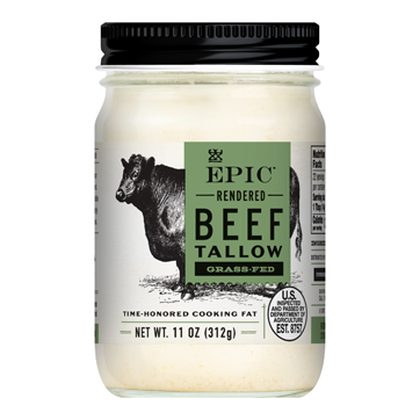
Independent lab Mamavation. Tallow and beef suet tested for phthalates (Nov. 19, 2024): 11 tallows and 2 suets from 11 brands bought Aug. 2023–Aug. 2024; Fatworks Organic 922 ppb, Epic 782, South Chicago Packing Wagyu 58, Fatworks Bison 8; Fatworks Lamb and White Oak Pastures beef suet non-detect. One sample per product, EPA-certified lab not named; the post carries affiliate links and brand discount codes. Open source
Public record / study USDA FoodData Central, SR Legacy (downloaded Sept. 30, 2026): fatty acids per 100 g for avocado oil (FDC 173573), olive oil (171413), butter oil/ghee (173412), beef tallow (171400), beef suet (170193), lamb separable fat (174309), coconut oil (171412), palm oil (171015), goose fat (173572), duck meat and skin (172408), chicken fat (173564), soybean (171411), corn (171029), canola (172336), sunflower (171025) and high-oleic sunflower oil (172338). Per-100-g-of-fat values are our calculation. Open source
Public record / study De Alzaa F, Guillaume C, Ravetti L. Evaluation of chemical and physical changes in different commercial oils during heating. Acta Sci Nutr Health, 2018: 10 oils heated 6 h at 180°C and ramped to 240°C, no food cooked; average final polar compounds EVOO 8.47%, coconut 9.30%, avocado 11.60%, rice bran 14.35%, sunflower 15.57%, grapeseed 19.79%, canola 22.43%; oxidative stability coconut 50.27 h, avocado 10.17 h, sunflower 6.10 h; measured smoke points avocado 196.67°C, coconut 191.00°C; “smoke point is not a relevant parameter.” The authors' lab is olive-industry affiliated. Open source
Public record / study Moumtaz S, ... Grootveld M. “Toxic aldehyde generation in and food uptake from culinary oils during frying practices.” Sci Rep, 2019;9:4125: PUFA-rich oils generated more aldehydes; fast-food fries held 10–25 ppm of each aldehyde class; aldehydes in chips rose with repeated frying in sunflower oil. Competing interests: “Prof. Grootveld's work has been funded by TerraVia,” maker of the algae oil tested. Open source
Public record / study Blasbalg TL, et al. Changes in consumption of omega-3 and omega-6 fatty acids in the United States during the 20th century. Am J Clin Nutr, 2011: soybean oil consumption rose more than 1,000-fold from 1909 to 1999; linoleic acid rose from 2.79% to 7.21% of energy (food-supply data). Open source
Public record / study Guyenet SJ, Carlson SE. Increase in adipose tissue linoleic acid of US adults in the last half century. Adv Nutr, 2015: adipose linoleic acid rose 136%, highly correlated with intake. Open source
Public record / study Ramsden CE, et al. Sydney Diet Heart Study recovered data. BMJ, 2013;346:e8707: 458 men with a recent coronary event; replacing saturated fat with safflower oil and safflower margarine: all-cause death 17.6% vs 11.8% (HR 1.62, 1.00–2.64). Open source
Public record / study Ramsden CE, et al. Minnesota Coronary Experiment recovered data. BMJ, 2016;353:i1246: 9,423 adults; corn oil diet cut serum cholesterol 13.8% vs 1.0%, but the evidence “does not support” lower coronary or all-cause death. Open source
Public record / study Sacks FM, et al. Dietary fats and cardiovascular disease: a presidential advisory from the American Heart Association. Circulation, 2017: trials replacing saturated fat with polyunsaturated vegetable oil “reduced CVD by ≈30%.” Open source
Public record / study Hooper L, et al. Reduction in saturated fat intake for cardiovascular disease. Cochrane, 2020: 15 trials, 56,675 people; combined cardiovascular events RR 0.83 (17% fewer; moderate quality); all-cause death RR 0.96 and cardiovascular death RR 0.95, “little or no effect.” Open source
Public record / study Marklund M, et al. Biomarkers of dietary omega-6 fatty acids and incident cardiovascular disease and mortality. Circulation, 2019: 30 cohorts in 13 countries, 68,659 people; higher linoleic acid levels, cardiovascular death HR 0.78 (observational). Open source
Public record / study Dietary Guidelines for Americans, 2025–2030 (PDF created Jan. 6, 2026): “prioritize oils with essential fatty acids, such as olive oil. Other options can include butter or beef tallow”; saturated fat “should not exceed 10% of total daily calories”; “More high-quality research is needed.” The text doesn't use the words “seed oil.” Open source
Public record / study Covington & Burling. Release of the 2025–2030 Dietary Guidelines for Americans (Jan. 7, 2026). Open source
Public record / study Truth in Advertising. CATrends: Adulterated avocado oil (Oct. 21, 2024): eight 2024 class actions naming Walmart Great Value, Target Good & Gather, Sam's Club Olivari, Aldi Simply Nature, Kroger Private Selection and Stop & Shop, citing UC Davis testing; all pending except Kroger's, dismissed in June 2024. Open source
Public record / study Texas Attorney General. Attorney General Ken Paxton investigates avocado oil products for deceptive marketing and potential use of undisclosed seed oils (Aug. 20, 2026): an industry-wide investigation of products labeled “made with avocado oil,” starting with Primal Kitchen, Siete Foods and Chosen Foods. Open source
Public record / study Food Dive. PepsiCo, Kraft Heinz under investigation in Texas over avocado oil claims (Aug. 2026): Texas requested information from Siete Foods, Kraft Heinz-owned Primal Kitchen and “mayonnaise and salad dressing manufacturer Chosen Foods”; brands in the UC Davis study include those companies; Primal Kitchen: its suppliers “confirm the oil's integrity through independent, third-party laboratory testing.” Open source
Public record / study Truth in Advertising. Class action tracker, Kerrygold butter products (Myers-Taylor v. Ornua, filed July 2018): dismissed Feb. 2019 for failure to state a claim, the judge concluding reasonable consumers would not read “grass-fed cows” to mean fed only grass; voluntarily dismissed by the plaintiff in March 2019. Open source
Public record / study Truth in Advertising. Class action tracker, Kerrygold salted and unsalted butter sticks (2023, alleged PFAS): status “Voluntarily dismissed.” Open source
Certifier database Seed Oil Free Alliance product finder (searched Sept. 30, 2026): cooking fats listed include Marianne's avocado oils and tallows, Kettle & Fire Beef Tallow, Grazly Bison Cooking Tallow, AvoPacific Extra Virgin Avocado Oil and California Olive Ranch's avocado–olive blend; no ghee, Chosen Foods, Primal Kitchen, Fatworks, Epic, Kerrygold or La Tourangelle listings. Brands “license our trademarked seal ... for an annual flat fee. Testing fees are itemized per-ingredient.” No certificate numbers or expiry dates are shown. Open source
Certifier database Seed Oil Free Alliance. Marianne's Harvest brand page: 9 certified products (Classic and Organic avocado oils, a Regenerative Organic Certified avocado oil, a spray, a Classic beef tallow and the Organic 100% Grass-Fed beef tallow), certified since August 2025. Open source
Certifier database Seed Oil Free Alliance. Certification standards summary: “oils made from nuts are also considered seed oils”; “Low-concern Seed Oils,” still not allowed, include macadamia and high-oleic sunflower, safflower and soybean oils; “All allowed oils and refined fats are regularly tested for purity in an independent lab”; applicants sign a mutual nondisclosure agreement covering “purity testing results.” Open source
Certifier database Regenerative Organic Alliance directory: “Whole Kernel Virgin Coconut Oil,” Serendipol (Pvt) Ltd, Sri Lanka (checked Sept. 30, 2026). The Dr. Bronner's brand name itself isn't a directory entry. Open source
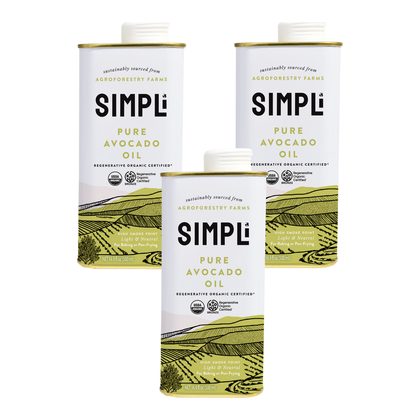
Certifier database Regenerative Organic Alliance directory: SIMPLi “Pure Avocado Oil” and “Extra Virgin Avocado Oil” (checked Sept. 30, 2026). A search for Marianne's returned no product listing. Open source
Maker's data Ancient Organics. About: “We source exclusively from California's Northern Coast and New Zealand”; elsewhere on the same page, dairy farms that “Are From US, Canada, Australia, & New Zealand”; a partnership with Fonterra Organics (New Zealand); Certified Organic dairies; a Certified Organic ghee facility in Newman, Calif. Open source
Maker's data Ancient Organics. FAQ: ghee “made from grass-fed, pasture-raised butter”; “From pasture to kettle to glass”; “perfect for high heat cooking.” Open source
Maker's data Ancient Organics home page (store locator; no online shop). Open source
Maker's data Pure Indian Foods. Original Ghee, Grassfed & Certified Organic: 7.8 oz $12.99, 14 oz $22.99, 28.8 oz $40.89; “milk obtained from spring through fall, when the cows are out on pasture”; packed in glass. Open source
Maker's data Pure Indian Foods. Cultured Ghee: 7.5 oz $14.99; “Batch-tested to contain no more 2.5 ppm casein/whey”; 485°F smoke point. Open source
Maker's data Pure Indian Foods. Red Palm Oil, Certified Organic, 16 fl oz $15.99; “Palm Done Right” promise (not an RSPO certification). Open source
Maker's data Organic Valley. Organic Ghee, Clarified Butter (7.5 oz, 13 oz): made from “pasture-raised organic butter”; lactose-free and casein-free; ingredients organic butterfat, organic butter. Open source
Maker's data Whole Foods Market product search, store 10160 (Sept. 30, 2026): Organic Valley ghee 7.5 oz $13.29; 4th & Heart Original Ghee 9 oz $13.99. Open source
Maker's data 4th & Heart. Original Ghee: 9 oz $12.99, 16 oz $16.99; out of stock on the brand store Sept. 30, 2026; label: “grass-fed & pasture-raised.” Open source
Maker's data Carrington Farms. Organic Ghee, 12 oz $19.99: “organic butter from grass-fed cows”; “up to 450°F”; “Packaging may vary.” Open source
Maker's data Kerrygold USA. High Heat Cooking Butter: “Pasteurized cream (milk fat, contains at least 99.6% butterfat)”; “up to 450°F”; 7-oz tub. Open source
Maker's data Kerrygold USA. Irish grass-fed: cows graze outdoors “for the majority of the year”; “Typically, in Ireland, dairy cows are cared for indoors from November to February” eating silage; the diet “also includes a very small amount of supplementary feed.” Checked Sept. 30, 2026. Open source
Maker's data Whole Foods Market product search, store 10160 (Sept. 30, 2026): Kerrygold High Heat Cooking Butter 7 oz $5.49. Open source
Maker's data White Oak Pastures. Grassfed Beef Suet, $22.59 per 2.5-lb pack, “collected from around the kidneys.” Open source
Maker's data White Oak Pastures. Grassfed Beef Tallow, $15.99, 16-oz glass jar; “must be refrigerated or frozen”; label: White Oak Pastures, Bluffton, Georgia. Open source
Maker's data Fatworks. Grass Fed Lamb Tallow, 7.5 oz $14.00: “Grass-Fed Grass-Finished Pasture Raised”; “these animals thrive in the great Northwest.” Open source
Maker's data Fatworks. Pasture Raised Bison Tallow, 14 oz $18.98: “sourced from Bison raised on U.S. pastures.” Open source
Maker's data Fatworks. Organic Grass Fed Beef Tallow, 14 oz $20.75: from “100% Organic, Non-GMO Grass-Fed & Grass-Finished SUET and guaranteed to be pesticide, hormone, vaccine, and antibiotic-free”; Grass Fed Beef Tallow 14 oz $18.25; 375°F smoke point. Open source
Maker's data South Chicago Packing. Wagyu Beef Tallow, 42-oz tub, $32.99: “100% pure beef tallow—no artificial ingredients or preservatives.” The tub is the size Mamavation bought (its link resolves to Amazon B0881XTCR3, “Wagyu Beef Tallow, 42 Ounces”). Open source
Maker's data South Chicago Packing. Wagyu Beef Tallow, glass jar, $16.99 (11.5 oz); Angus jar $13.99. Open source
Maker's data Epic. Beef Tallow, $13.89 (11-oz jar): “100% Grass-Fed Beef Tallow.” Open source
Maker's data Kettle & Fire. 100% Grass-Fed & Finished Beef Tallow, 14 oz $19.99; single ingredient. Open source
Maker's data Marianne's Harvest. Organic Beef Tallow: “100% grass-fed,” “Cattle born and raised in the USA,” USDA Organic, 400°F smoke point; sold at Costco and Sprouts (no online price). Open source
Maker's data Marianne's Harvest. Classic Avocado Oil: ingredient avocado oil; “Up to 500°F”; “Third-party tested for 100% purity”; Clean Label Project Purity Award; sold at Costco and Sprouts (no online price). Open source
Maker's data Marianne's Harvest home page: “Marianne's is the benchmark for 100% pure avocado oil in new UC Davis Study.” Open source
Maker's data Dr. Bronner's. Whole Kernel Virgin Coconut Oil: 14 oz $12.29, 30 oz $22.69; Regenerative Organic Certified; farmers in Sri Lanka; certified fair trade ingredient; glass jar (image description). Open source
Maker's data Dr. Bronner's. Resilience and regeneration in Sri Lanka's Serendipol: “Dr. Bronner's helped set up its sister company Serendipol in Sri Lanka in 2007.” Open source
Maker's data Nutiva. Organic Virgin Coconut Oil: 14-oz glass jar $10.49 sale (regular $12.99); every size out of stock Sept. 30, 2026. Nutiva's store listed no avocado oil that day. Open source
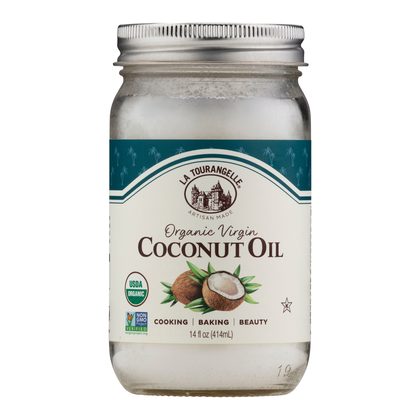
Maker's data La Tourangelle. Organic Virgin Coconut Oil, 14 oz $11.99; expeller-pressed; cooking temperature “Medium.” Open source
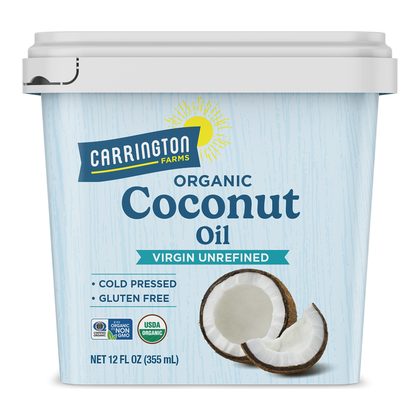
Maker's data Carrington Farms. Organic Coconut Oil, 12 oz $11.99: “cold pressed,” “BPA-free packaging” (tub), “up to 350°F.” Open source
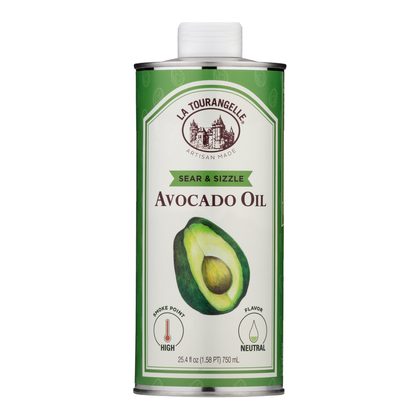
Maker's data La Tourangelle. Sear & Sizzle Avocado Oil: 500 ml $19.99, 750 ml $24.99; “Expeller-pressed ... light-blocking tin.” Its Salads & Sauté blend says “Codex-compliant & batch-tested for purity” (results not published). Open source
Maker's data La Tourangelle. Virgin Macadamia Oil, $10.99; “dependable 450°F smoke point.” Open source
Maker's data Bella Vado. Original Extra Virgin Avocado Oil, 250 ml $14.00 sale (regular $15.00): “cold-pressed, unrefined, unfiltered”; hand-filled by the family; California producer; at least 450°F (maker). Open source
Maker's data SIMPLi. 3-pack Regenerative Organic Certified Pure Avocado Oil, $88.99: avocados “grown in Oromia, Ethiopia on regenerative organic certified farms”; tins. Open source
Maker's data Chosen Foods. Refined Avocado Oil 16.9 fl oz, $21.59 (out of stock on the brand store Sept. 30, 2026): “100% Pure, naturally refined”; “500°F smoke point.” Open source
Maker's data Primal Kitchen. Pure Avocado Oil: 500 ml $18.99, 750 ml $20.99; “Rigorously tested for quality”; the Organic version says “Mexican-grown.” Open source
Maker's data Whole Foods Market product search, store 10160 (Sept. 30, 2026): 365 Avocado Oil 16.9 fl oz $11.99; Chosen Foods refined avocado oil 16.9 fl oz $17.99; SIMPLi Organic Regenerative Pure Avocado Oil 16.9 fl oz $19.99. Open source
DA
Dr. Josh Axe, DNM, DC, CNS
Founder, DrAxe.com
Dr. Axe is a doctor of natural medicine, chiropractor and certified nutrition specialist with more than 20 years in functional medicine, and the founder of DrAxe.com.
How we make money: We may earn a commission when you buy through links on this page. It never changes our rankings: products are scored before any affiliate terms are discussed, brands can't pay for placement, and we recommend products whether or not they have an affiliate program. Scores are editorial assessments based on independent tests, USDA data and brand disclosures, not our own lab testing.