




Advertisement
Advertisement
Diets & Plans
A doctor's complete guide to the ketogenic diet — how ketosis works, what to eat, what the research really shows for everything from epilepsy to weight loss, a 7-day healing meal plan, the supplements that matter, and the way I've used keto with patients for 20 years.

#1 pick: Laconiko ZOI Ultra High Phenolic EVOO · 8.5/10
See the rankings →The keto diet is a very-low-carb, high-fat way of eating that pushes your body to burn fat instead of sugar, producing ketones for fuel — a state called ketosis. A typical split is about 75% fat, 20% protein, and 5–10% carbs, with net carbs held to roughly 20–50 g a day. Its strongest evidence is for drug-resistant epilepsy, weight loss, and type 2 diabetes, with emerging research in neurological disease and cancer.
Keto is one of the most powerful metabolic tools we have — and one of the most misused. Done well, it can reset blood sugar and appetite, quiet inflammation, and in clinical settings even help control seizures. Done carelessly, it's bacon and cheese with a side of exhaustion.
In more than 20 years of clinical practice, I've used versions of the ketogenic diet with patients across a remarkable range of conditions — children with epilepsy, people with multiple sclerosis and early dementia, insulin resistance and type 2 diabetes, stubborn weight loss, and as a supportive therapy alongside conventional cancer treatment. As a practitioner, I discovered that keto is not one-size-fits-all, and the difference between keto that heals and keto that backfires is almost always in the details: the quality of the food, the electrolytes, and whether it fits the person in front of me.
This is the complete guide: how ketosis actually works, what to eat, what the research really shows for each use, a 7-day healing meal plan, the supplements that matter, the deficiencies to avoid, how keto compares to carnivore and low-carb, and exactly how to start.
"Keto isn't a license to eat fat — it's a tool to switch your body's fuel source. The cleaner the fuel, the better it works, and the more conditions it can help."
If you're brand new, ignore the noise and follow these five steps. This is the exact sequence I use to walk a beginner into keto so it works the first time — no crash, no guesswork.
Net carbs = total carbohydrate minus fiber. Staying near 20 g gets most people into ketosis within a few days; up to 50 g works for many active people. This single number does most of the work.
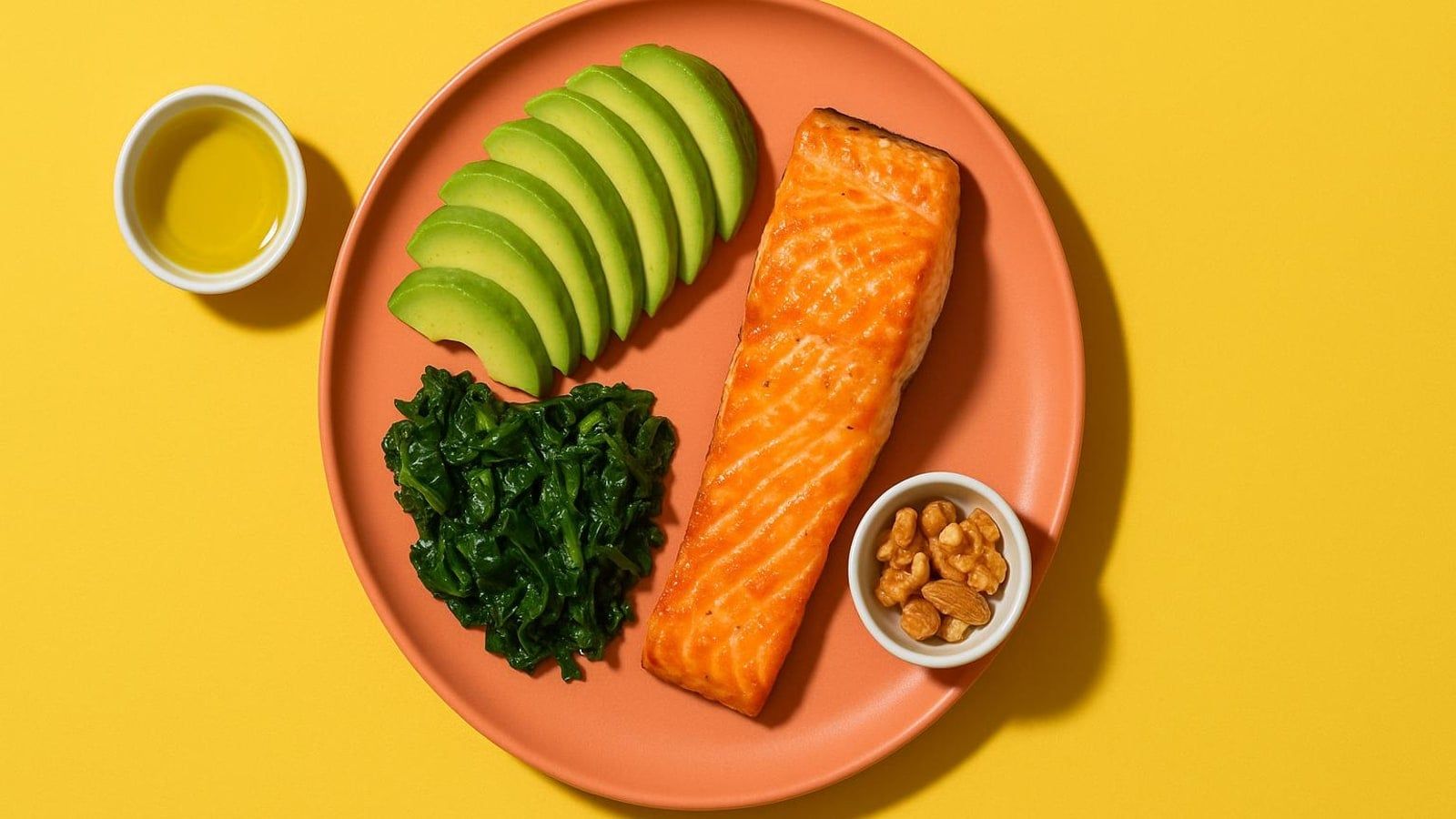
Anchor each plate with a quality fat (avocado, extra-virgin olive oil, coconut), a palm-sized portion of protein (wild fish, eggs, poultry), and a big pile of non-starchy vegetables. Lean on healthy fats rather than processed ones.
Clear out the obvious carbs first: sugar and sweets, bread, pasta, rice, oats, potatoes, corn, and high-sugar fruit. This is the step that actually triggers ketosis — everything else is fine-tuning.
From day one, add sodium (salt your food, sip broth), potassium (avocado, leafy greens), and magnesium, and drink plenty of water. Most early fatigue and headaches are just electrolytes, not the diet itself.
It takes a few days to enter ketosis and a few weeks to become fat-adapted. Track your energy, cravings, and (if you like) blood sugar and ketones with a simple meter. Most people feel the shift — steadier energy, fewer cravings — after the first week.
90-day protocol
The complete root-cause framework for lowering insulin, protecting muscle and losing the weight that won’t move — and reversing the cravings, energy crashes and belly fat most diets never trace back to the source.
Free with your Dr. Axe account
View the protocol →"Keto" is short for ketogenic, meaning "ketone-producing." The diet works by keeping carbohydrate so low that your body can't rely on its usual sugar-based fuel. [1] Most plans hold net carbs — total carbohydrate minus fiber — to about 20–50 grams a day, fill the rest of the plate with healthy fat and a moderate amount of protein, and let the body adapt to running on fat. [2]
It's worth clearing up what keto is not. It's not just "low carb" — a moderate low-carb diet doesn't necessarily produce ketosis. It's not a high-protein diet; too much protein can actually blunt ketosis, because the body converts excess protein to glucose. And it isn't the carnivore diet (more on that comparison below). Keto is specifically about reaching and holding that fat-burning, ketone-producing state.
Here's the chain of events when you cut carbs low enough. Your body burns through its stored sugar (glycogen) over a day or two, insulin falls, and it shifts to pulling energy from fat. That fat travels to the liver, which converts it into ketones — mainly beta-hydroxybutyrate — that your brain, heart, and muscles can burn for clean, steady energy. [1] Those ketones aren't just fuel; they also act as signaling molecules that lower inflammation and oxidative stress, which is part of why keto reaches conditions far beyond weight.
Three numbers define keto. The exact split varies by person, but the classic targets are about 75% of calories from fat, 20% from protein, and 5–10% from carbohydrate.
The single most useful concept here is net carbs: total carbohydrate minus fiber. Fiber doesn't raise blood sugar, so non-starchy vegetables, which are high in fiber, barely count against your carb budget. That's why a plate piled with leafy greens, broccoli, and zucchini is not just allowed on keto — it's encouraged. The people who struggle on keto are usually the ones who drop vegetables, not the ones who keep them.
The single biggest mistake people make is treating keto as a cure-all. The honest picture is a hierarchy — from "established medical therapy" to "promising but preliminary." [17] This is how I rank what keto is most beneficial for:
| Use | Evidence | What the research shows |
|---|---|---|
| Drug-resistant epilepsy & seizures | Proven | A standard medical therapy since the 1920s; a randomized trial in children found significantly fewer seizures on the diet5 |
| Weight loss & obesity | Strong | Meta-analyses of randomized trials show greater long-term weight loss than low-fat diets36 |
| Type 2 diabetes & insulin resistance | Strong | Lowers A1c, improves insulin sensitivity, and reduces medication needs in supervised programs48 |
| Metabolic syndrome & fatty liver | Moderate | Improves triglycerides, HDL, blood pressure, and liver (fatty liver) markers alongside weight loss819 |
| Alzheimer's & cognitive decline (MCI) | Emerging | Small trials show ketones can fuel a glucose-starved brain and improve memory in mild cognitive impairment10 |
| Multiple sclerosis | Emerging | Pilot trials report improved fatigue, mood, and quality of life; anti-inflammatory effects in models913 |
| Brain & other cancers (e.g., glioblastoma) | Investigational | Feasibility trials show it's safe as an adjunct to standard treatment; not proven to extend survival alone1112 |
| PCOS & hormone/metabolic issues | Emerging | May improve weight, insulin, and hormone markers in PCOS; evidence is early |
Here's a closer look at the uses above, with the science and my clinical experience side by side. I want to be clear about one thing up front: for serious conditions like epilepsy and cancer, keto is a medical therapy that belongs under a clinician's supervision — never a substitute for proven treatment.
This is the oldest and best-established use. The ketogenic diet has treated drug-resistant epilepsy since the 1920s, and a landmark randomized trial in children found significantly fewer seizures on the diet than with usual care. [5] Meta-analyses support its use in adults with intractable epilepsy as well. [15] I've worked with families whose children have epilepsy using medically supervised keto, and watching a child's seizure burden drop is one of the most powerful things I've seen nutrition do. Medical keto for epilepsy is always run with a neurology and dietitian team.
Why it works: ketones change brain energy metabolism and neurotransmitter balance, raising the seizure threshold.
Meta-analyses of randomized trials find that very-low-carb ketogenic diets produce greater long-term weight loss than low-fat diets. [3] Two things drive it: lower insulin makes stored fat easier to access, and ketosis blunts appetite, so people tend to eat less without counting calories. [6] In my practice, the people who keep the weight off are the ones who do clean keto and treat it as a reset, not a forever-restriction.
Why it works: low insulin unlocks fat stores, and ketosis steadies appetite during weight loss.
This may be keto's most impressive everyday use. In a closely followed clinical program, people with type 2 diabetes on a ketogenic plan lowered their A1c, lost weight, and reduced or eliminated diabetes medications, with many no longer meeting the criteria for type 2 diabetes at one year — and those benefits were sustained at two years. [4] [18] Meta-analyses confirm greater improvements in blood sugar and triglycerides versus low-fat diets. [8] Insulin resistance is the root of so much chronic disease, and few tools move it faster. Because medications must be adjusted, do this with a clinician.
Why it works: removing dietary carbohydrate directly lowers blood sugar and the insulin load that drives insulin resistance.
The aging brain often loses the ability to use glucose efficiently — ketones offer an alternative fuel that can bypass that gap. In a controlled trial, a ketogenic approach improved memory in adults with mild cognitive impairment. [10] I've used gentle, supervised ketogenic and MCT-supported approaches with patients facing early cognitive decline. The evidence is still early, and keto is not a treatment for dementia — but the mechanism is compelling and the trials are encouraging.
Why it works: ketones fuel neurons when glucose metabolism is impaired, and they lower brain inflammation.
In a pilot trial, people with relapsing-remitting MS who followed a ketogenic diet for six months had meaningful improvements in fatigue, depression, and quality of life, with good adherence and no worsening of disease. [9] A 2025 systematic review found ketogenic interventions may ease fatigue, cognition, and mood through anti-inflammatory and neuroprotective effects. [13] I've used ketogenic approaches with MS patients as a complement to their neurology care, never a replacement.
Why it works: ketones lower neuroinflammation and oxidative stress and may support remyelination.
This is the most misunderstood use, so I'll be precise. The rationale is that many cancer cells rely heavily on glucose, and keto lowers blood glucose and insulin. Early trials — including in glioblastoma, an aggressive brain cancer — show a ketogenic diet is feasible and safe alongside standard chemoradiation, but it has not been shown to extend survival on its own. [11] [12] A randomized trial adding a calorie-restricted keto diet and fasting to re-irradiation for recurrent glioma was likewise feasible but did not clearly improve survival. [16] When I've supported patients with keto during cancer treatment, it has always been in addition to their oncologist's plan, never instead of it. Keto is not a cancer cure, and no one should delay or refuse conventional treatment.
Why it's studied: cancer cells often depend on glucose; keto lowers glucose and insulin and may sensitize tumors to standard therapy. Still investigational.
You don't need to memorize macros to start. If you build meals from the "eat" column and steer clear of the "avoid" column, the ratios mostly take care of themselves.
Here's the distinction that matters more than which "type" of keto you pick. Dirty keto hits the macros with whatever fits — processed meats, fast food, diet soda, packaged "keto" snacks. You'll get into ketosis, but you miss the nutrients and the healing potential. Clean keto reaches the same ratios with real food. It's the version I recommend, the version I wrote about, and the version that lets keto do more than just drop weight.
The fats you choose are the heart of clean keto. I lean heavily on extra-virgin olive oil (polyphenols and monounsaturated fat), avocado (fiber, potassium, healthy fat), coconut and MCTs (easily converted to ketones), and omega-3s from wild fish. I keep pork and processed meats out, go easy on conventional red meat, and make non-starchy vegetables the base of nearly every plate. That's keto as a healing diet, not just a weight-loss diet.
Keep it simple and skimmable — screenshot or print this and shop the perimeter of the store. Everything here is clean keto: whole foods, no pork or processed meats.
This is a clean, anti-inflammatory week of keto — no pork, no processed meat, and built around avocado, extra-virgin olive oil, wild salmon, coconut, eggs, and plenty of vegetables. Adjust portions to your needs, salt your food, and drink enough water. Aim for 20–50 g net carbs across the day.
Daily essentials all week: salt your food and add electrolytes, drink plenty of water, finish dishes with extra-virgin olive oil, and lean on avocado and coconut for healthy fat. Unsweetened tea, coffee, and bone broth are great between meals.
How to adjust portions: these macros are estimates for an average adult — your numbers will shift with body size, activity, and goals. If you're losing weight too slowly, trim added fats slightly and lean on protein and vegetables; if you're losing too fast or feel depleted, add more avocado, olive oil, and nuts. Hungry? Eat a bigger portion of the same foods rather than adding carbs. For a structured approach, see our weight loss meal plan.
These eating patterns get lumped together, but they're meaningfully different. Here's how they compare — and why, done as clean keto with vegetables, keto is the most balanced and best-studied of the group.
| Diet | Carbs/day | Plants? | Ketosis? | Best for / notes |
|---|---|---|---|---|
| Clean keto | 20–50 g net | Yes — lots of non-starchy veg | Yes | Most studied; weight, blood sugar, epilepsy, brain — balanced and sustainable |
| Low-carb | 50–130 g | Yes, including some fruit/starch | Usually no | Easier to sustain; good for general blood-sugar and weight, but no ketones |
| Carnivore | ~0 g | No — animal foods only | Yes | Eliminates plants entirely; little long-term data; risks low fiber and nutrients |
| Paleo | ~100–150 g | Yes — fruit, veg, tubers | No | Whole-food, grain- and dairy-free; nutrient-dense but not ketogenic |
My take: clean keto and paleo overlap beautifully — a whole-food, vegetable-rich keto is essentially a low-carb paleo plan. I'm far more cautious about carnivore: it can help some people short-term with autoimmune symptoms, but cutting all plants means losing fiber and a long list of protective compounds, and we have very little long-term safety data. For most people, keto with abundant vegetables is the smarter, more sustainable path.
You don't need a cabinet of pills to do keto well, but a few supplements make it smoother and prevent the most common problems. These are the ten I reach for most, ranked by how much they matter for the average person on keto.
This is the one almost everyone needs. As insulin drops on keto, your kidneys flush out sodium and water, taking potassium and magnesium with them — the direct cause of the "keto flu." [7] Replacing electrolytes prevents the fatigue, headaches, and cramps that make people quit. Salt your food, and use a sugar-free electrolyte blend daily, especially the first two weeks.
Typical: ~3–5 g extra sodium, 1,000–3,500 mg potassium from food/supplement, 300–400 mg magnesium.
Magnesium deserves its own mention because keto burns through it and most people are low to begin with. Magnesium glycinate is well-absorbed and gentle on the gut, and it supports sleep, muscle relaxation (fewer cramps), and the stress response. I consider it close to non-negotiable on keto.
Typical: 200–400 mg/day, often in the evening.
Medium-chain triglycerides from coconut are converted to ketones quickly, almost regardless of carb intake — a fast way to raise ketones for energy, appetite control, and brain fuel. MCTs are also the form most studied for cognition. Start small to avoid digestive upset.
Typical: start at 1 tsp and build to 1–2 tbsp/day in coffee, smoothies, or dressings.
Keto can skew your fat intake toward saturated fat. Omega-3s (EPA/DHA) help balance that ratio, lower inflammation, and support the heart and brain — especially valuable if you're using keto for a neurological or metabolic reason. If you eat wild fish often, you may need less.
Typical: 1–2 g combined EPA/DHA per day.
Most people are low in vitamin D regardless of diet, and it's central to immunity, mood, bone, and metabolic health. K2 helps direct calcium to bones rather than arteries — a smart pairing on a higher-fat diet. Test your level if you can and dose accordingly.
Typical: 2,000–5,000 IU D3 with 100–200 mcg K2; ideally guided by bloodwork.
A sudden jump in fat intake can overwhelm digestion, especially if you've had your gallbladder removed. Lipase-rich enzymes and ox bile help you break down and absorb all that healthy fat, reducing nausea and loose stools in the transition. Often only needed for the first few weeks.
Typical: a lipase-forward enzyme (with ox bile if no gallbladder) at higher-fat meals.
If you struggle to eat enough vegetables, a greens powder or prebiotic fiber (like acacia or PHGG) supports regularity and feeds the microbiome — common gaps on keto. Exogenous ketone supplements can raise blood ketones for a short burst (useful for some athletes or the adaptation phase) but they're optional and won't replace the diet itself.
Why: covers the fiber and micronutrient gaps that whole-food keto sometimes leaves.
If your reason for keto is blood sugar, berberine is worth knowing. A meta-analysis of randomized trials found it meaningfully lowers fasting glucose, A1c, and insulin resistance — activating the same AMPK pathway as metformin — and it pairs naturally with keto's blood-sugar effects. [21] Best used with guidance if you take diabetes medication.
Typical: 500 mg, two to three times daily with meals.
One of the most-researched supplements there is. Creatine helps preserve muscle and strength while you lose fat, supports training, and has emerging cognitive benefits — useful since some people under-eat on keto. The International Society of Sports Nutrition affirms it's safe and effective. [22]
Typical: 3–5 g/day of creatine monohydrate, any time.
Cutting grains, beans, and fruit changes the fiber your gut bacteria feed on, so a quality multi-strain probiotic (alongside the fiber and greens above) helps maintain regularity and a healthy microbiome during the transition. Especially helpful if you notice digestive changes in the first few weeks.
Typical: a multi-strain probiotic with documented strains; food sources like unsweetened yogurt and sauerkraut help too.
Because keto removes whole food groups, it takes a little planning to stay nutrient-complete. These are the gaps I watch for most, and how to close them:
| Nutrient | Why it runs low | How to cover it |
|---|---|---|
| Sodium | Low insulin makes you excrete more | Salt food generously; sip broth; use electrolytes |
| Potassium | Lost with sodium and water | Avocado, leafy greens, salmon, mushrooms |
| Magnesium | Common deficiency, depleted faster on keto | Pumpkin seeds, greens, dark chocolate, glycinate supplement |
| Fiber | No grains, beans, or fruit | Non-starchy veg, chia, flax, avocado, nuts |
| B vitamins & folate | Less from grains/legumes | Eggs, leafy greens, fish, organ meats |
| Vitamin C & polyphenols | Less fruit | Peppers, broccoli, leafy greens, berries, herbs |
The simplest rule: if most of your plate is vegetables and healthy fat, and you supplement electrolytes, you'll avoid nearly all of these. The people who get into trouble are the ones eating meat and cheese with no plants.
Keto is simple, but a handful of avoidable mistakes account for most bad experiences. None of these are reasons to fear keto — they're just easy to fix once you know them.
Keto changes your metabolism, so knowing your starting numbers turns guesswork into feedback. I run these before patients begin, then recheck the key ones after 8–12 weeks.
| Lab | Why it matters |
|---|---|
| Fasting glucose | Your baseline blood sugar; one of the first numbers keto tends to improve. |
| A1c | Average blood sugar over ~3 months — the headline marker for diabetes and prediabetes. |
| Fasting insulin | An early window into insulin resistance, often elevated long before glucose is. |
| Lipid panel | Triglycerides, HDL, and LDL; triglycerides usually fall and HDL rises on keto. |
| ApoB | Counts the actual number of artery-damaging particles — a sharper heart-risk marker than LDL alone, and worth watching on a higher-fat diet. |
| hs-CRP | A sensitive marker of inflammation; clean keto often brings it down. |
| CMP & liver enzymes | Checks liver function and overall metabolic chemistry before a higher-fat diet. |
| Kidney markers | Creatinine and eGFR confirm your kidneys are healthy enough for the shift. |
| Electrolytes | Baseline sodium, potassium, and magnesium — the minerals keto depletes fastest. |
| Thyroid markers | When relevant (TSH, free T3/T4): some people are sensitive to very low carb, so it's worth tracking. |
There isn't one ketogenic diet. The main variations:
| Type | How it works | Best for |
|---|---|---|
| Standard keto (SKD) | Consistently very low carb, high fat, moderate protein | Most people; weight loss and blood sugar |
| Cyclical keto (CKD) | Keto most days with periodic higher-carb "refeed" days | Athletes; some women who feel better cycling carbs |
| Targeted keto (TKD) | Small amount of carbs timed around workouts | Active people and intense training |
| High-protein keto | More protein (~30%), still low carb | Those preserving muscle while losing fat |
| Therapeutic keto | Strict ratios (e.g., 3:1 or 4:1 fat), medically supervised | Epilepsy and other medical uses — with a clinical team |
Plenty of women do beautifully on keto, but some feel better not living in deep ketosis around the clock. If you notice your cycle getting irregular, your sleep slipping, or your energy dropping after a few weeks, that's a signal — not a failure. The fix is usually gentle: eat enough (under-eating is common on keto), keep protein adequate, pile on the vegetables, and consider cycling in some healthy carbs (sweet potato, squash, berries) on heavier training days. And during pregnancy, a strict ketogenic diet isn't recommended without medical guidance. [7]
Beyond the keto flu, watch for:
After two decades using keto with patients, I've learned it's not about whether keto "works" — it's about matching the tool to the person. Here's how I think about it.
And a few conditions are genuine reasons to avoid keto or only do it under close medical supervision:
The ketogenic diet isn't a fad. Doctors at the Mayo Clinic formalized it in the 1920s to treat epilepsy, and it remained a mainstay of seizure care until anti-seizure drugs arrived — then re-emerged as those drugs failed certain patients. [5] What's new is how far the research has spread, from metabolism to the brain. The diet has roots in something even older: the body's ancient ability to run on fat during times of scarcity.
I've spent two decades putting keto to work in clinical practice — with children who have epilepsy, with patients facing MS and early cognitive decline, with insulin resistance and type 2 diabetes, with weight loss, and as a supportive therapy alongside conventional cancer care. I wrote a book on the approach, Keto Diet. I felt the need to, because so many people were doing keto incorrectly — it had become a diet of mostly bacon and butter instead of avocado and wild salmon. The throughline in all of it: keto works best as clean, whole-food, personalized keto — a tool you adapt to your body, not a rigid set of rules.
My national bestseller lays out a 30-day plan to lose weight, balance hormones, boost brain health, and support healing — with food lists, meal plans, and the clean-keto approach in this guide, in much more depth.
Ketosis is the same as ketoacidosis.
Nutritional ketosis is a normal, controlled state with modest ketones. Diabetic ketoacidosis is a dangerous emergency with very high ketones and blood sugar, almost always in type 1 diabetes.
Keto means eat all the bacon and butter you want.
Fat quality matters. Clean keto built on wild fish, extra-virgin olive oil, avocado, and coconut is a different diet than processed "dirty keto," even at the same macros.
You can't eat vegetables on keto.
Non-starchy vegetables are encouraged — high in fiber, low in net carbs. Dropping them is a top reason people feel bad on keto.
Keto cures cancer.
Keto is studied as an adjunct alongside standard cancer treatment. Early trials show it's safe and feasible, not that it cures cancer or replaces conventional care.
More protein means deeper ketosis.
Excess protein can convert to glucose and blunt ketosis. Keto is moderate-protein and high-fat — not high-protein.
Stop and seek care if you develop severe abdominal pain, persistent vomiting, signs of very high blood sugar with high ketones (especially if you have diabetes), or symptoms that don't settle after the first couple of weeks. Keto should make you feel better, not worse, once you're adapted.
Keto works by switching your body's fuel from sugar to fat, and that switch is what drives its benefits: weight loss, better blood sugar and insulin sensitivity, less constant hunger, and — in medical settings — seizure control and emerging support for the brain. For a generally healthy adult, a clean, whole-food version with attention to electrolytes is a reasonable and often powerful tool.
It isn't for everyone, though, and the exceptions are real: certain metabolic disorders, pancreatitis, liver failure, pregnancy, and specific medications all change the calculus. For serious conditions, keto belongs under a clinician's care, never as a replacement for proven treatment. Do it from real food, mind your electrolytes, supplement smart, know your numbers, and personalize it. Used with judgment, keto is one of the most effective metabolic and healing tools we have.
Published June 13, 2026. Comprehensive guide covering the definition of keto and ketosis (with a metabolic-switch diagram), the macro split and net carbs, an evidence-ranked table of what keto is most beneficial for, detailed benefits with clinical context (epilepsy, weight loss, type 2 diabetes and insulin resistance, Alzheimer's/cognition, MS, and cancer as an adjunct), a keto food list, a clean-keto framework, a 7-day no-pork healing meal plan, a keto vs. carnivore vs. low-carb vs. paleo comparison, a ranked top-7 supplement list, a nutrient-deficiency guide, types of keto, side effects and the keto flu, contraindications, a step-by-step start guide, history, myths vs. facts, and an FAQ. Reviewed against randomized-trial, meta-analysis, and current clinical-review evidence.
Dr. Axe is a certified doctor of natural medicine, clinical nutritionist, and multiple New York Times bestselling author, including of the book Keto Diet. He has spent 20+ years helping people heal at the root cause, has used ketogenic and metabolic approaches across a wide range of conditions, and has lectured on the topic around the world.
Medically reviewed. This article was reviewed by the DrAxe.com Medical Review Board — a panel of licensed physicians and clinicians — on June 13, 2026, and is updated and re-reviewed on an ongoing schedule for accuracy and safety. Using the ketogenic diet to manage a medical condition should be supervised by your own physician. This includes epilepsy, cancer, type 2 diabetes or any condition treated with medication (especially insulin, sulfonylureas, or SGLT2 inhibitors), pregnancy or nursing, and kidney, liver, gallbladder, or pancreatic disease. Keto is a complement to medical care, never a replacement for it.
This content is for educational purposes only and is not medical advice. It is not intended to diagnose, treat, cure, or prevent any disease. The ketogenic diet is not appropriate for everyone, and its use for medical conditions such as epilepsy, multiple sclerosis, or cancer should be supervised by a qualified clinician and never replace conventional treatment. Always consult a healthcare provider before starting, especially if you are pregnant or nursing, take medication, or have a liver, kidney, gallbladder, pancreatic, or metabolic condition.
The keto diet is a very-low-carbohydrate, high-fat way of eating that limits carbs enough (often 20–50 g of net carbs a day) to shift the body from burning glucose to burning fat and producing ketones for fuel — a state called ketosis. A typical split is about 75% of calories from fat, 20% from protein, and 5–10% from carbohydrate.
Most people enter nutritional ketosis within 2 to 4 days of keeping carbs around 20–50 g a day, though it can take up to a week. Becoming fully "fat-adapted" usually takes a few weeks. You can confirm ketosis with blood, breath, or urine ketone testing.
Keto centers on wild fish, eggs, avocado, extra-virgin olive oil, coconut, nuts and seeds, full-fat dairy, and non-starchy vegetables like leafy greens, broccoli, cauliflower, and zucchini. Berries are allowed in small amounts. You avoid sugar, bread, pasta, rice, potatoes, and most fruit.
The strongest evidence is for drug-resistant epilepsy, a standard therapy since the 1920s. There's good and growing evidence for weight loss, type 2 diabetes, and insulin resistance, and emerging or adjunct research for multiple sclerosis, Alzheimer's and cognitive decline, and certain cancers such as glioblastoma, where it's studied alongside standard treatment rather than as a replacement.
The keto flu is a cluster of temporary symptoms (fatigue, headache, nausea, irritability) during the first days of carb restriction. It's largely caused by fluid and electrolyte loss as insulin drops. Adding sodium, potassium, and magnesium and drinking enough water usually prevents or quickly resolves it.
The most important are electrolytes (sodium, potassium, and magnesium), which prevent the keto flu. Many people also benefit from MCT oil for easy ketones, omega-3 fish oil, vitamin D3 with K2, digestive enzymes and bile support for the higher fat intake, and extra fiber or greens. Exogenous ketones are optional.
Without planning, keto can fall short in potassium, magnesium, sodium, fiber, and some vitamins and minerals found in fruit, grains, and legumes. Building the diet around non-starchy vegetables, avocado, nuts, seeds, and quality fats, plus targeted electrolytes, prevents most shortfalls.
Yes for many people. Meta-analyses of randomized trials show very-low-carb ketogenic diets produce greater long-term weight loss than low-fat diets, helped by appetite suppression and steadier blood sugar. Long-term results depend on sustainability.
Ketogenic and very-low-carb diets can substantially lower blood sugar and A1c, improve insulin sensitivity, and reduce diabetes medication in many people with type 2 diabetes, and they often improve triglycerides and HDL. Because medications must be adjusted, this should be done with a clinician.
Low-carb simply reduces carbs (often 50–130 g a day) and may not reach ketosis. Keto restricts carbs further (20–50 g) to produce ketones and emphasizes high fat with plenty of vegetables. Carnivore is animal foods only, with essentially zero carbs and no plants. Keto, done as clean keto with vegetables, is the most studied and balanced of the three.
Keto often lowers triglycerides and raises HDL, but LDL cholesterol can rise in some people, especially lean individuals. The response varies a lot from person to person, so if you have cardiovascular risk or a family history of high cholesterol, check your lipids before and during keto.
Dirty keto hits the macros using processed foods. Clean keto reaches the same ratios with whole foods: wild fish, pasture-raised eggs, extra-virgin olive and avocado oil, coconut, nuts, and lots of non-starchy vegetables. Clean keto is the version worth doing for long-term health.
Yes, though some women feel better cycling carbs rather than staying in deep ketosis continuously, especially around the menstrual cycle or with thyroid or stress concerns. Including more non-starchy vegetables and not under-eating helps. Keto isn't recommended during pregnancy without medical guidance.
For most healthy adults a well-formulated keto diet is safe short to medium term. It's not safe for everyone: it's contraindicated in certain inherited metabolic disorders, pancreatitis, and liver failure, and needs medical supervision in pregnancy, advanced kidney disease, and for people on insulin, sulfonylureas, or SGLT2 inhibitors.
Most ketogenic plans keep net carbs (total carbs minus fiber) to about 20–50 g a day. Staying near 20 g gets most people into ketosis quickly; some active people can stay in ketosis at the higher end.
Avoid keto if you have a fatty-acid oxidation or carnitine disorder, pyruvate carboxylase deficiency, porphyria, pancreatitis, or liver failure. Use it only under medical supervision if you're pregnant or nursing, have advanced kidney disease, have had your gallbladder removed, or take insulin, sulfonylureas, or SGLT2 inhibitors.
Published June 13, 2026 — Comprehensive guide covering the definition of keto and ketosis (with a metabolic-switch diagram), the macro split and net carbs, an evidence-ranked table of what keto is most beneficial for, detailed benefits with clinical context (epilepsy, weight loss, type 2 diabetes and insulin resistance, Alzheimer's/cognition, MS, and cancer as an adjunct), a keto food list, a clean-keto framework, a 7-day no-pork healing meal plan, a keto vs. carnivore vs. low-carb vs. paleo comparison, a ranked top-7 supplement list, a nutrient-deficiency guide, types of keto, side effects and the keto flu, contraindications, a step-by-step start guide, history, myths vs. facts, and an FAQ. Reviewed against randomized-trial, meta-analysis, and current clinical-review evidence.