
nutrition
Magnesium Chloride Benefits for Sleep & Depression
Magnesium chloride is sometimes referred to as the "master magnesium compound." Why? Find out the benefits, uses and more of this magnesium supplement.
Read the guide →Home · Health A–Z · Supplements & herbs
Supplements & herbsEvery one follows the same template — evidence, best form, dose, timing, safety and interactions — and none of them changes its rating because of what's sold.
281–320 of 506 entries
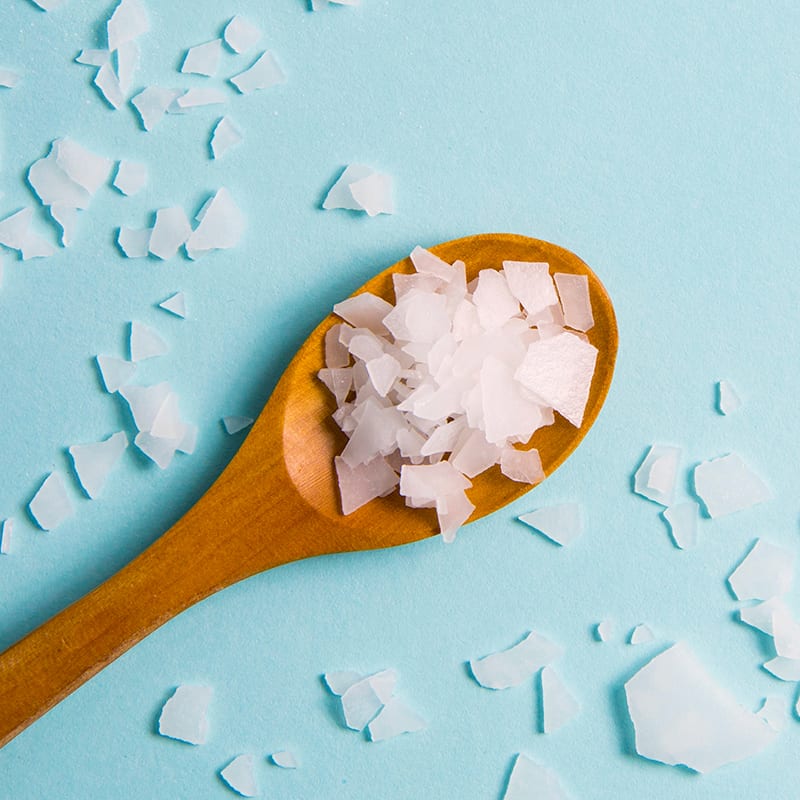
Magnesium chloride is sometimes referred to as the "master magnesium compound." Why? Find out the benefits, uses and more of this magnesium supplement.
Read the guide →
The supplement garcinia cambogia may promote weight loss and other benefits but results are mixed. Meanwhile, side effects and potential drug interactions are troubling.
Read the guide →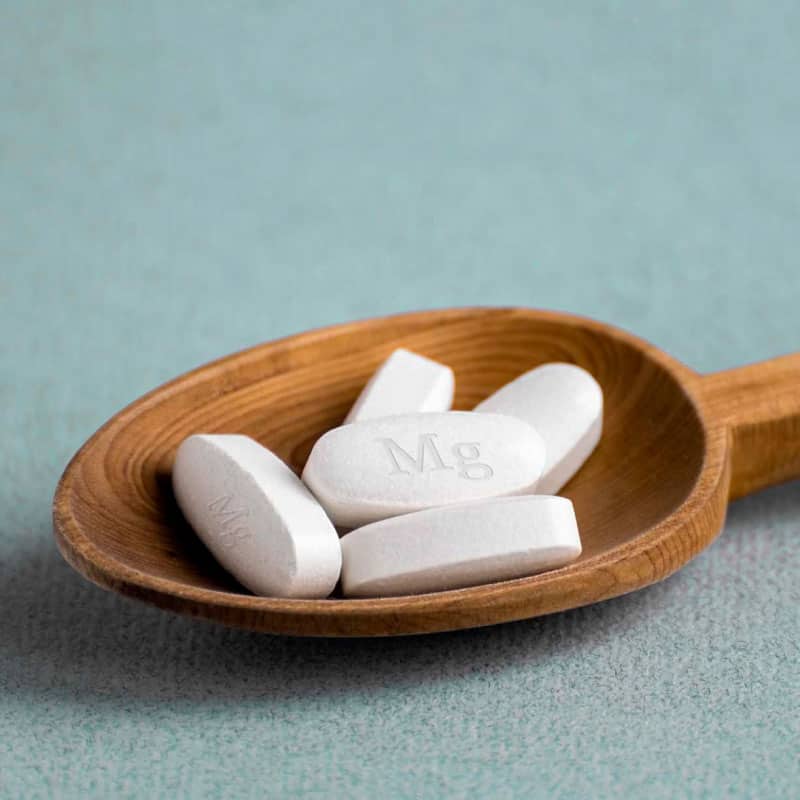
Magnesium malate is a dietary supplement that combines magnesium and malic acid to boost absorption. Learn how it benefits health and more.
Read the guide →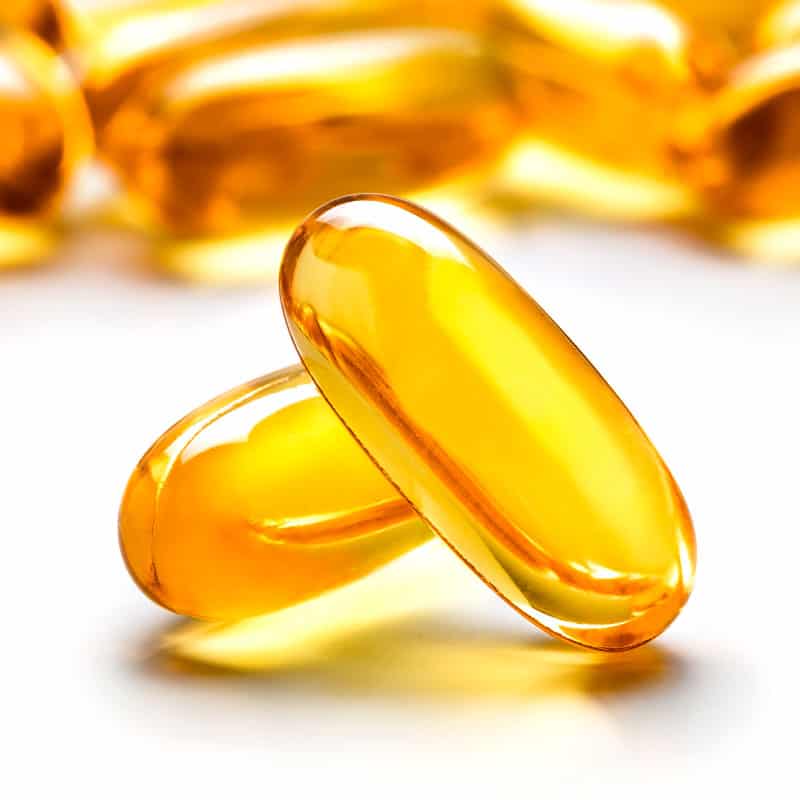
What is DHA, and what does it do? Turns out docosahexaenoic acid helps improve brain function, development and eye health for the young and the old.
Read the guide →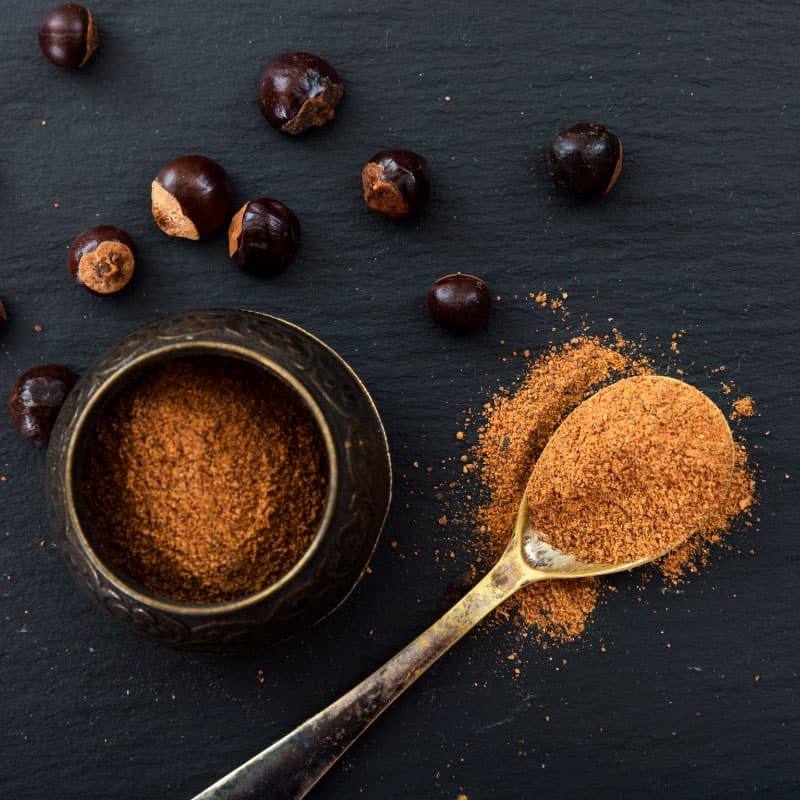
Guarana is an ingredient that can enhance fat-burning and increase energy, but it also comes with potential side effects. Learn about the health benefits as well what a safe amount is considered.
Read the guide →
N-acetyl cysteine (NAC) is the supplement form of the semi-essential amino acid cysteine. NAC supplements offer benefits such as helping the body create and use protective antioxidants.
Read the guide →
We know omega-3 benefits are plentiful, but what about omega-3 side effects? Some are beneficial, but there are some side effects to avoid, too.
Read the guide →
Have you heard of the amino acid phenylalanine? It's important for the synthesis of certain hormones and neurotransmitters involved in mood.
Read the guide →
Carotenoids give fruits and vegetables their bright colors, plus they're loaded with health benefits. Learn what foods provide them and how to improve their availability.
Read the guide →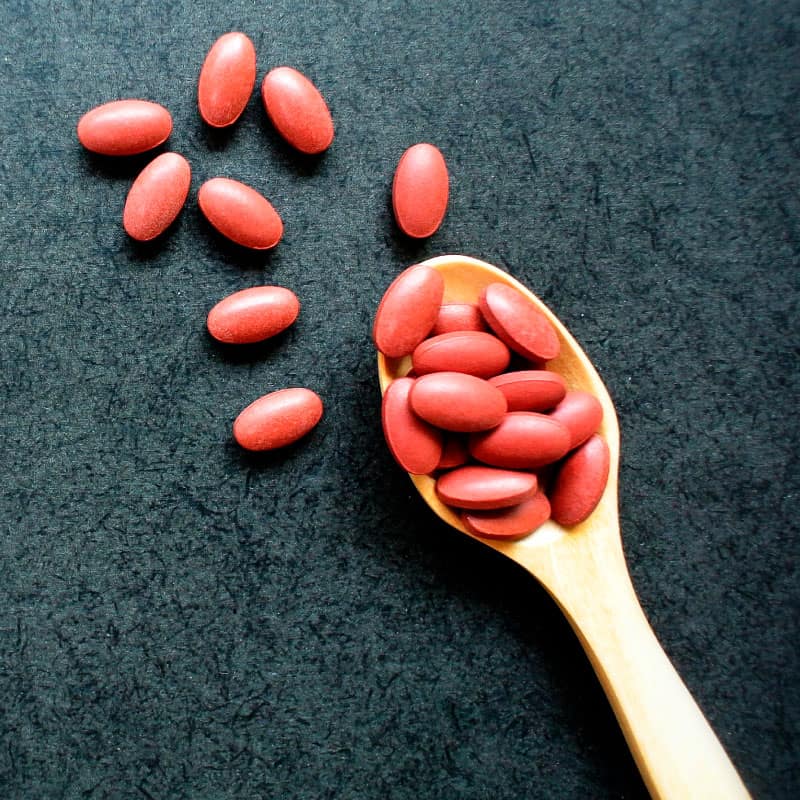
Learn who needs iron supplements, plus the recommended dosage for men, women, children and those with anemia, along with benefits and more.
Read the guide →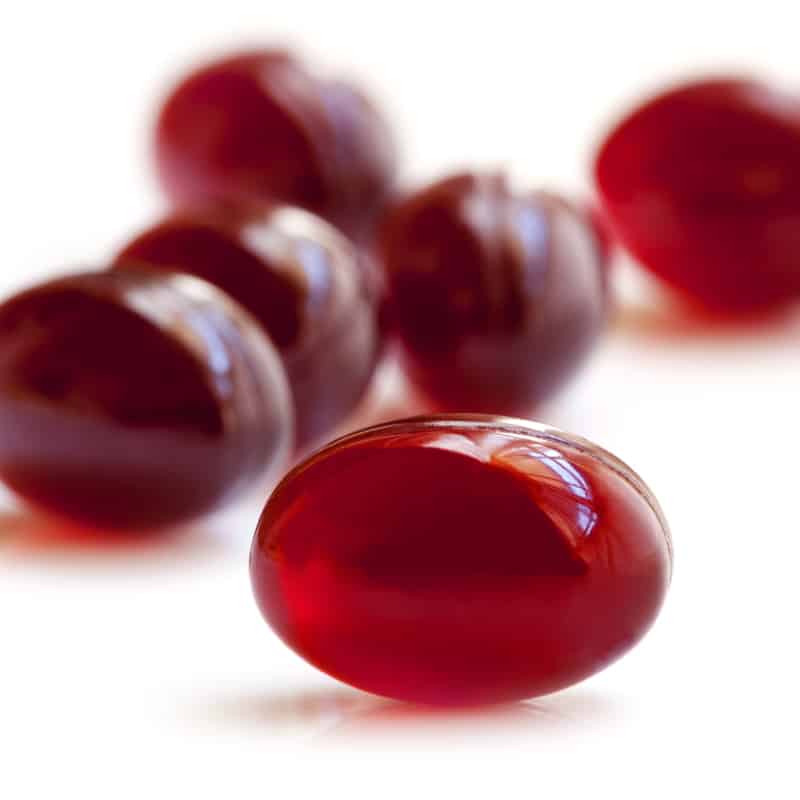
Krill oil benefits rival or even surpass those for fish oil. They include reduced inflammation; improvements in heart, skin and brain health; stronger bones and joints; and increased weight loss. It may also be associated with a lower risk of certain types of cancer.
Read the guide →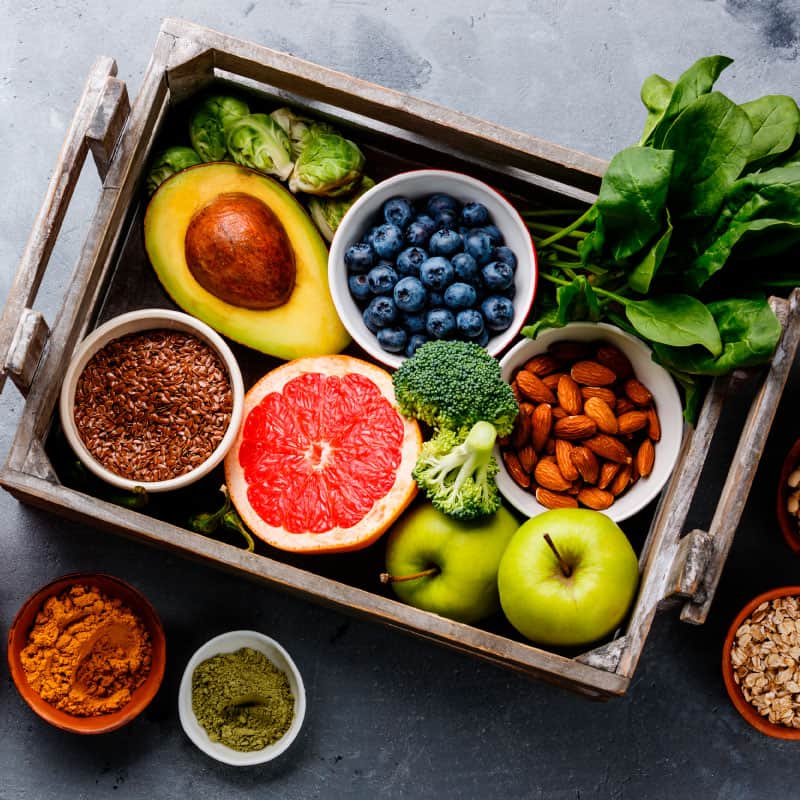
Antioxidant benefits include improved vision, better brain and heart health, and a reduced risk of cancer. High-antioxidant foods, herbs and supplements can boost your overall health.
Read the guide →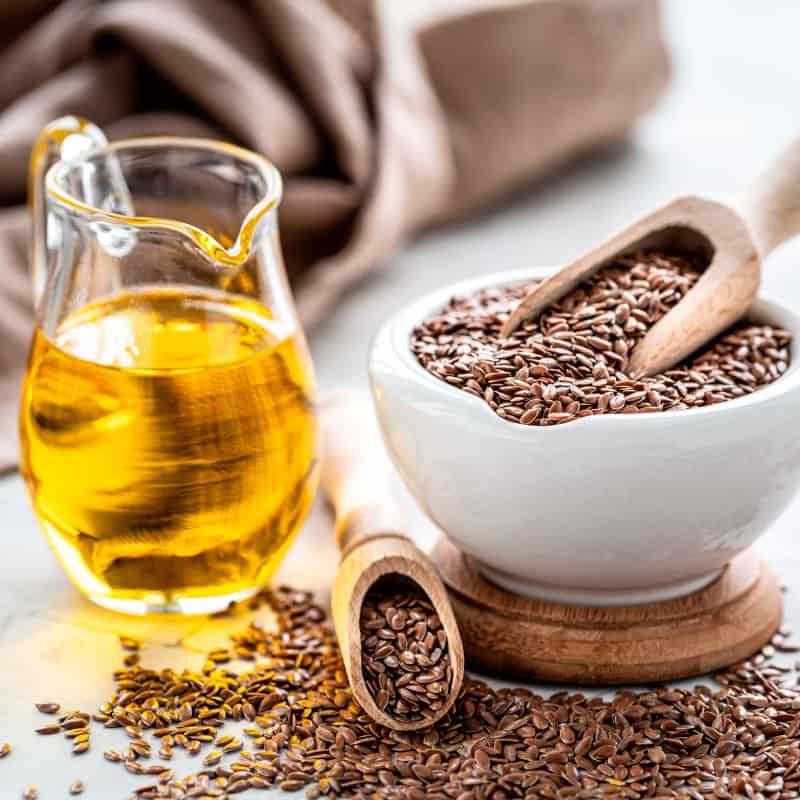
When consumed in moderation, linoleic acid (a polyunsaturated omega-6 fatty acid) can help brain, heart, skin, bone, immune and reproductive health, as long as it's part of a diet with the proper balance of omega-3 and omega-6 fats.
Read the guide →
Glutathione is an antioxidant peptide that provides many health benefits. Learn about those benefits (such as longevity and cancer fighting) plus the foods and supplements to boost it.
Read the guide →
Astaxanthin is a type of carotenoid found naturally in wild-caught salmon and other seafoods and green algae. It's also available in natural supplement form. Learn about its numerous health benefits, best foods, supplement recommendations and more.
Read the guide →
How much omega-3 per day do you need? It depends on factors such as age, gender and health status — as well as conditions you are trying to deal with.
Read the guide →
The main difference between gelatin vs. collagen is that gelatin is a type of collagen that has been broken down, making it easier to digest.
Read the guide →
Benefits of pancreatic enzymes include digesting starch, protein and fats; preventing nutrient deficiencies; and supporting immunity.
Read the guide →
L-arginine is an important amino acid found in certain protein foods and supplements. It benefits heart health, exercise performance and improves immunity.
Read the guide →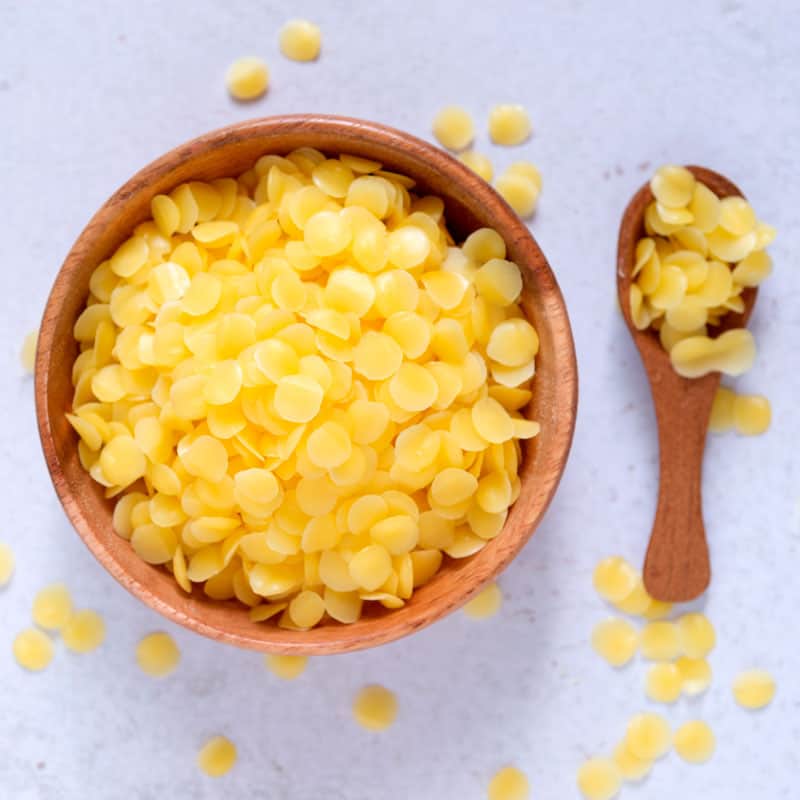
If you're looking for a versatile natural pain reliever that can also improve skin, heart health and more, look no further than beeswax.
Read the guide →
Zinc pyrithione has been used topically for inflammatory skin conditions and to protect hair for more than 50 years. Find out why.
Read the guide →
Biotin or vitamin B7 is usually safe to take, but it can possibly cause reactions when taken in high amounts. Learn about potential biotin side effects and which dosages are shown to be safe.
Read the guide →
Vitamin D2, also known as ergocalciferol, is a fat-soluble vitamin that is involved in bone health, immune function, cell growth and more.
Read the guide →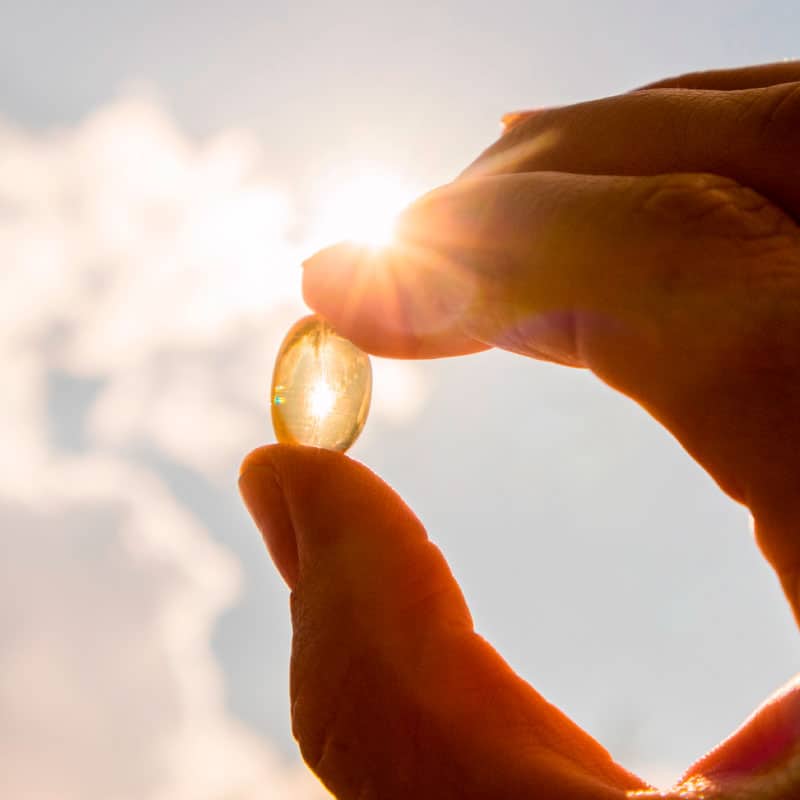
Can you take too much vitamin D? Here is what you need to know about vitamin D toxicity symptoms and how to prevent and treat them.
Read the guide →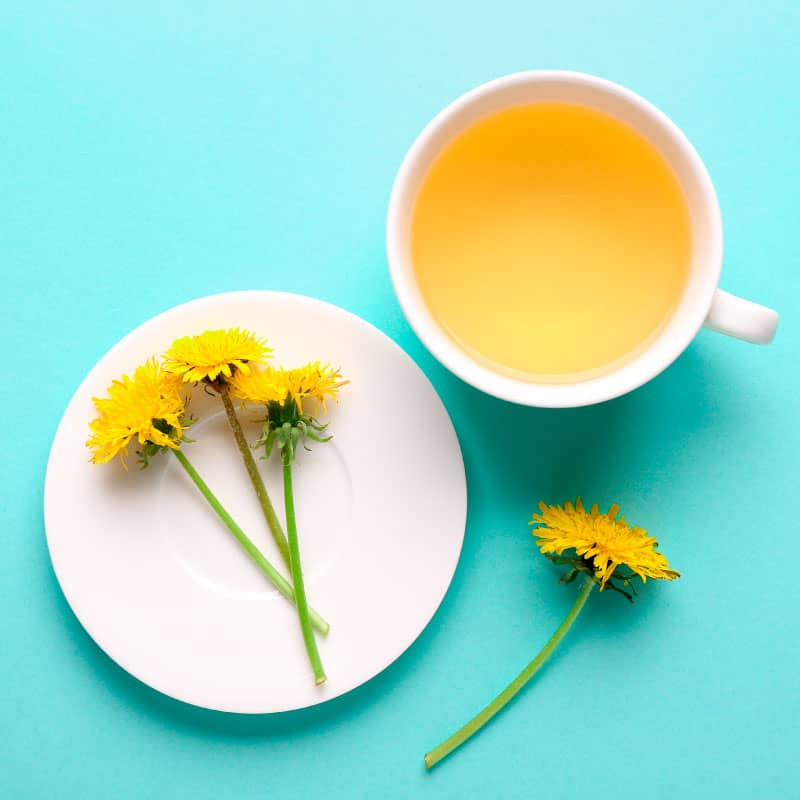
Dandelion tea benefits include detoxing the liver and improving your skin and stomach health. Learn how to make plus possible side effects.
Read the guide →
While probiotics are generally well-tolerated and considered to be safe for most people, probiotic side effects can affect a small percentage of the population. Here's what to look out for along with positive side effects that are far more likely.
Read the guide →
A new study found a link between consumption of omega-3 and breast cancer. It turns out, omega-3 consumption may help lower cancer risk.
Read the guide →
A new study suggests there are benefits of probiotics for depression due to positive effects on gut and brain functions.
Read the guide →
While hyaluronic acid is a well-known hydrating ingredient, polyglutamic acid may be even more effective at keeping skin healthy.
Read the guide →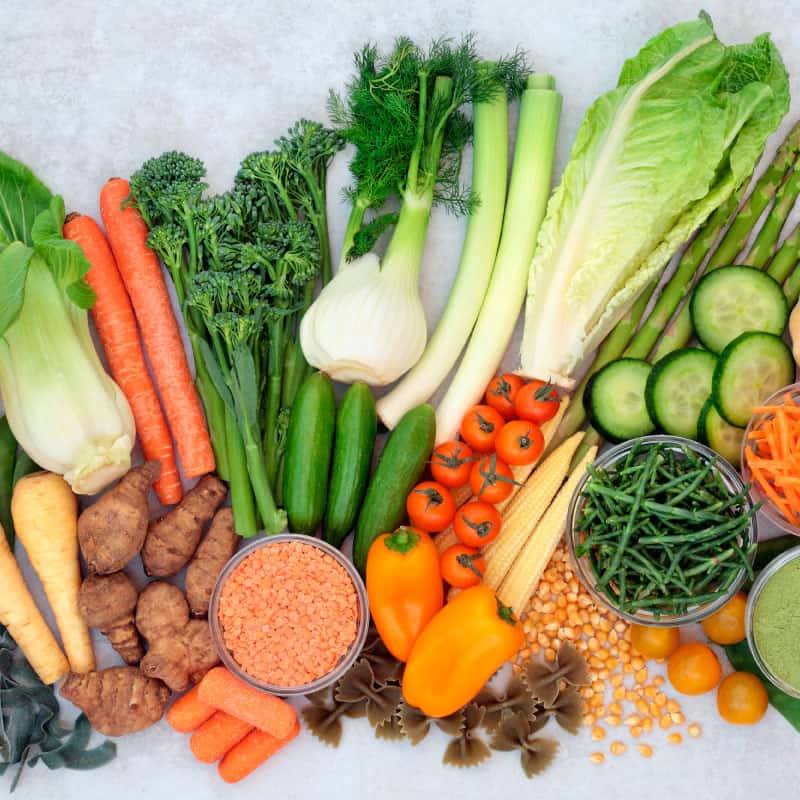
A 2022 study found that higher intake of macular carotenoids appears to be protective against visual and cognitive loss among adult women.
Read the guide →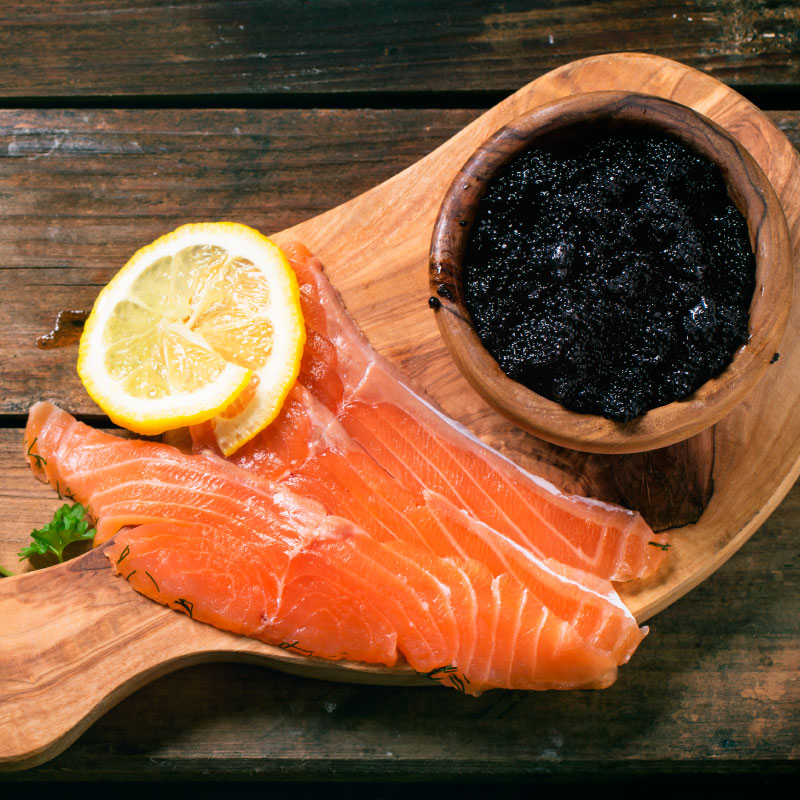
What is the difference between vitamin D2 and vitamin D3? Here's what you need to now about a crucial vitamin many people are deficient in.
Read the guide →
Kanna extract is used to improve focus and cognitive functions. It may also help treat anxiety, depression and chronic pain, but is it safe?
Read the guide →
What are the side effects of vitamin B12? How can you minimize potential vitamin B12 side effects while maximizing the benefits? Find out.
Read the guide →
Magnesium oxide is a magnesium supplement used to prevent deficiency and relieve health concerns like constipation, migraines, sleep problems and more. But how well does it work compared to alternatives?
Read the guide →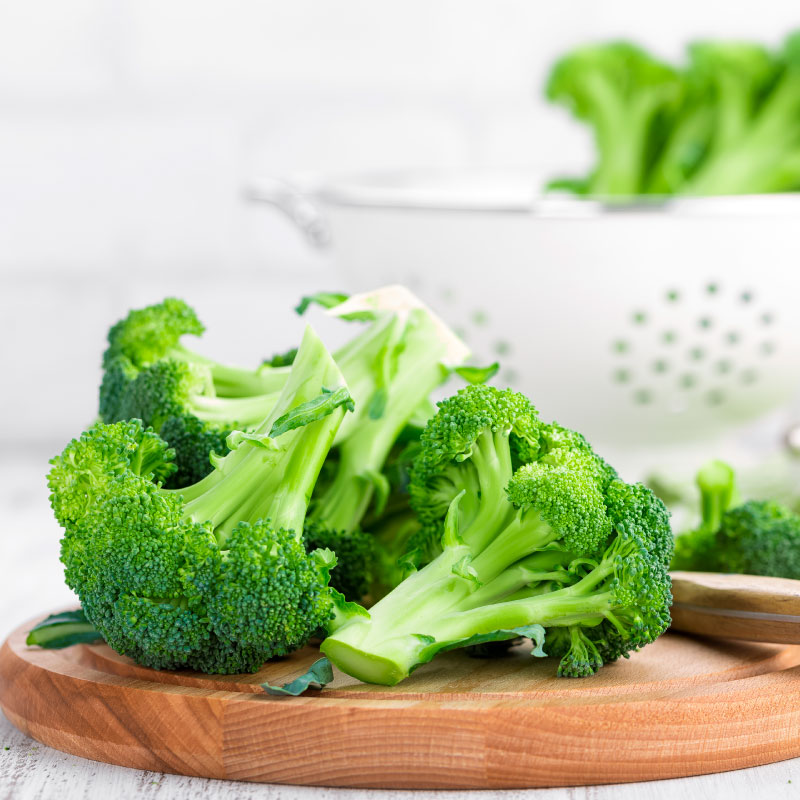
Sulforaphane is a phytochemical found in cruciferous/Brassica vegetables like broccoli that has many protective effects. Learn them here.
Read the guide →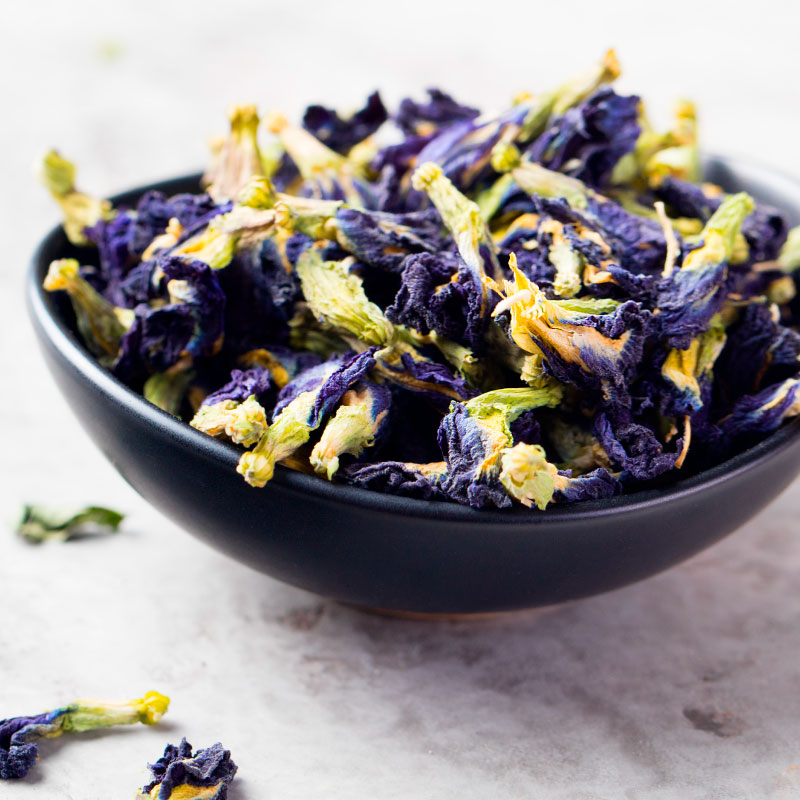
Butterfly pea flower (Clitoria ternatea) is used to make herbal tea that holds anti-inflammatory and antimicrobial properties.
Read the guide →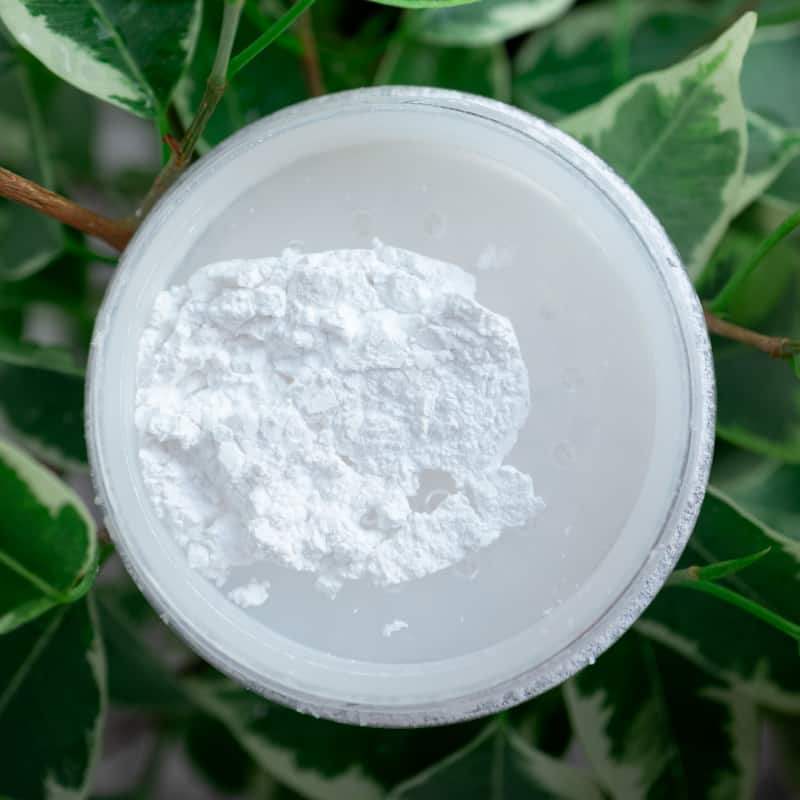
Zinc oxide benefits are becoming increasingly clear, especially when it comes to sunscreen and the skin. Did you know that it can also help acne, rashes and tissue damage?
Read the guide →
Magnesium citrate is a popular magnesium supplement and can defend against magnesium deficiency and relieve constipation, among other health benefits. Learn proper dosage, common uses, side effects to expect and precautions to take.
Read the guide →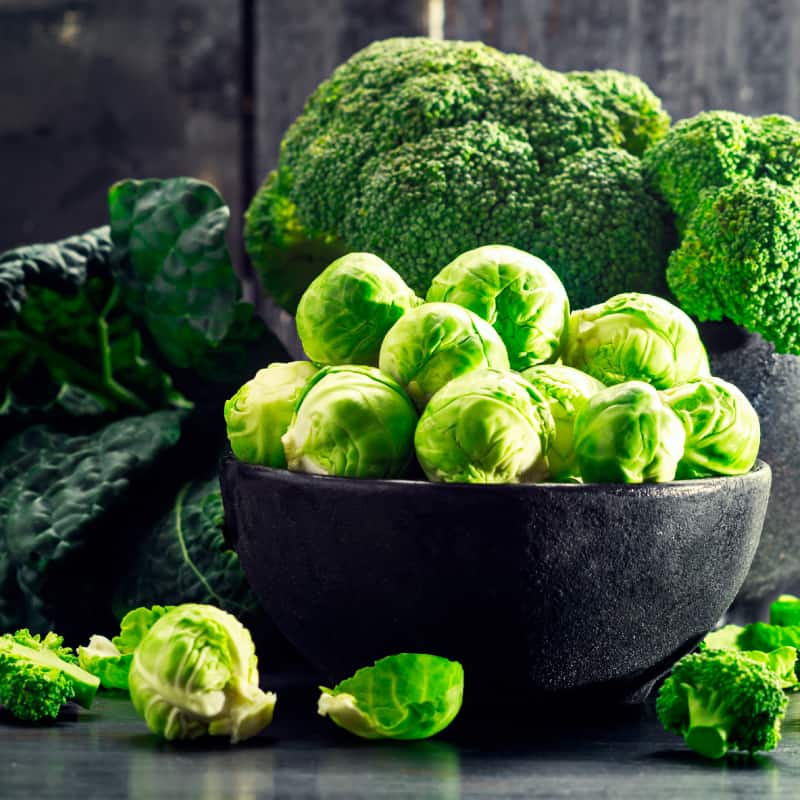
Alpha lipoic acid is an antioxidant with many health benefits and is especially beneficial for diabetics. Learn more here.
Read the guide →
English ivy is an evergreen often made into herbal remedies to help with respiratory symptoms, colds, joint pain and other issues.
Read the guide →What people read most, what’s new in the library, and what’s trending — on this topic.
 What Is Turkesterone? Benefits of This Muscle-Building Supplementnutrition
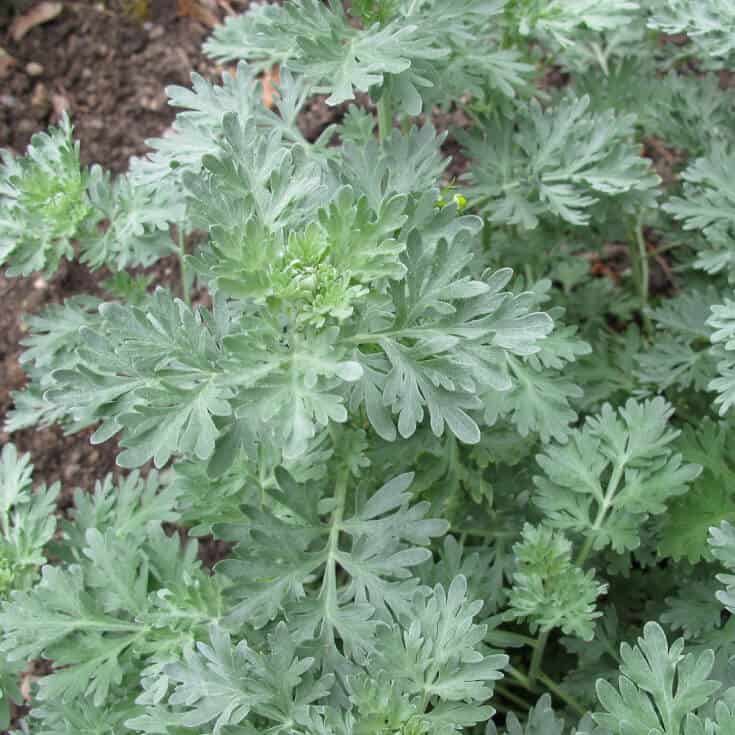 Wormwood: The Parasite-Killing, Cancer-Fighting Super Herbnutrition
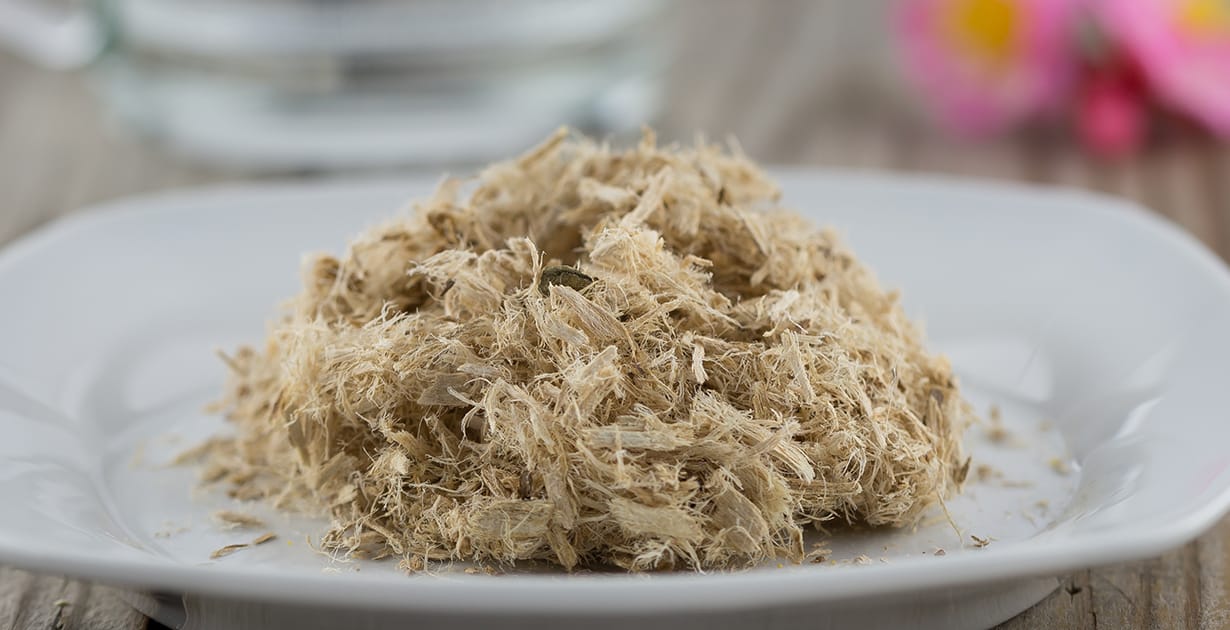 Slippery Elm: Benefits, Uses, Dosage & Side Effectsnutrition
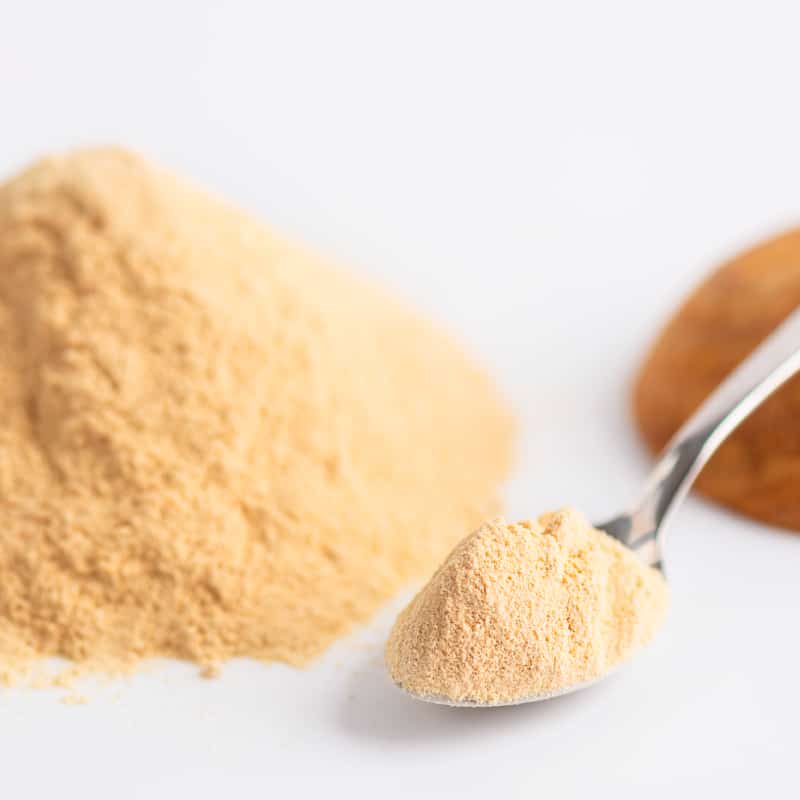 Sunflower Lecithin Benefits for the Brain, Skin, Gut & MorenutritionSlippery Elm: Benefits, Uses, Dosage & Side Effectsnutrition
 Creatine: Benefits, Uses, Dosage & Side Effectsnutrition
 Organ and Liver Supplements: Benefits, Nutrition, Types and How to Choose Onenutrition
 Collagen Powder Benefits: What It Is, How It Works and What to Look FornutritionSlippery Elm: Benefits, Uses, Dosage & Side Effectsnutrition
 Cayenne Pepper Benefits Your Gut, Heart and Morenutrition
 What Is Collagen? Benefits for Skin, Hair, Joints and Morenutrition
 Magnesium Supplements: Types, Benefits and How Much to Takenutrition