





Advertisement
nutrition

Are you getting enough probiotic foods in your diet? Chances are you’re probably not.
Probiotics are a form of good bacteria found in your gut that are responsible for everything from nutrient absorption to immune health.
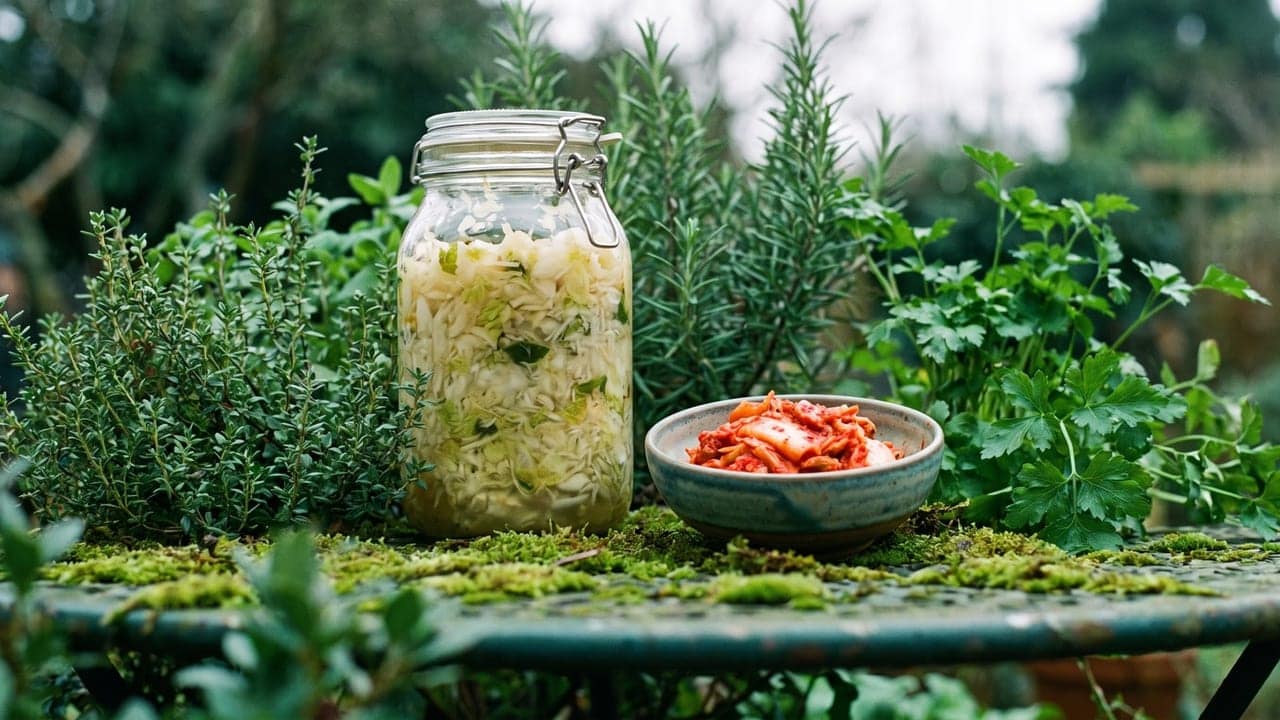
Not only are probiotics essential for digestion, but did you know there are hundreds of other health benefits of consuming probiotic-rich foods that you might not be aware of? According to a review published in the journal ISRN Nutrition, probiotics could also help people lower cholesterol, protect against allergies, aid in cancer prevention and more.
In most cases, getting more probiotics in your routine doesn't require you to buy expensive pills, powders or supplements. In fact, there are a number of probiotic foods out there that are delicious, versatile and easy to enjoy as part of a healthy, well-rounded diet naturally.
In this article, we'll cover the extensive list of probiotic foods you should consider adding to your food routine and how they can benefit you. Plus, we'll look at some tips for how to fit these fermented foods into your meals to maximize the gut-boosting benefits of probiotics.
Probiotics are a type of beneficial bacteria that are found within the gut microbiome. These microorganisms play a central role in health and disease and are even involved in immune function and digestion.
If you don’t get enough probiotics, some of the side effects may include digestive problems, skin issues, candida, autoimmune disease, and frequent colds and flus.
Historically, people had plenty of probiotics from eating fresh foods from good soil and by fermenting foods to keep them from spoiling. Today, however, dangerous agricultural practices and decreased diet quality have caused our food supply to be significantly lower in probiotics.
Even worse, many foods today actually contain antibiotics, which even kill off the good bacteria in our bodies.
Fortunately, in addition to taking probiotic supplements, there are many probiotic foods that people can consume to help provide these essential microorganisms.
By adding more probiotic foods into your schedule, you could see all of the following health benefits:
If you want all of these benefits, then it’s time to start consuming probiotic foods for better health.
Ideally, you should eat a variety of different types of probiotic foods since each offers a different type of beneficial bacteria to help the body in a variety of ways. Pick and choose a few ingredients from the probiotic and prebiotic foods list, and start filling your plate to reap the rewards of better gut health.
Here are a few of the top types of "friendly" gut bacteria that your body needs …
7 types of probiotic bacteria:
The best probiotics naturally have these active cultures. It's important they're live and active cultures to benefit your gut the most, so if you do choose to take probiotic supplements, make sure they have these.
In addition, you can look for prebiotics, postbiotics and synbiotics supplements, which can encourage and enhance the benefits of probiotic foods.
30-day protocol
Rebuild the gut lining and microbiome: the remove–replace–repair sequence, foods, supplements and the labs that confirm progress.
Free with your Dr. Axe account
View the protocol →Where can you find probiotics? Here are the top probiotics foods in which you can find this beneficial bacteria.
Similar to yogurt, kefir, a fermented dairy product, is a unique combination of milk and fermented kefir grains.
It has been consumed for well over 3,000 years. The term originated in Russia and Turkey and means “feeling good.”
It has a slightly acidic and tart flavor and contains anywhere from 10 to 34 strains of probiotics.
It is similar to yogurt, but because it is fermented with yeast and more bacteria, the final product is higher in probiotics and lower in lactose, making it a suitable choice for many who are lactose-intolerant.
Made from fermented cabbage and other probiotic vegetables, sauerkraut is not diverse in probiotics but is high in organic acids (what gives food its sour taste) that support the growth of good bacteria.
Sauerkraut is extremely popular in Germany today.
It is high in vitamin C and digestive enzymes. It's also a good source of natural lactic acid bacteria, such as lactobacillus.
Kombucha is an effervescent fermentation of black tea that is started by using a SCOBY, also known as a symbiotic colony of bacteria and yeast. Kombucha has been around for over 2,000 years, originating around Japan.
Many claims have been made about kombucha, but its primary health benefits include digestive support, increased energy and liver detoxification.
Made by fermenting the juice of young coconuts with kefir grains, this option has some of the same probiotics as the traditional variety but is typically not as high in probiotics. Still, it has several strains that are beneficial for your health.
Coconut kefir has a great flavor, and you can add a bit of stevia, water and lime juice to make a great-tasting, refreshing probiotic drink.
A popular dish in Japan consisting of fermented soybeans, natto contains the extremely powerful probiotic Bacillus subtilis, which has been proven to bolster your immune system, support cardiovascular health and enhance digestion of vitamin K2.
Natto also contains a powerful anti-inflammatory enzyme called nattokinase that has been proven to prevent blood clotting and is loaded with protein, securing it a top slot in the list of probiotic foods.
Possibly the most popular probiotic food is live cultured probiotic yogurt or Greek yogurt made from the milk of cows, goats or sheep. Yogurt, in most cases, can rank at the top of probiotic foods if it comes from grass-fed animals and has not been pasteurized.
The problem is there is a large variation on the quality of yogurts on the market today. When buying yogurt, look for organic, grass-fed varieties that are made from goat's or sheep's milk.
This powerful ingredient has been a common fermented beverage in Eastern Europe since ancient times. It was traditionally made by fermenting rye or barley, but in more recent years has been created using probiotic fruits and beets along with other root vegetables, like carrots.
Kvass uses Lactobacilli probiotics and is known for its blood- and liver-cleansing properties, along with its mild sour flavor.
Goat’s milk, sheep’s milk and A2 cow’s soft cheeses are particularly high in probiotics, including thermophillus, bifudus, bulgaricus and acidophilus. Always buy raw and unpasteurized cheeses if you want to receive any probiotics, as pasteurized and processed varieties are lacking in beneficial bacteria.
Some of the healthiest cheeses also double as probiotic foods, such as:
Is apple cider vinegar a good source of probiotics? In addition to potentially controlling blood pressure, reducing cholesterol levels, improving insulin sensitivity and even enhancing weight loss, apple cider vinegar can help ramp up probiotic intake as well.
Drink a small bit each day, or use it as a salad dressing to maximize your results.
These fermented tasty treats are also a little recognized probiotics source. When shopping for pickles, be sure to choose a smaller food manufacturer that uses organic products. If you can find a local maker, you’ll get some of the best probiotics for your health.
Other pickled foods also serve as probiotic foods, including pickled beets, dill pickles and more.
Olives that are brine-cured are an excellent source of probiotics. Like with salted gherkin pickles, be sure to select a product that is organic first.
Next, be certain that your olives aren’t made from a huge manufacturer, and try to select a smaller company that advertises probiotics.
Also make sure that your olives don’t contain sodium benzoate, a food additive that can negate many of the health-promoting properties of this probiotic power-food.
Hailing from Indonesia, this fermented soybean product is another awesome food that provides probiotics. Tempeh is created by adding a tempeh starter to soybeans. The product is then left to sit for a day or two, which results in a cake-like product.
You can eat tempeh raw or by boiling it and eating it with miso. It can also be used as a substitute for meat in a stir-fry meal and can be baked, grilled, marinated or sautéed.
Miso is a traditional Japanese spice found in many of their traditional foods. If you’ve ever been to a Japanese restaurant, you may have seen miso soup.
Not only that, but it is also one of the mainstays of Japanese medicine and is commonly used in macrobiotic cooking as a digestive regulator.
It is created by fermenting soybean, barley or brown rice with koji. Koji is a fungus, and the fermentation process takes anywhere from a few days to a few years to complete.
Miso soup is famous throughout the world, and it's very easy to prepare. Simply dissolve a tablespoonful of miso in a pot of water filled with seaweed and other ingredients of your choice.
Miso can also be spread on crackers, used in place of butter, or added to marinades and stir-fries for an added dose of flavor.
Traditional buttermilk, also sometimes called cultured buttermilk, is a fermented drink that is made from the liquid that is left over after churning butter. It's considered one of the top probiotic Indian foods and is commonly consumed in countries such as Nepal and Pakistan as well.
Keep in mind that most types of buttermilk found at supermarkets do not contain probiotics. Instead, look for varieties that contain live cultures to boost the benefits of your buttermilk.
Water kefir is made by adding grains to sugar water, resulting in a fermented, fizzy beverage that is jam-packed with probiotics.
The water kind is one of the top natural vegan probiotic foods that can be enjoyed as part of a healthy plant-based diet. It's also thinner than the regular version and can be flavored using a variety of herbs, fruits and spices to create your own customized concoction.
Raw cow's milk, goat’s milk, sheep’s milk and A2 aged cheeses are particularly high in probiotics. Just remember, all pasteurized dairy is devoid of healthy bacteria, so to get the probiotics, you need to stick to only high-quality, raw dairy that hasn't been pasteurized.
Kimchi is a cousin to sauerkraut and the Korean take on cultured veggies. It's created by mixing a main ingredient, such as Chinese cabbage, with a number of other foods and spices, like red pepper flakes, radishes, carrots, garlic, ginger, onion, sea salt and fish sauce.
The mixture is then left aside to ferment for three to 14 days, resulting in a flavor-filled, probiotic-packed ingredient.
Made through a natural fermentation process using wild yeast and lactic acid bacteria, sourdough bread is easier to digest than conventional bread. The fermentation process breaks down gluten, enhances nutrient absorption and promotes gut health.
Enjoy sourdough bread as toast, sandwiches, or alongside soups and salads.
A traditional Mexican fermented beverage, tepache is made from pineapple peels, sugar and spices. It’s rich in probiotics and vitamins, supporting digestive health and boosting immunity.
Drink tepache chilled as a refreshing beverage, or enjoy it as a natural alternative to sugary sodas.
This Korean fermented chili paste is crafted from glutinous rice, soybeans and red pepper powder. Packed with probiotics, gochujang not only adds a bold, spicy flavor to dishes, but also supports a balanced gut microbiome and aids digestion.
Use it in marinades, stir-fries or as a flavorful condiment.
These salted and fermented Japanese plums are known for their tangy and salty flavor. Umeboshi plums are traditionally used to improve digestion, reduce fatigue and maintain gut health.
Add them to rice dishes, steep them in tea or enjoy them as a tangy standalone snack.
Adding a few servings of probiotic-rich foods to your daily diet can be an easy and effective way to give your gut microbiome a boost while also improving overall health — and you'll find you feel better consuming these foods too.
To get started, try making a few simple swaps in the foods you eat. For example, you can switch out soda, juice or energy drinks for fermented beverages such as kombucha instead.
You can also trade regular yogurt for probiotic yogurt and substitute raw milk or cheese in place of regular cheese or milk products.
Alternatively, try using a few of the best probiotic foods in your favorite recipes to add a bit of extra flavor and variety to your weekly rotation. Tempeh works well as a meatless main dish, sauerkraut can be served as a savory spread, and apple cider vinegar makes a great addition to salad dressings and vinaigrettes.
Regardless of how you choose to get in your daily dose of these natural probiotic foods, the trick is to get creative, and don't be afraid to experiment with new ingredients to make healthy and delicious meals.