




Advertisement
Advertisement
Diets · Faith & Health
What The Biblio Diet teaches and who it's for, what goes on your plate and what comes off it, how fasting and rest fit in, and how to start this week.
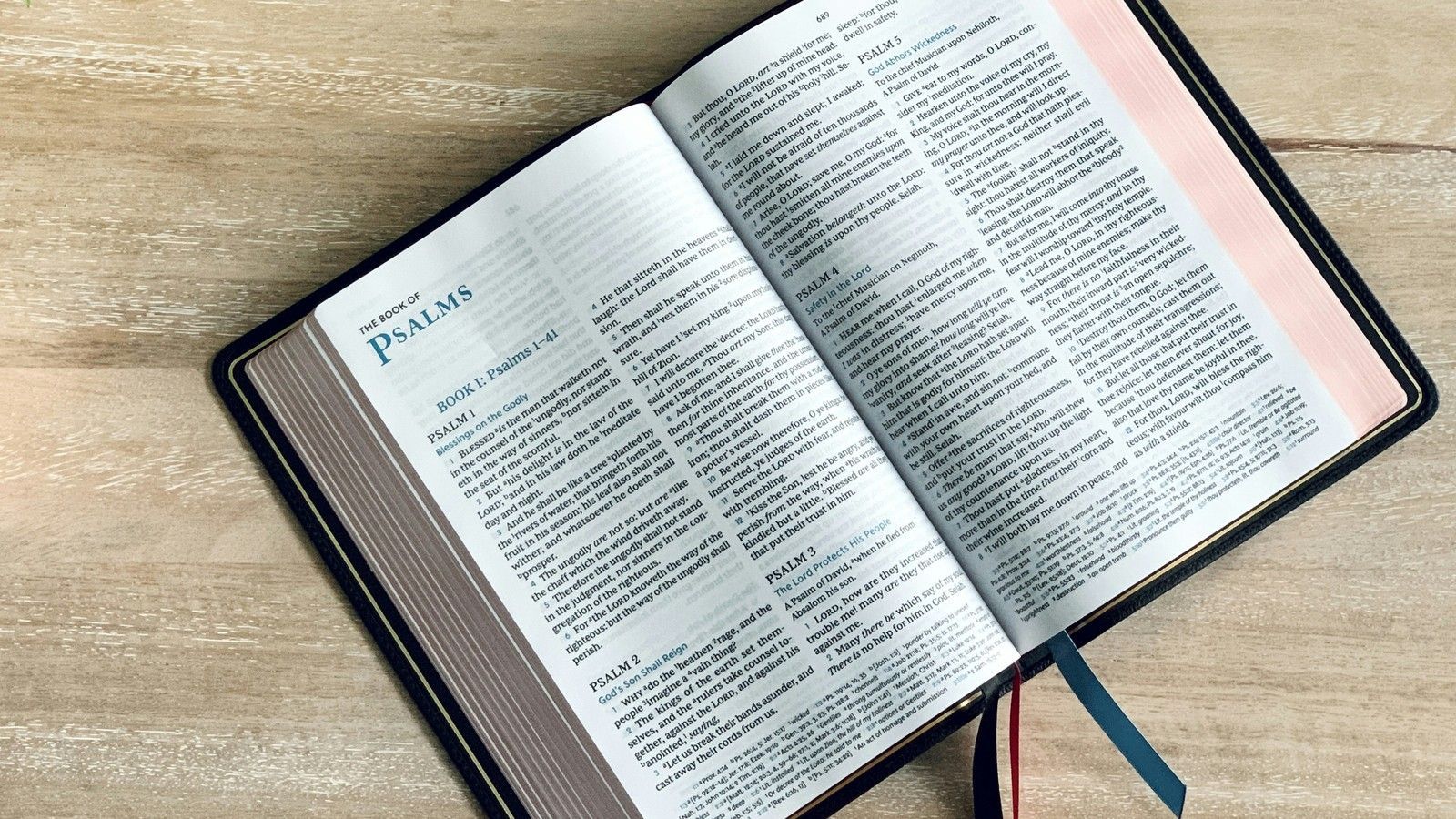
The Biblio Diet is a 2025 book and whole-food plan I wrote with Jordan Rubin that teaches you to eat the foods God made, as close as possible to the way He made them, with fasting and rest built into your week.1
The Biblio Diet is a 2025 book and whole-food plan I wrote with my friend Jordan Rubin that teaches you to eat the way Scripture describes: the foods God made, as close as possible to the way He made them, with fasting and rest built into your week.16 I believe eating this way is part of how you honor God with your body, and when you give that body the real food it was made for, it can do what it was designed to do, which is heal.5
Most of what wears you down comes back to a few root causes you touch every single day: what you eat, when you eat and whether you ever truly rest. Those are also the things you can change, starting with your next meal. Jordan and I spent years going through the entire Bible to see what God says about health,6 and this book is what came out of that study, a way of eating and living you can follow for the rest of your life.1
Below you'll find what the book teaches and who it's for, how this way of eating works in your body, what goes on your plate and what comes off it, how fasting and rest fit in, a summary of the seven-day plan and a simple way to start this week.
The Biblio Diet is a whole-food, Bible-based way of eating and living, laid out in the 2025 book of the same name that I wrote with Jordan Rubin.1 It rests on two rules: eat only what God created and intended as food, and eat that food in the form that's healthy for your body. Clean meats, fish with fins and scales, goat and sheep dairy, raw honey, unrefined salt and traditional breads stay on the plate, and fasting, prayer and rest are part of the plan.
The name comes from the Greek word biblíon, which means book, and we call the people who eat this way Bibliotarians, people who build their lifestyles on The Book, the Bible.1 Many of us identify ourselves by what we eat, as paleo, keto, vegan or carnivore, and if your goal is to reclaim your health by following God's principles, this is the name we'd invite you to take on. We did call it a diet, although that word suggests something temporary, and this is meant to be a way of living you keep for good.1
This way of eating is built to be enjoyed, and I'm not joking when I say that if I weren't a doctor, I would have been a gourmet chef, and Jordan and I even plan our vacations around where we're going to eat.1 We wanted this way of eating to be nutritious and delicious without being driven by restriction.1
If you're after the broader biblical diet guide, with its full food list, meal plan and verses, you'll find all of that on its own page.
Food is one part of biblical healing, and this free protocol walks you through the rest of it:
Free with your Dr. Axe account (email or Google). You'll also get the protocol's short email series and the Dr. Axe newsletter; unsubscribe anytime.
Open the free protocol →The Biblio Diet was published by Apiary on September 16, 2025, runs 304 pages and hit the New York Times bestseller list.18 Jordan Rubin, who wrote The Maker's Diet more than 20 years ago, and I wrote it for the whole person, so alongside the food chapters you'll find what the people of the Bible ate, the case for leaving pork and shellfish off the table, what Scripture and research say about dairy, red meat, honey and salt, the healing herbs and essential oils of the Bible, and how fasting, prayer, rest and biblical meditation support your body and your emotional life.178 We get into the science as well, although I believe the Bible is a greater authority than the science of today.7
Inside the book you'll find:1
Daniel Amen, MD, calls it "a divine blueprint for healing, purpose, and long life."1 I walk through the main ideas on my show in The Most Important Diet You've Never Heard Of, and the food principles also became the Biblical Diet & Healing Program, a six-module video course with a printable workbook.
The book lays out the full plan, the seven-day starter, the shopping list and the recipes. It comes in hardcover, ebook and audiobook.
See the book →Jordan and I wrote this book for people who want to build their health on what God says, and we believe every Christian should have it on the shelf.7 It also has a study guide, which makes it a natural fit for small groups and church programs.8
If you've bounced from one diet to the next, you may find this one easier to live with.1 You'll spend more time in the kitchen than you may be used to, so it suits people who are ready to cook real food and to let their faith shape what lands on the table.
Everything in the book comes back to two principles, and you can carry both of them into any grocery store:1
The first principle decides what belongs on your plate at all, which is why clean meats and fish with fins and scales stay and the animals Scripture calls unclean come off. The second decides what has happened to that food on its way to you, and it's why we keep pointing you back toward the coarse, round bread of biblical times and away from ingredients that dilute the nutrition God provided.1
Both principles begin in the heart. The apostle Paul wrote, "Whether therefore ye eat, or drink, or whatsoever ye do, do all to the glory of God" (1 Corinthians 10:31, KJV), and that verse sits at the center of this way of eating.
When you eat, part of it is a mindset. Part of it is an act of worship. I am eating to honor God with my body.Dr. Josh Axe, DC, DNM, CNSFrom The Most Important Diet You've Never Heard Of (Biblio Diet), The Dr. Josh Axe Show (2025), at 6:40
When you sit down with that mindset, the question at the table changes from what you can get away with to what you could put on your plate right now that would bring the most glory to God and the most health to the temple He gave you.5
The Biblio Diet works by changing the daily habits behind most of what wears the body down. Real food in place of ultra-processed food helps your appetite settle,2 fermented foods feed your gut,3 and time away from food lowers insulin and shifts your body toward burning stored fat for fuel.49
Your body was designed to heal, and when it has the right materials and a little time to rest, it goes to work on its own. The plan itself hasn't been run through a clinical trial yet, so the research below looks at its parts, and each of those parts lines up with what people have practiced for thousands of years.
The first thing that changes is what reaches your plate, and when real food replaces ultra-processed foods, your appetite tends to settle down on its own. In a randomized study at the National Institutes of Health, 20 adults stayed as inpatients and each person tried both an ultra-processed diet and an unprocessed diet for 14 days, with meals matched for calories offered, sugar, fat, sodium and fiber and with permission to eat as much as they wanted. They ate about 508 more calories a day on the ultra-processed diet and gained about 2 pounds (0.9 kg), and they lost about 2 pounds (0.9 kg) on the unprocessed diet.2 The hormones behind hunger moved too, with the fullness hormone PYY rising and the hunger hormone ghrelin falling on the unprocessed diet.2 That fits a plan that doesn't ask you to count anything, because when the food was real, the people in that study ate less without anyone telling them to.
Weight fell on real food and rose on ultra-processed food
Real food also feeds the microbes in your gut, and that's where the fermented foods on this plan come in. In a randomized trial of 36 healthy adults, the study's main immune measure didn't change in either group, but the group that ate more fermented foods for 10 weeks saw their microbiome diversity rise and 19 of 93 inflammatory proteins in the blood fall.3
Fasting gives your insulin a chance to come down. In a controlled feeding study of 8 overweight men with prediabetes, each man tried both schedules for five weeks, and eating within a six-hour window that ended by 3 p.m. improved insulin sensitivity and lowered morning blood pressure by about 11 over 10 points compared with a 12-hour window, even without weight loss.4 Fasting glucose and LDL and HDL cholesterol stayed about the same, and morning triglycerides and total cholesterol read higher, which the researchers put down to the longer fast before testing.4 That six-hour window is much tighter than the book's starting point, and it shows how much your body responds when it gets real time away from food. A longer stretch also changes your fuel, because as stored sugar runs low, your metabolism shifts from glucose toward ketones made from fat, which researchers call the metabolic switch.9
In that NIH study, ultra-processed meals led to about 508 more calories a day.2
The fullness hormone PYY rose and the hunger hormone ghrelin fell on the unprocessed diet.2
In a trial of 36 healthy adults, a fermented-food diet raised microbiome diversity and lowered 19 of 93 inflammatory proteins in the blood.3
In 8 men with prediabetes who each tried both schedules, a six-hour eating window improved insulin sensitivity without weight loss.4
As fasting goes on, your metabolism shifts from glucose toward ketones made from fat.9
Rest is when your body recharges itself and calms the stress hormones that drain you.24
The Biblio eating plan asks you to eat real, God-created foods until you're satisfied, without counting calories, carbs or macros.1 The book gives you a seven-day starter plan, a list of foods to eat and foods to leave behind, and a planned "reward hour" once or twice a week so you can stay on track without having to be perfect.
The best part of this plan, as we wrote in the book, is that you don't have to focus on portion size. You eat God-created foods until you're satisfied, you stop before you feel stuffed and miserable, and you listen to your body along the way.1 We do suggest keeping a daily journal, because it shows you which foods and meals work best for you and helps you fine-tune your fasting.1
To show you what we reach for first, Jordan and I listed our desert island foods, the ones we'd want if we were ever stranded: organic or grass-fed red meat, avocado, pasture-raised eggs, sourdough bread, cultured A2 dairy, the kind goat and sheep give naturally, bone broth, mushrooms, wild-caught salmon, organ meats, extra-virgin olive oil, pomegranates and extra-virgin coconut oil.1 On the other side sit the six foods we call the Sinister Six: detestable or unclean meats, artificial sweeteners, ultra-processed and hydrogenated vegetable and seed oils, added sugar, processed white flour and artificial colors. We wrote that if you adopt no other habit from the book and simply stop eating those six, you'll level up your health.1
The plan also leaves room for real life. The book's reward hour is a planned hour, once or twice a week, when you set a timer and enjoy the treat you've been looking forward to. The idea is that it's easier for your body to recover from one short window of treats than from grazing all day, and knowing it's coming takes away the pressure to be perfect.1
On the Biblio Diet you eat clean meats, wild fish with fins and scales, fermented goat and sheep dairy, vegetables, fruit, raw honey, unrefined salt and traditional breads.1
Vegetables and fruit fill out every day of this plan, and the table shows the whole plate at a glance. The sections after it walk through the foods we spend the most time on.
| Food | The Biblio standard | Leave behind |
|---|---|---|
Meat | Organic, grass-fed beef, bison, lamb, venison, goat or water buffalo, plus organic poultry1 | Pork and ultra-processed meats such as hot dogs1 |
Fish | Wild, ocean-caught fish with fins and scales1 | Shellfish, catfish and eel1 |
Dairy | Full-fat goat and sheep dairy, ideally fermented, plus coconut milk or cream | Margarine and fat-free milk1 |
Sweetener | Raw honey, used sparingly1 | Added sugar and artificial sweeteners1 |
Salt | Regular table salt1 | |
Bread | Sprouted, sourdough or unhybridized grains1 | White bread and processed white flour1 |
Oil | Extra-virgin olive oil as your main oil15 | Ultra-processed and hydrogenated vegetable and seed oils1 |
Vegetables, fruit, nuts and mushrooms | Greens, broccoli, carrots, tomatoes, sweet potatoes, berries, apples, citrus, walnuts, pecans, chia seeds and mushrooms, organic when you can1 | Chips, cookies and other ultra-processed snacks1 |
Drinks | Purified water, herbal tea, organic coffee, coconut water, fresh vegetable juice, kombucha and kvass1 | Soda, diet drinks and pasteurized fruit juice1 |
Red meat is one of the book's desert island foods, and we recommend organic and grass-fed beef, bison, lamb, venison, goat or water buffalo, along with the poultry that fills out the plan's dinners.1 This meat gives you complete protein along with taurine, carnitine and creatine.1 The Biblio Diet isn't an all-meat diet, and our guide is that about half of your protein should come from animal meat.1
The World Health Organization's cancer agency classifies processed meat of every kind, processed beef included, as Group 1, and it rates red meat itself Group 2A, probably carcinogenic. Every 50-gram portion of processed meat eaten daily raises colorectal cancer risk by about 18%.1112 As I've said on my show, the studies that link red meat to poor health mostly reflect grain-fed and processed meat, not the fresh, grass-fed red meat I recommend.13
The standard I follow comes straight from Leviticus: "These shall ye eat of all that are in the waters: whatsoever hath fins and scales in the waters, in the seas, and in the rivers, them shall ye eat" (Leviticus 11:9, KJV). In practice that means wild, ocean-caught fish, and we suggest eating entire small fish, like sardines and anchovies, one to three times a month.1 For a weekly amount, our guide to fish you should never eat sets the target at 8 to 12 ounces of low-mercury fish and shows you which ones to buy.
Dairy on this plan leads with full-fat goat and sheep dairy, ideally fermented, along with coconut milk or cream. Goat milk kefir and sheep milk yogurt are the classic examples, and all goat and sheep dairy is naturally A2.1 One of my closest friends, Jordan Rubin, drank goat's milk kefir every day during his battle with inflammatory bowel disease, and he believes it was potentially the most healing thing he did.13 In the book we rank raw organic A2 milk first and fermented A2 dairy second, and we wrote that raw milk isn't dangerous if, and only if, you get it from a reputable source.1 Cultured A2 cow's dairy is an option if you tolerate it.
Milk and cheese used to make my nose run, and every winter of high school I'd come down with bronchitis that hung on for two or three months. I stopped eating dairy in college and the bronchitis went away. Years later I tried goat milk, did well with a little of it and added goat cheese, sheep cheese and kefir over time, and today I can have small amounts of A2 dairy because it works well with my body.1 Everybody responds differently, so let your own body guide how much dairy you keep.
Honey is the sweetener of the Bible, and it leads the sweeteners on this plan. Our biblical ancestors used raw, wild honey as a treat,1 and Scripture sets its limit in plain words: "It is not good to eat much honey" (Proverbs 25:27, KJV). I recommend 1 teaspoon to 1 tablespoon of raw local honey a day, along with local bee pollen, and Manuka honey works as both a therapy and an everyday sweetener. The other natural sweeteners on our list, including date sugar, maple syrup and coconut sugar, are small-amount swaps that sit behind honey.1
Salt runs through Scripture as well, and the word salt appears 40 times in the King James Version. In the book we tell you to trade your table and seasoning salt for Celtic sea salt or a similar unrefined whole salt.1 I tell people to just sprinkle it on, a few dashes here and there at lunch and dinner, and to take in a little more when they're sweating hard or out in the heat.10
Bread is the most-mentioned food in the King James Version, named 361 times, and you don't have to give it up to eat this way. We sort Biblio bread into three kinds: unhybridized, sprouted and fermented, which means sourdough.1 Unhybridized grains are ancient ones such as einkorn, spelt, barley and rye, and we find them easier to digest than mass-produced wheat.1 Look for bread labeled 100 percent sprouted, usually kept in the refrigerator or freezer section because it's made without preservatives. If gluten is a problem for you, we point you to flours such as coconut, almond, oat, rice and buckwheat.1
You'll find sourdough bread on my mom's table as well, because she now follows more of a biblical way of eating herself, with a lot of fruits and vegetables, plenty of pomegranate, wild fish and extra-virgin olive oil as her main oil.5
The Biblio Diet leaves off pork, shellfish and the other meats Scripture calls unclean, along with ultra-processed foods, added sugar, artificial sweeteners, refined seed oils and white flour.1 Our recommendation against unclean meats is about biblical health and vitality, and it's not a sin issue.
Two kinds of food come off the plate, the animals Scripture calls unclean and the modern foods that never existed in biblical times.
Leviticus 11 and Deuteronomy 14 set out which animals to leave alone. On land, that means animals without split hooves or that don't chew the cud, including the pig, and in the water it means shellfish such as shrimp, crab, lobster, clams, mussels, oysters and scallops, along with smooth-skinned species such as catfish and eel.1 Jordan and I wrote that our recommendation against these foods is based on biblical health and vitality, and that it's not a sin issue, so eating bacon, fried catfish or popcorn shrimp won't separate you from God on a spiritual level.1
There are sound health reasons behind that wisdom. Pork has been the major source of trichinellosis, a parasitic infection, in a worldwide review of 65,818 cases from 1986 to 2009,14 pigs are the primary source of hepatitis E in developed countries,15 and the CDC notes that most people get vibriosis by eating raw or undercooked shellfish, particularly oysters.16 These rules came long before anyone knew about germs, and it's striking how often the animals Scripture set apart match the ones food-safety researchers watch most closely. For the fuller case, see our guide on why you should avoid pork, and put lamb, beef or wild fish on the table in its place.
Our clear-out list starts with the Sinister Six and adds ultra-processed meats such as hot dogs, margarine and fat-free milk, white bread, regular table salt, soda and diet drinks, and ultra-processed snacks and sweets such as chips and cookies.1 These foods come off because of what they do when they show up every day. In an umbrella review of 45 pooled analyses covering 9,888,373 people, higher ultra-processed food intake was linked to 32 of the 45 health outcomes studied, including a 50% higher risk of dying from cardiovascular disease, across observational studies.17
Fasting on the Biblio Diet means a daily window of 12 to 20 hours without food, and for most people I recommend skipping breakfast and lunch one day a week or keeping what I call a 10-14 fast.1185 Rest means setting aside one day a week to stop working, in the pattern of the Sabbath.
Fasting runs through Scripture, and Jesus spoke of it as something His followers would do when He said, "Moreover when ye fast, be not, as the hypocrites, of a sad countenance" (Matthew 6:16, KJV). My wife, Chelsea, and I have fasted when we needed clarity in making big decisions or a breakthrough in certain areas, often while we were praying for something specific, and we've been doing this for years and haven't looked back once.15 Jordan and I treat fasting, healing prayer and rest as parts of the same way of life.
In the book, we set a fasting window of 12 to 20 hours. A beginner starts at 12 hours, so if you finish dinner at 7 p.m., you don't eat again until 7 a.m., and you adjust every two weeks if you want to move toward a 16- or 20-hour window, with a 24-hour fast on two nonconsecutive days for those ready for more.1 If you're in hour twelve of sixteen and feel like you absolutely need a snack, have one.1
My approach to intermittent fasting is less stringent than Jordan's but just as effective.1 For most people, the fast I recommend is one day a week, like a Wednesday or Friday, when you skip breakfast and lunch and eat a healthy dinner.18 You can also do what I call a 10-14 fast, where you eat within a 10-hour stretch of the day, have an earlier dinner and leave the other 14 hours without food.5 Restricting your eating window too much, or eating only twice a day, is something I think is hard on the body, and with most of the patients I care for right now at my virtual clinic, I don't recommend long-term fasting.5
When people get to the right state and a certain level of health, I do recommend fasting one day a week for breakfast and lunch in the way that the biblical people did.Dr. Josh Axe, DC, DNM, CNSFrom The Most Important Diet You've Never Heard Of (Biblio Diet), The Dr. Josh Axe Show (2025), at 58:25
I believe fasting has loads of benefits, from promoting autophagy, your body's cellular cleanup, to improving insulin sensitivity and brain function.5 People who keep this habit for years seem to do well, too. In an observational study of 1,957 people undergoing heart catheterization in Utah, the 389 who had fasted routinely, for an average of 42 years, had a 46% lower risk of death than the 1,568 who weren't fasting routinely when they enrolled, after adjusting for other risk factors, and a 69% lower risk of heart failure, with no difference in heart attack or stroke.19 As I've written in The 7 Biblical Protocols for Healing, fasting is a joy to be grown into, not a test to pass.20
Long-time fasters had a 46% lower risk of death
The Daniel Fast is a partial fast of vegetables, fruit, pulses, water and simple whole foods for 10 or 21 days, and I think it can be a great fast to do about once a year.1820
I don't recommend giving up meat year-round, and you don't have to give it up to get results from this fast. In a 21-day study of 43 adults with no comparison group, the Daniel Fast lowered total cholesterol from 171.1 to 138.7 mg/dL, LDL cholesterol from 98.4 to 76.1 mg/dL, a 23% drop, and systolic blood pressure from 114.7 to 105.9 mmHg, while HDL also fell by 14%.21 A follow-up assigned 29 adults to the traditional fast or to a modified version with one serving a day of lean meat and dairy, with no untreated group, and total cholesterol fell about equally over those 21 days, from 186.8 to 155.6 mg/dL on the traditional fast and from 180.7 to 155.1 mg/dL on the version that kept the meat.22 A short plant-based stretch can do a lot for you, and it doesn't have to mean leaving animal protein behind for good.
LDL cholesterol fell 23% after a 21-day Daniel Fast
Your body needs rest as much as it needs food, and I really see the Sabbath as a gift from God.23 We were created to work hard and go hard, but we were also created to rest.23 Jesus said, "The sabbath was made for man, and not man for the sabbath" (Mark 2:27, KJV), and my prescription is to take one day a week, either Saturday or Sunday, and make it a Sabbath rest. If you miss one here or there, that's okay, and you can just jump back on it the next week.24 For my family it usually means going to church and then spending the rest of the day together with no work at all, because rest is when your body recharges itself and calms the stress hormones that drain you.24 Rest shows up in the research too, as in a one-time survey of 1,300 teachers in Christian schools in four countries, where those who kept the Sabbath more reported less burnout.25
The seven-day Biblio Diet plan is a starter week of three meals a day and a snack, with a partial fast on two of the days, a daily walk and two or three days of strength training.1 It comes with a full shopping list.
Think of the seven days as a jump start, and know that it may feel challenging and even a bit boring at first.1 Breakfast is often a smoothie or eggs, lunch a green salad with protein, and dinner a simple plate of meat or fish, vegetables and a whole grain or sweet potato. Day 5 is a good example of a partial-fast day, with no breakfast or lunch and then a dinner of chicken bone broth soup and sautéed beef with vegetables and brown rice. Day 6 opens with eggs, citrus and a handful of almonds and finishes with roasted chicken, steamed vegetables and quinoa, and Day 7 ends with baked or grilled fish, steamed broccoli and whole-grain sourdough toast with butter.1
Snacks stay simple too, like an apple with raw cheese (goat or sheep is ideal) or 4 to 6 ounces of plain goat or sheep yogurt with fruit and raw honey.1 For movement, the plan asks you to walk at least 15 minutes every day, depending on your fitness level, and to strength train two or three days a week.1
You can begin this week with these five steps:1
Our promise for the end of week one is that you'll feel lighter and more energized, even if the mirror doesn't show drastic changes yet, because the change is happening inside, where your inflammation levels and blood sugar are beginning to improve.1 Bible foods that heal is a good next read when you're ready to widen your shopping list.
What if your plate is your altar today?Dr. Josh Axe, DC, DNM, CNSFrom The Most Important Diet You've Never Heard Of (Biblio Diet), The Dr. Josh Axe Show (2025), at 61:06
The book includes 12 new biblically inspired recipes along with the seven-day plan and its shopping list, from an Ancient Grains & Honey Breakfast Bowl and sweet potato pancakes made with einkorn flour to a Hearty Lamb & Lentil Stew and Honey-Glazed Salmon with Roasted Vegetables.1 We keep those recipes in the book, and these meals from our own recipe library use the same foods, so you can start cooking today:
The food side of this plan suits most people from day one, and fasting is the part to adjust to your own situation. I'm a big believer in fasting, but if you're sick or ill, sometimes you want to moderate your fasting and just follow more of that biblical diet instead.5
Times to skip the fast. In biblical times, people with certain conditions, such as pregnancy, weren't fasting.5 If you're pregnant or nursing, under 18, have a past or present eating disorder or need to gain weight, follow the food and skip the fast. If you have a serious medical issue, work with your practitioner and choose the gentlest forms, a simplified Daniel-style menu or the overnight fast.120
Diabetes and medication. In a randomized trial that compared two fasting schedules in 41 adults with type 2 diabetes on glucose-lowering medication, 37 of whom were included in the final results, a very-low-calorie diet two days a week about doubled the rate of low blood sugar even with medication reduced, while weight, HbA1c and fasting glucose improved.26 If you take a glucose-lowering drug such as insulin or a blood thinner such as warfarin, plan any fast with your prescriber first, and let every medication change go through your prescriber.
Women's cycles. As I've said on my show, women are more hormonally sensitive to calorie restriction than men, so avoid extended fasting in the week before your period, with irregular cycles or while working through fertility challenges.27 A one-day-a-week fast is fine for most women.18
Raw dairy. The CDC lists children under 5, adults over 65, pregnant women and people with weak immunity as higher risk for the germs raw milk can carry.28 If you're in one of those groups, choose cultured pasteurized goat or sheep dairy, and for everyone else, the decision comes down to the farm.
Honey and bee pollen. Never give honey, raw or cooked, to a baby under 12 months.32 If you have asthma or have had a severe reaction to pollen, bee stings or bee products, leave the bee pollen out.
Salt. If you have kidney disease or heart failure or take blood pressure medication, agree on an amount with your prescriber before you change how you salt your food.
Food sensitivities. Dairy and grains don't suit everybody, so listen to your body and use the goat, sheep and gluten-free options above.
The Biblio Diet is the way of eating and living Jordan Rubin and I laid out in our 2025 book, real food in the form God gave it to us, with fasting, prayer and rest woven into your week.
When people keep coming back to the same way of eating for thousands of years, it's worth asking why, and the modern studies on real food, fermented foods and time away from eating keep pointing the same direction.
Start this week by clearing the kitchen, running the seven-day plan and keeping your journal, and add a one-day-a-week fast when your health is ready for it. Your body was designed to heal, and every meal you eat is a chance to honor the One who made it.
Food is where the Biblio Diet starts, and this free protocol takes you through prayer, Scripture, fasting and a daily healing rhythm from there.
Free with your Dr. Axe account (email or Google). You'll also get the protocol's short email series and the Dr. Axe newsletter; unsubscribe anytime.
Start the free protocol →The Biblio Diet is a whole-food, Scripture-based way of eating and living from the 2025 book I wrote with Jordan Rubin. It asks you to eat only what God created as food, in the form that's healthy for your body, and it builds in fasting and rest with no calories, points or portions to count.1
Yes, whole eggs, yolk included, are one of the book's desert island foods, and pasture-raised eggs are the ones to buy. They supply protein, choline, vitamin B12 and selenium, and the seven-day plan uses them at breakfast.1
Yes, the book sets out a full list of foods to eat and foods to leave behind right after the seven-day plan.1 In short, clean meats, wild fish with fins and scales, fermented goat and sheep dairy, vegetables, fruit, raw honey and traditional breads are in, and pork, shellfish, ultra-processed foods, added sugar and refined seed oils are out.
Yes, the Biblio Diet includes organic and grass-fed beef, bison, lamb, venison, goat and water buffalo, and the book's guide is that about half of your protein should come from animal meat.1 Choose fresh, grass-fed cuts and leave processed meat behind.
No, I don't see eating pork as a sin issue, and eating bacon won't separate you from God on a spiritual level.1 Jordan and I recommend leaving pork off the table for reasons of biblical health and vitality, and that's the standard I follow.
The Biblio Diet shares the Mediterranean diet's whole foods, olive oil and fish, and it adds clean-food rules, fasting, rest and a different reason for eating. As I've said on my show, the real difference is, number one, the heart, because you are eating to glorify God.5 The Mediterranean pattern also has strong research behind it: in a randomized trial of 7,447 adults at high cardiovascular risk, a Mediterranean diet with extra-virgin olive oil lowered major cardiovascular events by 31% over a median of 4.8 years compared with a reduced-fat diet,29 in a cohort study of 22,043 Greek adults each 2-point rise in adherence went with 25% lower risk of death,30 and a meta-analysis of five cohort studies tied the highest adherence to a 33% lower risk of mild cognitive impairment or Alzheimer's disease.31
Follow it for life, because the Biblio Diet is meant to be a lifelong way of eating and has no end date.1 The seven-day plan is only the jump start, and after that you build your own weeks from the book's food lists.
No, the book comes in hardcover, ebook and audiobook, and we don't reprint it here.1 For something free to start with, The 7 Biblical Protocols for Healing walks you through prayer, Scripture, fasting and a daily healing rhythm.
November 9, 2026 — New page. Dr. Axe's guide to The Biblio Diet (2025): what the book teaches and who it's for, how it works in your body, what to eat and skip, fasting and rest, the seven-day plan, recipes and how to start.

This article is for educational purposes. See our medical disclaimer.